
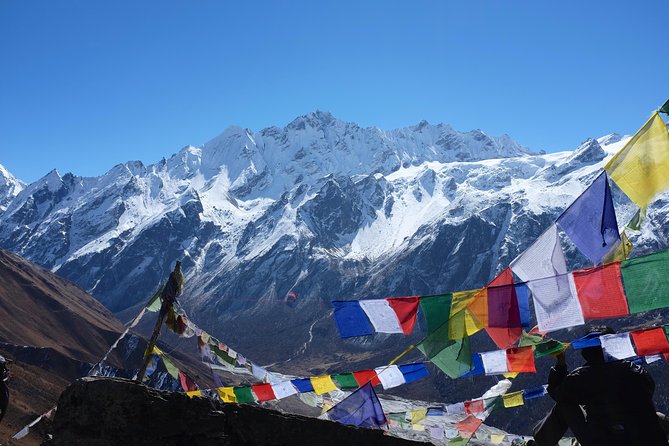
Reviewed · LANGTANG TREKS
Langtang Valley Trek
Langtang Valley gives you a proper Himalayan trek in seven days, without the long schedule of Everest Base Camp or the higher elevations of many Nepal routes. You travel by road from Kathmandu to Syabrubesi, then walk through forest, river gorges, villages, and open mountain country toward Kyanjin Gompa.
I like the sensible structure: permits, meals, accommodation, transport, and a licensed guide are included, so you are not piecing together the trip yourself. I also like the cultural side, especially the villages and Tamang communities along the route. The catch is that the road journey and trek days are long, and shared jeeps are practical rather than comfortable.
- Kyanjin Gompa is the high point: The final village gives you a memorable base in the upper Langtang Valley.
- A manageable Himalayan introduction: The trek is rated moderate, with gradual terrain and lower elevations than several famous Nepal routes.
- Meals are covered: Seven breakfasts, lunches, and dinners are included, along with three hot drinks per day and seasonal fruit.
- A guide-led private departure: Only your group takes part, with a licensed mountain guide assigned for all seven days.
- The road matters: Both transfers use local shared jeeps, which keeps the price down but adds time and a little road-side uncertainty.
- The cost is clear: At $555 per person, the package includes major trekking costs, while insurance, tips, city hotels, and an optional private jeep cost extra.
Why Langtang Works for a Short Himalayan Trek
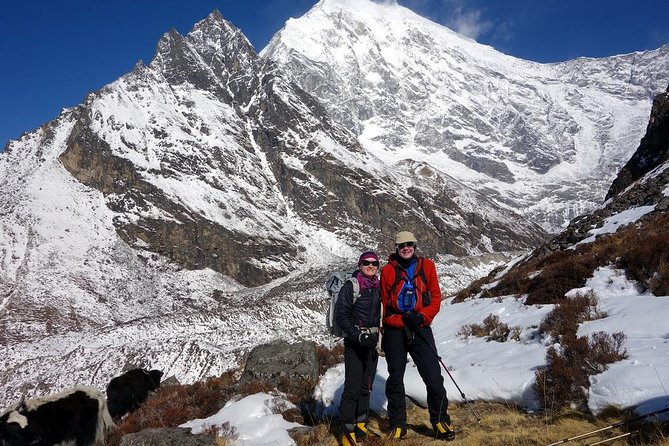
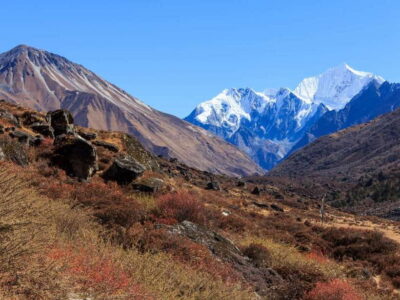
Langtang Valley is a good choice when you want real mountain walking but have only one week away from Kathmandu. The route reaches the Langtang region of northern Nepal, in and around Langtang National Park, with snow peaks appearing during the road journey and along the trail.
The trek is described as moderate. That does not mean effortless. You still walk uphill and downhill for several days, cross bridges, and spend time on rough mountain paths. But the route avoids the extreme altitude and longer duration associated with some of Nepal’s best-known treks.
I would especially consider this trip if you are new to multi-day walking. You get a guide, fixed accommodation, meals, permits, and a return transfer. That removes many of the decisions that can make a first Himalayan trip feel complicated.
The cultural side is just as important as the views. The route passes working villages rather than only mountain viewpoints, and guides such as Buddhi have been praised for explaining local traditions and the area’s past. Buddhi, Laku, Pawan, Nabin, and porter Tenjin are among the named crew members associated with recent departures, though your own guide may be different.
Day One: The Long Road to Syabrubesi
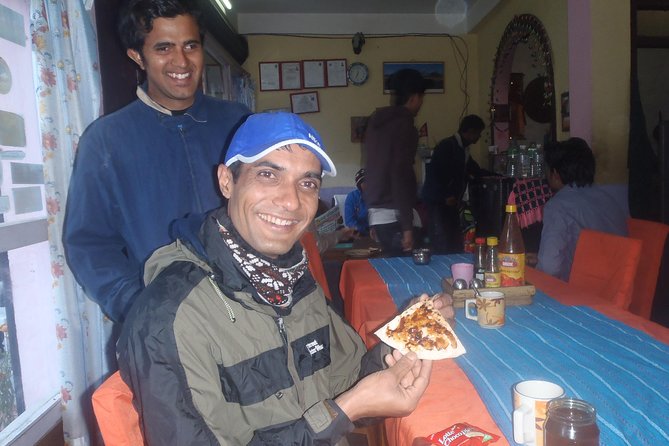
The trip begins with an early hotel pickup, with a stated start time of 6:45 a.m. You leave Kathmandu by road and head north toward the Langtang Himal. The drive takes about eight hours, though the full day is listed at roughly 12 hours.
This is not a quick transfer. You are riding in a local shared jeep, not a private luxury vehicle. The benefit is cost. The tradeoff is less control over stops, seating, and departure timing. If you value privacy or want to manage the road day more comfortably, a private jeep is available as an option for $190 per booking.
The reward comes from the changing views, including snow-capped peaks as you move toward Syabrubesi. This village is the starting point for the walk and your first overnight stop in the Langtang area.
Pack your day bag with water, snacks, and anything you need during the drive. Your main luggage arrangements should be confirmed with the operator before departure, especially if you plan to hire a porter.
More Langtang and Gosaikunda treks:
- Langtang Valley Trek
★ 5.0 · 50 reviews - Private 8 – Day Langtang Trekking
★ 5.0 · 29 reviews - Kathmandu: 6-Day Limitless Langtang Trek
★ 5.0 · 21 reviews
Day Two: Forest Trails Inside Langtang National Park
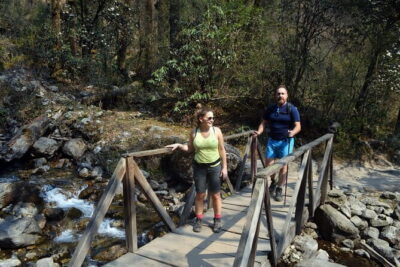
The walking begins at Syabrubesi. The trail crosses the Langtang River and then climbs through farm areas and dense green forest toward the next overnight stop.
This is where the trip starts to feel like a trek rather than a sightseeing transfer. You are moving at walking pace, with the river, forest, and cultivated land providing a changing rhythm. The climb is gradual in broad terms, but you should still expect a proper day on your feet.
Langtang National Park is a major part of the route. The park permit is included, along with the TIMS card, so you do not need to arrange those trekking documents separately. Admission to the park is listed as included in the package rather than paid locally.
The day is listed at about 14 hours, which is a useful warning that the schedule is full. The exact walking time is not provided, so ask the company for the expected trail hours and elevation gain before you book.
Day Three: Following the River to Langtang Village
From Lama Hotel, the trail follows the river upstream through thick forest and a gorge. The route then reaches cooler conditions around Ghodetabla before continuing to Langtang Village.
This is one of the more atmospheric sections. The river gives you a clear route through the valley, while the gorge and forest make the surroundings feel enclosed. As you gain height, the cooler air signals that you are moving toward the upper valley.
Langtang Village is an important overnight point, not simply a place to sleep. It is one of the area’s main settlements and gives you a closer look at daily life along the trekking route. Your guide can add useful context about local customs, traditions, and the communities that live here.
The day is listed at roughly 15 hours, the longest figure in the schedule. That may refer to the full day rather than continuous walking, but you should still prepare for a demanding stage. Comfortable footwear, layered clothing, and a steady pace matter more than speed.
Day Four: Reaching Kyanjin Gompa
The walk to Kyanjin Gompa is shorter than the previous day’s route, though the schedule still lists about 14 hours. You leave the forested section behind, climb a short steep section to a ridge, and continue into the upper Langtang Valley.
Kyanjin Gompa is the main destination of the trek. Reaching it gives the trip a clear sense of purpose, since the route has been building toward this upper settlement from Syabrubesi.
The setting changes as you move higher. Forest gives way to more open mountain surroundings, and the peaks become the central feature. The information provided does not specify an additional summit walk or side trip from Kyanjin Gompa, so do not assume that a separate climb is part of the package.
This is the place to slow down. Take photographs, enjoy the mountain setting, and let your guide set a sensible pace. If you are new to trekking, the ability to arrive at the main destination without rushing is one of the trip’s strongest points.
More trekking days out of Kathmandu:
- Nagarkot Sunrise View and Day Hiking from Kathmandu
★ 5.0 · 471 reviews - Kathmandu: Nagarkot Sunrise View & Morning Hike with Lunch
★ 4.9 · 188 reviews - Kathmandu: Nagarkot Sunrise and Hike Tour to Changu Narayan
★ 4.7 · 151 reviews - From Kathmandu: Everest View from Nagarkot & hike to Changu
★ 4.8 · 140 reviews
Day Five: Downhill to Lama Hotel
After time around Kyanjin Gompa, you retrace the route downhill to Lama Hotel. The schedule gives this as another approximately 12-hour day.
Walking downhill can feel easier because your breathing is less taxed, but it can be hard on knees and ankles. Trekking poles may help, though the supplied information does not say that equipment is provided. Ask the operator what gear is available before you arrive.
Retracing the route has one advantage: you notice details that passed quickly on the way up. The river, forest, and changing views take on a different character as you descend. The return also keeps the trip efficient, since there is no need for a second route or extra transport.
Your six nights of private accommodation during the trek cover the overnight stays, but the precise room standards are not described. Expect basic trekking accommodation rather than city-hotel service, and ask what private accommodation means for your group before paying.
Day Six: Returning to Syabrubesi
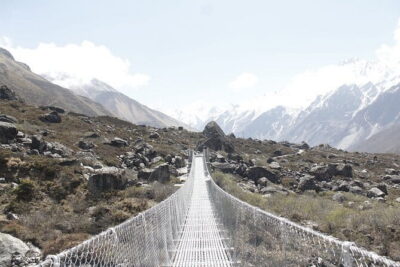
The final walking day follows the forest downhill, crosses a bridge, and returns to Syabrubesi. The listed duration is about 12 hours.
This is a useful design choice for a seven-day trip. You finish the walking portion before the return drive to Kathmandu, rather than trying to combine a long trek and a long road transfer on the same day.
Syabrubesi provides a final overnight stop in the Langtang area. It also gives you a buffer before the road journey. That matters because mountain roads can make a transfer feel longer than the map suggests.
The route is a return walk, so you should expect familiar terrain rather than a new section of valley. For many people, that is a fair trade for keeping the schedule short and the price controlled.
Day Seven: The Road Back to Kathmandu
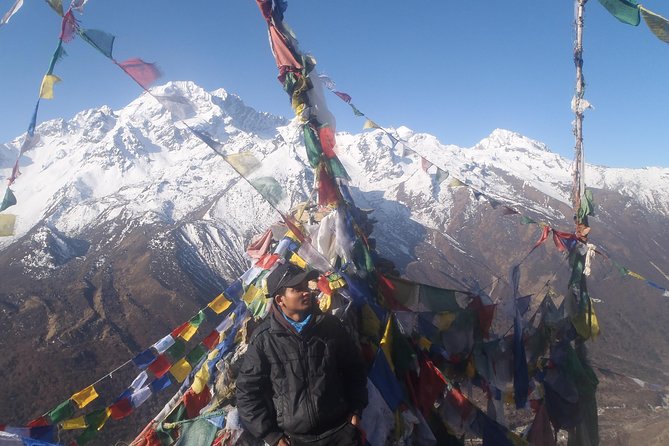
After breakfast, you drive from Syabrubesi back to Kathmandu. The return journey is listed at about 13 hours, making this another very full day.
The practical point is simple: your trek may end on the trail, but you still have a long road day ahead. Do not plan an important flight or fixed evening appointment immediately after the scheduled return unless you have confirmed the timing directly with the operator.
The package includes both-way transportation by local shared jeep. This is one of the clearest ways the $555 price remains reasonable. A private jeep costs extra, and a hotel in Kathmandu is not included, so budget for your arrival night if you are not heading directly elsewhere.
What the $555 Price Really Covers
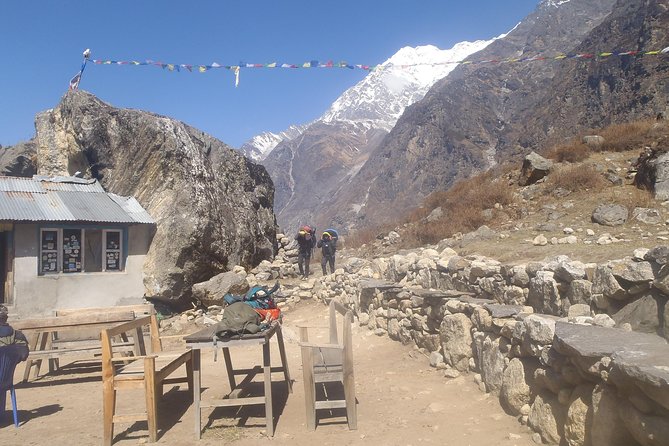
At $555 per person, the package has solid value for a guided seven-day trek. The price includes the licensed mountain guide, Langtang National Park permit, TIMS card, shared jeep transport both ways, six nights of private trekking accommodation, and all listed meals.
Food coverage is unusually easy to understand:
- Seven breakfasts
- Seven lunches
- Seven dinners
- Three hot drinks per day
- Seasonal fruit during the trek
A medical kit bag is also included. That does not replace travel insurance, which you must arrange yourself. Insurance is particularly important for a multi-day trek, since the package does not cover it.
You should also budget for tips to the trekking crew. Porter service is not included. If you want a porter, ask about the $190 option, which is listed as a booking-level cost rather than a per-person fee.
A hotel in Kathmandu is excluded too. Airport pickup is mentioned among the tour features, but the detailed inclusions do not clearly list airport transfer, so confirm that point before booking.
The Guides Make a Practical Difference
A guide is not just someone who walks ahead. On this route, the guide helps with pace, accommodation, meals, permits, and communication along the way.
The named guides connected with recent trips include Buddhi, Laku, and Pawan. Buddhi is described as friendly and well informed about local history and traditions. Laku is praised for kindness, professionalism, adaptability, and humor. Pawan is singled out for leading the trip very well, while Nabin and porter Tenjin are noted for efficient support.
These details matter because a guide-led trek can feel very different from a self-planned walk. You can focus on the route and scenery instead of sorting out each night’s arrangements. Still, guides are assigned by the operator, so you should not book on the assumption that a particular person will lead your departure.
The tour is private, meaning only your own group participates. That gives you more control than a large group departure, though the road transfers are still by local shared jeep unless you pay for the private option.
The Main Drawbacks to Think About
The biggest issue is the schedule. Every day is presented as a long day, with listed durations from 12 to 15 hours. Since exact walking times are not provided, ask for a day-by-day breakdown before booking.
The second issue is transport. Shared jeeps are economical, but they can be crowded and less flexible. If comfort matters to you, the private jeep upgrade may be worth considering, especially for both long road journeys.
Accommodation details are also limited. Six nights of private accommodation sounds appealing, but you should ask about room arrangements, bathrooms, heating, and what happens if your group size changes.
Finally, this is not an all-inclusive Nepal holiday. Travel insurance, Kathmandu lodging, crew tips, and porter costs remain outside the base price. Add those items before comparing this trek with more expensive packages.
Who Should Book This Trek?
I would suggest this trip to you if you want:
- A one-week Himalayan walking trip from Kathmandu
- A moderate route for a first Nepal trek
- A guide and organized meals rather than independent planning
- Mountain views combined with villages and local culture
- A private group experience
- A package that includes permits and transport
I would be more cautious if you dislike long road journeys, need a relaxed schedule, or want high-end accommodation. The route is manageable compared with longer and higher treks, but it still demands regular walking and several full days.
Should You Book the Langtang Valley Trek?
Book it if you want a compact, well-organized introduction to Nepal’s mountains and you accept basic trekking conditions. The combination of Kyanjin Gompa, Langtang National Park, village life, included meals, and a licensed guide makes the $555 starting price attractive.
Before you pay, confirm the exact walking hours, accommodation standard, airport pickup, luggage and porter arrangements, and the shared jeep plan. If those details suit you, this is a strong choice for a first Himalayan trek with limited time.
FAQ
How long is the Langtang Valley Trek?
The trek lasts approximately seven days, including the road journeys from Kathmandu to Syabrubesi and back.
Where does the trek start?
The walking portion starts in Syabrubesi after the overland journey from Kathmandu.
What time does the tour start?
The stated start time is 6:45 a.m.
Is transportation included?
Yes. Both-way transportation by local shared jeep is included.
Can I book a private jeep?
Yes. A private jeep is available as an option for $190 per booking.
Is a guide included?
Yes. A government-licensed mountain guide is included for all seven days.
Are park permits included?
Yes. The Langtang National Park permit and TIMS card are included.
Are meals included?
Yes. Seven breakfasts, seven lunches, and seven dinners are included, along with three hot beverages per day and seasonal fruit.
Is porter service included?
No. Porter cost is not included. The listed porter and private jeep option costs $190 per booking.
Do I need travel insurance?
Yes. Travel insurance is not included, so you must arrange it yourself.
Is Kathmandu hotel accommodation included?
No. Hotel accommodation in Kathmandu is excluded.
Can I cancel for a full refund?
Yes, if you cancel at least 24 hours before the experience start time. Cancellations made less than 24 hours before the start time are not refunded.
Just added around Kathmandu
- Traditional Momo Making Class★ 5.0 · 10 reviews
- Women Empowerment Project(Nepali cooking class & jewelry workshop★ 5.0 · 15 reviews
- Manthali Airport (Ramechhap) To Kathmandu – Transport Service★ 4.5 · 11 reviews
- Amazing 1 Day Trekking Experience in Kathmandu Nepal★ 5.0 · 24 reviews
- Walking tour of Kathmandu with awesome local guides★ 5.0 · 4 reviews
- Walking tour of real Kathmandu through back streets.★ 5.0 · 3 reviews
- Kathmandu Street Food Walking Tour – Eat Like a Local★ 5.0 · 3 reviews
- Private Manaslu Circuit Trek at Himalayas★ 5.0 · 3 reviews
Langtang Treks, compared.
Browse the lists this tour appears in