
Reviewed · LANGTANG TREKS
Kathmandu: 6-Day Limitless Langtang Trek
Langtang gives you a real Himalayan trek without committing to the longer routes near Everest or Annapurna. In six days, you move from Kathmandu’s traffic to river trails, Tamang villages, high mountain lodges, and Kyanjin Gompa at 3,870 meters. The Kyanjin Ri climb adds a serious test, with a high point listed at 4,770 meters.
I like the close contact with local life, especially the Tamang villages, monasteries, cheese factory, and family-run lodges. I also like the steady support from guides such as Mahesh, Niraj, Bipin, Dipesh, and Ghanshyam, who are praised for checking on walking pace, explaining the next day, and helping with bags when the trail gets tough.
The main caution is the pace. This is called a moderate trek, but one six-day schedule includes long uphill days, steep sections, and a very high optional climb. Five nights in basic mountain accommodation also means cold evenings and simple facilities, especially in January and at higher elevations.
Key points at a glance
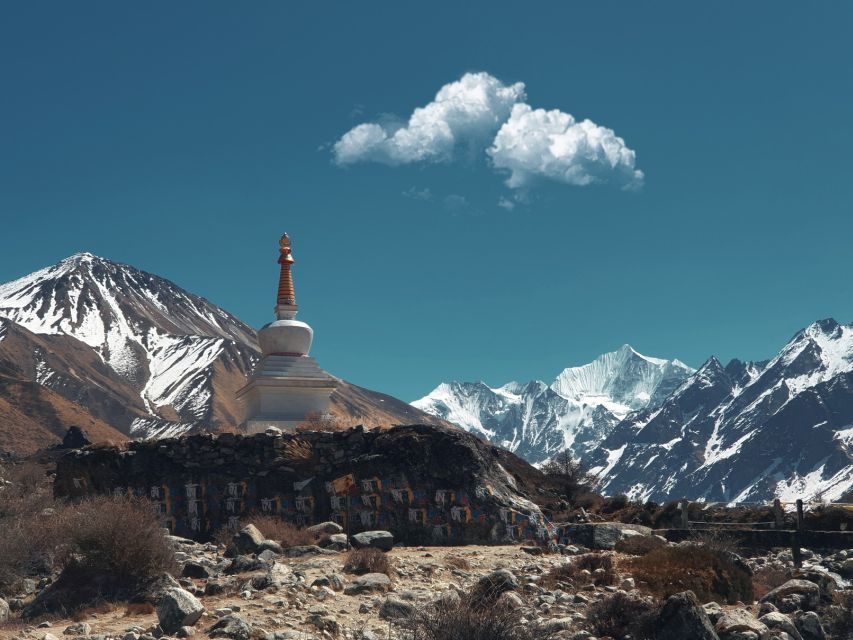
- Kyanjin Gompa at 3,870 meters: The trek’s main destination, surrounded by high Himalayan views and spiritual sites.
- Optional Kyanjin Ri climb: A demanding ascent to about 4,770 meters, with sunrise often chosen as the goal.
- Tamang culture along the trail: Villages, monasteries, local hospitality, and a cheese factory add more than scenery.
- Six days with shared road transport: The first and last legs use a shared bus from Kathmandu, helping keep the $181 price down.
- Guide-led private group: You receive an authorized English-speaking guide, with Hindi and Nepali also available.
- Porter service costs extra: The guide is included, but carrying help must be arranged and paid for separately.
Why Langtang works for a short Himalayan trip
Langtang is a sensible choice if you want mountain scenery and village life but have only six days. The route reaches a high valley without requiring the full time commitment of longer Himalayan treks. You still get forest paths, waterfalls, glacial views, monasteries, and nights in mountain lodges.
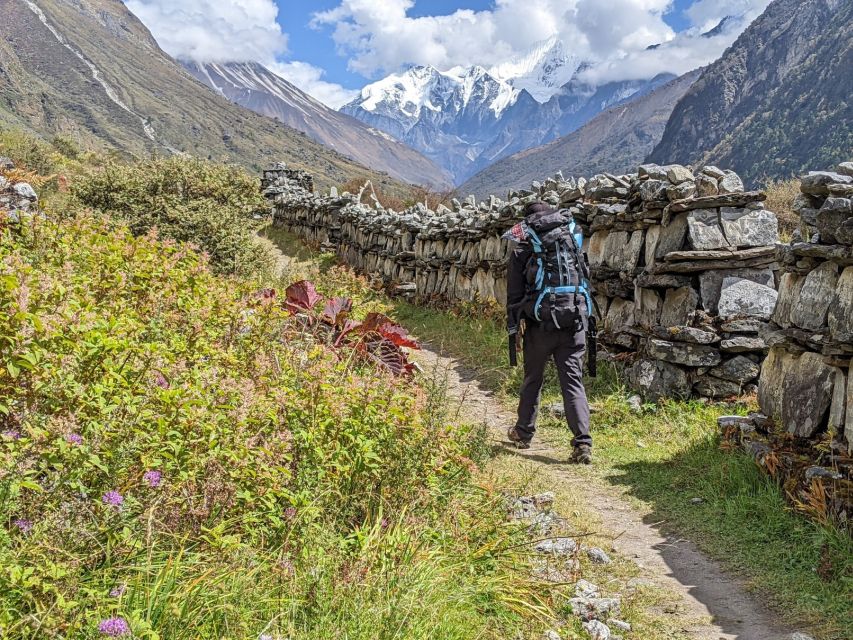
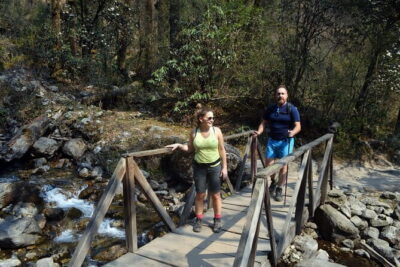
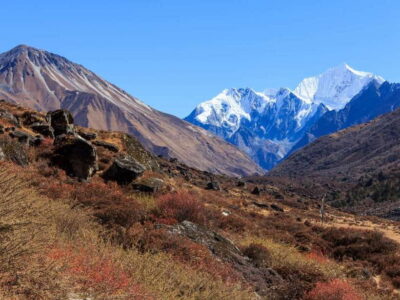
I like the way this route changes character as you climb. Near the road, the trail follows the Langtang River through forest. Farther up, the trees thin, the views open, and the valley feels quieter and more exposed. By Kyanjin Gompa, the focus shifts from green hills and rivers to snow-covered peaks and open glacial country.
The cultural side is just as important. Tamang communities live along the route, and the trek passes through villages where you can see how daily life is linked to the mountain environment. The stops at monasteries and the cheese factory give the trek more substance than a simple march from one viewpoint to the next.
At $181 per person, the value is strong if you use the included services. The price covers permits, paperwork, guide, five nights of private accommodation, staff costs, luggage storage, and shared transport. The full package also includes breakfast, lunch, and dinner during the trek. Confirm that you are booking the full package if meals matter, since the details specify meals for that package only.
The price does not include a porter, drinks, bottled or boiled water, showers, battery charging, laundry, insurance, or personal purchases. Those extras can matter in the mountains, so I would budget for them before you set off.
More Langtang and Gosaikunda treks:
- Langtang Valley Trek
★ 5.0 · 140 reviews - Langtang Valley Trek
★ 5.0 · 50 reviews - Private 8 – Day Langtang Trekking
★ 5.0 · 29 reviews
Day 1: Kathmandu to Pahiro, a long road followed by a short walk
The first day combines roughly six hours in a shared vehicle with about two hours of walking. You leave Kathmandu for Syabrubesi on winding mountain roads, passing through changing hill scenery before reaching the trailhead area.
The road journey is part of the adventure, but it is not a gentle start. Shared transport keeps the cost sensible, though comfort and timing can vary. Pack water, snacks, and anything you need within reach rather than burying them in your main luggage.
From the Syabrubesi area, you walk through forest and beside the Langtang River to Pahiro at about 1,550 meters. This opening walk is useful because it lets your body adjust after the drive without forcing you straight into a high-altitude day.
There is a small itinerary inconsistency worth clearing up before departure. Day 1 describes an overnight stay in Pahiro, while Day 2 refers to beginning from Syabrubesi. Ask your operator to confirm the exact walking start and sleeping point. The route itself is clear enough, but precise daily distances help you prepare.
Day 2: Pahiro to Ghoda Tabela through forest and waterfalls
Day 2 is listed at around six hours of walking, rising to Ghoda Tabela at 2,900 meters. Expect a fuller trekking day, with forest, mountain villages, waterfalls, and the Langtang River remaining part of the setting.
This is where the trek begins to feel like a proper Himalayan route. The trail gains height steadily, and the combination of incline and uneven ground can make six hours feel longer than the number suggests. A guide such as Mahesh or Bipin can help set a manageable rhythm and explain where the next stop lies.
Ghoda Tabela is valued for its peaceful setting and changing views. It is also the point where altitude begins to matter more. You may feel fine, or you may notice that hills take more effort than they did near the road. Keep your pace calm, drink regularly, and tell your guide if you feel unwell.
The lodging is private, but do not read that as hotel-style comfort. Mountain accommodation is practical, and cold nights are possible. Bring the sleeping bag, warm jacket, gloves, hat, and flashlight listed for the trip.
Day 3: Ghoda Tabela to Kyanjin Gompa at 3,870 meters
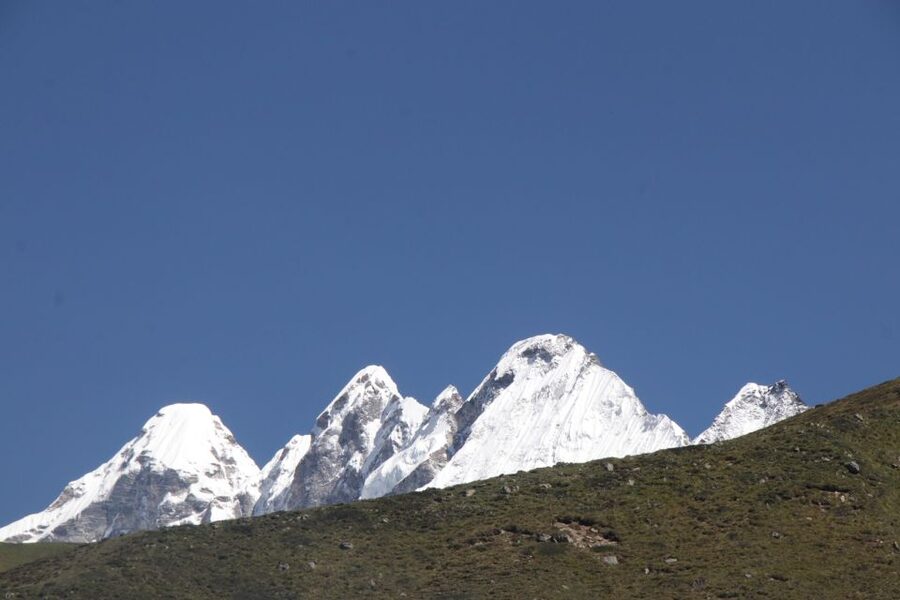
The third day takes you to Kyanjin Gompa, the main destination of the valley. The elevation gain is significant, and the scenery becomes more dramatic as you leave the lower forests behind.
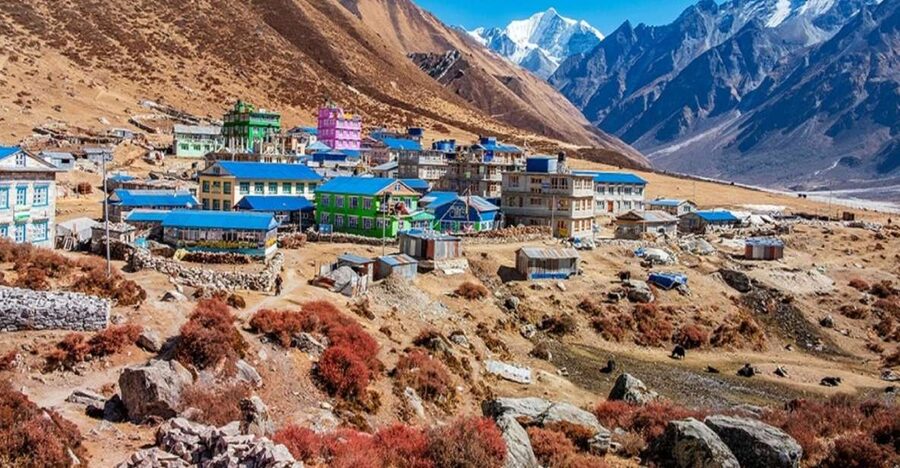
Kyanjin Gompa is more than a place to sleep. You can explore the village, visit monasteries, see the cheese factory, and spend time around the Tamang community. This pause gives the route its human character. You are not simply collecting mountain views; you are seeing how villages, religious life, food production, and trekking fit together.
The altitude is the important issue here. At 3,870 meters, even a fit person can find the walk tiring. The schedule gives you one night at Kyanjin Gompa before descending, so the itinerary is compact rather than leisurely. If you have a choice, use your time here carefully. Walk slowly, keep warm, and save energy for the optional viewpoint.
Several guide accounts point to the practical value of good leadership on this section. Mahesh is noted for explaining the plan and checking how his companion was feeling. Niraj is praised for steady support, including helping a trekker reach a summit near 4,700 meters. Those qualities matter most here, where the height and pace can change the day.
A few more Kathmandu days to weigh up
- Kathmandu: 6 Days Langtang Valley Trek with Kyanjin Ri
★ 5.0 · 7 reviews - 6 Days Private Himalayan Dreams of Nepal
★ 5.0 · 6 reviews - 6 Days Muktinath Tour Package in Nepal
★ 5.0 · 20 reviews - 6 days Annapurna Basecamp Trek
★ 5.0 · 16 reviews
Day 4: Kyanjin Ri, then back down to Thangsyap
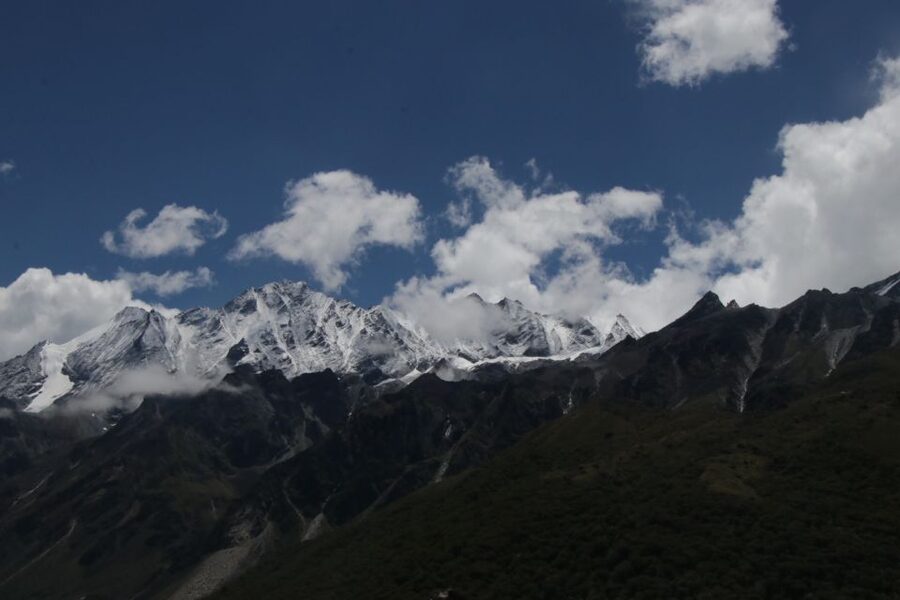
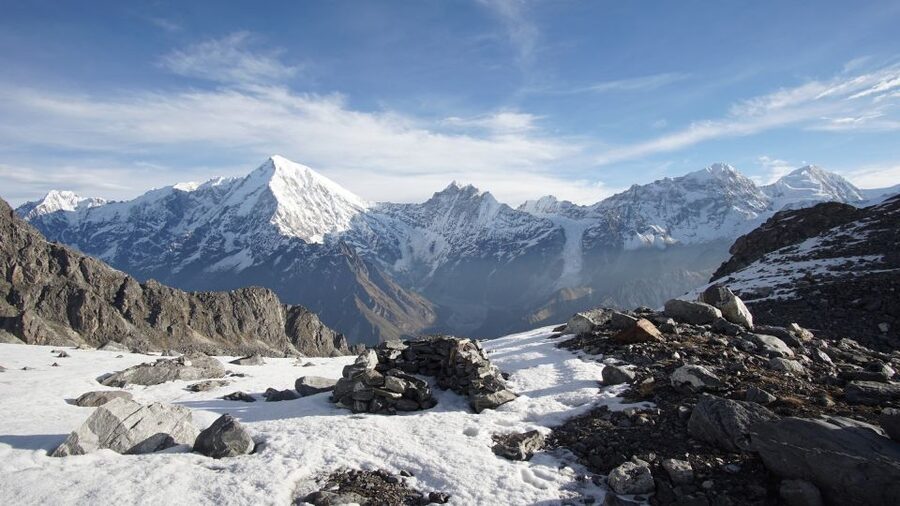
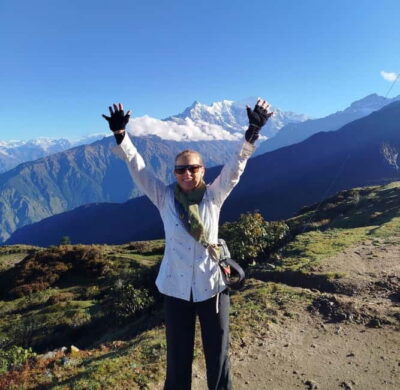
Day 4 is the most ambitious part of the program. The listed Kyanjin Ri ascent reaches about 4,770 meters, with broad views toward snow-covered peaks and the high valley. It is optional, and that wording should be taken seriously.
The climb is uphill and demanding. It is not simply a short walk above the village. A sunrise attempt can make the experience especially memorable, but it also means dealing with cold, darkness, and a steep ascent. One trekker specifically highlighted reaching the peak for sunrise, while another extended the trip and reached roughly 4,700 meters with guide support.
You should decide based on your condition, not on pride. If the climb feels too hard, staying near Kyanjin Gompa is a reasonable choice. The views from the valley and the cultural stops are still worthwhile, and declining the summit is far better than pushing through serious altitude symptoms.
The itinerary then retraces the route toward Thangsyap at about 3,200 meters. That descent is helpful after the high point, but the day can still be tiring because it combines a steep climb with several hours of walking back down. The schedule wording also mentions moving from Langtang Village to Kyanjin Ri, so confirm the exact morning plan with your guide.
Day 5: Thangsyap to Syabrubesi beside the river
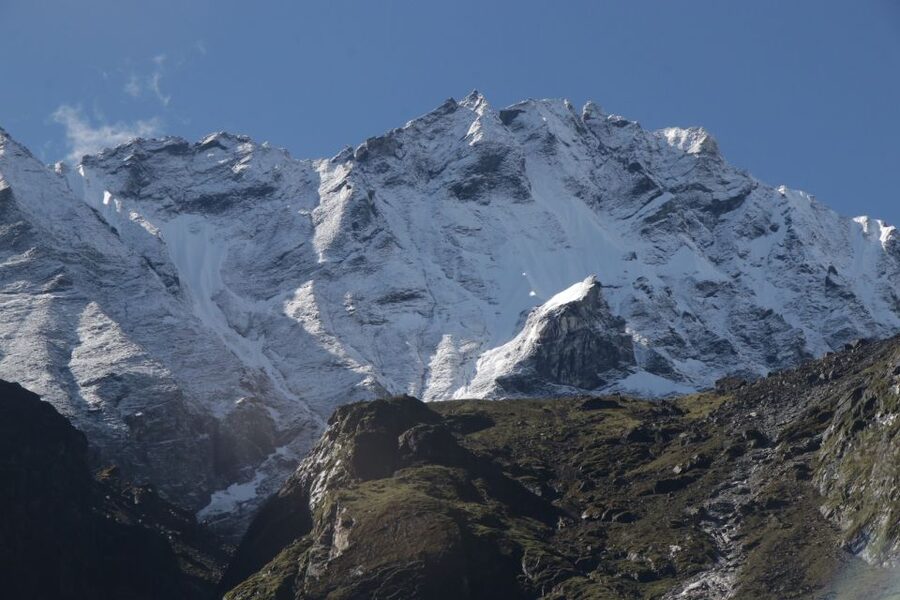
Day 5 brings you back to Syabrubesi at about 1,550 meters. You retrace the trail through the valley, descending beside the Langtang River and passing through the scenery that looked very different on the way up.
Descending is easier on the lungs, but not always on the knees. Loose or uneven trail can make the return walk tiring, especially after the Kyanjin Ri option. Hiking shoes with good support are important, and trekking poles could be useful, though they are not listed among the included items.
This is a good day to notice details you may have missed while climbing. The river, forest, villages, and waterfalls form a clear story of changing elevation. You move from the high valley back into a warmer, more settled zone, and the return to Syabrubesi marks the end of the walking portion.
Day 6: Shared transport back to Kathmandu
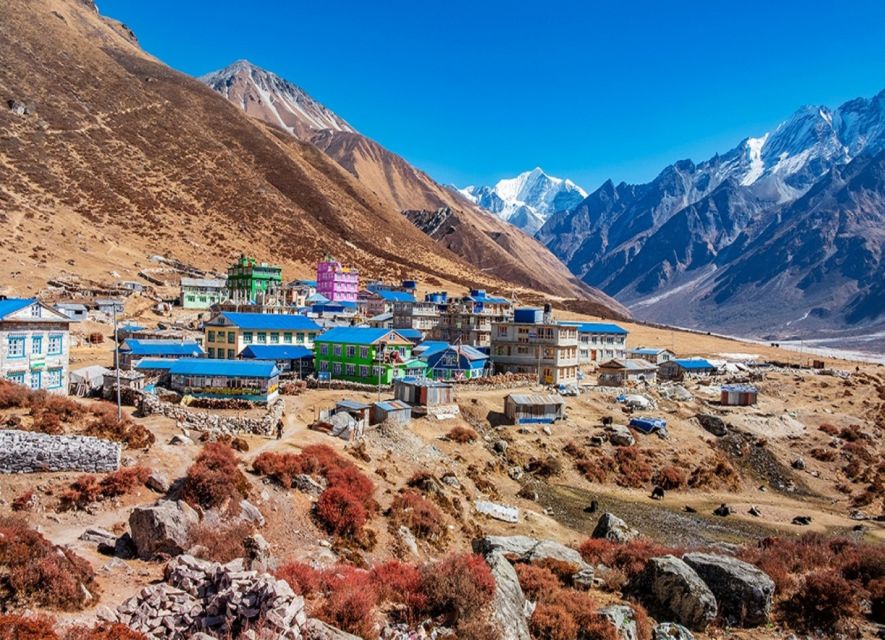
The final day uses shared transport from Syabrubesi to Kathmandu. It is a useful and necessary close to the route, but do not expect a quick transfer. The road journey is long enough that you should keep snacks, water, and warm layers handy.
The shared bus is one reason the package remains affordable. It also means this is not a private luxury transfer. If comfort and control over departure time are your top priorities, ask about alternatives and any added cost.
Back in Kathmandu, the trek is complete. The strongest memories are likely to be the shift from river trail to high valley, the Tamang villages, the quiet monasteries, and the decision of how far to climb above Kyanjin Gompa.
Guides, porters, meals, and mountain comfort
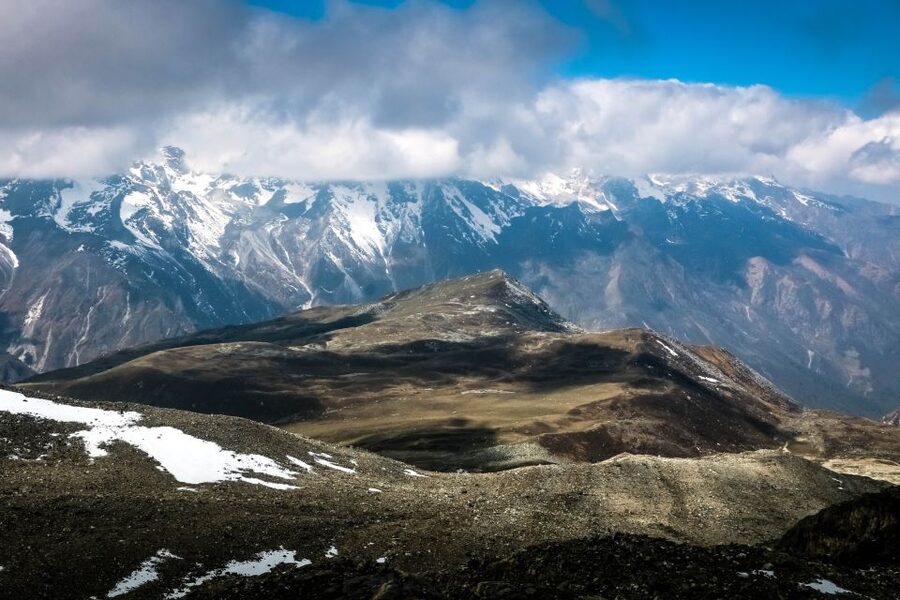
The package includes an authorized English-speaking guide, and the activity can also be conducted in Hindi or Nepali. Named guides connected with this experience include Mahesh Aryal, Niraj Aryal, Bipin, Dipesh, and Ghanshyam. You should not assume a particular guide is guaranteed, so request a name if that matters to you.
The best guide support described here is practical rather than theatrical. Guides explain the next day, order food, point out lodges, answer questions about Nepal and the Himalayas, and check whether you are comfortable. One guide also helped with a backpack during a difficult section.
Porters are not included in the quoted price. That matters because carrying a large backpack for six days can change how enjoyable the trek feels. If you want porter help, arrange it before departure and confirm the charge, weight limit, and what you still need to carry yourself.
Five nights of private accommodation are included. Expect basic mountain lodging rather than polished rooms. Warm clothing is essential because nights can be cold, particularly in January. A flashlight, sleeping bag, towel, gloves, sunscreen, sunglasses, and sturdy hiking shoes belong in your pack.
Meals are included with the full package: breakfast, lunch, and dinner during the trek. Drinks, bottled or boiled water, showers, battery charging, laundry, bar bills, and phone calls cost extra.
Who should book this six-day trek?
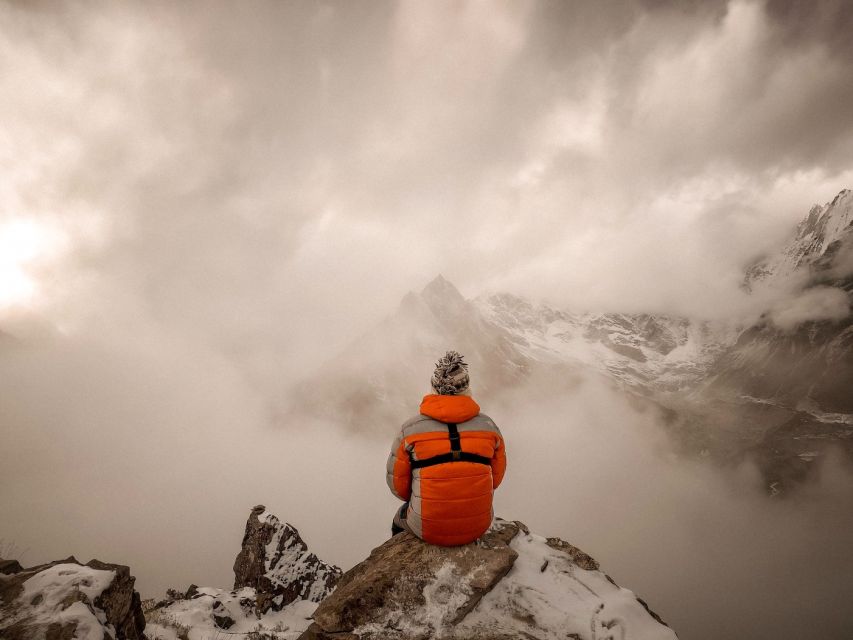
This route suits couples, solo hikers, families with suitable fitness, and first-time trekkers who want a guided introduction to Nepal. You need to be ready for long walking days, steep paths, and a high-altitude night. The trek is not suitable for pregnant women.
It is a particularly good fit if you value local contact as much as dramatic views. The Tamang villages, monastery visits, cheese factory, and lodge life give you a sense of place that a viewpoint-only trip would miss.
I would be more cautious if you want a relaxed holiday with short walks, private road transport, or hotel comforts. The itinerary is compact, and the Kyanjin Ri option makes the experience considerably harder. You can skip that climb, but you still need to handle the main ascent to Kyanjin Gompa.
Free cancellation is available up to 24 hours before departure, and you can reserve now and pay later. Travel and rescue insurance are not included, so arrange those separately before leaving Kathmandu.
FAQ
How long is the Langtang trek?
The activity lasts six days, including shared transport between Kathmandu and Syabrubesi. The walking route includes five nights of mountain accommodation.
What is the highest point on the itinerary?
The optional Kyanjin Ri climb is listed at about 4,770 meters. Kyanjin Gompa, where you stay, is at about 3,870 meters.
Is a guide included?
Yes. An authorized English-speaking guide is included. Hindi and Nepali are also available.
Are meals included?
Breakfast, lunch, and dinner during the trek are included with the full package. Drinks and bottled or boiled water are not included.
Is porter service included?
No. Porter charges are extra. The package does cover staff expenses connected with the included services, but not an additional porter for your personal luggage.
What should I bring?
Bring your passport or identification, towel, sunscreen, gloves, sleeping bag, flashlight, hiking shoes, jacket, hat, trekking gear, and sunglasses.
Should you book the Langtang six-day trek?
Book it if you want a reasonably priced, guided Himalayan route with strong mountain scenery and real contact with Tamang communities. The best parts are the change in scenery, the stay at Kyanjin Gompa, the monastery and cheese factory visits, and the chance to attempt Kyanjin Ri if your body and conditions allow.
Go in with realistic expectations. This is a compact trek, not a soft walking holiday. Shared transport, basic lodges, cold nights, extra porter costs, and long uphill days are part of the deal. If you pack properly and treat the high climb as optional rather than compulsory, the $181 package offers a lot of Nepal in six demanding but rewarding days.
Just added around Kathmandu
- Traditional Momo Making Class★ 5.0 · 10 reviews
- Women Empowerment Project(Nepali cooking class & jewelry workshop★ 5.0 · 15 reviews
- Manthali Airport (Ramechhap) To Kathmandu – Transport Service★ 4.5 · 11 reviews
- Amazing 1 Day Trekking Experience in Kathmandu Nepal★ 5.0 · 24 reviews
- Walking tour of Kathmandu with awesome local guides★ 5.0 · 4 reviews
- Walking tour of real Kathmandu through back streets.★ 5.0 · 3 reviews
- Private Manaslu Circuit Trek at Himalayas★ 5.0 · 3 reviews
- Walking Street Food Tour in Kathmandu★ 5.0 · 111 reviews
Langtang Treks, compared.
Browse the lists this tour appears in