Reviewed · TOURS
Life and spirituality tour of Kathmandu
Kathmandu’s spiritual life is not kept behind museum glass. It appears in temple courtyards, old markets, cremation rituals, prayer wheels, and the steady movement of pilgrims. This private 6 to 8 hour tour links four major sites and gives you a guide to explain what you are seeing.
I like the hotel pickup and private vehicle, which make a full day across Kathmandu Valley far easier. I also like the focus on daily Hindu and Buddhist practice, rather than simply racing from one famous monument to the next.
The main thing to consider is pace. Four substantial sites, city traffic, and several hours of walking make this a full day. Entrance fees, lunch, taxes, and tips are extra, so the advertised $55 price is not the final cost.
Key points to know before booking
- Four major spiritual sites in one day: Visit Kathmandu Durbar Square, Patan Durbar Square, Pashupatinath Temple, and Boudhanath Stupa.
- Private transport and private guiding: Your group is collected from a Kathmandu hotel in an air-conditioned vehicle.
- Strong guide-led interpretation: Guides including Indra, Ripu, Rabi, and Rudi are praised for explaining Hindu and Buddhist ideas in clear, friendly terms.
- A mix of famous monuments and ordinary city life: The route includes old courtyards, local streets, markets, artisans, pilgrims, ascetics, and religious ceremonies.
- Extra costs matter: Lunch, tips, entrance fees, and all fees and taxes are excluded.
- Accessible booking option: The experience is listed as wheelchair and stroller accessible, though you should confirm the exact walking route if mobility is a concern.
Why this tour works for a first day in Kathmandu
If you have only one full day in Kathmandu, this route gives you a useful frame for the city. It brings together the old royal center, the artistic city of Patan, Nepal’s most important Hindu temple complex, and the great Tibetan Buddhist center at Boudhanath.
I like that the tour treats spirituality as part of ordinary life. You are not only looking at carved windows and golden roofs. You are also hearing why people visit, how rituals fit into the day, and how Hindu and Buddhist practices overlap across Nepal.
The private format is a real advantage. Your group does not have to wait for strangers or follow a fixed discussion. Guides such as Indra, Ripu, Rabi, and Rudi are praised for their calm manner, patience, and ability to explain difficult religious ideas without making them feel like a classroom lecture.
The tour is not a quiet retreat. Kathmandu traffic can take time, and the schedule allows about two hours at each Durbar Square plus one hour at each religious site. If you want a slow photographic study of every shrine, this route will feel rushed. If you want a strong introduction with context, the full day makes sense.
More days out in Kathmandu:
- Private Kathmandu Sightseeing Tour | UNESCO World Heritage sites
★ 5.0 · 756 reviews - Half day cooking class in Thamel kathmandu
★ 5.0 · 607 reviews - Nagarkot Sunrise View and Day Hiking from Kathmandu
★ 5.0 · 471 reviews
Kathmandu Durbar Square and the old city courtyards
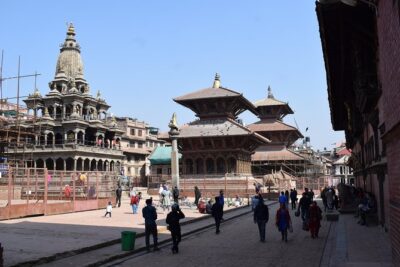
The day begins in Kathmandu Durbar Square, where the focus is not only on the best-known monuments. You walk through older parts of the city and look for courtyards that still reflect medieval spiritual and cultural practices.
This is where a good guide earns the fee. The square can seem like a collection of temples until someone explains how buildings, courtyards, ritual spaces, and Vastu design fit together. Vastu refers to traditional principles of spatial arrangement and architecture. The guide helps connect the physical layout to the beliefs that shaped it.
Allow about two hours here. That gives you time to move beyond the main open areas and notice smaller details. You might see carved woodwork, shrine spaces, local activity, and people using the old city as a living neighborhood rather than a preserved monument.
The stop is listed with no admission ticket included, while the general tour information says entrance fees are extra. Ask your operator exactly which site fees apply on your date. This is a small but important point when you are comparing the total cost of similar tours.
Kathmandu Durbar Square is a good opening stop because it introduces the city’s blend of royal power, craftsmanship, and religious life. It also sets up the later visit to Patan, where artistic work becomes the central theme.
Patan, the city known for fine art
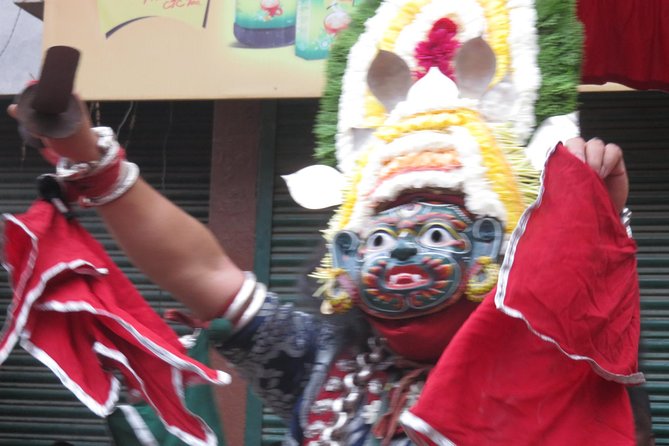
The drive to Patan, also called Lalitpur, shifts the emphasis from Kathmandu’s former royal center to a city known for art and craft. The tour allows about two hours at Patan Durbar Square.
Patan’s reputation comes from the skill of its artisans. Metalwork, woodcarving, sculpture, and other crafts from the city once traveled to India, Tibet, and China during the medieval period. The provided tour information also notes that many people in Patan still work as artisans, giving the city a link between old techniques and present-day life.
I would pay close attention to how your guide explains the objects here. A statue or carved doorway is more interesting when you understand whether it represents a Hindu deity, a Buddhist figure, a protective symbol, or a piece of architectural design. Guides are praised for making these connections in plain language.
Patan is also useful for seeing that Nepal’s religious traditions are not isolated from work and family life. Art is not simply decoration. It has long served temples, shrines, monasteries, and household worship.
Like Kathmandu Durbar Square, Patan is a large heritage area rather than one single attraction. Two hours gives you a good introduction, but not an exhaustive look at every courtyard and monument. If art is your main interest, you may want to ask the guide to spend more time on specific carvings rather than trying to cover every corner.
Pashupatinath and the Hindu rituals of the Bagmati
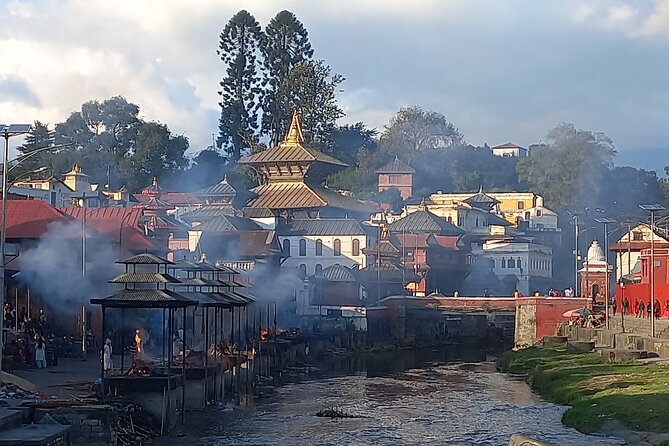
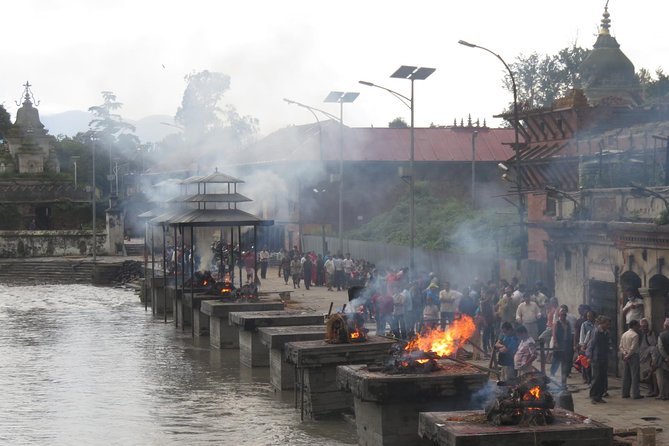
Pashupatinath Temple is the most intense stop on the route. You spend about one hour learning about Shiva, Hindu devotion, ascetics, astrology, pilgrims, and open cremation ceremonies.
This is a place where respectful behavior matters. The tour presents the site as a chance to understand Hindu ways of life, not as a spectacle. Your guide can help explain what is happening and where you may stand, but you should follow all instructions about photography and personal space.
The complex is especially valuable for visitors who want to see religion as a lived practice. You may encounter devotees making offerings, Hindu ascetics known as sadhus, astrologers, and families carrying out funeral rites. Some scenes can be emotionally difficult, particularly the cremation areas. Go in prepared to watch quietly and remember that these are private religious moments for local families.
The stop is listed at one hour, and that is probably enough for a focused introduction. It is not enough for a slow, detailed exploration of the entire complex. Your guide’s explanations will matter here because many rituals may not be obvious from the outside.
Entrance fees are not included. The tour also excludes lunch, tips, taxes, and other fees, so keep some extra money available. The vehicle and guide are included, which helps you move between sites without having to arrange separate transport.
A completely different kind of day, same corner of Nepal:
- Kathmandu: Full Day 7 UNESCO Tour with Lunch – Private/Group
★ 5.0 · 415 reviews - Kathmandu: Local Women-Led Nepali Cooking & Momo Class
★ 4.9 · 360 reviews - Private Bhaktapur and Nagarkot Day Tour From Kathmandu
★ 5.0 · 305 reviews - Kathmandu: Full Day Top 4 UNESCO Tour with Lunch – Private/Group
★ 5.0 · 269 reviews
Boudhanath and Kathmandu’s Tibetan Buddhist center
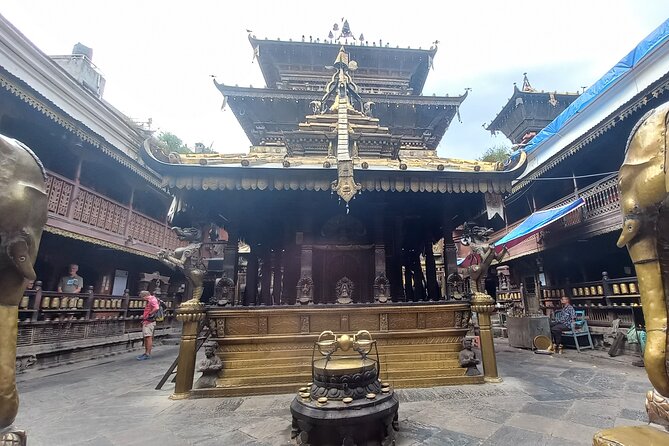
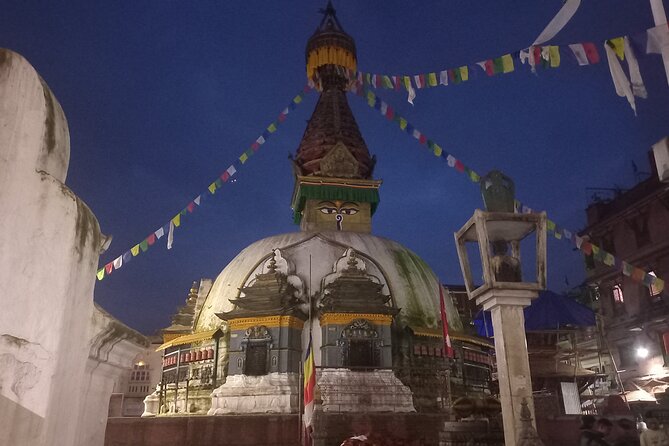
The final stop is Boudhanath Stupa, often called Little Tibet of Kathmandu. The area is associated with roughly 60 Tibetan Buddhist monasteries and attracts pilgrims from Himalayan villages.
Boudhanath offers a different mood from Pashupatinath. At Pashupatinath, the focus is on Hindu temple practice and life-cycle rituals. At Boudhanath, the setting centers on the stupa, Buddhist monasteries, pilgrimage, and the steady act of walking around a sacred monument.
Your guide can explain Buddhist symbols and customs while you look at the stupa and surrounding religious activity. This is another place where context changes what you notice. Prayer flags, monastery buildings, devotional objects, and the circular movement of pilgrims each carry meaning that is easy to miss on your own.
The planned visit lasts about one hour. That is enough to understand the site and its role in Kathmandu, though you may wish you had more time if you enjoy quiet observation or photography. Since Boudhanath is the last scheduled stop, ask the guide at the start of the day how flexible the timing is.
An admission fee is not included here. The general information says all fees and taxes are extra, so confirm the current amount before you go.
What the guides add to the day
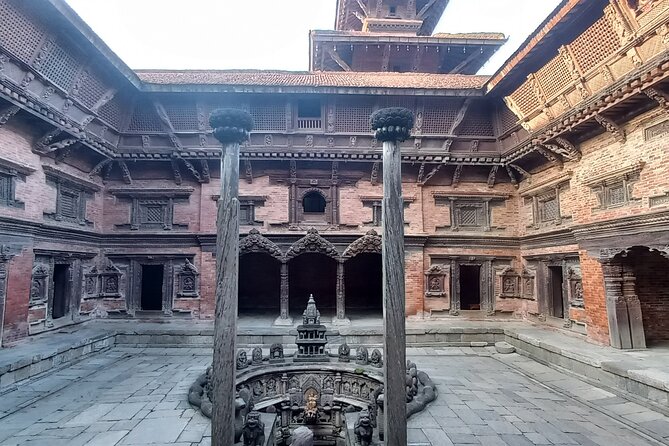
The guide is the main reason to choose this tour instead of arranging a driver and visiting the sites alone. Religious architecture can be beautiful without explanation, but the meaning behind it is often hidden.
Several guides associated with the experience are praised for different strengths. Indra is described as exceptionally well informed and willing to answer questions across history, culture, and spirituality. Ripu is noted for explaining the two faiths in a clear and easy-to-follow way. Rabi is described as calm, friendly, and patient, while Rudi is praised for professional guiding and strong knowledge of Buddhism and Hinduism.
Those details matter because this tour covers complicated subjects quickly. You may hear about Shiva, Buddhist traditions, medieval city life, Vastu architecture, cremation customs, and the role of artisans in a single day. A guide who can adjust the explanation to your questions will make the route much more useful.
The private format also lets you ask for clarification. If a ritual is unfamiliar, you can stop and ask. If you care more about city history than theology, you can tell the guide. One visitor had to shorten the planned schedule because of a personal scheduling issue, and the guide was able to adapt. That sort of flexibility is easier with a private booking.
Transport, timing, and physical effort
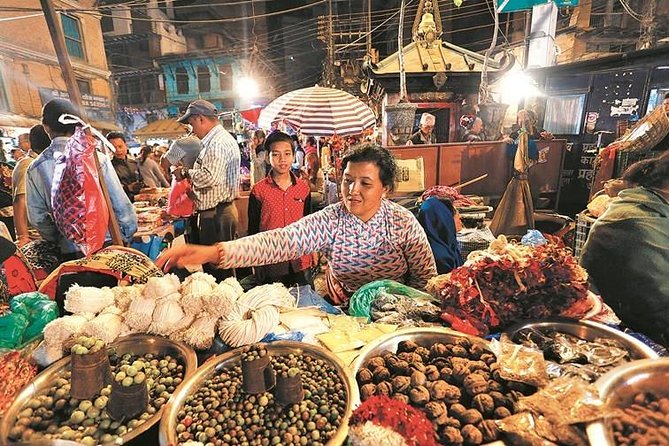
Hotel pickup in Kathmandu is included, along with an air-conditioned vehicle and bottled water. That is helpful in a city where moving between major sites can take longer than the map suggests.
The stated duration is six to eight hours. The four stops account for about six hours on site, before allowing for hotel collection, traffic, and transfers. Plan for a full day rather than a quick half-day outing.
You will walk through old courtyards, squares, temple areas, and streets. The tour is listed as wheelchair and stroller accessible, and most people can participate. Still, I would contact the operator before booking if you use a wheelchair or stroller, since the exact route through historic courtyards and religious complexes can affect comfort.
Wear practical shoes and bring water, even though bottled water is supplied. Clothing should be respectful for religious sites. Since the tour includes Hindu and Buddhist spaces, your guide can advise you about local expectations as you go.
Is $55 a good value?
At $55 per person, the tour offers a reasonable starting price for a private vehicle, hotel pickup, bottled water, and a dedicated guide across four major sites. The value is strongest if you are short on time or do not want to handle Kathmandu’s transport yourself.
The price needs careful reading. Entrance fees are extra, and lunch, tips, taxes, and all other fees are excluded. If you are traveling alone, the per-person price may feel less attractive than joining a group. For two or more people, the private format becomes easier to justify, especially if you value the ability to ask questions and adjust the pace.
Group discounts are offered, which may improve the cost for families or larger parties. The experience is often booked about 10 days ahead, so reserve early if your Kathmandu dates are fixed.
I would compare the final price, not just the advertised rate. Ask which entrance fees you will pay locally and whether any site requires a separate ticket. That avoids surprises at the first monument.
Who should choose this Kathmandu tour?
This tour suits you best if you want a broad introduction to Kathmandu’s religious life in one day. It is especially useful for first-time visitors, couples, families, and small groups who want a private guide rather than a large coach excursion.
You will get the most from it if you enjoy asking questions and comparing traditions. The route is not designed only for architecture fans. It is built around the connection between buildings, rituals, art, belief, and daily life.
It may be less suitable if you want a slow, meditative visit to one place, a food-focused outing, or a hiking experience. The itinerary is full, and city transfers take time. Pashupatinath can also be confronting because of the open cremation areas, so consider your comfort before booking.
The tour is also a good choice if you want access to local perspectives beyond the main tourist paths. The route still includes Kathmandu’s best-known heritage sites, but the walking portions include courtyards, local markets, and ordinary streets rather than only formal viewpoints.
Should you book the Life and Spirituality Tour of Kathmandu?
I would book this tour if you have one full day in Kathmandu and want meaning along with monuments. The strongest features are the private format, hotel pickup, four major sites, and guides who explain Hindu and Buddhist traditions with patience and clarity.
Go in with realistic expectations. You will cover a lot of ground, pay entrance fees separately, and spend much of the day walking and riding through city traffic. But for $55 per person before extras, it is a practical way to see Kathmandu through its spiritual life rather than simply checking off famous buildings.
The experience has a 4.9 rating from 54 reviews and a 98 percent recommendation rate. Those figures fit the tour’s main strength: a well-informed local guide can turn a busy day of sightseeing into a clearer understanding of how Kathmandu’s beliefs, art, and daily routines fit together.
FAQ
How long does the Life and Spirituality Tour of Kathmandu last?
The tour lasts approximately 6 to 8 hours. The planned visits include about two hours at Kathmandu Durbar Square, two hours at Patan Durbar Square, one hour at Pashupatinath Temple, and one hour at Boudhanath Stupa.
Does the tour include hotel pickup?
Yes. You can be collected from your hotel in Kathmandu in a private, air-conditioned vehicle.
Are entrance fees included?
No. Entrance fees are extra. Lunch, tips, taxes, and all other fees are also excluded.
Is this a private tour?
Yes. Only your group participates in the private tour or activity.
Is the experience wheelchair and stroller accessible?
Yes. The tour is listed as wheelchair and stroller accessible. If you need a specific route or level of assistance, confirm the details with the operator before booking.
Can I cancel for a full refund?
Yes. You can cancel at least 24 hours before the experience start time for a full refund. Cancellations or changes made less than 24 hours before the start time are not accepted for a refund.
Just added around Kathmandu
- Traditional Momo Making Class★ 5.0 · 10 reviews
- Women Empowerment Project(Nepali cooking class & jewelry workshop★ 5.0 · 15 reviews
- Manthali Airport (Ramechhap) To Kathmandu – Transport Service★ 4.5 · 11 reviews
- Amazing 1 Day Trekking Experience in Kathmandu Nepal★ 5.0 · 24 reviews
- Walking tour of Kathmandu with awesome local guides★ 5.0 · 4 reviews
- Walking tour of real Kathmandu through back streets.★ 5.0 · 3 reviews
- Private Manaslu Circuit Trek at Himalayas★ 5.0 · 3 reviews
- Walking Street Food Tour in Kathmandu★ 5.0 · 111 reviews
Tours, compared.
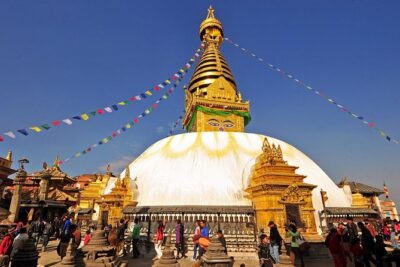
Private Kathmandu Sightseeing Tour | UNESCO World Heritage sites
Read our review →
Everest Base Camp Helicopter Tour landing at Everest View Hotel
Read our review →
Full Day 7 UNESCO Tour with Lunch – Private/Group
Read our review →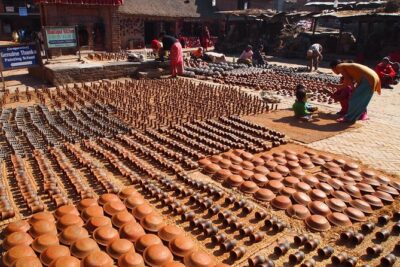
Private Bhaktapur and Nagarkot Day Tour From Kathmandu
Read our review →
Full Day Top 4 UNESCO Tour with Lunch – Private/Group
Read our review →