Reviewed · TOURS
Nepal Cultural Highlights Tour in 10 Days
Nepal packs an astonishing amount into ten days: Kathmandu’s shrines, Chitwan’s crocodile-lined river, Lumbini, Pokhara’s Himalayan views, and the old hill town of Bandipur. I like that private transportation removes the burden of Nepal’s long road journeys, and I like the small group limit of 10, which should make questions and schedule changes easier.
The main drawback is the amount of time spent on the road. Day 7 is listed as an eight-hour drive, and several other days involve long transfers. This is a useful introduction to Nepal, but it is not a slow, restful holiday.
Key things to know before booking
- Kathmandu begins with four major cultural sites: You visit Kathmandu Durbar Square, Swayambhunath, Boudhanath, and Pashupatinath.
- Chitwan adds wildlife to the cultural program: Canoeing, crocodile spotting, and bird watching break up the temple visits.
- Pokhara gives you the mountain views: Sarangkot sunrise, Devi’s Fall, Gupteshwor Cave, and the World Peace Stupa fill one busy day.
- The group is limited to 10 people: You get a more personal setup than on a large coach tour.
- Important costs are bundled: Hotels, breakfasts, private land transport, a local English-speaking guide, taxes, and World Heritage Site entrance fees are included.
- The roads require patience: Long drives are part of the route, particularly between Chitwan, Lumbini, Pokhara, and Kathmandu.
What this 10-day Nepal route does well
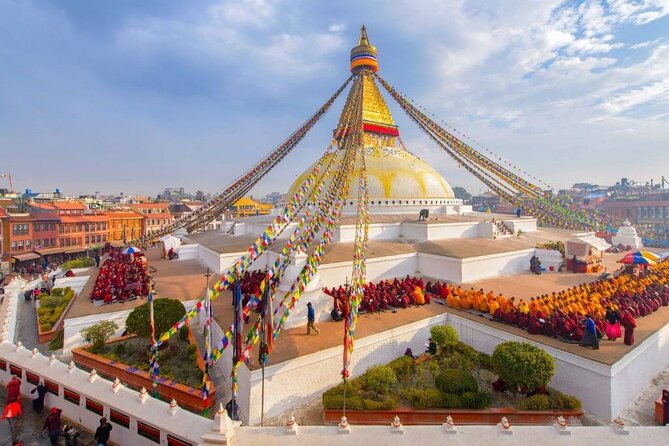
I see this as a practical first look at Nepal rather than a specialist trip. You get the country’s main cultural centers, one national park, a Buddhist pilgrimage site, mountain scenery, and a traditional hill town without having to arrange separate hotels, vehicles, guides, and internal transfers.
That matters in Nepal. The places on this route are spread across the country, and the trip involves several long road journeys. Having a driver and an English-speaking local guide lets you look out the window instead of worrying about directions, parking, or the next hotel.
The best feature is the range. Kathmandu supplies the temples and stupas. Chitwan changes the mood with water, birds, and crocodiles. Pokhara brings open mountain views, while Bandipur offers a smaller, older town experience before you return to the capital.
The tradeoff is pace. You will not spend several full days in any one place except Kathmandu and Chitwan. If you want long hikes, quiet afternoons beside Phewa Lake, or extensive time in rural communities, this program is too packed. If you want a broad introduction with the main arrangements handled for you, the pace makes sense.
More days out in Kathmandu:
- Private Kathmandu Sightseeing Tour | UNESCO World Heritage sites
★ 5.0 · 756 reviews - Half day cooking class in Thamel kathmandu
★ 5.0 · 607 reviews - Nagarkot Sunrise View and Day Hiking from Kathmandu
★ 5.0 · 471 reviews
Day 1: A simple arrival in Thamel
Your trip starts at Tribhuvan International Airport in Kathmandu. A driver waits outside the terminal and takes you to your hotel in Thamel, the city’s main tourist area.
This airport pickup is a small but valuable service after an international flight. You do not need to bargain for a taxi or work out directions while carrying luggage. Since the first day is mainly an arrival and transfer, you should treat it as a reset day rather than expect sightseeing.
Thamel is a practical base for the capital. The tour information does not name the hotel or provide its exact facilities, so room upgrades and special services may cost extra. Those extras are not part of the package.
Day 2: Kathmandu’s four major religious sites
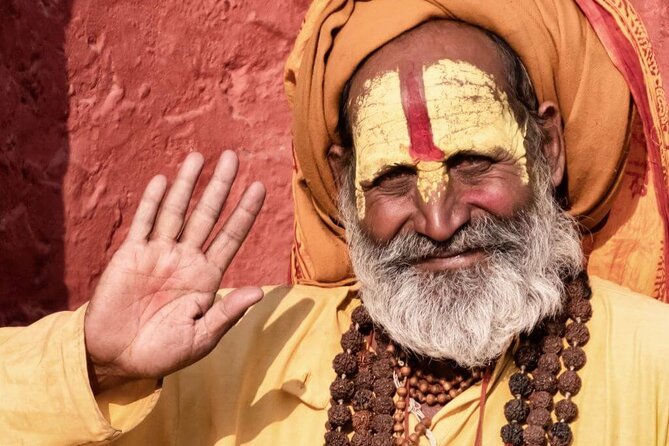
The first sightseeing day gives you a strong introduction to the Kathmandu Valley. The route includes Kathmandu Durbar Square, Swayambhunath, Boudhanath, and Pashupatinath.
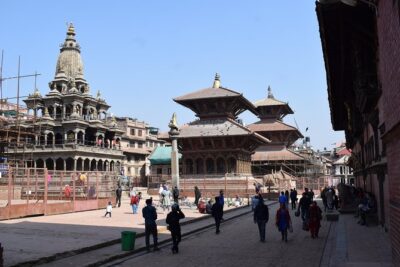
At Kathmandu Durbar Square, you see the old royal center and the temples that give the area its distinctive shape. The scheduled visit is about one hour, so expect a guided orientation rather than a long museum-style visit. This is a place where your guide’s explanations are useful, since the details are spread among courtyards, shrines, and carved buildings.
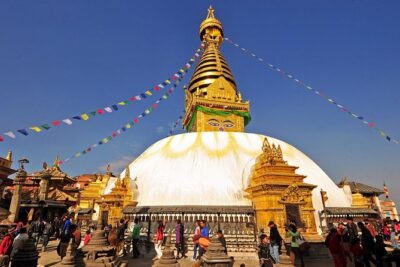
Swayambhunath, often called the Monkey Temple, sits on a hill above the city. The large stupa is reached from two sides, and the visit takes about an hour. The climb and hilltop setting add a physical element that is missing from a flat city square, while the stupa gives you one of Kathmandu’s most recognizable views.
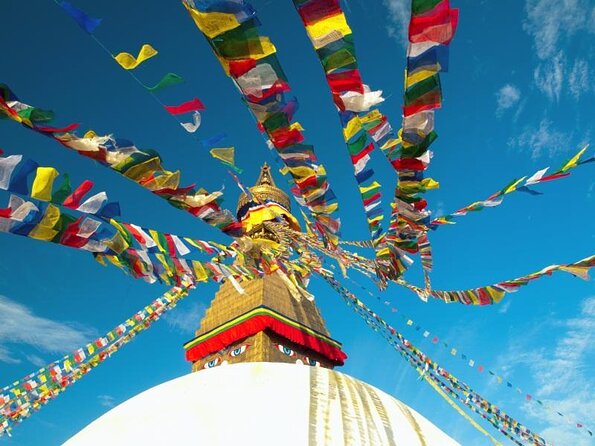
Boudhanath is one of the world’s largest stupas and a UNESCO World Heritage site. You have free time here for lunch and for watching devotees follow religious rituals around the monument. I particularly like this part of the schedule because it leaves room to observe rather than simply move from one photo stop to the next.
The day ends at Pashupatinath Temple beside the Bagmati River. It is a major Hindu pilgrimage site and also a place where cremation ceremonies take place. This is a sacred setting, not a casual attraction, so listen closely to your guide and follow local rules about where you may stand and what you may photograph.
The four stops cover a lot in one day. You will see plenty, but the schedule may feel full if you prefer long visits at religious sites. Entrance fees for World Heritage Sites are included, which makes the day easier to budget.
Day 3: Patan and Bhaktapur’s old city centers
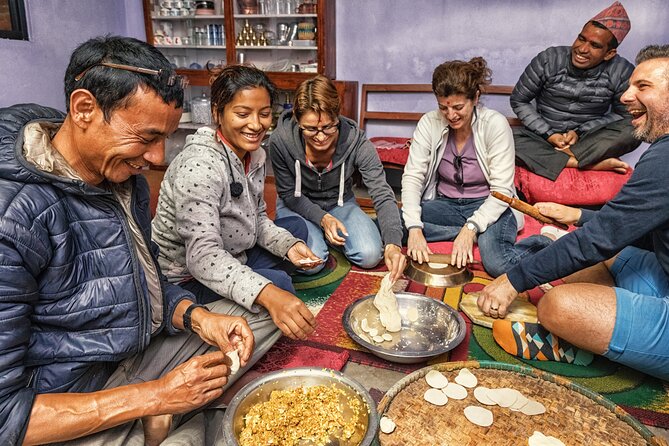
Day 3 turns to two ancient cities within the Kathmandu Valley: Patan and Bhaktapur.
Patan Durbar Square is known for its temples, courtyards, and detailed architecture. The visit includes Krishna Temple and other historic sites, with about an hour scheduled. Patan works well after Kathmandu Durbar Square because you can compare the character and design of two former royal centers without arranging another excursion yourself.
Bhaktapur Durbar Square is one of the best-preserved medieval city centers in the valley. Its Malla-period buildings and local traditions, including pottery, give the stop a more old-town feel. The planned visit is also about an hour.
The limitation is familiar by now: one hour is enough to get oriented, but not enough to inspect every temple or spend much time in workshops and side streets. Still, placing Patan and Bhaktapur on the same day is efficient. You see two important cultural sites without spending another day on transfers.
A completely different kind of day, same corner of Nepal:
- Kathmandu: Full Day 7 UNESCO Tour with Lunch – Private/Group
★ 5.0 · 415 reviews - Kathmandu: Local Women-Led Nepali Cooking & Momo Class
★ 4.9 · 360 reviews - Private Bhaktapur and Nagarkot Day Tour From Kathmandu
★ 5.0 · 305 reviews - Kathmandu: Full Day Top 4 UNESCO Tour with Lunch – Private/Group
★ 5.0 · 269 reviews
Day 4: The long road to Chitwan
The drive from Kathmandu to Chitwan covers about 160 kilometers and takes roughly five hours. The route moves southwest through changing scenery, and the drive itself is part of the day’s experience.
This is where private transportation earns its keep. You can stop according to the group’s schedule, keep your luggage with you, and let the driver handle the route. Even so, five hours on Nepal’s roads can be tiring, and traffic or road conditions may affect the timing.
Chitwan is Nepal’s first national park and gives the tour a clear change of pace. Instead of temple courtyards and city streets, you are near the Rapti River and a wildlife area. The first day is mainly the transfer into the park region, so do not expect a full day of activities after arriving.
Day 5: Canoeing and wildlife along the Rapti River
Chitwan receives a full sightseeing day. The program begins with canoeing on the Rapti River, where you may see marsh mugger and gharial crocodiles resting along the bank.
This is one of the more distinctive activities on the route. A river excursion changes your view of the park, and the low position of a canoe makes the riverbanks feel different from a standard road transfer. Wildlife sightings are never guaranteed, but the setting itself is a good reason to include Chitwan.
The day is scheduled for about six hours. The tour information also indicates that meals in Chitwan are included, while food elsewhere is generally not. That makes this the easiest part of the trip for meal planning, but you should still budget for drinks and meals not specifically covered.
Because the program includes nature activities rather than only monuments, Chitwan helps prevent the tour from becoming a sequence of temples and city squares. It also gives you a reason to pack practical clothing and footwear, even though this is not presented as a trekking trip.
Day 6: Bird watching and the transition toward Lumbini
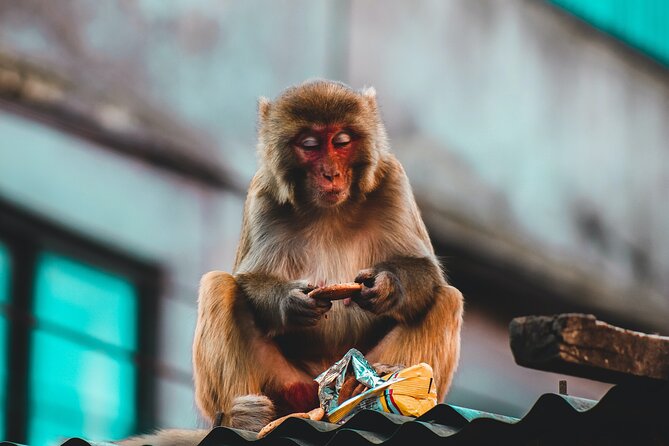
The next morning includes about two hours of bird watching along the Rapti River bank. Chitwan is presented as one of Nepal’s strong bird-watching areas, and your guide explains the species you see.
This is a quieter activity than canoeing. Bring patience. Bird watching rewards careful observation, and the short scheduled period means the emphasis is on an introduction rather than a specialist outing.
The day heading refers to Lumbini, but the detailed activity describes bird watching in Chitwan. Since the exact transfer and overnight arrangement are not fully spelled out, I would confirm with Asian Heritage Treks and Travels how this day is organized before departure. That small clarification matters because Lumbini is a major stop on the following route to Pokhara.
Day 7: Lumbini to Pokhara on an eight-hour drive
After breakfast, you drive from Lumbini to Pokhara along the Siddhartha Highway. The journey is listed at about eight hours, making this the most demanding transfer of the trip.
Lumbini is associated with the Buddha and gives the itinerary an important Buddhist pilgrimage site between the southern plains and the mountain region. The supplied schedule provides the transfer details but does not list a separate set of Lumbini sightseeing stops, so you should not assume a full guided visit there unless the operator confirms it.
The road trip connects two very different parts of Nepal. You move from the Terai region toward Pokhara and the mountain area. The scenery is part of the appeal, but eight hours in a vehicle is still a long day. If you are sensitive to road travel, this is the point to think carefully about the route.
Day 8: Sarangkot sunrise and Pokhara’s classic sights
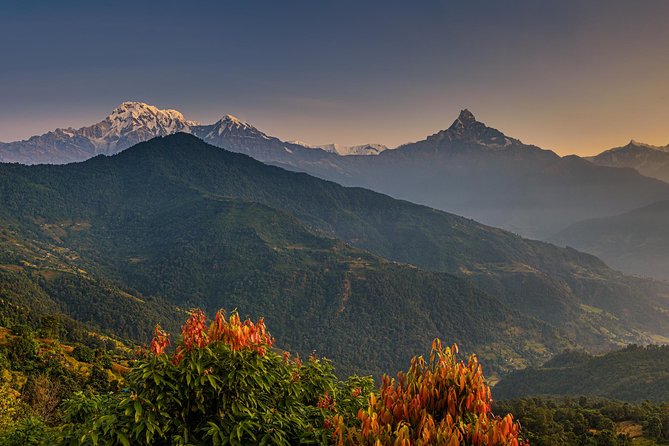
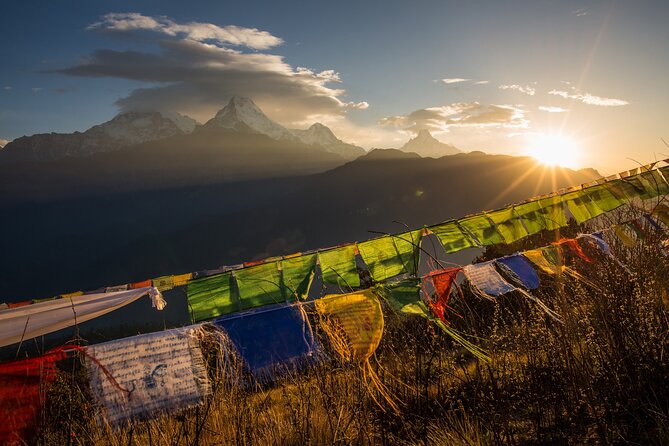
The Pokhara day starts very early with a drive to Sarangkot. From this hilltop, you watch the sunrise over the Himalayan mountains, including views toward peaks higher than 8,000 meters when conditions cooperate.
Sunrise trips depend on clear weather, so the timing is fixed even though the view is not guaranteed. The early start is worth noting when you plan your sleep schedule. After sunrise, the program includes breakfast before continuing through Pokhara.
Devi’s Fall is the next stop. The water continues underground, giving the waterfall a feature that makes it different from a simple viewpoint. Across the street, Gupteshwor Cave lets you see the flow of the waterfall from inside the cave. Together, the two stops create a neat pair and require little extra driving.
The day finishes at the World Peace Stupa, a white-domed Buddhist monument on a hilltop. It looks over the Himalayas and Phewa Lake and was built by Japanese monks as a symbol of peace. This is another place where weather controls the quality of the view, but the monument and hilltop setting still make it a fitting final stop.
The schedule is full but manageable. You get Pokhara’s signature sights without committing to a long trek. If mountain walking is your main goal, you may find this too brief. If you want a scenic introduction, it covers the essentials.
Day 9: Bandipur before returning to Kathmandu
The return toward Kathmandu includes a stop in Bandipur after roughly two to three hours of driving. You have about an hour to explore this old town before lunch and the continued journey.
Bandipur adds a human-scale historic stop to the route. It is different from the monumental squares of Kathmandu Valley because the appeal comes from the town itself and its older character. The stop is short, so use the hour for a walk and a quick look around rather than trying to see everything.
The full day is listed at about eight hours. Lunch is at your own expense, as are most meals outside Chitwan. The Bandipur break is well placed because it splits the drive, but you should still expect to arrive in Kathmandu tired.
Day 10: Airport transfer and departure
On the final day, a transfer takes you to Kathmandu International Airport approximately three hours before departure. The airport ride is included in the overall land transportation arrangement.
Keep your final morning simple. The tour ends with the transfer, not another sightseeing stop, so avoid scheduling anything that depends on a precise departure time.
What the $1,699 price covers
At $1,699, the value depends on how much planning you want to hand over. The package includes all hotel accommodation, private land transport, an experienced English-speaking local guide, government and local taxes, World Heritage Site entrance fees, and nine breakfasts.
It also includes two lunches and two dinners, with the meal coverage centered on Chitwan. International flights are not included, and you pay separately for most food outside the included meals, drinks, tips, travel insurance, donations, and optional room or service upgrades.
Private transport is the biggest practical benefit. Arranging this route independently would mean coordinating several long transfers, hotels in multiple places, park activities, airport pickups, and site entry fees. The tour can be good value if you would otherwise pay for a private driver and local guide.
The price is less attractive if you already know Nepal well, prefer public transport, or want to choose your own hotels and restaurants. Group discounts are offered, but the specific discount is not stated, so ask for the current terms before booking.
Who should book this tour
I would recommend it to a first-time visitor who wants the main sights without spending weeks on research. It suits you if you value airport pickup, a private vehicle, a small group, and a guide who can help with language and local customs.
It is also a good match if you want more than temples. Chitwan’s river activities, Pokhara’s sunrise, and Bandipur give the journey variety.
I would hesitate if your priority is trekking, luxury hotels, slow travel, or extended time in one region. The route is ambitious, and the long drives are not a minor detail. You should also confirm the Day 6 and Lumbini arrangements before paying, since that part of the schedule is not fully clear.
Booking confirmation is provided at the time of purchase. You must supply each participant’s passport name, number, expiry date, and country. Free cancellation is available up to 24 hours before the start time, with no refund for cancellations or changes made within 24 hours.
Should you book the Nepal Cultural Highlights Tour?
Book this tour if you want a well-organized introduction to Nepal and accept that seeing five distinct areas in ten days means spending time in the vehicle. The combination of Kathmandu’s sacred sites, Chitwan’s wildlife, Lumbini, Pokhara’s mountain views, and Bandipur is the strongest reason to choose it.
Before booking, confirm the hotel locations, the exact Lumbini schedule, and how the Day 6 transfer works. If those details suit you, the small group and private transport make this a sensible way to see a wide slice of Nepal without managing every road, room, and entrance ticket yourself.
FAQ
How long is the Nepal Cultural Highlights Tour?
The tour lasts approximately 10 days, beginning with airport pickup in Kathmandu and ending with an airport transfer on Day 10.
Where does the tour start?
It starts at Tribhuvan International Airport in Kathmandu, Nepal.
Is airport pickup included?
Yes. A driver waits outside the airport terminal on arrival and transfers you to your hotel in Thamel. A departure transfer to the airport is also provided on Day 10.
How many people can join the tour?
The tour has a maximum of 10 participants.
Is transportation included?
Yes. All land transportation by private vehicle is included.
Is a guide included?
Yes. An English-speaking local tour guide is included.
Are hotel stays included?
Yes. All hotel accommodation is included, although upgrades to rooms or services cost extra.
Which meals are included?
The package includes nine breakfasts, two lunches, and two dinners. Food outside the included meals, drinks, and beverage bills are not included.
Are World Heritage Site entrance fees included?
Yes. Entrance fees for World Heritage Sites are included, along with government and local taxes.
Can I cancel for a full refund?
Yes, if you cancel at least 24 hours before the experience start time. Cancellations or changes made less than 24 hours in advance are not refunded or accepted.
Just added around Kathmandu
- Traditional Momo Making Class★ 5.0 · 10 reviews
- Women Empowerment Project(Nepali cooking class & jewelry workshop★ 5.0 · 15 reviews
- Manthali Airport (Ramechhap) To Kathmandu – Transport Service★ 4.5 · 11 reviews
- Amazing 1 Day Trekking Experience in Kathmandu Nepal★ 5.0 · 24 reviews
- Walking tour of Kathmandu with awesome local guides★ 5.0 · 4 reviews
- Walking tour of real Kathmandu through back streets.★ 5.0 · 3 reviews
- Private Manaslu Circuit Trek at Himalayas★ 5.0 · 3 reviews
- Walking Street Food Tour in Kathmandu★ 5.0 · 111 reviews
Tours, compared.
Private Kathmandu Sightseeing Tour | UNESCO World Heritage sites
Read our review →
Everest Base Camp Helicopter Tour landing at Everest View Hotel
Read our review →
Full Day 7 UNESCO Tour with Lunch – Private/Group
Read our review →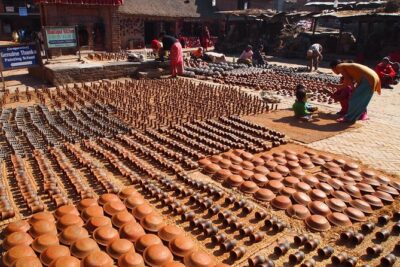
Private Bhaktapur and Nagarkot Day Tour From Kathmandu
Read our review →
Full Day Top 4 UNESCO Tour with Lunch – Private/Group
Read our review →