
Reviewed · ANNAPURNA BASE CAMP TREKS
Pokhara: 7-Day Annapurna Base Camp Trek via Ghandruk
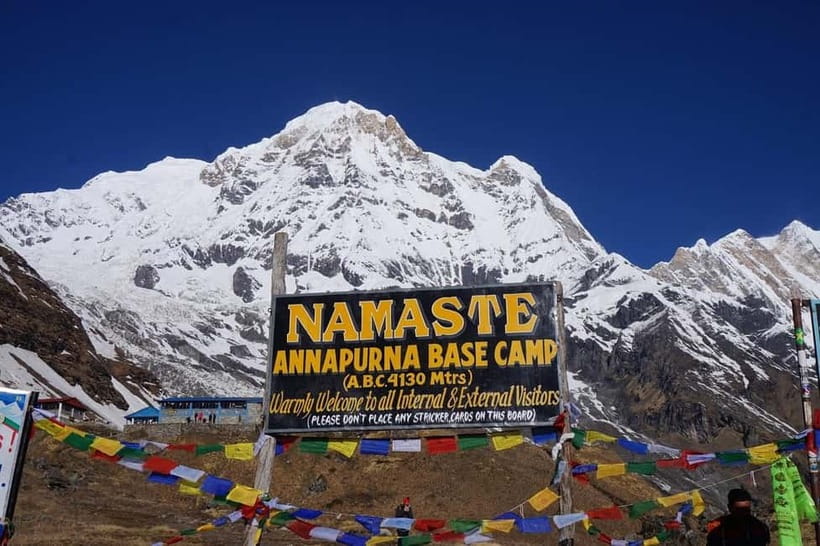
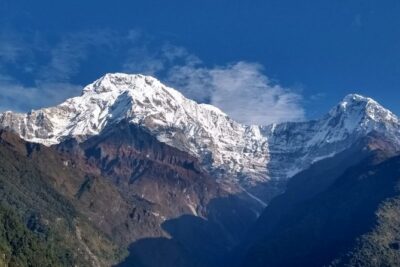
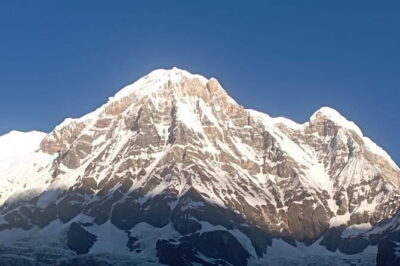
The best moment here is the sunrise at Annapurna Base Camp, where Annapurna I, Machapuchare, Hiunchuli, and other snowy peaks ring you on every side. The route also gives you a fine mix of stone stairways, terraced fields, Gurung villages, bamboo woods, and rhododendron forest instead of a single long mountain slog.
I like the compact seven-day plan and the way it begins with a ridge walk through Australian Camp before reaching the sanctuary. I also like the exit through Ghandruk, a handsome Gurung village with mountain views and a strong local character. The catch is that several days are long, the route is physically demanding, and basic tea-house costs such as Wi-Fi and drinking water may still come out of your pocket.
Key points to know before booking
- Sunrise at 4,130 meters: You spend the night at Annapurna Base Camp, then watch the peaks catch the first light.
- A varied route from Kande: The opening walk passes Australian Camp, Pothana, forests, farms, and Landruk.
- Classic Annapurna villages: Chhomrong, Sinuwa, and Ghandruk bring stone steps, Gurung culture, and mountain scenery.
- A demanding middle section: The climb from Sinuwa to Deurali and the following ascent to ABC require steady fitness.
- Private trip format: A government-registered guide leads your group, with English, Hindi, and Nepali available.
- Good headline price, extra spending required: The $179 rate includes major basics, but you should budget for drinks, Wi-Fi, personal costs, and possibly a porter at $20 per day.
Why this seven-day ABC trek works
Annapurna Base Camp is one of Nepal’s most rewarding short treks because the scenery changes quickly. You start among farms and village paths, move through thick forest, then reach high alpine ground in only a few days.
This route begins near Pokhara, Nepal’s easygoing lakeside base for mountain trips. Pickup is offered from hotels in the Lakeside and Sarangkot areas, as well as Pokhara International Airport. That saves you the usual early-morning hunt for a taxi, though you should confirm the pickup time after booking.
The trip costs $179 per person. That is a competitive price for a private seven-day trek when permits, a guide, transport to the trailhead, tea-house accommodation, and trek meals are included under the selected meal option. You should read the meal plan closely and ask what is covered before paying, since the details say meals depend on the option you choose.
The price does not cover travel insurance, snacks, drinks, emergency rescue, or personal expenses. A porter is listed separately at $20 per day, so clarify exactly what the included guide and porter-related costs mean for your booking. The information says guide and porter food, accommodation, insurance, salary, transport, and equipment are covered, while a porter is also shown as an optional extra. That needs a direct question before departure.
More Annapurna Base Camp treks:
- Annapurna base camp trek 5 Days
★ 5.0 · 252 reviews - Annapurna Base Camp Trek
★ 5.0 · 111 reviews - Kathmandu to Annapurna Base Camp (ABC) 5-Day Trek
★ 5.0 · 102 reviews
Day 1: Kande to Australian Camp and Landruk
Your first day starts with about an hour on the road from Pokhara to Kande, at roughly 1,770 meters. From there, you walk toward Australian Camp and Pothana, where the route opens to mountain views before moving through forest.
This is a pleasant introduction because it gives you a ridge walk rather than sending you straight up a steep valley. You get a sense of Nepal’s hillside farming, with terraced fields and villages appearing between the trees.
The trail then descends toward Landruk, at about 1,565 meters. That downhill finish may sound easy, but descents on stone paths can be hard on your knees, especially after a travel day.
Plan on four to five hours of walking. Landruk is a Gurung village and a good first overnight stop. Keep your first evening simple: eat, organize your pack, and get ready for a longer day.
Day 2: Landruk, Chhomrong, and Sinuwa
Day two takes you down toward the river and then back up toward Chhomrong. This up-and-down pattern is typical of the Annapurna foothills, where a river crossing can mean losing altitude before climbing again.
Chhomrong is one of the main settlements on the approach to ABC. It is also a useful point to settle into the rhythm of the trail. From here, the route continues on stone steps toward Sinuwa.
You walk for six to seven hours, so this is not a casual village stroll. The stairs can feel relentless, particularly if your pack is heavy. A porter may be worth considering if you want to enjoy the views without carrying all your clothing and sleeping gear.
Sinuwa sits at about 2,340 meters. The change in altitude begins to matter here, though the gradual route gives your body some time to adjust. Drink regularly, walk at a steady pace, and tell your guide if you feel unwell.
Day 3: Sinuwa through Bamboo and Dovan to Deurali
The third day leads deeper into the Modi Khola valley. You pass through Bamboo and Dovan, with thick bamboo and rhododendron forest closing in around the trail.
I like this part because the forest gives the trek a different mood from the open ridges near Kande. You hear the river below and walk beneath tall vegetation, while the high peaks appear and disappear through the trees.
The route climbs to Deurali, at about 3,230 meters. The day lasts six to seven hours, and the altitude now becomes a serious consideration. You may find the pace slower than expected, especially on the final uphill sections.
Deurali is a practical overnight stop before the high point of the trek. Accommodation is in basic tea houses or lodges, not a mountain resort. Expect simple rooms and shared facilities, and carry cash for extras such as Wi-Fi, hot drinks, and bottled or treated water.
More short treks to Ghandruk and Dhampus:
- Pokhara: 4-Day Ghorepani, Poonhill & Ghandruk Mountain Trek
★ 5.0 · 132 reviews - Pokhara: 4 Days Poon Hill and Ghandruk Trek
★ 5.0 · 23 reviews - Pokhara: 4-Day Beautiful Ghorepani Poon Hill & Ghandruk Trek
★ 4.8 · 21 reviews - Pokhara: 4-Day Poon Hill and Ghandruk Guided Trek
★ 5.0 · 14 reviews
Day 4: Deurali to Machapuchare Base Camp and ABC
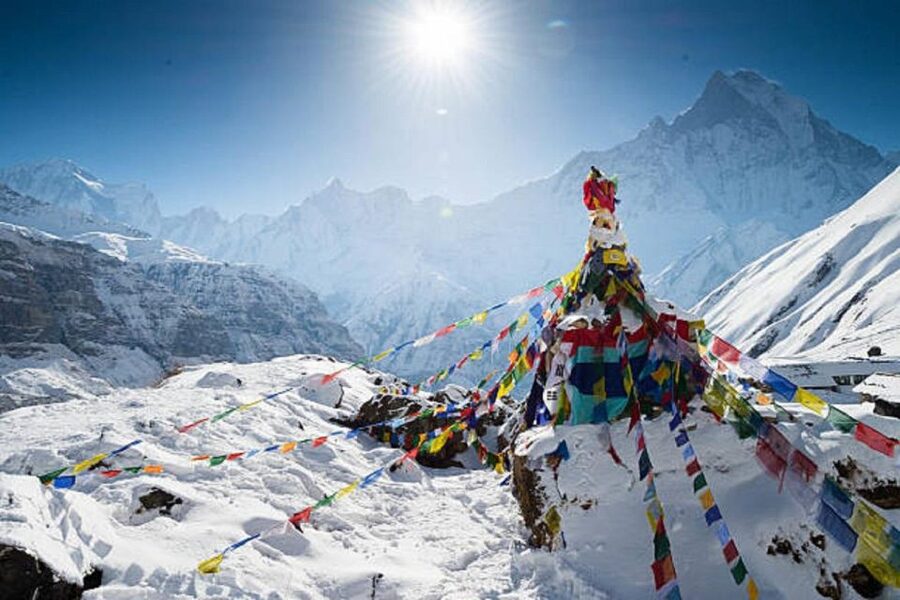
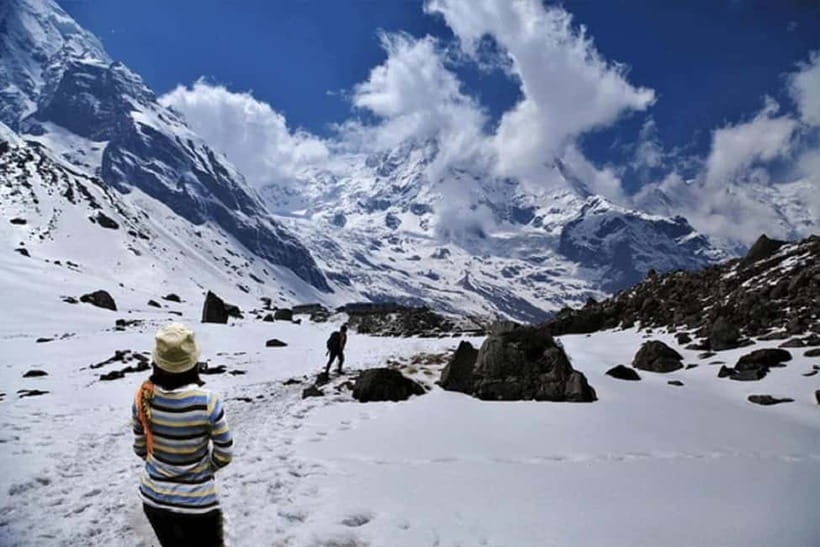
This is the big day. From Deurali, you move into alpine terrain and continue toward Machapuchare Base Camp, at about 3,700 meters, before reaching Annapurna Base Camp at 4,130 meters.
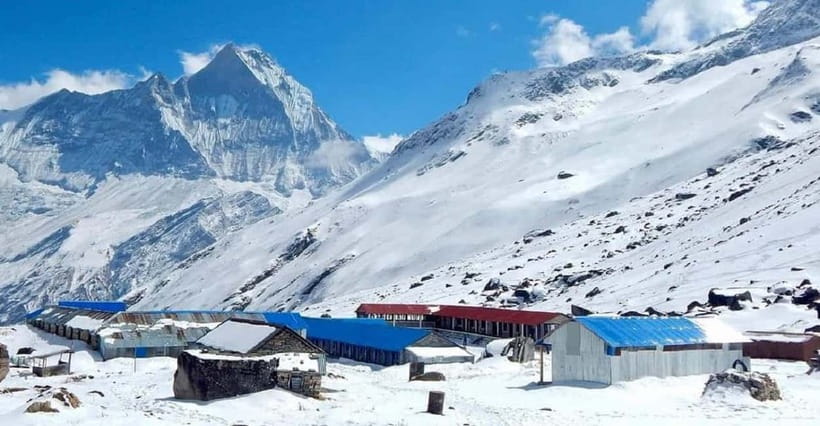
The forest gives way to a wide mountain setting. Glacier views and snow-covered peaks take over, and the scale changes quickly. Machapuchare, also known as Fishtail, is especially striking, while Annapurna I and Hiunchuli rise around the sanctuary.
The walk takes about five to six hours, but altitude can make that feel longer. The distance is only part of the challenge. Cold air, steep sections, and thinner oxygen all affect your pace.
ABC sits inside a natural amphitheater of peaks. This is the emotional high point of the trek, and also the coldest overnight. Pack warm layers, gloves, a hat, and a reliable jacket. Temperatures can shift sharply between the lower villages and the base camp.
You should not treat this as a race. The goal is to arrive in good shape for the sunrise, not to reach the lodge as early as possible. Your guide can help set a sensible pace, but you need to speak up if you develop altitude symptoms.
Sunrise inside the Annapurna Sanctuary
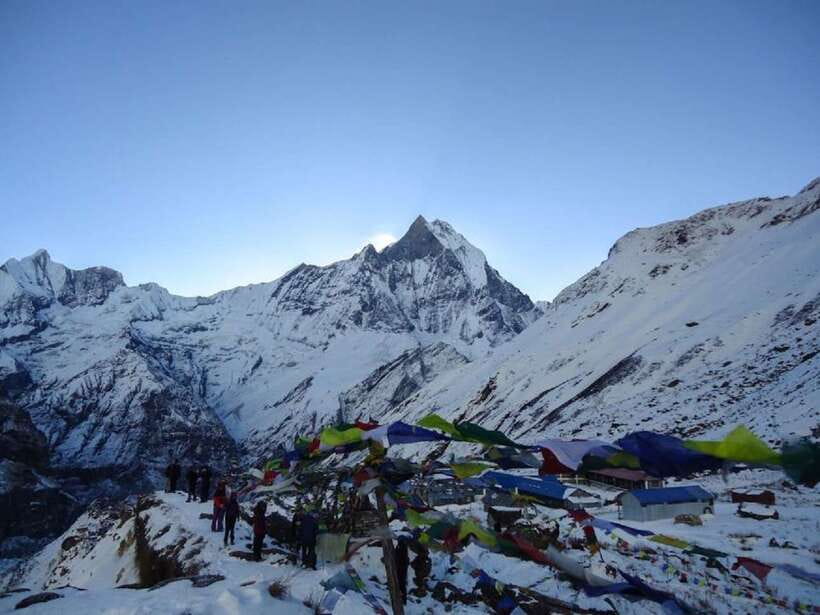
The sunrise is the main prize of the itinerary. You wake at ABC and watch the first light move across Annapurna I, Machapuchare, Hiunchuli, and the other surrounding peaks.
The appeal is not simply the view from a lookout. You are inside the mountain amphitheater, with peaks rising around the base camp. That enclosed setting makes the morning feel unusually dramatic.
The cold is part of the deal. Keep your warmest clothes close at hand instead of buried in your pack. A camera is useful, but do not let it replace a few quiet minutes looking up. The light changes quickly.
After sunrise, you begin a long descent. This gives you the reward early, then asks your legs to work hard for the rest of the day.
Day 5: The long descent to Bamboo or Sinuwa
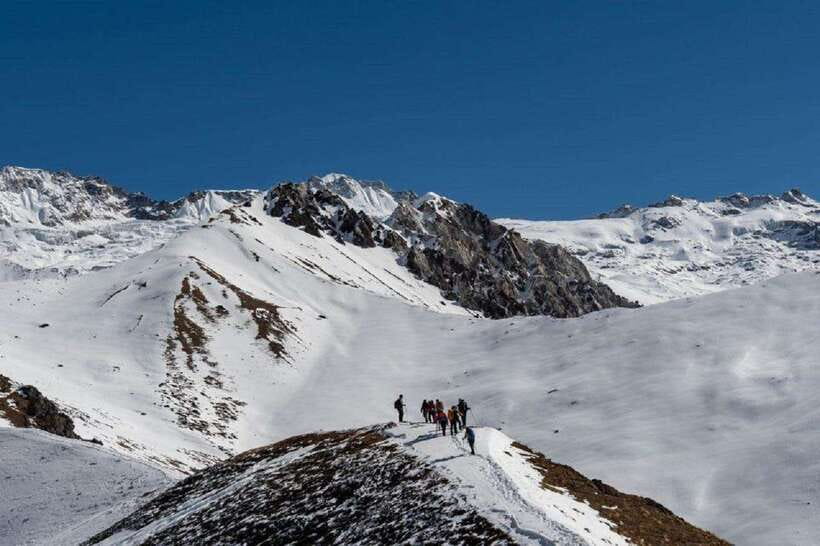
Day five reverses much of the route through Machapuchare Base Camp, Deurali, and Dovan. Depending on your pace, you spend the night at Bamboo or continue to Sinuwa.
The walk takes six to seven hours. Descending is usually faster than climbing, but it can be tiring in a different way. Repeated stone steps put pressure on knees and ankles, so trekking poles are useful. A stick is available as part of the listed trekking gear when needed.
The route feels greener and warmer as you lose altitude. You leave the stark alpine setting behind and return to forest, river sounds, and more settled villages.
This is also the point where the schedule can feel tight. If your pace is slower, the night may be at Bamboo rather than Sinuwa. That is not a problem, but it can affect the next day’s distance. Ask your guide how the overnight stop will be decided.
Day 6: Sinuwa to Chhomrong and Ghandruk
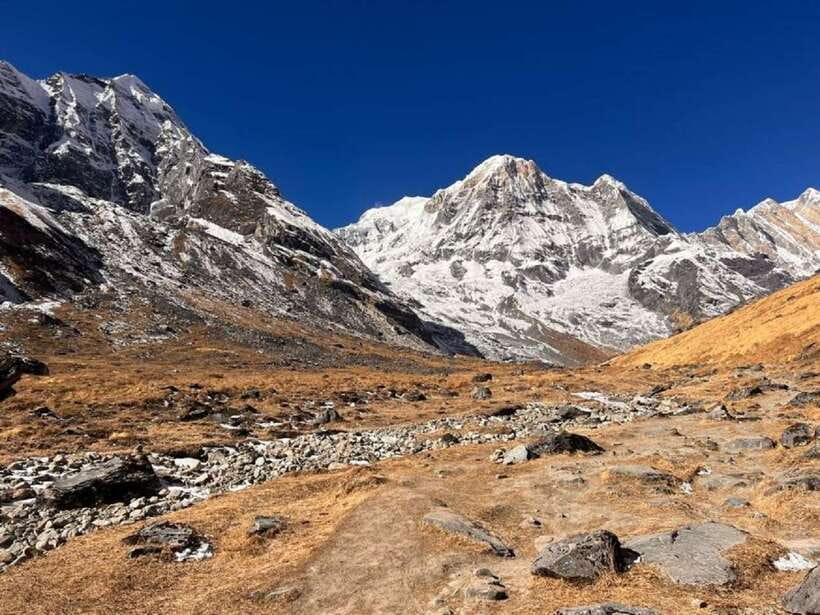
The trail returns to Chhomrong before heading toward Ghandruk. This section gives you another look at the village country that makes the Annapurna route more than a peak-bagging trip.
Ghandruk, at about 1,940 meters, is known for Gurung culture, traditional village life, and wide mountain views. It is a good final overnight because it feels distinct from the forest settlements closer to ABC.
You walk for five to six hours. The route is still not effortless, with steps and changes in height, but the lower altitude makes breathing easier. Take time to look around Ghandruk rather than treating it only as a bed for the night.
One point deserves clarification before you book. The itinerary does reach Ghandruk on the way out, but much of the trek to ABC follows the same valley in both directions before the route turns toward Ghandruk. If you expect a completely different trail every day, this plan may feel more like an out-and-back trek with a scenic village finish.
Day 7: Ghandruk to Birethanti and Pokhara
The final walk descends through villages and farmland to Birethanti, at about 1,025 meters. It takes three to four hours, followed by roughly an hour by road back to Pokhara.
This is a useful final day because you do not need to force a long mountain walk after the ABC descent. The farmland and lower villages provide a gentle change from the high valley.
Road transport is one area to confirm carefully. The package includes transport connected with the trek, but the exact vehicle used at the end should be discussed. A previous booking ended earlier than planned because the trek was completed faster, and the return transport was not arranged as expected. That led to a less comfortable bus ride on Nepal’s rough mountain roads.
I would ask three direct questions before departure: What happens if the group finishes a day early? Is a private Jeep included for the return? Who pays if a vehicle must be arranged at short notice? Clear answers matter more than a polished itinerary.
Tea houses, food, and daily comfort
Accommodation is in basic tea houses or lodges. This is the right level of comfort for a short Himalayan trek, but you should not expect hotel service. Rooms are simple, and facilities become more limited higher up.
Meals are included if you select the appropriate option. Confirm whether breakfast, lunch, and dinner are all covered, and ask about drinks. Water and Wi-Fi may cost extra at the lodges, so carry enough Nepalese cash for daily add-ons.
Snacks are not included. Bring some energy food from Pokhara, especially for the long days between Sinuwa and ABC. You should also carry tissues or hand sanitizer, since trail facilities can be basic.
The listed package includes a first aid kit, but that is not a substitute for insurance. Travel insurance is mandatory, and emergency rescue is available if required. Make sure your policy covers trekking at the maximum altitude of 4,130 meters.
What to pack for 4,130 meters
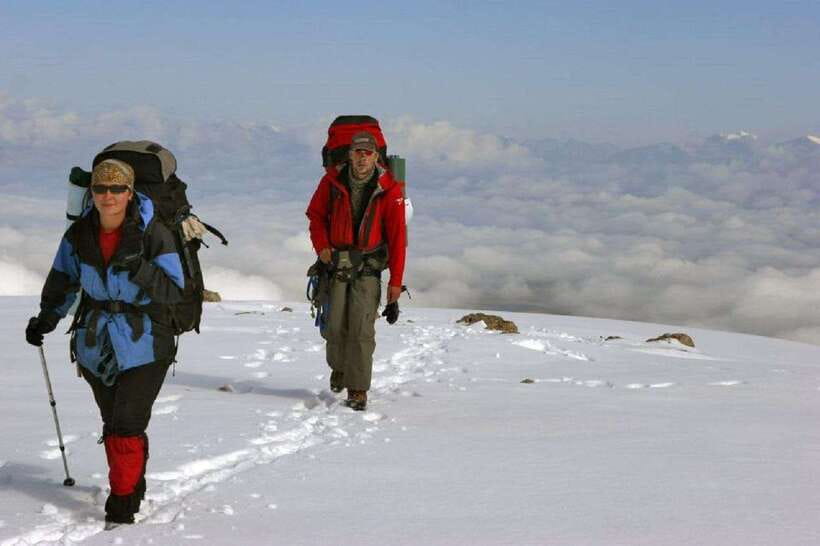
You need clothing for both warm lower valleys and freezing high camps. Bring a warm jacket, hiking pants, comfortable shoes, proper hiking shoes, a hat, and spare clothes.
A flashlight is important for early morning at ABC and for moving around basic lodges. Pack cash, a camera, tissues or hand sanitizer, and a hair tie if useful to you.
You also need your passport or an accepted copy. A copy of your passport must be provided at least one day before the trek so the required Nepal permits can be arranged.
The operator lists trekking gear such as a trekking stick and sleeping bag when needed. Confirm what is available, whether there is a charge, and whether the sleeping bag is suitable for the coldest night at ABC.
Who will enjoy this trek most
This route suits you if you want a major Himalayan destination without committing to a two-week expedition. You get a private group, a registered guide, organized permits, and a fixed seven-day plan.
You should have a reasonable level of fitness. The six-to-seven-hour walking days, repeated stone steps, and altitude make this a poor choice if you want a gentle holiday. You do not need to be an elite athlete, but you should be comfortable walking uphill and downhill for several hours.
The trek also suits you if cultural encounters matter as much as mountain views. Landruk, Chhomrong, Sinuwa, and Ghandruk show different parts of village life, while terraced fields and forest trails fill the spaces between them.
It may not suit you if you want private bathrooms, guaranteed hot showers, or a fully different trail on the return. It may also disappoint you if you assume every expense is covered by the headline price.
Should you book this Annapurna Base Camp trek?
I would consider booking it for the scenery, the sunrise at ABC, the private format, and the strong mix of mountain and village experiences. At $179, it can be good value if your chosen option truly includes the meals, permits, guide, lodging, and transport described.
Before paying, get written confirmation about meals, porter charges, drinking water, Wi-Fi, the return vehicle, and what happens if you finish early. If the operator answers those points clearly, this is a practical short route to one of Nepal’s most memorable mountain settings.
If you want a relaxed pace, a porter, and more time in each village, ask for an extra day or two. If you are ready for long walking days and basic mountain lodging, this seven-day plan delivers the essential ABC experience without a lengthy commitment.
FAQ
How long is the Annapurna Base Camp trek?
The trek lasts seven days, beginning and ending in Pokhara.
Where does the trek start?
The drive goes from Pokhara to Kande, at about 1,770 meters. You then begin walking through Australian Camp and Pothana.
What is the highest point reached?
Annapurna Base Camp is the highest overnight stop, at about 4,130 meters.
Is a sunrise at Annapurna Base Camp included?
Yes. You spend the night at ABC and watch the sunrise there before beginning the descent.
Which villages are included on the route?
The itinerary includes Landruk, Chhomrong, Sinuwa, Bamboo, Dovan, Deurali, and Ghandruk.
Is Ghandruk part of the return route?
Yes. After descending from the ABC area, you return through Chhomrong and Ghandruk before continuing to Birethanti and Pokhara.
What languages can the guide speak?
Guiding is available in English, Hindi, and Nepali.
Is the trek private?
Yes. The activity is arranged as a private group trek.
Are meals included?
Meals are included according to the option selected. Confirm exactly which meals and drinks are covered before booking.
Do I need travel insurance?
Yes. Travel insurance is mandatory. Emergency rescue services are available if required, but rescue costs are not included.
Is a porter included?
The information lists porter services at $20 per day if needed. It also says guide and porter expenses may be covered in the package, so confirm the exact porter arrangement before departure.
What documents are required?
You need to provide a copy of your passport at least one day before the trek so the necessary Nepal permits can be arranged.
More 7-Day Experiences in Annapurna Region
- Pokhara: 7 Day Annapurna Base Camp Trek
★ 4.9 · 38 reviews - Annapurna Base Camp Trek from Pokhara 7 Days
★ 5.0 · 19 reviews - 7-Day Trek to Annapurna Base Camp from Pokhara
★ 5.0 · 12 reviews - Pokhara: 7-Day Annapurna Base Camp Trek & Natural Hot Spring
★ 5.0 · 11 reviews
Just added around Annapurna Region
- 4 Day Mardi Himal Base Camp Trek from Pokhara★ 5.0 · 18 reviews
- 7-Day Trek to Annapurna Base Camp from Pokhara★ 5.0 · 12 reviews
- Private 4 Day Poon Hill Trek from Pokhara★ 5.0 · 16 reviews
- Annapurna Base Camp Trek from Pokhara and Kathmandu★ 5.0 · 7 reviews
- 6 days Annapurna Basecamp Trek★ 5.0 · 16 reviews
- “Exclusive Round-Trip Transfer: Pokhara to Jomsom & Muktinath”★ 5.0 · 11 reviews
- Pokhara: Poon Hill Ghorepani Short Trek★ 5.0 · 6 reviews
- Pokhara: 4 Days Poon Hill and Ghandruk Trek★ 5.0 · 23 reviews
Annapurna Base Camp Treks, compared.
Kathmandu to Annapurna Base Camp (ABC) 5-Day Trek
Read our review →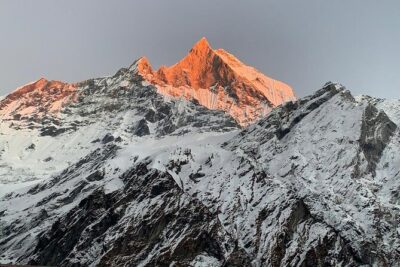
Kathmandu/Pokhara: 5-Day Annapurna Base Camp (ABC) Trek
Read our review →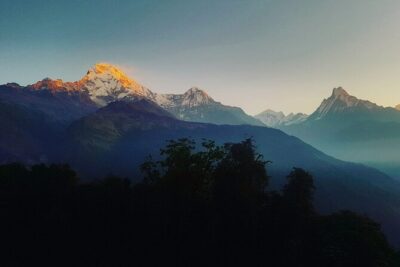
11-Day Hike Tour to Annapurna Base Camp Bliss in Kathmandu
Read our review →Browse the lists this tour appears in