
Reviewed · WALKING TOURS
Smells of Kathmandu Walking Day Tour
Kathmandu’s best introduction may be found in its markets, not behind a museum door. This walking tour takes you through Asan and Indrachowk, where locals shop for spices, pulses, vegetables, fish, meat, and everyday goods. You get a close look at how the city works, with a guide explaining the ingredients, customs, and narrow lanes as you go.
I like the small group limit of 10, which gives you a fair chance to ask questions. I also like the route through less obvious corners such as the bead bazaar, Bangemudha, and Nardevi. The main drawback is the crowded, active setting: scooters, pedestrians, and tight alleyways are part of the deal, and the walking time may be closer to three hours than the advertised two and a half.
Key points to know before you book
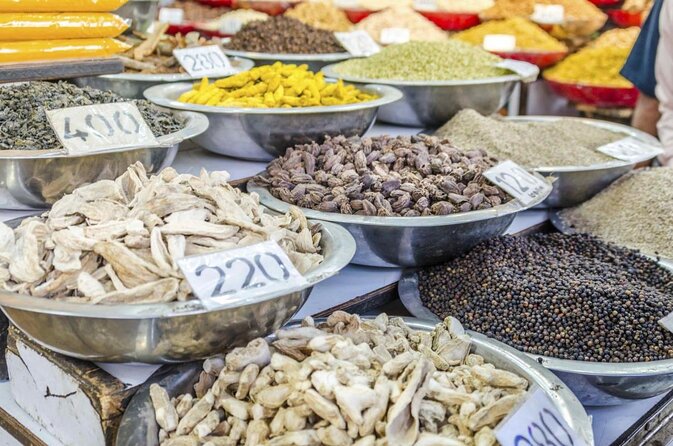
- Asan is the heart of the walk, with stalls selling the food and supplies used in everyday Kathmandu life.
- The route includes old local quarters such as Indrachowk, Bangemudha, Nardevi, and the bead bazaar.
- Sunil is one named guide, praised for taking visitors into lanes they might not find alone. Rajendra has also guided in German.
- The group is capped at 10 people, making this more personal than a large city tour.
- The price is $28 per person, with guiding and cultural interpretation included, but food, drinks, shopping, and tips cost extra.
- The tour starts at 2:45 pm at the Karmachari Sanchaya Kosh Building and returns there after the walk.
Why Kathmandu’s markets make a better first walk
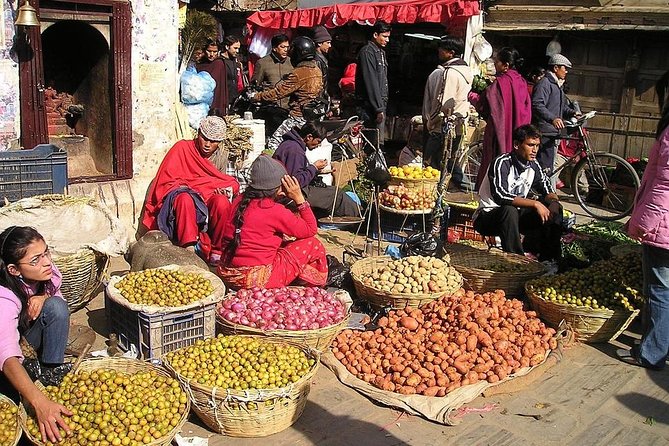
If you want to understand Kathmandu quickly, watch what people buy. Asan is not arranged for sightseeing. It is a working market between Durbar Square and Thamel, with stalls and shops serving local residents.
That matters. You are not simply looking at old buildings. You are seeing sacks of grains and pulses, piles of produce, spices, fish, meat, and other daily supplies moving through the city. Your guide points out ingredients and explains how they fit into local life. Even if you know little about Nepali cooking, the market gives you useful context for the meals you will encounter elsewhere in Kathmandu.
I like this kind of tour because it gives you a practical sense of place. You learn through smells, sounds, movement, and small details. A spice stall tells you more about daily routines than a quick photograph of a monument. The route also helps connect Kathmandu’s major tourist areas. Asan sits between Durbar Square and Thamel, so this walk shows you the ordinary streets linking two places many visitors already plan to see.
The setting can be intense. The lanes are busy with pedestrians and scooters, and the route passes through narrow streets where you need to stay close to your guide. If you prefer quiet roads and a slow pace, this may feel demanding. If you enjoy seeing a city at work, the activity is part of the appeal.
More Walking Tours in Kathmandu
- Kathmandu Food and Drink Walking Tour
★ 5.0 · 266 reviews - Kathmandu: Food and Drink Walking Tour
★ 4.9 · 119 reviews - Walking Street Food Tour in Kathmandu
★ 5.0 · 111 reviews
Starting at the Karmachari Sanchaya Kosh Building
The meeting point is the Karmachari Sanchaya Kosh Building on Tridevi Sadak in Kathmandu. The scheduled start is 2:45 pm, and the walk returns to the same location at the end.
That return point is useful. You do not need to arrange a separate ride from another neighborhood, and you can continue on to Thamel afterward if that suits your plans. Hotel pickup may be arranged, but the listed meeting point remains the clearest plan, so confirm pickup details before setting out.
The afternoon timing also has practical value. You can spend the earlier part of the day at another sight, then join the market walk later. The tour lasts about two and a half hours, although the itinerary gives a three-hour duration. I would allow the fuller time window rather than schedule a tight dinner reservation immediately afterward.
A mobile ticket is provided, and confirmation arrives at booking. The group can include up to 10 people. That is large enough to keep the price reasonable, but small enough for a guide to speak with the group while moving through crowded lanes.
Asan: spices, grains, and the business of daily life
Asan is the main event. This market area is where the tour spends most of its time, and it is the place where the walk earns its price.
You can expect to see stalls selling spices, fruit, vegetables, fish, meat, grains, pulses, and other household supplies. The guide explains what you are looking at and why particular ingredients matter. That information turns a quick pass through the market into something you can use later, especially when you see unfamiliar foods on restaurant menus or in local shops.
The best part is the variety of detail. One stop may focus on a spice, another on a pile of lentils, and another on produce used in Kathmandu kitchens. The experience is not built around a single grand sight. It is built around dozens of small observations that are easy to miss when you walk alone.
You should expect the market to feel crowded and close. Scooters can pass through pedestrian areas, and stalls may spill into the walking route. Keep your belongings secure and follow the guide’s lead. The tour information does not promise a food tasting, so budget for shopping and drinks separately. One account of the walk included delicious tea, but tea or other refreshments are not listed as an included feature.
Asan also gives you a chance to ask useful questions. You can ask how a particular ingredient is used, what local shoppers are buying, or how a market item differs from what you see in tourist-oriented shops. A good guide makes this a conversation rather than a lecture.
Indrachowk and the old lanes beyond the main route
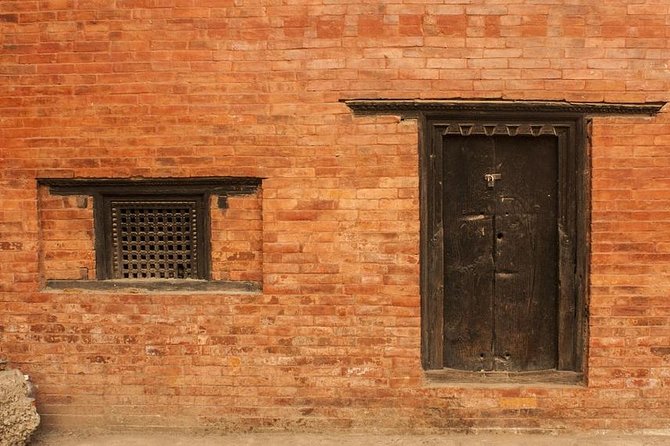
From Asan, the walk continues through Indrachowk and nearby parts of old Kathmandu. This is where the tour moves farther from the straightforward sightseeing route and into working lanes.
The route also includes the bead bazaar, Bangemudha, and Nardevi. Each name represents a different part of the old city, but the main value is the way they fit together. You see streets where people shop, work, walk, and move goods through spaces that can feel confusing on your own.
This is a place where a local guide earns their fee. The lanes are easy to lose track of, especially when several alleys look similar. Sunil is specifically associated with taking visitors into these narrower streets and explaining what is happening around them. Rajendra has guided in German, so language support may be available depending on the booking and guide assignment.
Do not expect every stop to be a formal attraction with an entrance gate. Much of the interest comes from the street itself: signs, stalls, shopfronts, shrines, people carrying goods, and the changing rhythm from one lane to the next. The guide’s explanations provide the structure.
There is also a trade-off. A route through old Kathmandu’s lanes is not ideal for someone who wants broad views or a long pause at each sight. You are moving through a working neighborhood, not following a carefully staged attraction circuit. I would choose this walk for atmosphere and local context rather than for landmark photography.
A completely different kind of day, same corner of Nepal:
- Private Kathmandu Sightseeing Tour | UNESCO World Heritage sites
★ 5.0 · 756 reviews - Half day cooking class in Thamel kathmandu
★ 5.0 · 607 reviews - Nagarkot Sunrise View and Day Hiking from Kathmandu
★ 5.0 · 471 reviews - Kathmandu: Full Day 7 UNESCO Tour with Lunch – Private/Group
★ 5.0 · 415 reviews
What the guide adds to the experience
The guide is central to the tour. Without one, Asan can become a blur of colors, smells, and movement. With one, the market becomes readable.
The guide points out local ingredients and tells stories along the way. That may include explanations of food items, neighborhood life, and the way the market serves Kathmandu residents. The strongest reports about the tour focus on this personal interpretation, especially from Sunil, who is described as generous with information and willing to show places that are easy to miss.
A named guide is not guaranteed at the time of booking, so treat Sunil and Rajendra as examples rather than a promise. Still, their presence gives you a useful idea of the tour’s style. Sunil’s route emphasizes everyday streets, while Rajendra has provided a German-language tour.
I would ask questions early. Tell the guide if you are especially interested in food, shopping, religious customs, or neighborhood life. The walk covers a lot in a short time, and a few clear questions can help shape what you notice.
The group limit matters here. With no more than 10 people, the guide can usually keep everyone together and respond to questions more easily than on a large coach-style outing. It also reduces the chance that the whole walk feels like a moving crowd.
The value of $28 per person
At $28 per person, this is a modestly priced guided experience for Kathmandu. The value is not in admission tickets, since the tour is mainly a walking route through public streets. The value is in the local explanation and the time saved finding your way through unfamiliar lanes.
You are paying for an in-person guide, a planned route, and cultural interpretation. That is worthwhile if you are new to Kathmandu and want help making sense of what you see. It is less compelling if you already know Asan, Indrachowk, and the surrounding markets well.
The cost does not include food, drinks, shopping, or gratuities. That is normal for a market walk, but it is worth remembering because the setting will tempt you to buy something. You may want to sample a drink or stop for a small purchase, though nothing is required to take part.
The small group size improves the value. A private tour would cost more, while a much larger group could make the narrow streets awkward. Ten people is a practical middle ground.
Pace, comfort, and who should choose it
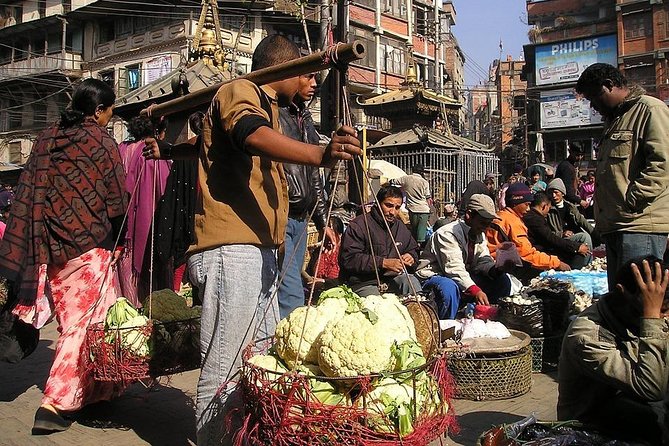
This is a walking tour through busy old streets. Wear comfortable shoes and plan for uneven or crowded walking conditions, though the supplied information does not give a detailed accessibility assessment. Most people can participate, but anyone with mobility concerns should ask the operator for current route details before booking.
The pace is likely to include frequent pauses for explanations, but you are still covering several neighborhoods in roughly two and a half to three hours. This is not a sit-down market talk. You will be on your feet and moving between stops.
The tour suits you best if you:
- Want to see where local people shop
- Enjoy food markets and everyday street life
- Prefer a small group to a large sightseeing tour
- Like asking questions and learning from a local guide
- Want to connect the area around Durbar Square with Thamel
- Are comfortable with crowded lanes and city noise
You may want a different activity if you mainly want monuments, panoramic views, quiet streets, or a formal food-tasting menu. This walk is about observation and explanation, not a set meal or a long list of ticketed attractions.
Timing the walk with the rest of your day
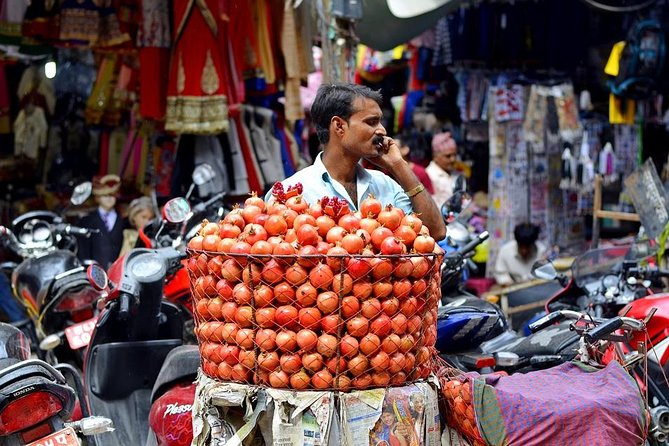
The 2:45 pm start makes this easy to pair with other plans. You could visit another sight earlier, then use the market walk to shift into Kathmandu’s daily street life.
Because the tour returns to the original meeting point, you can decide afterward whether to remain in the area or continue elsewhere. The listed duration is approximately two and a half hours, while the itinerary also notes three hours. Give yourself room for the longer version, especially if the group stops often or moves slowly through crowded sections.
The weather policy matters for planning. The activity requires good weather, and if poor weather causes cancellation, you are offered another date or a full refund. You can cancel for a full refund up to 24 hours before the start time. Within 24 hours, refunds and changes are not accepted.
My call: book it for local context, not polished sightseeing
I would book the Smells of Kathmandu Walking Day Tour if I wanted a compact introduction to the city’s markets and old lanes. The strongest reason is the route through Asan, Indrachowk, the bead bazaar, Bangemudha, and Nardevi, paired with a guide who can explain what you are seeing.
The $28 price is fair for a small group and a local guide. I especially like that the experience focuses on ordinary shopping rather than only on famous sights. Sunil’s reported route through narrow lanes and Rajendra’s German-language guiding also suggest that the operator can offer a personal experience, though you should confirm the guide and language when booking.
Skip it if you dislike crowds, have strict mobility needs, or want a food tour with guaranteed tastings. Book it if you want Kathmandu to feel less like a set of monuments and more like a living city, with markets, ingredients, scooters, shopkeepers, and side streets all part of the lesson.
FAQ
How long does the tour last?
The tour is listed as approximately two and a half hours. The itinerary also gives a three-hour duration, so allow roughly two and a half to three hours.
Where does the tour start?
It starts at the Karmachari Sanchaya Kosh Building on Tridevi Sadak in Kathmandu.
What time does the tour begin?
The scheduled start time is 2:45 pm.
Where does the tour finish?
The walk returns to the same Karmachari Sanchaya Kosh Building where it begins.
What places are included on the route?
The route includes Asan, Indrachowk, the bead bazaar, Bangemudha, and Nardevi, along with surrounding areas of old Kathmandu.
Are food and drinks included?
No. Food, drinks, shopping, and gratuities are not included. The tour does include an in-person guide and cultural information.
What is the cancellation policy?
You can cancel at least 24 hours before the start time for a full refund. Cancellations or changes made less than 24 hours before the start time are not accepted. If poor weather causes the tour to be canceled, you are offered another date or a full refund.
Just added around Kathmandu
- Traditional Momo Making Class★ 5.0 · 10 reviews
- Women Empowerment Project(Nepali cooking class & jewelry workshop★ 5.0 · 15 reviews
- Manthali Airport (Ramechhap) To Kathmandu – Transport Service★ 4.5 · 11 reviews
- Amazing 1 Day Trekking Experience in Kathmandu Nepal★ 5.0 · 24 reviews
- Walking tour of Kathmandu with awesome local guides★ 5.0 · 4 reviews
- Walking tour of real Kathmandu through back streets.★ 5.0 · 3 reviews
- Private Manaslu Circuit Trek at Himalayas★ 5.0 · 3 reviews
- Walking Street Food Tour in Kathmandu★ 5.0 · 111 reviews
Walking Tours, compared.
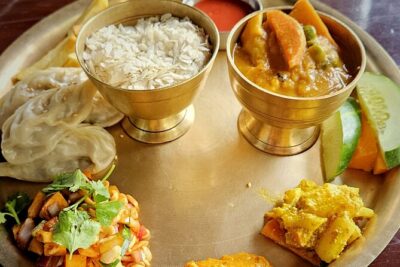
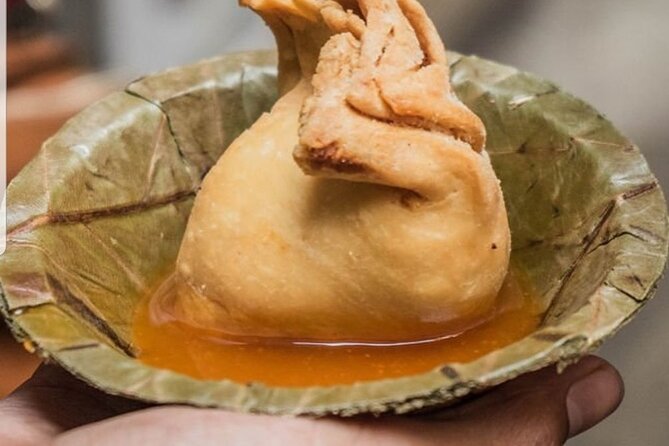
Walking Food Tour in Hidden Local Eateries of Kathmandu
Read our review →
Old Kathmandu Walking Tour, Historic World Heritage Durbar Square
Read our review →

Full-Day Safari Canoeing and Jungle Walk and Jeep
Read our review →Browse the lists this tour appears in