
Reviewed · WALKING TOURS
Walking Food Tour in Hidden Local Eateries of Kathmandu
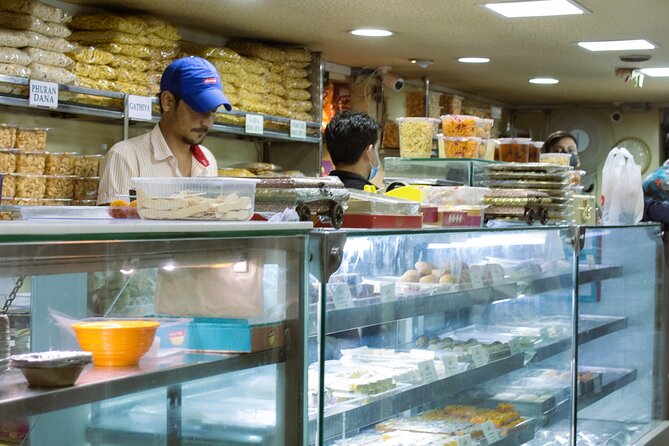
Kathmandu’s best food experiences are often behind plain doors and down narrow lanes. This two-hour walking tour leads you through Indrachowk and toward Kathmandu Durbar Square, where you sample Nepali and Indian snacks at small eateries that are easy to miss on your own.
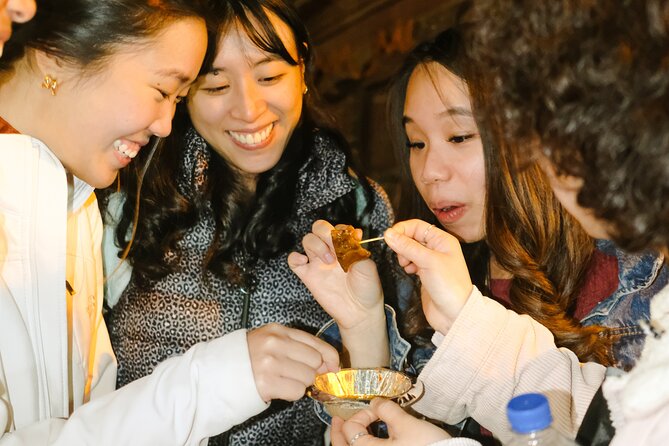
I like the mix of food and city wandering, and I like that the guide explains what you are eating instead of simply handing you a plate. The small group, capped at 12 people, also makes it easier to ask questions and keep pace through the old market.
The main consideration is comfort. Some stops have you eating while standing, and the eateries are local in character rather than polished. That is part of the appeal, but it may not suit anyone seeking a seated restaurant meal.
Key points at a glance
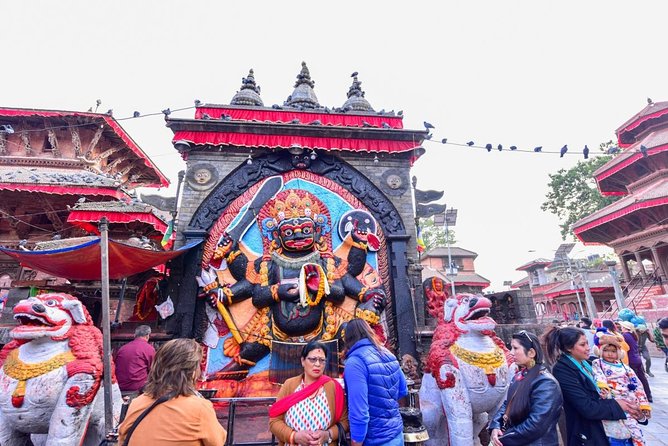
- Indrachowk is the opening course: Start at Akash Bhairab Temple and walk through Kathmandu’s old market while sampling several small bites.
- The food is more substantial than the word snacks suggests: Arrive with an empty stomach, since the tastings can leave you full.
- Kathmandu Durbar Square adds setting and context: The walk continues through one of the city’s best-known cultural areas as your guide connects food with daily life.
- Guides make the difference: Fahid, Shazia, and Dhuksang are among the guides associated with this experience, with a focus on food, customs, and local habits.
- Vegetarian eating is possible: A vegetarian group had no trouble getting suitable food.
- The setting is very local: Expect small, informal eateries and some food eaten standing up, not a polished dining room.
Why this short food walk works in Kathmandu
For $36 per person, this is not simply a purchase of snacks. You are paying for a guide who knows where to look, a set of tastings, and a compact introduction to two central parts of Kathmandu.
That matters here. The old market around Indrachowk can feel confusing at first, with lanes, courtyards, shrines, shops, and food counters packed close together. A guide gives the walk shape and helps you spend your time eating rather than guessing which doorway leads to a kitchen.
I also like the timing. Two hours is long enough to build a meal and see several areas, but short enough to fit into a busy Kathmandu schedule. You can use it early in your stay to learn what you enjoy, or later as a focused evening outing after seeing the main sights.
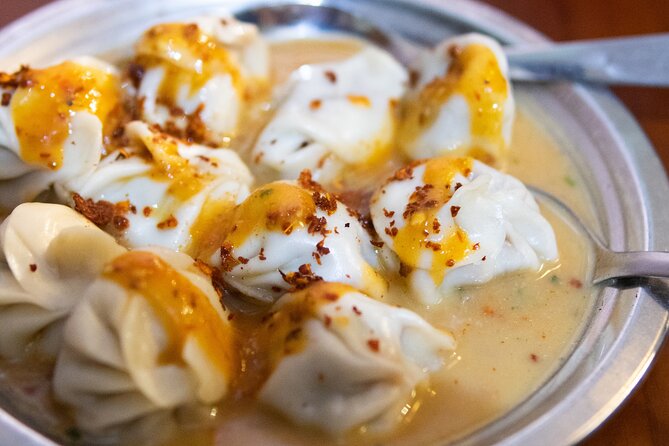
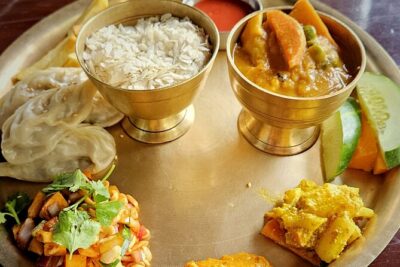
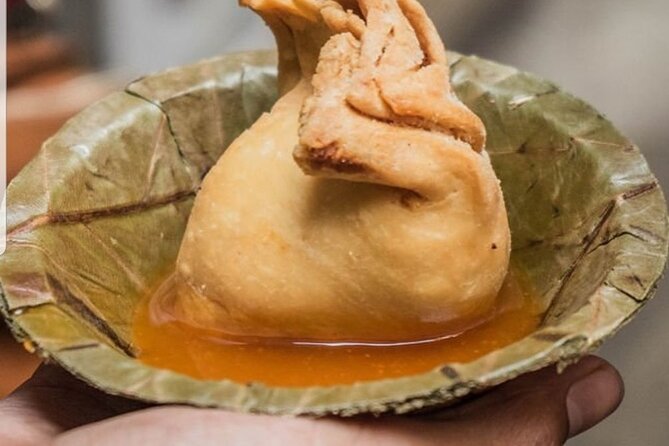
The food is a mix of Nepali and Indian flavors, with both sweet and savory items. Exact dishes can vary, so you should treat this as a tasting route rather than a fixed menu. That flexibility is useful in a city where local eating places may change what they serve during the day.
More Walking Tours in Kathmandu
- Kathmandu Food and Drink Walking Tour
★ 5.0 · 266 reviews - Kathmandu: Food and Drink Walking Tour
★ 4.9 · 119 reviews - Walking Street Food Tour in Kathmandu
★ 5.0 · 111 reviews
Meeting at Akash Bhairab Temple
The tour starts at Akash Bhairab Temple, at P845+9PQ in Kathmandu. This is in the Indrachowk area, and the temple provides a clear landmark for the meeting point.
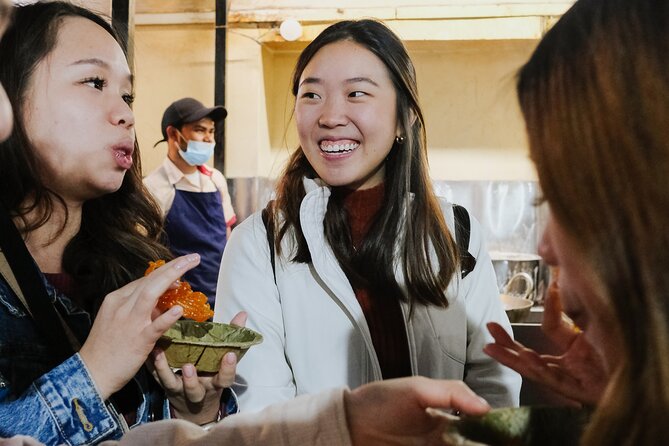
From there, the first hour is spent walking through Indrachowk while trying several tidbits. The area is one of Kathmandu’s traditional market zones, so the food comes with plenty of street activity around it. You are not being driven from one restaurant to another. The walking is part of the experience.
That makes sensible shoes useful. The route is short by sightseeing standards, but you will be moving through old market lanes and stopping often. Keep your phone and wallet secure in crowded areas, and avoid bringing a large bag if you can.
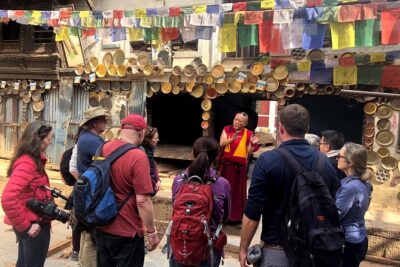
Your guide may be Fahid, Shazia, or Dhuksang, with the specific person depending on the date. Fahid has been praised for being friendly, funny, and attentive, while Shazia has been noted for explaining Nepali food and culture clearly. Dhuksang, also spelled Dakhsung in some accounts, is associated with a warm and patient style.
The guide’s role is important because some of the stops are not obvious from the street. One small entrance can lead to a food room or counter that you would likely pass without noticing. You get more out of the walk if you ask about ingredients, local habits, and how each snack fits into everyday eating.
Indrachowk: small bites in the old market
The Indrachowk section is the most food-focused part of the walk. You stop at several local places and try a range of small items rather than sitting down for one large dish.
The exact food is not specified in advance, which is both a strength and a limitation. You get a more natural look at what local eateries serve, but you should not book this expecting a printed tasting menu or guaranteed dishes. The route is built around local snacks and the guide’s knowledge of the area.
The tastings include a useful balance of sweet and savory food. The portions are described as generous enough that the full route can feel like a meal, not just a few samples. I would skip a large lunch beforehand and arrive ready to eat.
Spice levels have suited people who do not want an extreme challenge, but the guide remains the best person to ask about any item before trying it. If you have dietary needs, explain them at the start. Vegetarians have been accommodated without difficulty, but the tour information does not promise a separate vegan, gluten-free, or allergy-specific menu.
One practical detail matters here: some eating is done standing up. You may get a plate or snack at a small counter, eat it nearby, and then move on. This keeps the route moving and feels true to the setting, but it is less comfortable than a restaurant meal.
Walking toward Kathmandu Durbar Square
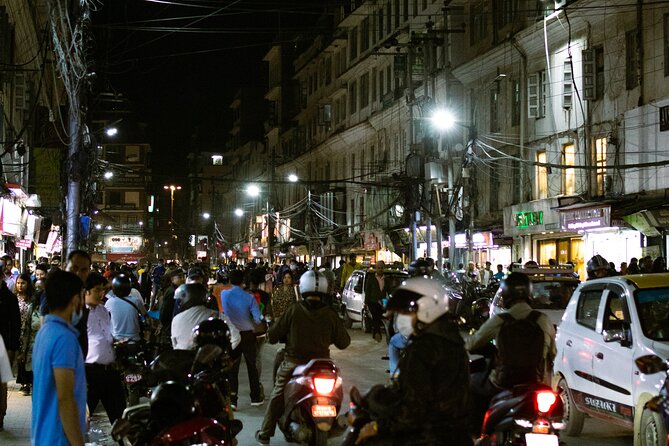
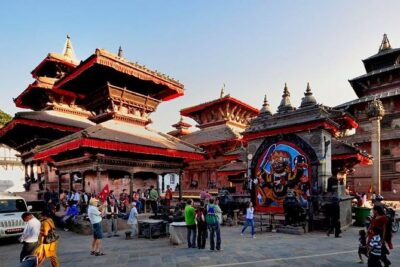
The second hour carries the experience toward Kathmandu Durbar Square. The setting shifts from market lanes and food counters to a major cultural area filled with temples, courtyards, and historic buildings.
The tour is not presented as a full sightseeing visit to every monument. Instead, the square gives the food walk a wider sense of place. You are eating in an area central to Kathmandu’s identity, while the guide explains local customs and the way people use these streets and eateries.
This combination is one of the tour’s strongest features. Food can tell you how people spend an ordinary afternoon or evening, while Durbar Square helps you connect those habits to the city’s public spaces and traditions. You are not just checking off dishes. You are seeing where local eating fits into Kathmandu life.
The pace should remain manageable, since the tour allows about an hour in this area. Still, this is a walking activity rather than a relaxed sit-down tasting. If you want extended time for photographs or detailed monument visits, plan a separate visit to the square.
The activity ends back at the meeting point. That makes the route easy to use as a standalone outing, though you should allow time afterward if you plan to continue elsewhere in the city.
A completely different kind of day, same corner of Nepal:
- Private Kathmandu Sightseeing Tour | UNESCO World Heritage sites
★ 5.0 · 756 reviews - Half day cooking class in Thamel kathmandu
★ 5.0 · 607 reviews - Nagarkot Sunrise View and Day Hiking from Kathmandu
★ 5.0 · 471 reviews - Kathmandu: Full Day 7 UNESCO Tour with Lunch – Private/Group
★ 5.0 · 415 reviews
What the $36 price really covers
At $36, the cost is reasonable if you value access and explanation rather than just food quantity. The price includes the food tastings and guide service, and the group size is limited to 12. It does not include private transport.
The food alone would likely cost less if you already knew where to go. The value comes from avoiding the trial and error of finding these places yourself. You also get a guide who can explain unfamiliar foods and help you order or understand what is being served.
That value is strongest for a first visit to Kathmandu. If you already know Indrachowk well, speak Nepali, and have local contacts, you may prefer to explore independently. For most visitors, the compact route and small-group format make the price easier to justify.
Group discounts are available, which can help if you are booking for several people. Since the tour is often reserved about 14 days ahead, do not assume you can leave it until the last minute during a busy visit.
Local atmosphere, with a few tradeoffs
This is a local food walk, not a sanitised culinary showcase. The eateries are informal, and some settings may look less clean or finished than restaurants aimed at international visitors.
That does not automatically mean the food is poor. Several people have eaten the full route without reporting stomach trouble afterward, but no food tour can remove all personal risk. Use your own judgment, tell the guide about allergies, and be cautious if you have a very sensitive stomach.
The upside is access to places you may not find through map searches. Some stops are not clearly marked, and the small interiors can feel like a surprise tucked into an ordinary alley. That sense of discovery is a major reason to choose this tour over a standard restaurant crawl.
The experience also works well for vegetarians. A vegetarian group received suitable food throughout the route, though the tour does not promise a fixed vegetarian menu. If you have strict dietary rules, ask for confirmation before booking.
Who should book this Kathmandu food tour?
I would recommend it to first-time visitors who want a quick introduction to Kathmandu’s everyday food culture. It is also a good fit for curious eaters who prefer small local places to formal restaurants.
You will get the most from it if you:
- Enjoy trying unfamiliar snacks
- Like walking through market lanes and old city areas
- Want a guide to explain food and customs
- Prefer a small group over a large bus tour
- Can eat some food standing up
- Arrive hungry and do not need a fixed menu
It is less suitable if you need a quiet, seated meal, have severe dietary restrictions, or want a detailed historical tour of Kathmandu Durbar Square. The square is part of the route, but food remains the main subject.
The tour is also a smart choice near the beginning of your stay. You can learn which foods appeal to you, note areas you want to revisit, and gain confidence ordering at small local places afterward.
Booking details worth knowing
You receive confirmation at booking, and a mobile ticket is available. The activity is near public transportation, so you do not need private transport to reach the start. Private transportation is not included.
The group maximum is 12 people, which keeps the route more personal than a large street-food outing. Most people can participate, but you should be comfortable walking through market areas and eating at least some items while standing.
Free cancellation is available if you cancel at least 24 hours before the start time. Cancellations made within 24 hours are not refunded, and changes in that final 24-hour period are not accepted. The local weather matters too. If poor weather cancels the tour, you are offered another date or a full refund. If the minimum group size is not met, you receive the same choice of a new date, another activity, or a refund.
Should you book it?
Book this tour if you want real local food stops, a guide-led walk, and a satisfying taste of Kathmandu in only two hours. The strongest reasons are the access to hard-to-find eateries, the mix of sweet and savory snacks, and the useful setting along Indrachowk and Kathmandu Durbar Square.
Skip it if you want a polished dining experience or a guaranteed list of specific dishes. Otherwise, $36 is a fair price for a small-group introduction, especially on a first Kathmandu visit. Arrive hungry, wear comfortable shoes, and let the guide steer you toward the city’s less obvious places to eat.
FAQ
How long does the Walking Food Tour in Hidden Local Eateries of Kathmandu last?
The tour lasts about two hours. It includes roughly one hour around Indrachowk and one hour in the Kathmandu Durbar Square area.
Where does the tour start?
The meeting point is Akash Bhairab Temple, P845+9PQ, Kathmandu 44600, Nepal.
Where does the tour end?
The activity ends back at the meeting point.
What is included in the price?
Food snacks and tastings are included, along with the guided walking experience.
Is transportation included?
No. Private transportation is not included, though the meeting point is near public transportation.
How large is the group?
The activity has a maximum of 12 people.
Can vegetarians join?
Yes. Vegetarian food has been provided for vegetarian participants. The tour information does not specify separate menus for other dietary restrictions.
What is the cancellation policy?
You can cancel for a full refund up to 24 hours before the start time. Cancellations or changes made less than 24 hours before the start time are not refunded or accepted.
More Food Tours in Kathmandu
- Secret Food Tour – Food Bites and Sights Kathmandu 14+ Testings
★ 5.0 · 82 reviews - Kathmandu Secret Food Crawl & Local Market Tour
★ 4.7 · 54 reviews - Kathmandu Food & Drink and Shopping Rickshaw Tour
★ 5.0 · 48 reviews - Kathmandu Food Crawl & Market Tour
★ 5.0 · 26 reviews
Just added around Kathmandu
- Traditional Momo Making Class★ 5.0 · 10 reviews
- Women Empowerment Project(Nepali cooking class & jewelry workshop★ 5.0 · 15 reviews
- Manthali Airport (Ramechhap) To Kathmandu – Transport Service★ 4.5 · 11 reviews
- Amazing 1 Day Trekking Experience in Kathmandu Nepal★ 5.0 · 24 reviews
- Walking tour of Kathmandu with awesome local guides★ 5.0 · 4 reviews
- Walking tour of real Kathmandu through back streets.★ 5.0 · 3 reviews
- Private Manaslu Circuit Trek at Himalayas★ 5.0 · 3 reviews
- Walking Street Food Tour in Kathmandu★ 5.0 · 111 reviews
Walking Tours, compared.
Old Kathmandu Walking Tour, Historic World Heritage Durbar Square
Read our review →

Full-Day Safari Canoeing and Jungle Walk and Jeep
Read our review →Browse the lists this tour appears in