
Reviewed · EVEREST BASE CAMP TREKS
12 Days Everest Base Camp Trek from Kathmandu
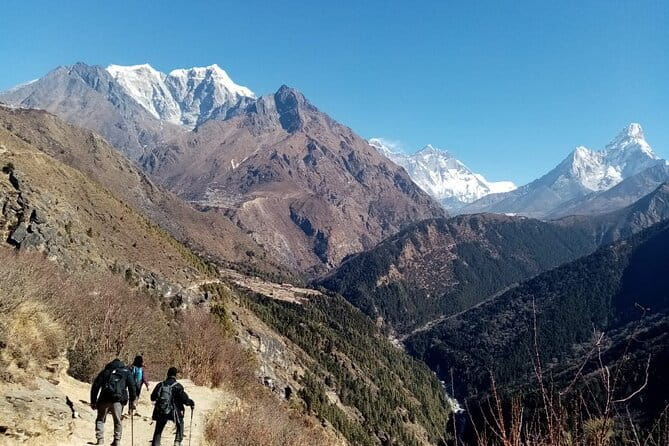
Everest Base Camp is the headline, but the best part of this 12-day trek from Kathmandu is the slow change in scenery. You begin beside the Dudh Koshi River, walk through rhododendron forest, pass Sherpa villages, and finish among bare rock, glaciers, and prayer flags beneath Everest, Lhotse, and Nuptse. The route also gives you time in Namche Bazaar and Dingboche to adjust to altitude.
I like the planned acclimatization days in Namche and Dingboche, and I like that flights, permits, lodging, transfers, and a private guide are included. Guides associated with the program include Prakash, Milan, and Dev, with past trip feedback especially praising their care, patience, and attention to safety. The main drawback is the tight schedule: you need strong fitness, and mountain weather can disrupt the Lukla flights.
Key points before you book
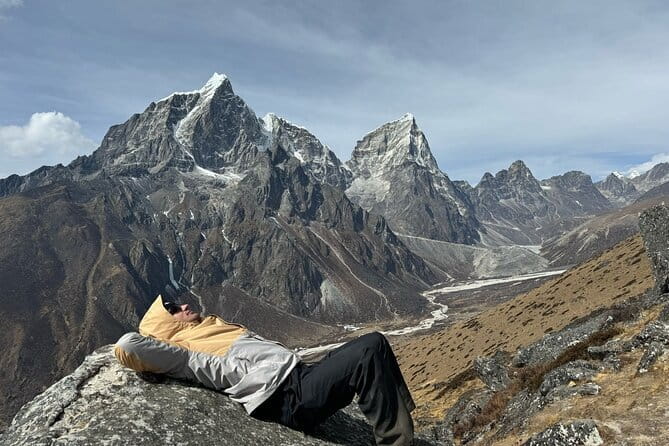
- Reach Everest Base Camp on day eight, then climb Kala Patthar for the great Everest viewpoint on day nine.
- Fly between Kathmandu and Lukla, a scenic but weather-sensitive part of the trip.
- Use acclimatization days in Namche Bazaar and Dingboche rather than rushing straight uphill.
- Stay in guesthouses, with food and drinks purchased separately at about $25 per day.
- Walk through Sherpa communities and Buddhist sites, including Tengboche Monastery, stupas, chortens, and prayer wheels.
- Travel privately with your own group, while group discounts are available when booking conditions allow.
What the $1,380 price really covers
At $1,380 per person, this trek bundles many of the costly and important pieces. You get hotel pickup and drop-off, both Kathmandu to Lukla flights, trekking permits, official documents, guesthouse accommodation, a government-licensed English-speaking guide, a private tour, and a normal emergency first-aid kit carried by the guide.
That makes the price easier to judge than a simple daily rate. The flights alone are a key part of the transport plan, and arranging permits and the Lukla connection yourself would add work and uncertainty. You are also paying for a guide who handles the route and helps watch your condition as the air gets thinner.
You should still budget about $25 per day for food and drinks. Gratuities are optional and not included. The supplied price does not mention porter service, equipment rental, travel insurance, or extra accommodation caused by delays, so ask about those points before paying if they matter to your plans.
Because this is a private tour, only your own group takes part. That gives you more control than a large group departure, though it also means the pace depends on the fitness of the people in your party. Group discounts are listed as an available feature, so larger private parties may find the per-person value better.
More Everest Base Camp treks:
- Everest Base Camp Trek – 14 Days
★ 5.0 · 1,499 reviews - Everest Base Camp Trekking
★ 5.0 · 485 reviews - Everest Base Camp Trekking – 13 Day
★ 5.0 · 365 reviews
Day 1: Lukla to Phakding beside the Dudh Koshi
Your first day begins with a short scenic flight from Kathmandu to Lukla. At Lukla, you meet the crew and start walking toward Phakding, following the Dudh Koshi River and descending through the first part of the route.
The walk takes about six hours. It is a useful introduction because you begin moving at once, but the day is not the hardest on the schedule. The river, small settlements, and early mountain views give you a taste of what lies ahead without starting at the highest elevations.
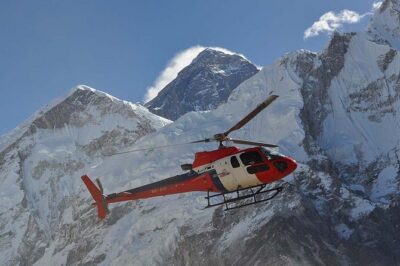
The flight is an important practical detail. Lukla service is tied to mountain weather, so keep your schedule flexible around this connection. The tour includes the Kathmandu to Lukla and Lukla to Kathmandu tickets, but included flights cannot remove the effect of clouds or poor conditions.
Day 2: Entering Sagarmatha National Park and reaching Namche
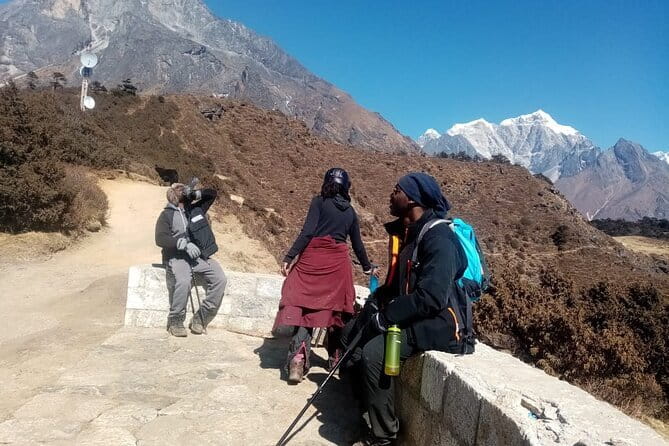
The route from Phakding to Namche Bazaar takes about seven hours. You pass through Monjo and enter Sagarmatha National Park, crossing streams and suspension bridges as the trail works through villages and forest.
Namche is the main trading and meeting center of the Everest region. It is also where the climb begins to feel serious. The trail gains height, and your body gets its first real test of uphill walking.
I would treat this as a steady day, not a race. The goal is to arrive in Namche with enough energy for the acclimatization walk that follows. Your guide’s role matters here, particularly in setting a sensible pace and noticing if anyone is struggling.
Day 3: Acclimatization around Namche Bazaar
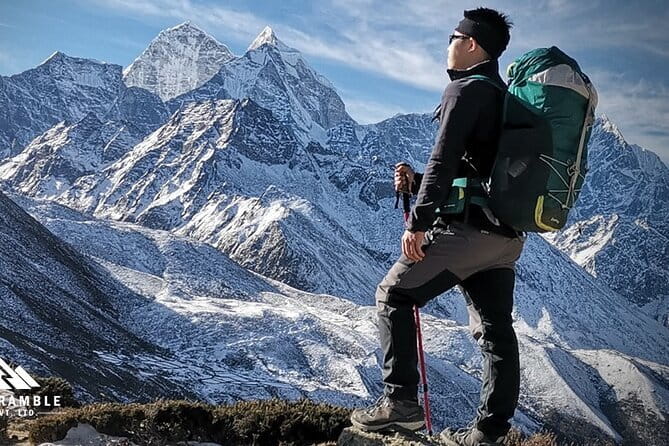
You spend a second night in Namche rather than moving higher immediately. The planned outing goes toward the Syangboche airstrip or Everest View Hotel, with the purpose of helping your body adjust while giving you broad mountain views.
The listed walking time is about six hours. This is not a day off in the usual sense. You still walk uphill and downhill, but you return to the same guesthouse instead of sleeping higher.
Namche is one of the most rewarding stops because it connects daily life with the mountain route. You can explore the village, see trading activity, and watch the scenery shift as the trail leaves the lower forest behind. I like this pause because rushing through Namche would make the later days harder.
More trekking days out of Everest Region:
- Everest Base Camp Trek -14 Days
★ 5.0 · 321 reviews - Everest Base Camp Trekking – 2025/2026
★ 5.0 · 199 reviews - Everest Base Camp Trek
★ 5.0 · 193 reviews - Everest Base Camp Trek with Helicopter Return from Gorakshep to Lukla
★ 5.0 · 161 reviews
Day 4: Rhododendron forest and Tengboche Monastery
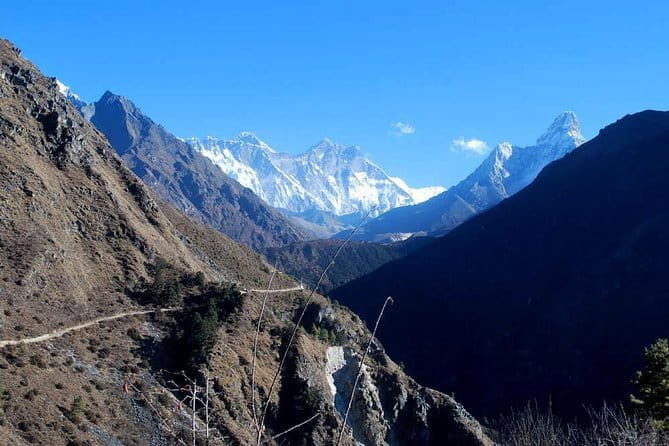
From Namche, the trail heads toward Tengboche, taking about six hours. You walk through dense rhododendron forest, cross the Imja Khola, and climb toward Tengboche village.
The main attraction is Tengboche Monastery, described as the oldest monastery in the Khumbu region. Its setting is the real show: prayer flags, Buddhist architecture, and high peaks rising behind the settlement.
The monastery visit gives this trek more depth than a simple mountain walk. You can spin prayer wheels and witness Buddhist rituals in a place where spiritual practice is part of ordinary village life. The tour specifically includes admission here, unlike most of the other stops.
Day 5: Dingboche, bridges, stupas, and changing scenery
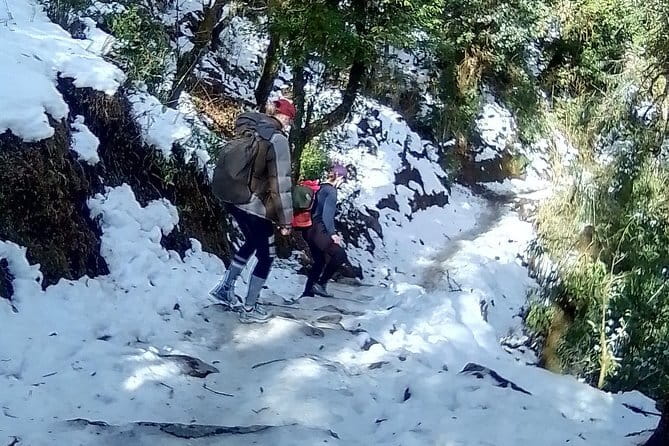
The six-hour walk to Dingboche crosses more suspension bridges and passes settlements including Pangboche and Orsho. Along the way, you see stupas and chortens, reminders of the Buddhist culture that shapes the Khumbu.
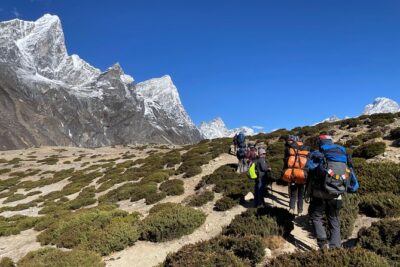
The vegetation changes as you climb. Forest gives way to more open ground and smaller shrubs, and the mountains begin to feel closer and more severe. Dingboche is an important base for the next acclimatization break.
This is also where the physical demands become clearer. The distance may look manageable on paper, but uphill walking at altitude slows everyone down. I would value a guide who keeps the group from treating the itinerary like a race.
Day 6: Acclimatization and Nagarjun Hill
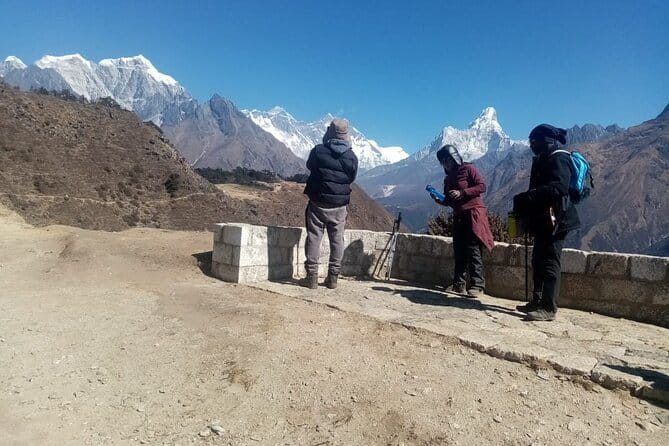
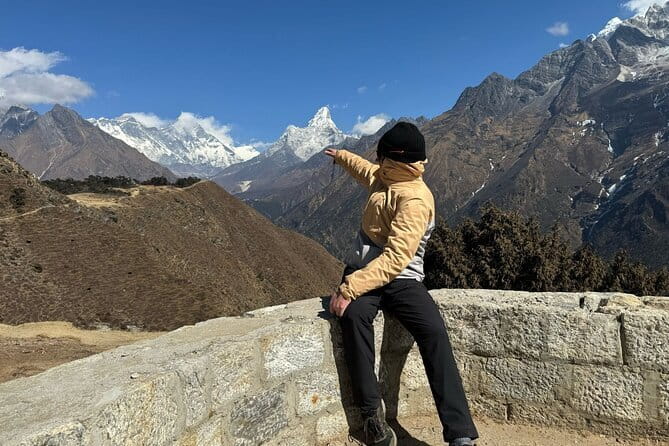
Day six is another planned acclimatization day in Dingboche. The route goes toward Nagarjun Hill, with views of Everest, Lhotse, Ama Dablam, Nuptse, Thamserku, Pumori, and other major peaks.
The walk is listed at about six hours, so do not confuse acclimatization with total rest. You gain height during the outing and return to Dingboche to sleep at the same level.
This day is one of the strongest features of the schedule. It breaks up the steady climb and gives your body time to adjust before Lobuche, Gorak Shep, and Base Camp. If you have limited trekking experience, pay attention to your guide’s advice here and report symptoms rather than trying to hide them.
Day 7: Dingboche to Lobuche
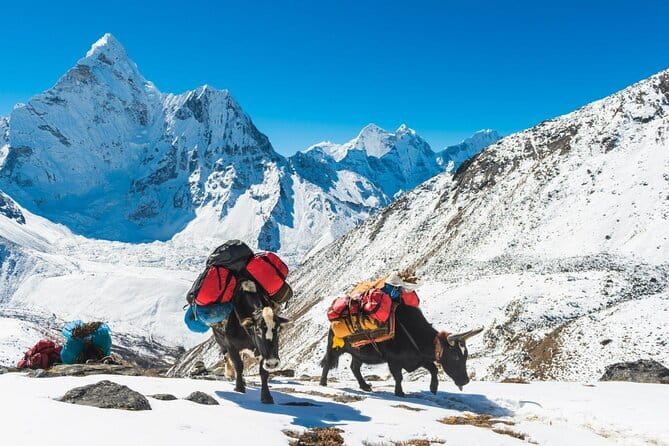
The seven-day progression continues with a roughly six-hour walk from Dingboche to Lobuche. The route rises through small settlements, and the vegetation becomes sparse.
Lobuche sits near the final part of the approach to Base Camp. The village is not presented as a sightseeing stop in itself. Its importance is practical: it puts you in position for the early start toward Gorak Shep and Everest Base Camp.
At this point, cold, wind, thin air, and long walking hours can matter more than the map distance. You should expect a basic guesthouse setting and keep your day pack organized so you can find warm layers, water, and personal essentials quickly.
Day 8: Gorak Shep and Everest Base Camp
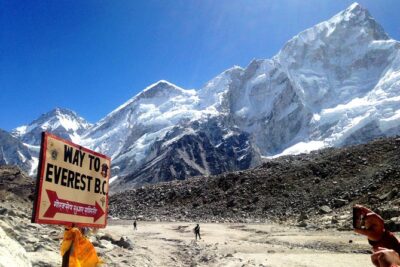
You start early for the eight-hour walk to Everest Base Camp. The trail passes through Gorak Shep, the last settlement on the route. It was also the initial base camp area before the current camp was established farther along.
This is the day many people have been waiting for, but it is not a quick photo stop. You walk for most of the day at high altitude, and the approach over rough ground can feel slow. The reward is reaching the famous base camp area below the highest peak on Earth.
Everest is not always visible from every angle at Base Camp, so keep your expectations sensible. The place is about the route, the glacier setting, the expedition history, and the personal achievement of reaching it. Base Camp admission is included in the tour.
Day 9: Kala Patthar, then down to Pheriche
The next morning begins with a climb to Kala Patthar, a renowned viewpoint above Everest Base Camp. The route is listed at about seven hours and continues to Pheriche afterward.
Kala Patthar is often the visual high point of the trek. From here, you can look across a broad mountain scene with Everest and surrounding peaks. The viewpoint offers a stronger mountain panorama than Base Camp itself, which is why the itinerary sensibly places both stops in the plan.
This is also a demanding day. You climb early, reach a high viewpoint, then descend to Pheriche. The downhill section may feel easier on your lungs but harder on tired knees. Use trekking poles if you already know you like them, and keep your pace controlled.
Day 10: Returning through Tengboche to Namche
The route turns back toward Namche, taking about six hours. You follow the Imja River, return through Tengboche, descend to Phungki Thanka, and continue through forest.
The return journey gives you a different view of the same trail. Descending through trees after the bare high country can feel like a major change, and the route becomes easier to appreciate when you are no longer watching every step toward Base Camp.
You finish in Namche, where another night provides a comfortable break before the final push to Lukla. This is one reason the itinerary feels carefully arranged despite its fast overall length.
Day 11: Namche to Lukla
The return to Lukla takes about seven hours. You descend through forest, cross streams, pass villages, and retrace the route through Phakding before continuing to Lukla.
The day is long, but most of the route is downhill or at lower altitude than the approach. Your legs may be tired after Kala Patthar and the Base Camp walk, so the guide’s pacing remains important.
Reaching Lukla gives you a final night in the trekking region before the flight. It also creates a buffer of sorts, though weather can still affect the next morning’s departure.
Day 12: Lukla to Kathmandu and farewell dinner
The final day includes the return flight to Kathmandu, hotel transfer, a farewell dinner, and preparation for departure. The listed timing is about five hours.
The return flight is another mountain-weather variable. The tour includes the ticket and hotel pickup and drop-off, but you should avoid scheduling an important international connection immediately afterward unless you have enough spare time.
The farewell dinner is a pleasant closing touch after nearly two weeks of walking. It gives you time to say goodbye to the guide and crew before leaving Nepal.
Guides, safety, and the level of effort
The strongest personal praise connected with this program focuses on the guides. Prakash is associated with careful handling of safety and comfort, Milan with patience, local insight, and acclimatization advice, and Dev with taking care of a family group throughout the trek. These names give you useful points to ask about when confirming your booking, though the assigned guide may differ.
This is not a casual sightseeing holiday. The provider requires a strong physical fitness level, and the schedule includes six to eight hours of walking on many days. You should be comfortable with sustained uphill and downhill movement and with basic guesthouse accommodation.
The emergency kit is a normal first-aid kit carried by the guide. That is useful, but it is not a replacement for travel insurance or a full high-altitude medical plan. The supplied information does not state that evacuation, insurance, or specialized medical support is included, so ask directly if you need those protections.
Guesthouses, food, and what to budget
Accommodation is in guesthouses during the trek. This keeps you close to the route and local communities, but you should not book expecting hotel-style facilities.
Food and drinks are extra, with an estimated cost of about $25 per day. Over the trek, that is a meaningful addition to the headline price. You also need to account for optional gratuities and any personal purchases.
The included package is strongest for the major logistics: flights, permits, documents, guide, lodging, and transfers. Its value is less clear if you expected meals or extra equipment to be bundled, so build a realistic total budget before booking.
Who should book this Everest trek?
I would recommend it to a fit first-time Everest region trekker who wants a private arrangement and prefers having the major logistics organized. The two acclimatization days, Tengboche visit, Base Camp stop, and Kala Patthar climb make the route more than a simple out-and-back walk.
It suits a family or small private group if everyone can handle the physical demands. The feedback connected with Dev describes a family completing the route successfully, but that should not be read as proof that the trek is easy.
I would be more cautious if you have limited walking fitness, a rigid flight schedule, or no spare time for weather delays. Twelve days is efficient, but it leaves less room than a slower itinerary if a flight or health issue interrupts the plan.
Book at least three full days before the start time if you want the stated full-refund option. Cancellations made less than three full days before departure are not refunded, and late changes are not accepted.
Is this 12-day Everest Base Camp trek worth booking?
For $1,380 per person, this is a solid value if you want the core Everest Base Camp logistics handled in one private package. I especially like that the route includes both Namche and Dingboche acclimatization days, plus Kala Patthar rather than stopping at Base Camp alone.
The tradeoff is pace. You will walk long days, sleep in basic guesthouses, buy your own meals, and depend on Lukla flight conditions. If you accept those limits and arrive physically prepared, this program gives you Sherpa villages, Buddhist sites, major Himalayan views, and the satisfaction of reaching Everest Base Camp without having to arrange every permit, flight, and overnight stop yourself.
FAQ
Is the tour private?
Yes. Only your own group participates in the tour.
How long is the Everest Base Camp trek?
The experience lasts approximately 12 days, including flights between Kathmandu and Lukla.
Are flights between Kathmandu and Lukla included?
Yes. The package includes Kathmandu to Lukla and Lukla to Kathmandu flight tickets.
Is accommodation included?
Yes. Accommodation in guesthouses during the trek is included.
Are food and drinks included?
No. Food and drinks are available for purchase and cost approximately $25 per day.
Is a trekking guide included?
Yes. The tour includes a government-licensed English-speaking trekking guide.
Does the trek include permits?
Yes. Trekking permits and all official documents are included.
Can I cancel for a full refund?
Yes, if you cancel at least three full days before the experience start time. Cancellations made less than three full days before the start are not refunded, and late changes are not accepted.
Just added around Everest Region
- Day Tour to Everest Base Camp By Helicopter★ 5.0 · 16 reviews
- Kathmandu To Lukla By Helicopter Flight★ 5.0 · 6 reviews
- Luxury Everest Base Camp Trek – 11 Days★ 5.0 · 9 reviews
- Everest Base Camp Tour & View Point by Helicopter from Katmandu★ 5.0 · 3 reviews
- Everest base camp helicopter tour with Guarenteed Landing★ 4.0 · 7 reviews
- Everest base camp flight over by Helicopter from Kathmandu★ 5.0 · 10 reviews
- Everest Base Camp Helicopter Tour Stop at Hotel Everest View.★ 5.0 · 17 reviews
- Everest Base Camp Helicopter Tour★ 5.0 · 24 reviews
Everest Base Camp Treks, compared.
Everest Base Camp Trek with Helicopter Return from Gorakshep to Lukla
Read our review →Browse the lists this tour appears in