
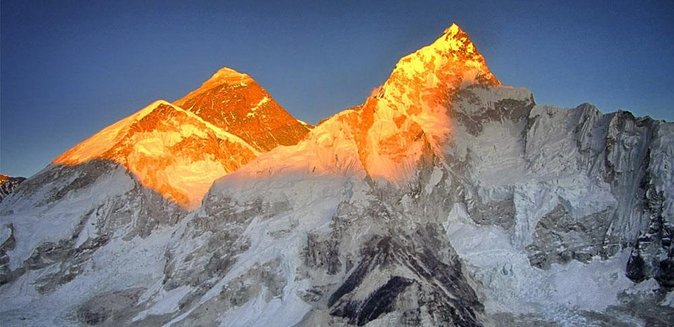
Reviewed · EVEREST BASE CAMP TREKS
Everest Base Camp Trek -14 Days
Everest Base Camp is not a quick mountain outing. It is a demanding, high-altitude walk through Sherpa villages, rhododendron forest, glacial valleys, and some of the finest Himalayan views on earth. This 14-day Alpine Ramble trek handles the big practical pieces, including Lukla flights, permits, lodges, meals, and a licensed guide, so you can concentrate on walking.
I like the built-in acclimatization days at Namche Bazaar and Dingboche, and I like that the group is limited to 12 people. The inclusion of Kala Patthar is another strong point, since its sunrise view often gives you a better look at Everest than Base Camp itself. The main caution is simple: this is a serious high-altitude trek, not a comfortable sightseeing tour. Cold rooms, basic food, paid showers, extra drink costs, and possible flight disruption are all part of the deal.
Key points to know before booking
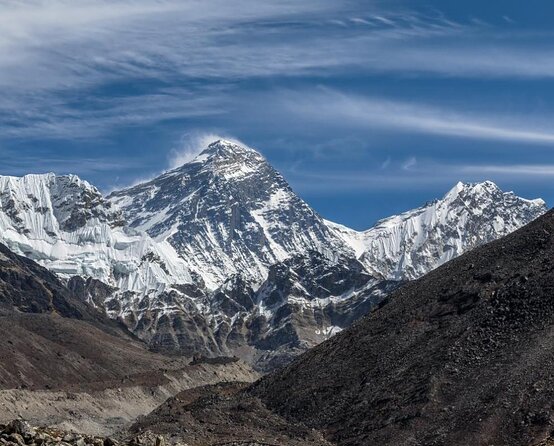
- Everest Base Camp reaches 17,598 feet: You also climb Kala Patthar for a sunrise view of Everest, Lhotse, Nuptse, Pumori, and other peaks.
- The package covers the expensive essentials: Return Kathmandu to Lukla flights, trekking lodges, full-board meals, permits, taxes, and a licensed guide are included.
- Acclimatization is built into the route: Rest days at Namche Bazaar and Dingboche give your body time to adjust before the highest sections.
- The group maximum is 12: That is small enough for personal attention while still giving you company on long walking days.
- Porters are not included: You can hire a local porter if needed, but that cost is extra, as are water, drinks, Wi-Fi, showers, snacks, tips, and personal expenses.
- The route takes you through Sherpa country: Villages such as Phakding, Namche, Tengboche, Dingboche, Lobuche, and Gorak Shep give the trek a strong cultural side.
What the $1,420 price really covers
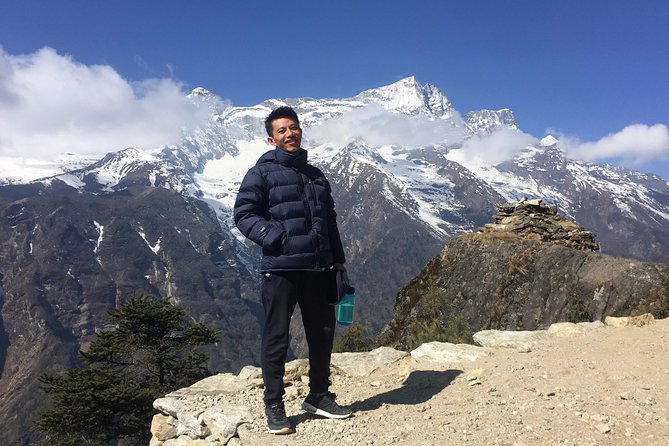
At $1,420 per person, this trek offers solid value if you want an organized Everest Base Camp trip rather than arranging each piece yourself. The price includes the return flight between Kathmandu and Lukla, which is a major part of the trip’s logistics. It also includes trekking accommodation, breakfast, lunch, and dinner during the walking days.
You also get a government-licensed guide, the Everest National Park paperwork, a TIMS card, local and government taxes, a first-aid kit, and an emergency rescue arrangement funded through your travel insurance. That last point matters, but do not mistake it for free rescue insurance. You still need suitable travel insurance that covers high-altitude trekking and emergency evacuation.
The price does not include international flights, Nepal’s entry visa, accommodation and food before and after the trek, or a porter. Hot showers, hot and cold drinks, coffee, tea, bottled water, snacks, Wi-Fi, and tips are also extra. Your final cost will therefore be higher than the headline price.
I would budget for personal spending in the mountains, especially if you want regular showers, internet access, extra drinks, or snacks. Carrying your own pack is possible, but the trek becomes easier with a porter. Ask about the porter arrangement before you pay, since it is not part of this package.
The package is described as 14 days, while the schedule itself runs from arrival on Day 1 through the return to Kathmandu on Day 13, with the overall duration shown as approximately 13 days in one part of the information. Confirm the exact number of nights and the final departure date before booking. This may reflect how the operator counts the arrival and departure days.
More Everest Base Camp treks:
- Everest Base Camp Trek – 14 Days
★ 5.0 · 1,499 reviews - Everest Base Camp Trekking
★ 5.0 · 485 reviews - Everest Base Camp Trekking – 13 Day
★ 5.0 · 365 reviews
Kathmandu arrival and the short flight to Lukla
Your first day begins at Tribhuvan International Airport, where Alpine Ramble staff meet you and transfer you to your Kathmandu hotel. This is useful after an international flight, particularly if you are carrying trekking gear and dealing with a new city for the first time.
The walking route begins on Day 2 with an early morning flight to Lukla. The flight takes about 35 minutes and is one of the trip’s memorable transitions. You leave Kathmandu’s urban sprawl and arrive in the Sherpa region, where the trek starts almost immediately.
At Lukla, you meet the crew who will carry luggage for the trek. The first walking section includes about two hours of acclimatization walking, then continues toward Phakding. The early route passes through mountain villages and along the Dudh Koshi River.
Lukla flights are practical, scenic, and subject to conditions. The provided information does not promise a backup schedule, so keep some flexibility around this part of the trip. A delay can affect the entire walking plan. I would avoid booking a tight international connection immediately after the scheduled return from Lukla.
Phakding, pine forest, and the first mountain views
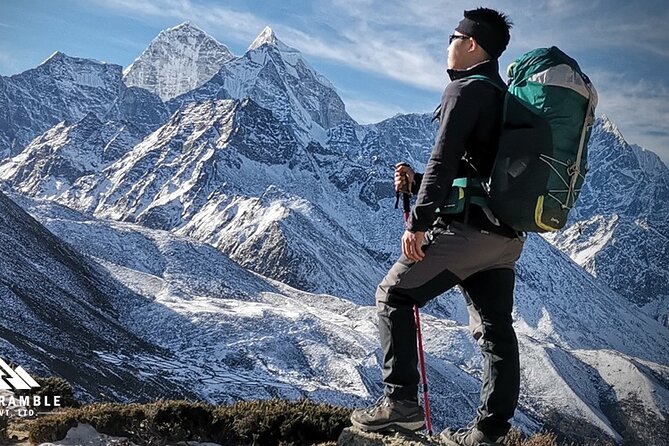
The route from Phakding takes you through pine forest and across the Dudh Koshi River. This is still a relatively gentle introduction compared with the days ahead, but you are already walking at altitude and should keep your pace easy.
One reward comes with the first views of Everest, Kusum, and nearby peaks. The mountain is not yet close or dominant, but that first sight helps explain why this route has such lasting appeal. You are also entering the daily rhythm of the trek: breakfast, a long walk, a basic lodge, and a simple evening meal.
Accommodation is in the best available trekking lodges. That phrase is worth taking seriously. Lodges provide shelter and meals, but conditions can vary. One account specifically found some accommodation basic, including a Lukla hotel, and described the food as simple with limited variety across the trek. If you need hotel-style comfort, this is not the right format.
The meals are full-board and local in character. They keep you moving, but you should expect practical mountain food rather than a restaurant menu. Extra snacks, drinks, and water cost more, so pack a few preferred energy foods if you have strong dietary habits.
Namche Bazaar and the first acclimatization day
The trail climbs toward Namche Bazaar through forest and river valleys. You cross suspension bridges over the Dudh Koshi and pass through small settlements before reaching the famous Sherpa trading town.
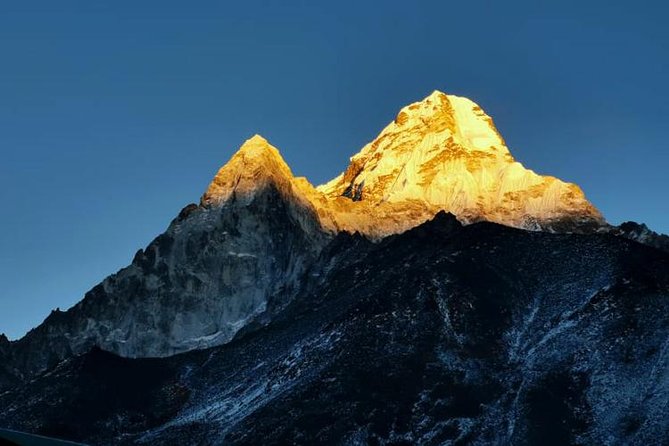
Namche is a major psychological point on the trek. The route becomes steeper, the air thinner, and the mountains more visible. The itinerary includes an acclimatization period here, with a climb to a lookout for views of Everest, Lhotse, Cholatse, Thamserku, Kwangde, Khangtega, and Ama Dablam.
The best rule here is to walk high and sleep lower, but follow your guide’s plan rather than trying to prove anything. The rest day is not wasted time. It is one of the reasons the route can continue safely toward higher villages.
Namche is also one of the better places to enjoy the human side of the trek. You have time to meet the group, talk with your guide, and settle into the pace. Guides associated with past departures include Saugat, Subash, Laxman, Ram, Nir, Sujal, Amer, and Dhower. Your assigned guide may be different, so confirm the name and porter arrangements with Alpine Ramble before departure.
More trekking days out of Everest Region:
- Everest Base Camp Trekking – 2025/2026
★ 5.0 · 199 reviews - Everest Base Camp Trek
★ 5.0 · 193 reviews - Everest Base Camp Trek with Helicopter Return from Gorakshep to Lukla
★ 5.0 · 161 reviews - Everest Base Camp Trekking
★ 5.0 · 146 reviews
Tengboche and the trail through rhododendron forest
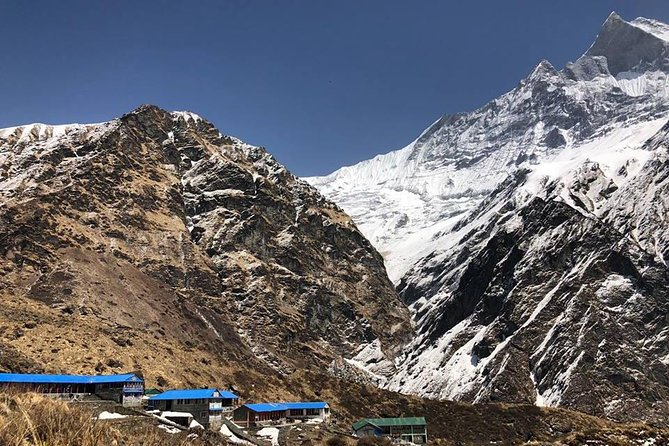
After Namche, you follow what the itinerary calls the high way of Everest, with a descent to the Dudh Koshi and a climb through rhododendron forest. The trail includes a well-known descent and ascent, so do not mistake the distance for the whole effort. Downhill sections can be tiring because you must climb again afterward.
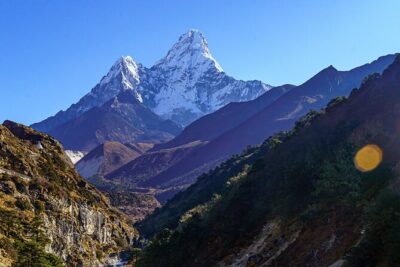
Tengboche is one of the most memorable stops. Early morning light reaches the monastery and surrounding peaks, creating a striking view of Ama Dablam and the high ridges. The trail then passes through forest and continues toward the higher valley.
The monastery gives the trek a cultural pause. This is not only a mountain route measured in hours and altitude. It passes through communities shaped by Sherpa traditions, Buddhist practice, farming, guiding, and mountaineering. Take time to look around rather than treating Tengboche as just another lunch stop.
Dingboche and the second important rest day
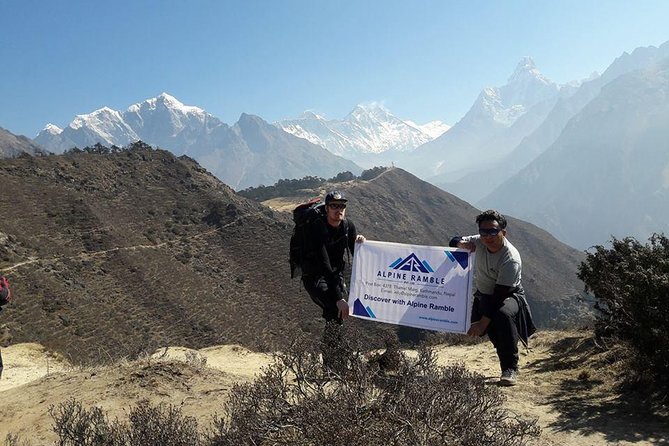
The trail continues toward Dingboche, a popular base for people heading toward Everest, Ama Dablam, and Imja Tse. The village is surrounded by fields divided by stone walls, a practical reminder that farming continues even in this high, demanding region.
Dingboche is the second major rest and acclimatization day. The body now has to adjust to a much thinner atmosphere, and the next stages are more exposed and physically demanding. Use the day to rest, walk lightly if instructed, drink enough, and pay attention to any symptoms.
The package includes a basic first-aid box and Diamox for high-altitude sickness. That does not replace medical advice or travel insurance. Your guide can monitor the group, but you must report headache, nausea, unusual tiredness, dizziness, or breathing trouble honestly. High altitude is not the place for pride.
Memorials at Chukpo Lari and the approach to Lobuche
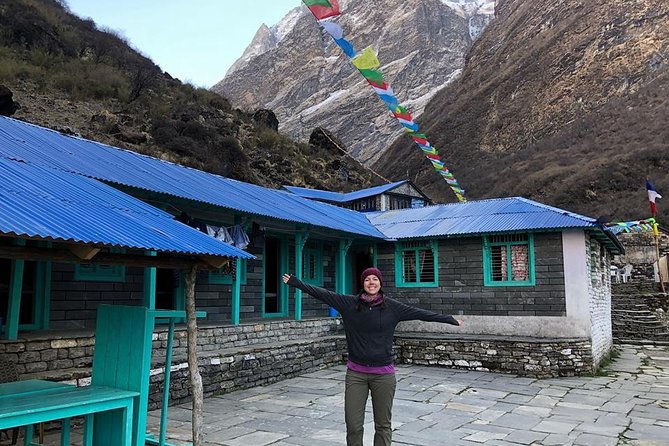
From Dingboche, the route gradually climbs to Duglha before making a steep ascent to the ridge at Chukpo Lari. Here you pass memorials dedicated to climbers who died on Mount Everest.
This section has emotional weight. The memorials bring a human scale to the mountain. Everest is beautiful, but it is also serious and sometimes dangerous. The route does not let you forget that.
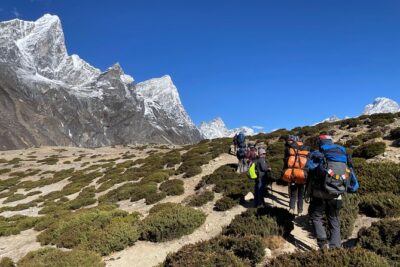
The trail then continues toward Lobuche, where the air is noticeably thin and the surroundings become more severe. You are now walking in the high Khumbu region, with less forest and more rock, ice, and open mountain terrain.
This is where pacing matters most. Your guide’s job is not just to point at peaks. A good guide sets a steady speed, watches how you are coping, and helps keep the group together. Past departures have praised guides such as Laxman for helping younger trekkers and Ram for making a solo trek feel manageable. Those details point to the value of having an attentive guide on the hardest days.
Everest Base Camp from Gorak Shep
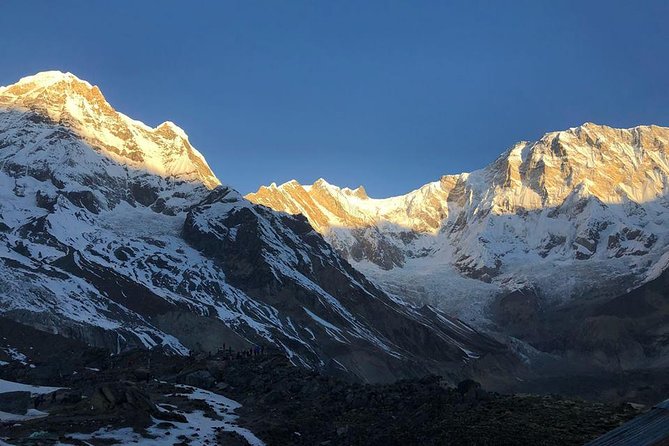
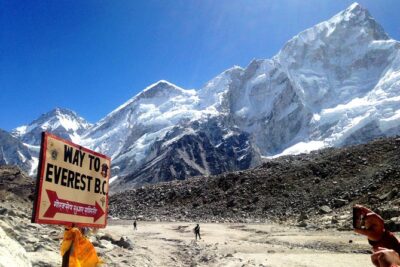
Day 9 is the long-awaited walk to Everest Base Camp. From Lobuche, you follow a relatively flat meadow for a time, then continue along the Khumbu Glacier and climb onto its lateral moraine.
The route is not a simple walk to a signpost. The glacier terrain can be uneven, and the high altitude makes every climb feel slower. Your goal is Base Camp at 17,598 feet, or 5,364 meters.
The base camp area is a major achievement, but the view of Everest itself may not be the best from here. The glacier, moraine, and surrounding peaks create the setting, while the mountain’s summit can be partly hidden by nearby ridges. That is why the next morning’s Kala Patthar climb is so important.
Gorak Shep is a basic high-altitude stop. Keep your expectations modest about room comfort, showers, food, and internet. The reward is not luxury. It is being within reach of Base Camp and waking early for one of the finest viewpoints in the region.
Kala Patthar sunrise and the long return
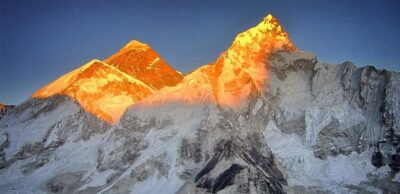
You rise early on Day 10 for the climb to Kala Patthar, which takes about two hours. The viewpoint sits below Mount Pumori and offers a 360-degree panorama of Everest, Nuptse, Lhotse, and other Himalayan peaks.
This is often the visual high point of the trip. The sunrise changes the mountains minute by minute, and the wide view helps you understand the scale of the Khumbu. Bring warm layers and be prepared for a slow climb. At this altitude, two hours can feel like much more.
After Kala Patthar, the route begins its descent through Sherpa villages. You cross back toward the Dudh Koshi River, pass through the Dingboche area, climb toward Tengboche, and then continue down the valley.
Descending is easier for your lungs but can be hard on tired knees. Trekking poles can help, although they are not listed as included equipment. The return route also gives you a different view of places you passed quickly on the way up.
The final villages and return to Kathmandu
The trail drops through Tengboche and continues toward Jorsalle, Manjo, Benkar, Phakding, and other small villages. Several suspension bridges cross the Dudh Koshi, and the lower valley gradually feels warmer and greener.
This final section is not an afterthought. After the intense high-altitude days, it lets you notice the forests, farms, bridges, and village life again. The walking may still be long, especially if your legs are tired, but the lower elevation brings welcome relief.
On Day 13, you fly back to Kathmandu and have free time in the city. The package includes the trek meals, but accommodation and food before and after the trek are not included. Check whether your Kathmandu hotel night and celebration dinner are included in the exact package you select, since the overview describes a Kathmandu hotel stay and dinner while the inclusion list focuses mainly on the trek.
Group size, guides, and the human side of the trek
A maximum group of 12 is a sensible size for this route. A larger group can become slow and hard to manage on narrow paths, while a small group gives you a better chance to speak with your guide and fellow trekkers.
Alpine Ramble’s service begins at the airport, where one arrival arrangement includes a welcome with marigold garlands. The company also handles the permits, flights, and mountain logistics. That support is especially useful if this is your first visit to Nepal.
The guide can make a major difference. The names connected with past departures include Dil, the owner, along with guides and porters such as Amer, Dhower, Saugat, Subash, Laxman, Ram, Nir, and Sujal. Do not assume you will receive one particular person, but ask who your guide will be and how many porters are assigned to the group.
Some past trips included solo trekkers, families, and teenagers. The physical standard remains moderate to demanding because of the altitude and repeated long walking days. You should be comfortable walking for several hours on uneven trails and handling basic lodge conditions.
Who should book this Everest trek?
I would choose this trip if you want the classic Lukla to Everest Base Camp route with the main arrangements handled for you. It suits people who value a licensed guide, scheduled acclimatization, full-board meals, and a small group more than private luxury.
It is also a good fit if you want both Base Camp and Kala Patthar. The two stops serve different purposes: Base Camp is the achievement, while Kala Patthar is usually the stronger viewpoint.
I would hesitate if you need flexible hotel standards, varied meals, guaranteed internet, or private walking arrangements. You should also reconsider if you have not prepared for altitude or if you cannot manage long days on uneven ground.
The cancellation terms are friendly if your plans change early: you can receive a full refund by cancelling at least 24 hours before the start time. Inside that period, refunds and changes are not accepted.
Should you book Alpine Ramble’s 14-day trek?
Book it if you want a practical, guided route to Everest Base Camp and are comfortable paying extra for drinks, showers, Wi-Fi, porter help, tips, and personal items. At $1,420, the package covers the costly backbone of the trip and removes much of the stress of arranging permits, flights, lodges, meals, and a guide yourself.
Before paying, confirm the exact day count, Kathmandu hotel details, guide, porter options, travel insurance requirements, and the handling of Lukla flight delays. If those points suit you, this is a strong choice for a first Himalayan trek, with enough structure to feel supported and enough walking to feel like you earned the view.
FAQ
How long does the Everest Base Camp trek take?
The experience is marketed as a 14-day trek, while the detailed schedule runs from Day 1 arrival through the Day 13 return to Kathmandu. The duration is also described as approximately 13 days, so confirm the exact schedule before booking.
What is included in the price?
The package includes full-board breakfast, lunch, and dinner during the trek, trekking lodge accommodation, a licensed guide, return Kathmandu to Lukla flights, departure taxes, trekking documents, Everest National Park and TIMS fees, a first-aid kit, government and local taxes, and official expenses.
Is a porter included?
No. A local porter can be hired if you need one, but porter service is not included in the listed price.
Are drinks and Wi-Fi included?
No. Water, hot and cold drinks, coffee, tea, snacks, hot showers, and Wi-Fi are personal expenses.
What is the maximum group size?
The group can include up to 12 people.
What happens if I need to cancel?
You can cancel for a full refund if you do so at least 24 hours before the experience begins. Cancellations or changes made within 24 hours are not accepted and are not refunded.
Just added around Everest Region
- Day Tour to Everest Base Camp By Helicopter★ 5.0 · 16 reviews
- Kathmandu To Lukla By Helicopter Flight★ 5.0 · 6 reviews
- Luxury Everest Base Camp Trek – 11 Days★ 5.0 · 9 reviews
- Everest Base Camp Tour & View Point by Helicopter from Katmandu★ 5.0 · 3 reviews
- Everest base camp helicopter tour with Guarenteed Landing★ 4.0 · 7 reviews
- Everest base camp flight over by Helicopter from Kathmandu★ 5.0 · 10 reviews
- Everest Base Camp Helicopter Tour Stop at Hotel Everest View.★ 5.0 · 17 reviews
- Everest Base Camp Helicopter Tour★ 5.0 · 24 reviews
Everest Base Camp Treks, compared.
Everest Base Camp Trek with Helicopter Return from Gorakshep to Lukla
Read our review →Browse the lists this tour appears in