
Reviewed · EVEREST BASE CAMP TREKS
Everest Base Camp Trek
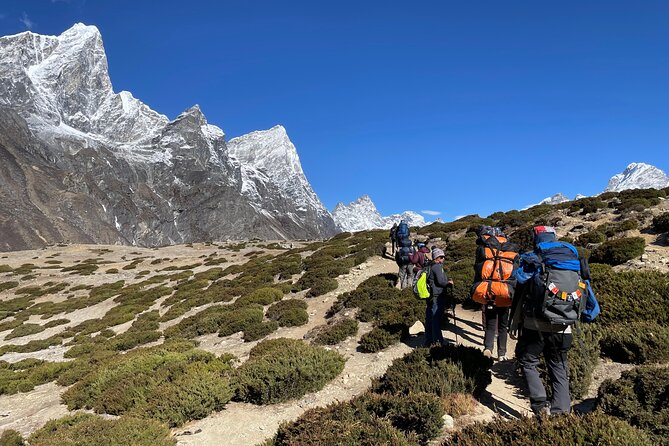
The real thrill begins with the short flight to Lukla, where a mountain airstrip and weather-sensitive schedules set the tone for the trek. From there, you walk through Sherpa villages, pine forests, river valleys, glaciers, and high mountain passes before reaching Everest Base Camp and climbing Kalapatthar for the grand view.
I like two things right away: the guide and porter support lets you walk without carrying your full load, and the plan includes two acclimatization days instead of treating altitude as an afterthought. Guides named Lok, Khila, Hari, Lal, and others have been praised for pacing and safety. The main drawback is that this is still a demanding high-altitude trek, and Lukla flights can be delayed or canceled by weather.
Key points to know before booking
- Lukla flights shape the whole trip: The Kathmandu to Lukla flight takes about 30 minutes, but weather can affect both the start and the return.
- Two acclimatization days are built in: You pause near the Everest region and later hike toward Nagarkhang Peak at about 5,000 meters.
- Your porter carries the heavy gear: The package supplies a duffle bag, sleeping bag, and down jacket, so you carry only what you need during the day.
- The route reaches Everest Base Camp and Kalapatthar: Base Camp is the goal, while Kalapatthar provides the major mountain viewpoint.
- It is a private small-group trip: Only your group participates, with an assistant guide added for groups larger than six.
- The $1,408 price covers a lot: Flights, permits, guides, porters, meals, airport transfers, and basic cold-weather gear are included, but insurance and personal costs are not.
Why this 15-day Everest trek works
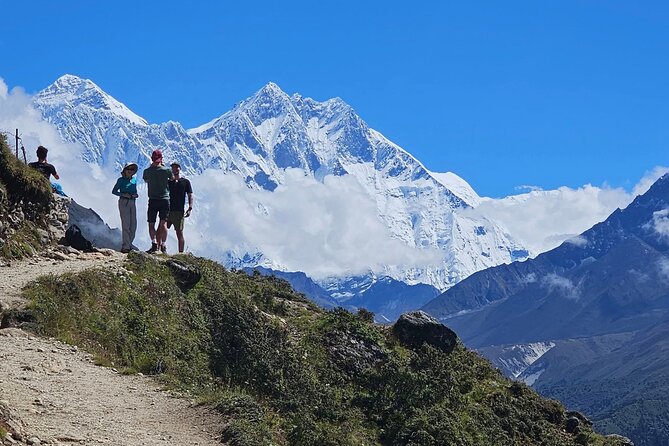
This is the classic Everest Base Camp route with the hard work organized for you. You do not have to arrange domestic flights, park permits, porter support, or mountain gear on your own. That matters in Nepal, where a missed connection, a missing permit, or a poorly planned altitude day can turn into a serious problem.
The trip begins and ends in Kathmandu, with airport pickup in a private vehicle. The mountain section uses a private small group, so your walking pace can be handled more personally than on a large scheduled departure. The guides are English-speaking, government licensed, and trained through Nepal’s tourism ministry.
You should still think of this as a trek, not a sightseeing tour with a few walks attached. The route reaches high altitude, includes steep climbs and descents, and crosses glacier terrain. A moderate level of fitness is required, and good weather is essential for the Lukla flights.
More Everest Base Camp treks:
- Everest Base Camp Trek – 14 Days
★ 5.0 · 1,499 reviews - Everest Base Camp Trekking
★ 5.0 · 485 reviews - Everest Base Camp Trekking – 13 Day
★ 5.0 · 365 reviews
Day 1: A soft landing in Kathmandu
Your arrival day is simple. An airport representative meets you with a name card, then takes you to your hotel by private vehicle. The listed airport transfer lasts about 30 minutes and costs nothing extra within the package.
Kathmandu gives you a useful buffer before the mountains. You can rest, deal with jet lag, and meet the trekking team. Since the mountain flights are weather-sensitive, this first day also keeps the schedule from feeling rushed.
Day 2: Flying into Lukla and walking to Phakding
The flight to Lukla takes roughly 30 minutes and offers an early look at the Himalayas. It is famous for being an adventurous flight, but the practical point is more important: weather can affect departures, so keep your plans flexible.
After landing, you begin walking toward Phakding. The first day is relatively short at about four hours, giving your body a gentle start before the route gets tougher. Your porter support begins here, and you will have a guide organizing the pace, meals, and accommodation.
The flight is also one of the trip’s least predictable pieces. A delay at this point can affect the rest of the plan, which is why the return to Kathmandu is followed by a free day before your international flight.
Day 3: Monjo, Jorsalle, and the Hillary Bridge
The trail starts with a gradual climb toward Monjo. You stop at Jorsalle for lunch, then continue through pine forest toward the Hillary Bridge.
After crossing the bridge, the route becomes steeper. This is a good day to settle into a steady walking rhythm rather than trying to prove anything. Your guide’s job is particularly useful here, since the correct pace matters more than speed at altitude.
The route feels increasingly Himalayan as you move farther from the road network and deeper into the Khumbu region. You are walking through a working mountain area, not a closed adventure park. Sherpa villages, local lodges, porters, and mountain traffic become part of the experience.
More trekking days out of Everest Region:
- Everest Base Camp Trek -14 Days
★ 5.0 · 321 reviews - Everest Base Camp Trekking – 2025/2026
★ 5.0 · 199 reviews - Everest Base Camp Trek with Helicopter Return from Gorakshep to Lukla
★ 5.0 · 161 reviews - Everest Base Camp Trekking
★ 5.0 · 146 reviews
Day 4: Acclimatization near the Everest region
A rest day does not mean lying in bed all morning. The guide offers hiking choices that can include Khumjung and Khunde, the Everest View Hotel, Thame, or a nearby national park route.
This flexibility is one of the trip’s strongest features. Your group can choose an outing that matches its energy and altitude adjustment. The point is to climb higher during the day and return to sleep lower, giving your body time to adapt.
You should not skip this day because you feel fine. Altitude problems can arrive after several days, not always on the first climb. A patient schedule is worth more than squeezing in an extra village.
Day 5: Kyanjuma, Phungi Thanga, and the Dudh Koshi
The route climbs toward the national park headquarters before following a gentler trail to Kyanjuma. A short tea stop may break up the walking, then the trail descends to Phungi Thanga for lunch.
After crossing the Dudh Koshi River, you climb again. This combination of downhill and uphill walking can surprise you. On a map, the distance may not look dramatic, but the repeated changes in grade add up.
The river crossings, forest sections, and Sherpa settlements give this day a varied feel. You are not simply walking toward a distant summit. The route changes underfoot and asks you to stay patient.
Day 6: Pangboche and the Sherpa heart of the route
You follow the Imja Khola toward Pangboche, a village at 3,930 meters. The village is associated with noted Everest climbers and is home to many Sherpa families.
This is one of the best days for appreciating the human side of the trek. The Himalayas are not just scenery viewed from a trail. Pangboche and the other settlements reflect the communities that support climbing, trekking, farming, and life at high altitude.
The mountain views become more dramatic as you gain height, but do not let the scenery make you rush. At nearly 4,000 meters, a slow pace and regular water breaks are sensible.
Day 7: The high acclimatization hike to Nagarkhang Peak
The second acclimatization day includes a hike toward Nagarkhang Peak, at approximately 5,000 meters. The summit area offers broad views of Himalayan peaks and gives you another chance to walk high before sleeping lower.
This is a demanding rest day. You should expect a hard climb, not a casual stroll. The value is in the altitude practice and the views, but your guide can help set a pace that keeps the group together.
Having this day in the schedule is a major reason the 15-day format makes sense. A shorter version may look cheaper or more efficient, but less time for acclimatization can make the high section feel much harsher.
Day 8: Dughla and the steep climb to the pass
You leave the area above Pheriche and walk toward Dughla. After a quick lunch, the trail climbs steeply to Dughla Pass.
This is a day when the route’s difficulty becomes clear. You are walking higher, breathing thinner air, and dealing with a sharp ascent after already spending hours on the trail. The climb is not technical mountaineering, but it is serious trekking.
The high valley and mountain views reward a measured pace. If you normally walk quickly, this is the point to slow down and follow the guide’s rhythm.
Day 9: Glacier terrain and Everest Base Camp
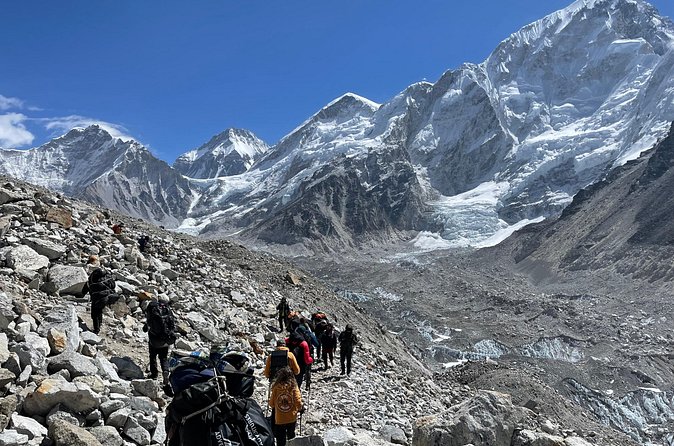
The early part of the day is easier, but the route becomes harder once you begin crossing glacier terrain. Uneven ground and low oxygen make each step more tiring.
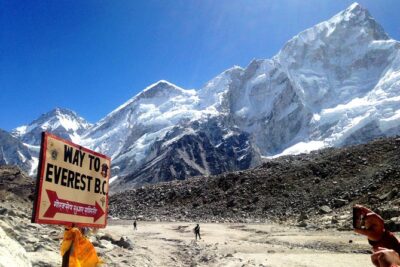
This is the central achievement of the trip: reaching Everest Base Camp. The exact appearance and activity at Base Camp can vary, but the setting is surrounded by huge peaks and glacial terrain. Reaching it feels earned because the route has gradually built from village paths to a high mountain approach.
Do not expect a quick photo stop and an easy return. The altitude and rough footing make this a full mountain day. Your guide’s pacing and first-aid kit are practical parts of the package, not decorative extras.
Day 10: Kalapatthar before sunrise
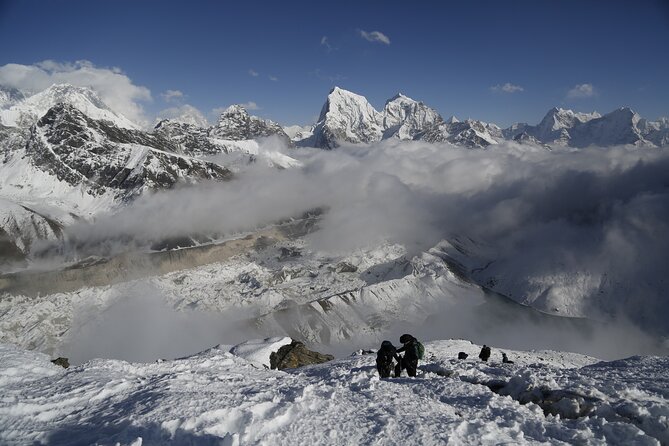
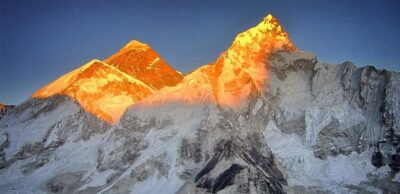
You start early, before sunrise, for the climb to Kalapatthar. The ascent is difficult, but this is the route’s signature viewpoint, with towering Himalayan peaks above the Khumbu valley.
Kalapatthar and Everest Base Camp serve different purposes. Base Camp is the famous destination, while Kalapatthar is the place for the great high mountain view. If photography matters to you, the early start is worth the cold and effort.
This is also likely to be one of the hardest mornings of the trek. You have already spent time above 4,000 meters, and the climb reaches a very high viewpoint. Go slowly, follow instructions, and remember that getting there safely matters more than reaching the top first.
Days 11 and 12: Retracing the route to Lukla
The return route passes through Debuche and Tengboche before descending steeply to Phungi Thanga for lunch. You then climb again toward Kyanjuma.
Day 12 takes you down through Jorsalle and onward to Phakding, followed by the final walk to Lukla. The route is familiar, but downhill walking can be hard on tired knees, and the final uphill sections keep the day from being an effortless finish.
This part of the schedule is useful because you get a second look at villages and river crossings that may have passed in a blur on the way up. Reaching Lukla marks the end of the walking portion, though the trip is not quite over.
Days 13 to 15: Returning to Kathmandu with a safety buffer
You fly from Lukla to Kathmandu on Day 13. Sitting on the right side of the plane is suggested for mountain views, though the experience depends on the flight and conditions.
Day 14 is free in Kathmandu. It is partly a useful shopping and rest day, but its larger purpose is protection against Lukla delays or cancellations. That extra day is important if you have an international flight soon afterward.
On Day 15, the company takes you to the airport about three hours before departure. Kathmandu airport has one terminal, and breakfast is included that morning.
What the $1,408 price really covers
At $1,408 per person, the package offers solid value if you want the logistics handled. It includes airport transfers before and after the trek, Kathmandu to Lukla and return flights for you and the guide, the Everest National Park entry permit, and the TIMS registration card.
It also includes an English-speaking trekking guide, porters with their pay, meals, accommodation, and insurance, plus an assistant guide for groups over six. A four-season sleeping bag, down jacket, and duffle bag are supplied and returned after the trip.
The meal count is listed as 14 breakfasts, 11 lunches, and 12 dinners. Personal spending remains your responsibility, including drinks, hot showers, phone use, laundry, snacks, and bar bills. International airfare, Nepal visa fees, travel insurance, medical insurance, and emergency evacuation are also excluded.
That last group deserves attention. High-altitude trekking brings real risks, and emergency evacuation is not included in the price. You should arrange suitable insurance before departure and check that it covers trekking at the elevations involved.
Guides, porters, and the pace of the trek
The strongest practical feature is the human support. Guides associated with this operation include Lok, Khila, Hari, Lal, Namraj, and Ossman, with Khila and Lok receiving especially strong praise for personal attention, pacing, and safety. You cannot assume a particular guide unless the company confirms one, but the named staff give you a sense of the guiding team.
Porters carry the heavier gear, while you carry your day needs. That makes a major difference on long climbs, but pack sensibly and keep essential personal items with you rather than putting everything into the duffle bag.
The private format means only your group participates. Groups larger than six receive an assistant guide. This arrangement suits people who value a flexible pace and direct attention more than the social mix of a large departure.
Who should book this trek?
Book it if you want the classic Everest Base Camp route with permits, flights, porters, basic gear, meals, and airport transfers arranged in one package. It is a good match for fit walkers who prefer support without giving up the feeling of traveling through mountain villages under their own power.
It is less suitable if you dislike early starts, rough trails, steep climbs, cold conditions, or uncertain flight schedules. It is also not the right choice if you want a luxury lodge holiday or a trip with no personal expenses beyond the booking price.
The cancellation terms are relatively clear: a full refund is available when you cancel at least six full days before the start time. Cancellations two to six full days ahead receive 50 percent, while cancellations less than two full days ahead are not refunded. If poor weather cancels the experience, you are offered another date or a full refund.
FAQ
How long does the Everest Base Camp trek last?
The experience lasts approximately 15 days, including arrival and departure days, the trek, domestic flights, and a free day in Kathmandu.
Where does the trek begin?
The trip begins in Kathmandu, where an airport representative meets you and transfers you to your hotel.
How do I reach the Everest region?
You fly from Kathmandu to Lukla in about 30 minutes, then begin walking toward Phakding and continue along the Everest Base Camp route.
Are Lukla flights included?
Yes. The Kathmandu to Lukla and Lukla to Kathmandu flights are included for you and the guide.
Is this a private tour?
Yes. Only your group participates, and the trip is arranged as a private small-group activity.
Are porters included?
Yes. Experienced Sherpa porters are included, along with their meals, accommodation, salary, and insurance.
What trekking gear is supplied?
A down jacket, four-season sleeping bag, and duffle bag are supplied. The duffle bag and other loaned items must be returned after the trip.
Are meals included?
Yes. The package lists 14 breakfasts, 11 lunches, and 12 dinners. Personal drinks, snacks, hot showers, laundry, phone use, and similar costs are not included.
Do I need travel insurance?
Travel and medical insurance are not included, and emergency evacuation is also excluded. You should arrange appropriate coverage before the trek.
Should you book it?
I would choose this trip if I wanted a well-supported first Everest Base Camp experience without arranging every permit, flight, porter, meal, and piece of loaned gear myself. The two acclimatization days, private format, and extra Kathmandu buffer add real value.
Book only after accepting the hard parts: high altitude, steep trails, glacier walking, early mornings, and weather delays. If you are fit, patient, and ready to walk at the guide’s pace, the $1,408 package gives you a practical way to reach Base Camp and see the Everest region without carrying the whole expedition on your back.
Just added around Everest Region
- Day Tour to Everest Base Camp By Helicopter★ 5.0 · 16 reviews
- Kathmandu To Lukla By Helicopter Flight★ 5.0 · 6 reviews
- Luxury Everest Base Camp Trek – 11 Days★ 5.0 · 9 reviews
- Everest Base Camp Tour & View Point by Helicopter from Katmandu★ 5.0 · 3 reviews
- Everest base camp helicopter tour with Guarenteed Landing★ 4.0 · 7 reviews
- Everest base camp flight over by Helicopter from Kathmandu★ 5.0 · 10 reviews
- Everest Base Camp Helicopter Tour Stop at Hotel Everest View.★ 5.0 · 17 reviews
- Everest Base Camp Helicopter Tour★ 5.0 · 24 reviews
Everest Base Camp Treks, compared.
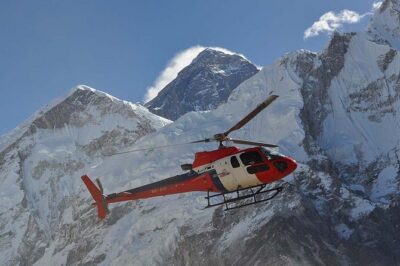
Everest Base Camp Trek with Helicopter Return from Gorakshep to Lukla
Read our review →
Browse the lists this tour appears in