
Reviewed · EVEREST BASE CAMP TREKS
12 Days Everest Base Camp Trekking
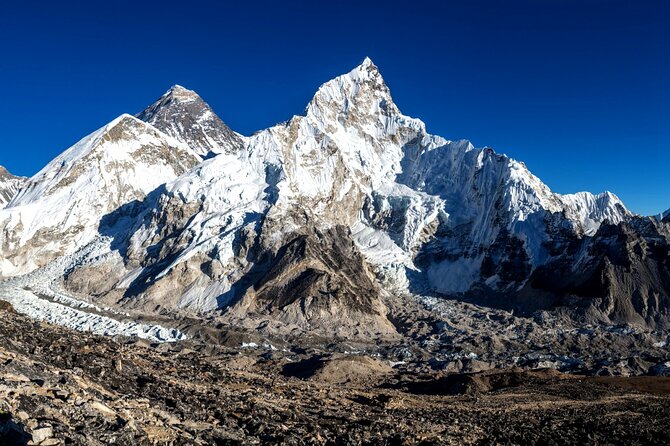
The big draw here is a full Everest Base Camp route in 12 days, with the hard work built around two acclimatization days in Namche Bazaar and Dingboche. You fly from Kathmandu to Lukla, walk through the Khumbu region, reach Base Camp, then climb Kala Patthar for the classic Everest view.
I like that the price includes the costly pieces many trekkers forget: round-trip Lukla airfare, meals, permits, guide, and teahouse lodging. I also like the personal feel of a private group, with past trips led by guides such as Ramchandra and Ram. The main caution is the pace. Twelve days is efficient, but altitude, weather, and long walking days can make this a demanding trip.
Key points to know before booking
- Lukla flights are included: You fly from Kathmandu, or from Ramechhap in peak season, then begin walking near 2,800 meters.
- Two acclimatization days matter: You spend a full day in Namche Bazaar and another in Dingboche, with optional hikes.
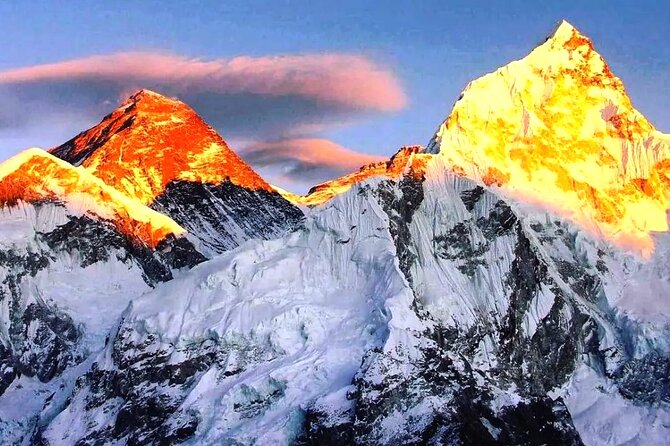
- Base Camp is only part of the reward: Kala Patthar on Day 9 offers the strongest stated viewpoint for Everest, Lhotse, and nearby peaks.
- The $1,399 price covers a lot: Airfare, meals, teahouses, permits, guide costs, airport transfers, and one Kathmandu hotel night are included.
- Porters are extra: You carry your own belongings unless you request porter service and pay the added cost.
- You need moderate fitness: Expect walking days of roughly six to nine hours, rocky trails, suspension bridges, and high altitude.
What the 12-day Everest Base Camp trek really involves
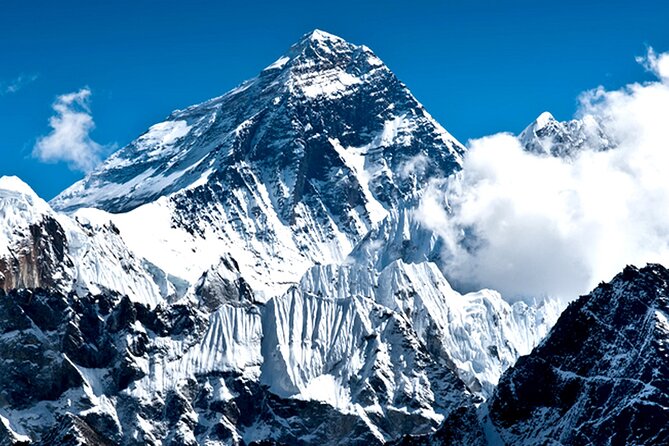
This is not a sightseeing holiday with a few mountain walks added on. It is a point-to-point trek through the Khumbu, with long days on foot and nights in local teahouses. Your guide meets you at your Kathmandu hotel, takes you to the airport, and helps organize the first major transition from city to mountain.
The tour is private, so only your group participates. That can be useful when the altitude begins to affect people at different speeds. You are not tied to a large group’s pace, though the fixed 12-day schedule still leaves limited room for delays.
The package costs $1,399 per person. On value, it is stronger than the headline number first suggests. It includes the domestic flights, a Kathmandu hotel night with breakfast, all trekking meals, twin-sharing teahouse rooms, permits, airport transfers, guide salary and insurance, and government charges.
You still need to budget for an international flight, Nepal’s entry visa, travel and medical insurance, snacks, drinks, laundry, hot showers, Wi-Fi, tips, and a porter if you want one. Those extras can matter on a high-altitude trek, so do not treat the listed price as your total holiday cost.
More Everest Base Camp treks:
- Everest Base Camp Trek – 14 Days
★ 5.0 · 1,499 reviews - Everest Base Camp Trekking
★ 5.0 · 485 reviews - Everest Base Camp Trekking – 13 Day
★ 5.0 · 365 reviews
Day 1: Lukla to Phakding begins with a mountain flight
The first morning starts early. Your guide collects you from your hotel and takes you to the airport for the flight to Lukla, at about 2,800 meters. The flight itself is part of the experience, offering views of Nepal’s hills and high peaks before landing at the mountain airstrip.
From Lukla, you walk to Phakding. The day is listed at about eight hours, though the actual walking portion is the first gentle introduction to the trail. The route gives you time to adjust to the change from Kathmandu to the Khumbu.
The included flight is a major advantage. Buying domestic mountain flights separately can complicate planning, and weather can affect the schedule. The practical point is simple: keep your first day flexible and avoid arranging an important international connection immediately after the trek.
Day 2: Suspension bridges and the climb to Namche Bazaar
After breakfast, you leave Phakding for Namche Bazaar, the main trading center of the Khumbu region. The route follows the river and crosses several suspension bridges before climbing higher.
This is a longer and more demanding day, listed at about seven hours. Namche is not just a stopping point. It is the key staging town for the upper route, and the first major place where the altitude becomes more noticeable.
I like this section because it changes the feel of the trek. You move from lower forested terrain toward a more open mountain setting, while the trail becomes more physical. The bridges are memorable, but they can also feel exposed if you are uneasy with heights.
Take the climb slowly. The aim is not to arrive first. A steady pace gives you a better chance of enjoying the next day instead of spending it with a headache.
Day 3: A useful acclimatization day in Namche
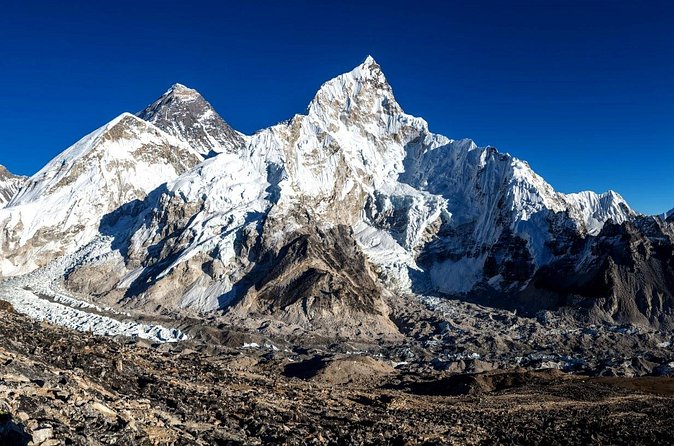
You spend the third day in Namche for acclimatization. The plan includes an optional hike to the Everest View Hotel, where you can see Everest and surrounding peaks from a higher position before returning to Namche.
This is one of the most valuable parts of the schedule. Resting at altitude does not mean doing nothing. A short hike followed by a return to the same sleeping height gives your body a chance to adjust without pushing you into a higher overnight stay.
The day is listed at about eight hours, likely reflecting the optional walking and time spent exploring. You should ask your guide how hard to make the hike. If you already feel unwell, the sensible choice is to keep the day easy and report symptoms rather than forcing the viewpoint.
Namche also gives you a chance to sort your clothing, water, snacks, and daypack before the upper trail. Use it. Small problems become larger ones once the route gets higher.
More trekking days out of Everest Region:
- Everest Base Camp Trek -14 Days
★ 5.0 · 321 reviews - Everest Base Camp Trekking – 2025/2026
★ 5.0 · 199 reviews - Everest Base Camp Trek
★ 5.0 · 193 reviews - Everest Base Camp Trek with Helicopter Return from Gorakshep to Lukla
★ 5.0 · 161 reviews
Day 4: Entering Sagarmatha National Park and heading toward the high country
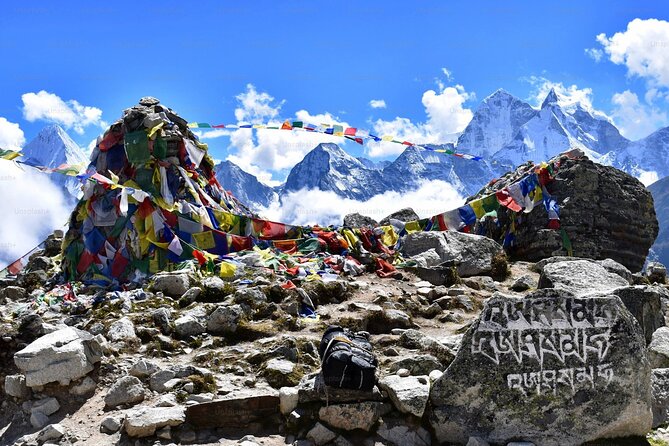
The trail continues through Sagarmatha National Park, with broad views of Everest, Nuptse, and Ama Dablam along the way. The route first descends for about two hours through rhododendron forest, then climbs again toward the higher villages.
That descent is a useful reminder that mountain trekking is not a simple uphill line. You lose height, then regain it. The day is listed at about eight hours, so conserve energy early.
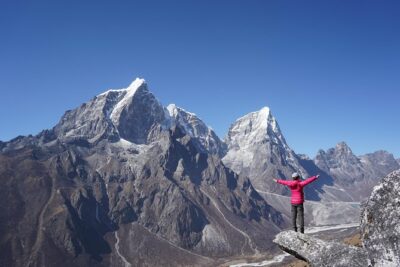
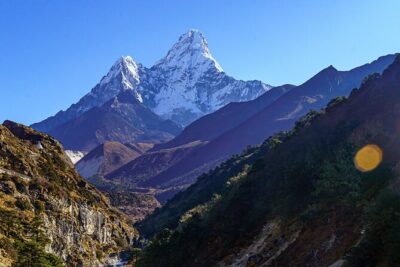
The views become more dramatic here, but the route also becomes more tiring. Ama Dablam is especially striking from the Khumbu trail, while Everest and Nuptse begin to feel like part of your daily surroundings rather than distant names on a map.
Your guide’s role matters on days like this. The package includes an experienced, English-speaking, licensed guide, along with the guide’s meals, accommodation, equipment, salary, and insurance. That is not just administrative detail. It means the guide is part of the trip’s support system, not an optional add-on.
Day 5: Dingboche and the shift to alpine terrain
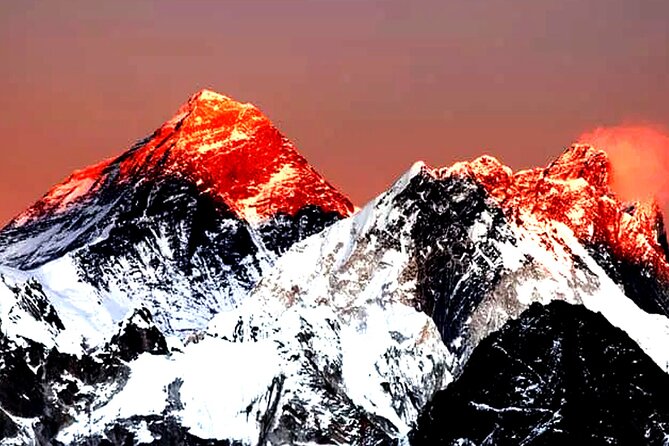
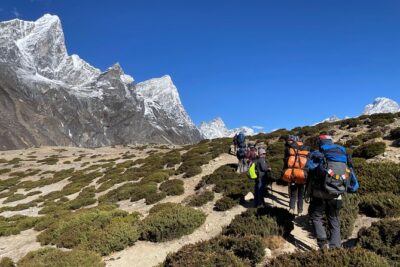
You continue to Dingboche, a high village with views toward Island Peak and other Himalayan summits. The trail moves through alpine forest and then across more barren ground, with a noticeable change in vegetation as the elevation rises.
The walk is listed at about eight hours. By now, the combination of distance and altitude becomes more important than technical difficulty. You may find the path manageable underfoot but still feel short of breath on modest climbs.
Dingboche is an important overnight stop because it places you in the high valley before the route turns toward Lobuche and Gorak Shep. The village setting is a reminder that the Khumbu is a lived-in region, not only a route to a famous base camp.
Twin-sharing teahouse accommodation is included. These are local mountain lodges rather than full-service hotels, so you should expect simple facilities. Hot showers, Wi-Fi, laundry, drinks, and personal extras are not included.
Day 6: Another acclimatization day at Dingboche
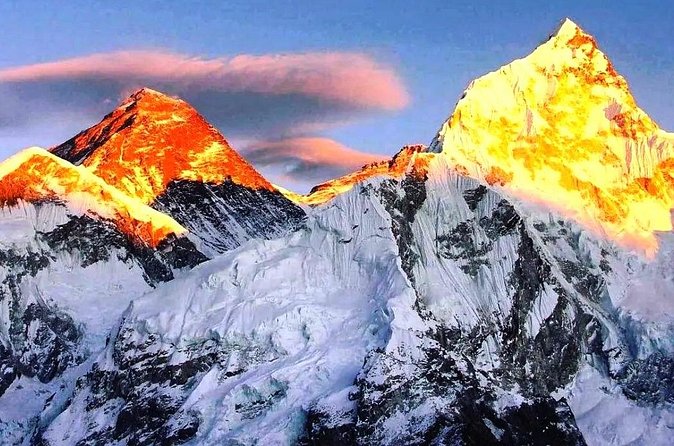
The second acclimatization day is spent in Dingboche. You may hike to Nagarjun Hill or toward Chukhung, depending on conditions and how you are feeling.
This pause is essential. You are now high enough that altitude can affect sleep, appetite, energy, and breathing. The purpose is to prepare your body for the approach to Gorak Shep and Base Camp, not to collect another hard hiking day.
The listed duration is about eight hours, but the optional nature of the hikes gives your guide room to adjust the plan. Speak plainly if you have symptoms. A pulse oximeter is included in the basic first aid kit, so the guide can monitor altitude-related oxygen levels as part of the group’s care.
No trek company can remove altitude risk. Travel and medical insurance is strongly recommended, and it should be appropriate for a high-altitude trek.
Day 7: Rocky ground, glacial moraine, and the Khumbu Glacier
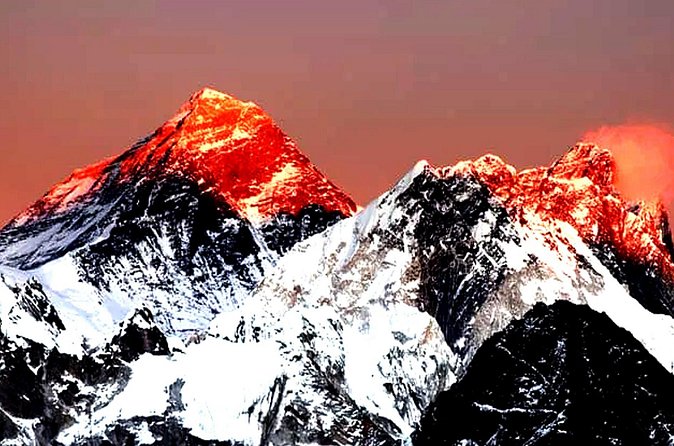
You cross the Khumbu River and climb gradually through rocky ground and glacial moraine. The Khumbu Glacier and nearby peaks provide the main visual focus of the day.
This is where the route feels more severe. The forest is largely behind you, and the trail becomes rougher and more exposed in character. The walking time is about eight hours, so you will want a small daypack, water, warm layers, and enough patience for uneven footing.
The inclusion of the Khumbu Glacier stop is useful because it breaks up the final approach into a clear stage. You are not simply walking toward a sign at Base Camp. You are entering the high glacial zone that makes the Everest route physically demanding.
Day 8: Gorak Shep and Everest Base Camp
You trek from Lobuche to Gorak Shep, the last settlement before Everest Base Camp. After reaching Gorak Shep, you have lunch, settle your bags, and continue toward Base Camp.
This is one of the longest days, listed at about nine hours. The Base Camp walk is not usually a quick photo stop. The route crosses rough ground, and the high elevation makes every hour feel longer than it would at sea level.
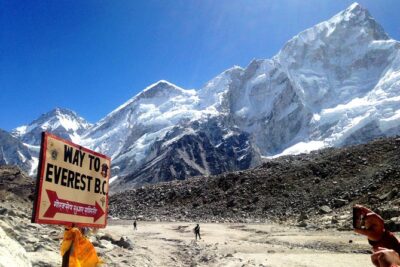
At Base Camp, you can explore the area and take in the Khumbu Glacier and surrounding peaks. The exact appearance of Base Camp changes with the season and climbing activity, so the appeal is less about a permanent monument and more about reaching the end of the approach on foot.
You return to Gorak Shep for the night. That return is part of the effort, and it is why good pacing matters earlier in the trek.
Day 9: Kala Patthar gives you the classic Everest view
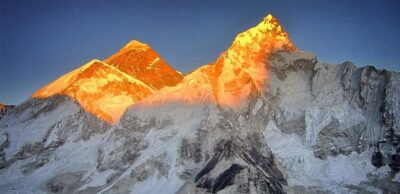
The day begins early with a hike to Kala Patthar for sunrise. It is described as the best place on this route for views of Mount Everest, Lhotse, and other peaks.
Kala Patthar is a viewpoint rather than a base camp, but for many people it may be the visual high point of the trek. You get a wider view of Everest and the surrounding summits, while Base Camp itself offers the achievement of reaching the famous destination.
After the viewpoint, you return to Gorak Shep for breakfast and continue descending. The day is listed at about eight hours, making it another demanding stretch. The early start can be cold and tiring, but the timing is chosen for the morning mountain light.
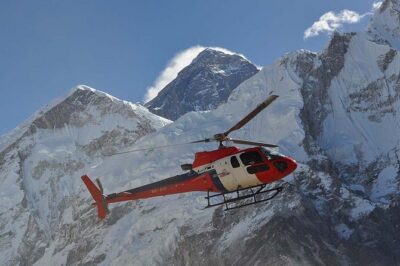
The tour description includes helicopter landing at Kala Patthar, but the stated program describes an early-morning hike. You should confirm with Blissful Himalayas if a helicopter flight or landing is intended, especially if that detail affects your expectations or budget.
Days 10 and 11: The return is easier, but not effortless
The descent through Sagarmatha National Park is generally easier on the lungs than the climb, but it can be hard on knees and ankles. The program specifically advises care with footing and balance, which is good advice on rocky downhill sections.
Day 10 is listed at about eight hours. Day 11 is shorter, at about six hours, and marks the final trekking day. You can spend the evening celebrating with your guide, porters, and fellow members of your private group.
The return route gives you a different view of places you passed earlier. Descending also brings warmer air and more oxygen, but do not rush. Tired legs and loose ground are a poor combination, particularly after the long days around Base Camp.
Porter service is available on request but is not included. If you carry your own bag, pack carefully and keep the weight manageable. If you hire a porter, confirm the price and baggage arrangements before departure.
Day 12: Return to Kathmandu and a free afternoon
You take an early flight back to Kathmandu and transfer to your hotel. The rest of the day is free for rest, local exploring, or a foot and body massage. A farewell dinner is also planned.
This final day is useful because it gives you breathing room after the trek. The included Kathmandu hotel night and airport transfers make the end of the trip easier to manage, particularly if you are tired or your domestic flight arrives later than expected.
The package includes breakfast, lunch, and dinner during the stated program, with breakfast in Kathmandu. Tea or coffee is included with breakfast during the trek. Snacks, drinks, and other personal purchases are extra.
Guide support, group style, and the human side
Blissful Himalayas has operated trekking and tour services since 2011. The package provides a licensed, English-speaking guide, and the private format means the trip is limited to your own group.
Guide names connected with previous trips include Ramchandra and Ram. You cannot assume one of them will lead your departure, but their names show the kind of direct guide relationship the company has provided on past Everest trips.
The strongest praise connected with this experience centers on organization, personal support, and successful completion. One first-time trekker specifically described feeling supported and having the trip customized to their needs. Another small group completed the route with a reported 100 percent success rate.
Those are encouraging signs, but success depends on weather, health, pacing, and acclimatization. A good guide can help you make sound choices. No guide can guarantee clear flights or make altitude disappear.
Is $1,399 good value?
For a 12-day Everest Base Camp trek, the price is appealing because the package handles several expensive and awkward parts at once. You receive:
- Round-trip domestic flights between Kathmandu and Lukla, or Ramechhap during peak season
- Airport pickup and drop-off
- One deluxe Kathmandu hotel night with breakfast
- Twin-sharing teahouse accommodation
- Breakfast, lunch, dinner, and breakfast tea or coffee
- Licensed guide costs, including salary, meals, lodging, equipment, and insurance
- Sagarmatha National Park and TIMS permits
- Basic first aid equipment and pulse oximeter
- Government taxes and official charges
The price is less attractive if you expect a porter, private rooms, hot showers, Wi-Fi, drinks, or extensive personal spending to be included. Those are extra. Tips for guides, porters, and support staff are customary and appreciated.
Free cancellation is available if you cancel at least 24 hours before the start time. Weather cancellations can lead to a different date or a full refund, but any flight or weather disruption is still worth discussing with the company before you commit to tight onward plans.
Who should book this Everest Base Camp trek?
You should consider this trek if you want a structured route with a guide, included domestic flights, organized meals, and two planned acclimatization days. It suits someone with moderate physical fitness who is ready for six to nine hours of walking on several days.
The private format works well for couples, friends, or a family group that wants a shared pace. It may also suit a first-time high-altitude trekker who wants support with permits, flights, lodging, and route planning.
Think twice if you want a slow schedule with extra rest days. The 12-day plan is compact, and weather or flight delays can put pressure on the program. You should also reconsider if you are not willing to arrange suitable travel and medical insurance or if carrying a personal bag sounds unrealistic without a porter.
FAQ
Is the round-trip flight between Kathmandu and Lukla included?
Yes. The package includes round-trip domestic airfare between Kathmandu and Lukla. During peak season, flights may operate between Kathmandu and Ramechhap instead.
How many days does the Everest Base Camp trek take?
The experience lasts approximately 12 days, including the flights from Kathmandu, the trek to Base Camp, the return walk, and the flight back to Kathmandu.
Are meals included during the trek?
Yes. Breakfast, lunch, and dinner are included during the trek, along with tea or coffee with breakfast. Personal snacks, drinks, and other purchases are not included.
Is accommodation included?
Yes. The package includes one night in a deluxe hotel in Kathmandu with breakfast and twin-sharing accommodation in local teahouses during the trek.
Is a porter included?
No. Porter service is available upon request but is not included in the listed price. Extra porters and their costs should be arranged separately.
What happens if bad weather cancels the experience?
If poor weather causes the experience to be canceled, you will be offered a different date or a full refund. You can also cancel for a full refund if you do so at least 24 hours before the start time.
Should you book it?
I would book this trek if you want the main Everest Base Camp route in a tightly organized 12-day package and value having flights, permits, meals, a guide, and lodging arranged together. The two acclimatization days are important, the private format is useful, and Kala Patthar adds the viewpoint many people hope to see.
I would not book it without allowing extra flexibility around flights and without budgeting for insurance, tips, personal expenses, and possibly a porter. Go in ready for long walking days and simple teahouse conditions. If that sounds like a fair trade for Everest views, Khumbu villages, glacial terrain, and the satisfaction of reaching Base Camp on foot, this package offers a practical way to do it.
Just added around Everest Region
- Day Tour to Everest Base Camp By Helicopter★ 5.0 · 16 reviews
- Kathmandu To Lukla By Helicopter Flight★ 5.0 · 6 reviews
- Luxury Everest Base Camp Trek – 11 Days★ 5.0 · 9 reviews
- Everest Base Camp Tour & View Point by Helicopter from Katmandu★ 5.0 · 3 reviews
- Everest base camp helicopter tour with Guarenteed Landing★ 4.0 · 7 reviews
- Everest base camp flight over by Helicopter from Kathmandu★ 5.0 · 10 reviews
- Everest Base Camp Helicopter Tour Stop at Hotel Everest View.★ 5.0 · 17 reviews
- Everest Base Camp Helicopter Tour★ 5.0 · 24 reviews
Everest Base Camp Treks, compared.
Everest Base Camp Trek with Helicopter Return from Gorakshep to Lukla
Read our review →Browse the lists this tour appears in