
Reviewed · EVEREST BASE CAMP TREKS
14 Days Everest Base Camp Trek
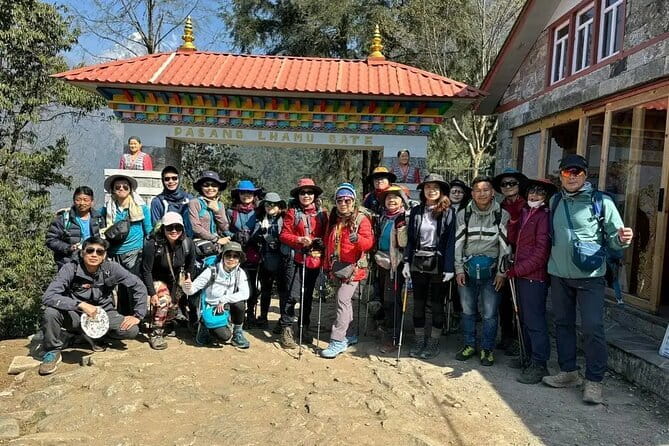
Everest Base Camp is less about reaching a single flag or sign than about earning your way through the Khumbu Valley. This 14-day route takes you from Kathmandu to Lukla, Namche Bazaar, Tengboche, Dingboche, Lobuche, Gorekshap, and finally base camp at 5,463 meters. The early morning climb to Kala Patthar, at about 5,450 meters, gives you the closest listed viewpoint of Everest.
I like the two acclimatization days, one in Namche Bazaar and one in Dingboche, because they give your body a better chance to adjust. I also like that the price includes the Lukla flights, a licensed guide, porters, permits, meals, and airport transfers. The main caution is altitude: strong fitness is required, rescue costs are not included, and one member of the wider company program could not reach base camp because of altitude sickness.
Key points to know before booking
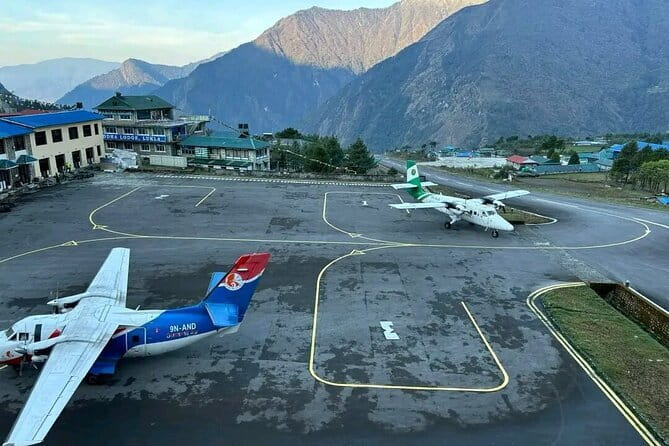
- Lukla flight included: The trip begins with the famous flight from Kathmandu to Lukla, followed by a trek through the Khumbu Valley.
- Two acclimatization hikes: You walk near Namche Bazaar and climb Nangkartshang Hill near Dingboche instead of simply sitting idle.
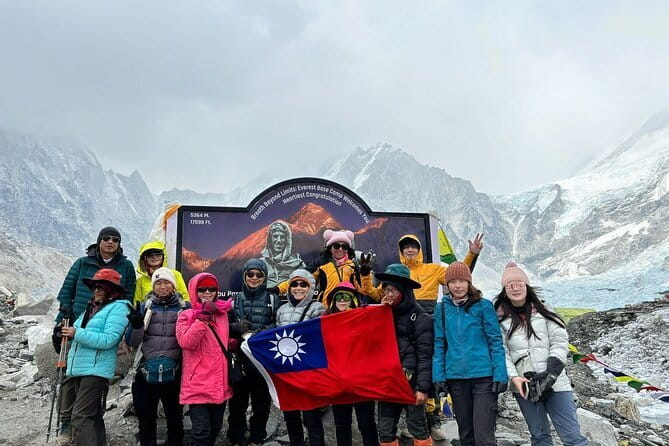
- Everest Base Camp and Kala Patthar: You reach base camp at 5,463 meters and climb Kala Patthar for an early morning mountain view.
- Private group format: Only your group takes part, with a licensed guide and porters assigned to support the trek.
- Most major costs covered: Government fees, Sagarmatha National Park entry, domestic flights, meals, guide services, porters, and Kathmandu transfers are included.
- Real altitude demands: You need good physical fitness, travel insurance, and a plan for emergencies, since rescue operations and personal expenses are extra.
What the $1,680 price really covers
At $1,680 per person, this is not a casual mountain holiday. The price pays for the hard-to-arrange parts of a high-altitude trek: the Kathmandu to Lukla flights, the return flight, airport pickup, private transport, permits, a licensed guide, porters, a medical kit, and most meals.
You receive breakfast on 13 days, dinner on 13 days, and lunch on 11 days. That is useful coverage, though you should read the wording carefully. Extra items at meals are not included, and drinks, including alcoholic and non-alcoholic beverages, come from your own budget.
Government fees include Khumbu Municipality charges, the Sagarmatha National Park entrance fee, and government tax and VAT. Tips for the guide and porters are listed as compulsory, so add that cost before deciding if the package fits your budget.
The value is strongest if you want one company to handle the practical chain from Kathmandu airport to Lukla and back. You are not just paying for a walking route. You are paying for transport, permits, staff, and local planning in a place where weather can disrupt flights and altitude can quickly change the day.
More Everest Base Camp treks:
- Everest Base Camp Trek – 14 Days
★ 5.0 · 1,499 reviews - Everest Base Camp Trekking
★ 5.0 · 485 reviews - Everest Base Camp Trekking – 13 Day
★ 5.0 · 365 reviews
Kathmandu to Lukla, the dramatic first move
Your first day begins with airport pickup in Kathmandu. A representative from Magic Himalaya Treks and Expeditions meets you at Tribhuvan International Airport, then takes you to your hotel. This is a simple start, but it matters after an international flight, especially if you are arriving tired or dealing with Kathmandu traffic.
On Day 2, your guide collects you from the hotel and takes you to the domestic terminal. The flight to Lukla is one of the trip’s memorable moments, not only because the airstrip is famous, but because it shifts you quickly from city travel to mountain travel. The supplied schedule allows about five hours for the day, including the flight, meeting porters, and beginning the walk.
The exact flight timing can depend on conditions. This itinerary includes weather-related cancellation protection, with a different date or full refund offered if the experience itself is canceled because of poor weather. Still, you should leave room in your broader Nepal plans for disruption. The schedule includes a return flight from Lukla on Day 13, but mountain flying never deserves a tight international connection.
Namche Bazaar and your first acclimatization day
After Lukla, you walk beside the Dudh Koshi River and cross several suspension bridges. Lunch is planned in Jorsalle village before the route continues toward Namche Bazaar. The walking time is listed at about six hours, so this is a proper trekking day, not a gentle stroll.
Namche is one of the key stops on the route. It is the place where the valley begins to feel more remote and the altitude becomes more serious. Day 4 is called a rest day, but the plan sensibly includes a short outing of about four hours to Syangboche viewpoint or the Everest View area.
That active rest matters. A light walk helps you adjust without adding another long transfer day. It also gives you your first broad mountain views before the route climbs higher. You should not treat this as a spare sightseeing afternoon. Keep your pace easy, drink regularly, and use the day to notice how your body responds.
The company’s feedback repeatedly praises the guides and porters for encouragement, safety, and good humor. Names connected with the company include Nabin, Santaji, and Shanta, though you should confirm the actual guide assigned to your departure. The human side of this trek matters. A calm guide who notices a problem early can be more valuable than a rushed schedule.
Tengboche and Dingboche: the route grows tougher
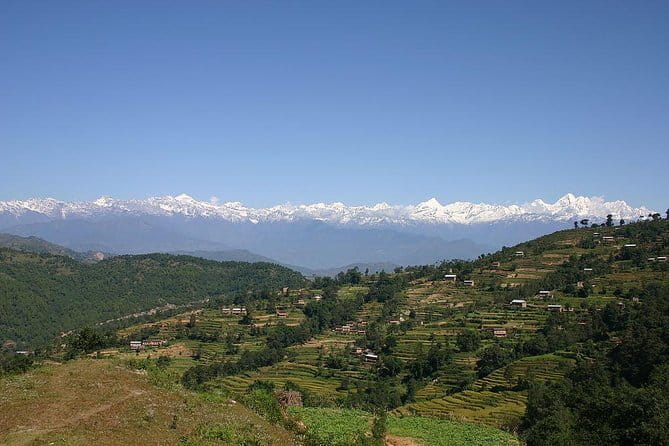
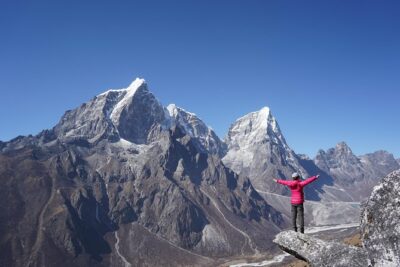
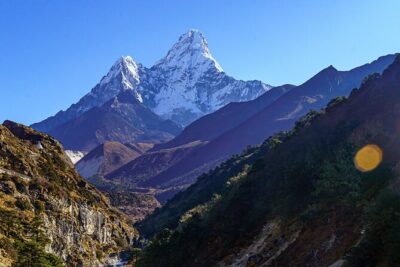
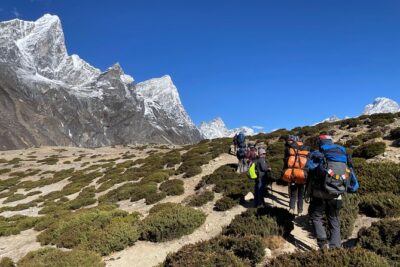
Day 5 takes you toward Tengboche, with roughly six hours on foot and views toward Everest, Ama Dablam, Thamserku, and Taboche. Ama Dablam is especially striking from this part of the valley, and the walk is described as one of the best days of the trip for mountain scenery.
Tengboche is also an important cultural stop in the itinerary. The supplied details do not promise a specific monastery visit or ceremony, so you should not book this expecting a guided cultural program. The main value here is the setting, the Sherpa communities along the route, and the chance to understand how mountain life and climbing support fit together.
On Day 6, you walk about four to five hours to Dingboche, passing Pangboche and Sanasa. The shorter day is welcome as the altitude rises. Dingboche is surrounded by views of Ama Dablam and the Imja Valley, and it becomes your base for the second acclimatization outing.
Day 7 includes a hike to Nangkartshang Hill, around 5,000 meters. The climb is not an easy rest-day walk, but it is useful preparation for the higher section ahead. From the hill, the route provides views toward Imja Tse Valley, Island Peak, Ama Dablam, and nearby peaks.
This is one of the itinerary’s strongest choices, but it also shows why you need good fitness. You are not only walking from lodge to lodge. You are climbing high, coming down, and then continuing upward on later days. If you feel unwell, tell your guide rather than trying to prove something.
More trekking days out of Everest Region:
- Everest Base Camp Trek -14 Days
★ 5.0 · 321 reviews - Everest Base Camp Trekking – 2025/2026
★ 5.0 · 199 reviews - Everest Base Camp Trek
★ 5.0 · 193 reviews - Everest Base Camp Trek with Helicopter Return from Gorakshep to Lukla
★ 5.0 · 161 reviews
Lobuche, Thukla Pass, and the memorials
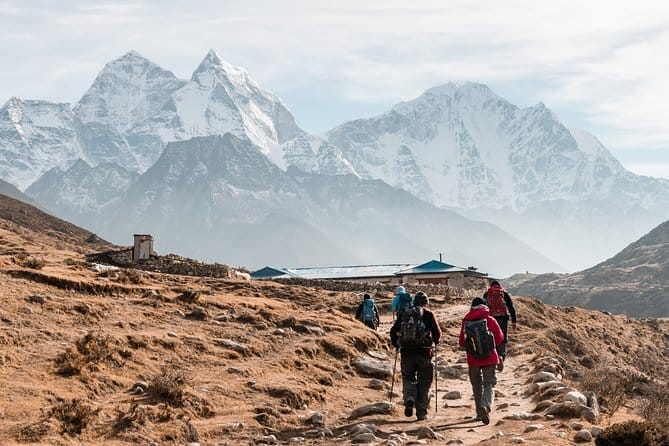
Day 8 takes you to Lobuche in about six hours, passing Thukla and Thukla Pass. The memorials at Thukla honor climbers who died on Himalayan peaks. They add a serious note to what can otherwise feel like a scenic march toward Everest.
This part of the route is physically demanding because the air is thinner and the valley feels more exposed. Lunch is planned at Lobuche, followed by an overnight stay. Keep your expectations practical: high-altitude accommodation is about shelter, meals, and rest, not luxury.
The itinerary does not spell out the exact tea houses or room arrangements. That is worth confirming before departure, especially if you care about private rooms or particular facilities. The trip does state that accommodation and breakfast are provided on the Kathmandu return day, but it does not give a full accommodation list for every trekking night.
Everest Base Camp and the longest day
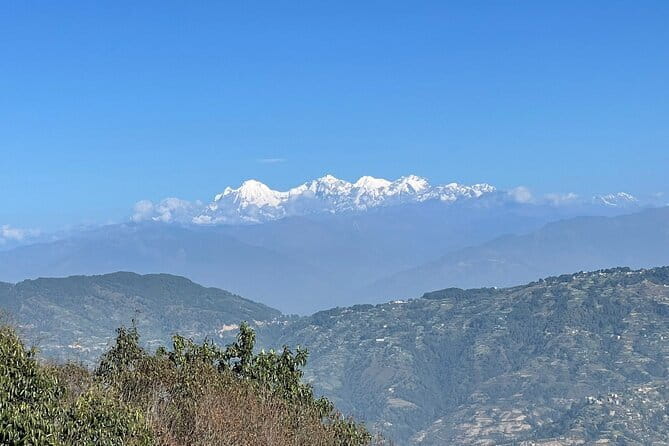
Day 9 is one of the hardest days. You walk to Gorak Shep in the morning, have a light lunch, and then continue toward Everest Base Camp. The listed walk from Gorak Shep to base camp takes about two hours, but the full day is longer and more tiring because of the altitude and uneven glacier terrain.
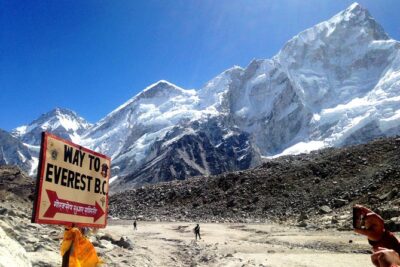
Base camp sits at about 5,463 meters, although its position changes as the Khumbu Glacier shifts. That detail is worth understanding. You are not walking to a permanent village or a fixed building. The camp changes from season to season, and access can look different depending on conditions and climbing activity.
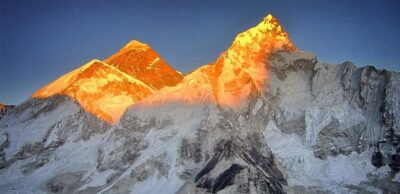
The base camp viewpoint is not the highest or closest point from which to see Everest itself. The next morning’s Kala Patthar climb is included because it gives the stronger mountain panorama. Base camp is the symbolic goal, while Kala Patthar is often the better place for a clear Everest view.
The schedule is ambitious. You should expect a slow pace, cold conditions, and a long effort at high altitude. A medical kit and required medicine are included, but emergency rescue is not. Travel insurance that covers trekking and altitude-related evacuation is essential, not optional in practical terms.
Kala Patthar at sunrise
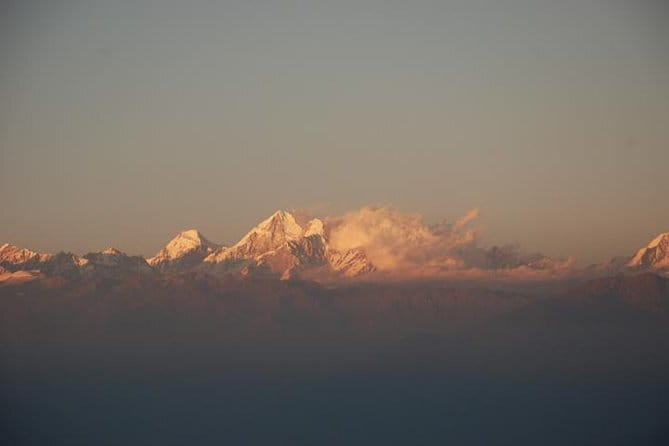
Day 10 begins early, with tea before the climb to Kala Patthar. You reach the top for a sunrise and mountain view, take photographs, spend a short time there, and return to Gorak Shep for breakfast. After breakfast, the route turns downhill.
This early start is worthwhile because mountain visibility can change during the day. The walk itself is short by expedition standards, but the altitude makes it demanding. At around 5,450 meters, even a modest climb can feel like a major effort.
You then continue down from Gorak Shep toward lower settlements. The descent helps, but do not assume it will be easy. Tired legs, loose ground, and the previous day’s base camp walk can make this section feel longer than the distance suggests.
The return through Namche and Lukla
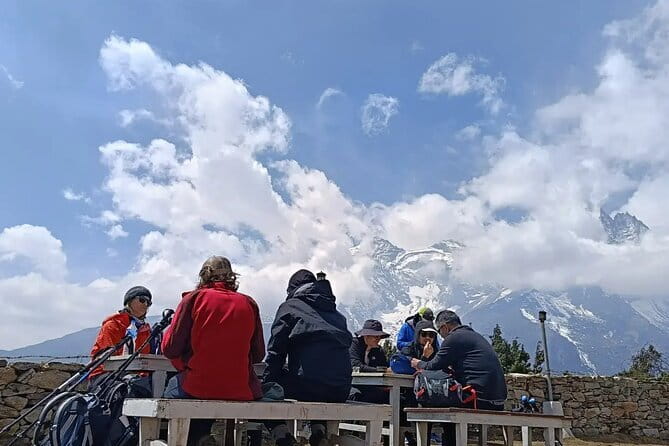
Day 11 takes you back toward Namche Bazaar, passing Pangboche and Tengboche. Lunch is planned at Phortse Tanga, with about six hours of walking. Reaching Namche brings a psychological lift because the worst altitude is behind you and the town offers a more social stop than the high lodges.
The itinerary mentions bars and pubs in Namche. Drinks are not included, so any evening there comes from your own budget. If you choose to celebrate, remember that alcohol can make recovery and hydration harder after a demanding trek.
Day 12 is the final trekking day, with about seven to eight hours from Namche to Lukla and lunch in Phakding. It is a long finish. The route is mostly downhill overall, but the distance and accumulated fatigue still matter.
The plan includes a celebration in Lukla and a chance to thank the porters. That is a good part of the trip’s social rhythm, but tips are listed as compulsory and should be planned in advance. Porters do much of the work that makes the route possible, so your budget should recognize their role.
Return to Kathmandu and the final morning
On Day 13, you go to the airport after breakfast, depending on the flight schedule. Once you reach Kathmandu, a private driver transfers you to your hotel, where the plan allows a full rest day. Breakfast is provided.
This buffer is useful. If the Lukla flight is delayed, the whole schedule can shift, and you should avoid booking an international departure on the same day without a strong backup plan. The itinerary does not promise an extra weather contingency day, so build one into your own Nepal visit if your flight home is important.
Day 14 is departure day, with breakfast provided before you fly home. The trip ends where it began, in Kathmandu, with the option to return to Nepal for another trek or tour.
The main risks and limits
The biggest issue is altitude, not distance alone. You reach nearly 5,500 meters and spend several days walking above 4,000 meters. The company requires strong physical fitness, and that requirement should be taken seriously.
A previous participant in the wider company program was unable to reach base camp because of altitude sickness. That is not a failure. Turning around is the correct decision when symptoms become dangerous. You should be prepared to follow your guide’s advice, even if it means missing the main goal.
You also pay for personal expenses, bar bills, extra meal items, tips, Nepal’s entry visa, international flights, departure tax, travel insurance, and emergency rescue. Confirm exactly what your insurance covers before you leave home.
The private format is another point to weigh. Your group travels on its own rather than joining a larger shared departure. That can make the pace and decisions more personal, but it can also mean less built-in social variety and less flexibility if one member struggles.
Who should book this trek?
I would recommend this trek to you if you want a structured Everest Base Camp route with flights, porters, permits, meals, and local staff arranged in one package. It suits someone who values support and a private group more than independent planning.
It is a good fit for a physically active person who accepts basic high-altitude conditions and understands that the schedule can change. The two acclimatization days, the Nangkartshang hike, and the Kala Patthar climb make the plan stronger than a rushed itinerary.
I would be cautious if you have little mountain walking experience, limited time around your international flights, or no insurance that covers evacuation. I would also ask for the exact accommodation plan, guide assignment, meal details, and weather backup before paying.
FAQ
How long is the Everest Base Camp Trek?
The experience lasts approximately 14 days, including arrival and departure days in Kathmandu, the Lukla flights, the trek to base camp, the return walk, and the trip back to Kathmandu.
What is included in the price?
The price includes government and park fees, government tax and VAT, a licensed guide, required porters and their expenses, a medical kit with required medicine, Kathmandu airport pickup, private airport transfers, return flights between Kathmandu and Lukla, 13 breakfasts, 13 dinners, and 11 lunches.
Is airport pickup included?
Yes. Airport pickup on arrival and private transportation are included. A representative meets you at Tribhuvan International Airport.
How high is Everest Base Camp?
Everest Base Camp is listed at an elevation of 5,463 meters above sea level. Its location changes as the Khumbu Glacier moves.
Is Kala Patthar included?
Yes. The itinerary includes an early morning hike to Kala Patthar at about 5,450 meters for sunrise and mountain views.
Do I need strong physical fitness?
Yes. The experience states that you should have a strong physical fitness level. The route includes long walking days, high altitude, suspension bridges, and an ascent to around 5,000 meters for the Nangkartshang Hill hike.
Are travel insurance and rescue included?
No. Travel insurance is not included, and emergency rescue operations are also excluded. You must arrange suitable travel insurance yourself.
Can I cancel for a full refund?
You can cancel for a full refund if you cancel at least 24 hours before the experience start time. Cancellations or changes made less than 24 hours before the start are not refunded or accepted. If poor weather or insufficient numbers cause the experience to be canceled, you are offered another date or experience, or a full refund.
Should you book it?
Book this trek if you want a well-supported route to Everest Base Camp and value having the flights, staff, permits, meals, and transfers handled for you. The two acclimatization days and Kala Patthar sunrise are strong features, and the company’s feedback gives particular weight to guide care, safety, encouragement, and porters who help make the trip manageable.
Before booking, confirm the assigned guide, accommodation details, insurance requirements, tip expectations, and weather plan. At $1,680, the package offers solid practical value, but the mountain still sets the rules. You should choose it only if you are ready for serious altitude, long days, and the possibility that reaching base camp may not be the right decision for your health.
Just added around Everest Region
- Day Tour to Everest Base Camp By Helicopter★ 5.0 · 16 reviews
- Kathmandu To Lukla By Helicopter Flight★ 5.0 · 6 reviews
- Luxury Everest Base Camp Trek – 11 Days★ 5.0 · 9 reviews
- Everest Base Camp Tour & View Point by Helicopter from Katmandu★ 5.0 · 3 reviews
- Everest base camp helicopter tour with Guarenteed Landing★ 4.0 · 7 reviews
- Everest base camp flight over by Helicopter from Kathmandu★ 5.0 · 10 reviews
- Everest Base Camp Helicopter Tour Stop at Hotel Everest View.★ 5.0 · 17 reviews
- Everest Base Camp Helicopter Tour★ 5.0 · 24 reviews
Everest Base Camp Treks, compared.
Everest Base Camp Trek with Helicopter Return from Gorakshep to Lukla
Read our review →Browse the lists this tour appears in