
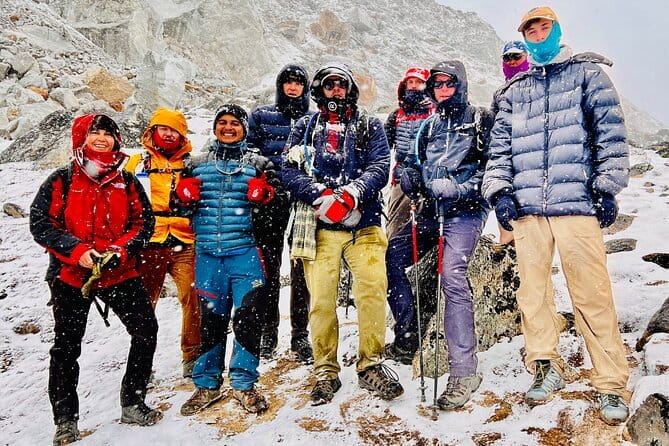
Reviewed · EVEREST BASE CAMP TREKS
14 Days Everest Base Camp Trekking
The best part of this 14-day Everest Base Camp trek is its steady climb through changing country: forest and suspension bridges near Lukla, Sherpa villages around Namche, bare high-altitude valleys, and finally the Khumbu Glacier. You get the big Himalayan drama, but also daily contact with the communities that make the route feel human.
I like the two built-in acclimatization days, especially the one in Namche and the second in Dingboche. I also like that the $1,420 price includes domestic flights, permits, meals during the trek, a guide, porters, lodging, and ground transport. The main caution is the altitude and workload: this is a serious hike, with long days and sleeping above 5,000 meters near Everest Base Camp.
Key points to know before you book
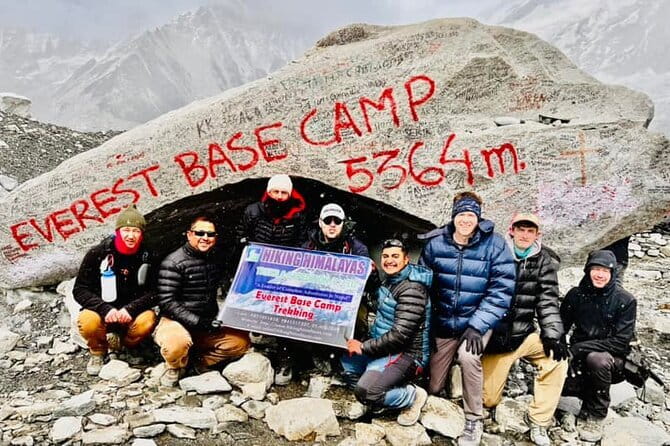
- The route reaches Everest Base Camp at 5,364 meters: You also climb Kala Patthar at 5,565 meters for one of the finest Everest viewpoints.
- Two acclimatization days are built in: Namche and Dingboche give your body time to adjust before the higher sections.
- Flights to Lukla save several days: The trek begins at 2,850 meters instead of requiring a long road approach.
- The price covers the main trekking costs: Flights, permits, twin-sharing lodges, meals, a guide, porters, and airport transfers are included.
- The route uses teahouse lodging: You stay in the best available twin-sharing lodges, with hot showers costing extra.
- The group is private: Only your own party takes part, with an English-speaking guide and porter support.
What the $1,420 price really covers
At first glance, $1,420 is not a small amount. For a 14-day Himalayan trek, though, the package covers many of the expenses that can quickly add up on your own.
You receive airport and hotel transfers in a private vehicle, round-trip flights between Kathmandu and Lukla, trekking permits, twin-sharing lodge accommodation, meals during the trek, and an English-speaking certified guide. Porter support is also included at a ratio of one porter for every two trekkers.
That last point matters. You still carry a daypack, but a porter handles the heavier load. The guide’s food, lodging, insurance, and related costs are included too, along with government taxes, a first-aid kit, a trekking map, and an achievement certificate.
You will need to budget separately for Kathmandu accommodation and food, listed at $45 per day, plus international airfare, travel insurance, a Nepal entry visa, drinks, snacks, hot showers, personal equipment, and tips. A 30-day Nepal visa is available on arrival for $40.
The value is strongest if you want the logistics handled in one booking. You are not paying only for a walking route. You are paying for domestic flights, staff, permits, local transport, and a planned pace at altitude.
More Everest Base Camp treks:
- Everest Base Camp Trek – 14 Days
★ 5.0 · 1,499 reviews - Everest Base Camp Trekking
★ 5.0 · 485 reviews - Everest Base Camp Trekking – 13 Day
★ 5.0 · 365 reviews
Days 1 and 2: Kathmandu to Lukla and Phakding
The trip begins with your arrival at Tribhuvan International Airport in Kathmandu. Airport pickup is arranged, and the first day allows time to settle in before the mountain section begins.
Day two brings the short flight to Lukla, where the runway sits at 2,850 meters on steep mountain terrain. The flight itself is part of the experience, with Himalayan views possible on a clear day, though mountain flights are naturally more dependent on conditions than ordinary city-to-city travel.
From Lukla, you meet the trekking crew and follow the Dudh Koshi Valley toward Phakding. The overnight stop is at about 2,656 meters. This first walking day introduces the route without pushing you immediately into the highest elevations.
The stated schedule allows up to 10 hours for the day, so do not mistake the lower altitude for an easy stroll. Your actual pace will depend on the group, trail conditions, and flight timing.
Days 3 and 4: Namche Bazaar and your first acclimatization
From Phakding, you cross and recross the river on suspension bridges before reaching Monjo and the entrance to Sagarmatha National Park. This protected area was created to help preserve the fragile mountain environment, and the trail soon begins to feel more remote and rugged.
Namche Bazaar sits between two ridges at roughly 3,440 meters. It is the busiest settlement on the route, with lodges, tea shops, and stores. That makes it a useful place to rest, but do not expect a quiet mountain hamlet. Namche is a working Sherpa town and a key supply point for the upper valley.
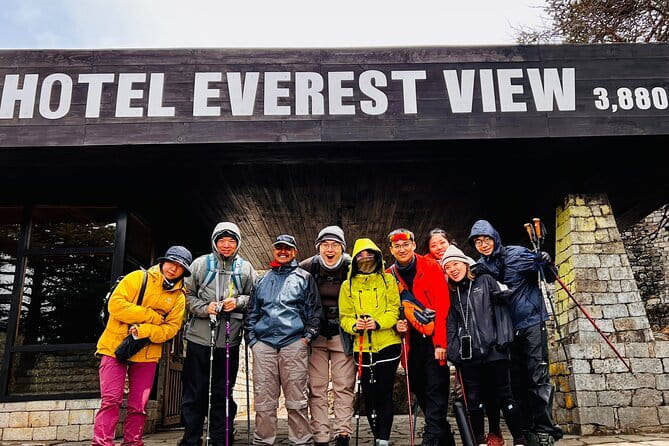
Day four is set aside for acclimatization. The itinerary includes an excursion to the Everest View Point, giving you a reason to walk higher without sleeping higher. This is a smart use of time. The goal is not simply to collect distance, but to help your body adjust before the route climbs toward 5,000 meters.
I like this pause because it keeps the schedule from becoming a race. Use it for a gentle walk, a slow meal, and time to notice how your body responds. Headaches, unusual fatigue, or nausea deserve attention from your guide.
Day 5: Namche to Tengboche
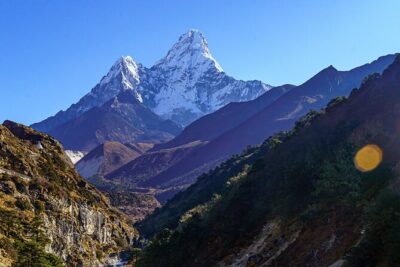
Leaving Namche, the trail contours along the valley above the Dudh Koshi. This is where the views become especially rewarding, with Everest, Lhotse, Nuptse, and Ama Dablam appearing among the major peaks.
The route passes several villages before reaching Tengboche, written as Tyangboche in the schedule. The village is known for its monastery setting and broad mountain views. At about 3,860 meters, it is also a meaningful gain in elevation from Namche.
The day is listed at up to 10 hours. Expect a mix of gradual trail and steeper sections rather than a smooth climb. Your guide can help set a pace that leaves enough energy for the next morning.
More trekking days out of Everest Region:
- Everest Base Camp Trek -14 Days
★ 5.0 · 321 reviews - Everest Base Camp Trekking – 2025/2026
★ 5.0 · 199 reviews - Everest Base Camp Trek
★ 5.0 · 193 reviews - Everest Base Camp Trek with Helicopter Return from Gorakshep to Lukla
★ 5.0 · 161 reviews
Day 6: Pangboche and Dingboche
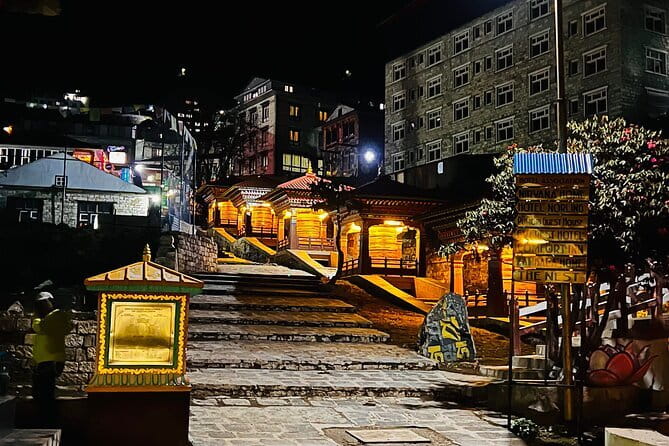
The trail descends through forest before crossing the Imja Khola and climbing to Pangboche at about 3,985 meters. The village faces Ama Dablam, and the setting includes a gompa, mani walls, and traditional mountain details that give the walk more character than a simple point-to-point hike.
You continue toward Dingboche, a settlement at roughly 4,410 meters. The forest becomes less common as the route moves into colder, more open country. The change is gradual, but you will feel that the high-altitude section has begun.
Again, the listed walking time reaches 10 hours. At this elevation, distance matters less than effort. A slow pace, regular water breaks, and attention to your breathing are more useful than trying to keep up with a faster companion.
Day 7: A second acclimatization day in Dingboche
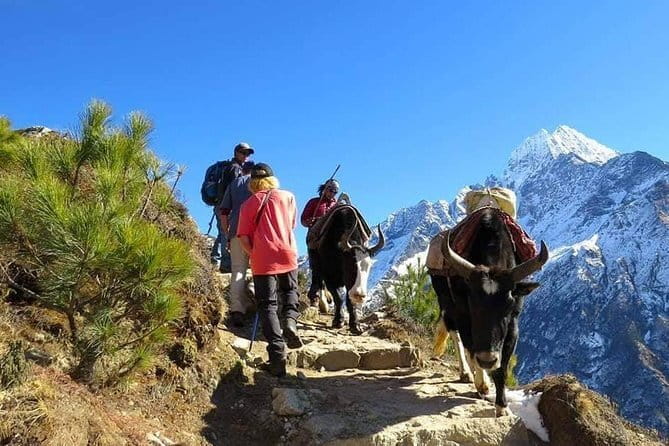
Dingboche provides the trek’s second main rest day. The plan includes a walk toward Tshola Tsho, a lake at about 4,510 meters, with views toward the steep walls of Cholatse and Taboche.
You may also climb toward Nagarjun, reaching about 5,100 meters. This is a strong acclimatization outing because you climb higher during the day and return to sleep at Dingboche. The schedule gives you a chance to see the upper valley without adding another overnight gain.
This day can feel harder than the word rest suggests. At more than 4,000 meters, even a modest uphill walk can leave you short of breath. I would treat the optional higher walk as a useful tool, not a test of strength. Tell your guide how you feel rather than trying to prove anything.
Days 8 and 9: Lobuche, Gorakshep, and Everest Base Camp
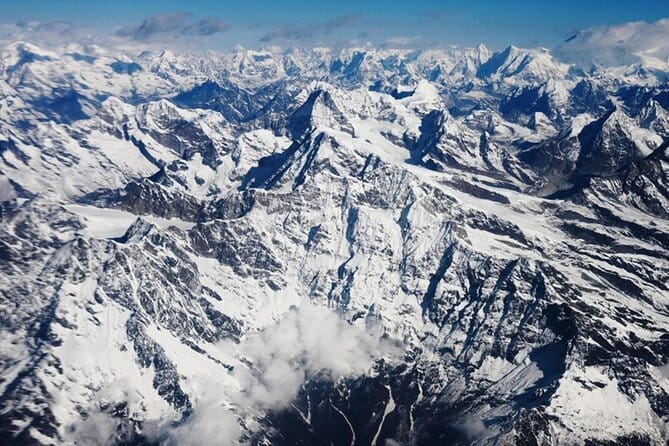
From Dingboche, the trail follows a wide valley below Cholatse and Tawache. A steep climb near the foot of the Khumbu Glacier leads to Duglha, around 4,620 meters, where the teahouse makes a practical lunch stop.
You then continue to Lobuche. The scenery becomes stark and powerful, with fewer trees and more exposed rock, ice, and high peaks. This section is not the prettiest in a conventional sense, but it gives you a clear sense of how severe the upper Khumbu can be.
The next day brings Gorakshep at approximately 5,164 meters. The route follows the Khumbu Glacier, rising around tributary ice and rough trail. The listed schedule gives one hour for the first section, then up to seven hours for the trip to Everest Base Camp and back. Treat this as a demanding day at extreme altitude.
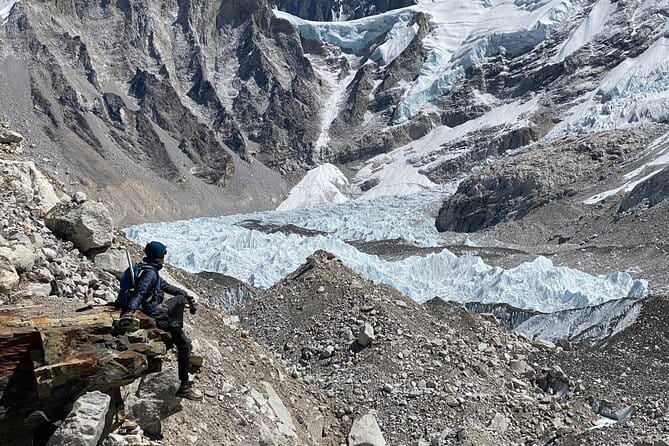
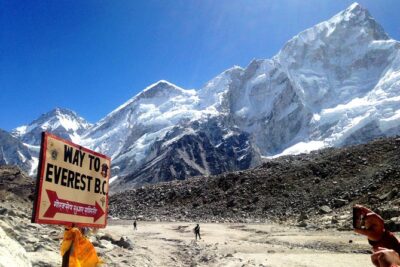
Everest Base Camp sits at about 5,364 meters. The trail weaves past ice pinnacles and crevasses of the Khumbu Glacier, and the approach is more about glacial terrain than a single dramatic viewpoint. You are at the foot of the route used by Everest expeditions, but Everest itself may not appear in the way first-time visitors expect from Base Camp.
The combination of cold, altitude, and a long return makes this one of the trek’s hardest stages. Your guide is especially important here. Previous groups have been led by guides including Hari and Kapil, both named in connection with careful pacing and support. The operator has also used Namo as a guide on family trips.
Day 10: Kala Patthar and the descent to Pheriche
The early climb to Kala Patthar is one of the major rewards of the route. At 5,565 meters, it gives you a broad view toward Everest, Nuptse, Ama Dablam, Pumori, Lola, and Lhumbutse.
The start is early because morning conditions often offer the clearest mountain views, but the altitude makes this climb slow. It is not a casual viewpoint walk. You will likely be breathing hard, and the cold can make the climb feel longer than the map suggests.
After Kala Patthar, the route descends through Gorakshep and Duglha toward Pheriche. The downhill direction helps, but your legs may be tired after the previous day and the morning climb. The stated walking time is up to 10 hours, so this remains a full day even though you are losing elevation.
Days 11 and 12: Back through Tengboche, Namche, and Lukla
The return route follows the river and climbs back through birch and rhododendron forest to Tengboche. You see many of the same peaks from different angles, including Everest, Nuptse, Lhotse, Ama Dablam, Kantega, and Thamserku.
The trail then continues toward Namche Bazaar. Descending usually feels easier on the lungs, but long downhill sections can be tiring on knees and ankles. Trekking poles and well-broken-in boots are useful personal equipment, though the package does not provide gear.
On day 12, you follow the Dudh Kosi down to Lukla. The final evening includes a celebration with the Sherpa guide team, a fitting close to the walking portion of the trip. It is also a practical reminder that the people supporting the trek are part of the experience, not just background logistics.
Days 13 and 14: Returning to Kathmandu
You leave early for the Lukla airstrip and fly back to Kathmandu. Once you land, the rest of the day is free for shopping, packing, postcards, or additional plans.
The final day includes transport to Tribhuvan International Airport for your flight home. The company also notes that you can extend your Nepal stay with activities such as national park game drives, white-water rafting, a Tibet tour, or mountain biking, though those options are not part of this price.
Lodges, meals, and practical comfort
Accommodation during the trek is in the best available twin-sharing lodges. This is classic teahouse trekking, not a hotel-based holiday. You should value the location and the chance to rest more than polished facilities.
Breakfast, lunch, and dinner during the trekking portion are included, along with seasonal fruit. Drinks, snacks, and hot showers cost extra, with hot showers listed at $5 per person. Bring enough personal equipment for changing conditions, since trekking gear is not included.
The inclusion of one porter for two trekkers is a practical advantage. You will still need a daypack with items you may want during the day, but the heavier load is shared with the porter team.
Who this trek suits best
This trip suits you if you want the classic Everest Base Camp route with a private group, an English-speaking guide, and the major logistics arranged in advance. It is also a good fit if you prefer a slower schedule with acclimatization days rather than a compressed itinerary.
You need a strong level of physical fitness. The itinerary includes multiple 10-hour days, high passes of effort even when the route is not technically difficult, and sleeping above 5,000 meters. The company does not present this as an easy walk, and you should not book it as one.
It can work for families with strong preparation. Kapil and Namo have guided a family group, but the altitude, cold, and long walking days still require careful thought about each child’s fitness and attitude.
The private format is useful if your group wants to set its own pace and have direct contact with the guide. It may be less suitable if you prefer a social group with a fixed mix of fellow hikers.
Booking, pickup, and cancellation details
Pickup is offered from Tribhuvan International Airport in Kathmandu, with the meeting time listed as 6:15 a.m. Confirmation is received at booking, and the activity is available as a mobile ticket.
Free cancellation is available up to 24 hours before the start time. Changes or cancellations made less than 24 hours before the local start time are not refundable.
Should you book this Everest Base Camp trek?
I would choose this trek if you want the full classic route, built-in acclimatization, porter support, and a price that includes the costly Lukla flights and permits. The strongest parts are the thoughtful schedule, the private format, and the staff structure, with guides such as Hari, Kapil, and Namo connected to past successful trips.
I would pause before booking if you dislike long walking days, basic lodge accommodation, extra charges for showers and drinks, or uncertainty around mountain flights. You also need travel insurance and personal trekking equipment, which can raise your total cost.
For a fit hiker who wants Everest Base Camp without arranging every permit, flight, meal, and porter separately, this is a well-priced and sensible package. Just respect the altitude, listen to your guide, and allow the mountains to set the pace.
FAQ
How long does the Everest Base Camp trek last?
The trip lasts approximately 14 days, including arrival in Kathmandu, the trek from Lukla, the return flight to Kathmandu, and airport transfer for departure.
What is included in the $1,420 price?
The price includes private ground transfers, twin-sharing lodge accommodation during the trek, round-trip Kathmandu to Lukla flights, permits, meals during the trek, an English-speaking certified guide, porter support, seasonal fruit, a first-aid kit, a trekking map, an achievement certificate, taxes, and office service charges.
Are meals included during the trek?
Yes. Breakfast, lunch, and dinner are included during the trekking portion, along with seasonal fruit. Drinks, snacks, and food in Kathmandu are not included.
Is accommodation in Kathmandu included?
No. Kathmandu food and accommodation are listed separately at $45 per day.
How high does the route go?
Everest Base Camp is at about 5,364 meters, and the Kala Patthar viewpoint reaches about 5,565 meters.
Are flights to Lukla included?
Yes. Round-trip domestic flights between Kathmandu and Lukla, including departure taxes, are included.
Do I need strong physical fitness?
Yes. The tour information states that you should have a strong physical fitness level. The route includes several days listed at up to 10 hours of walking and reaches very high altitude.
What happens if I need to cancel?
You can cancel for a full refund up to 24 hours before the experience start time. Cancellations or changes made less than 24 hours before the local start time are not accepted for a refund.
Just added around Everest Region
- Day Tour to Everest Base Camp By Helicopter★ 5.0 · 16 reviews
- Kathmandu To Lukla By Helicopter Flight★ 5.0 · 6 reviews
- Luxury Everest Base Camp Trek – 11 Days★ 5.0 · 9 reviews
- Everest Base Camp Tour & View Point by Helicopter from Katmandu★ 5.0 · 3 reviews
- Everest base camp helicopter tour with Guarenteed Landing★ 4.0 · 7 reviews
- Everest base camp flight over by Helicopter from Kathmandu★ 5.0 · 10 reviews
- Everest Base Camp Helicopter Tour Stop at Hotel Everest View.★ 5.0 · 17 reviews
- Everest Base Camp Helicopter Tour★ 5.0 · 24 reviews
Everest Base Camp Treks, compared.
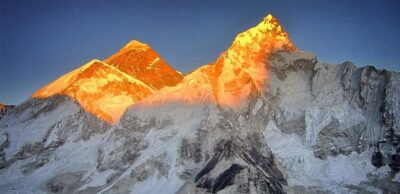
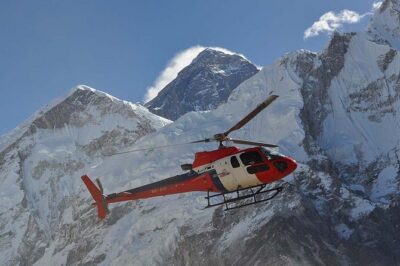
Everest Base Camp Trek with Helicopter Return from Gorakshep to Lukla
Read our review →Browse the lists this tour appears in