
Reviewed · EVEREST BASE CAMP TREKS
From Kathmandu: Guided Everest Base Camp Trek
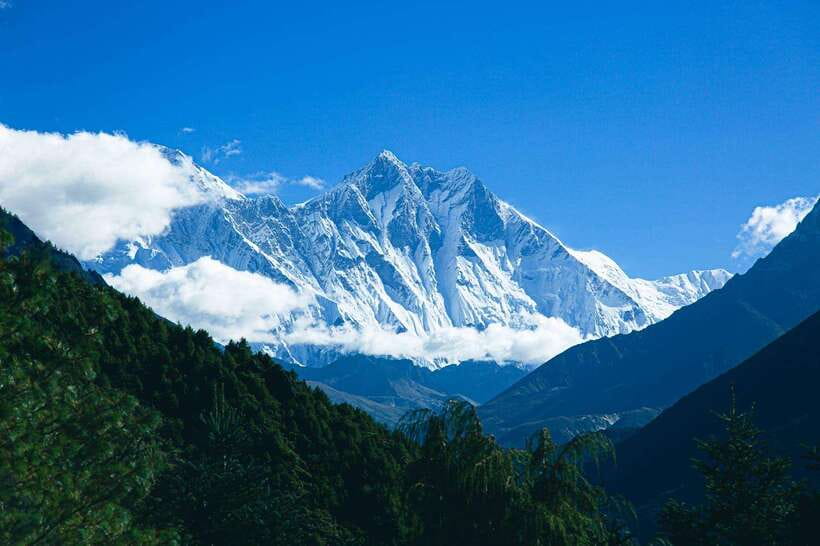
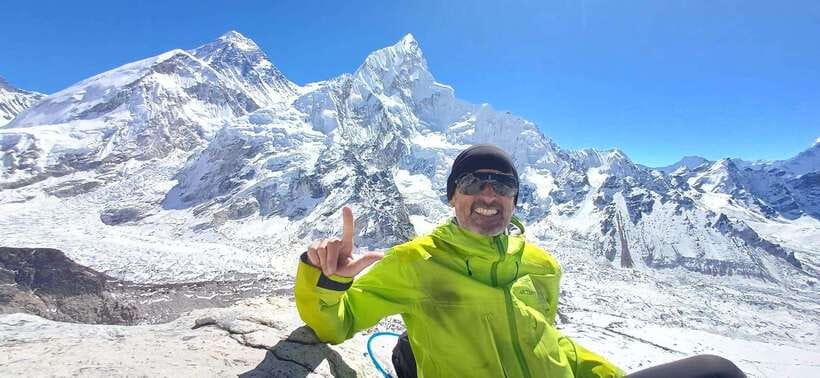
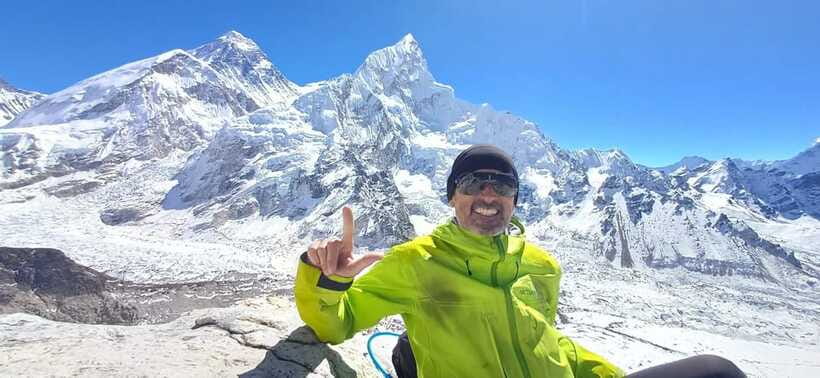
The big draw here is simple: in 12 days, you walk from the small airstrip at Lukla to Everest Base Camp, passing prayer wheels, suspension bridges, Sherpa villages, and some of the world’s highest peaks. Kala Patthar adds the best high viewpoint, with Everest, Lhotse, Nuptse, and the Khumbu glaciers in view.
I like the careful two-day acclimatization plan in Namche Bazaar and Dingboche. I also like the human side of the trek: guide Saran has helped tired hikers with heavy packs, photographs, and steady health checks, while guide Prayas has been praised for clear English and practical support.
The main consideration is the altitude and the hard walking. You reach 5,365 meters at Base Camp and 5,545 meters at Kala Patthar, so this is not a casual mountain holiday. The $408 price is attractive, but check which options are included, since flights and full-board food may depend on the package you choose.
Key points at a glance
- Two useful acclimatization stops: Spend a full day in Namche Bazaar and another in Dingboche before the highest sections.
- The classic high-altitude route: Reach Gorak Shep, Everest Base Camp, and Kala Patthar in the final mountain section.
- Strong guide support: Saran and Prayas are named guides connected with this experience, with help available for health concerns and difficult walking.
- Culture beyond the peaks: Visit Tengboche Monastery, see Sherpa villages, and learn about Buddhist customs in the Khumbu region.
- A small-group option: Small groups are available, which may make communication and pacing easier.
- A low headline price: The listed cost is $408 per person, but confirm flight and full-board selections before paying.
Why the Everest Base Camp route still earns its reputation
Everest Base Camp is famous for the mountain views, but the route works because the scenery changes almost every day. You begin around Lukla and Phakding, where the trail feels more settled and green, then move through forests, river valleys, high villages, and rough glacial terrain.
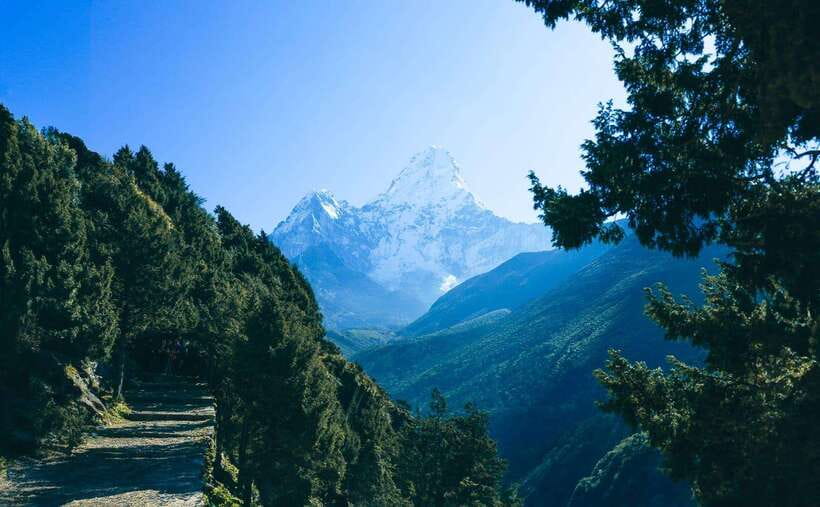
You’ll see Everest, but it is not always the most visually dominant peak. Ama Dablam, Lhotse, and Nuptse often command just as much attention. The route also brings you close to Buddhist monasteries and Sherpa communities, giving the trek a cultural purpose as well as a physical one.
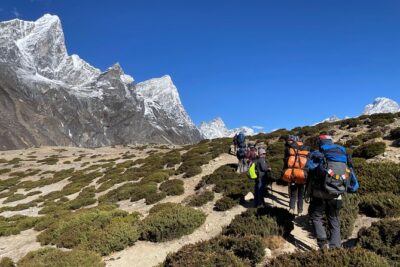
The experience is demanding, with steep climbs, rocky paths, suspension bridges, and repeated descents that can be hard on your knees. That is why the built-in rest days matter. A guide can help you keep a steady pace, notice early signs of altitude trouble, and adjust the day when needed.
More Everest Base Camp treks:
- Everest Base Camp Trek – 14 Days
★ 5.0 · 1,499 reviews - Everest Base Camp Trekking
★ 5.0 · 485 reviews - Everest Base Camp Trekking – 13 Day
★ 5.0 · 365 reviews
Day 1: Lukla to Phakding starts the long walk
Your first day begins with a flight from Kathmandu to Lukla if the flight option is selected. From Lukla, you trek to Phakding at about 2,610 meters.
This is a useful opening day because it is shorter and lower than the stages ahead. You get your first look at the Khumbu route without immediately pushing toward extreme altitude. The walk introduces the rhythm of the trek: steady movement, mountain paths, village stops, and changing views.
Do not treat this day as easy sightseeing. You are already beginning a multi-day climb, and a relaxed pace is wise. Keep your day pack light and save energy for Namche.
Day 2: The trail climbs toward Namche Bazaar
The route from Phakding to Namche Bazaar reaches about 3,440 meters. This is one of the first days when the trek feels serious, with more climbing and a clear change in altitude.
Namche is often called the gateway to the Everest region. I like it as a stopping point because it is not only a place to sleep. You can look around the market town, see local crafts, and get a first feel for Sherpa life before the route becomes more remote.
The climb into Namche can be tiring, especially if you are still adjusting to the height. A guide is useful here for keeping the group together and helping you avoid the common mistake of walking too fast early in the trip.
Day 3: Namche gives your body time to adjust
The full acclimatization day in Namche is one of the smartest parts of this schedule. You stay at about 3,440 meters rather than gaining height for another long stage.
Use the day to walk gently, enjoy the views, and prepare for the higher villages. You can shop for local crafts and spend time noticing the mix of trekkers, porters, guides, and local residents. The town is a good place to ask your guide about the days ahead.
This is also where the personal support of a guide can matter. Saran has been praised for checking on a hiker’s condition each day and helping when fatigue became severe. That does not remove the risks of altitude, but it gives you a better safety net than walking the route alone.
More trekking days out of Everest Region:
- Everest Base Camp Trek -14 Days
★ 5.0 · 321 reviews - Everest Base Camp Trekking – 2025/2026
★ 5.0 · 199 reviews - Everest Base Camp Trek
★ 5.0 · 193 reviews - Everest Base Camp Trek with Helicopter Return from Gorakshep to Lukla
★ 5.0 · 161 reviews
Day 4: Tengboche combines mountain views and Buddhist life
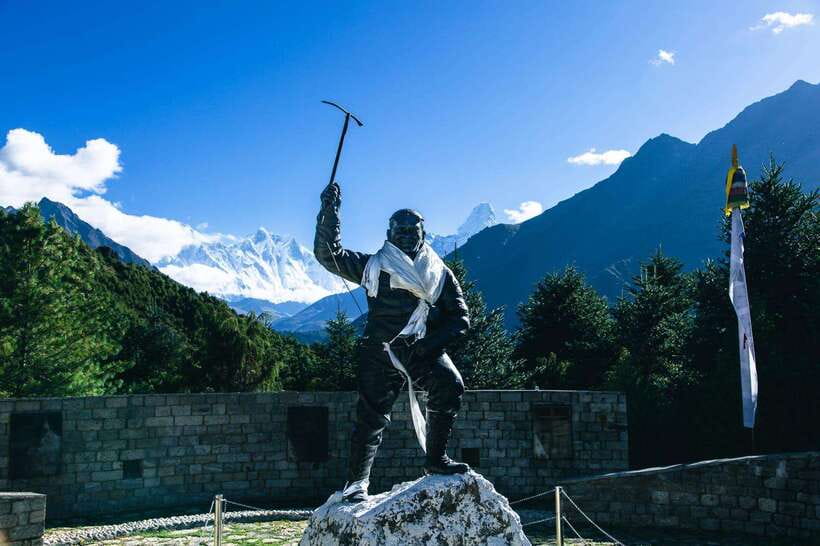
The trek continues to Tyangboche, also written as Tengboche, at about 3,800 meters. The main attraction is Tengboche Monastery, an important Buddhist site with broad views toward the Everest range.
This stop adds depth to the trip. You are not simply ticking off altitude numbers. You can see prayer practices, visit the monastery, and learn more about the beliefs that shape daily life in the Khumbu.
The day also has a physical cost. You are now higher, and the trail includes climbs and descents. Give yourself time at the monastery and do not rush through the stop just to reach the lodge early. The setting is one of the route’s best combinations of culture and mountain scenery.
Day 5: Dingboche marks the high mountain section
Dingboche sits at about 4,400 meters. The route here feels more exposed and rugged than the lower stages, with fewer trees and a sharper sense that you are entering high country.
This is a key turning point. Some people feel fine at this height, while others notice headaches, poor sleep, or a loss of appetite. You should tell your guide about any symptoms rather than trying to hide them to keep up with the group.
The village is also culturally interesting. As you move through the Khumbu, you have chances to see local communities, monasteries, and traditional clothing. One highlight of the experience is learning about Sherpa customs through visits and contact with local people, not just looking at the mountains from the trail.
Day 6: A second rest day in Dingboche
The Dingboche rest day gives you another chance to acclimatize before the route climbs above 4,900 meters. It is not a wasted day. At this altitude, rest is part of the route plan.
You may take a short walk, spend time around the village, or simply recover. The exact activity is not specified, so ask your guide what pace is best for the group that day.
This is also a good point to check your equipment, refill what you need, and make sure your clothing is working for changing conditions. The final stages are higher, colder, and more tiring than the opening days.
Days 7 and 8: Lobuche, Gorak Shep, and Everest Base Camp
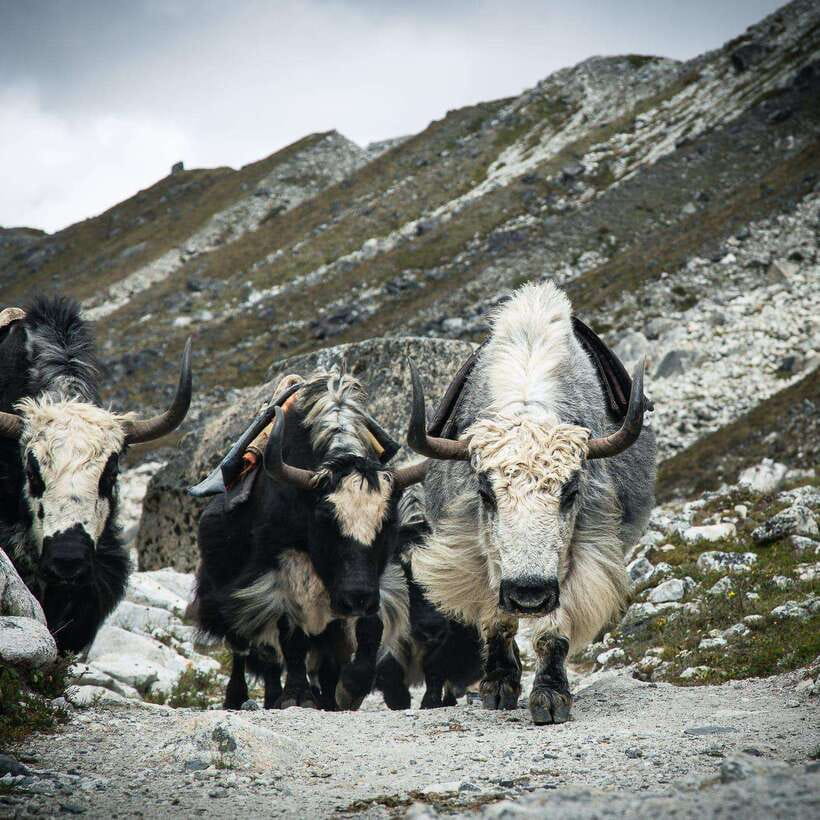
Day 7 takes you to Lobuche at about 4,900 meters. The walking becomes harder as the route moves across rocky high-altitude ground. You may feel that every climb takes longer than expected, which is normal at this elevation.
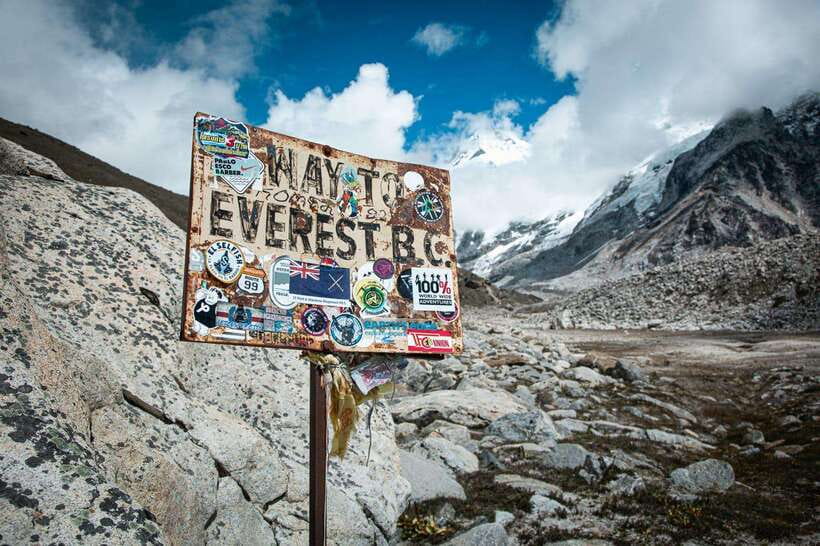
Day 8 continues to Gorak Shep at about 5,150 meters, then on to Everest Base Camp at roughly 5,365 meters. Gorak Shep is the final settlement before Base Camp and serves as the launch point for this major goal.
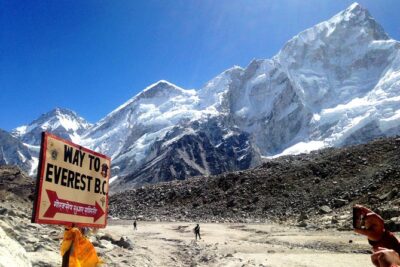
Everest Base Camp itself is a powerful destination, but keep your expectations realistic. The views focus on the Khumbu Icefall, glaciers, and surrounding peaks. You do not get the classic full view of Everest from Base Camp itself, which is why Kala Patthar is included the next day.
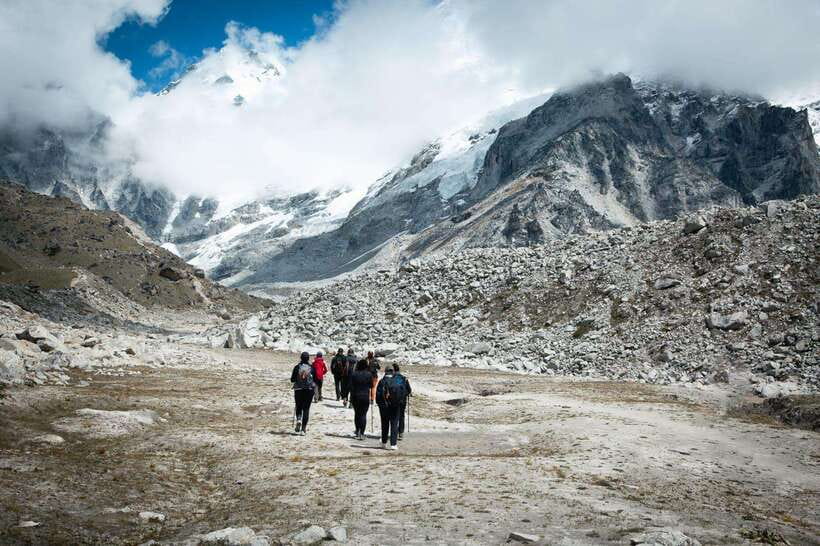
This section is physically tough. The route has rocky trails and glacial moraine, and the thin air makes a normal walking pace feel slow. A guide who monitors your health is especially valuable here. One guide connected with the trek, Saran, has helped a struggling hiker by carrying a heavy pack and offering extra support on steep climbs.
Day 9: Kala Patthar gives you the famous Everest view
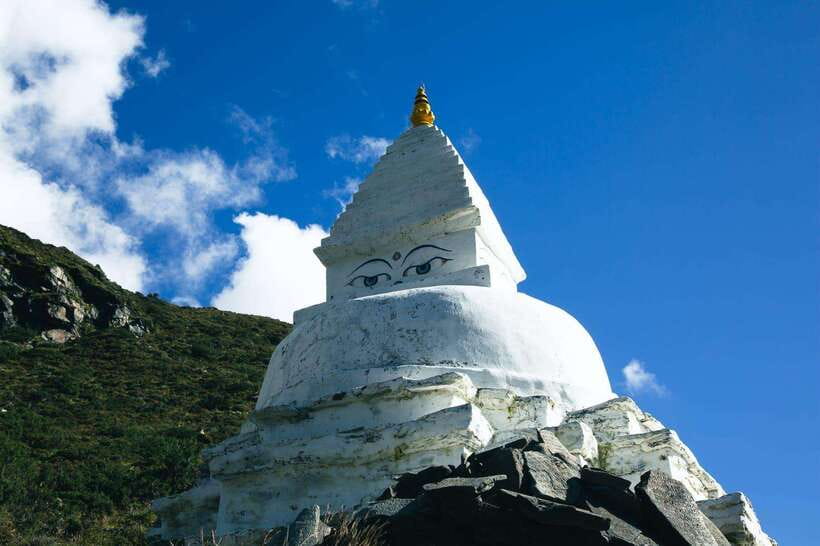
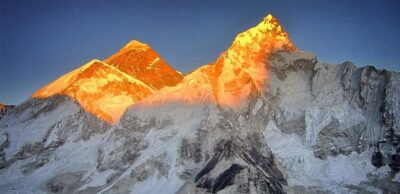
The early climb to Kala Patthar reaches about 5,545 meters, the highest point on this itinerary. The reward is a close view toward Everest and the surrounding peaks, often with the morning light adding sharp contrast to the ridges and glaciers.
This is the viewpoint for the classic Everest panorama. You can see Everest, Lhotse, Nuptse, and the surrounding high peaks from a better angle than at Base Camp. The climb is short compared with the full trek, but the altitude makes it demanding.
After Kala Patthar, you descend to Pheriche at about 4,200 meters. That drop is welcome because lower altitude usually makes breathing and recovery easier. Still, the long day combines an early climb with a substantial descent, so save enough energy for the return.
Days 10 and 11: Returning through Namche to Lukla
Day 10 takes you back to Namche Bazaar at 3,440 meters. The route is familiar in reverse, but the experience changes when you are walking downhill and can look back at the high peaks.
Day 11 continues to Lukla at about 2,800 meters. By this point, your legs may be tired, and the repeated descents can be as uncomfortable as the uphill stages. The reward is the sense that the main physical challenge is behind you.
The return also gives you time to appreciate details you may have missed on the way up. Prayer wheels, village paths, bridges, and mountain views can look different when you know how far you have come.
Day 12: Fly back to Kathmandu
The final day is the return flight to Kathmandu, assuming the round-trip domestic flight option is included in your booking. The return marks the end of a route that has taken you from Lukla to the foot of Everest and back.
Flight arrangements in the mountain region can be an important practical point, so confirm exactly what your selected package covers. The supplied information lists round-trip flights only if that option is selected.
Guide support, group size, and personal care
The English-speaking guide is central to this experience. Saran is specifically associated with strong personal support, including regular health checks, help with heavy bags, photographs, and assistance during steep sections. Prayas is also named as a guide with good English and helpful support, including during illness.
You should not assume that every departure will have the same guide. Ask who will lead your dates, how porter support works, and what happens if you become unwell.
Small groups are available. That can be useful on a route where people naturally walk at different speeds. It may also make it easier to discuss altitude symptoms privately and clearly with your guide.
The package includes accommodation during the trek, the guide’s accommodation and food, a Sagarmatha National Park permit, a trekking map, and a first-aid kit. Food and drinks are included if you select the full-board option, so check the exact package before booking.
Is $408 good value for 12 days?
At $408 per person, the listed price looks strong for a 12-day guided trek to Everest Base Camp. The value comes from the guide, accommodation, park permit, trekking map, first-aid kit, and the planned route with two acclimatization days.
The price needs a close check because the details allow for options. Round-trip Kathmandu to Lukla flights may be included only when that option is selected, and food and drinks may depend on choosing full board. Those extras can change the total cost significantly.
Hotel pickup and drop-off are included, and a welcome and farewell coffee are part of the package. Nepal visa fees and travel insurance are not included. Travel insurance is especially important for a high-altitude trek, so treat it as a necessary trip cost rather than an optional add-on.
Who should choose this trek?
I would point this trip toward someone who wants the classic Everest route with a guide and a clear 12-day structure. It suits a solo participant who wants company and support, especially since small-group departures are available.
It also suits people who value cultural stops as much as mountain photographs. Namche Bazaar, Tengboche Monastery, Sherpa villages, Buddhist customs, and Sagarmatha National Park give the route more texture than a simple walk to Base Camp.
I would be cautious about booking it if you are looking for a relaxed holiday or have not considered the altitude. The route reaches 5,545 meters and includes steep ascents, rough trails, suspension bridges, and long walking days.
You can cancel up to 24 hours before the start for a full refund, and reserve now while paying later. Those policies help with planning, but they do not replace checking your health, insurance, equipment, and flight arrangements.
Should you book this Everest Base Camp experience?
Book it if you want a guided, high-altitude trek with the classic Namche, Tengboche, Base Camp, and Kala Patthar route. The strongest reasons are the sensible acclimatization days, named guides with a record of personal help, and the cultural stops along the way.
Before paying, confirm three things: whether your price includes the Lukla flights, whether full-board food is selected, and which guide will lead your departure. If you understand the physical demands and arrange suitable insurance, this is a well-priced way to take on one of Nepal’s great mountain walks.
FAQ
How long is the Everest Base Camp trek?
The experience lasts 12 days, including the flight from Kathmandu to Lukla, the trek to Everest Base Camp, the return to Lukla, and the flight back to Kathmandu.
Where does the trek begin?
The trekking section begins in Lukla after flying from Kathmandu, if the round-trip domestic flight option is selected.
What is the listed price?
The listed price is $408 per person. The final cost may depend on selected options, including domestic flights and full-board food.
Are Kathmandu to Lukla flights included?
Round-trip domestic flights are included if the flight option is selected. Confirm the exact package before booking.
Is food included during the trek?
Food and drinks are included if the full-board option is selected. The supplied information does not state that full board is included in every package.
What language does the guide speak?
The live tour guide speaks English.
Are small groups available?
Yes, a small-group option is available.
Which guides are connected with this trek?
Saran and Prayas are named guides associated with this experience. Ask the provider which guide will lead your departure.
What is included in the package?
Included services and items can include hotel pickup and drop-off, selected round-trip domestic flights, trek accommodation, the guide, the guide’s food and accommodation, the Sagarmatha National Park permit, selected food and drinks, a trekking map, a first-aid kit, and welcome and farewell coffee.
Are Nepal visa fees and travel insurance included?
No. Nepal visa fees and travel insurance are not included.
Just added around Everest Region
- Day Tour to Everest Base Camp By Helicopter★ 5.0 · 16 reviews
- Kathmandu To Lukla By Helicopter Flight★ 5.0 · 6 reviews
- Luxury Everest Base Camp Trek – 11 Days★ 5.0 · 9 reviews
- Everest Base Camp Tour & View Point by Helicopter from Katmandu★ 5.0 · 3 reviews
- Everest base camp helicopter tour with Guarenteed Landing★ 4.0 · 7 reviews
- Everest base camp flight over by Helicopter from Kathmandu★ 5.0 · 10 reviews
- Everest Base Camp Helicopter Tour Stop at Hotel Everest View.★ 5.0 · 17 reviews
- Everest Base Camp Helicopter Tour★ 5.0 · 24 reviews
Everest Base Camp Treks, compared.
Everest Base Camp Trek with Helicopter Return from Gorakshep to Lukla
Read our review →Browse the lists this tour appears in