
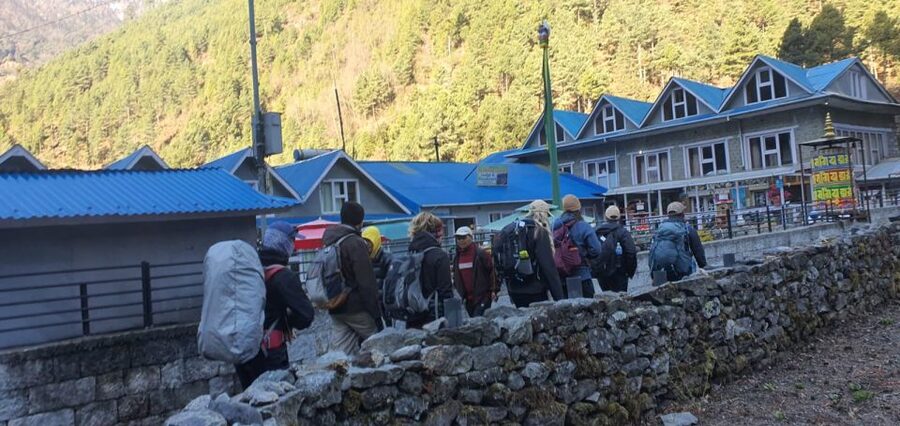
Reviewed · EVEREST BASE CAMP TREKS
Kathmandu: 14-Day Everest Base Camp with Kala Patthar Trek
The real draw here is not simply reaching Everest Base Camp. It is the gradual walk through Sherpa country, from the narrow approach to Lukla airport to the prayer flags, lodges, and mountain views around Namche Bazaar. I like the two built-in acclimatization days, and I like that the price includes flights, permits, guides, and tea-house lodging. The catch is altitude: Kala Patthar reaches 5,545 meters, and the route demands steady walking for many days.
I also like the human side of the trip. Guides such as Anjan and Padam have been praised for careful service, while Hari has been praised for staying reachable and sorting out changing plans. Still, you pay separately for trekking meals, drinks, hot showers, and travel insurance, and bad weather can stop the Lukla flight.
Key points to know before you book
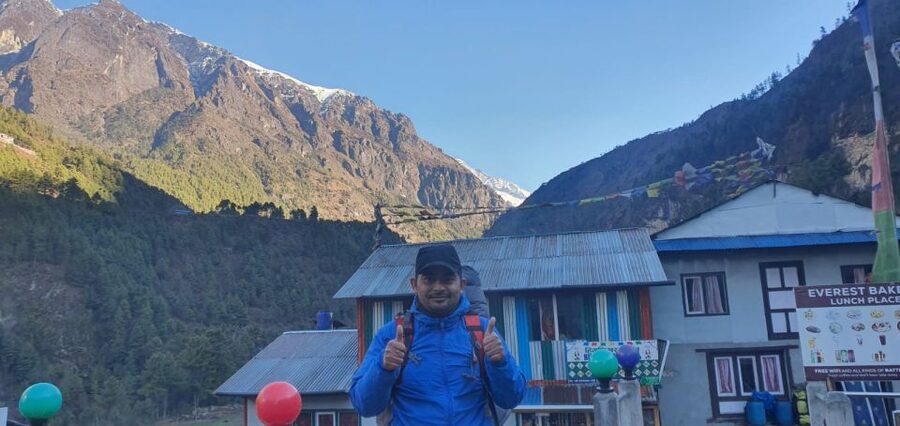
- Lukla starts the real adventure: The flight from Kathmandu lands at 2,850 meters, where the trek begins almost at once.
- Namche is your first major high-altitude stop: You get a dedicated acclimatization day and a two to three-hour excursion.
- Kala Patthar is the high point: At 5,545 meters, it gives you a major Everest view but requires an early, demanding hike.
- Tea-house comfort is basic: Lodging is included, while meals, drinks, and hot showers cost extra.
- The guide can matter greatly: Anjan, Padam, and Hari are names associated with especially attentive service on past departures.
- Weather can alter the plan: Lukla flights may be delayed or canceled, particularly outside the best trekking periods.
Why this 14-day Everest route works
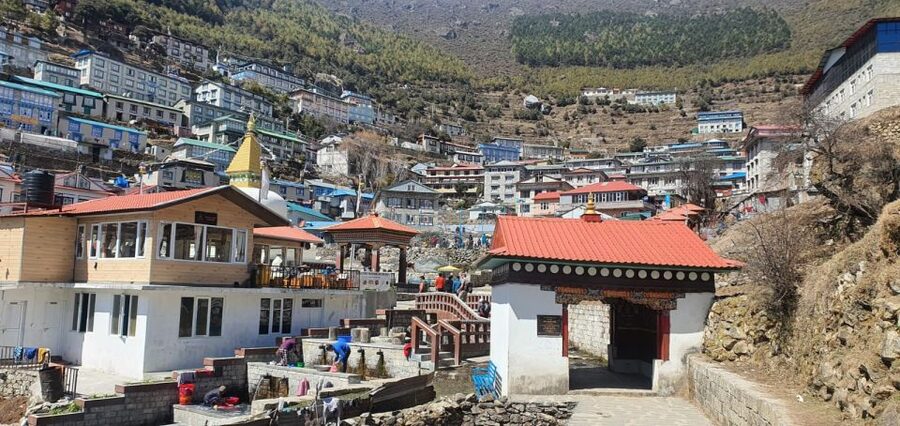
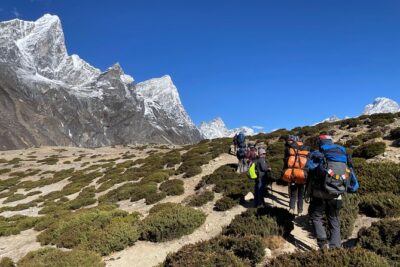
This is a classic high-altitude walking trip with enough time to move upward in stages. You begin in Kathmandu, fly to Lukla, walk to Phakding, and then gain height through Namche Bazaar, Tengboche, Dingboche, Lobuche, and Gorak Shep.
That pacing matters. You are not driven from one viewpoint to another. You spend days walking between settlements, sleeping in lodges, and adjusting to thinner air. The route also gives you two planned rest and acclimatization stops, one in Namche and one in Dingboche.
The $1,296 price is reasonable for what it covers. Domestic flights, airport transfers, permits, two Kathmandu hotel nights with breakfast, a guide, trekking lodging, and guide and porter-related costs are included. You still need to budget for food and drinks during the trek, a porter if required, insurance, and optional hot showers.
I would treat the advertised price as the starting cost, not the final bill. At altitude, you will likely want hot drinks, extra meals, snacks, showers, and perhaps charging services, though the supplied details do not state prices for those extras.
More Everest Base Camp treks:
- Everest Base Camp Trek – 14 Days
★ 5.0 · 1,499 reviews - Everest Base Camp Trekking
★ 5.0 · 485 reviews - Everest Base Camp Trekking – 13 Day
★ 5.0 · 365 reviews
Kathmandu to Lukla at 2,850 meters
Your arrival in Kathmandu is handled with airport pickup and transfer to a hotel. Two nights of standard accommodation with breakfast are included, one at the start and one after you return from the mountains.
The next day brings the Kathmandu to Lukla flight. Lukla is described as one of the world’s most extreme airports, and the flight is part of the experience rather than a minor transfer. Once you land at 2,850 meters, you begin walking toward Phakding.
The first trek takes four to five hours. Phakding sits at 2,640 meters, slightly lower than Lukla, so this opening day is a useful introduction to the pace without immediately pushing you to a major altitude.
Weather is a serious factor here. A July departure had its Everest route canceled because no aircraft could reach Lukla, despite several days of attempts. The operator then arranged another Base Camp trek at the passenger’s request, with Padam as guide. That tells you two practical things: keep extra flexibility around the flight, and ask about alternatives before you go.
Phakding to Namche Bazaar
The walk from Phakding to Namche Bazaar takes six to seven hours. Namche sits at 3,440 meters and is the main Sherpa center on this route.
This is one of the most rewarding sections because the trip begins to feel less like a mountain transfer and more like a journey through a living highland community. You will have time to look around Namche and see the Sherpa heartland before going higher.
Day four is set aside for rest and acclimatization, with a two to three-hour excursion. That short outing is important. Rest does not mean doing nothing, but it should mean avoiding a hard push while giving your body time to adjust.
I like this pause because it makes the route more sensible for first-time high-altitude walkers. You are still gaining experience with the pace, the cold, and the basic lodge routine before the trail climbs toward Tengboche.
Tengboche and the approach to Dingboche
On day five, you walk from Namche to Tengboche at 3,870 meters. The day takes five to six hours.
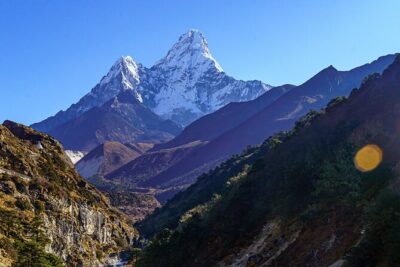
Tengboche is one of the route’s most memorable stops because it combines a Sherpa settlement with broad mountain views. From this part of the Khumbu region, you are positioned to admire Everest, Lhotse, Nuptse, and Ama Dablam. Ama Dablam is often the mountain that catches your eye first because of its distinct shape, but the supplied tour details rightly put the whole mountain group at the center.
The next day leads to Dingboche at 4,410 meters. Again, expect five to six hours of walking. The rise in altitude is now obvious, so you should measure progress by steady movement rather than speed.
Dingboche gives you another acclimatization day on day seven. This is one of the strongest parts of the plan. High-altitude routes need rest built into the schedule, and here you are not asked to rush straight from Namche to Base Camp.
More trekking days out of Everest Region:
- Everest Base Camp Trek -14 Days
★ 5.0 · 321 reviews - Everest Base Camp Trekking – 2025/2026
★ 5.0 · 199 reviews - Everest Base Camp Trek
★ 5.0 · 193 reviews - Everest Base Camp Trek with Helicopter Return from Gorakshep to Lukla
★ 5.0 · 161 reviews
Dingboche to Lobuche at 4,940 meters
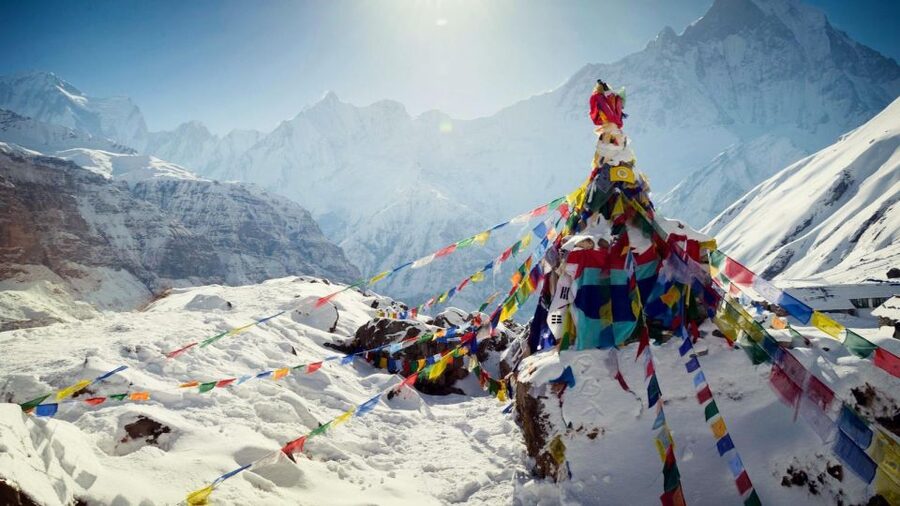
After acclimatizing in Dingboche, you walk to Lobuche on day eight. Lobuche is at 4,940 meters, which means the air is noticeably thinner than it was in Kathmandu, Lukla, or Namche.
This is the point where your preparation matters. Bring proper trekking shoes, warm layers, sunglasses, a hat, sunscreen, and socks that stay comfortable for long walking days. The required packing notes also call for two T-shirts, long pants, shorts, mosquito repellent, and toilet paper.
The operator can provide a jacket, sleeping bag, and duffle bag if required. That helps keep your luggage list shorter, though you should confirm what is supplied and what condition it is in before departure.
Lobuche is not a sightseeing stop in the usual sense. It is a practical overnight point that places you close to Gorak Shep and Base Camp. Expect a demanding day, basic accommodation, and little reason to hurry.
Gorak Shep and Everest Base Camp
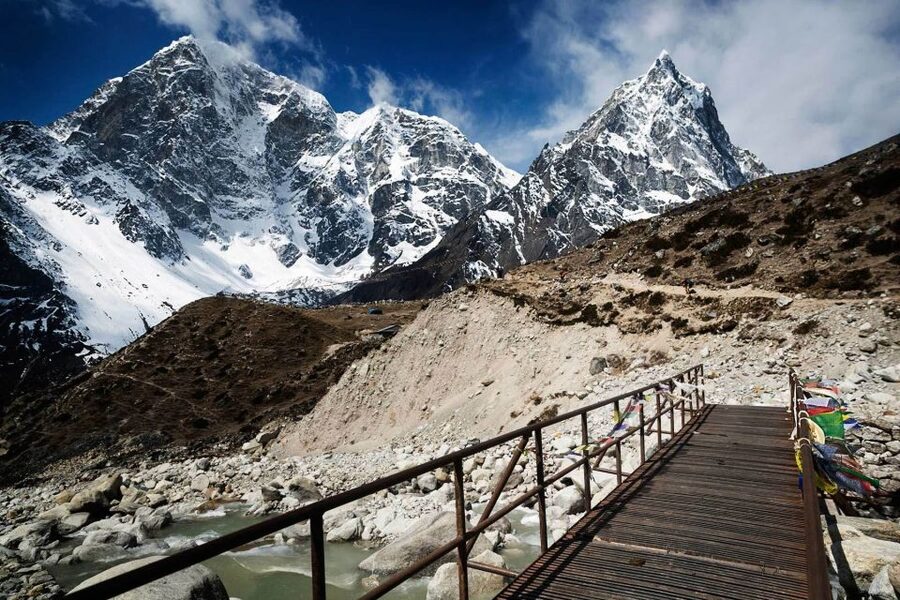
Day nine takes you from Lobuche to Gorak Shep at 5,170 meters, followed by the walk to Everest Base Camp at 5,364 meters. You then return to Gorak Shep for the night.
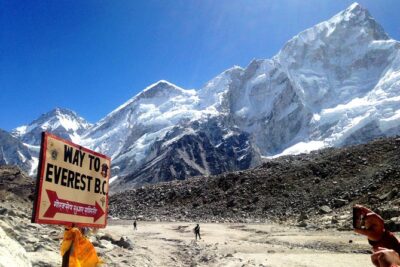
This is the emotional center of the trek. You are walking at the foot of the world’s tallest mountain, surrounded by the peaks that make the Khumbu famous. The route is not a sightseeing bus ride, so reaching Base Camp feels tied to your own effort over the previous week.
The return to Gorak Shep is important to remember when judging the day. You do not simply reach Base Camp and stop. You walk back after already gaining substantial altitude, so stamina and pacing matter.
Do not expect a luxury mountain retreat. Tea-house lodging is included, and one past account described the lodges as cozy but the showers as lukewarm. That is useful context. You can find basic comfort, but a hot shower is not part of the package and may not always be available even if you pay extra.
Food during the trek is also your responsibility. Breakfast, lunch, and dinner are not included, and neither are alcoholic or non-alcoholic drinks. Plan for simple lodge meals and carry enough personal snacks to avoid relying only on what is available at each stop.
Kala Patthar at 5,545 meters
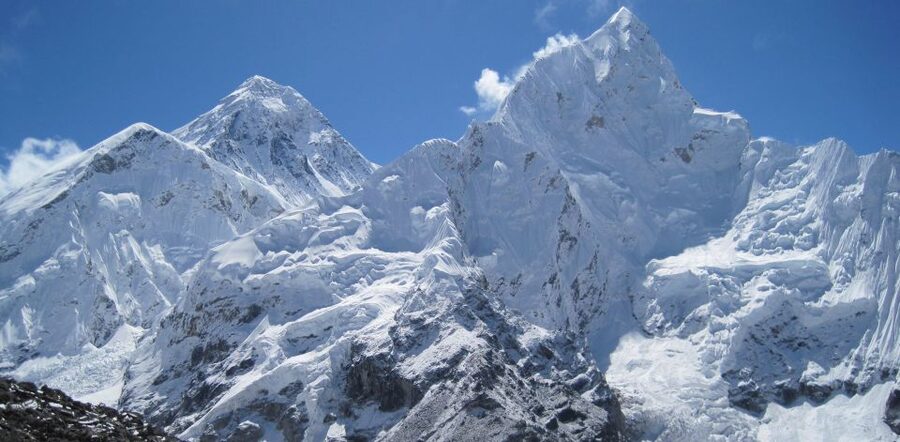
On day ten, you hike from Gorak Shep to Kala Patthar, which reaches 5,545 meters. From there, you descend to Pheriche at 4,371 meters.
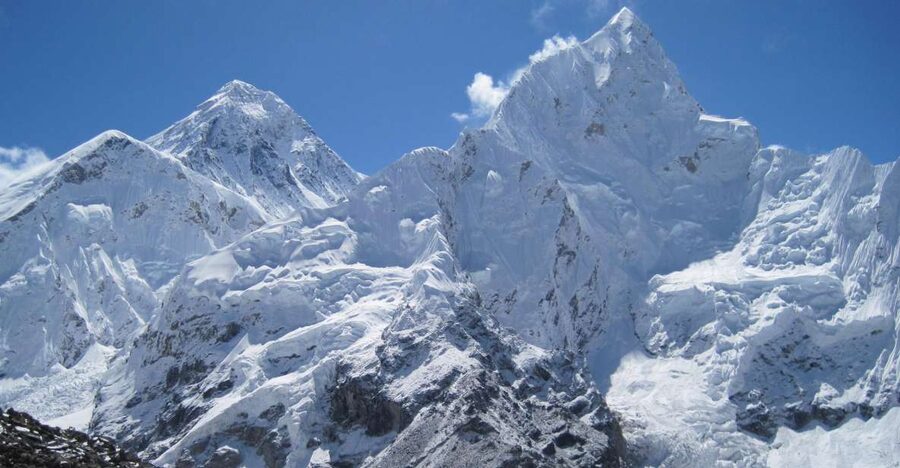
Kala Patthar is the highest point of the route and one of its best viewing places. It gives you a stronger mountain panorama than Base Camp itself, where the surrounding terrain can limit the view of Everest. You should expect the climb to feel hard because of the height, even if the distance looks manageable on paper.
This is where sunglasses and sunscreen become essential. Snow and bright mountain light can be harsh, and the packing list specifically calls for both. A hat and warm clothing also matter because the morning at this elevation can be cold.
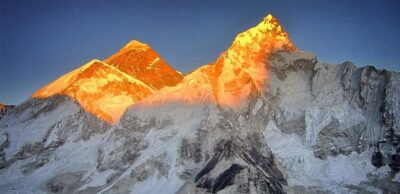
The reward is the view across the Everest range, including Everest, Lhotse, Nuptse, and Ama Dablam. I would think of Kala Patthar as the visual high point and Base Camp as the symbolic one. Together, they make the demanding upper section worthwhile.
Three days back toward Kathmandu
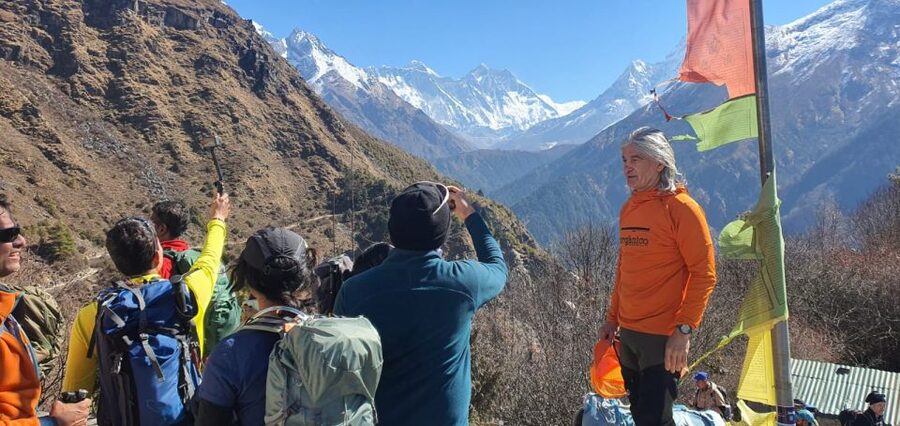
After Pheriche, you spend the next three days descending before returning to Kathmandu on day 13. The descent is easier on your breathing, but it is not effortless. Your legs have already walked for many days, and downhill sections can be tiring in their own way.
Returning through familiar villages can make the route feel different. You are no longer focused only on gaining height, so you may have more energy to notice Sherpa life, lodge details, and the changing mountain views.
The final Kathmandu night gives you a buffer before departure on day 14. That is useful after a mountain flight schedule that can be affected by weather. Airport transfer for departure is included.
Guides, porters, and the human side
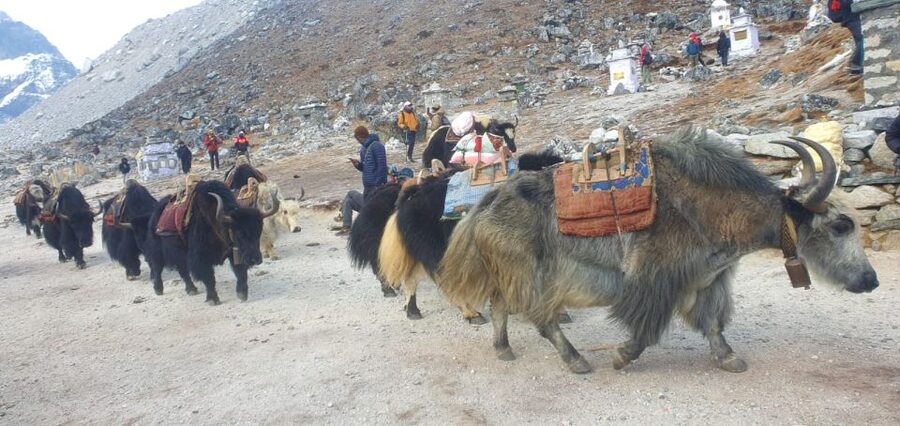
The trip includes an English-speaking guide, with the operator assigning an experienced and helpful leader. Past departures specifically name Anjan and Padam as guides, while Hari is praised for being reachable and trying to meet changing requests.
Do not assume you will receive one of those exact guides. Names can change by departure, but they show the type of support you should expect to ask for: clear English, attention to safety, help with logistics, and sensible pacing.
The porter information needs a careful reading. The inclusions cover salary, food, drinks, accommodation, transport, and insurance for the guide and porter, while the exclusions say porters are not included and specify one porter for two people. Ask the operator to confirm whether a porter is included in your quoted price, shared between two people, or paid separately.
That question is worth settling before you arrive. A duffle bag, sleeping bag, and jacket can reduce what you carry, but a long high-altitude trek is more pleasant when you are not carrying every item yourself.
Who should book this trek?
This trip suits you if you want a structured Everest Base Camp route with a guide, scheduled acclimatization, included tea-house lodging, and help with flights and permits. It also suits people who value Sherpa communities and the walking experience, not just a quick photograph at Base Camp.
You need to be comfortable with long days of walking at increasing altitude. The route is not suitable for pregnant women, people with heart problems, or people with mobility impairments. You should also have valid travel insurance that covers medical evacuation in an emergency, because that is not included.
The English-speaking guide and airport pickup make the trip easier for a first visit to Nepal. Still, this is not a soft adventure. At 5,545 meters, Kala Patthar demands respect, and weather can disrupt the Lukla flight.
Free cancellation up to 24 hours before the start and reserve-now, pay-later terms give you useful booking flexibility. They do not remove the need to plan for weather delays, insurance, and extra spending in the mountains.
Should you book the $1,296 trip?
I would book this trek if you want the full Everest Base Camp experience in 14 days and prefer having a guide, permits, domestic flights, transfers, and lodging arranged in one package. The two acclimatization days are a real strength, and the route includes both Base Camp and Kala Patthar rather than stopping at one landmark.
I would pause if your schedule cannot handle a delayed Lukla flight or if you want all meals and porter service included in the headline price. Ask for a precise breakdown of porter costs, meal expectations, and flight contingency plans before paying.
For a prepared walker who accepts basic lodges, extra costs, and thin air, this is a strong-value route through the Khumbu. You get the mountain views, Sherpa heartland, and major Everest landmarks without cutting the acclimatization schedule too tightly.
FAQ
How long is the Everest Base Camp and Kala Patthar trek?
The experience lasts 14 days, including arrival and departure arrangements in Kathmandu.
Does the trek include flights from Kathmandu to Lukla?
Yes. The Kathmandu to Lukla and Lukla to Kathmandu flight ticket is included, along with domestic airport transfers.
Is accommodation included?
Yes. Two nights of standard accommodation in Kathmandu with breakfast are included, as well as lodge or tea-house accommodation during the trek.
Are meals included during the trek?
No. Breakfast, lunch, and dinner during the trek are not included. Drinks are also excluded.
Is a guide included?
Yes. An English-speaking guide is included. Guides named on past departures include Anjan and Padam, but the assigned guide can vary.
Is a porter included?
The details specify one porter for two people under exclusions, while guide and porter support costs are also discussed among the inclusions. Ask the operator to confirm the porter arrangement and any extra charge for your booking.
What is the highest point of the trek?
Kala Patthar is the highest point, at 5,545 meters.
What should I bring?
Bring sunglasses, a hat, sunscreen, trekking shoes, socks, two T-shirts, long pants, shorts, mosquito repellent, and toilet paper. The operator can provide a jacket, sleeping bag, and duffle bag if required.
Just added around Everest Region
- Day Tour to Everest Base Camp By Helicopter★ 5.0 · 16 reviews
- Kathmandu To Lukla By Helicopter Flight★ 5.0 · 6 reviews
- Luxury Everest Base Camp Trek – 11 Days★ 5.0 · 9 reviews
- Everest Base Camp Tour & View Point by Helicopter from Katmandu★ 5.0 · 3 reviews
- Everest base camp helicopter tour with Guarenteed Landing★ 4.0 · 7 reviews
- Everest base camp flight over by Helicopter from Kathmandu★ 5.0 · 10 reviews
- Everest Base Camp Helicopter Tour Stop at Hotel Everest View.★ 5.0 · 17 reviews
- Everest Base Camp Helicopter Tour★ 5.0 · 24 reviews
Everest Base Camp Treks, compared.
Everest Base Camp Trek with Helicopter Return from Gorakshep to Lukla
Read our review →Browse the lists this tour appears in