
Reviewed · EVEREST BASE CAMP TREKS
Kathmandu: 15-Day Everest Base Camp Trek with Guide
Everest Base Camp is not just a mountain walk. It is a gradual change of worlds, from Kathmandu temples and busy streets to stone villages, Buddhist monasteries, glacial valleys, and thin air above 5,000 meters. This 15-day itinerary gives you time to adjust rather than racing straight uphill.
I like the small-group approach and the way the tour includes a full Kathmandu sightseeing day before the trek. I also like the practical support: airport transfers, permits, trekking gear, staff insurance, and an English-speaking Sherpa guide are covered. The main caution is that the $675 price does not include Lukla airfare, meals during the trek, drinks, or a porter, so your final cost will be higher.
Key points to know before booking
- Two acclimatization stops: Namche Bazaar and Dingboche break up the climb and include useful side hikes.
- Kathmandu culture comes first: You visit Durbar Square, Swayambhunath, Boudhanath, and Pashupatinath before walking into the high Himalaya.
- Sherpa-led support: Guides have included Dillisher Katuwal, Kale Prakash, Kali, Kumar, and Santos, though your guide will depend on the departure.
- The price is a starting point: Permits, accommodation, staff costs, jacket, sleeping bag, and transfers are included, but flights and trekking meals are extra.
- Weather can change everything: Lukla flights may be delayed or cancelled, and one booking was redirected to the Annapurna Circuit after repeated flight problems.
- The itinerary needs one clarification: It describes Gorakshep and a following Kala Patthar hike, but does not clearly state when the Everest Base Camp walk itself takes place.
From Kathmandu temples to the trailhead at Lukla
Your first day is simple and useful. A private car collects you at Kathmandu International Airport and takes you to your hotel. You then meet your guide and receive trek information, giving you a chance to sort out questions before heading into the mountains.
Day two is a full private-car tour of Kathmandu. You visit Kathmandu Durbar Square, Swayambhunath, Boudhanath, and Pashupatinath, also known as the Cremation Temple. This is a strong addition to the trip because the Everest route is not only about views. The Kathmandu stops give you a first look at Nepal’s religious life, art, and daily customs before the walking begins.
You also have time to check your equipment. One solo trekker, Harrison, said the company helped make sure he had the right gear, while Lionel said the staff helped him obtain trekking equipment after arriving in December. The operator can provide a down jacket and sleeping bag if needed, but you should confirm sizing and availability before departure.
The flight to Lukla is listed as departing from Kathmandu or Ramechhap, depending on current operations. The airfare is not included. That matters because it is one of the largest extra costs, and weather can affect the whole schedule.
One important practical note: flights to Lukla may be moved to Ramechhap Airport rather than leaving from central Kathmandu. Ask the company where you must report, what time the transfer leaves, and what happens if the flight is delayed.
More Everest Base Camp treks:
- Everest Base Camp Trek – 14 Days
★ 5.0 · 1,499 reviews - Everest Base Camp Trekking
★ 5.0 · 485 reviews - Everest Base Camp Trekking – 13 Day
★ 5.0 · 365 reviews
Phakding and the first easy steps
After landing at Lukla, you walk toward the upper part of Phakding. This first section is meant to be relatively easy, which is welcome after the flight and the excitement of reaching the trailhead.
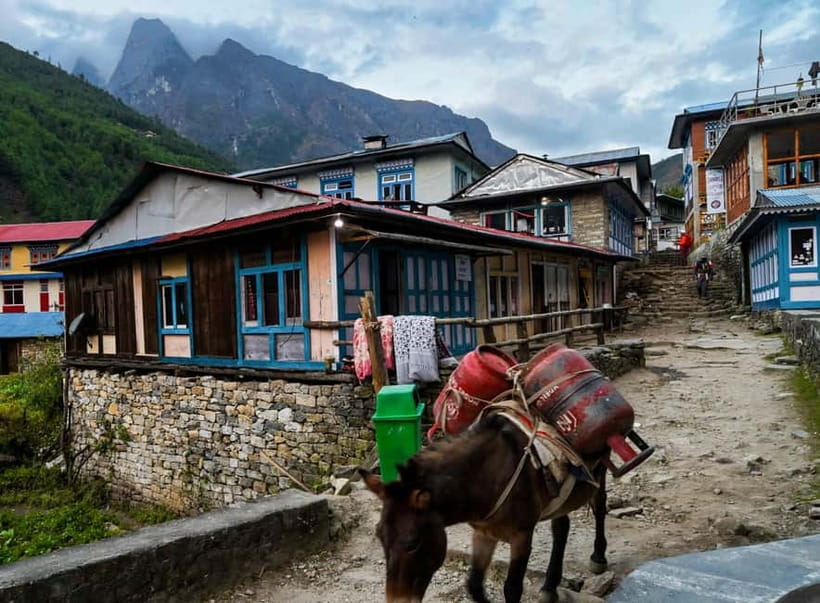
Phakding introduces you to the rhythm of the route. You spend the night in a local guesthouse, then follow the Dudh Koshi Valley toward Namche Bazaar. The route passes through the Sagarmatha National Park, a protected area and World Heritage Site.
The first days are not simply a march toward Everest. You pass through Sherpa settlements, Buddhist monasteries, and forests known for rhododendrons. You will also meet porters, local residents, and other walkers using the same route.
The included accommodation is described as the best available guesthouses rather than luxury hotels. Conditions at high altitude are basic, and you should pack with that in mind. The tour provides accommodation and food for its staff, but your own breakfast, lunch, and dinner during the trek are not included in the $675 price.
Namche Bazaar, the first major test
The walk to Namche follows the Dudh Koshi and then climbs more sharply. Namche Bazaar is the first large settlement on the route and an important place to pause before going higher.
The schedule gives you a rest day here, but this is not necessarily a day of doing nothing. You hike toward Syangboche and the Everest View Hotel at about 3,850 meters. This short climb helps your body adjust to altitude while giving you a view across the Everest region.
I like this use of the rest day. Sitting in a lodge all day is less helpful than walking a little higher and then sleeping lower. Still, you should not treat the viewpoint walk as a casual sightseeing stop. The air is already thin, and your guide should control the pace.
Namche is also where the trip becomes more social. Small groups can get to know their guide and fellow walkers, while the town provides a useful pause before the trail grows more remote. The company’s plans emphasize small group sizes, but no fixed group limit is given. Ask for the maximum number before paying.
Tengboche and the monastery on the ridge
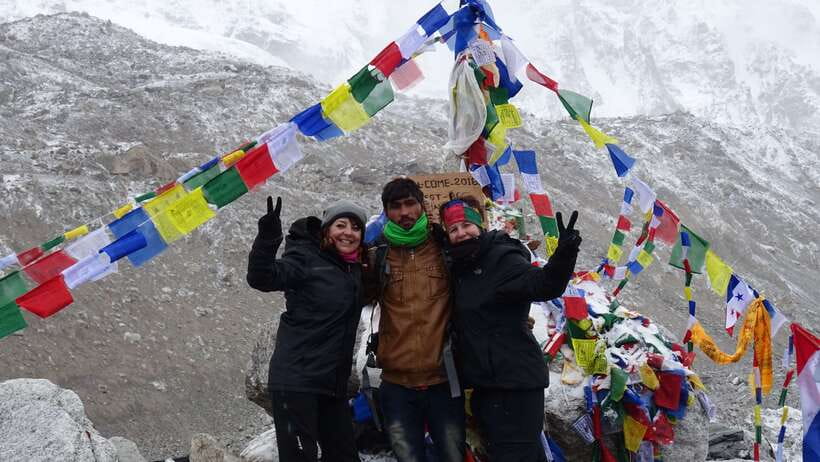
From Namche, the route continues through colder, higher country to Tengboche. After roughly two hours of climbing, according to the schedule, you reach Thyangboche Monastery at about 3,867 meters.
The monastery sits on a ridge with broad views toward Sagarmatha, the Nepali name for Mount Everest. This is one of the most memorable cultural stops on the trek because the mountain setting and Buddhist religious life meet in one place.
You should expect a serious walking day, not just a monastery visit. The altitude makes every climb feel longer, and weather can change quickly. Keep your sunglasses handy, drink regularly, and follow your guide’s advice about pace and rest.
Several past guide assignments have received strong praise for care and mountain experience. Named guides have included Dillisher Katuwal, Kale Prakash, Kali, Kumar, and Santos. You cannot assume one of these guides will lead your departure, but it is fair to ask who is assigned and what their experience is.
More trekking days out of Everest Region:
- Everest Base Camp Trek -14 Days
★ 5.0 · 321 reviews - Everest Base Camp Trekking – 2025/2026
★ 5.0 · 199 reviews - Everest Base Camp Trek
★ 5.0 · 193 reviews - Everest Base Camp Trek with Helicopter Return from Gorakshep to Lukla
★ 5.0 · 161 reviews
Dingboche, Pangboche, and the high valley
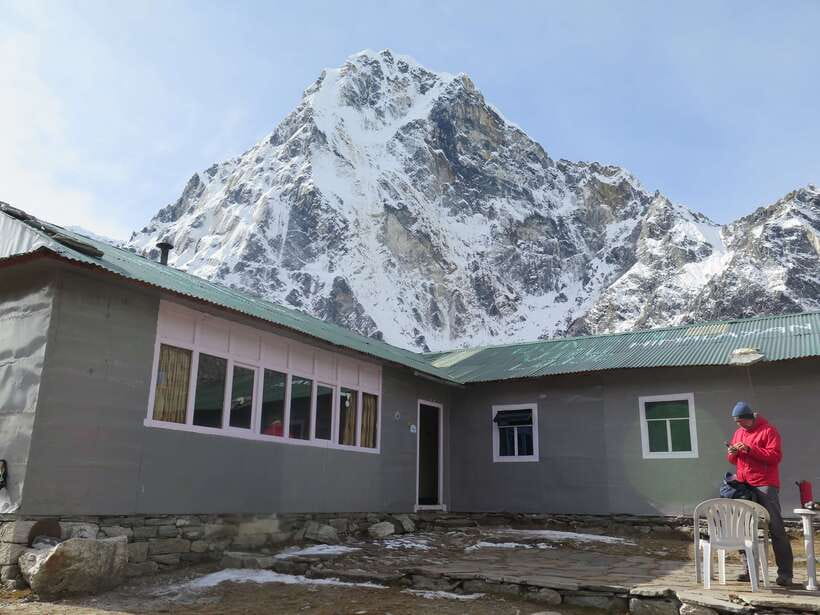
The trail from Tengboche passes through Pangboche, Pheriche, and the Imja Khola area before reaching Dingboche. This section gives you a closer look at Sherpa village life, with stone buildings, mountain paths, and broad high valleys.
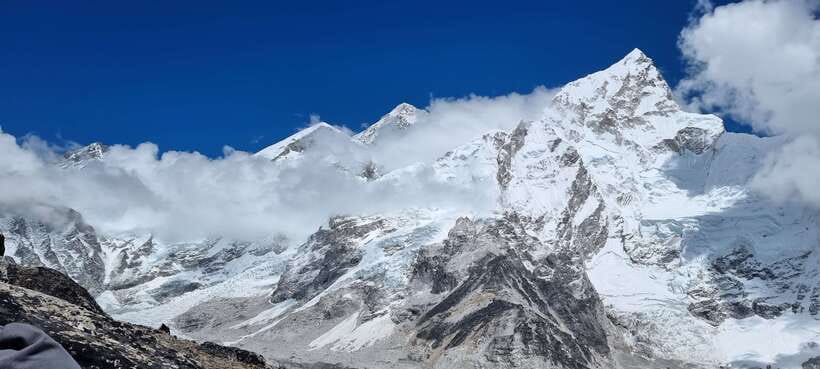
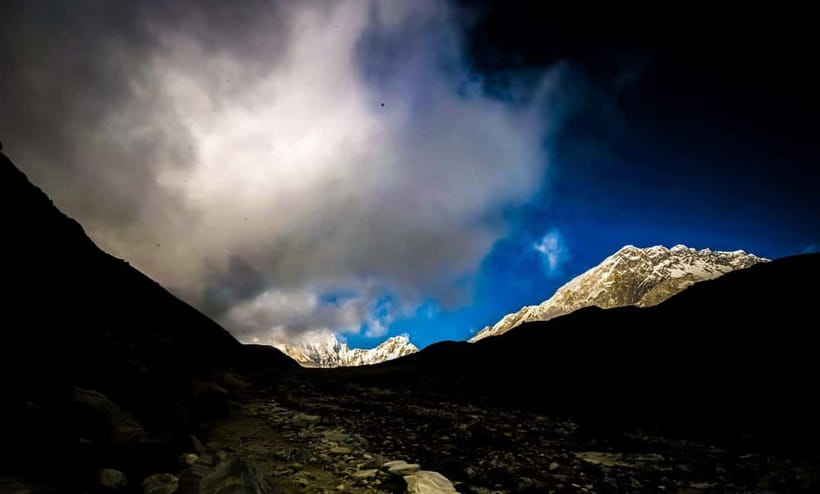
The route also brings you nearer to the Khumbu Glacier. The scenery becomes more severe as trees thin out and the surrounding peaks feel larger. The walk is not technically described as a climbing expedition, but altitude is the real challenge.
Dingboche receives a second rest day, used for a trip to Chhukung Valley and back. This side hike is valuable because it provides extra time at altitude without forcing you to sleep higher. It also gives you a different view of the surrounding peaks and valleys.
You should be realistic about the phrase suitable for various fitness levels. The itinerary can be adjusted in pace and includes acclimatization days, but Everest Base Camp remains a demanding high-altitude trek. You need to be comfortable walking for several hours on uneven ground on repeated days.
Lobuche and Gorakshep at the edge of the glacier
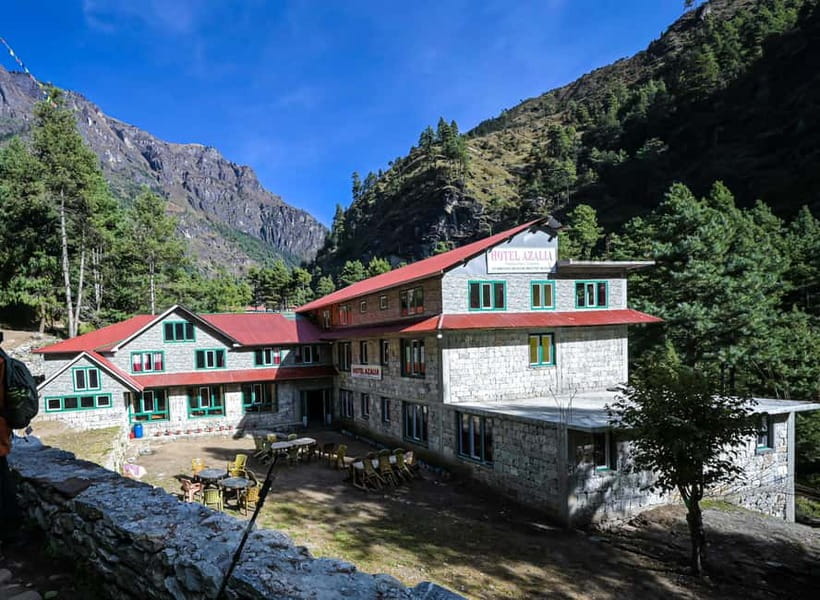
After Dingboche, you continue toward Lobuche. The schedule describes this as a day to rest and appreciate the scenery, but you should expect the altitude to make this section demanding.
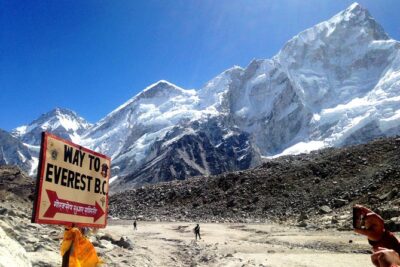
From Lobuche, you walk to Gorakshep, a small settlement beside a frozen lake. Gorakshep is the launch point for the Everest Base Camp walk and the overnight stop before the return toward lower ground.
Here is the part of the program I would clarify before booking. The schedule says you hike from Lobuche to Gorakshep, then refers to completing your Everest hike, but it does not clearly spell out the exact timing or distance of the Base Camp section. Ask these direct questions:
- Is Everest Base Camp visited on day 10 after reaching Gorakshep?
- How long do you spend at Base Camp?
- Is the Base Camp walk included in the quoted price?
- What happens if weather or altitude prevents the scheduled visit?
These questions are not nitpicking. At this height, conditions and energy levels can change the plan.
Kala Patthar and the walk back to Pheriche
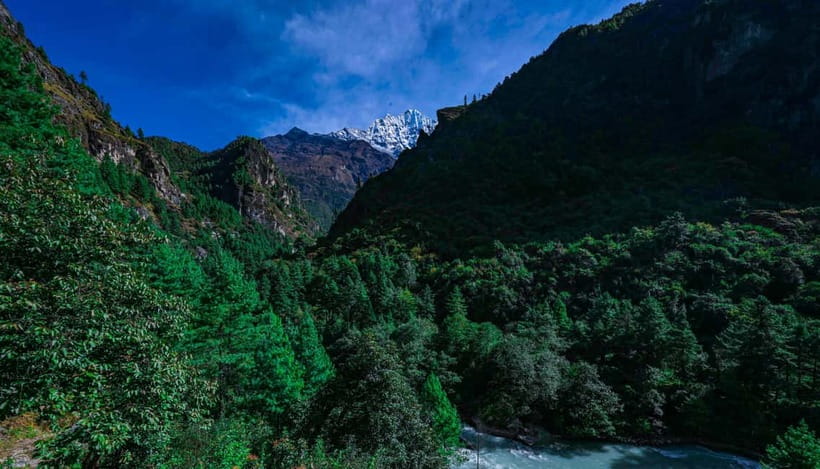
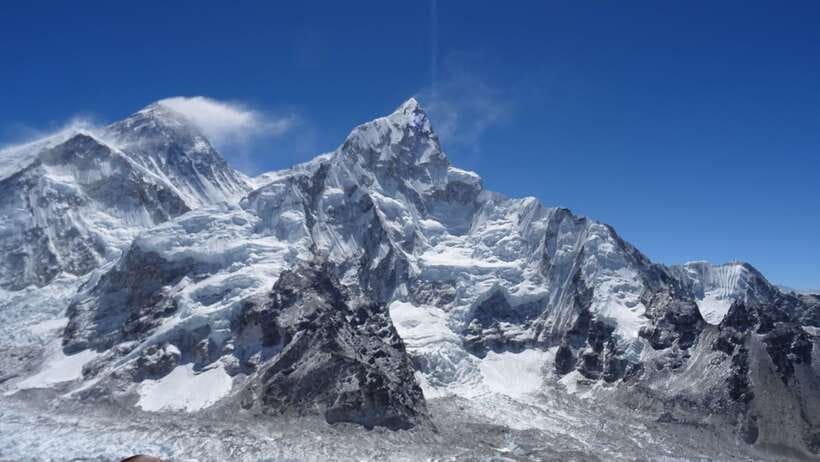
The next morning begins early with a climb to Kala Patthar, followed by a descent to Pheriche. Kala Patthar is included for its mountain views, and early morning is usually chosen to give you the best chance of clear conditions.
This is a hard day. You are walking at high altitude, starting early, and then descending a long way. The reward is the chance to see Everest and the surrounding peaks from a famous viewpoint. One trekker described getting a clear morning view after several cloudy days, which captures the reality of mountain weather: patience matters.
Pheriche gives you a lower sleeping point and a chance to recover. The route then returns to Namche Bazaar before continuing to Lukla. Descending is usually easier on the lungs, but it still puts pressure on knees and legs, especially after the high-point days.
Namche to Lukla, then back to Kathmandu
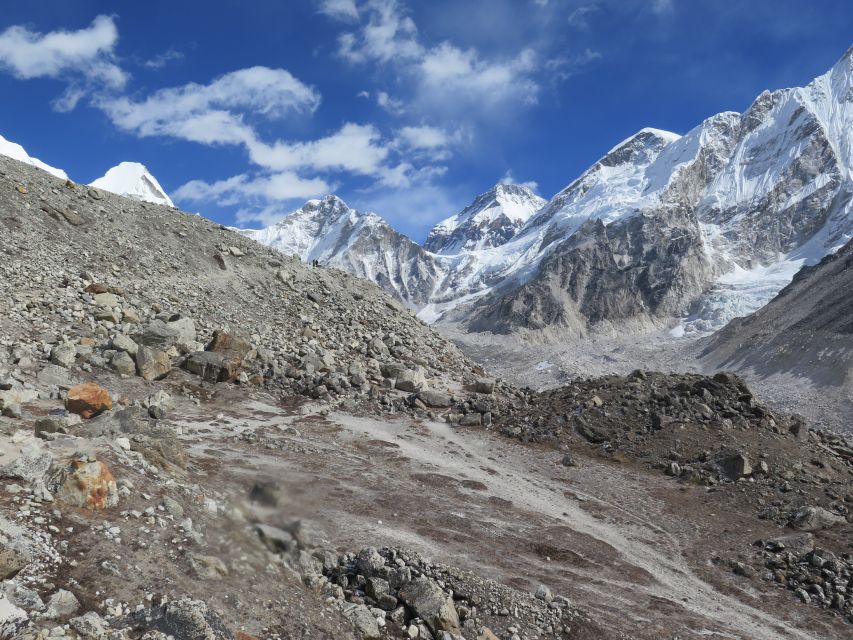
The return to Namche repeats part of the route, but the change in direction makes it feel different. You now know the villages and bridges, and the descent lets you notice details missed while climbing.
Day 13 is the long walk back to Lukla. This is a satisfying finish to the walking portion, but do not plan a tight international connection immediately after the trek. The schedule includes a Kathmandu hotel night after the return flight, which is sensible because Lukla flights can be delayed.
The final day is a private transfer to the international airport. Airport pickup and drop-off are included, as are three nights of standard Kathmandu hotel accommodation. You will need your own travel insurance, and city entrance fees are not included.
What the $675 price really covers
At $675 per person, this is an attractive starting price for a guided Everest Base Camp program. The included services cover several costs that can otherwise add up:
- Private airport and hotel transfers
- Three nights of standard Kathmandu accommodation
- Private guided sightseeing in Kathmandu
- Guesthouse accommodation during the trek
- An English-speaking licensed Sherpa guide
- Staff food, accommodation, salary, insurance, equipment, and medicine
- Sagarmatha National Park permits
- TIMS trekking permits
- Down jacket and sleeping bag if needed
- Government taxes
The exclusions are just as important. You pay separately for Kathmandu or Ramechhap to Lukla flights, trekking meals, drinks, city entrance fees, travel insurance, and porter service. Porters can be added, with the arrangement described as shared between two people.
I would not compare $675 with an all-inclusive package. Compare it with the cost of organizing the guide, permits, transfers, hotels, and equipment separately. The package offers real value if you want one company handling the main framework, but you need a clear spending plan for food, flights, insurance, drinks, tips, and optional porter support.
Weather, illness, and backup planning
Mountain weather is the biggest uncertainty. One couple could not reach Everest Base Camp after two attempts to fly to Lukla, and the operator arranged an Annapurna Circuit alternative, with extra nights in Pokhara and Kathmandu and a return flight. That shows useful flexibility, but it also shows why you should ask about refunds and substitutions before departure.
The $675 rate includes free cancellation up to seven days before the scheduled start for a full refund. That policy does not answer what happens once you are in Nepal and weather disrupts the trek, so ask for the current terms in writing.
Health support is another strong reason to use a guide. Lionel said his guide, Kale Prakash, took careful care of him after he became sick. That is reassuring, but you still need travel insurance that covers high-altitude trekking and possible evacuation. The tour information requires insurance from you and does not include it in the price.
Who should book this Everest trek?
I would recommend this trip to a reasonably fit adult who wants a guided route, prefers local Sherpa support, and values having Kathmandu sightseeing and transport arranged in one package. It also suits someone who wants acclimatization days rather than a rushed schedule.
It is less suitable if you want luxury lodging, a fully inclusive price, guaranteed clear views, or a fixed flight schedule. Wheelchair users cannot take part, and the route is not designed for anyone seeking a low-effort holiday.
Bring comfortable shoes and sunglasses, then add warm layers, rain protection, personal medicines, and a properly checked insurance policy. Confirm the guide’s name, group size, porter cost, flight arrangement, meal budget, and the exact Base Camp day before you commit.
Should you book it?
Book this trek if you want solid logistical support at a low advertised price and are ready to manage the extras yourself. The strongest parts are the Kathmandu introduction, the two acclimatization sections, the local guide structure, and the practical equipment support.
I would book only after clarifying the airfare, meals, porter arrangement, and Base Camp timing. If your dates are flexible and you accept that Lukla weather can reshape the plan, this is a sensible way to approach the Everest route. If reaching Base Camp is non-negotiable, choose a booking with a clearly stated weather policy and enough spare days.
FAQ
How long is the Everest Base Camp trek?
The program lasts 15 days, including arrival and departure transfers, Kathmandu sightseeing, the trek, the return flight, and a final night in Kathmandu.
What is included in the $675 price?
The price includes airport and hotel transfers, three Kathmandu hotel nights, a private Kathmandu city tour, guesthouse accommodation during the trek, an English-speaking Sherpa guide, staff costs, permits, a down jacket and sleeping bag if needed, and government taxes.
Are flights from Kathmandu to Lukla included?
No. Airfare between Kathmandu or Ramechhap and Lukla is not included. The company can reserve or book flights on request.
Are meals during the trek included?
No. Breakfast, lunch, and dinner during the trek are not included. Alcoholic drinks and hot and cold drinks are also excluded.
Is a porter included?
No. Porter service is optional and can be added. The arrangement is described as shared between two people.
What places are visited in Kathmandu?
The private city tour visits Kathmandu Durbar Square, Swayambhunath, Boudhanath, and Pashupatinath, also called the Cremation Temple.
Can I cancel for a full refund?
You can cancel up to seven days in advance for a full refund, according to the stated cancellation policy.
Just added around Everest Region
- Day Tour to Everest Base Camp By Helicopter★ 5.0 · 16 reviews
- Kathmandu To Lukla By Helicopter Flight★ 5.0 · 6 reviews
- Luxury Everest Base Camp Trek – 11 Days★ 5.0 · 9 reviews
- Everest Base Camp Tour & View Point by Helicopter from Katmandu★ 5.0 · 3 reviews
- Everest base camp helicopter tour with Guarenteed Landing★ 4.0 · 7 reviews
- Everest base camp flight over by Helicopter from Kathmandu★ 5.0 · 10 reviews
- Everest Base Camp Helicopter Tour Stop at Hotel Everest View.★ 5.0 · 17 reviews
- Everest Base Camp Helicopter Tour★ 5.0 · 24 reviews
Everest Base Camp Treks, compared.
Everest Base Camp Trek with Helicopter Return from Gorakshep to Lukla
Read our review →Browse the lists this tour appears in