
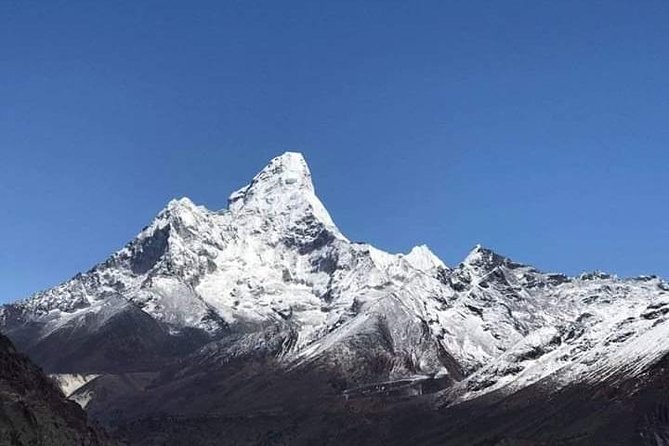
Reviewed · EVEREST BASE CAMP TREKS
Short Everest Base Camp Trek 10 Days
Everest Base Camp is the main event here, but the real reward comes on the way there: Sherpa villages, suspension bridges, Buddhist monasteries, and huge Himalayan peaks. I like the small maximum group of 15 and the fact that the package includes Lukla flights, permits, lodging, transfers, and guide expenses. I also like that guides such as Padam, Mohan, AJ, and Anjan have been praised for patience, clear daily briefings, and careful pacing.
The catch is the speed. Ten days leaves little room for weather delays or a slow adjustment to altitude, and meals are not included, which makes the headline price less complete than it first appears. You need strong fitness, suitable insurance, and a willingness to accept basic tea-house conditions.
Key points to know before booking
- Everest Base Camp at 5,364 meters: The trek reaches the famous camp, followed by an early climb to Kala Patthar at 5,545 meters for sunrise views.
- Lukla flights included: The package covers the Kathmandu to Lukla and return flights, along with domestic airport tax.
- Fast 10-day schedule: You move from Phakding to Namche, Dingboche, Lobuche, and Gorakshep in a tight climbing rhythm.
- Guide-led small groups: Groups can reach 15 people, with an English-speaking guide and guide and porter expenses covered.
- Porter service costs extra: One porter can be hired for two people, but that fee is not part of the listed price.
- Food and insurance are separate: Breakfast, lunch, dinner, personal equipment, and high-altitude rescue insurance must be arranged or paid for separately.
What the $1,400 price really covers
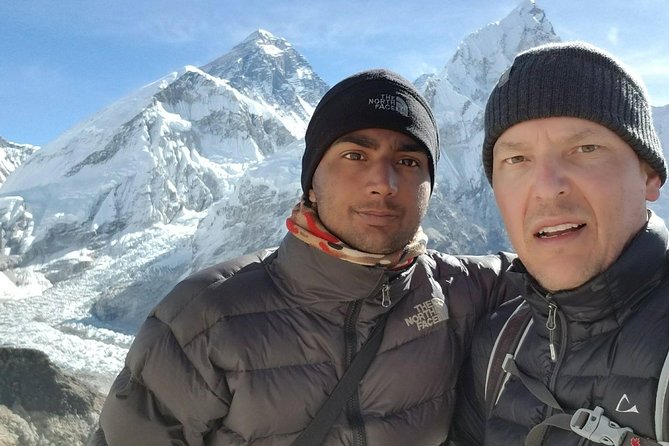
At $1,400 per person, this trek offers a useful base package rather than an all-inclusive holiday. You get private airport and hotel transfers, the Kathmandu to Lukla and return flights, domestic airport tax, tea-house lodging, trekking permits, an English-speaking guide, and the guide and porter-related operating costs listed by the company.
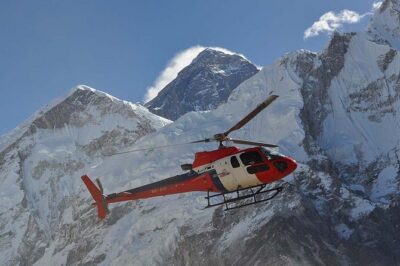
The package also includes government taxes and service charges. Emergency helicopter arrangements can be made, but your travel insurance company pays the bill. That distinction matters. You need insurance that specifically covers high-altitude rescue and evacuation, not just ordinary medical care.
Meals are not included. You will pay for breakfast, lunch, and dinner as you go, along with personal snacks and drinks. Personal trekking equipment is also yours to bring or rent. Porter service is available for an extra charge, with one porter intended for two people.
I see reasonable value in the price if you already own much of your gear and understand the food costs. It is less attractive if you expect a fully supported package with meals, porterage, and rescue insurance included. Ask for the current meal and porter rates before paying, since those costs can change the final bill.
More Everest Base Camp treks:
- Everest Base Camp Trek – 14 Days
★ 5.0 · 1,499 reviews - Everest Base Camp Trekking
★ 5.0 · 485 reviews - Everest Base Camp Trekking – 13 Day
★ 5.0 · 365 reviews
Day 1: Flying to Lukla and walking to Phakding
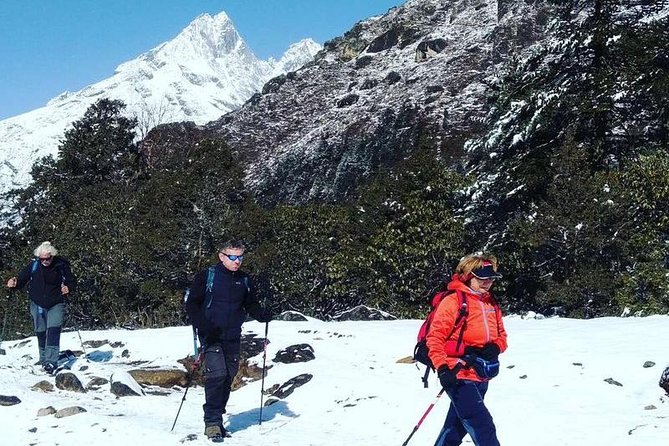
The day starts early, with a listed meeting time of 6:15 a.m. You fly from Kathmandu to Lukla on a domestic airline such as Tara, Summit, or Sita Air. The flight takes about 25 minutes, followed by roughly three and a half hours of walking to Phakding.
Lukla is the gateway to the Khumbu region. From there, your first walk gives you time to leave the airport routine behind and settle into the pace of the trail. Phakding is a modest first overnight stop, and the short distance helps keep the opening day manageable after the early start.
The practical issue is the flight. The schedule depends on domestic air service and mountain weather, so a tight onward plan is risky. This 10-day program has little spare time. If your Lukla flight is delayed, the shortened schedule can become even harder.
Day 2: Crossing the Dudh Koshi to Namche Bazaar
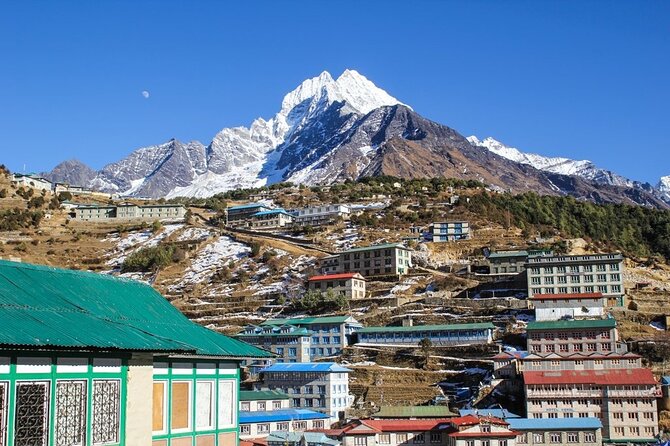
After breakfast in Phakding, you follow the Dudh Koshi toward Namche Bazaar. The route takes about six hours and includes views of Thamserku across the river.
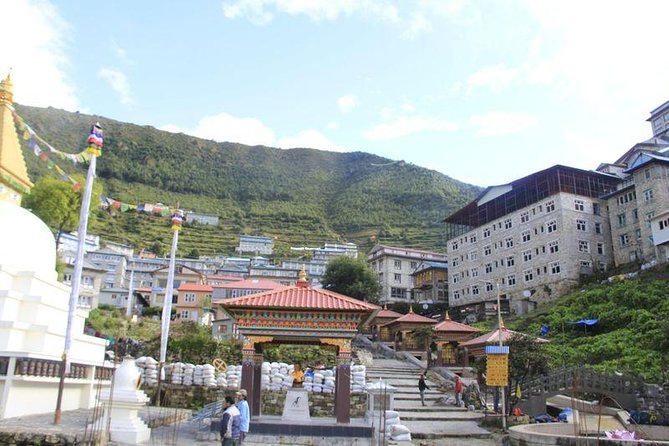
Namche, at 3,440 meters, is the main trading center of the Khumbu. It is also the first major altitude jump of the trek. Reaching it is a satisfying milestone, but you may feel the thinner air here, especially if you have not spent time at altitude before.
This is one of the days when your guide’s pacing matters. The strongest approach is slow and steady, with regular pauses rather than a race to the lodge. Past descriptions of guides Mohan, AJ, Padam, and Anjan emphasize clear day plans and careful pacing, qualities that are especially useful on this section.
Day 3: Monastery views and the climb to Tengboche
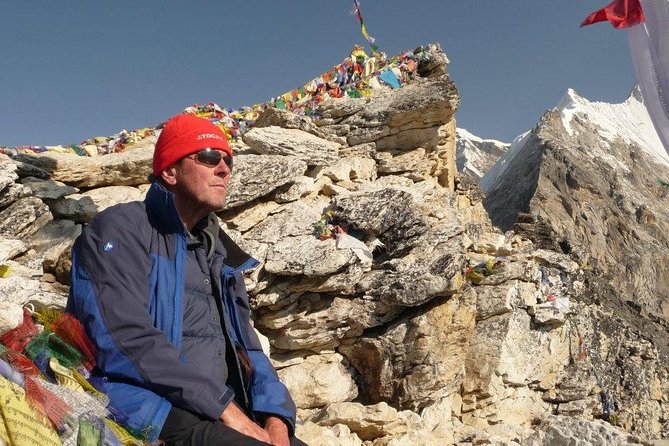
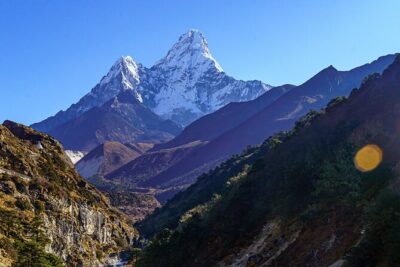
The route from Namche to Tengboche takes about five hours. The trail leaves the steep drop toward the Dudh Koshi and opens to broad Himalayan views, including Ama Dablam and other high peaks.
Tengboche is best known for its monastery and its mountain setting. The stop gives the trek a cultural center, not just another night on a long route. You pass through the kind of Sherpa community that makes this journey more than a march toward a famous signpost.
The altitude reaches about 3,867 meters. The distance is not extreme, but the uphill sections can feel demanding. You should keep your pack light, drink regularly, and tell your guide if you develop a headache or feel unwell.
More trekking days out of Everest Region:
- Everest Base Camp Trek -14 Days
★ 5.0 · 321 reviews - Everest Base Camp Trekking – 2025/2026
★ 5.0 · 199 reviews - Everest Base Camp Trek
★ 5.0 · 193 reviews - Everest Base Camp Trek with Helicopter Return from Gorakshep to Lukla
★ 5.0 · 161 reviews
Day 4: Rhododendron forest and Dingboche
From Tengboche, the trail drops through rhododendron forest toward Deboche. You then cross a suspension bridge over the Imja Khola before continuing to Dingboche, at about 4,260 meters.
The five-hour walk changes character as the trees thin and the ground becomes more open. Dingboche is a major altitude marker, and the air is noticeably thinner than it was in Namche. Your body has less time to adjust here than on longer Everest Base Camp programs, so you should treat every symptom seriously.
I like this section because it combines forest, bridge crossings, village life, and high mountain scenery in one day. The drawback is that the schedule does not provide a separate acclimatization day in Dingboche. For some people, that makes the trek feel efficient. For others, it makes the climb too compressed.
Day 5: Dingboche to Lobuche
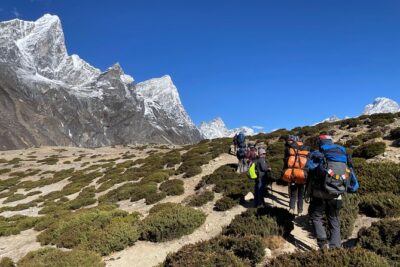
The fifth day takes about five hours, with the route passing through Pheriche before continuing toward Lobuche. You leave the more sheltered valley behind and move into a colder, more exposed section of the Khumbu.
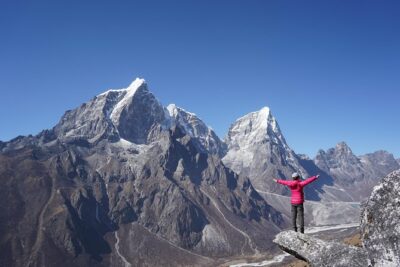
Along the way, the high peaks become the main attraction. You may see Nuptse, Pumori, Ama Dablam, Thamserku, Lhotse, and other major summits named in the route description. The scale is hard to grasp from photographs. You are walking among peaks that rise thousands of meters above the trail.
Lobuche is at roughly 4,940 meters. At this height, a short walk can feel like a serious effort. Keep the day simple: walk slowly, eat enough, stay warm, and avoid treating tiredness as a personal challenge.
Day 6: Gorakshep and Everest Base Camp
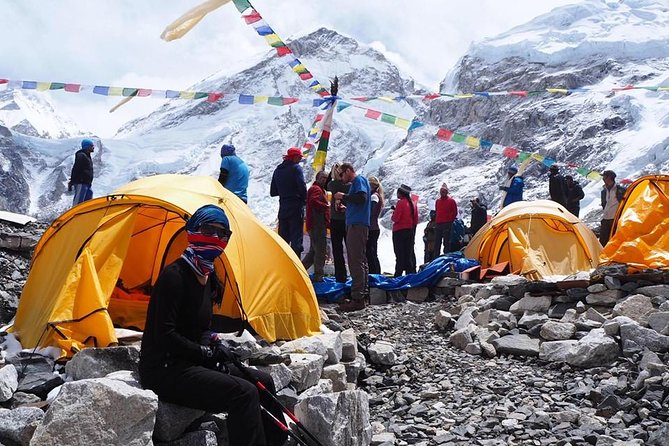
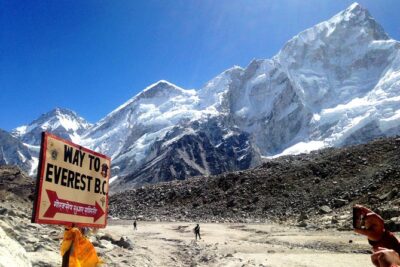
This is the longest and most demanding day, listed at about eight hours. You walk from Lobuche to Gorakshep, at approximately 5,140 meters, then continue toward Everest Base Camp along rocky ground beside the Khumbu Glacier.
Everest Base Camp sits at about 5,364 meters. The location is famous, but do not expect a grand permanent camp waiting for sightseeing. Its appearance changes with the climbing season, and access can depend on local conditions. The achievement is reaching the site on foot, with the glacier and the enormous peaks around you.
The views include Nuptse, Pumori, and the Khumbu Glacier. The trail can feel rough and tiring, especially after several days of ascent. You should keep your expectations realistic. This is not a gentle scenic stroll, and the return to Gorakshep comes after an already long day.
The overnight stop at Gorakshep is basic. The listing describes tea-house lodging throughout the trek, but it does not promise private rooms or a particular standard. At this altitude, warmth, rest, and a sensible guide matter more than comfort.
Day 7: Kala Patthar at sunrise, then Pheriche
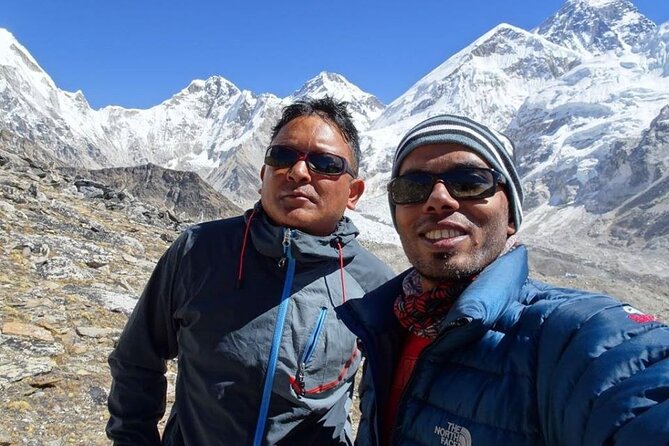
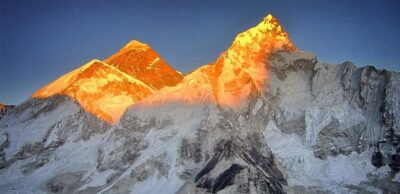
You rise early for the climb to Kala Patthar, at 5,545 meters. The goal is sunrise over Everest, Pumori, and the surrounding Himalayan peaks. Kala Patthar is often the best viewing point on this route because it gives a broad view of Everest, while the base camp itself is partly hidden among the glacier and surrounding ridges.
After Kala Patthar, you descend to Pheriche, at approximately 4,243 meters. The seven-hour day is still strenuous, but the drop in altitude usually feels welcome after Gorakshep.
There is one point to clarify before booking. The supplied schedule says Day 7 goes from Gorakshep to Kala Patthar and Pheriche, while Day 8 is written as a trek from Tengboche to Namche. That leaves the Pheriche to Tengboche section unclear. Ask the operator for the corrected day-by-day plan, especially if you need to know the exact walking hours and overnight stops.
Day 8: Returning toward Namche Bazaar
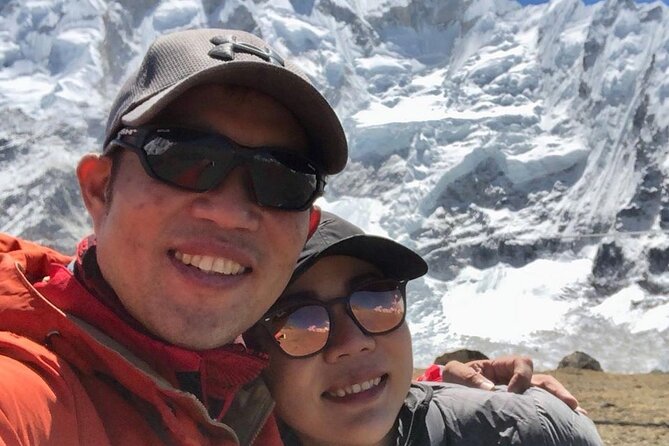
The route description gives about seven hours for this part of the return, with traditional villages such as Khumjung and Khunde mentioned along the way. These settlements offer a closer look at everyday Sherpa life than the major stopping points alone.
Namche is at 3,440 meters, so reaching it feels like returning to a more comfortable altitude. The downhill direction may seem easier, but steep trails and tired legs can still make this a full day.
The unclear wording about this day deserves attention. It says the route runs from Tengboche to Namche, but the previous day ends in Pheriche. The operator should confirm whether the itinerary includes Pheriche to Tengboche before continuing to Namche, or uses another route.
Day 9: The long walk back to Lukla
After breakfast in Namche, you walk to Lukla in about seven hours. Lunch is served along the way, and the final night is in a tea-house lodge.
This is the last full walking day, but it is not merely a formality. Your knees and feet have already carried you through high-altitude terrain, and the descent can be hard on both. The return route brings you back through the lower Khumbu villages and river valleys before the final climb into Lukla.
You should not plan an important international connection immediately after this trek. The program includes a Lukla flight on Day 10, but weather and flight availability can affect the timing.
Day 10: Flying back to Kathmandu
You take an early flight from Lukla to Kathmandu. On arrival at Tribhuvan International Airport, a representative meets you and transfers you to your hotel. A farewell dinner is planned at Bhojan Griha, a Kathmandu restaurant.
The return flight closes the mountain portion quickly. One moment you are in a high valley, and later you are back in the city. If you have extra time in Nepal, one past booking tip was to pair the trek with Chitwan or another relaxing activity. That can be a sensible way to recover after ten demanding days.
Guides, group size, and the human side
The tour uses an English-speaking trekking guide, and the maximum group size is 15. That is small enough for a shared experience without creating a large procession on the trail. It also means the quality of the guide will shape your days.
Several guides connected with past departures are named: Mohan, AJ, Padam Bahadur Bhujel, and Anjan. Specific praise centers on daily briefings, patience, health checks, local stories, and flexible help when plans need to change. Padam is described as handling guiding, storytelling, and basic medical support, while Anjan is noted for encouraging a slow, safe pace.
Those details matter more than a polished itinerary. At high altitude, you need someone who notices how you are doing, explains the next day clearly, and does not push you to hide symptoms. Guide assignments can change, so ask who will lead your group and how many people are booked.
Porters are available at extra cost, with one porter for two people. I recommend considering this option if you are not accustomed to carrying a pack for seven or eight hours. Carry only what you need, and confirm the porter price before departure.
Fitness, equipment, and safety
The operator requires a strong level of physical fitness. You should be ready for repeated days of five to eight hours, steep climbs, rocky paths, suspension bridges, and major altitude changes.
The trek reaches 5,545 meters at Kala Patthar. This is serious high-altitude walking, even if you are fit at home. Personal trekking equipment is not included, so you must bring or arrange suitable clothing, footwear, and other essentials.
Emergency helicopter arrangements are available, but payment comes through your travel insurance company. Buy a policy that clearly covers high-altitude trekking and emergency evacuation. Do not assume a standard holiday policy is enough.
Who should book this trek?
This trip suits you if Everest Base Camp is a top goal, you have only ten days, and you prefer a guide-led trip with flights, permits, lodging, and transfers organized in advance. It also suits people who want a small group and direct contact with a local trekking company.
It is less suitable if you need a relaxed acclimatization plan, want meals included, dislike basic lodging, or cannot handle schedule changes caused by Lukla flights. A longer Everest Base Camp program may be a better choice if you want more time for altitude adjustment.
The free cancellation policy allows a full refund if you cancel at least 24 hours before the local start time. Changes or cancellations inside that window are not refunded, so check the terms carefully before the final day.
Should you book the 10-day Everest Base Camp trek?
I would consider booking it if you value a fixed route, local guide support, included Lukla flights, and a clear shot at Everest Base Camp and Kala Patthar. The strongest points are the experienced guide team, small group limit, and the amount of transport and permit work handled for you.
I would first confirm the Day 7 and Day 8 route, the current porter charge, expected meal costs, and the guide assigned to your departure. If you accept the fast pace and budget for food, equipment, insurance, and possible porter service, the $1,400 starting price can be fair. If you want more breathing room at altitude, choose a longer itinerary instead.
FAQ
How long is the Everest Base Camp trek?
The experience lasts approximately 10 days, beginning and ending in Kathmandu.
Where does the trek start?
The trip begins in Kathmandu, with an early domestic flight to Lukla on the first day.
Is the Lukla flight included?
Yes. The package includes the Kathmandu to Lukla and Lukla to Kathmandu flights, along with domestic airport tax.
Is Everest Base Camp included in the route?
Yes. The route reaches Everest Base Camp, listed at 5,364 meters, on Day 6.
Does the trek include Kala Patthar?
Yes. You climb Kala Patthar at approximately 5,545 meters on Day 7, with an early start planned for sunrise views.
Are meals included?
No. Breakfast, lunch, and dinner during the trek are not included in the listed price.
Is a porter included?
No. Porters are available for an extra cost, with one porter listed for two people.
Is travel insurance included?
No. You must arrange travel insurance covering high-altitude emergency rescue and evacuation.
What is the maximum group size?
The group can have up to 15 participants.
What is the cancellation policy?
You can receive a full refund if you cancel at least 24 hours before the experience start time. Cancellations or changes made within 24 hours are not refunded or accepted.
Just added around Everest Region
- Day Tour to Everest Base Camp By Helicopter★ 5.0 · 16 reviews
- Kathmandu To Lukla By Helicopter Flight★ 5.0 · 6 reviews
- Luxury Everest Base Camp Trek – 11 Days★ 5.0 · 9 reviews
- Everest Base Camp Tour & View Point by Helicopter from Katmandu★ 5.0 · 3 reviews
- Everest base camp helicopter tour with Guarenteed Landing★ 4.0 · 7 reviews
- Everest base camp flight over by Helicopter from Kathmandu★ 5.0 · 10 reviews
- Everest Base Camp Helicopter Tour Stop at Hotel Everest View.★ 5.0 · 17 reviews
- Everest Base Camp Helicopter Tour★ 5.0 · 24 reviews
Everest Base Camp Treks, compared.
Everest Base Camp Trek with Helicopter Return from Gorakshep to Lukla
Read our review →Browse the lists this tour appears in