
Reviewed · EVEREST BASE CAMP TREKS
Everest Base Camp Trek
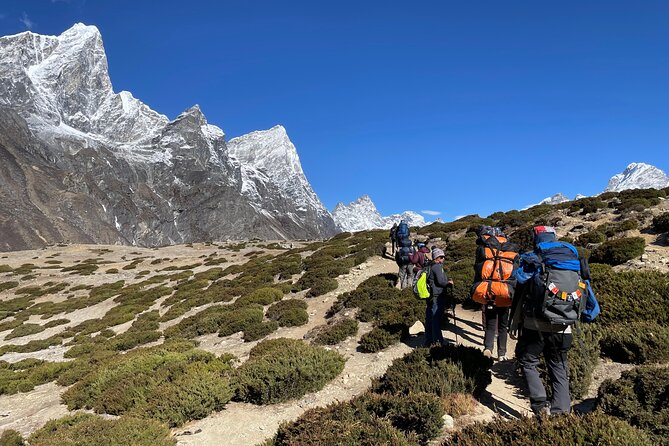
The big draw here is simple: you walk into the Everest region instead of just looking at it from a plane window. Over 12 days, you pass through Lukla, Namche Bazaar, Tengboche, Dingboche, Lobuche, Gorakshep, Everest Base Camp, and Kala Patthar, with two rest days built in for altitude.
I like that guides, permits, flights, meals, and tea-house lodging are arranged together. I also like the practical gear package, which includes a sleeping bag, down jacket, duffle bag, and map. The main concern is altitude and cost clarity: porter service, drinks, water, showers, charging, insurance, the visa, and a $40 entrance fee are extra, while the information about Kathmandu hotel nights should be confirmed before booking.
Key points to know before you book
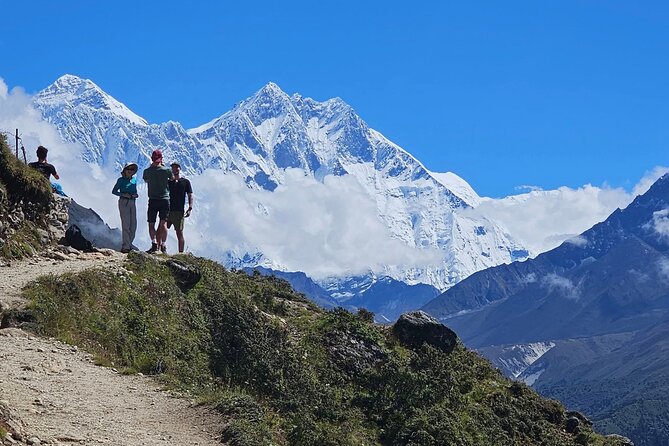
- Kala Patthar reaches 5,545 meters: This is the highest point on the route and usually the main viewing stop for Mount Everest.
- Two acclimatization days are included: You pause at Namche Bazaar and Dingboche instead of climbing higher every day.
- The flight to Lukla saves days of road travel: It also makes the trip sensitive to poor weather.
- The group can have up to 14 people: That is small enough for a guide to keep track of the group, but not a private trek.
- Porter service costs extra: The guide is included, but a porter is listed at $20 per day, or $220 per person for the trek.
- Past guides named in guest feedback include Kiran, Dinish, and Arjun: Arjun was praised for patience and for bringing fresh fruit at night, while Dinish was credited with helping during a difficult 10-day trek.
What the $1,300 price really covers
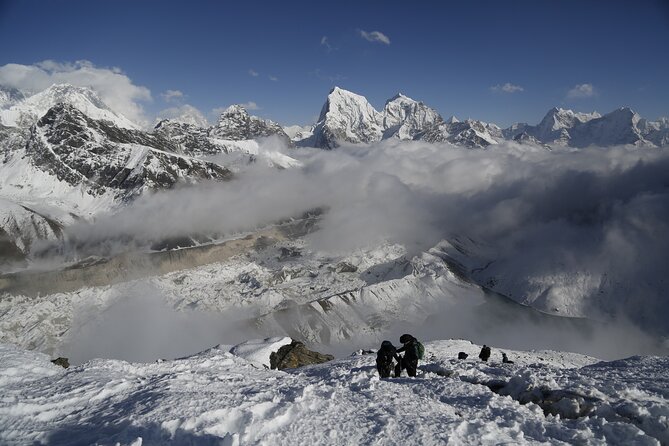
At $1,300 per person, this trek packages the costly moving parts of a Himalayan trip into one price. You get the Kathmandu to Lukla and Lukla to Kathmandu flights, domestic airport tax, ground transfers, tea-house lodging during the trek, a guide, meals on the trail, permits and government charges, and some useful equipment.
That is a fair amount of organization. A solo trekker would still need to arrange flights, route permits, food, lodging, transport, and altitude planning. Here, you pay for a ready-made route and a guide who can help you keep to the schedule.
The value is strongest if you want support rather than a fully independent trip. You are not simply paying for a walk to Base Camp. You are paying to have someone handle the route paperwork, arrange the flight, organize sleeping places, and provide breakfast, lunch, and dinner from the start of the trek through the return to Lukla.
The price is not all-in. You need travel insurance, including coverage for emergency helicopter service. The visa is listed at $40 for one month, and the Everest Base Camp entrance fee is another $40. Drinks, drinking water, hot showers, battery charging, snacks, and personal expenses are extra. Tips are not included.
There is also a confusing point worth settling in writing. The trip summary says four nights in Kathmandu are included, but the inclusions say hotel and food in Kathmandu are not included. Ask the operator exactly which Kathmandu nights and transfers are covered before you pay. That one question could change the real price by a useful amount.
A porter is not included in the detailed cost list. If you want one, the stated rate is $20 per day, or $220 per person. That can make a major difference on a high-altitude trek. Carrying less on your back lets you save energy for the steep sections and the long days near Base Camp.
More Everest Base Camp treks:
- Everest Base Camp Trek – 14 Days
★ 5.0 · 1,499 reviews - Everest Base Camp Trekking
★ 5.0 · 485 reviews - Everest Base Camp Trekking – 13 Day
★ 5.0 · 365 reviews
Day 1: Lukla to Phakding begins with a short trek
You meet at Tribhuvan Airport in Kathmandu at 6:15 am, then fly to Lukla at 2,886 meters. The first walking day is short by Himalayan standards, about four hours to Phakding at 2,610 meters, with lunch and dinner included.
This is a sensible opening. You do not arrive in Lukla and immediately face a huge climb. Instead, you start with a manageable walk and give your body time to begin adjusting to altitude.
The Lukla flight is also the first place where weather matters. The cancellation policy says poor weather can force a change of date or a full refund, but the overall trek still depends on getting to and from Lukla. Keep your schedule flexible around this part of the trip.
Day 2: Phakding to Namche Bazaar brings the first hard climb
The six-hour walk from Phakding to Namche Bazaar reaches 3,440 meters. This is one of the days when the trek starts to feel serious. You gain height, and the route requires steady effort rather than a casual stroll.
Namche is an important stop because it is the main settlement in the Khumbu region and the first planned acclimatization point. The route gives you a full day here on Day 3, which is far more useful than trying to rush onward.
Expect the schedule to feel longer than the hour count suggests. Six hours of walking at altitude can leave you tired, especially if you are carrying your own bag. This is where a porter can be worth the additional charge.
Day 3: Namche Bazaar gives you time to adjust
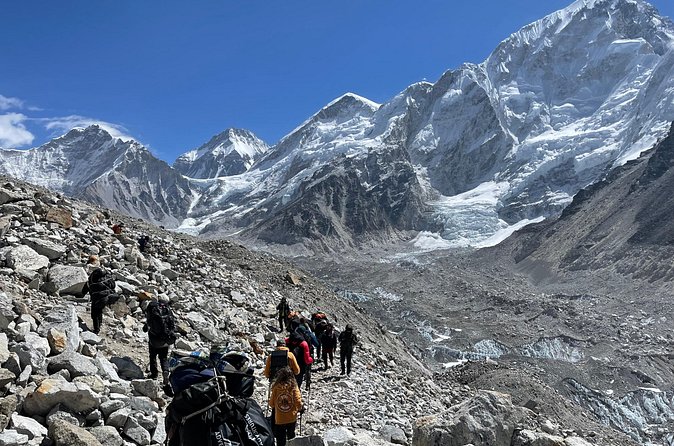
The third day is reserved for acclimatization at 3,440 meters. You do not simply lose a day here. The pause helps break up the climb and gives your body a better chance to adapt before you go higher.
Namche is also one of the most comfortable places on the route for a rest day. You can use the time to eat, rest, sort your gear, and prepare for colder, thinner air ahead. The schedule does not list a specific excursion, so do not assume a particular side hike is included.
I like the placement of this stop. It shows that the itinerary is built around getting you to Base Camp safely, not just squeezing the route into the fewest possible days.
More trekking days out of Everest Region:
- Everest Base Camp Trek -14 Days
★ 5.0 · 321 reviews - Everest Base Camp Trekking – 2025/2026
★ 5.0 · 199 reviews - Everest Base Camp Trek
★ 5.0 · 193 reviews - Everest Base Camp Trek with Helicopter Return from Gorakshep to Lukla
★ 5.0 · 161 reviews
Day 4: Tengboche adds a quieter mountain setting
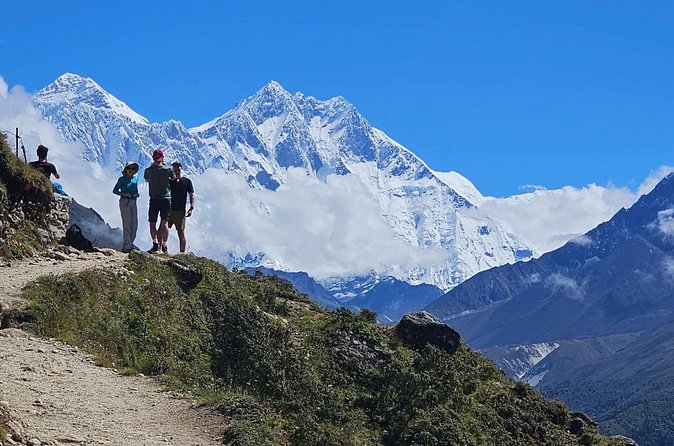
You walk from Namche to Tengboche, also written as Tyangboche, at 3,867 meters. The day takes about five hours. The village is known for its monastery, and it gives you a major change of setting after the more developed feel of Namche.
The gain in altitude is moderate, but the walk is not free of effort. You are now well above the starting point, and cold conditions can begin to affect your pace. Keep your down jacket close, even if the morning feels mild.
Tengboche is one of the places where the journey itself matters as much as the final destination. You are moving through the Khumbu at a human pace, with tea houses and local settlements replacing roads and city services.
Day 5: Dingboche is the gateway to the high route
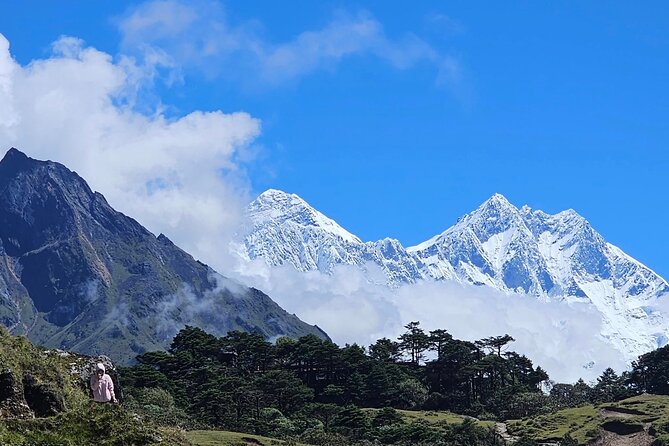
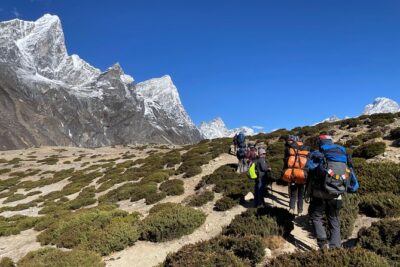
The five-hour trek from Tengboche to Dingboche reaches 4,260 meters. At this height, the air feels noticeably thinner, and a steady pace becomes more important than speed.
Dingboche is a practical base for the second acclimatization day. The overnight stop lets you rest before the route climbs toward Lobuche and the higher elevations around Gorakshep.
The accommodation is in lodges or tea houses, not conventional hotels. That means the package gives you a bed and meals, but not the comforts of Kathmandu. Hot showers, drinks, charging, and snacks cost extra, so carry enough personal cash for these small expenses.
Day 6: Dingboche is the second essential rest day
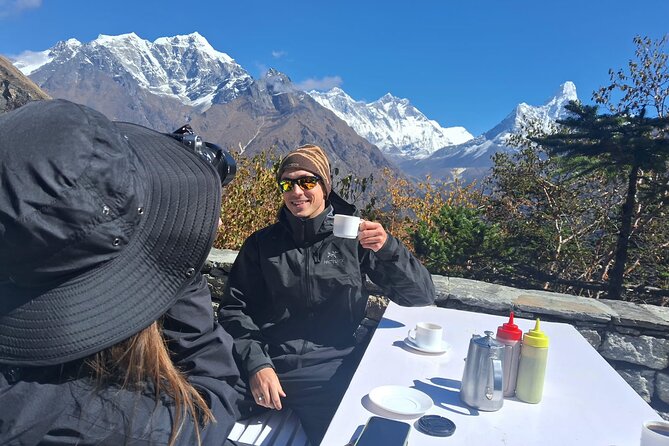
The schedule gives you another acclimatization day at 4,260 meters. This is one of the most important features of the trip. The next walking days take you close to 5,000 meters, and skipping this pause would make the route more punishing.
Use this day conservatively. Rest, eat, organize your layers, and ask your guide about the next two days. The package promises an experienced and friendly guide, and past departures specifically praised guides named Kiran, Dinish, and Arjun for patience, help, and steady support.
One past account described a guide bringing fresh fruit each night. That is a small detail, but it captures what you should look for from a good guide: practical care, clear expectations, and attention to how the group is coping.
Day 7: Dingboche to Lobuche enters high-altitude country
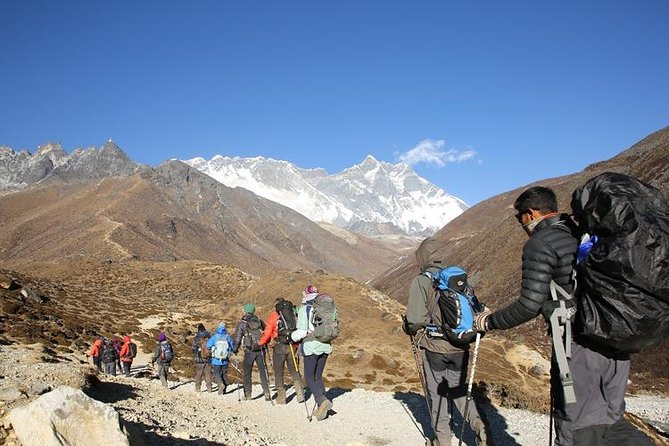
The five-hour walk to Lobuche reaches 4,930 meters. The distance may not look extreme on paper, but altitude changes the effort. You will likely walk more slowly and need more time for breaks.
Lobuche is a staging point before Base Camp. The scenery becomes more severe and open, with less vegetation and a greater sense that you are approaching the high mountain zone.
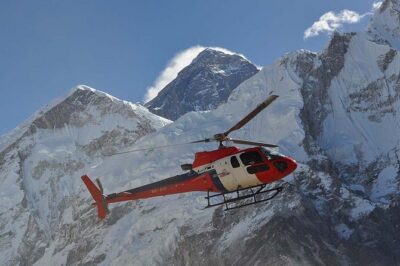
This is a good day to watch for symptoms of altitude sickness and speak plainly with your guide if you feel unwell. The operator includes emergency helicopter arrangements, but the bill is to be paid by your travel insurance company. That makes proper insurance compulsory in practical terms, not just a box to tick.
Day 8: Gorakshep and Everest Base Camp are the main goal
The longest and most dramatic day on the outward route runs from Lobuche to Everest Base Camp through Gorakshep. It takes about six to seven hours, and the listed elevation for the stop is incomplete, so you should ask the operator for the exact figure before departure.
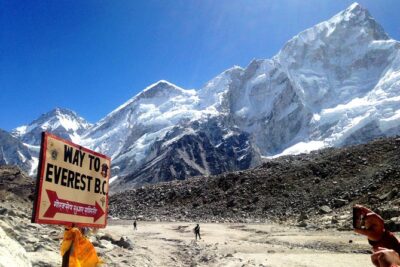
Gorakshep is the final overnight base before the return route. From there, you continue to Everest Base Camp. Reaching the Base Camp area is the emotional high point of the trek, but keep your expectations realistic. This is not a summit attempt, and you are not climbing Mount Everest.
The attraction is the setting and the route that leads you there. You have spent a week walking upward from Lukla, with the guide handling the practical details and the tea houses providing basic places to sleep. By this point, the achievement comes from the accumulated effort, not just one photograph at a famous sign.
Day 9: Kala Patthar is the high point, then you descend
You rise early for the climb from Gorakshep to Kala Patthar at 5,545 meters, then continue to Pheriche at 4,243 meters. The full day is listed at about seven hours.
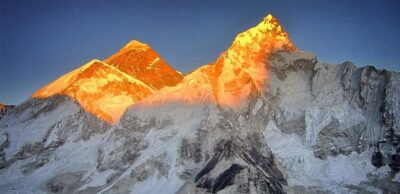
Kala Patthar is the highest point on this route and the key viewpoint for Mount Everest. It is also a demanding climb after the long day to Base Camp. The early start and high altitude can make this the toughest morning of the trip.
The descent to Pheriche is welcome, but do not mistake downhill for easy. Tired legs, uneven ground, and cold conditions still require care. The move from Gorakshep to Pheriche also begins the process of returning to lower altitude, which many people find physically easier.
Days 10 and 11: The long return to Lukla
Day 10 takes you from Pheriche back to Namche Bazaar in about six hours. You are retracing part of the route, but the return gives you a different rhythm. The pressure of reaching Base Camp is gone, and you can focus on the changing scenery and the relief of descending.
Day 11 continues from Namche to Lukla, another six-hour walk. This is a substantial final trekking day. It is not a gentle stroll to the airport, so save some energy and do not treat the previous descent as the end of the trek.
The route uses the same domestic flight system on the way back. Weather can affect the Lukla to Kathmandu flight just as it can affect the opening flight, so do not schedule an important international connection too tightly after the trek.
Day 12: Return to Kathmandu
The final day is a flight from Lukla to Kathmandu, followed by a hotel transfer. Breakfast is included that morning.
Ground transfers by private vehicle are included for the domestic hotel and airport movements listed in the package. Confirm which Kathmandu hotel nights are part of your booking, since the supplied details give conflicting information about Kathmandu accommodation.
Guides, group size, and the kind of support you get
A guide is included, along with the guide’s salary, food, drinks, lodging, transportation, and insurance. That is useful because the guide can focus on your group rather than asking you to solve every arrangement yourself.
The maximum group size is 14 people. This is not a private trek, but it is small enough to keep the group manageable. Ask before departure how the pace is handled if people move at different speeds.
The guide names connected with past departures are Kiran, Dinish, and Arjun. Kiran was praised for handling a trip disrupted by a monsoon, while Dinish was described as helpful during a difficult trek. Arjun was noted for patience, clear expectations, and small acts of care such as bringing fresh fruit. You may not be assigned one of these guides, so treat those names as examples of the service standard to ask about, not a promise.
The material says guides and porters are included in the overview, but the detailed inclusions list porter service as an extra. Use the detailed cost information as the safer guide and confirm the point directly. A porter is listed at $220 for the trip.
Fitness, equipment, and daily comfort
The tour asks for a moderate level of physical fitness. That phrase should not fool you into thinking this is an easy holiday. You will walk for five to seven hours on many days, reach 5,545 meters, sleep in basic tea houses, and spend several days far above normal road access.
Included equipment helps reduce the packing burden. You receive a sleeping bag, down jacket, duffle bag, and trekking map, with the equipment returned after the trek.
Food is included three times daily during the trek. Personal drinks, water, sweets, chocolate bars, hot showers, and battery charging are not included. Those extras can add up, so budget for them and bring suitable cash.
You also need travel insurance. The operator can arrange emergency helicopter service, but your insurance company pays for it. Make sure your policy covers the altitude and the evacuation arrangement required for this route.
Should you book this Everest Base Camp trek?
Book this trek if you want a guided route with flights, permits, tea-house lodging, meals, acclimatization days, and basic gear handled in one package. It suits you best if you want support but do not need a private itinerary.
Think twice if you want luxury, flexible daily distances, or a simple all-inclusive bill. The $1,300 price is useful, but the visa, insurance, entrance fee, porter, drinks, water, showers, charging, tips, and personal costs come afterward. Confirm the Kathmandu hotel arrangement and porter cost before booking.
The strongest reason to choose it is the structure. You get a clear 12-day route, two planned rest days, an experienced guide, and a group capped at 14. The biggest risk is not the walking alone. It is the combination of altitude, weather-sensitive flights, basic lodging, and extra costs. If you prepare for those points, this is a practical way to reach Everest Base Camp without arranging every piece yourself.
FAQ
How long is the Everest Base Camp Trek?
The trek lasts approximately 12 days, including flights between Kathmandu and Lukla, the walk to Everest Base Camp, the return to Lukla, and the flight back to Kathmandu.
Where does the experience start?
The meeting point is Tribhuvan Airport in Kathmandu, Nepal. The listed start time is 6:15 am.
What is the highest point on the route?
Kala Patthar is the highest listed point, at 5,545 meters.
Are flights between Kathmandu and Lukla included?
Yes. The package includes the Kathmandu to Lukla and Lukla to Kathmandu flights, including domestic airport tax.
Are meals included?
Breakfast, lunch, and dinner are included during the trek. Food in Kathmandu is not included according to the detailed inclusions, so confirm the Kathmandu arrangements before booking.
Is a porter included?
The detailed cost information says a porter is extra. If required, the listed cost is $20 per day, or $220 per person.
Is travel insurance required?
Yes. Travel insurance is compulsory. The operator can arrange emergency helicopter service, but the cost is paid by your travel insurance company.
Can the trip be canceled because of weather?
Yes. If poor weather causes the experience to be canceled, you are offered a different date or a full refund. The experience can also be canceled if the minimum number of participants is not reached, with a different date, another experience, or a full refund offered.
Just added around Everest Region
- Day Tour to Everest Base Camp By Helicopter★ 5.0 · 16 reviews
- Kathmandu To Lukla By Helicopter Flight★ 5.0 · 6 reviews
- Luxury Everest Base Camp Trek – 11 Days★ 5.0 · 9 reviews
- Everest Base Camp Tour & View Point by Helicopter from Katmandu★ 5.0 · 3 reviews
- Everest base camp helicopter tour with Guarenteed Landing★ 4.0 · 7 reviews
- Everest base camp flight over by Helicopter from Kathmandu★ 5.0 · 10 reviews
- Everest Base Camp Helicopter Tour Stop at Hotel Everest View.★ 5.0 · 17 reviews
- Everest Base Camp Helicopter Tour★ 5.0 · 24 reviews
Everest Base Camp Treks, compared.
Everest Base Camp Trek with Helicopter Return from Gorakshep to Lukla
Read our review →Browse the lists this tour appears in