
Reviewed · EVEREST BASE CAMP TREKS
Everest Base Camp Trek 14 Days
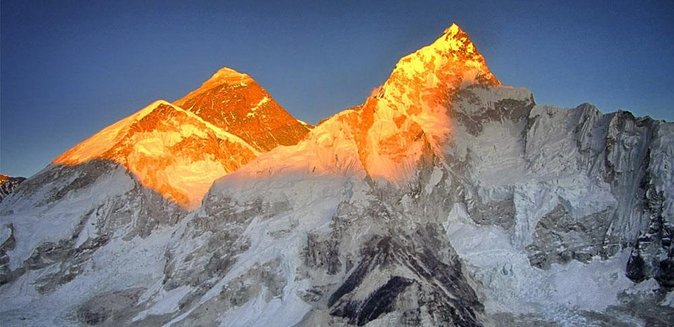
The best part of this 14-day Everest Base Camp trek is its steady route through Sherpa villages, suspension bridges, high mountain passes, and famous viewpoints. You fly from Kathmandu to Lukla, walk into Sagarmatha National Park, and reach Everest Base Camp before climbing Kala Patthar for the big mountain view.
I like the built-in acclimatization days at Namche Bazaar and Dingboche. I also like the private format, since your guide can respond to your pace and needs. Guides named Roshan, Raju, Abinash, Ram, and Man Bahadur have all received warm praise for their care and support.
The main catch is price clarity. At $999 per person, the package includes flights, permits, guide costs, transfers, and taxes, but not your accommodation, food, travel insurance, rescue coverage, or tips. Those extra costs matter on a high-altitude trek.
Key points before you book
- Two acclimatization days: You spend a full day in Namche Bazaar and another in Dingboche, with optional high viewpoints.
- Private trekking group: Only your group participates, which allows more personal attention than a large departure.
- Lukla flights included: Air tickets between Kathmandu or Manthali and Lukla are covered, subject to the local flight schedule.
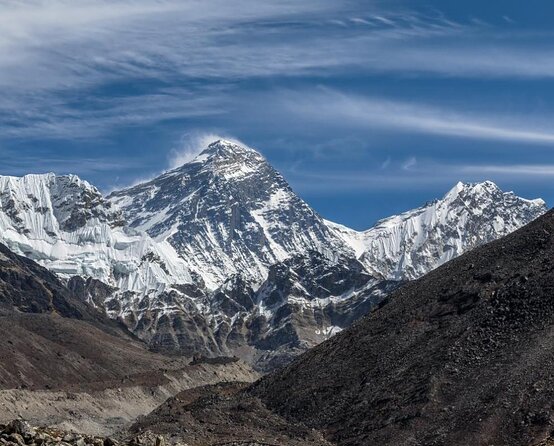
- Everest Base Camp and Kala Patthar: You visit Base Camp and then climb to Kala Patthar for views of Everest.
- Major costs are excluded: Lodging, meals, international flights, visa, insurance, evacuation cover, and tips are separate.
- Early start: The listed meeting time is 5:45 a.m., either at your hotel or Tribhuvan Airport.
What the 14 days really involve
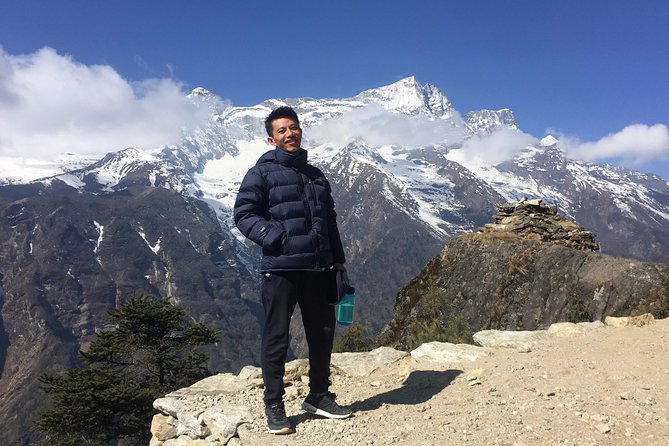
This is not a sightseeing trip with a few mountain walks. You spend many days on foot at increasing altitude, with uneven rocky paths and long trekking stages. The itinerary uses a sensible up-and-down pattern, but you still need moderate physical fitness and a serious attitude toward altitude.
You begin and end in Kathmandu, with the walking section starting at Lukla. Along the route, you pass through Sherpa settlements, pine and rhododendron forests, river valleys, Buddhist monasteries, and high mountain viewpoints. The cultural side matters as much as the scenery. This is a chance to see how people live along one of the world’s most famous trekking routes.
The tour is private, but the package does not include your accommodation or food. That means you should ask the operator exactly how lodging and meals will be arranged before you pay. The listed price can be good value for a private trek, but it is not the full cost of the holiday.
More Everest Base Camp treks:
- Everest Base Camp Trek – 14 Days
★ 5.0 · 1,499 reviews - Everest Base Camp Trekking
★ 5.0 · 485 reviews - Everest Base Camp Trekking – 13 Day
★ 5.0 · 365 reviews
Day 1: Kathmandu preparation in Thamel
Your airport representative meets you and takes you to your hotel or hostel. Later, you meet the guide, review the route, and check your trekking equipment.
This first day is useful because it gives you time to spot missing gear before you leave Kathmandu. It also lets you ask about the flight to Lukla, the walking pace, and how the acclimatization days will work. The listed stop is in Thamel, a convenient base for the tour, with airport pickup included.
The tour begins early the next morning, so do not treat this as a late-night arrival followed by a relaxed start. Confirm the meeting location and time with the operator. The published start time is 5:45 a.m.
Day 2: The flight to Lukla and walk to Phakding
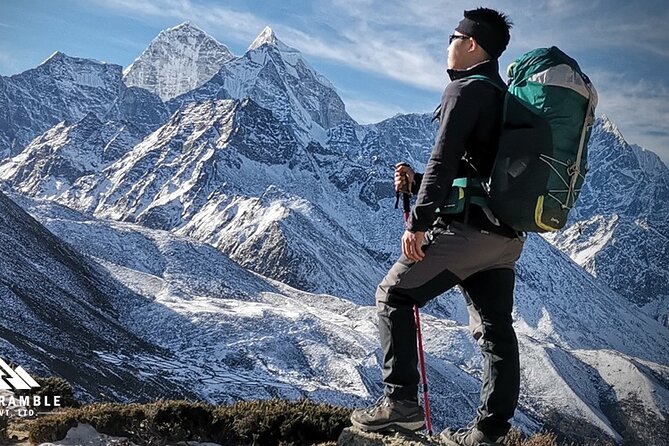
The flight to Tenzing Hillary Airport in Lukla is one of the memorable parts of the route. From Lukla, you walk to Phakding, where you spend the night.
The flight is included in the package, along with the local flight schedule. The operator may use Kathmandu or Manthali for the air connection, so check the departure airport before the trek. That detail can affect your morning transfer and the time you need to be ready.
The walk to Phakding is a gentle introduction compared with later days, though you are already moving in mountain country. You begin crossing bridges and following the Dudh Koshi valley. This is the moment when the trip changes from city travel to a foot journey through the Himalayas.
Day 3: Entering Sagarmatha National Park and reaching Namche Bazaar
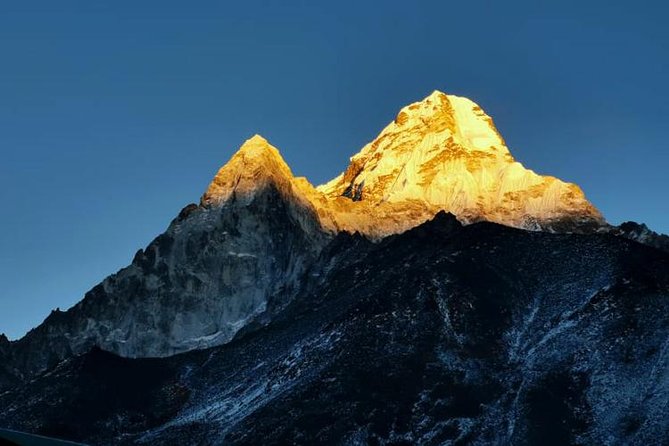
You cross the Dudh Koshi River, pass Monjo, and enter Sagarmatha National Park. From there, the route continues through forest toward Namche Bazaar.
Namche is one of the most important stops on the trek. It is a Sherpa trading center and the main place to adjust before going higher. The scenery changes as the route climbs, and you begin to see more of the high peaks.
The itinerary lists this day as 16 hours, which signals a demanding stage, even if the published duration may refer to the full stop or travel schedule rather than nonstop walking. Ask your guide for the expected walking time and rest stops. You should not judge this day only by distance. The climb in altitude is what makes it tiring.
More trekking days out of Everest Region:
- Everest Base Camp Trek -14 Days
★ 5.0 · 321 reviews - Everest Base Camp Trekking – 2025/2026
★ 5.0 · 199 reviews - Everest Base Camp Trek
★ 5.0 · 193 reviews - Everest Base Camp Trek with Helicopter Return from Gorakshep to Lukla
★ 5.0 · 161 reviews
Day 4: Acclimatization above Namche
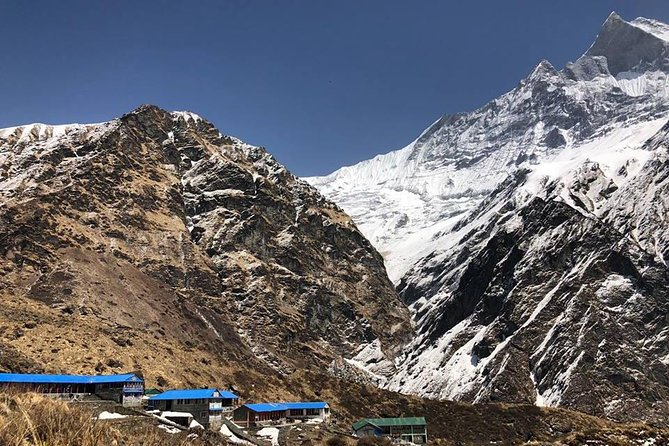
You spend a full day in Namche and hike toward the Everest Hotel viewpoint. From there, you can see Everest, Ama Dablam, Thamserku, and Lhotse.
This is not a wasted rest day. A short climb followed by a return to the same sleeping altitude helps your body adjust before the route rises again. It also gives you one of the first clear mountain panoramas without carrying your full trekking load over a new pass.
I particularly like this part of the plan because it balances physical progress with time to look around. You can use the day to ask questions, inspect your gear, and settle into the walking rhythm. Do not skip it just because you feel fine. Altitude problems can appear later.
Day 5: Forest trails and Tengboche Gompa
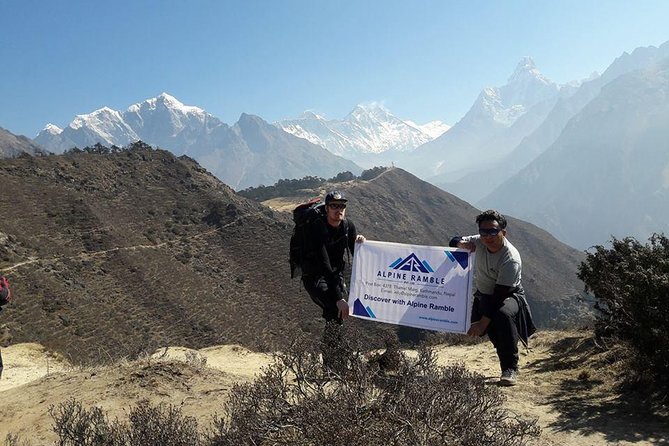
You leave Namche and follow trails through juniper and rhododendron forest toward Tengboche. The route offers broad mountain views and ends at Tengboche Gompa, one of the best-known monasteries in the Everest region.
The monastery gives the trek a strong cultural element. You are not simply walking from one viewpoint to another. You are passing through communities shaped by Tibetan Buddhist traditions and the demands of life at high altitude.
The walk is listed as another long day. The combination of climbing, rocky sections, and altitude can make this stage feel harder than it looks on a map. Take the pace your guide sets rather than trying to race ahead.
Day 6: Crossing the Imja Khola to Dingboche
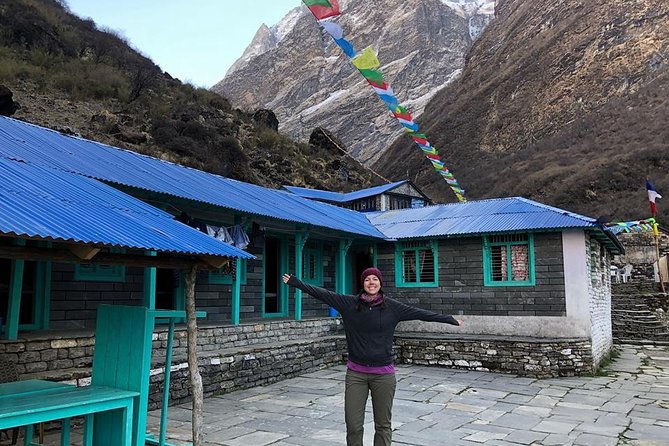
The trail continues to Dingboche, crossing the Imja Khola. Along the way, you get views of Island Peak and Ama Dablam.
Dingboche is an important staging point because the air is thinner and the route ahead becomes more exposed and demanding. The village is also the base for the second acclimatization day.
The listed duration again shows a long trekking stage. You should expect the walk to require patience, especially if your body is still adjusting. Drink regularly, protect yourself from the sun, and tell the guide early if you develop a headache, nausea, or unusual tiredness.
Day 7: Your second acclimatization day
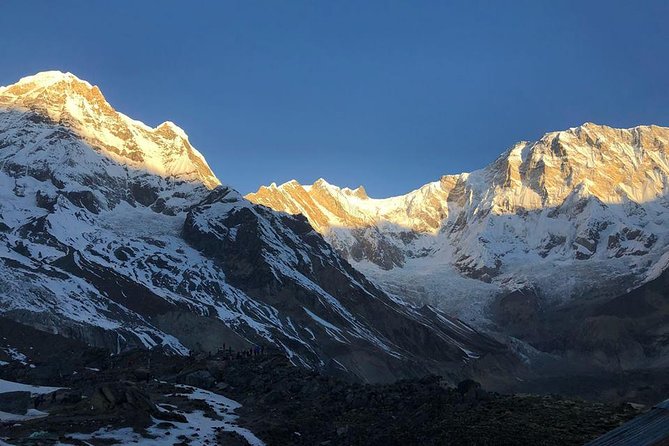
You stay in Dingboche and have a choice of higher hikes. The options listed are Nangkartshang Peak at 5,083 meters or Chhukung Ri at 5,546 meters.
These are not casual strolls. The altitude makes even a short climb feel serious, and your choice should depend on how you feel that day. The reward is a fine view of Everest, Ama Dablam, Island Peak, and Pumori.
I like that the itinerary gives you options instead of forcing every person into the same climb. A private tour should make this kind of adjustment easier. You should still follow your guide’s judgment. The highest option is not automatically the best choice if you are struggling.
Day 8: The rocky route to Lobuche
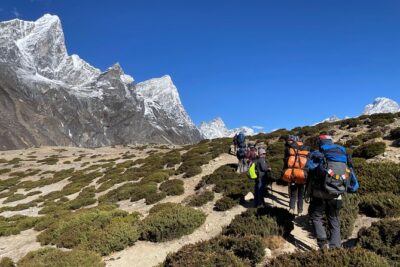
You continue along an uneven rocky path to Lobuche, with views of Pumori, Nuptse, and Lobuche Peak.
This is where the trek can feel more austere. Forest becomes less prominent, the air is thinner, and the ground demands careful footing. You are now close to the high point of the journey, but the most important day is still ahead.
The route is scenic without being easy. Wear boots you have already tested and keep your day pack manageable. Since guest accommodation and food are not included in the listed price, confirm in advance where you will stay and how meals will be handled at this stage.
Day 9: Everest Base Camp and the Khumbu Glacier
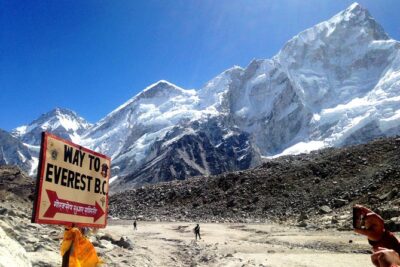
Today you walk through the Khumbu Glacier area to Everest Base Camp, then return to Gorakshep. You can see the Khumbu Icefall from Base Camp.
This is the emotional center of the trek, but it is not necessarily the prettiest or easiest walk. The route across rocky ground and glacier terrain can be slow. At this altitude, you should focus on steady movement rather than speed.
The Base Camp viewpoint gives you a close connection to the climbing route on Everest. The experience is about standing at the foot of the mountain’s famous approach, not reaching the summit. Your return to Gorakshep matters just as much as the arrival, so save energy for the way back.
The published stop duration says one hour, but the itinerary describes a long walk to Base Camp and back. Treat the written route description as the better guide to the day’s demands, and confirm the detailed schedule with your operator.
Day 10: Kala Patthar and descent to Pheriche
You hike to Kala Patthar for views of Everest, then descend to Pheriche. This is often the day when the scale of the mountains becomes clearest, since Kala Patthar is chosen for its viewpoint toward Everest.
The climb is short in distance compared with the full trek, but altitude makes it strenuous. Start slowly and listen to your guide. Once you begin descending, the change in elevation should make the walking feel more manageable, though the trail can still be tiring after the previous day.
The itinerary describes the route down through lush forest, offering a welcome change after the rocky upper section. Pheriche also marks the beginning of your return through the same broad region, with less pressure to keep climbing.
Days 11 and 12: Returning through Namche to Lukla
You leave the high mountains behind and return to Namche, crossing suspension bridges and passing through villages. The next day takes you through Jorsale, Monjo, and Phakding before continuing along the Dudh Koshi valley to Lukla.
The descent is not effortless. Downhill walking can be hard on knees, and the long stages listed for these days require stamina. Still, the lower altitude gives you a psychological lift, and familiar villages may look different when you see them from the return direction.
These days also show why the 14-day schedule is useful. You are not trying to finish the trek in one frantic push. The route gives you time to return to Lukla before the flight to Kathmandu.
Day 13: Flying back to Kathmandu
You take an early morning flight of about 35 minutes to Kathmandu. The rest of the day is free for Thamel, shopping, or rest.
The flight is included, but mountain flights depend on the local flight schedule. Build flexibility into your wider Nepal plans if possible. The tour includes airport transfer services and local flight arrangements, but you should still confirm the exact departure airport and timing.
A free afternoon in Kathmandu is a practical finish. You can collect souvenirs, replace worn gear, or simply enjoy a shower and a slower pace after two weeks in the mountains.
Day 14: Airport drop-off or extra time in Nepal
On the final day, you can extend your stay in Nepal or use the arranged airport drop-off. This is a simple end to the formal program.
If your international flight is on the same day, confirm the transfer time carefully. If you have extra days, the operator can leave you free to continue your Nepal visit, though additional arrangements are not part of the listed trek.
What the $999 price includes, and what it does not
The price has real value because it includes several costly and important pieces:
- Airport arrival and departure transfers
- Local flight tickets between Kathmandu or Manthali and Lukla
- Guide salary, guide food, equipment, and insurance connected with the trip
- Sagarmatha National Park fees, TIMS, and local permits
- Government taxes and VAT
- Official trip expenses
The exclusions are just as important:
- International flights
- Nepal entry visa
- Your accommodation and food throughout the trek
- Travel and health insurance
- Emergency rescue and evacuation cover
- Tips for the guide
Do not compare $999 with a package that includes lodging and meals without checking the fine print. The price can suit you if you want a private operator to handle permits, local flights, guiding, and transfers while you arrange or separately pay for daily necessities.
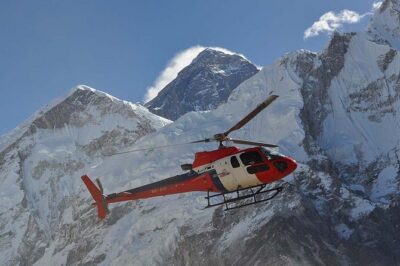
Guide support is one of the strongest reasons to choose this format. The company has assigned guides including Man Bahadur, Navraj, Bhairas, Bala, Raju, Roshan, Ram, and Abinash on similar Everest routes. The strongest praise centers on care, humor, safety support, cultural explanation, and personal attention. One solo female trekker also received help arranging a helicopter return when her flight plans became difficult, though you should not treat a helicopter as part of this package.
Who should book this trek
This trip suits you if you want the classic Everest Base Camp route with a private guide and built-in acclimatization. It is a good match for people who value personal support and do not want to organize permits and Lukla flights alone.
It can also work for solo trekkers, families, and small private groups. The tour has been used by a solo woman, a parent trekking with a 14-year-old daughter, and a father and daughter on a private trip. That does not remove the physical demands, but it shows the operator can tailor support to different group needs.
You should think twice if you want a fully inclusive package. Accommodation and meals are not covered, and the trek requires moderate fitness. You also need insurance that specifically covers emergency rescue and evacuation, since that protection is not included.
The cancellation terms are friendly if your plans change early: cancel at least 24 hours before the start for a full refund. Inside that window, no refund is offered, and changes are not accepted.
Should you book the Everest Base Camp Trek?
I would choose this trek if you want a private, guided classic route and are comfortable paying separately for lodging, meals, insurance, and tips. The itinerary has the right broad shape: two acclimatization days, a Base Camp visit, a Kala Patthar climb, and a paced return to Lukla.
I would not book it without first confirming the exact accommodation plan, meal arrangements, flight departure point, and total expected budget. If those details are clear, the $999 price offers a practical way to handle the complex parts of an Everest trek while keeping the group personal.
FAQ
Where does the Everest Base Camp trek start?
The trek starts in Kathmandu, with pickup from your hotel or Tribhuvan Airport. The listed meeting time is 5:45 a.m.
How long is the trek?
The experience lasts 14 days, including arrival arrangements, the trek from Lukla, the return flight to Kathmandu, and airport drop-off.
Are flights to Lukla included?
Yes. Flights between Kathmandu or Manthali and Lukla, in both directions, are included in the package.
Is this a private tour?
Yes. Only your group participates in the activity.
Are accommodation and meals included?
No. The listed price does not include guest accommodation or food during the trip.
Are permits and national park fees included?
Yes. The package includes applicable TIMS, local permits, Sagarmatha National Park fees, government taxes, VAT, and official expenses.
Do I need travel insurance?
Yes. You need to arrange travel and health insurance that covers emergency rescue and evacuation. This coverage is not included.
What happens if I cancel?
You receive a full refund if you cancel at least 24 hours before the experience starts. Cancellations or changes made within 24 hours are not accepted, and the amount paid is not refunded.
Just added around Everest Region
- Day Tour to Everest Base Camp By Helicopter★ 5.0 · 16 reviews
- Kathmandu To Lukla By Helicopter Flight★ 5.0 · 6 reviews
- Luxury Everest Base Camp Trek – 11 Days★ 5.0 · 9 reviews
- Everest Base Camp Tour & View Point by Helicopter from Katmandu★ 5.0 · 3 reviews
- Everest base camp helicopter tour with Guarenteed Landing★ 4.0 · 7 reviews
- Everest base camp flight over by Helicopter from Kathmandu★ 5.0 · 10 reviews
- Everest Base Camp Helicopter Tour Stop at Hotel Everest View.★ 5.0 · 17 reviews
- Everest Base Camp Helicopter Tour★ 5.0 · 24 reviews
Everest Base Camp Treks, compared.
Everest Base Camp Trek with Helicopter Return from Gorakshep to Lukla
Read our review →Browse the lists this tour appears in