
Reviewed · EVEREST BASE CAMP TREKS
Everest Base Camp Trek 15 Days
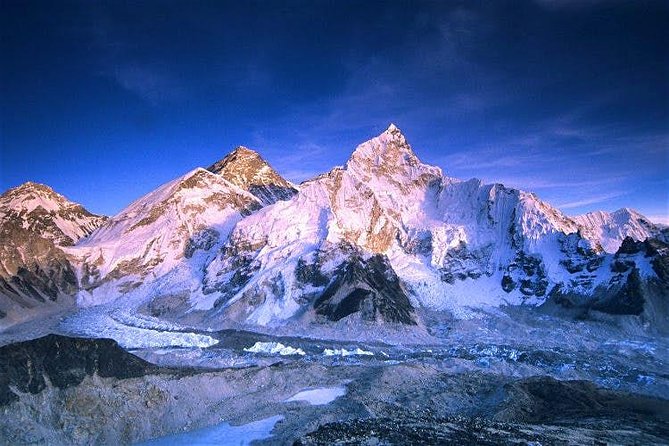
Everest Base Camp is the big one: 15 days on foot toward a 5,364-meter goal, through Sherpa villages, Buddhist monasteries, pine and rhododendron forests, and the stark ice of the Khumbu region. The scenery changes as steadily as your breathing, from wooded paths to bare, high mountain country.
I like the practical setup: meals, a sleeping bag, a duffel bag, permits and other fees are included, and the trek is private to your group. I also like the strong guide-and-porter support, with guides such as Lakpa, Pasang, Buddha Tamang, Nima, Gumbo, and Tendi praised for care, communication, and help with altitude.
The catch is simple: this is not a casual walk. You need moderate physical fitness, patience with changing conditions, and a budget beyond the $2,400 tour price for insurance, visa, snacks, drinks, tips, and other personal costs.
Key points to know before booking
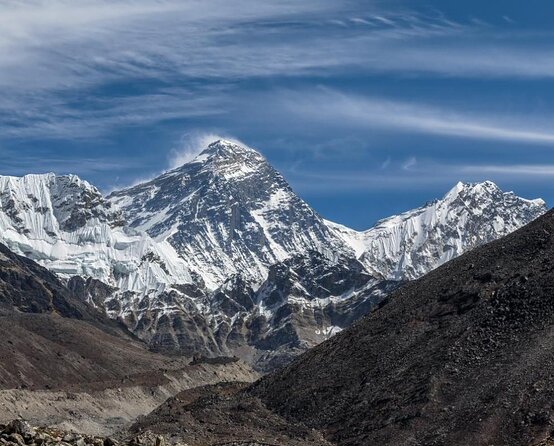
- Everest Base Camp at 5,364 meters: The goal is a serious high-altitude trek, not a sightseeing stop reached by road.
- Sherpa culture along the trail: Expect traditional villages, Buddhist customs, old heritage sites, monasteries, and warm lodge hospitality.
- Private group format: Only your own party takes part, which gives you more personal attention than a large group trek.
- Strong guide support: Names connected with the operation include Lakpa, Pasang, Buddha Tamang, Nima, Gumbo, and Tendi.
- Useful gear and meals included: Breakfast, lunch, dinner, a sleeping bag, a duffel bag, and fees are covered.
- Weather and altitude matter: Poor weather can force a date change or cancellation, and you must arrange insurance and a Nepal visa yourself.
Why the road to Everest Base Camp still matters
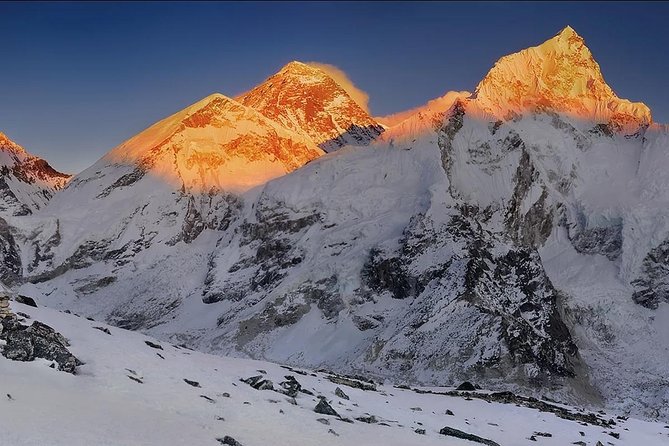
You do not come to Everest Base Camp for a quick photograph of Everest. You come for the changing rhythm of the route: village life, prayer and Buddhist culture, mountain forests, thin high-air trails, glaciers, and the gradual sense that you have walked into a much bigger world.
The base camp itself is at 5,364 meters. That number tells you more than a brochure can. At this height, every uphill section asks for care, and the trek becomes as much about pacing and adaptation as scenery. A good guide is not decoration here. Your guide helps you manage the day, watch your condition, and keep the group moving sensibly.
The 15-day length gives the trip room to develop. It is still a focused schedule, but it is not presented as a rushed dash to the mountain. You spend nights in clean scenic lodges, eat included meals, and get time to see villages and monasteries rather than simply marching from one high point to another.
The route is best for someone who wants a major physical challenge with a strong cultural side. If you mainly want easy mountain views from a vehicle, this is the wrong choice. If you like walking, high peaks, simple lodges, and a clear goal at the end, it makes much more sense.
More Everest Base Camp treks:
- Everest Base Camp Trek – 14 Days
★ 5.0 · 1,499 reviews - Everest Base Camp Trekking
★ 5.0 · 485 reviews - Everest Base Camp Trekking – 13 Day
★ 5.0 · 365 reviews
Kathmandu, an early start, and a private group
The trek begins at Sherpa Expedition and Trekking on Chaksibari Marg in Kathmandu. The listed start time is 6:15 a.m., so plan for an early morning and arrive ready to move. Pickup is offered, but the meeting point remains the stated starting location, so confirm the exact pickup arrangement before departure.
A private tour means only your own group participates. That is useful if you are traveling with family or friends, or if you prefer not to match your pace to a large mixed party. It can also make communication easier when you need to discuss rest, food, equipment, or the day’s walking plan.
The operation has received praise for advance communication and flexibility. One particularly useful example involved a delayed flight into Kathmandu, with the team arranging a late-night hotel meeting to prepare the trek. That kind of help matters more than polished advertising when flights, weather, or luggage plans go wrong.
Several guides and porters are associated with the service through past trips. Lakpa and Pasang receive repeated praise, while Buddha Tamang is noted for care, enthusiasm, and knowledge of the region. Nima, Neema, Kumar, Gumbo, and Tendi also appear in the guide and porter teams. Your assigned people may differ, so ask for names and roles before setting out.
Moving through Sherpa villages and Buddhist country
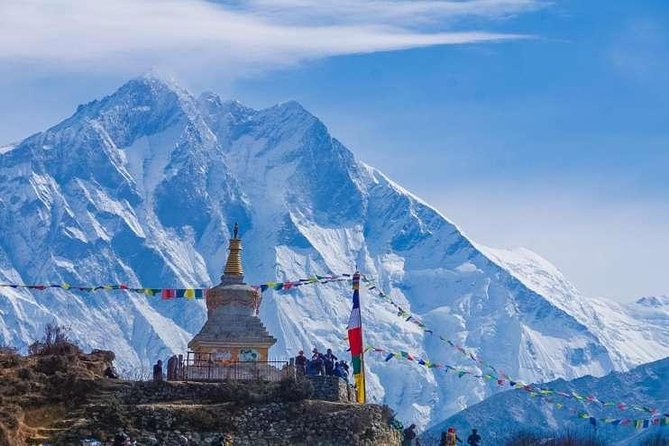
One of the best parts of this trek is that Everest is not the only subject. The route passes through Sherpa communities where Buddhist customs shape daily life. You are not simply walking past mountain scenery. You are moving through villages with their own traditions, monasteries, and heritage sites.
The supplied description does not provide a day-by-day village list, so I would not pretend to know each overnight stop. What you can expect is a steady passage through traditional settlements, with lodge stays that put you close to the local rhythm of the route.
Monasteries and old heritage sites give the walking a useful sense of place. They also offer a pause from the physical work. You may find that the cultural stops become as memorable as the famous mountain views, especially when your legs are tired and you need a slower hour.
Sherpa hospitality is a central part of the arrangement. Nights are spent in clean scenic lodges rather than in a fully supported tent camp. That brings comfort, but keep your expectations sensible. High mountain lodges are practical places to eat and sleep, not luxury hotels, and the included sleeping bag is an important part of the package.
Forests, open alpine ground, and the Khumbu glaciers
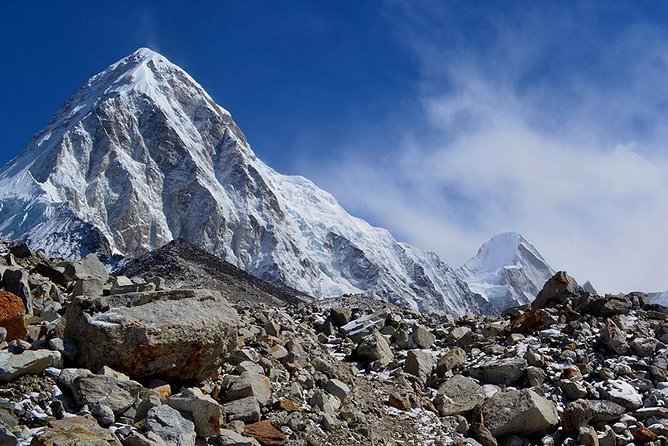
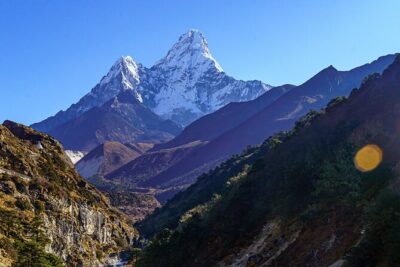
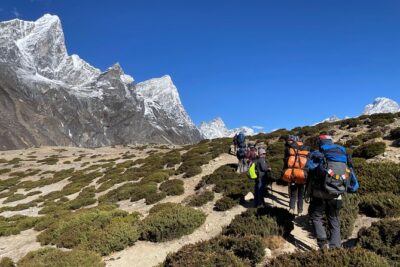
The scenery changes in clear stages. Lower sections feature rhododendron and pine forests, giving the route shade, texture, and color. As you gain height, the trees thin out and the setting becomes more open and severe.
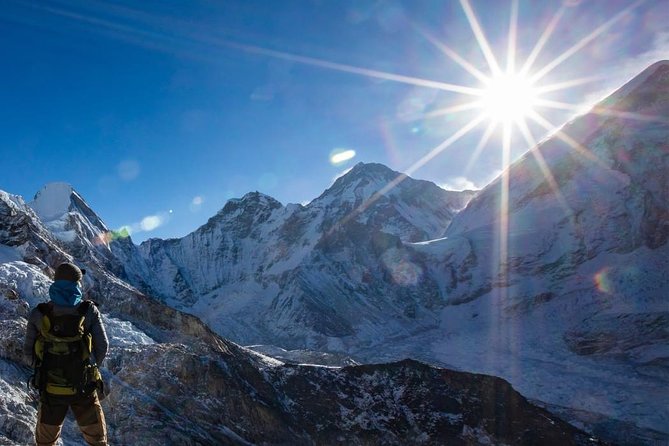
The upper country is described as barren Khumbu terrain, with glaciers and the Khumbu Icefall forming part of the visual drama. The contrast is the point. One day you may be looking across forested slopes and village paths; later, the world feels stripped down to stone, snow, ice, and enormous peaks.
You should not treat the mountain views as a single postcard moment. Panoramas appear and disappear as the route bends, clouds move, and your position changes. The experience is stronger because you are walking through the setting rather than arriving at one overlook and leaving again.
The scenery also explains why the trip takes two weeks. A high mountain journey needs time for the surroundings to change and for your body to adjust. The schedule is still demanding, but the length gives the trek a more natural shape than a short, aggressively packed itinerary.
More trekking days out of Everest Region:
- Everest Base Camp Trek -14 Days
★ 5.0 · 321 reviews - Everest Base Camp Trekking – 2025/2026
★ 5.0 · 199 reviews - Everest Base Camp Trek
★ 5.0 · 193 reviews - Everest Base Camp Trek with Helicopter Return from Gorakshep to Lukla
★ 5.0 · 161 reviews
The final approach to 5,364 meters
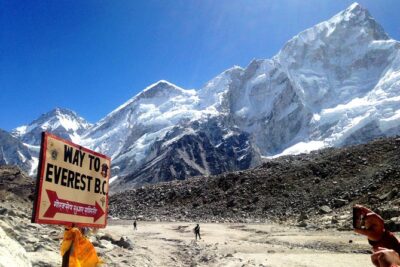
Everest Base Camp is the emotional target of the trek. Reaching it gives you a clear finish line, but the achievement comes from all the days before it: the early starts, the changing terrain, the simple lodge nights, and the careful pace at altitude.
You should expect the final stages to feel demanding. The tour requires moderate fitness, but that phrase should not be mistaken for easy. You need to be comfortable walking for several days in mountain country and managing fatigue without losing patience.
Altitude can affect people differently. The information supplied does not promise a fixed acclimatization schedule or medical support plan, so ask the operator how the 15-day route handles rest and altitude adjustment. Pay attention to your guide’s advice, report problems early, and do not treat reaching the base camp as more important than your health.
The guides are a major part of the value. Pasang is repeatedly associated with careful support and strong local knowledge. Lakpa is praised for helping groups complete the trek, and Buddha Tamang is noted for his care and understanding of the region. Other guide teams, including Gumbo and Tendi, have also been credited with watching closely over physical condition and altitude response.
Food, sleeping gear, and the real cost
The listed price is $2,400 per person. That is not a small amount, but the value depends on what you would otherwise need to organize. Breakfast, lunch, dinner, a sleeping bag, a duffel bag, and all fees and taxes are included.
The meal coverage is useful because food on a long trek quickly becomes a major expense and planning task. You will not need to arrange every breakfast, lunch, and dinner separately. The sleeping bag and duffel bag also reduce the amount of specialist gear you must buy or transport, though you should confirm the specifications and condition before departure.
The price does not cover alcoholic drinks, soda, snacks, a Nepal visa, insurance, or guide and porter tips. These exclusions are easy to overlook. Bring extra funds for drinks and snacks, and purchase suitable travel insurance before you go. Insurance is particularly important for a high-altitude trek, even though the supplied information does not state a specific coverage requirement.
Porter support adds practical value. Past guide teams have helped with day packs when walkers were exhausted, which can make a real difference on a long uphill day. Still, you should pack responsibly and avoid assuming that porters can carry everything you bring.
What the praise tells you about service
The most consistent positive point is not one particular view. It is the human support. The guide and porter teams are praised for being kind, flexible, attentive, and willing to help when the walking becomes difficult.
Communication before departure also matters. Ram is associated with arranging logistics and handling a delayed arrival with flexibility. That suggests you should contact the company early with your flight details, hotel location, equipment questions, and any concern about the schedule.
The high rating and full recommendation rate are encouraging, but I would still ask practical questions before paying. Confirm the guide’s name, porter arrangement, lodge standards, the exact meal plan, and what happens if weather disrupts transport or the walking schedule.
A private group can make the service feel more personal, but it also means you should be clear about the group’s fitness levels. A strong walker and a slower walker may need different pacing. Discuss this before departure rather than waiting until everyone is tired.
Who should book this trek
You should consider this trek if you want:
- A major Himalayan walking goal rather than a short mountain outing
- A private group with direct guide attention
- Sherpa villages, monasteries, Buddhist customs, and mountain scenery
- Lodge accommodation instead of a fully tent-based route
- Meals, a sleeping bag, a duffel bag, and fees bundled into one price
- A guide-led trip with a strong focus on personal support
You should think twice if you dislike early starts, basic lodge living, long days on foot, or uncertain weather. The tour also may not suit anyone unwilling to prepare for altitude or arrange insurance.
The 15-day format is a good match for someone who wants a focused schedule with time for culture and scenery. It is less suitable if you want a slow, extended Himalayan itinerary or a route with many optional side trips, since those details are not provided.
Booking details worth checking
Confirmation is received at booking. The activity begins at 6:15 a.m. from the Kathmandu meeting point, and pickup is offered. The trek ends back at the meeting point.
Free cancellation is available if you cancel at least 24 hours before the local start time. Changes or cancellations inside that window are not accepted for a refund. The experience also depends on good weather and a minimum number of participants. If the operator cancels for either reason, you are offered another date or experience, or a full refund.
Those rules are reasonable, but mountain weather can change plans quickly. Keep flexibility in your Kathmandu schedule if possible, especially around the start and end of the trek.
Should you book the Everest Base Camp Trek?
I would book this trek if reaching Everest Base Camp is a serious personal goal and you want the support of a private guide team rather than trying to arrange each part yourself. The strongest reasons are the cultural route, included meals and gear, private format, and repeated praise for guides such as Lakpa, Pasang, and Buddha Tamang.
I would not book it simply because Everest is famous. You need to accept altitude, physical effort, early mornings, basic lodge life, and extra costs beyond the advertised price.
Before confirming, ask for the detailed day-by-day itinerary, guide assignment, altitude plan, transport arrangements, lodge standards, and insurance expectations. If those answers suit your pace and preparation, the $2,400 price can offer solid value for a demanding and memorable trek to one of the world’s great mountain goals.
FAQ
Where does the Everest Base Camp Trek begin?
The trek begins at Sherpa Expedition and Trekking on Chaksibari Marg in Kathmandu, Nepal. Pickup is offered, and the listed start time is 6:15 a.m.
How long is the trek?
The stated duration is approximately 15 days.
How high is Everest Base Camp?
The trek reaches Everest Base Camp at 5,364 meters.
Is this a private tour?
Yes. Only your own group participates in this private activity.
What meals are included?
Breakfast, lunch, and dinner are included.
What equipment is included?
A sleeping bag and duffel bag are included. The package also includes all fees and taxes.
What is not included in the price?
Alcoholic drinks, soda, snacks, a Nepal visa, insurance, and tips for the guide and porter are not included.
Just added around Everest Region
- Day Tour to Everest Base Camp By Helicopter★ 5.0 · 16 reviews
- Kathmandu To Lukla By Helicopter Flight★ 5.0 · 6 reviews
- Luxury Everest Base Camp Trek – 11 Days★ 5.0 · 9 reviews
- Everest Base Camp Tour & View Point by Helicopter from Katmandu★ 5.0 · 3 reviews
- Everest base camp helicopter tour with Guarenteed Landing★ 4.0 · 7 reviews
- Everest base camp flight over by Helicopter from Kathmandu★ 5.0 · 10 reviews
- Everest Base Camp Helicopter Tour Stop at Hotel Everest View.★ 5.0 · 17 reviews
- Everest Base Camp Helicopter Tour★ 5.0 · 24 reviews
Everest Base Camp Treks, compared.
Everest Base Camp Trek with Helicopter Return from Gorakshep to Lukla
Read our review →Browse the lists this tour appears in