
Reviewed · EVEREST BASE CAMP TREKS
Everest Base Camp Trek
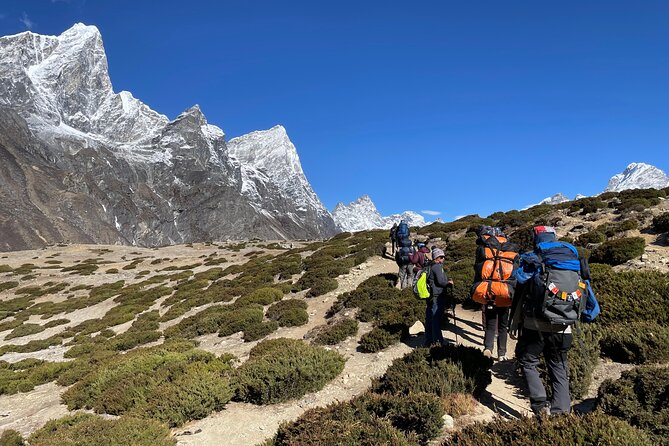
Everest Base Camp is the headline, but the best part of this 15-day trip is the steady change in scenery and culture along the way. You begin with a flight to Lukla, follow the Dudh Koshi River, pass prayer wheels and mani walls, and spend time in Sherpa villages before reaching the high, stark valleys near Base Camp.
I like the two acclimatization days, which give your body a better chance to adjust before the hardest walking. I also like that the price includes flights, meals, lodge stays, permits, a porter, and basic trekking gear, rather than leaving you to arrange each costly piece yourself.
The catch is the altitude and the fixed schedule. Kala Patthar reaches 5,545 meters, and the Lukla flights can be delayed by mountain weather. The extra buffer day helps, but you still need moderate fitness, patience, and suitable insurance.
Key points to know before booking
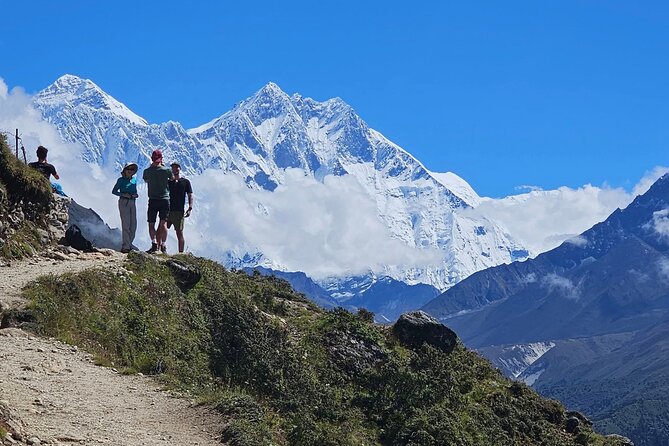
- Kala Patthar reaches 5,545 meters: The sunrise hike is the high point of the trip and offers some of the best views of Everest, Lhotse, and nearby peaks.
- The trek begins with a Lukla flight: The package includes the flight from Kathmandu to Lukla and the return flight, saving you a major planning task.
- Two acclimatization days are built in: You pause in Namche Bazaar and Dingboche, with short hikes to higher viewpoints.
- A maximum of 12 people keeps the group manageable: You get guided support without joining a huge walking procession.
- Basic trekking equipment is supplied: Sleeping bags, duffel bags, and walking poles are included.
- Winter can be very cold: The December experience described especially low temperatures, though the clear mountain views were a strong reward.
Why this route earns its place on your Nepal plans
You do not reach Everest Base Camp by simply walking toward one famous mountain. The route unfolds in stages, and each stage feels different.
At lower elevations, you walk through pine and rhododendron forests, cross suspension bridges, and pass villages with prayer wheels turning in the breeze. Near Base Camp, trees give way to rock, ice, and broad mountain valleys. The route also brings you into contact with Sherpa life through Namche Bazaar, Khumjung, Pangboche, Tengboche, and the monasteries along the trail.
The package costs $1,800 per person. That is a substantial sum, but it covers many of the items that make this trek expensive and complicated: domestic flights, permits, conservation fees, a guide, porter support shared between two people, lodging, meals, transfers, and some equipment.
You should still budget for international airfare, a Nepal visa, personal travel insurance, and tips for the guide and porter. Since the trek reaches extreme altitude, insurance is not a minor extra. The supplied information does not specify altitude evacuation coverage, so you should check your policy carefully before departure.
More Everest Base Camp treks:
- Everest Base Camp Trek – 14 Days
★ 5.0 · 1,499 reviews - Everest Base Camp Trekking
★ 5.0 · 485 reviews - Everest Base Camp Trekking – 13 Day
★ 5.0 · 365 reviews
Days 1 and 2: Kathmandu to Phakding by way of Lukla
Your arrival day is deliberately gentle. A representative meets you at Tribhuvan International Airport in Kathmandu and transfers you to your hotel. Later, you meet the guide for a short briefing, which gives you time to ask questions and prepare your kit before the trail begins.
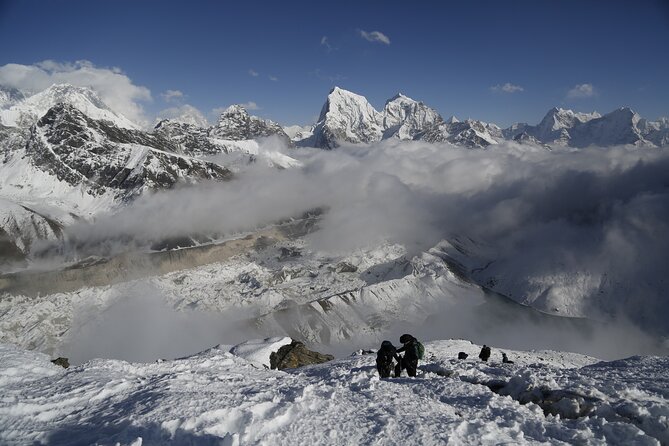
The next morning starts early with the flight to Lukla. This is not just a transfer. The route gives you mountain views before your walking even begins, though the flight schedule depends on weather.
From Lukla, you meet the trekking crew and walk toward Phakding. The first day is relatively easy, taking about three hours, with a descent through Sherpa villages. Mani walls, prayer wheels, and small settlements introduce the cultural side of the route right away.
This short opening walk matters. You are not thrown into a long climb immediately after arriving in the mountains. Still, do not treat it as a free pass. You need to begin slowly, drink regularly, and keep your pace comfortable from the first hour.
Days 3 and 4: Namche Bazaar and your first altitude pause
The walk from Phakding to Namche Bazaar takes about six hours. You follow the Dudh Koshi River and cross several suspension bridges hung with colorful prayer flags. Pine forests and traditional villages keep the route interesting before you enter Sagarmatha National Park.
Namche Bazaar is more than a stopping point. It is the main trading center on this part of the route, with a lively market, bakeries, and the Sherpa Museum. It is also where the increase in altitude begins to feel serious.
Day 4 is set aside for acclimatization. You can explore Namche, take a short hike to the Everest View Hotel, or walk toward Khumjung village. The planned outing takes about four hours and gives you mountain views without forcing you to cover another full day of distance.
I like this pause because it gives you time to adjust while still feeling active. The key is not to turn it into a race for the highest viewpoint. The purpose is to go higher for a short time and return to sleep at Namche.
Days 5 and 6: Tengboche, Pangboche, and changing scenery
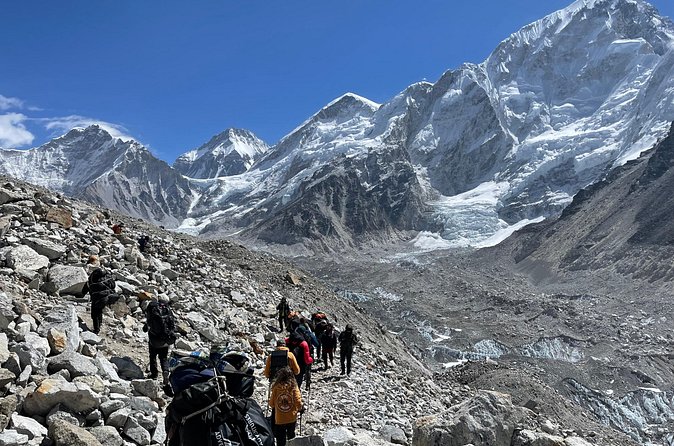
Leaving Namche, the trail climbs gently with views of Everest, Lhotse, and Ama Dablam. You walk through pine and rhododendron forests, then descend toward the Dudh Koshi River before crossing a suspension bridge on the way to Tengboche.
Tengboche is known for its monastery and mountain setting. The stop adds a spiritual and cultural layer to the walk, rather than making the trek only about altitude and photographs. After roughly six hours on the trail, you will appreciate having a place where the pace slows.
The next day takes you toward Dingboche. You first descend through forest to Debuche, cross the Imja Khola, and climb gradually past Pangboche. The village is described as the highest permanent settlement in the region, and the views become more open as the trees thin out.
This section can feel harder than the distance suggests. You are walking higher, and the air is thinner. A steady pace is more useful than speed. Your guide and porter support are especially valuable here because you can focus on walking while your heavier bag is carried by a porter shared between two trekkers.
More trekking days out of Everest Region:
- Everest Base Camp Trek -14 Days
★ 5.0 · 321 reviews - Everest Base Camp Trekking – 2025/2026
★ 5.0 · 199 reviews - Everest Base Camp Trek
★ 5.0 · 193 reviews - Everest Base Camp Trek with Helicopter Return from Gorakshep to Lukla
★ 5.0 · 161 reviews
Day 7: A second acclimatization day at Dingboche
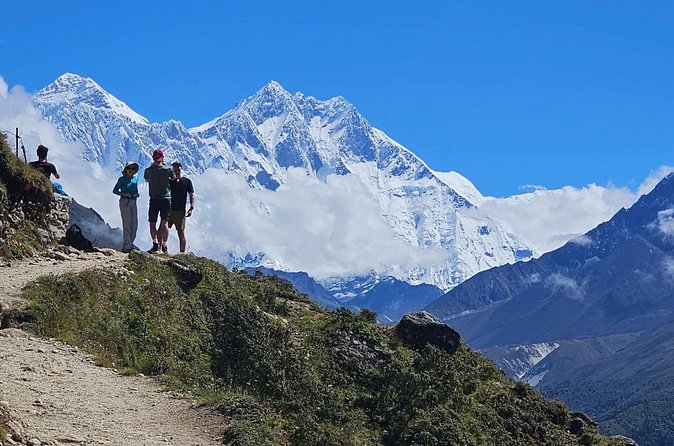
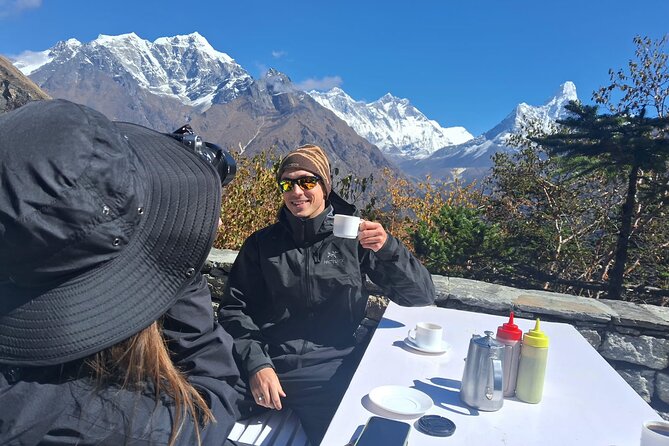
Dingboche gets another acclimatization day, a wise feature of the schedule. The planned hike reaches Nagarjun Hill at about 5,100 meters and takes around five hours. From there, you may see Makalu, Lhotse, and Island Peak.
This is a demanding rest day. Calling it an acclimatization day does not mean you spend the day in bed, but it does mean you avoid moving your sleeping altitude upward. You return to Dingboche for lunch and a more relaxed afternoon.
At this point, pay attention to how you feel. The supplied information sets a moderate fitness expectation, but altitude affects people differently. This schedule offers sensible pauses, yet no itinerary can guarantee that you will feel well at 5,000 meters.
Days 8 and 9: Memorial ridge, Gorak Shep, and Base Camp
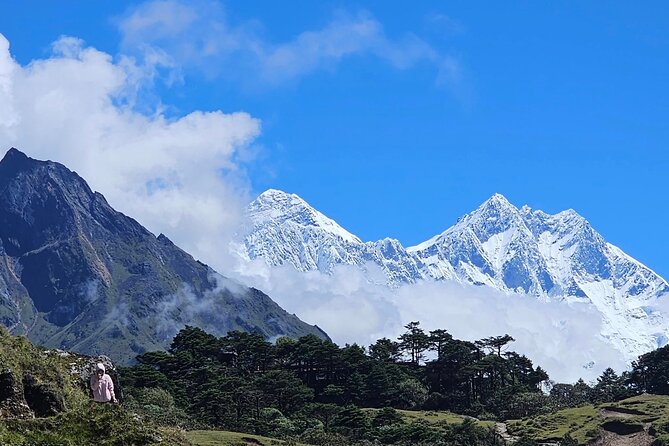
The trail from Dingboche to Lobuche takes about five hours through increasingly rocky country with little vegetation. You pass Dughla and climb to a memorial ridge dedicated to climbers who died on Everest.
This is a quiet, sobering part of the route. The memorials give the mountain a human scale. Everest is not simply a scenic backdrop, and the ridge asks you to remember the cost of climbing in this region.
The following day is one of the longest and most anticipated. You walk gradually to Gorak Shep, the last settlement before Base Camp, then continue after lunch across rocky ground and glacier moraines. The total walking time is about seven hours.
Everest Base Camp sits at 5,364 meters. Reaching it is a major physical achievement, but do not expect a broad city of tents on this trekking visit. The experience is about standing at the foot of the route used by climbers, surrounded by high mountain scenery and glacial terrain.
The air is thin at this height, and the rough trail can make the return to Gorak Shep feel just as important as the walk out. Keep your expectations focused on the setting and the achievement, not on a long stay at Base Camp.
Day 10: Kala Patthar at sunrise and the descent to Pheriche
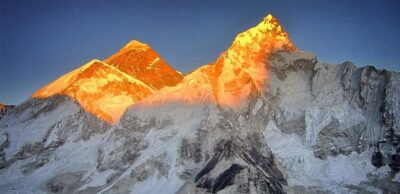
The early start for Kala Patthar is the trip’s defining moment. The climb reaches 5,545 meters, higher than Everest Base Camp, and the aim is to arrive for sunrise.
From this viewpoint, you can look toward Mount Everest and the surrounding Himalayan peaks as the light changes. This is the best planned viewpoint of the trip, and it is why the schedule places Kala Patthar after your Base Camp visit.
The morning is demanding. You climb steeply, stand in cold air at very high altitude, then descend to Gorak Shep for breakfast before continuing toward Pheriche. The day totals about seven hours.
The order makes practical sense. You tackle the viewpoint early, when the mountain views are often clearest, then lose altitude. Still, expect fatigue. Warm layers, gloves, a head covering, and a headlamp are sensible choices for this early morning walk, though the supplied package details do not specify personal clothing.
Days 11 and 12: Returning to Namche and Lukla
The return route follows familiar ground through Pangboche and Tengboche, but walking in the opposite direction changes the views. You descend through forest, cross suspension bridges, and continue beside the Dudh Koshi River toward Namche Bazaar.
The day is listed at about seven hours. Downhill walking is not automatically easy. Rocky steps and uneven surfaces can be tiring after the high-altitude section, so trekking poles, included in the equipment package, may be useful.
The final trekking day takes you from Namche to Lukla through pine forest and across high suspension bridges. It also lasts around seven hours. Reaching Lukla gives you time to reflect on the route, the mountain villages, and the crew who helped carry the practical load.
Because you retrace much of the route, this part is less about new sights and more about completion. The lower altitude should help, but tired legs remain a real concern.
Days 13 to 15: Flight buffer and the return to Kathmandu
After breakfast on Day 13, you take the morning flight from Lukla to Kathmandu. The flight takes about 45 minutes, followed by a transfer to your hotel. Three hotel nights in Kathmandu are included in the package, according to the accommodation details.
Day 14 is a useful buffer for Lukla weather. Mountain flights can be delayed or cancelled, and the schedule keeps one extra day available before your international departure. If the flight operates on time, you can spend the day resting or exploring Kathmandu, though the exact activities are not specified.
Day 15 ends with breakfast and a transfer to Tribhuvan International Airport. The stated meeting time for the start of the experience is 7:15 a.m. at the airport, so you should pay close attention to the exact pickup instructions provided after booking.
The buffer day is one of the tour’s most practical features. It does not remove the risk of disruption, but it gives you a better chance of making your onward flight without cutting the mountain schedule too close.
What the $1,800 price really covers
The value here comes from the number of costly arrangements bundled together. You receive:
- Three nights of hotel accommodation in Kathmandu
- Eleven nights in trekking lodges
- Kathmandu to Lukla and return flights
- Three meals a day during the trek
- Trekking permits and Sagarmatha Conservation fees
- A guide and porter support, with one porter shared between two people
- Ground transportation
- A sleeping bag, duffel bag, and walking pole
The meal counts are also listed as 14 breakfasts, 11 lunches, and 12 dinners. Since the package description also says three meals a day during the trek, you should confirm the exact meal schedule before departure, especially for Kathmandu hotel days and flight days.
International airfare, Nepal visa fees, insurance, and tips are not included. The experience is non-refundable and cannot be changed after booking, so do not commit until your flights, insurance, fitness, and time off work are in order.
Who should book this trek
This trip suits you if you want a guided Everest Base Camp route with the main logistics arranged in advance. It is particularly useful if you prefer not to organize domestic flights, permits, lodge bookings, meals, porter support, and trekking equipment separately.
A maximum group size of 12 is a reasonable middle ground. You have group support and a guide, but the party should not be so large that every stop becomes slow and unwieldy.
The trek is not a casual sightseeing holiday. You need moderate fitness and the ability to handle several days of walking lasting five to seven hours. The altitude is the bigger issue, not just the distance. If you want a short mountain visit or dislike cold, basic lodge accommodation, and unpredictable flight schedules, this may not be the right choice.
The winter experience deserves special mention. December can bring very low temperatures, but clear skies may reward you with excellent mountain views. Guide Krishna is specifically associated with helping during a winter trek, while Babu is associated with the Adventure Great Himalaya team. Your booking confirmation should tell you which guide is assigned to your group.
Should you book the Everest Base Camp Trek?
Book it if you want the classic Everest Base Camp route with a sensible acclimatization plan and most major costs included. The combination of Namche and Dingboche rest days, the Kala Patthar sunrise, porter support, and a Lukla flight buffer gives the trip a practical structure.
Think twice if you are booking on a tight budget, have no room for weather delays, or expect comfort at high altitude. The $1,800 price is reasonable for the included services, but the real cost rises once you add insurance, tips, international flights, a visa, and personal cold-weather gear.
For a prepared walker who wants mountain scenery, Sherpa villages, monasteries, and a clear route to Base Camp, this is a strong package. Go in knowing that the mountain sets the timetable, not the brochure.
FAQ
Where does the Everest Base Camp Trek begin?
The experience begins at Tribhuvan International Airport in Kathmandu, Nepal. The stated start time is 7:15 a.m.
How long is the trek?
The full experience lasts approximately 15 days, including arrival, trekking, acclimatization, return travel, a flight buffer day, and departure.
What is the highest point on the route?
The highest point is Kala Patthar at 5,545 meters. Everest Base Camp is at 5,364 meters.
Are flights between Kathmandu and Lukla included?
Yes. The package includes the flight from Kathmandu to Lukla and the return flight to Kathmandu.
Are meals included?
Yes. Three meals a day are included during the trek. The supplied meal details list 14 breakfasts, 11 lunches, and 12 dinners.
Is accommodation included?
Yes. The package includes three nights in a Kathmandu hotel and 11 nights in trekking lodges.
What is not included in the price?
International airfare, the Nepal visa fee, personal travel insurance, and tips for the guide and porter are not included.
Just added around Everest Region
- Day Tour to Everest Base Camp By Helicopter★ 5.0 · 16 reviews
- Kathmandu To Lukla By Helicopter Flight★ 5.0 · 6 reviews
- Luxury Everest Base Camp Trek – 11 Days★ 5.0 · 9 reviews
- Everest Base Camp Tour & View Point by Helicopter from Katmandu★ 5.0 · 3 reviews
- Everest base camp helicopter tour with Guarenteed Landing★ 4.0 · 7 reviews
- Everest base camp flight over by Helicopter from Kathmandu★ 5.0 · 10 reviews
- Everest Base Camp Helicopter Tour Stop at Hotel Everest View.★ 5.0 · 17 reviews
- Everest Base Camp Helicopter Tour★ 5.0 · 24 reviews
Everest Base Camp Treks, compared.
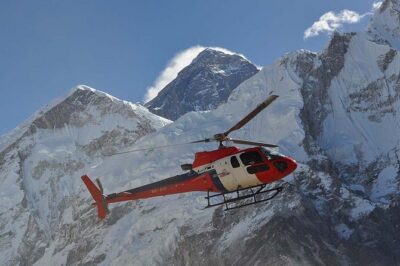
Everest Base Camp Trek with Helicopter Return from Gorakshep to Lukla
Read our review →Browse the lists this tour appears in