
Reviewed · EVEREST BASE CAMP TREKS
Everest Base Camp Trek from Kathmandu 12 Days
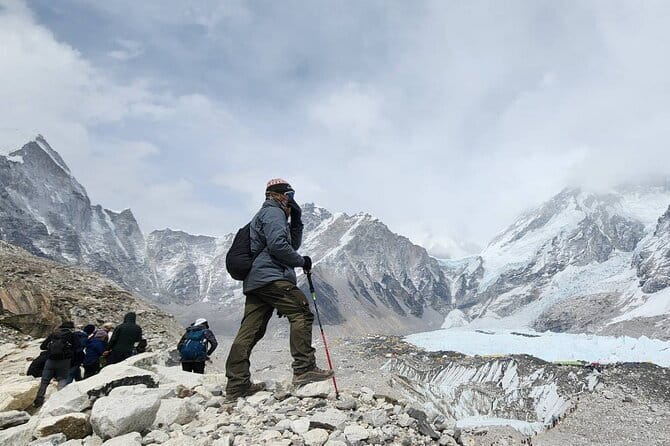
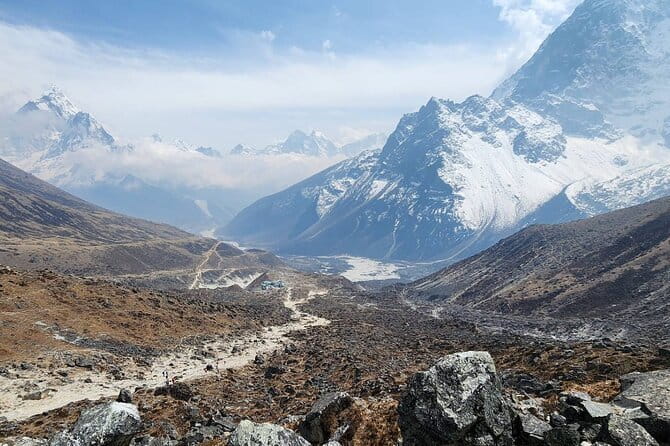
The great prize here is not just reaching Everest Base Camp. It is the steady change from pine forest and river crossings to high, bare valleys beneath Everest, Lhotse, Nuptse, and Makalu. The Kala Patthar sunrise walk gives you the clearest mountain payoff, while Base Camp itself offers the emotional high point.
I like two things in particular: the private format lets your group move at its own pace, and the itinerary includes two acclimatization days, in Namche Bazaar and Dingboche. Guides such as Bikram and Milan are praised for careful planning, calm support, and kindness. The main drawback is the schedule: 12 days is brisk, so strong fitness and a willingness to handle long, tiring walks are essential.
Key points to know before booking
- Lukla flights are included: The price covers the round-trip Kathmandu to Lukla flight, the gateway to the trek.
- Two acclimatization stops: You spend extra time in Namche Bazaar and Dingboche rather than climbing higher every day.
- Base Camp and Kala Patthar: You reach Everest Base Camp on Day 8, then climb Kala Patthar early the next morning.
- Private trekking experience: Only your own group takes part, with an English-speaking guide.
- Sherpa culture is part of the route: Namche, Tengboche, Dingboche, and Pangboche bring village life and Buddhist traditions into the trip.
- Guesthouse accommodation: Lodging is included, but personal expenses are not, so budget beyond the headline price.
What the $1,350 price really covers
At $1,350 per person, this trek offers a useful bundle for a demanding Himalayan trip. You get hotel pickup and drop-off, round-trip flights between Kathmandu and Lukla, trekking permits, the TIMS card, a private English-speaking guide, guesthouse accommodation, and a first-aid kit carried by the guide.
That matters because the trek has several moving parts. The Lukla flight, permits, airport transfers, and guide arrangements are handled together rather than left for you to organize separately. You are paying for practical support as much as for the walking route.
The price does not cover personal expenses. The description also does not list meals, travel insurance, equipment, porter service, or drinks as included, so ask for a current cost sheet before departure. Some people who used this operator also referred to porters, but porter service should not be assumed from the stated inclusions.
A private trip can be good value if you want your walking pace and rest stops shaped around your own group. It may be less appealing if you prefer the social feel or lower price of a larger shared departure. Group discounts are offered, but the activity itself is private, so clarify how the discount applies to your party.
More Everest Base Camp treks:
- Everest Base Camp Trek – 14 Days
★ 5.0 · 1,499 reviews - Everest Base Camp Trekking
★ 5.0 · 485 reviews - Everest Base Camp Trekking – 13 Day
★ 5.0 · 365 reviews
Day 1: Lukla to Phakding begins gently
Your morning starts with a transfer to Kathmandu’s domestic airport for the flight to Lukla. The flight is listed at about one hour for the outward journey, followed by a meeting with your guide and the first walk toward Phakding.
This opening day is deliberately short, around four hours of trekking. That is helpful. Your body has to adjust not only to walking but also to the change in altitude and terrain. You pass through the first mountain scenery without being thrown straight into a long climb.
Phakding is less about major sights than getting your rhythm right. Keep this day easy. Eat, drink, organize your daypack, and listen closely to your guide’s advice. Since the full route grows harder later, wasting energy at the start is a poor bargain.
Day 2: Suspension bridges and the climb to Namche Bazaar
The second day brings the first major test. You follow the Dudh Koshi River through pine forest, crossing suspension bridges on the way to Namche Bazaar. The walk takes about six hours and ends with a sustained climb into the Khumbu’s best-known trading town.
Namche is an important stop because it feels like a real community, not just a place to sleep. You can explore its lanes and get a first look at the Sherpa way of life. The town also marks a clear shift in the trek. From here, the air is thinner, the slopes feel steeper, and each walking day needs more care.
The bridges are memorable, but they may test anyone uneasy with height. The rocky route and uphill finish can also make this day feel longer than the clock suggests. Walk steadily and let your guide set a sensible pace.
Day 3: Use Namche’s rest day properly
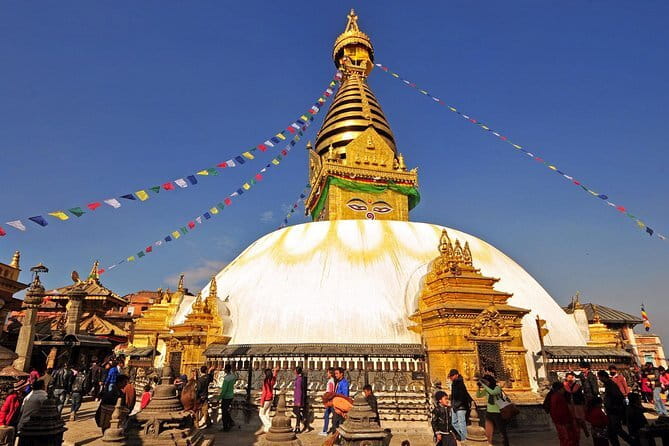
A rest day in Namche does not mean lying still all day. The planned options include a short hike to Thame, a visit to Khunde, or time spent exploring Namche Bazaar itself. The listed activity lasts around five hours, depending on which option your group chooses.
This is one of the itinerary’s strongest choices. An acclimatization day helps you adjust before the route rises farther toward Tengboche and Dingboche. Staying active at a moderate level is more useful than spending the entire day in bed.
Thame and Khunde offer a different feel from the main trail, while Namche gives you the easiest chance to look around before the route becomes more remote. Ask your guide how hard the selected walk will be that day. The point is to prepare your body, not to win a side trip.
More trekking days out of Everest Region:
- Everest Base Camp Trek -14 Days
★ 5.0 · 321 reviews - Everest Base Camp Trekking – 2025/2026
★ 5.0 · 199 reviews - Everest Base Camp Trek
★ 5.0 · 193 reviews - Everest Base Camp Trek with Helicopter Return from Gorakshep to Lukla
★ 5.0 · 161 reviews
Day 4: Tengboche brings monastery views
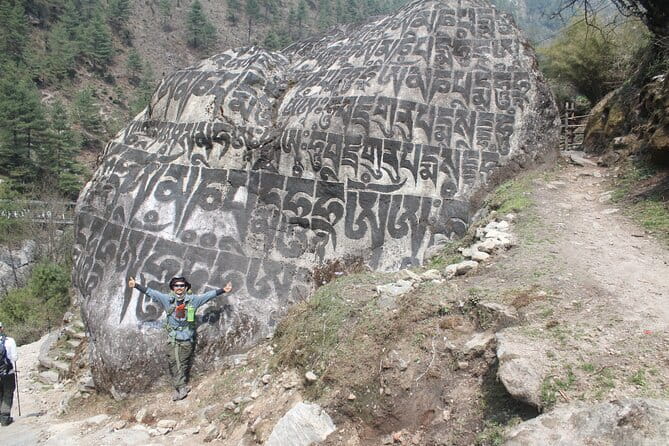
The route to Tengboche takes around six hours. The trail is described as dusty and winding, with some ups and downs but no constant hard climbing. That leaves room to look around and take photographs.
Tengboche is special for its Buddhist setting and broad views. The monastery is one of the cultural highlights of the trek, and the mountain panorama from its grounds gives you a strong reason to carry on through the dust. The route also passes through forest, making this a pleasant change from the more built-up feel of Namche.
Conditions can be rough underfoot, and the winding trail may feel slow. Do not judge the day only by distance. At altitude, a moderate route can still tire you, especially after the previous climb.
Day 5: Pangboche, Shomare, and Dingboche
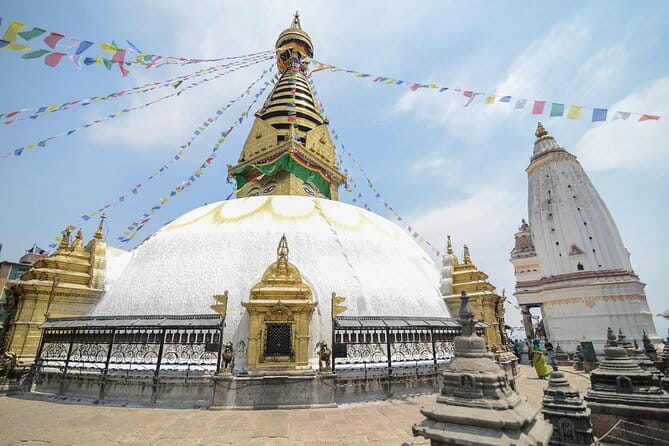
The walk from Tengboche to Dingboche takes about seven hours. It begins with a visit to the region’s oldest Buddhist monastery, then continues through alpine woods toward Upper Pangboche, a sizeable settlement, and onward through Shomare and Orsho.
This is a rewarding cultural and scenic day because the villages are part of the experience, not just markers on a map. Pangboche gives you a closer look at traditional settlement patterns, while the route gradually opens into higher country.
Dingboche is also where the trek begins to feel serious. The long walking time, thinner air, and rocky route demand patience. You will want a warm place to rest when you arrive, and the next day provides it.
Day 6: Another Dingboche acclimatization day
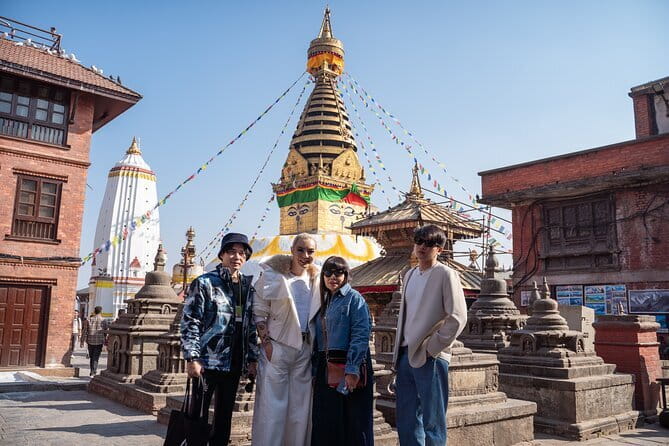
The second acclimatization day is based in Dingboche and lasts about five hours. You can visit the village and surrounding areas while keeping your body active before the push toward Lobuche and Gorakshep.
I like this pause because it breaks up the hardest portion of the trek. The route soon reaches much higher ground, and rushing from Tengboche straight to the upper Khumbu would make the schedule less forgiving. Use the day for a measured walk, not an exhausting detour.
Your guide’s role matters here. The people praised most warmly in the tour feedback, including Bikram, Milan, Bishnu, and Sagar, are associated with careful organization, encouragement, and attention to safety. Ask direct questions if you feel unwell. A good guide needs to know how you are coping before symptoms become serious.
Day 7: The rough approach to Lobuche
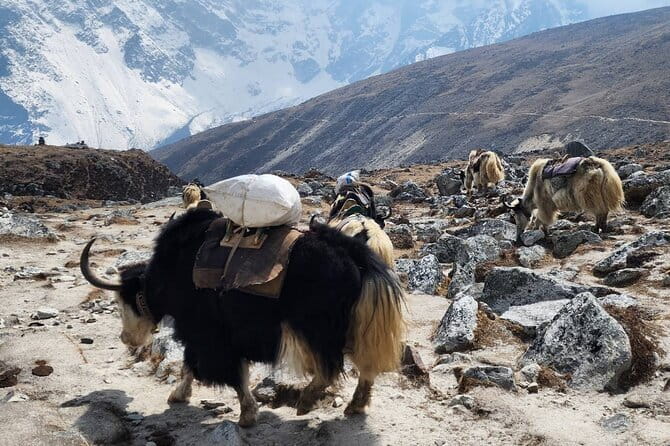
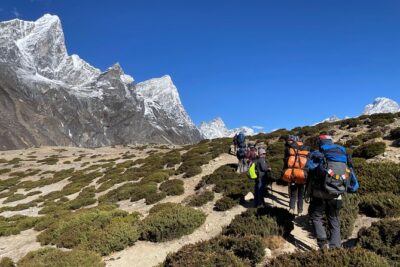
From Dingboche, the trail follows the Khumbu Khola valley toward Duglha. As the valley narrows near Dusa, the route becomes rougher, with large boulders and passing yaks. The day takes around seven hours and ends at Lobuche.
This is not a sightseeing stroll. The footing can be awkward, and the high altitude makes every uphill section feel bigger. At the same time, the setting becomes more dramatic as the valley tightens and the mountains rise around you.
Keep your steps short and controlled. Your guide can help you find a steady rhythm, but no guide can remove the physical demand. This is one of the days when strong fitness is more useful than speed.
Day 8: Gorakshep and the walk to Everest Base Camp
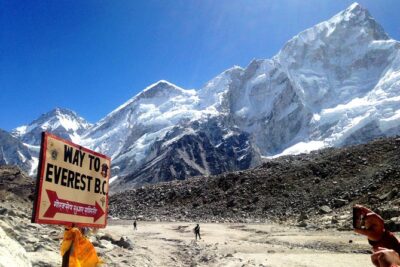
The first section to Gorakshep takes around three hours. The trail follows the side of the Khumbu Glacier and passes a pyramid signpost before a climb to Thangma Riju, where you can see more of the surrounding peaks.
Gorakshep is the staging point for Everest Base Camp. After a short break, you continue toward Base Camp for about two hours, spend time at the destination, and then walk back to Gorakshep for the night. The total arrangement is practical because it gives you the main goal without adding an unnecessary night at the end of the route.
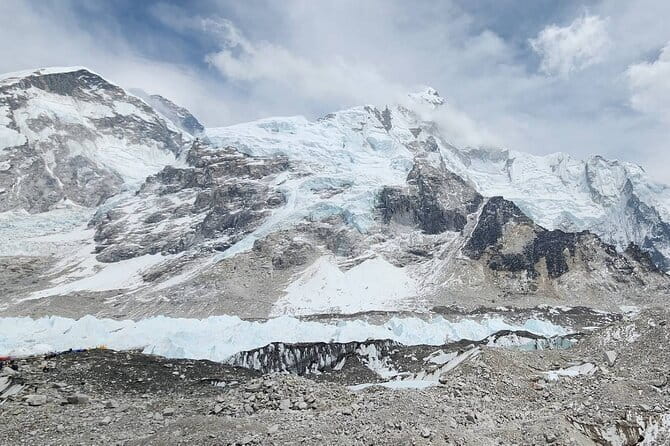
Everest Base Camp is a powerful destination, but keep your expectations realistic. From there, the highest summit views are not necessarily the same as those from Kala Patthar. Base Camp is about reaching the famous mountaineering point, seeing the glacier setting, and feeling the scale of the expedition route around you.
The day can feel long because the return walk is included after the excitement of arrival. Save energy for the way back. You are not done when you reach the Base Camp marker.
Day 9: Kala Patthar and the descent to Pheriche
The early start for Kala Patthar is one of the best parts of the schedule. The climb takes about three hours, and the viewpoint is considered one of the finest places on the route for views of Everest and the surrounding peaks.
An early departure gives you the chance to see the mountains in the changing morning light. It is also a demanding start after the Base Camp day, so your guide’s pacing and your own preparation matter. Bring only what you need for the climb and protect your energy.
After returning to Gorakshep, you rest before descending to Pheriche, a further four hours. The downhill walk may sound easy, but tired legs and rocky ground can make it surprisingly hard. Move slowly and keep control, especially on uneven sections.
Days 10 and 11: Retracing the trail to Lukla
Day 10 follows the route back through the terminal moraines at Duglha, along the Khumbu Khola valley, and through Pheriche and other Sherpa villages before reaching Namche Bazaar. The walk takes about six hours.
The return route gives you a different view of familiar ground. Downhill sections are easier on your breathing, but the distance still adds up. Namche is a welcome overnight stop before the final push to Lukla.
On Day 11, you descend steeply toward Phakding, with about three hours of walking. The rocky trail can be tough on shaky legs, so take short steps and avoid rushing. The route then continues through pine and rhododendron forest to Lukla, with another three hours of walking.
The final night in Lukla gives you a useful buffer before the flight. It also marks the end of the walking portion, though you still need to remain flexible about the next morning’s flight schedule.
Day 12: Fly back to Kathmandu
The return flight from Lukla to Kathmandu is listed at about 35 minutes. After landing at Tribhuvan International Airport, you are transferred back to Thamel, completing the 12-day journey.
The contrast is sharp. Within a single morning, you go from a mountain airstrip and high-altitude villages back to Kathmandu’s urban streets. The itinerary includes hotel pickup and drop-off, which makes the final transfer easier after a tiring trek.
Flight times can matter greatly on a Lukla route, so keep your final day flexible if your onward plans are important. The provided schedule lists a morning flight, but your booking confirmation should contain the current details.
Guides, guesthouses, and the private format
The guide is central to this trip. The company uses English-speaking trekking guides, many described as Sherpas, who provide information about local culture, the route, wildlife, and the region’s past. The strongest names attached to the experience are Bikram and Milan, with Bishnu and Sagar also praised for support and organization.
The feedback points to several practical strengths: guide Milan is associated with kindness and experience, while Bikram is praised for managing tea house stays and acclimatization plans. Bishnu is described as supportive, and Sagar is linked with strong organization. These are useful qualities on a trek where daily judgment matters as much as route knowledge.
Accommodation is in guesthouses. Expect a basic trekking setup rather than hotel comfort, especially at higher elevations. The attraction is location and function: you sleep along the route and avoid arranging each night yourself. Personal spending is still your responsibility, and the package details do not promise luxury services.
The private format suits you if you want direct contact with your guide and fewer group compromises. It also means your own fitness level affects the pace. A private trip is not a shortcut around the altitude or the long walking days.
Who should book this Everest trek?
You should consider this trek if you are physically fit, comfortable with long walks, and interested in both mountain scenery and Sherpa culture. The route gives you major names and places: Namche Bazaar, Tengboche, Dingboche, Lobuche, Gorakshep, Everest Base Camp, and Kala Patthar.
It is also a good fit if you want the key logistics bundled together. Airport transfers, flights, permits, TIMS registration, a guide, accommodation, and first aid are all included. That reduces planning work before you arrive in Nepal.
You should think twice if you want a relaxed schedule, dislike basic guesthouse accommodation, or need a long recovery period between difficult days. The itinerary is efficient, but it is not gentle. You also need to confirm what you will pay for meals, equipment, insurance, porter support, and other personal costs.
You can cancel for a full refund up to three full days before the local start time. After that point, the stated policy does not provide a refund, and changes made within three days are not accepted.
Should you book it?
I would book this trek if your priority is reaching Everest Base Camp within a focused 12-day plan and having the major logistics arranged for you. The two acclimatization days, private guide, Kala Patthar climb, and cultural stops give the schedule real substance rather than treating Base Camp as a quick photo stop.
Before paying, confirm the current flight schedule, guide assignment, meal arrangements, porter costs, and the equipment you must supply yourself. If your fitness is strong and you accept the basic, demanding nature of the route, the $1,350 price can be sensible value. If you want more spare time or extra comfort, choose a longer trek instead.
FAQ
Where does the trek begin?
The trek begins with a flight from Kathmandu to Lukla. After meeting the guide in Lukla, you walk to Phakding.
How long is the Everest Base Camp trek?
The experience lasts approximately 12 days, including the flights from Kathmandu to Lukla and back.
Is the trip private?
Yes. Only your own group participates in the activity.
Are flights between Kathmandu and Lukla included?
Yes. The package includes a round-trip flight ticket between Kathmandu and Lukla.
Is hotel pickup provided?
Yes. Hotel pickup and drop-off are included.
Is a guide included?
Yes. An English-speaking trekking guide is included. The guide also carries a first-aid kit.
Are trekking permits included?
Yes. The package includes a trekking permit and a TIMS card. You must provide passport details and a photo for the permit.
Where do you sleep during the trek?
Accommodation is provided in guesthouses along the route.
What fitness level is required?
You need a strong level of physical fitness. The route includes walking days of around six or seven hours, steep descents, rocky sections, and high-altitude trekking.
Can you cancel for a full refund?
Yes, if you cancel at least three full days before the experience’s start time. Cancellations made less than three full days in advance are not refunded.
Just added around Everest Region
- Day Tour to Everest Base Camp By Helicopter★ 5.0 · 16 reviews
- Kathmandu To Lukla By Helicopter Flight★ 5.0 · 6 reviews
- Luxury Everest Base Camp Trek – 11 Days★ 5.0 · 9 reviews
- Everest Base Camp Tour & View Point by Helicopter from Katmandu★ 5.0 · 3 reviews
- Everest base camp helicopter tour with Guarenteed Landing★ 4.0 · 7 reviews
- Everest base camp flight over by Helicopter from Kathmandu★ 5.0 · 10 reviews
- Everest Base Camp Helicopter Tour Stop at Hotel Everest View.★ 5.0 · 17 reviews
- Everest Base Camp Helicopter Tour★ 5.0 · 24 reviews
Everest Base Camp Treks, compared.
Everest Base Camp Trek with Helicopter Return from Gorakshep to Lukla
Read our review →Browse the lists this tour appears in