
Reviewed · EVEREST BASE CAMP TREKS
Everest Base Camp Trek Via Gokyo Lake and Cho La Pass
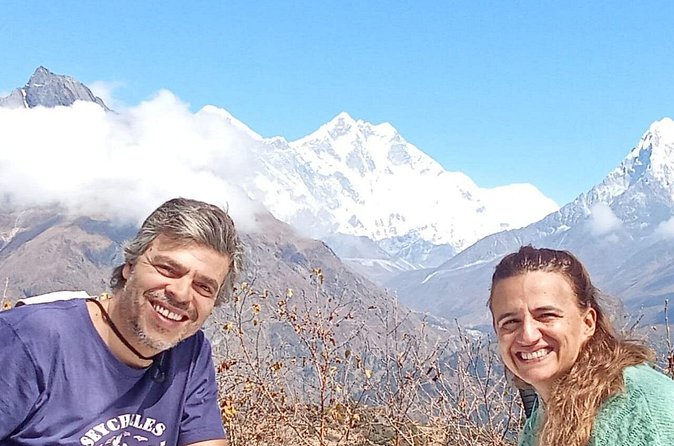
Everest Base Camp is only part of this trek. The route adds the quiet Gokyo Valley and the demanding Cho La Pass, giving you glacier views, high lakes, monasteries, and classic Everest scenery in one long Himalayan circuit. I like the route variety and the strong support package, which includes flights, meals, permits, a guide, porters, and emergency oxygen. The main drawback is clear: this is a serious high-altitude trek, not a relaxed walking holiday.
I also like the time built into Namche Bazaar and the chance to see Everest from both Kala Patthar and the Gokyo side. You should still expect cold mornings, basic teahouses, changing flight plans, and long uphill days. The listed price of $1,000 per person is attractive for what is included, but you’ll need to budget for gear, insurance, tips, showers, Wi-Fi, charging, and food in Kathmandu.
Key points to know before booking
- Cho La Pass adds the adventure: The icy crossing links the Everest Base Camp route with Gokyo Valley and is the most demanding section.
- Two great mountain viewpoints: Kala Patthar gives a sunrise view of Everest, while the Gokyo area opens views toward Everest, Cho Oyu, and Makalu.
- Support is built into the price: You receive round-trip Lukla flights, permits, meals, teahouse lodging, a guide, porter help, and airport transfers.
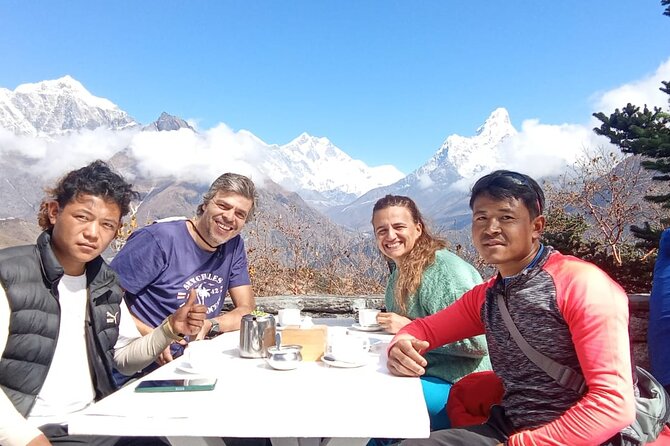
- Namche is your useful rest stop: You spend an acclimatization day here, with an optional hike to Everest View Hotel at 3,880 meters.
- The trip is private: Only your own group participates, and porter support is listed at a ratio of one porter for every two people.
- Plan for extra costs: Personal gear, insurance, tips, Kathmandu meals, hot showers, Wi-Fi, and charging are not included.
Why this route is more interesting than the standard Everest walk
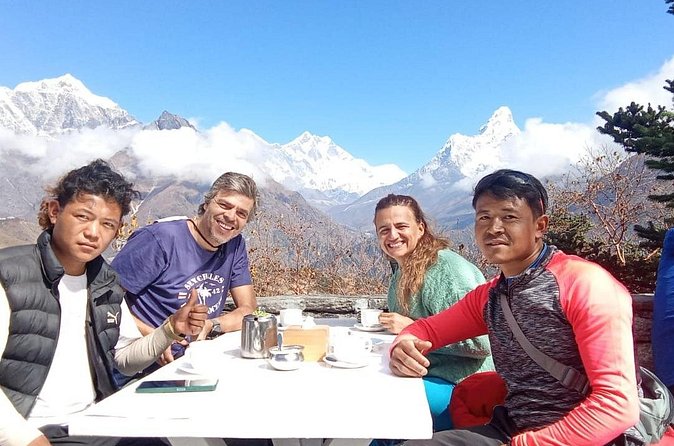
The usual Everest Base Camp route is already a major trek. This version makes it more varied by adding Gokyo Lakes and Cho La Pass. You’ll first follow the familiar trail toward Namche, Tengboche, Dingboche, Lobuche, and Gorak Shep, then reach Base Camp and Kala Patthar before crossing into the Gokyo Valley.
That change matters. You do not simply walk up and turn around on the same trail. You see the Khumbu from different angles, pass through quieter sections, and finish with a striking group of high-altitude lakes. The price is extra effort, especially around Cho La.
I like this route for people who want more than a famous destination photo. You get Sherpa villages, a monastery at Tengboche, memorials to climbers near Lobuche, suspension bridges, glacier country, and the daily rhythm of teahouse life. You also get enough structure to make a difficult trip feel manageable.
The route is described as a 14-day program, with 12 nights in twin-sharing teahouses and one hotel night in Kathmandu. The stated trekking times vary widely, and some of the daily time figures appear inconsistent, so ask for a current day-by-day walking schedule before paying. Mountain conditions, flight changes, and trail pace can affect the plan.
More Everest Base Camp treks:
- Everest Base Camp Trek – 14 Days
★ 5.0 · 1,499 reviews - Everest Base Camp Trekking
★ 5.0 · 485 reviews - Everest Base Camp Trekking – 13 Day
★ 5.0 · 365 reviews
Kathmandu arrival and the practical start
Your guide meets you at Tribhuvan International Airport with a sign bearing your name. Airport transfer, a Kathmandu hotel night with breakfast, a trek briefing, and a gear check are included.
That first briefing is useful. It gives you a chance to confirm your clothing, boots, pack, and any rented equipment before the trek begins. Personal trekking gear is not included, but the provided information says you can rent items in Kathmandu. If you need boots, a warm jacket, trekking poles, or similar equipment, handle that before the Lukla flight.
Lunch and dinner in Kathmandu are not included. You should also hold some money for personal expenses during the trek. Hot showers, Wi-Fi, and battery charging at teahouses cost extra, and the remoteness of the route means these services may not be available in the same way each day.
The company provides a duffel bag for trekking gear, which you return at the end. A licensed English-speaking guide leads the group, and porter support is arranged at one porter for two people. That ratio can make a real difference on long uphill days, since you can carry a lighter daypack rather than your full load.
Lukla to Namche, your first taste of the Khumbu
The morning flight from Kathmandu to Lukla is followed by a walk through Sherpa villages toward Phakding. The first day on foot is comparatively gentle in purpose, but you are already moving in mountain country, crossing bridges and following the Dudh Koshi River.
From there, the trail continues toward Namche Bazaar. You’ll cross suspension bridges and enter Sagarmatha National Park, with your first reported glimpses of Everest along the way. Namche is more than a stopping point. It is the main trading center of the Khumbu and an important place to slow down.
You spend a full day in Namche for acclimatization. The optional hike to Everest View Hotel reaches 3,880 meters and gives you a useful first mountain panorama. You can also explore the local market and Sherpa museum.
I consider this rest day one of the strongest parts of the plan. At altitude, moving steadily is smarter than rushing. You can use the day to walk lightly, check your gear, and let your body adjust. Do not treat it as a wasted day. It is part of the safety plan.
Tengboche and Dingboche, where the air gets thin
The trail from Namche to Tengboche passes through pine forest, with views toward Thamserku and Everest. Tengboche Monastery is the main cultural stop, and its setting gives the day more meaning than a simple mountain walk.
The monastery also helps break up the climb. You are not only counting steps and altitude. You are seeing a working religious site in a region where Sherpa culture shapes daily life. The tour description highlights teahouse hospitality, ancient monasteries, and local villages, so this is one of the best days for noticing the cultural side of the journey.
Next comes Dingboche. You cross the Imja Khola and pass Pangboche before reaching higher ground. At this point, altitude becomes a constant concern rather than a passing thought. The walking distance may not look extreme on paper, but thin air makes every climb slower.
I would keep your schedule simple here. Eat, drink, rest, and follow the guide’s pace. The provided support includes safety assistance and emergency oxygen, but oxygen is not a substitute for good acclimatization or travel insurance.
More trekking days out of Everest Region:
- Everest Base Camp Trek -14 Days
★ 5.0 · 321 reviews - Everest Base Camp Trekking – 2025/2026
★ 5.0 · 199 reviews - Everest Base Camp Trek
★ 5.0 · 193 reviews - Everest Base Camp Trek with Helicopter Return from Gorakshep to Lukla
★ 5.0 · 161 reviews
Lobuche, memorials, and the approach to Base Camp
The walk to Lobuche takes you into alpine country. The route passes memorials dedicated to climbers who died in the Everest region. This section can feel quieter and more serious than the villages below, with the mountains and glacier terrain taking over the view.
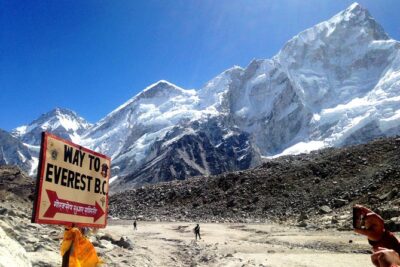
From Lobuche, you continue toward Gorak Shep. The route follows the Khumbu Glacier to Everest Base Camp. Reaching Base Camp is the emotional high point for many people, but it is worth keeping expectations realistic. You do not reach the summit, and Everest itself may not appear in the way you imagine from the base camp area.
The day is long, and you return to Gorak Shep after visiting Base Camp. The walk over uneven ground, combined with altitude, can make this one of the hardest days. You’ll want warm layers, water, snacks, and a headlamp or other reliable light if your group starts early or returns late. The supplied details do not specify a packing list, so ask the operator what your porter carries and what belongs in your daypack.
Kala Patthar at sunrise, then Dzongla
The next morning brings an early climb to Kala Patthar for sunrise views of Everest. This is one of the most valuable viewpoints on the whole trip because it puts you high above the surrounding valley and gives you a broad view of the peak and neighboring mountains.
The climb is short in distance compared with the overall trek, but altitude makes it demanding. Move slowly. The reward is not only the photograph. It is seeing the familiar route from above after several days of walking toward it.
After Kala Patthar, you descend to Lobuche and continue toward Dzongla. This is the transition day between the classic Base Camp route and the Cho La crossing. You should expect the character of the trail to change, with fewer busy route markers and more demanding mountain conditions.
Cho La Pass, the toughest day of the trip
Cho La is the route’s defining challenge. You cross the pass early in the morning and then descend into the Gokyo Valley. The crossing is described as icy, so this is the day when appropriate footwear, warm clothing, poles, and careful pacing matter most.
The provided information does not state the exact pass height or technical equipment required. Ask before booking what conditions are expected, whether microspikes or similar gear may be needed, and what happens if weather makes the crossing unsafe. The cancellation terms allow a date change or full refund if poor weather cancels the experience, but you should also understand how a weather problem affects the route once you are already in the mountains.
Cho La is not a casual add-on. It requires good physical fitness and comfort with sustained uphill walking at altitude. If you are choosing this trip simply because the standard Base Camp route is sold out, think again. The pass is the reason to choose this version, but it is also the reason to prepare more carefully.
Gokyo Lakes and the quieter side of Everest country
After Cho La, the trail reaches Gokyo. The valley brings a different mood from the Base Camp approach. The high lakes are the main attraction, and the setting gives you time to appreciate the mountain scenery without focusing only on Everest.
A morning climb provides broad views toward Everest, Cho Oyu, and Makalu. You also visit the third and fourth Gokyo Lakes. This is where the route earns its extra days. You gain a second major viewpoint and see a part of the Khumbu that many shorter trips skip.
The lake visit should not be treated as an easy rest day. You are still at high altitude, and the morning climb can be tiring after Cho La. The best approach is to walk at the guide’s pace and keep your plans flexible.
I especially like the contrast here. Base Camp gives you the famous goal and a sense of achievement. Gokyo gives you open views and calmer surroundings. Together, they make the trip feel more complete than a simple out-and-back walk.
The long return through Dole and Khumjung
The route descends through Machhermo, Dole, and Khumjung before reaching Namche Bazaar. Descending is easier on your breathing, but it can be hard on knees and feet after so many days on rocky ground.
Returning to Namche brings a welcome change. A hot shower and a proper rest are listed for this stop, though hot showers are generally treated as a personal expense during the trek. Confirm what is included locally rather than assuming every shower is covered.
The final trekking day follows the Dudh Koshi River back to Lukla. By this point, the trail should feel familiar in reverse, but fatigue can make the last seven-hour walking day feel surprisingly long. Keep some energy in reserve and do not overpack your day bag with unnecessary items.
Flights, costs, and what $1,000 really covers
At $1,000 per person, the package offers solid value if the advertised inclusions match your final booking. Round-trip Kathmandu to Lukla flights alone are an important part of the logistics. You also receive airport transfers, a Kathmandu hotel night with breakfast, 12 teahouse nights, all trek meals, permits, a licensed guide, porter support, a duffel bag, taxes, and service charges.
That is a substantial bundle for a 14-day high-altitude trip. Group discounts may improve the price for larger parties, and the activity is private, so only your own group participates.
Still, the headline price is not your total budget. Add international airfare, Nepal’s visa fee, travel insurance, Kathmandu lunches and dinners, personal gear, tips, and paid services at teahouses. You may also need extra hotel nights if flights are delayed or if you return early.
Lukla flights are a practical concern. The plan includes them, but the company does not include extra lodging caused by delays. Build some financial and scheduling flexibility into your Nepal trip rather than booking a tight international connection after the return flight.
Who should book this trek?
I would recommend this route to a fit hiker who wants the classic Everest experience plus a harder and less repetitive route. It suits you if you like long days, simple lodging, dramatic mountain scenery, Sherpa villages, monasteries, and the idea of crossing a high icy pass.
It is less suitable if you want hotel comfort, a relaxed pace, or a short walking holiday. The tour requires moderate physical fitness, and the combination of altitude, cold, uneven trails, and Cho La makes preparation important.
The private format is useful for couples, families, or friends who want their own group rather than a large shared departure. The company has used guides such as Shisir and Udio on other Nepal trips, but the assigned guide for this trek is not named in the supplied details. Ask for the guide’s name, qualifications, porter arrangements, and emergency procedure before departure.
Free cancellation is available up to 24 hours before the start time. Weather or minimum group requirements can also lead to a date change or full refund. Travel insurance is mandatory, so do not treat cancellation flexibility as a substitute for proper coverage.
FAQ
How long is the Everest Base Camp trek via Gokyo Lake and Cho La Pass?
The planned duration is approximately 14 days, including the Kathmandu arrival and return days.
What is included in the tour price?
The price includes round-trip domestic flights between Kathmandu and Lukla, one Kathmandu hotel night with breakfast, meals during the trek, 12 nights of twin-sharing teahouse accommodation, a licensed English-speaking guide, porter support at a one-to-two ratio, permits, airport transfers, a trekking duffel bag, government taxes, and trekking service charges.
Is travel insurance included?
No. Travel insurance is not included, and it is mandatory for this experience.
Do I need to bring my own trekking gear?
Yes. Personal gear such as boots, a jacket, and trekking poles is not included. The provided information says gear can be rented in Kathmandu.
What fitness level is required?
A moderate physical fitness level is required. The route includes long walking days, high altitude, the Everest Base Camp approach, an early climb to Kala Patthar, and the Cho La Pass crossing.
Where does the trek begin and end?
The experience begins at Tribhuvan International Airport in Kathmandu, where airport pickup is provided. It ends back at the same meeting point after the flight from Lukla to Kathmandu.
Should you book it?
Book this trek if you want Everest Base Camp without giving up Gokyo Lakes or the challenge of Cho La Pass. The route is demanding, but the combination of two major mountain viewpoints, Sherpa villages, monasteries, glacier country, and high lakes gives you a fuller Himalayan experience.
Before booking, confirm current flight arrangements, daily walking times, Cho La equipment needs, guide details, and the policy for weather delays. If you arrive prepared for basic teahouses, extra costs, and serious altitude, the $1,000 package offers a practical way to tackle one of Nepal’s most rewarding routes.
Just added around Everest Region
- Day Tour to Everest Base Camp By Helicopter★ 5.0 · 16 reviews
- Kathmandu To Lukla By Helicopter Flight★ 5.0 · 6 reviews
- Luxury Everest Base Camp Trek – 11 Days★ 5.0 · 9 reviews
- Everest Base Camp Tour & View Point by Helicopter from Katmandu★ 5.0 · 3 reviews
- Everest base camp helicopter tour with Guarenteed Landing★ 4.0 · 7 reviews
- Everest base camp flight over by Helicopter from Kathmandu★ 5.0 · 10 reviews
- Everest Base Camp Helicopter Tour Stop at Hotel Everest View.★ 5.0 · 17 reviews
- Everest Base Camp Helicopter Tour★ 5.0 · 24 reviews
Everest Base Camp Treks, compared.
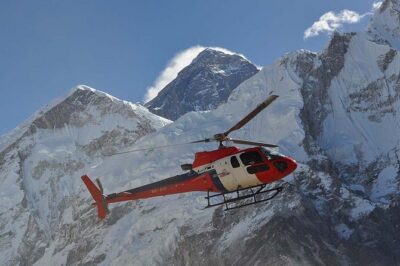
Everest Base Camp Trek with Helicopter Return from Gorakshep to Lukla
Read our review →Browse the lists this tour appears in