
Reviewed · EVEREST BASE CAMP TREKS
From Kathmandu: 12-Day Everest Base Camp Guided Trekking
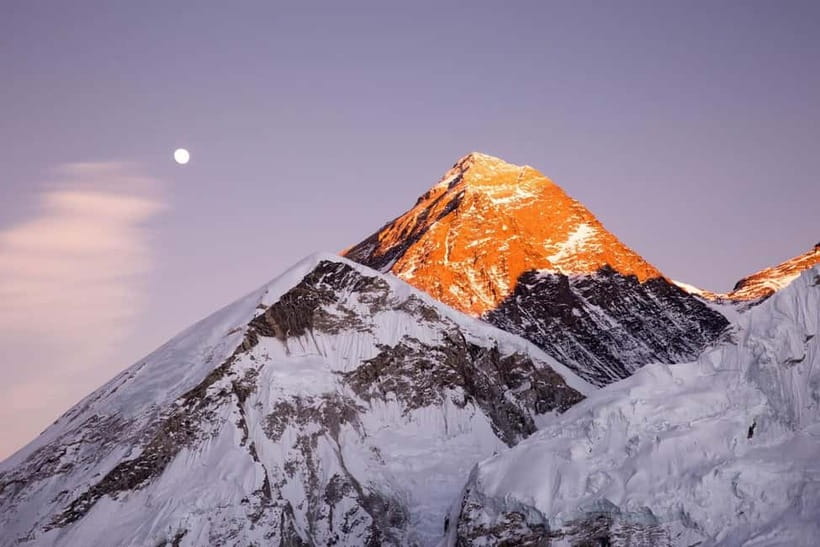
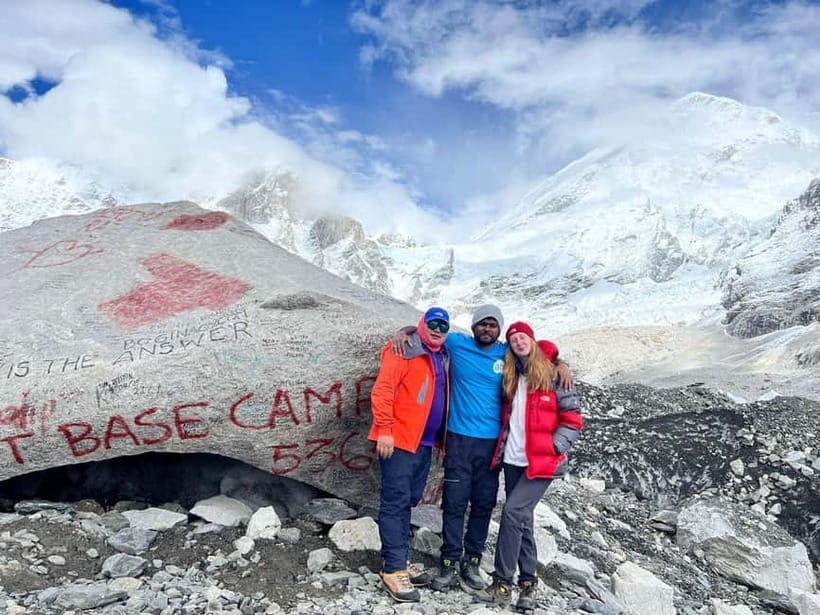
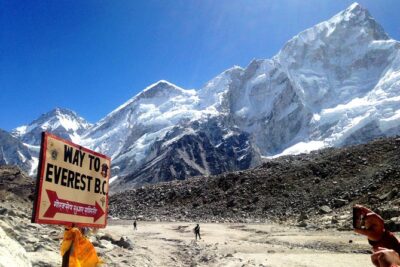
Everest Base Camp is the prize here, but the real story is the steady climb through Sherpa villages, suspension bridges, rhododendron forest, and the high Khumbu valley. You’ll reach Everest Base Camp at 5,364 meters and Kala Patthar at 5,545 meters, with views toward Khumbetse, Nuptse, Lingtren, Lhotse, Ama Dablam, and the Khumbu glacier.
I like the two built-in acclimatization days in Namche Bazaar and Dingboche. I also like that the price includes the Lukla flights, park permits, tea house lodging, and a guide, since those costs can add up quickly in Nepal. The main drawback is that meals and porter service cost extra, and the nights at high altitude can be cold and basic.
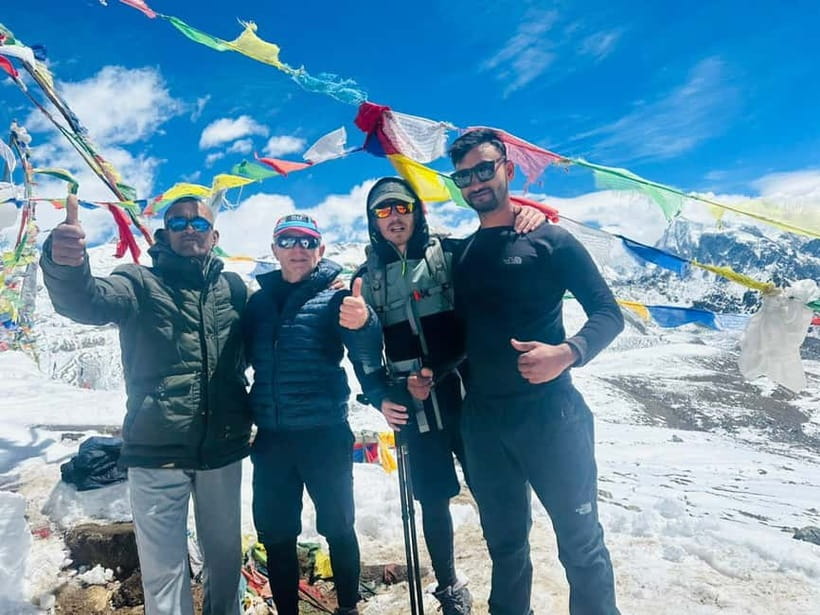
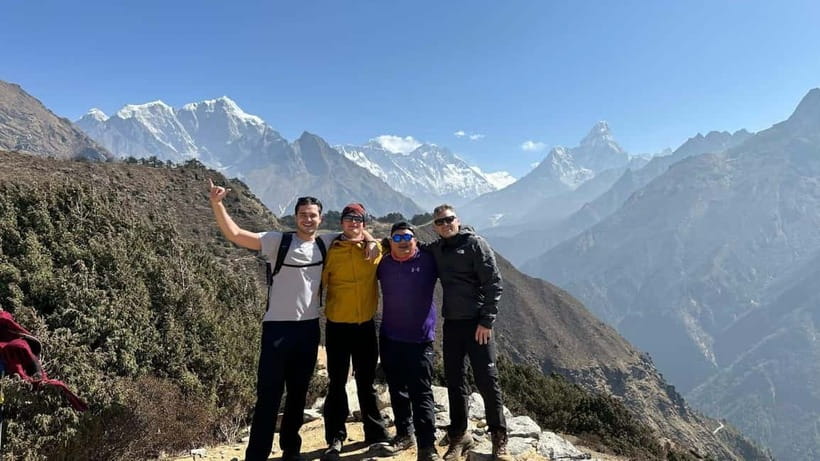
I also appreciate the human side of this trip. Guides named Padam, Nishan, Adhish, and Rohan have been praised for being funny, attentive, careful, and flexible. Ask in advance if you can request a particular guide, but do not assume that person will be available.
Key points before you book
- Lukla flights are included: Your trip begins and ends with domestic flights between Kathmandu and Lukla, subject to weather and operating conditions.
- Two acclimatization days: You sleep twice in Namche Bazaar and twice in Dingboche, giving your body time to adjust before the highest sections.
- Base Camp and Kala Patthar: You visit Everest Base Camp at 5,364 meters and climb higher to Kala Patthar at 5,545 meters.
- Small group format: The group is limited to 15 people, with an English-speaking guide.
- Meals are not included: Budget separately for breakfast, lunch, dinner, drinks, hot showers, internet, and any porter service.
- Tea house travel: You sleep in simple lodges rather than camping, which keeps the trip more practical but not luxurious.
Why the 12-day route works
This is a fast but workable version of the Everest Base Camp trek. You cover serious altitude in less than two weeks, yet the plan includes rest days at the two places where acclimatization matters most: Namche Bazaar and Dingboche.
I would not call this an easy walk. The trail climbs from Lukla to more than 5,500 meters, and several days involve five or more hours of hiking. The schedule gives you a clear structure, but your guide may need to adjust the pace or daily plan for weather, health, trail conditions, or flight changes.
The route uses tea houses, so you do not carry camping equipment or sleep in tents. That is a major practical advantage. You still need to be ready for simple rooms, cold nights, limited hot water, and basic internet access.
At $1,002 per person, the trip offers solid value for a guided trek. The fee covers airport transfers, the Kathmandu to Lukla flights, accommodation, permits, guide costs, government charges, and equipment such as a jacket, sleeping bag, and duffle bag if requested. It does not cover the daily food and drinks that you will need for 12 days, so the advertised price is not your final spending total.
More Everest Base Camp treks:
- Everest Base Camp Trek – 14 Days
★ 5.0 · 1,499 reviews - Everest Base Camp Trekking
★ 5.0 · 485 reviews - Everest Base Camp Trekking – 13 Day
★ 5.0 · 365 reviews
Day 1: From Kathmandu to Lukla and Phakding
Your first morning begins with pickup from your hotel in Kathmandu, Bhaktapur, or Lalitpur. You then transfer to Tribhuvan International Airport for the early flight to Lukla.
The flight is a key part of the experience. Lukla is the gateway to the Khumbu trekking region, and landing there puts you close to the trailhead. From Lukla, you transfer to the starting point and walk toward Phakding, where you spend the night in a tea house lodge.
This first trekking day is relatively short compared with what comes later, but the early flight and change in altitude make it a full day. You should keep your passport and essential items close, since large bags are not permitted on the activity. The included duffle bag can help you organize what you need for the trek.
Day 2: Phakding to Namche Bazaar
The walk from Phakding to Namche Bazaar introduces you to the main character of the route: the Dudh Koshi valley and the mountain communities that depend on it. You head toward Namche Bazaar, which sits at 3,440 meters.
Namche is more than a night stop. It is the main trading center of the Khumbu region and the first place where the increase in altitude becomes hard to ignore. The climb into town is demanding, especially if you have arrived from near sea level in Kathmandu.
You spend the night in Namche and then stay again the following night. That extra night is important. It may feel like a slow use of a day, but it gives your body a better chance to adapt before the trail climbs much higher.
Day 3: A needed rest day in Namche Bazaar
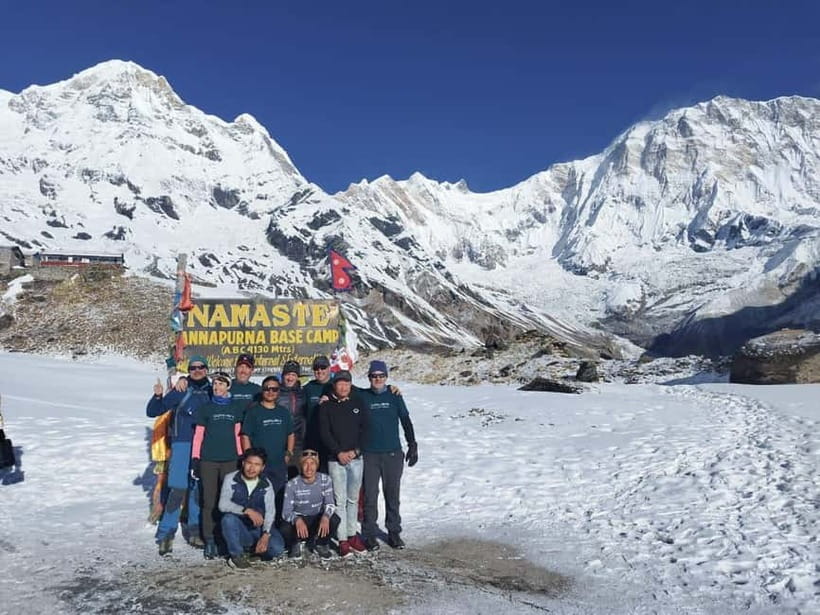
Day 3 is set aside for acclimatization. You remain in Namche Bazaar rather than pushing farther up the valley.
The plan calls this a rest day, but your guide may encourage light activity rather than staying in bed all day. The supplied details do not set out a specific excursion, so you should treat this as time to rest, eat, drink water, and let your body adjust.
I like this part of the schedule because it makes the pace more sensible. Altitude problems can ruin a trek quickly, and the best defense is a gradual ascent with proper rest. You should tell your guide about headaches, nausea, unusual tiredness, or breathing problems instead of trying to hide them.
More trekking days out of Everest Region:
- Everest Base Camp Trek -14 Days
★ 5.0 · 321 reviews - Everest Base Camp Trekking – 2025/2026
★ 5.0 · 199 reviews - Everest Base Camp Trek
★ 5.0 · 193 reviews - Everest Base Camp Trek with Helicopter Return from Gorakshep to Lukla
★ 5.0 · 161 reviews
Day 4: Namche Bazaar to Tengboche
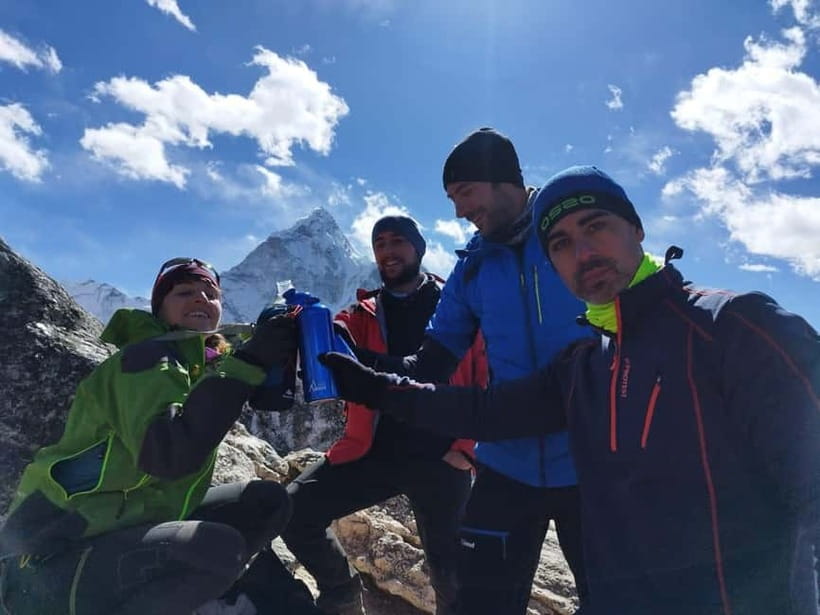
The trail leaves Namche and climbs toward Tengboche, also written as Tyangboche in the trip details. The settlement sits at 3,867 meters, bringing you into colder and thinner air.
Tengboche is one of the memorable stops on the route because of its setting beneath the Himalayan peaks. The walk gives you changing views as the trail moves through the Khumbu region, and you spend the night in a tea house there.
This day is a good example of why a guide matters. The route is not just a simple uphill path. Your guide sets the pace, helps the group stay together, and can explain the places you pass through. Guides Padam, Nishan, and Rohan have been singled out for care, humor, and practical support on different departures, while Adhish was praised for making the trip fun.
Day 5: Rhododendron forest and the Imja Valley
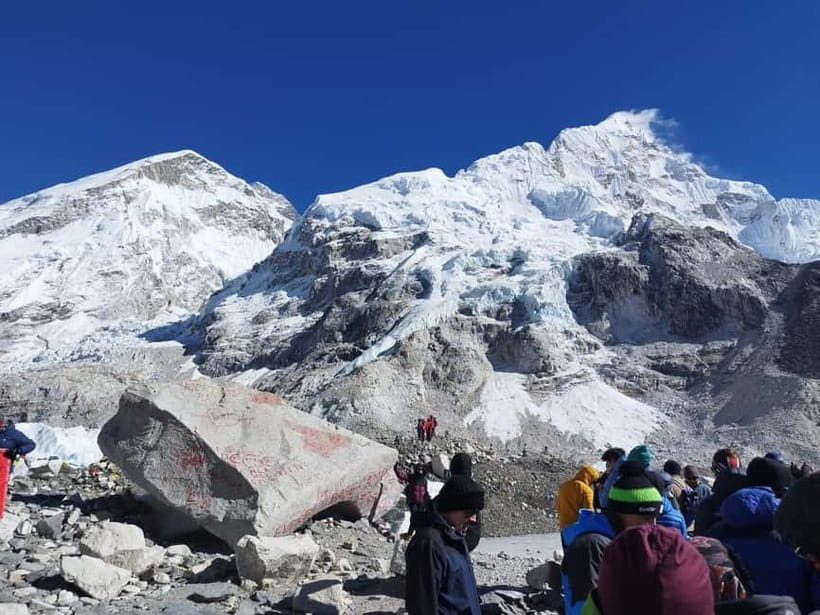
From Tengboche, the trail passes through rhododendron forest and crosses a suspension bridge over the Imja Khola. You then head toward Minlinggo before entering the Imja Valley.
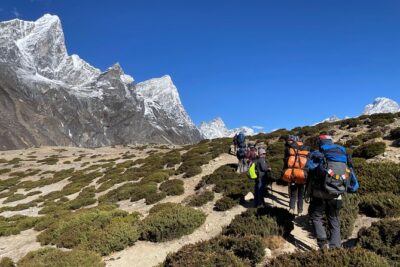
This is one of the most scenic sections of the lower trek. Ama Dablam, Nuptse, and Lhotse become major visual landmarks as you move beneath them. The mountain views are not distant background decoration here. They shape the route and give you a sense of how quickly the valley rises around you.
The day ends in Dingboche at 4,260 meters. That altitude makes the next rest day especially valuable. You are now high enough that walking slowly and drinking plenty of water matter a great deal.
Day 6: Acclimatization in Dingboche
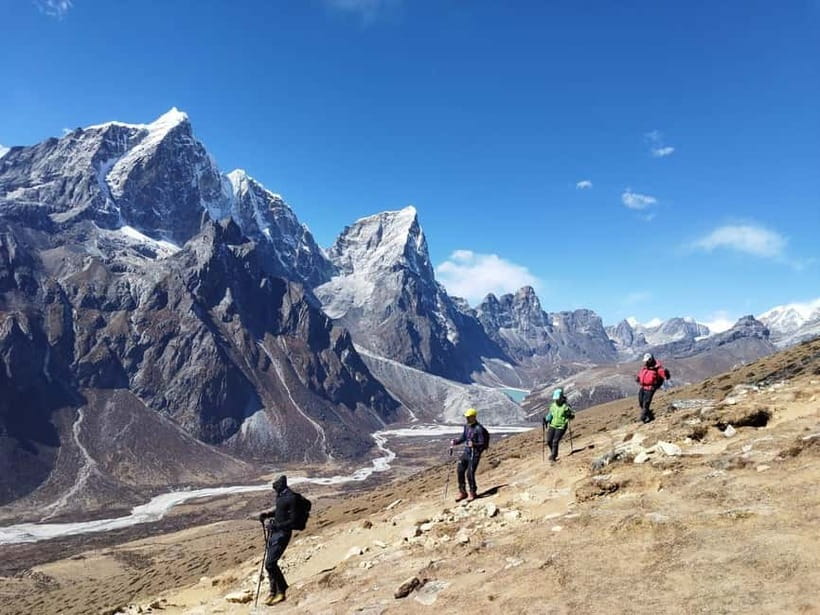
Dingboche provides the second planned acclimatization day. You spend another night in a tea house and allow your body to adjust before heading toward Lobuche and the high trail to Base Camp.
The practical value of this pause is greater than its entertainment value. Dingboche is a place to rest, check your clothing and equipment, and pay attention to how you feel. The trip includes a jacket and sleeping bag if requested, which can reduce the amount of specialist gear you need to bring.
Do not expect comfort on the level of a city hotel. The included accommodation is in tea houses, and hot showers and internet are specifically excluded. At this altitude, a warm sleeping bag and dry layers are more important than a strong connection.
Day 7: Dingboche to Lobuche
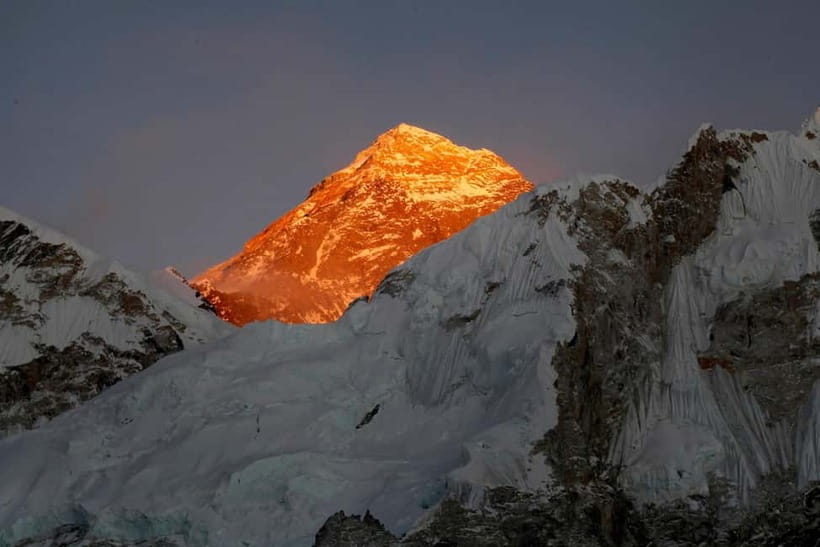
The walk from Dingboche to Lobuche takes about 5.5 hours. You stop for lunch in Dugla before continuing to Lobuche, which sits at 4,930 meters.
This is a serious altitude day. The distance may not sound extreme, but thin air slows every step. A patient pace is more useful than trying to keep up with the fastest person in the group.
Lobuche is a staging point for the next day, when you reach Everest Base Camp. You spend the night in a tea house, and this may be one of the coldest and most basic nights of the trip. A January departure can be especially tough at night, even though the daytime mountain views can make the discomfort worthwhile.
Day 8: Gorakshep and Everest Base Camp
After breakfast in Lobuche, you follow rocky paths toward Gorakshep. From there, the trail continues to Everest Base Camp at 5,364 meters.
This is the emotional high point of the trek. You walk beside views of the Khumbu glacier and reach the famous base camp area used by climbing expeditions. The approach is not a paved sightseeing path. Expect uneven ground, thin air, and a slow pace.
After visiting Base Camp, you return to Gorakshep for the night. The return matters because you do not sleep at Base Camp itself on this schedule. Gorakshep is still very high, and the combination of cold, altitude, and a long walking day can make the evening demanding.
Your guide’s role is especially important here. Padam has been praised for helping participants feel safe in difficult surroundings, and Nishan for adjusting the pace to individual needs. Those qualities matter more than a polished speech when you are tired at 5,000 meters.
Day 9: Kala Patthar and the descent to Pheriche
The morning begins with a climb to Kala Patthar at 5,545 meters, higher than Everest Base Camp. This is the best point on the route for the broad mountain views described in the trip plan, including Khumbetse, Nuptse, Lingtren, Lhotse, and other major peaks.
You then descend to Pheriche at 4,243 meters, where you spend the night in a tea house. The descent is welcome because lower altitude usually feels easier, but the day still requires effort. Climbing Kala Patthar first means you should expect another early and physically demanding start.
This is a day when your clothing and food plan matter. Meals are not included, and drinks are separate, so you need to budget for and purchase what you require along the way. Alcohol is excluded and is a poor match for acclimatization, even if you see it available in tea houses.
Day 10: A schedule detail to confirm
The supplied schedule describes a descent from Pheriche toward Tengboche and then also says Pheriche to Namche Bazaar on the same day. Those details do not form a clear single-day plan, so I would confirm the exact route with Welcome Nepal Treks before paying.
The broader point is simple: Day 10 begins the return through the Khumbu valley. The named stops include Pheriche, Tengboche at 3,867 meters, and Namche Bazaar at 3,440 meters. Your guide may adjust the overnight stop depending on the final operating plan, pace, weather, and group condition.
This is the one part of the schedule where you should ask a direct question. Confirm where you sleep on Day 10, how long the walk is expected to take, and how the route connects to the Day 11 return to Lukla.
Day 11: Namche Bazaar to Lukla
The plan calls for the walk from Namche Bazaar back to Lukla, followed by a final night in Lukla. This gives you one last tea house stay before the flight to Kathmandu.
The return uses much of the same trail in reverse, but it feels different because the altitude is dropping and the goal has changed. You can look back on the high valley, the Base Camp day, and Kala Patthar while making your way toward the airport town.
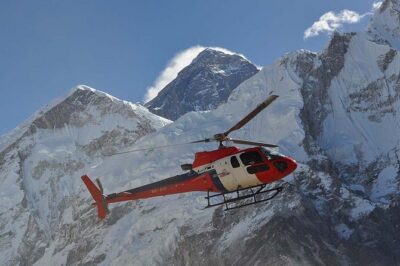
Keep some flexibility in mind. The trip includes the domestic flights, but mountain weather can affect air travel. One departure required a switch from plane to helicopter because of weather, and that change was handled professionally. It was a memorable solution, but you should not treat a helicopter transfer as a standard feature or assume every flight will run on time.
Day 12: Flight back to Kathmandu
You take an early flight from Lukla to Kathmandu and transfer to your hotel with the tour representative. The trip finishes with an overnight stay in Kathmandu.
The final day is not just a formality. It gives you a buffer after the trek and places you back in Kathmandu rather than requiring an immediate onward connection. If you are arranging a separate international flight, keep your schedule flexible rather than booking a tight same-day connection.
What the $1,002 price really covers
The price is strongest for the transport and organized support it includes. You receive:
- Airport pickup and drop-off in the Kathmandu area
- Domestic airport transfers
- Return flights between Kathmandu and Lukla
- Tea house accommodation during the trek
- Sagarmatha National Park entry fees
- TIMS card fees and required paperwork
- An English-speaking guide
- The guide’s salary, food, accommodation, transport, and insurance
- A jacket, sleeping bag, and duffle bag if requested
- Government taxes and service charges
You need to budget separately for breakfast, lunch, dinner, alcoholic and non-alcoholic drinks, hot showers, internet, travel insurance, and porter service. One porter can carry up to 25 kilograms for two participants at an additional cost.
That last point is worth considering. If you are not used to carrying a full trekking pack at altitude, paying for a porter may be sensible. If you bring only a small personal pack and use the provided duffle bag, you may find the walk more manageable, but the choice depends on your fitness and packing habits.
Guides, group size, and personal support
The group limit is 15 people, which keeps the trip small enough for a guide to notice problems and manage the pace. It is not a private trek, so you should expect to share decisions and walking time with other participants.
The guide names connected with different departures include Padam, Nishan, Adhish, and Rohan. Padam has been described as funny, helpful, and reassuring in difficult conditions. Nishan has been praised for adjusting the route to personal needs. Rohan was paired with a porter named Bahla, who was described as highly dependable.
These are useful names to know, but guide assignments can change. Ask who is scheduled to lead your departure and ask if a requested guide can be arranged. The important thing is not a particular name alone. You want a guide who will take altitude symptoms seriously, keep the group together, and explain changes clearly.
What to pack and what not to overlook
The stated required item is your passport, but that does not mean you should arrive unprepared. You will need clothing and personal trekking supplies suitable for cold, high-altitude conditions.
The provider can supply a jacket, sleeping bag, and duffle bag if you request them. Confirm availability before departure rather than assuming every item will be waiting for you.
Large bags are not allowed. Pack efficiently and keep essential documents, medications, and personal necessities accessible. Since food and drinks are not included, also plan for the daily cost of meals and water.
Travel insurance is excluded. You should treat it as essential for a high-altitude trek and check that the policy covers the activity you are booking. The provided information does not state a specific coverage level, so read the policy rather than relying on a standard travel plan.
Who should choose this trek
This trip suits you if you want the classic Everest Base Camp route with a guide, tea house lodging, domestic flights, permits, and two acclimatization days arranged in one package. It is also a good match if you prefer a small group instead of a large commercial departure.
You should be comfortable hiking for several hours, sleeping in simple lodges, paying separately for meals, and handling cold conditions. The route is not suitable for pregnant women, people with heart problems, or wheelchair users.
If you want a slower schedule, private rooms, included meals, or more time at each village, this may feel too tightly paced. If you want a direct route to Base Camp and Kala Patthar with support along the way, the 12-day format is practical.
Should you book it?
I would consider booking this trek if the included flights, permits, guide, and tea house lodging match what you need. The two acclimatization days are a strong feature, and the $1,002 price includes several major costs that are easy to overlook.
Before booking, confirm three things: the exact Day 10 overnight stop, the availability of requested guides such as Padam or Nishan, and the expected extra budget for meals, drinks, porter service, insurance, showers, and internet.
Book it if you want a focused Everest Base Camp experience and are ready for basic conditions. Skip it if you need a relaxed pace or a more comfortable style of travel. For a determined hiker who values scenery, careful guiding, and a clear route to Base Camp, this is a strong Nepal trekking package.
FAQ
How long is the Everest Base Camp trek?
The activity lasts 12 days, including the flights between Kathmandu and Lukla, the trek to Everest Base Camp and Kala Patthar, the return to Lukla, and the flight back to Kathmandu.
Is transportation from Kathmandu included?
Yes. Hotel pickup in Kathmandu, Bhaktapur, and Lalitpur is included, along with airport transfers and the return domestic flight between Kathmandu and Lukla.
Is food included during the trek?
No. Breakfast, lunch, dinner, alcoholic drinks, and non-alcoholic drinks are not included in the price.
Are permits included?
Yes. The package includes the Sagarmatha National Park entrance fee, TIMS card fees, required paperwork, government taxes, and official service charges.
Is a porter included?
No. Porter service is available for an additional cost. One porter can assist with up to 25 kilograms for two participants.
What language does the guide speak?
The tour uses an English-speaking live guide. The specific guide may vary by departure, with Padam, Nishan, Adhish, and Rohan among the guides associated with different trips.
Can I cancel the booking?
You can cancel up to 24 hours before the activity for a full refund. The trip also offers a reserve now and pay later option.
Just added around Everest Region
- Day Tour to Everest Base Camp By Helicopter★ 5.0 · 16 reviews
- Kathmandu To Lukla By Helicopter Flight★ 5.0 · 6 reviews
- Luxury Everest Base Camp Trek – 11 Days★ 5.0 · 9 reviews
- Everest Base Camp Tour & View Point by Helicopter from Katmandu★ 5.0 · 3 reviews
- Everest base camp helicopter tour with Guarenteed Landing★ 4.0 · 7 reviews
- Everest base camp flight over by Helicopter from Kathmandu★ 5.0 · 10 reviews
- Everest Base Camp Helicopter Tour Stop at Hotel Everest View.★ 5.0 · 17 reviews
- Everest Base Camp Helicopter Tour★ 5.0 · 24 reviews
Everest Base Camp Treks, compared.
Everest Base Camp Trek with Helicopter Return from Gorakshep to Lukla
Read our review →Browse the lists this tour appears in