
Reviewed · TEMPLE & MONASTERY TOURS
Kathmandu: Pashupatinath Aarati & Cremation Evening Tour
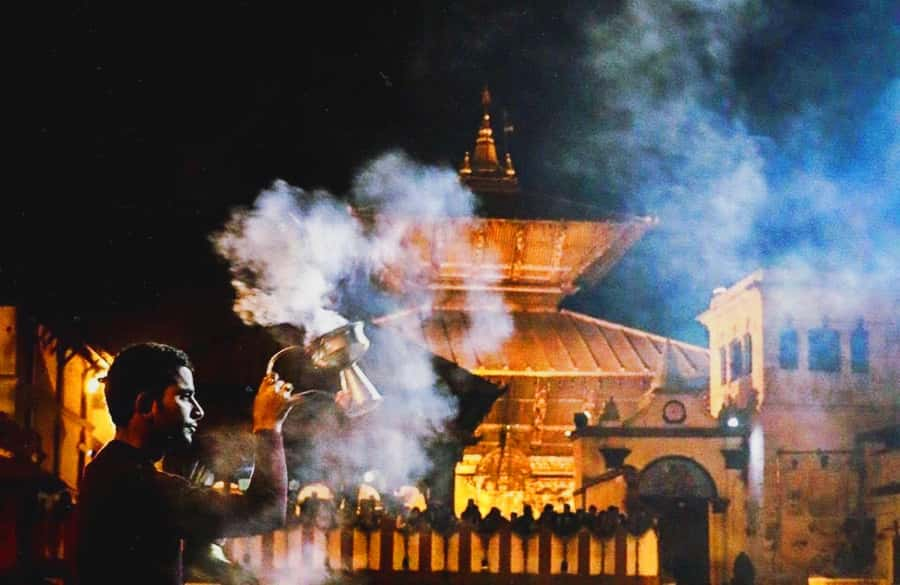
Pashupatinath after sunset is not a polished stage show. It is a living Hindu holy site, where glowing lamps and rhythmic chanting share the riverbank with open-air cremation rites. The evening Aarati gives you a vivid look at Nepalese devotion, while a local guide helps you understand what you are seeing.
I like the private round-trip transport, which takes the sting out of Kathmandu’s evening traffic, and I like the chance to hear the meaning behind the rituals rather than simply watch from the edge. Guide Santosh was especially praised for explaining how to respect local customs. The main consideration is the cremation ceremony itself: it is solemn, very direct, and not suitable for anyone expecting a light sightseeing stop.
Key points to know before you go
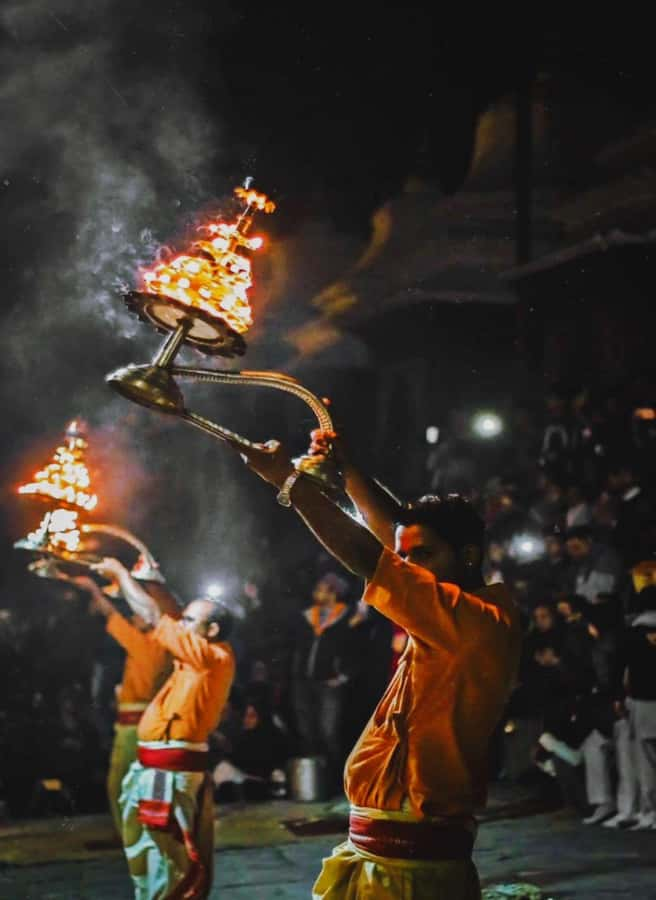
- The Aarati is the emotional centerpiece: Lamps, incense, and chanting create a powerful evening ceremony beside the Bagmati River.
- Cremations are part of daily religious life: You may observe open-air human cremation, but respectful behavior is essential.
- Santosh is one named guide: He was praised for clear guidance and helping visitors respect local customs.
- Transport and entry are included: Private hotel transport, temple admission, bottled water, and an English-speaking guide are covered in the $43 price.
- Modest clothing matters: Cover your shoulders and knees, and bring warm clothing for the evening.
- The site is not fully accessible: Ancient surfaces and limited wheelchair access make this a poor fit for wheelchair users or people with major mobility limitations.
Why Pashupatinath feels different at night
Pashupatinath Temple is one of Nepal’s most important Hindu religious sites and a UNESCO World Heritage Site. It sits beside the holy Bagmati River, where religious life is not separated from ordinary life. You may see worship, prayer, funerals, and visitors sharing the same sacred setting.
That mixture is what gives the evening its force. You are not walking through a quiet monument after closing time. You are entering a place still used for worship and death rites. The experience asks you to pay attention, keep your voice low, and accept that not every part of the visit is designed for casual entertainment.
The main temple is known for its golden roof, silver doors, and detailed carvings. The exact areas you can enter or view may depend on religious rules and site conditions, so this tour is best understood as an introduction to the wider sacred complex and its ceremonies, not simply an interior temple visit.
I like this kind of cultural outing because the guide can explain the difference between looking and intruding. That matters here. Without context, a visitor might focus only on the flames, music, or architecture. With a guide such as Santosh, you can better understand when to step back, where photography is inappropriate, and why the riverbank carries such weight for Hindu worshippers.
More Evening Tours in Kathmandu
- Kathmandu Sunset Tour by Rickshaw Including Durbar Square Visit
★ 5.0 · 73 reviews - Kathmandu: Pashupatinath Temple Evening Aarati Tour
★ 5.0 · 36 reviews - Kathmandu: Pashupatinath Temple Aarti Night Tour
★ 4.8 · 29 reviews
The evening Aarati beside the Bagmati River
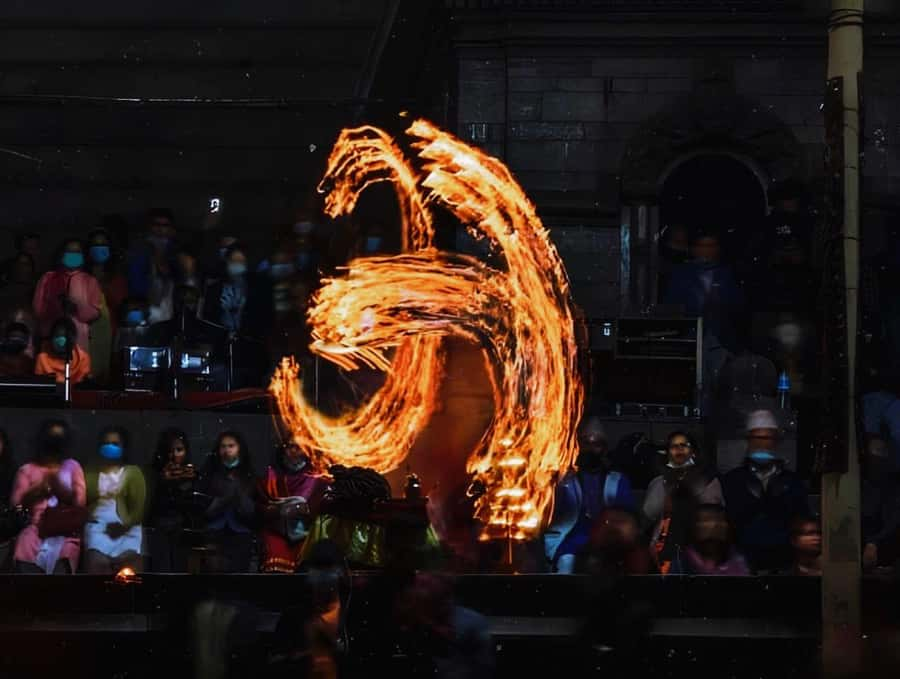
The Aarati is the part most people picture when they read about this tour. As evening arrives, priests perform a ritual with lamps, incense, chanting, and coordinated movements. The light from the diyas catches your eye first, but the sound is just as important. Rhythmic prayers and music give the ceremony its shape.
You should expect a shared public ritual, not a private performance arranged for a tour group. That is a good thing. The ceremony retains its religious purpose, and your role is to observe respectfully. Keep your phone and camera quiet, avoid blocking others, and follow the guide’s instructions.
Flash photography is not allowed, and smoking is prohibited. Even when photography is permitted without flash, it is wise to ask before raising a camera near worshippers or ritual activity. Some moments are better kept in memory rather than stored on a phone.
The Aarati offers value beyond its visual appeal. It gives you a chance to see how religious practice works in public space. Lamps are not just decoration, chants are not background music, and the smoke of incense is part of the ritual setting. Your guide can connect these details to the temple’s religious importance and Nepal’s cultural heritage.
The evening setting also changes the feel of the site. The golden roof and carved surfaces take on a softer appearance under lamps and night lighting. I would not book this tour mainly for architectural photography, since the light is limited and flash is forbidden. Book it for atmosphere, explanation, and the chance to witness an active ceremony.
Seeing cremation rites with proper respect
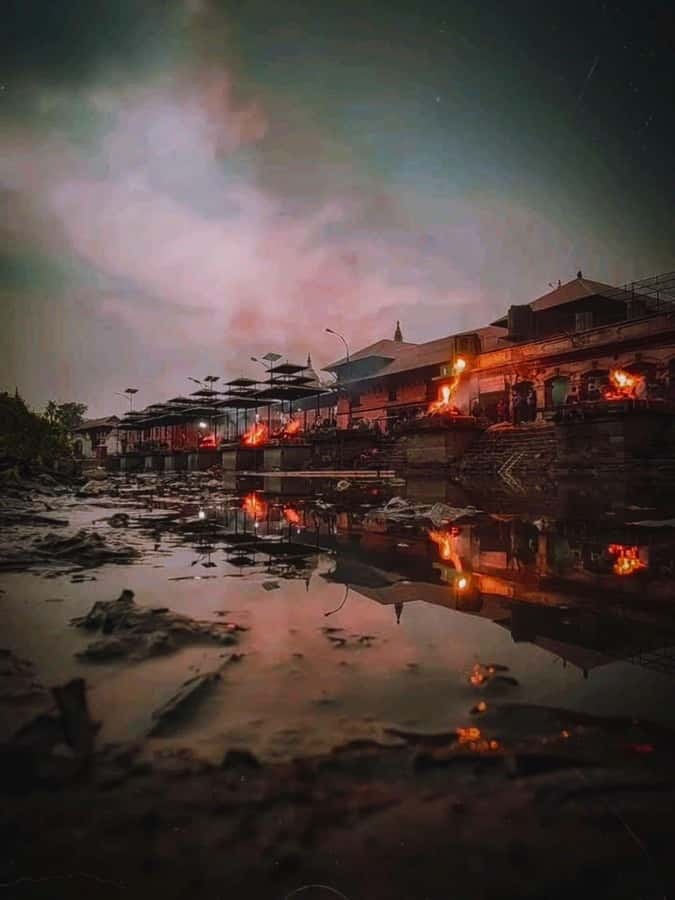
The tour also includes the chance to observe open-air human cremation beside the Bagmati River. This is not a theatrical attraction. It is a funeral rite, and families may be present. Your guide’s role is especially important here, since cultural rules and personal boundaries matter more than getting a close view.
Approach this part with restraint. Do not treat the ceremony as a spectacle, do not use flash, and do not assume that every moment is suitable for a photograph. Keep your distance and let your guide show you how to behave. Santosh was specifically praised for helping visitors respect other cultures, and that kind of practical instruction is valuable at this site.
Some people will find the cremation ceremony moving and meaningful. Others may find it upsetting or too intense. Both reactions are reasonable. If you are uncomfortable around death, fire, or visible funeral rites, you should think carefully before booking. The tour description makes clear that cremation is part of the evening visit, so it is not something you can simply pretend will not be there.
For me, the value lies in understanding that death is part of the religious life of the site. The Bagmati River is not just a scenic backdrop. It is tied to prayer, mourning, and Hindu beliefs about the body and the next stage of existence. A guide can provide context, but you should not expect a lengthy lecture to make the scene emotionally easy.
What the guide adds to the visit
A temple of this importance can be confusing without help. The guide can explain the site’s history, religious role, architecture, daily practices, and legends. That turns a series of unfamiliar sights into a connected visit.
The supplied information lists English and Hindi as available languages. If you need one language in particular, confirm it when booking. Santosh is the only guide named in the available feedback, where he was praised for both his information and his reminders about respectful behavior. The experience provider is Hari Dhakal, but the individual guide assigned to your tour may differ.
This is a good example of why guiding matters more than a long list of inclusions. Entrance fees get you through the gate, but they do not explain the ritual. Transport gets you there, but it does not tell you why the Bagmati River matters. A local guide helps bridge that gap.
One short review described the outing simply as good, while the more detailed feedback focused on Santosh’s help with cultural respect. That tells me what to value most here: not a packed schedule or a large number of sights, but a guide who knows when to explain and when to let the ritual speak for itself.
More Temple & Monastery Tours in Kathmandu:
- Kathmandu Spiritual Sites: Bodhnath & Pashupatinath Tour
★ 5.0 · 185 reviews - Kathmandu: Nagarkot Sunrise and Hike Tour to Changu Narayan
★ 4.7 · 151 reviews - Kathmandu: Chandragiri Cable Car and Monkey Temple Tour
★ 4.8 · 139 reviews - Nagarkot Sunrise & Hike to Changu Narayan Day Tour from Kathmandu
★ 5.0 · 126 reviews
Private transport and the meeting point
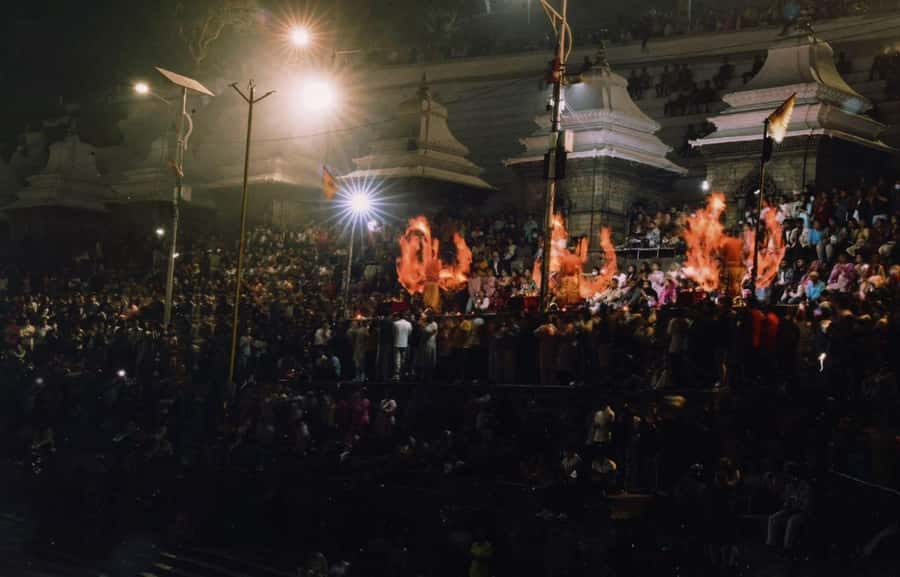
Private round-trip transportation is included, with an air-conditioned vehicle taking you from your hotel to Pashupatinath and back. That is useful in Kathmandu, especially for an evening visit when you may not want to negotiate local transport after the ceremony.
The meeting instructions contain an important detail. On arrival at Pashupatinath, the guide may contact you through your Nepali phone number or WhatsApp, and you can wait near the main gate if needed. The guide may also send directions in advance. Because the tour is described as hotel pickup but the meeting instructions also refer to meeting at the temple gate, confirm the exact pickup arrangement before the evening begins.
Keep your phone charged and make sure the provider has the correct number. If you use WhatsApp, check that it is active on your device. These are small steps, but they prevent the sort of confusion that can sour an otherwise simple outing.
The activity ends back at the meeting point. Private transport is particularly useful if you are staying outside easy walking distance of the temple, though the included details do not specify the exact hotel pickup area or the duration of the ride.
What the $43 price includes
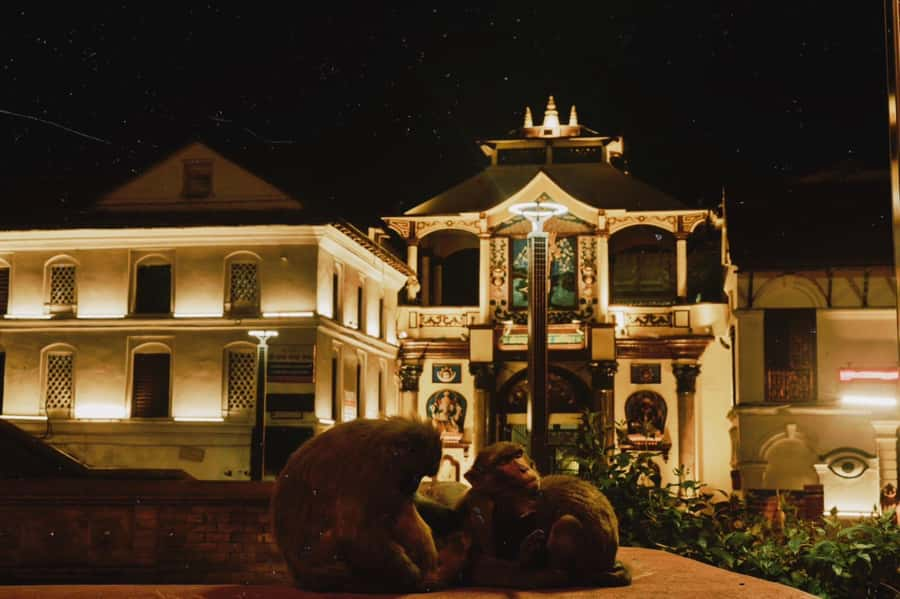
At $43 per person, the tour includes private round-trip transport, an English-speaking professional guide, entrance fees, and bottled water. Dinner is not included, although it can be arranged on request. Personal purchases and extra snacks are also your responsibility.
The value depends on how you use the tour. If you only want to reach the temple and watch the Aarati, you might find a cheaper independent visit. But independent entry will not provide a guide, private vehicle, or an explanation of the cremation rites and temple customs.
For a visitor who wants a structured cultural introduction, $43 is a reasonable package. You are paying for convenience and interpretation as much as for admission. The private vehicle also helps if you are short on time, traveling with family, or simply prefer not to arrange an evening return across Kathmandu yourself.
I would not choose this tour for a meal. Food is not part of the standard package, and the main purpose is the temple and its rituals. If you need dinner, ask in advance about arranging it rather than assuming it will be available on the night.
The reserve-now, pay-later option may help if your schedule is still shifting. Cancellation is allowed up to 24 hours before the activity for a full refund. Those terms are useful, but check the final booking conditions for your reservation.
Clothing, walking, and the practical details
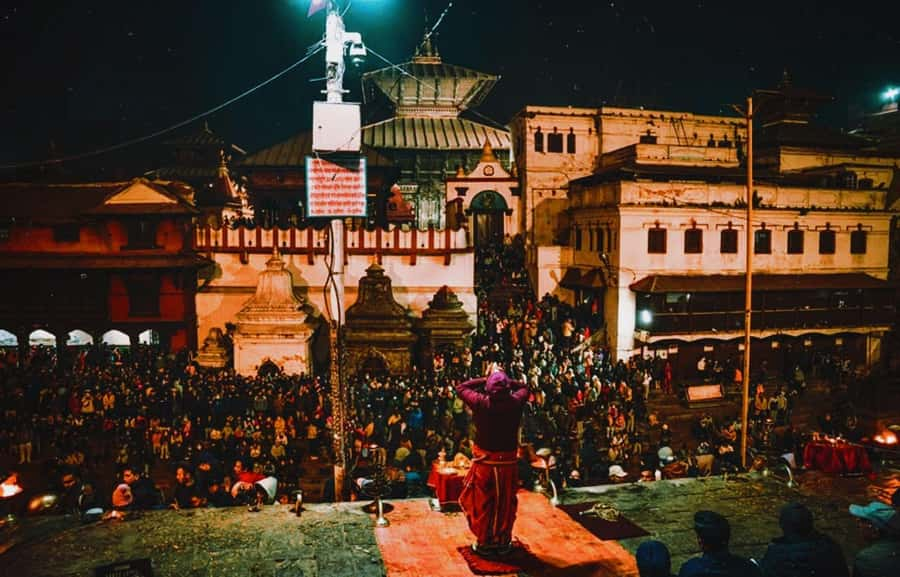
Dress modestly, with shoulders and knees covered. This is not only a rule to remember at the gate. It is a basic sign of respect in a sacred Hindu setting. Loose, comfortable clothing also makes it easier to walk and wait during the evening.
Bring comfortable shoes. The site is ancient, and wheelchair access is limited. The activity is not recommended for wheelchair users or people with mobility impairments. The available information does not describe the exact walking distance or surface conditions, so anyone with mobility concerns should ask the provider before paying.
Bring a light jacket or warm layer. Evening temperatures can feel cool, and you may spend time outdoors near the river. Bottled water is included, but carrying only a small personal bag will make it easier to move respectfully through the site.
A camera is allowed, but flash photography is not. Use restraint around the Aarati and cremation areas. Smoking is forbidden. These restrictions are simple, yet following them is one of the most important ways you can show respect.
Who will appreciate this evening tour
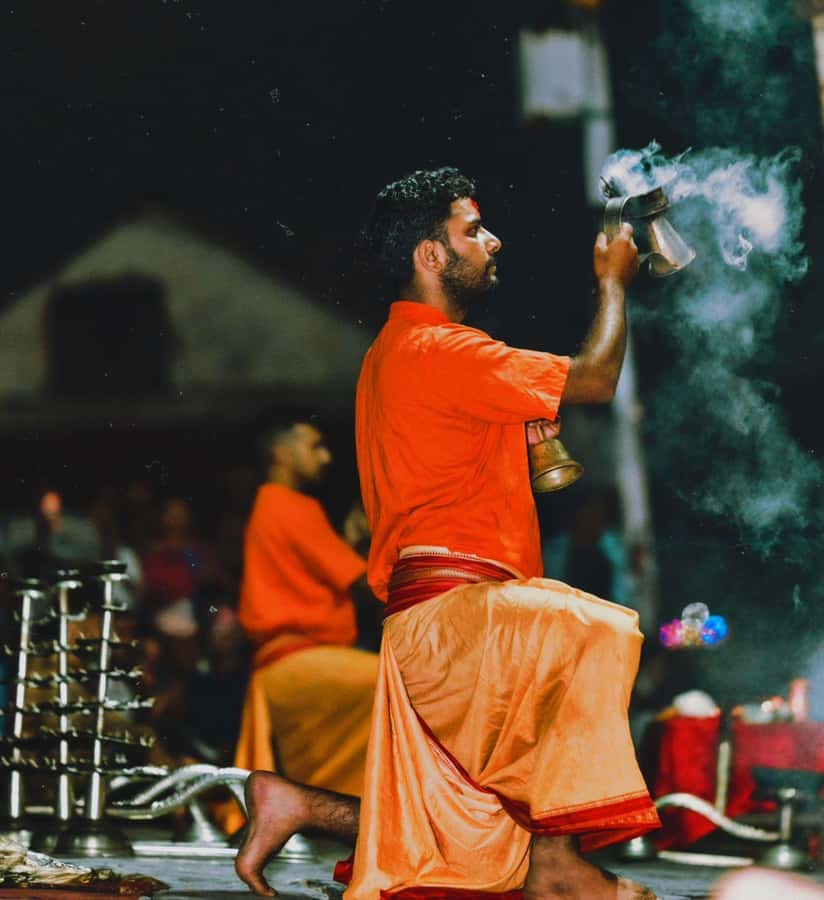
This experience suits you if you want a serious look at Nepalese Hindu practice rather than a quick monument visit. It is especially well suited to spiritual and cultural seekers, first-time visitors who want guidance, and anyone who values private transport.
It also works well if you are curious about how worship and funeral rites share one sacred setting. The combination may give you a stronger understanding of Pashupatinath than a daytime visit focused only on architecture.
I would be cautious about recommending it to young children unless you already know they can handle cremation rites respectfully. The same goes for anyone seeking a relaxed sightseeing evening. The ceremony may be beautiful, but the cremation area gives the outing a serious tone.
People with limited mobility should also look for another activity unless the provider confirms that the route suits them. Ancient religious sites rarely offer the same ease of movement as modern attractions, and this tour specifically notes limited wheelchair access.
Should you book the Pashupatinath evening tour?
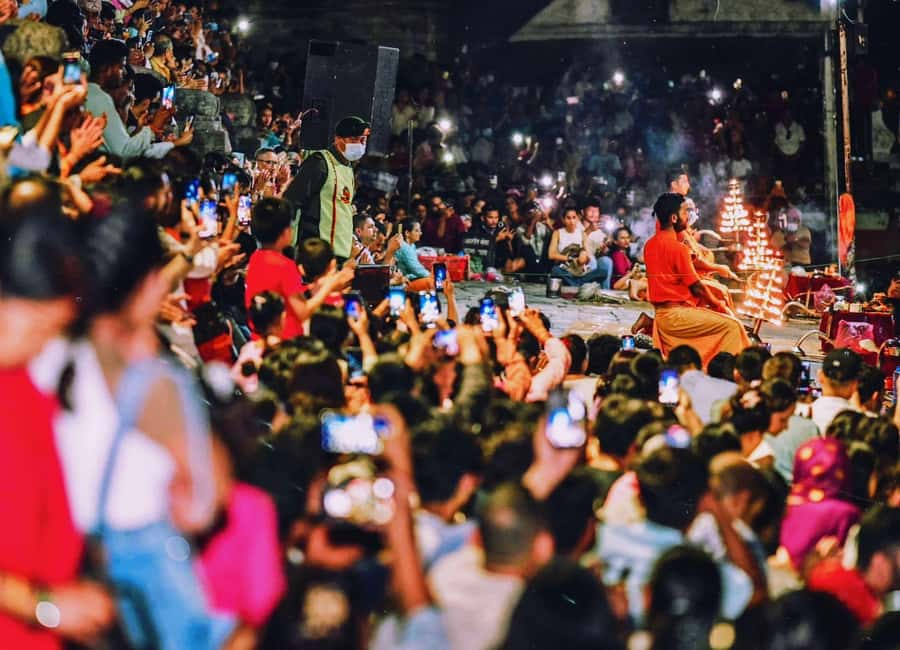
Book it if you want context, ritual, and private transport in one evening. The Aarati offers striking sights and sounds, while the cremation rites provide a difficult but important look at the religious life of the Bagmati River. A guide such as Santosh can help you behave properly and understand what you are seeing.
Skip it if open-air cremation would be too upsetting, if you want a casual night out, or if walking on an ancient site will be difficult. At $43, the tour is good value for visitors who want help with transport and interpretation, not simply admission to the temple.
FAQ
What does the Pashupatinath evening tour include?
It includes private round-trip transportation, a professional English-speaking guide, entrance fees to Pashupatinath Temple, and bottled water.
Will I see the evening Aarati?
Yes. The tour includes the evening or night Aarati at Pashupatinath, with lamps, chanting, incense, and ritual activity.
Does the tour include cremation ceremonies?
Yes. You may observe open-air human cremation in the evening as part of the visit.
Is dinner included?
No. Meals are not included, but dinner can be arranged upon request.
Which languages are available?
The available languages are English and Hindi.
What should I wear to Pashupatinath?
Wear modest clothing that covers your shoulders and knees. Comfortable shoes and a light jacket are also recommended.
Can I take photographs?
You can bring a camera, but flash photography is not allowed. Use care and respect around worshippers and cremation rites.
Is the tour suitable for wheelchair users?
No. Wheelchair access is limited because of the ancient structure, and the activity is not suitable for wheelchair users or people with mobility impairments.
Just added around Kathmandu
- Women Empowerment Project(Nepali cooking class & jewelry workshop★ 5.0 · 15 reviews
- Manthali Airport (Ramechhap) To Kathmandu – Transport Service★ 4.5 · 11 reviews
- Amazing 1 Day Trekking Experience in Kathmandu Nepal★ 5.0 · 24 reviews
- Walking tour of Kathmandu with awesome local guides★ 5.0 · 4 reviews
- Walking tour of real Kathmandu through back streets.★ 5.0 · 3 reviews
- Private Manaslu Circuit Trek at Himalayas★ 5.0 · 3 reviews
- Walking Street Food Tour in Kathmandu★ 5.0 · 111 reviews
- Kathmandu Street Food Walking Tour – Eat Like a Local★ 5.0 · 3 reviews
Temple & Monastery Tours, compared.
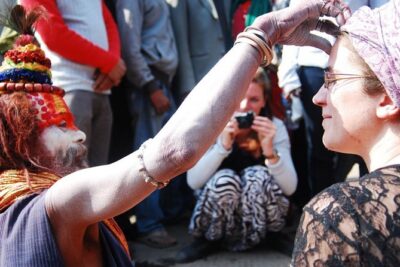
Kathmandu Spiritual Sites: Bodhnath & Pashupatinath Tour
Read our review →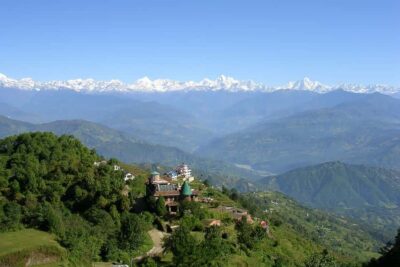
Nagarkot Sunrise and Hike Tour to Changu Narayan
Read our review →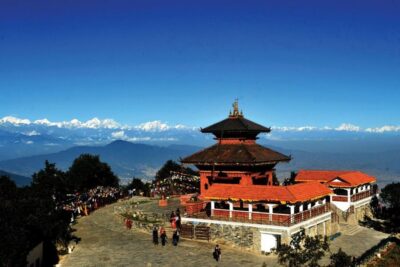
Nagarkot Sunrise & Hike to Changu Narayan Day Tour from Kathmandu
Read our review →
Monkey Temple – Swayambhunath Tour – Private/Small Group
Read our review →Browse the lists this tour appears in