
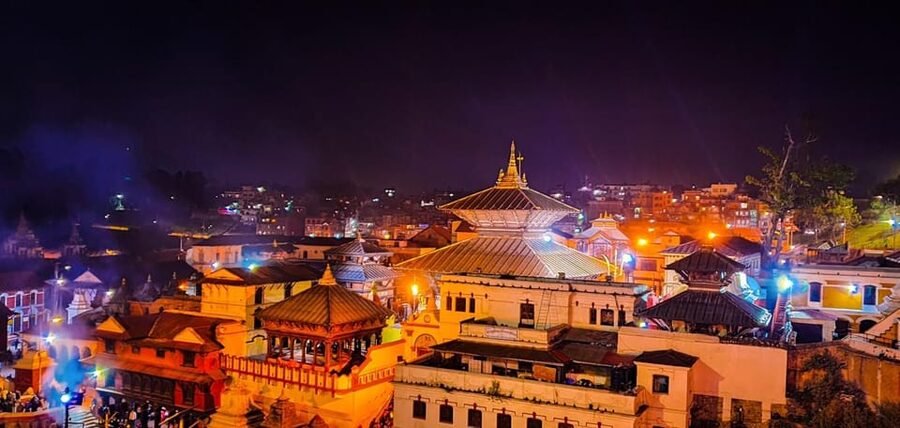
Reviewed · TEMPLE & MONASTERY TOURS
Kathmandu: Pashupatinath Temple Evening Aarati Tour
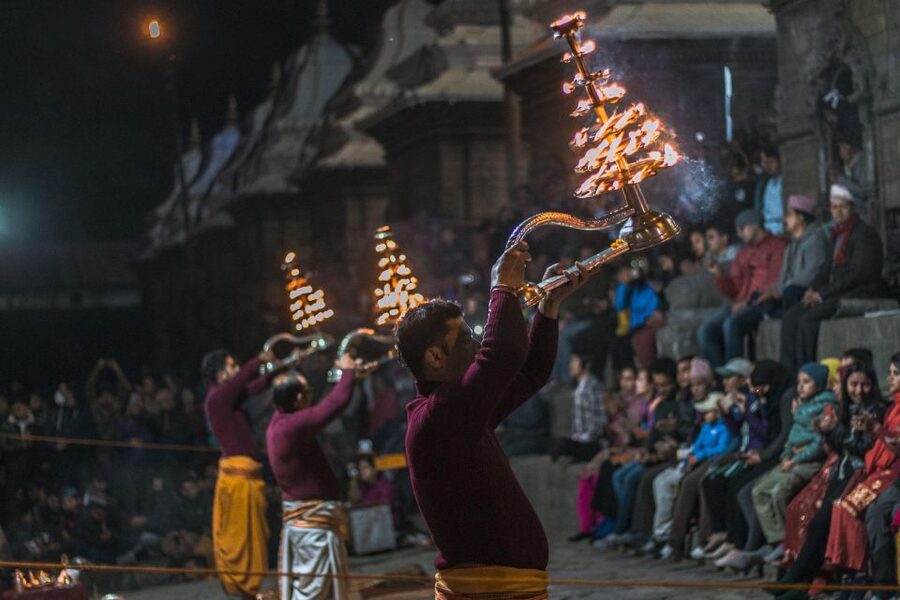
The most memorable part of this evening visit is the Bagmati Aarati, when priests circle oil lamps beside the river while chants and bhajans fill the air. I like the close look at Hindu worship and the fact that a guide can explain what is happening instead of leaving you to guess. I also like the private, air-conditioned ride from your hotel, a useful comfort in Kathmandu traffic.
The main thing to consider is that non-Hindus cannot enter the main temple, so you watch the Aarati from the riverbank. The area may be crowded, and one past complaint involved a guide steering a customer toward an expensive rudraksha purchase. Keep shopping separate from the tour and ask for clear prices before buying anything.
Key points at a glance
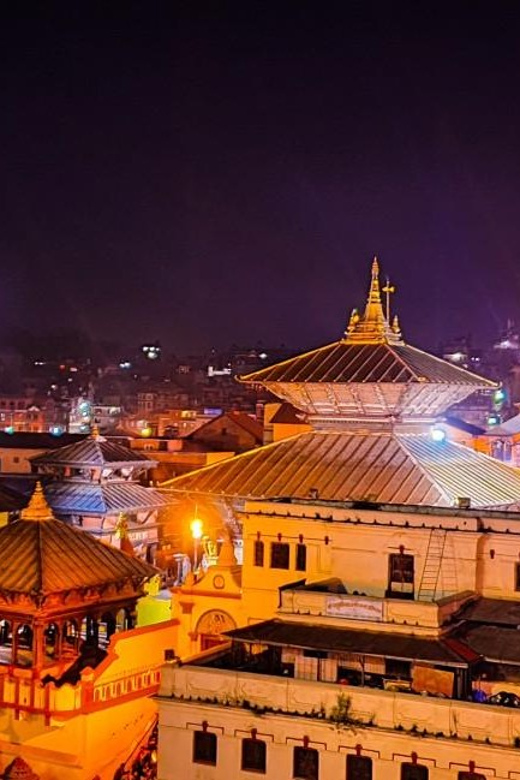
- A 6:00 to 6:30 PM river ritual: Timing shifts with the season, so confirm the start time and arrive early.
- A Hindu ceremony you can watch from outside: Non-Hindus cannot enter the main temple, but the Aarati takes place beside the Bagmati River.
- Private hotel transport: Pickup and drop-off are offered in Kathmandu, Thamel, and Boudhha by air-conditioned private vehicle.
- Guides who add religious context: Guides including Razz and Shankar have explained Hindu gods, cremation customs, Buddhism, and the symbolism of the ceremony.
- NPR 1,000 extra at the entrance: The monument fee is not included in the $22 price.
- A short, focused evening: The three-hour format works well before dinner or alongside a busy Kathmandu schedule.
What the Pashupati Aarati actually is
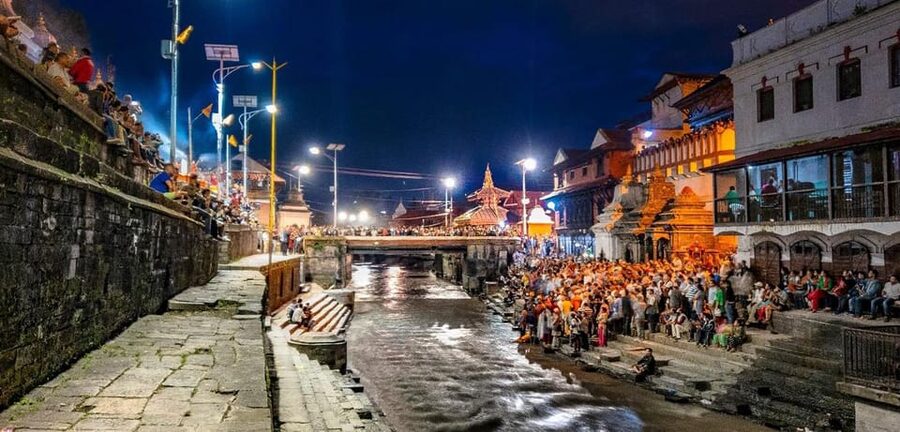
Aarati is a Hindu prayer ceremony using lamps, music, chanting, and movement. At Pashupatinath, the ceremony honors the temple, Lord Shiva, and the Bagmati River, which flows beside the sacred complex.
As priests move the lamps in slow circles, the fire becomes the visual focus. Devotees sing bhajans, and the ceremony builds a shared mood rather than presenting a performance for tourists. The closing prayers ask for the well-being of all souls and give thanks for divine kindness.
The Bagmati River has a central place in local belief. Hindu tradition holds that bathing in its waters can wash away sins. The river is also tied to cremation rites at Pashupatinath, so your visit may include views of those areas as part of the wider temple setting. That can be moving, but it can also feel intense. Go with respect, avoid treating the ceremonies as entertainment, and follow your guide’s advice about where to stand and when photography is appropriate.
The evening Aarati tradition began in 2000 and became a regular practice in 2006. It now draws large crowds, especially on Mondays, holidays, and major festivals such as Maha Shivaratri and Haritalika Teej.
More Evening Tours in Kathmandu
- Kathmandu Sunset Tour by Rickshaw Including Durbar Square Visit
★ 5.0 · 73 reviews - Kathmandu: Pashupatinath Temple Evening Aarati Tour
★ 5.0 · 36 reviews - Kathmandu: Pashupatinath Temple Aarti Night Tour
★ 4.8 · 29 reviews
Starting from your hotel in Kathmandu
The tour offers pickup from three broad areas: Kathmandu, Thamel, and Boudhha. The vehicle is private and air-conditioned, which gives you a calmer start than trying to find a taxi during the evening rush.
The stated pickup area is Kathmandu city center. If your hotel is outside the central area, an extra fee may apply. Confirm this before booking if you are staying on the outskirts.
The drive itself is not the reason to book this experience. Kathmandu traffic can make short distances take time, and the three-hour duration includes transport. Still, private pickup has real value here. You do not need to work out a return ride after dark, and you can leave the temple area with someone who knows the local roads.
Pickup times should be checked carefully because the Aarati generally begins around 6:00 to 6:30 PM, with seasonal changes. Your guide will need to balance the drive, the entrance process, and a good viewing position. Arriving early matters most on Saturdays, weekends, and festival dates.
Seeing Pashupatinath before the lamps are lit
The temple complex is one of Kathmandu’s key Hindu pilgrimage sites. Your guide leads a three-hour visit and explains the religious setting before the main ceremony begins.
Pashupatinath is dedicated to Lord Shiva, known here as Pashupati, or Lord of the Animals. Shiva worship is woven through the buildings, shrines, images, songs, and gestures you see around the site. A guide can help connect these details to the ceremony instead of giving you a quick look at a famous monument and sending you away.
The experience also includes cultural context about cremation. Several people who joined similar visits found this explanation especially useful, since the cremation traditions beside the Bagmati can be difficult to understand without local guidance. You should expect a serious atmosphere around these areas. Photography may be allowed in general, but permission and restraint matter more than getting a close picture.
A guide named Razz has been singled out for explaining both Hindu and Buddhist traditions in clear English. Shankar has also guided visitors through the religious beliefs, gods, and cremation process before the Aarati. Guide assignments can vary, so you cannot book a particular person unless the operator confirms that in advance.
Finding a place for the Bagmati Aarati
The ceremony is held beside the river rather than inside the main temple. This is important for non-Hindu visitors, who are not permitted inside the temple’s inner areas.
Your guide’s practical help can make a difference. On a busy Saturday, Razz secured a good place to sit for one visitor. That small detail matters because the riverbank can fill quickly, and a poor position may leave you looking over heads or trying to watch from the edge of the crowd.
The ceremony usually begins around 6:00 to 6:30 PM, but the exact time changes by season. Plan to arrive early rather than cutting it close. Weekends, Mondays, holidays, Maha Shivaratri, and Haritalika Teej can all bring larger crowds.
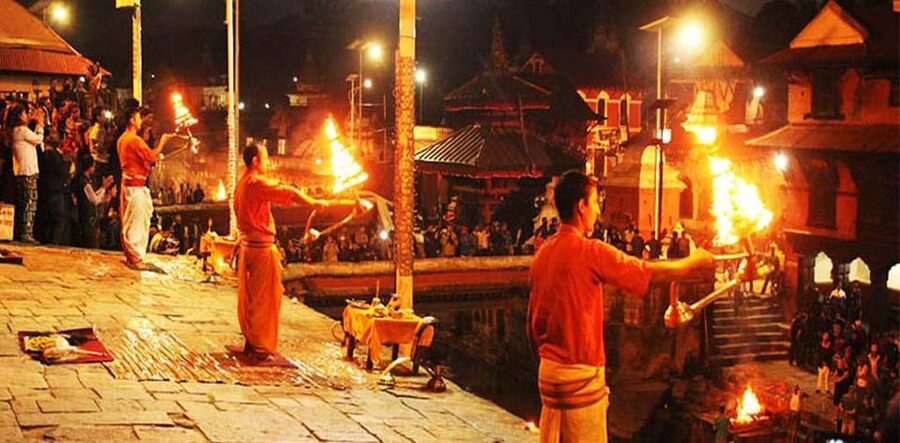
Once the ritual starts, you will see priests raise and circle the oil lamps while sacred words are chanted. The congregation responds with bhajans and prayers. The mood is devotional, not theatrical. You may notice incense smoke, ringing sounds, music, and repeated chants. These are part of the setting, not background decoration.
Photography is generally allowed, but use your judgment. Turn off flash if possible, do not push toward the front, and lower your camera during prayers if people around you are clearly focused on worship. You will get more from the ceremony by watching its rhythm than by trying to record every moment.
More Temple & Monastery Tours in Kathmandu:
- Kathmandu Spiritual Sites: Bodhnath & Pashupatinath Tour
★ 5.0 · 185 reviews - Kathmandu: Nagarkot Sunrise and Hike Tour to Changu Narayan
★ 4.7 · 151 reviews - Kathmandu: Chandragiri Cable Car and Monkey Temple Tour
★ 4.8 · 139 reviews - Nagarkot Sunrise & Hike to Changu Narayan Day Tour from Kathmandu
★ 5.0 · 126 reviews
The meaning of Tandav and the closing prayers
The evening program may include Tandav, a sacred dance associated with Lord Shiva. In Hindu tradition, Tandav reflects Shiva’s powerful cosmic energy. The movement adds another layer to the ceremony and helps explain why the Aarati is about more than lighting lamps.
The ritual honors both Pashupatinath and the Bagmati River. Its message reaches beyond one temple or one group of worshippers. Hindu belief emphasizes the presence of God in living beings, and the final prayers focus on the welfare of all souls.
This is where a good explanation helps most. Without context, you might see fire, music, and coordinated movement. With context, you can understand why the lamps move in circles, why the river matters, and why the ceremony closes with prayers for collective well-being.
The visit is best approached quietly. You do not need to be Hindu to appreciate the ritual, but you do need to respect that it is an active act of worship.
How much value do you get for $22?
At $22 per person, this is a fair price if you want transport and a guide rather than only a temple entrance. The package includes private air-conditioned transportation, hotel pickup and drop-off, an English-speaking guide, and taxes.
The main extra cost is the monument entry fee of NPR 1,000 per person. You pay that separately on the day, so the real cost is the tour price plus that entrance charge. Meals, drinks, and personal purchases are also your responsibility.
The value depends on what you need. If you already know Kathmandu well and are comfortable arranging a taxi, paying the entrance fee, and finding the riverbank yourself, you might prefer to visit independently. The tour earns its keep through the explanation and the return transport.
I especially see value for first-time visitors who want to understand the ritual, cremation customs, and temple traditions without spending a full day on a larger city tour. Three hours is long enough to see the area and attend the ceremony, but short enough to fit into an evening plan.
Guides, language, and the shopping warning
The advertised guiding language is English. Past guide names connected with this experience include Razz, Shankar, Ravi, and Rag. Razz has received repeated praise for clear explanations, kindness, and care with crowded viewing areas. Shankar has been praised for explaining religion and cremation practices. Ravi has been associated with the driving portion of one visit.
That does not guarantee a particular guide on your date. Ask who is assigned if having a specific guide matters to you.
There is one serious practical warning. One customer reported being taken to a shop near Pashupatinath and being pressured into buying rudraksha beads at an inflated price, with a claim that the guide was involved in a commission arrangement. This is a single complaint, not proof of a general practice, but it is enough reason to stay alert.
Shopping is not part of the stated tour inclusions. If a stop is suggested, ask whether it is optional, compare prices, and never feel obliged to buy. Rudraksha beads can have religious meaning, but that does not make every price fair.
What to wear and what to bring
Dress modestly. Your shoulders and knees should be covered because this is a sacred Hindu site. Loose, respectful clothing is the sensible choice, especially if you plan to sit near the riverbank for the ceremony.
Expect incense smoke and chanting. If you are sensitive to smoke, position yourself where air moves more freely and tell your guide. The ceremony can be crowded, so keep your belongings close and arrive with enough time to find a comfortable place.
You should also bring cash for the NPR 1,000 monument entry fee and any personal expenses. Meals and drinks are not included, so plan those separately. Photography is generally permitted, but religious courtesy should guide how and when you use your camera.
Who should book this evening visit?
I would recommend it to first-time visitors who want a short cultural experience with transportation included. It suits people who enjoy learning the meaning behind religious ceremonies and who would rather have a guide explain what they are seeing than wander through the complex alone.
It is also a good fit if you are staying in Thamel, Boudhha, or central Kathmandu and want a planned evening without arranging a return taxi. The tour can fit neatly before or after dinner, provided you allow for Kathmandu traffic.
You may want a different plan if you dislike crowds, smoke, chanting, or serious religious settings. It is not a temple interior tour for non-Hindus, and the ceremony can feel crowded on popular dates. If your main aim is shopping, this is not the right activity, and you should treat any shopping suggestion as optional.
The experience has an overall rating of 4.7 from 11 ratings, with strong praise for the guides, the clear religious explanations, hotel pickup, and the ceremony itself. The one low rating concerns alleged shopping pressure, so use sensible caution while keeping the larger strengths in view.
Should you book the Pashupatinath Aarati Tour?
Book it if you want meaning and ease in one evening: a local guide, private transport, temple context, and a place to watch the Bagmati Aarati. The ritual is the heart of the visit, and the guide can help you understand its symbols, the role of Shiva, and the connection between the river and cremation customs.
Skip it if you only want to enter the main temple, since non-Hindus cannot do so, or if you prefer to arrange every part of a short visit yourself. For most first-time visitors, though, $22 plus the NPR 1,000 entrance fee is reasonable for a focused introduction to one of Kathmandu’s most important religious sites. Confirm the pickup, starting time, and guide details, dress respectfully, arrive early, and keep your wallet firmly in your own hands.
FAQ
When does the Pashupatinath Aarati begin?
The evening Aarati usually starts around 6:00 to 6:30 PM. The exact timing can vary by season, so check availability and confirm the start time before the visit.
Can non-Hindus enter the main Pashupatinath Temple?
No. Non-Hindus are not permitted inside the main temple. You can watch the Aarati from the Bagmati River banks.
Is the monument entrance fee included?
No. The monument entrance fee is NPR 1,000 per person and must be paid on the day of the visit.
Where does hotel pickup operate?
Pickup is available from Kathmandu city center, Thamel, and Boudhha. Hotels outside the central area may require an additional fee.
Is transportation private and air-conditioned?
Yes. The tour includes private transportation with air conditioning, along with hotel pickup and drop-off.
Is the tour conducted in English?
Yes. The tour includes a live English-speaking guide.
Can I cancel the booking?
You can cancel up to 24 hours in advance for a full refund. The reserve-now, pay-later option lets you hold a place without paying immediately.
Just added around Kathmandu
- Women Empowerment Project(Nepali cooking class & jewelry workshop★ 5.0 · 15 reviews
- Manthali Airport (Ramechhap) To Kathmandu – Transport Service★ 4.5 · 11 reviews
- Amazing 1 Day Trekking Experience in Kathmandu Nepal★ 5.0 · 24 reviews
- Walking tour of Kathmandu with awesome local guides★ 5.0 · 4 reviews
- Walking tour of real Kathmandu through back streets.★ 5.0 · 3 reviews
- Private Manaslu Circuit Trek at Himalayas★ 5.0 · 3 reviews
- Walking Street Food Tour in Kathmandu★ 5.0 · 111 reviews
- Kathmandu Street Food Walking Tour – Eat Like a Local★ 5.0 · 3 reviews
Temple & Monastery Tours, compared.
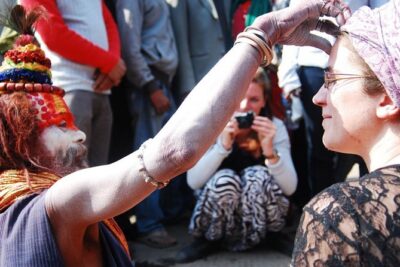
Kathmandu Spiritual Sites: Bodhnath & Pashupatinath Tour
Read our review →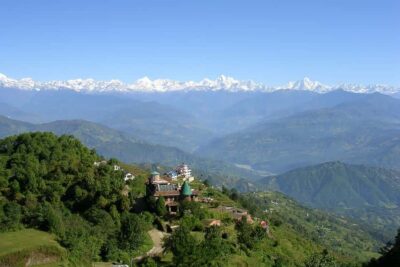
Nagarkot Sunrise and Hike Tour to Changu Narayan
Read our review →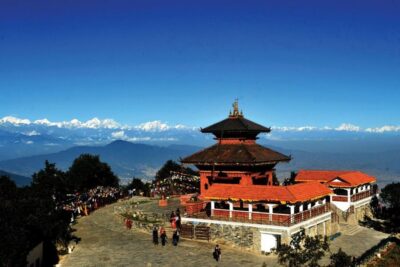
Nagarkot Sunrise & Hike to Changu Narayan Day Tour from Kathmandu
Read our review →
Monkey Temple – Swayambhunath Tour – Private/Small Group
Read our review →Browse the lists this tour appears in