
Reviewed · LANGTANG TREKS
Langtang Valley Trek from Kathmandu
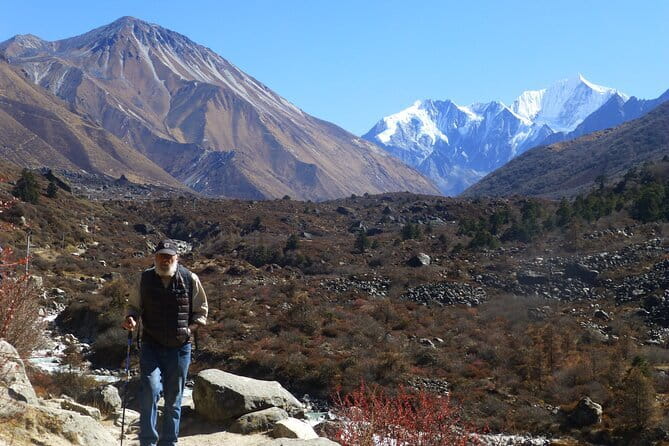
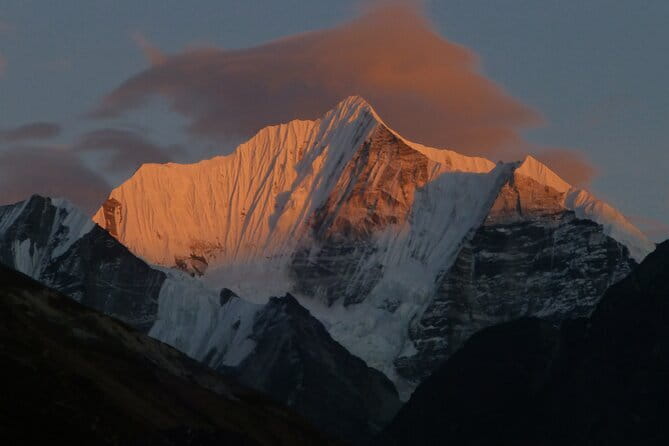
Langtang gives you a fine Himalayan trek without the crowds and high price often linked with Nepal’s best-known routes. The rewarding part is the steady change from river forest to stone villages, yak pasture, and broad views of Langtang Lirung, Ganesh Himal, and Shishapangma. I especially like the close look at Tamang culture and the quiet overnight stay at Kyanjin Gompa.
I also like that the route includes time for an optional climb to Tserko Ri, rather than rushing you straight back downhill. The main caution is the road and altitude: the first and last days involve long bus journeys, and the climb requires a moderate level of fitness. The meal details also need clarification before booking, since the package lists breakfasts, lunches, and dinners as included, then separately mentions meals at about $25 per day.
Key points at a glance
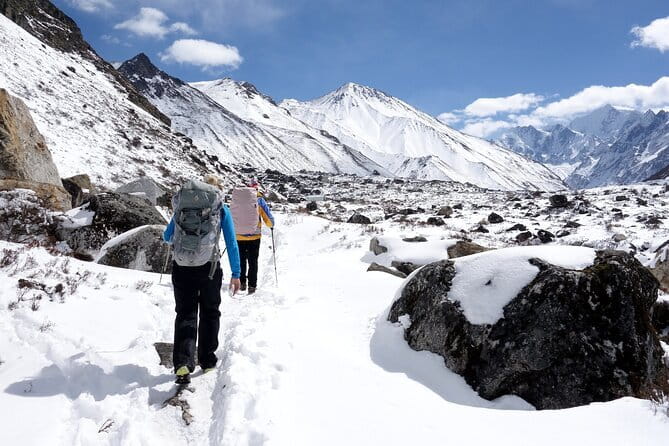
- A quieter alternative to Everest and Annapurna: Langtang offers peaceful trails and smaller Tamang communities.
- Kyanjin Gompa is the high point: You spend two nights here, allowing time for the monastery, cheese factory, and optional ridge hike.
- Tserko Ri adds the biggest view: Day 5 is the main uphill challenge, with packed snacks and an early start.
- The route changes constantly: Expect bamboo and rhododendron forest, suspension bridges, stone houses, yak pasture, and snow-covered peaks.
- Your package covers the basics: Hotel transfers, shared bus transport, permits, a TIMS card, guide, guesthouses, a first-aid kit, and listed meals are included.
- It is private on the trail: Only your own group takes part, but the Kathmandu road transfer is by shared bus.
Why Langtang feels different from Nepal’s famous routes
Langtang is a good choice when you want mountain scenery with a stronger sense of local village life. The route passes through Tamang communities with Tibetan-influenced traditions, stone houses, monasteries, and warm village hospitality. You are not simply walking toward a viewpoint. You are moving through a lived-in valley.
The trip also offers a clear look at recovery after the 2015 earthquake. Langtang Village is described as a settlement rebuilding its future, which gives the walk a human side that a checklist of peaks cannot provide. I find that sort of setting more meaningful than a trek made up only of scenic stops.
The route has a peaceful feel compared with the busier Everest and Annapurna corridors. That does not mean you get an empty wilderness. You still pass villages, guesthouses, bridges, and working mountain communities. It means the focus is more on the valley, its people, and the changing terrain.
At $1,110 per person, the price is not a bargain-basement trek, but it covers several important costs. You receive pickup and drop-off, round-trip transport, trekking permits, a TIMS card, an English-speaking guide, guesthouse accommodation, a first-aid box with the guide, and the meals specified in the package.
The value depends heavily on the meal wording. The inclusion list says eight lunches, eight dinners, and seven breakfasts, while the exclusions mention meals at approximately $25 per day. Ask the operator exactly which meals are covered and which are paid separately. That answer could change the final cost by a useful amount.
More Langtang and Gosaikunda treks:
- Langtang Valley Trek
★ 5.0 · 140 reviews - Langtang Valley Trek
★ 5.0 · 50 reviews - Private 8 – Day Langtang Trekking
★ 5.0 · 29 reviews
Day 1: The long road from Kathmandu to Syabrubesi
The trek begins with a six to seven-hour journey from Kathmandu to Syabrubesi, also written as Syapru Besi in the schedule. The road follows the Trishuli area and includes several stops, so you should treat this as a full travel day rather than a gentle introduction.
The ride gives you a first look at Nepal beyond the capital, with green hills, rivers, and increasingly rugged country. It also demands patience. Road conditions can make the trip feel longer than the timetable suggests, and sitting in a vehicle for much of the day may be tiring before you even start walking.
Round-trip transport uses a shared bus, even though the trek itself is private to your group. That combination is worth understanding before you pay. You have a private walking arrangement, but the road transfer is not described as a private vehicle.
Syabrubesi is the practical gateway to the valley. There is no major sightseeing program here, but reaching the trailhead is part of the experience. Keep the first evening simple, eat well, and prepare your daypack for the first walking stage.
Day 2: Forest, bridges, and the Langtang River to Lama Hotel
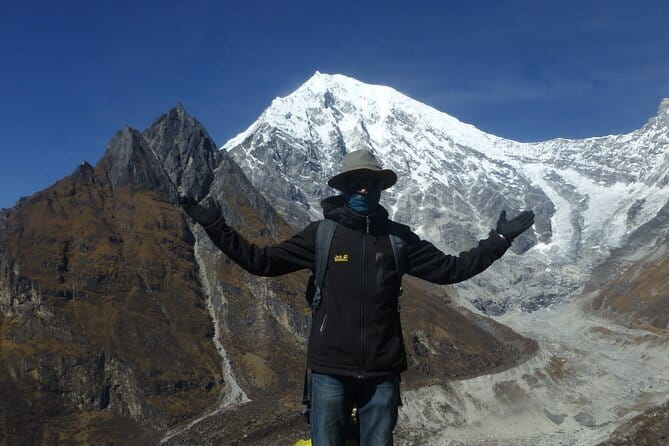
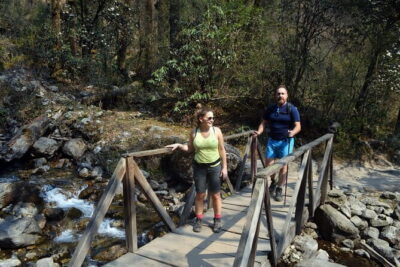
The first major walking day takes about six hours and leads to Lama Hotel. The route follows the Langtang River and passes through forest filled with rhododendron, oak, and bamboo. You may also spot langur monkeys in the trees.
This is a pleasing start because the trail does not reveal everything at once. You walk beside rushing water, cross suspension bridges, and pass through shaded woodland before the valley opens more fully. The sound of the river gives the day a steady rhythm, while the forest keeps the focus close rather than on distant peaks.
The climb is not described as extreme, but six hours on foot is still a serious day. Good footwear matters, especially on a trail with bridges, uneven ground, and changing conditions. You should also keep water and a light layer within reach, since forest shade and open sections can feel quite different.
Lama Hotel is a useful overnight point because it breaks the climb into manageable stages. The guesthouse accommodation is basic mountain lodging, not a city hotel. Expect the value to come from location and access to the trail, not luxury.
Day 3: Stone houses and Tamang life in Langtang Valley
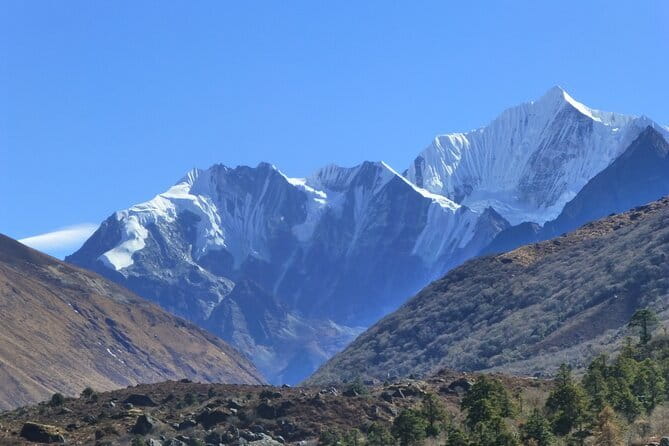
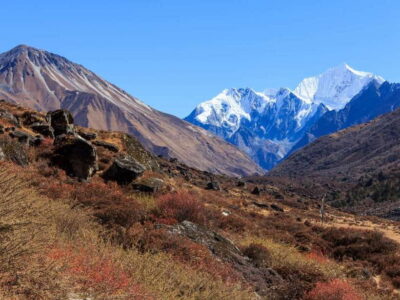
Day 3 takes about six hours and brings you farther into the valley. The route offers views of Langtang Lirung, traditional stone houses, and yak pasture. The scenery begins to feel more open, and the villages provide a closer look at daily life in the high country.
Langtang Village is especially important. It is a community recovering from the 2015 earthquake, and seeing that recovery gives the day an emotional weight. You are walking through a place where rebuilding, local pride, and mountain hospitality are part of the present, not just the past.
This is also where the cultural side of the trek becomes clearer. Tamang heritage shapes the villages, religious life, buildings, and hospitality. The Tibetan influence is visible in the valley’s spiritual character, leading naturally toward Kyanjin Gompa on the following day.
The growing altitude may make the six-hour schedule feel harder than Day 2. Go at the guide’s pace and resist the urge to race ahead simply because the path looks clear. The goal is to reach the higher valley in good condition for the optional hike from Kyanjin Gompa.
More trekking days out of Kathmandu:
- Nagarkot Sunrise View and Day Hiking from Kathmandu
★ 5.0 · 471 reviews - Kathmandu: Nagarkot Sunrise View & Morning Hike with Lunch
★ 4.9 · 188 reviews - Kathmandu: Nagarkot Sunrise and Hike Tour to Changu Narayan
★ 4.7 · 151 reviews - From Kathmandu: Everest View from Nagarkot & hike to Changu
★ 4.8 · 140 reviews
Day 4: Reaching Kyanjin Gompa and the cheese factory
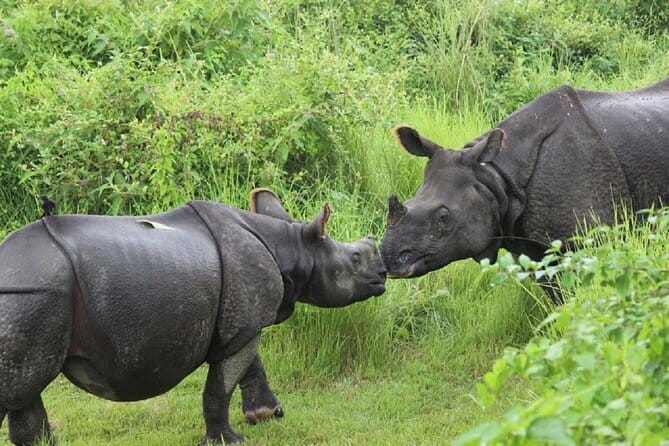
The walk to Kyanjin Gompa takes about five hours, making it shorter than the previous two trekking days. After breakfast, you continue toward the principal monastery area, with wide mountain views and a more alpine setting around you.
Kyanjin Gompa is the central base of the trip. The monastery connects the scenery to the valley’s spiritual life, while the nearby cheese factory adds a practical local detail. It is a small stop, but it helps you see how people make a living in a high mountain environment.
The shorter day is important. You are gaining altitude, and the extra time gives you room to walk slowly, take photographs, and settle into the higher environment. You spend the night here, which is far better than arriving late and immediately turning around.
The surrounding views include Langtang Lirung, Ganesh Himal, and Shishapangma in Tibet. Conditions can affect what you see, so keep your expectations flexible. Even without a perfect mountain panorama, the valley, monastery, stone buildings, and yak pasture create a strong sense of place.
Guesthouse accommodation keeps the trip grounded and affordable, but comfort will be simple. This is the point where a warm layer, personal toiletries, and realistic expectations about mountain lodging matter most.
Day 5: The demanding climb toward Tserko Ri
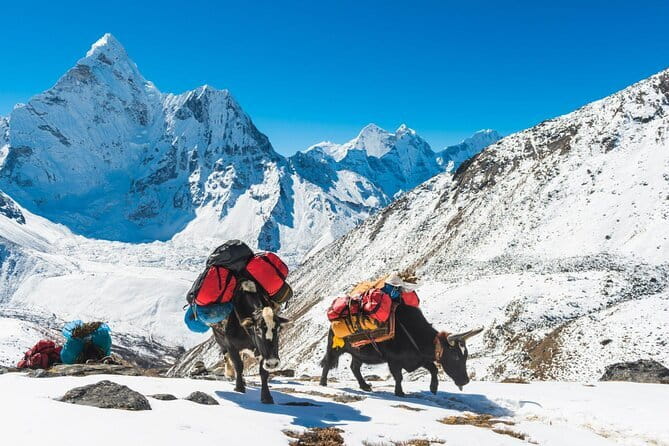
Day 5 is the trip’s main challenge. You start early after breakfast with packed snacks, cross a small wooden bridge over the Langtang River, and begin climbing toward Tserko Ri, also spelled Cherco Ri in the schedule.
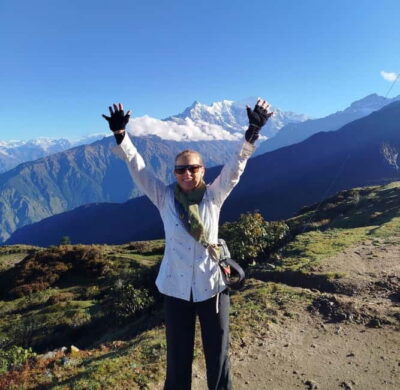
The climb takes about six hours and is designed to deliver the most dramatic views of the trek. From higher ground, you may see the valley spread below you and the surrounding Himalayan peaks rise around Langtang Lirung and beyond. This is the day for anyone who wants more than a village walk.
The route is optional in spirit, but you should decide honestly based on your fitness and how your body has handled the altitude. The package asks for moderate physical fitness, and this is the day that gives that phrase real meaning. You do not need to prove anything by forcing the summit. A shorter walk around Kyanjin Gompa can still be worthwhile if you are tired or affected by altitude.
The early start and packed snacks make practical sense. A morning climb gives you more time, and carrying food avoids depending on a meal stop during the uphill section. Follow your guide’s advice and keep the pace steady. The view is the reward, but arriving safely is the real goal.
You return to Kyanjin Gompa for another night, giving you a proper base rather than making the difficult climb part of a long relocation day.
Day 6: An easier descent to Lama Hotel
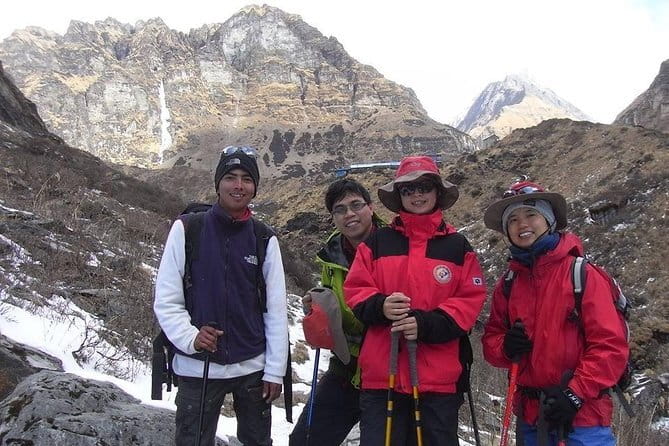
After two nights at Kyanjin Gompa, you retrace the route toward Lama Hotel. The walk takes about six hours, but the lower altitude and downhill direction make it less demanding than the climb to the high valley.
Descending has its own strain, especially on knees and ankles, so do not assume the day requires no effort. Trekking poles, if you use them, can be helpful on uneven ground. The return through the valley also gives you a second chance to notice details missed during the uphill walk.
The forest returns as you lose altitude. The river, bridges, and changing shape of the valley provide a pleasant contrast to the open mountain views around Kyanjin Gompa. I like this part of the plan because it gives you time to let the main climb settle before the final road transfer.
You spend the night at Lama Hotel, keeping the return journey divided into sensible sections. Again, expect basic guesthouse accommodation and a trail-focused day rather than sightseeing in the usual sense.
Day 7: Back to Syabrubesi, with an optional scenic route
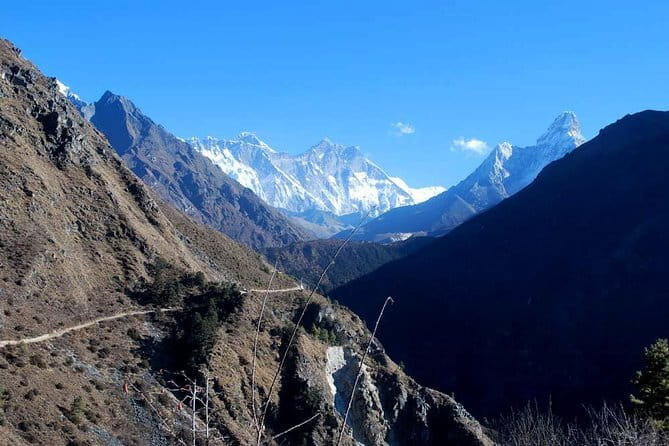
The final walking day takes about seven hours and returns you to Syabrubesi. Most of the route follows the way you came, with a largely descending trail.
There is an optional route via Sherpagaun, described as more scenic and suitable for trekking. This choice could add variety to the return, but ask the guide about the route’s timing and difficulty before committing. The provided schedule does not give enough detail to judge exactly how much extra walking it adds.
This is a satisfying end to the walking portion. You have moved from river forest to high pasture and back again, so the return is not simply a repeat. You now understand the valley’s scale and can compare how the terrain changes with altitude.
Plan for a full day, not a quick stroll into town. Seven hours is substantial, and the descent can be tiring after the Tserko Ri day. Once you reach Syabrubesi, the trek itself is done, but you still have the long ride to Kathmandu ahead.
Day 8: The long return to Kathmandu
The final day begins with a morning drive back to Kathmandu. The trip takes about six hours and passes green hills, forests, riverside areas, and Nepalese countryside before reaching the capital.
This is another road day, so the schedule is best suited to someone with patience and a flexible attitude toward mountain transport. The package includes transfer to your selected hotel after arrival, which is useful after a week of walking and long vehicle journeys.
The ride also gives you time to look back at the route. You leave the narrow mountain valley and return to a busier urban setting in a single day. That contrast is part of the Langtang experience, though it may feel abrupt if you prefer a slower finish.
What the $1,110 price really covers
The strongest value comes from the package structure. You are not arranging each permit, transport leg, guide, and guesthouse separately. The operator handles the main framework, and you get a guide who carries a first-aid box and supports the group on the trail.
The private format is another benefit. Only your group participates in the activity, which should make it easier to set a comfortable walking pace and discuss the optional Tserko Ri or Sherpagaun routes. The shared bus arrangement means private does not equal private transport, so keep that distinction clear.
The cost does not include gratuity. It also contains confusing meal information. One section lists eight lunches, eight dinners, and seven breakfasts as included, while another says meals cost about $25 per day. Get written clarification before booking, including whether the amount refers to extra meals, drinks, or a general estimate.
Free cancellation is available if you cancel at least 24 hours before the experience begins. Changes or cancellations inside that period are not accepted for a refund, and the cut-off follows local Nepal time.
Who should book this Langtang trek?
I would choose this trip if you want a Himalayan route with village culture, monastery visits, and a quieter setting than Everest or Annapurna. It suits someone who can handle six to seven hours of walking on several days and who is comfortable with simple guesthouses.
It also works well for a solo person who wants a private group arrangement rather than walking entirely alone. One woman described feeling safe and relaxed with the people running the trip, and the guide team was praised for being kind, caring, experienced, and reliable. Those comments do not remove the need to use normal mountain judgment, but they point to attentive support.
I would hesitate if you want luxury lodging, short transfer times, or a gentle sightseeing holiday. The road from Kathmandu to Syabrubesi and back is long, and Tserko Ri adds a real uphill test. If you are unsure about the altitude or your fitness, ask the operator how the schedule can be adjusted.
FAQ
How long is the Langtang Valley Trek from Kathmandu?
The experience lasts approximately eight days, including two long road transfers between Kathmandu and Syabrubesi.
What level of fitness is required?
A moderate level of physical fitness is required. Walking days last about five to seven hours, with the most demanding uphill section on the optional Tserko Ri day.
Is transportation included?
Yes. Hotel pickup and drop-off and round-trip transfer by shared bus are included.
Is the trek private?
Yes. Only your group participates in the trekking activity. The road transfers are by shared bus.
What accommodation is provided?
You stay in guesthouses during the trek. The provided information does not specify hotel names or room standards.
What meals are included?
The inclusion details list eight lunches, eight dinners, and seven breakfasts. Another section mentions meals at approximately $25 per day, so you should confirm the exact meal arrangement with the operator before booking.
Should you book it?
Book this Langtang trek if you want a balanced Nepal route with Tamang villages, Kyanjin Gompa, mountain views, and a meaningful cultural setting. The optional Tserko Ri climb gives the trip a strong high point, while the two nights at Kyanjin Gompa prevent the schedule from feeling rushed.
Before paying, confirm the meal costs, the shared-bus arrangement, and how the guide will handle the optional routes if you feel tired. If those details suit you and you can manage long walking and road days, the $1,110 package offers a practical way to experience Langtang with permits, transport, accommodation, and trail support already organized.
Just added around Kathmandu
- Women Empowerment Project(Nepali cooking class & jewelry workshop★ 5.0 · 15 reviews
- Manthali Airport (Ramechhap) To Kathmandu – Transport Service★ 4.5 · 11 reviews
- Amazing 1 Day Trekking Experience in Kathmandu Nepal★ 5.0 · 24 reviews
- Walking tour of Kathmandu with awesome local guides★ 5.0 · 4 reviews
- Walking tour of real Kathmandu through back streets.★ 5.0 · 3 reviews
- Private Manaslu Circuit Trek at Himalayas★ 5.0 · 3 reviews
- Walking Street Food Tour in Kathmandu★ 5.0 · 111 reviews
- Kathmandu Street Food Walking Tour – Eat Like a Local★ 5.0 · 3 reviews
Langtang Treks, compared.
Browse the lists this tour appears in