
Reviewed · WALKING TOURS
Local Bazaar Walking Tour in Kathmandu with Professional Guide
Kathmandu’s old market quarter is best understood on foot, and this tour puts you right into it. You’ll walk through Asan and Indra Chowk, where spice sellers, produce stalls, metalware shops, wedding ornaments, temples, and old residential buildings share the same tight lanes. I like the private format and the chance to see daily commerce rather than only grand monuments.
I also like that hotel pickup and drop-off take the transport fuss out of a crowded central district. Guide Bharat has been singled out for clear, helpful commentary, and the guide can wait while you take photos or shop. The main consideration is cost: at $100 per person, this makes the most sense for visitors who value private transport and personal attention. Lunch is described as part of the experience, but it is not included in the price.
Key points at a glance
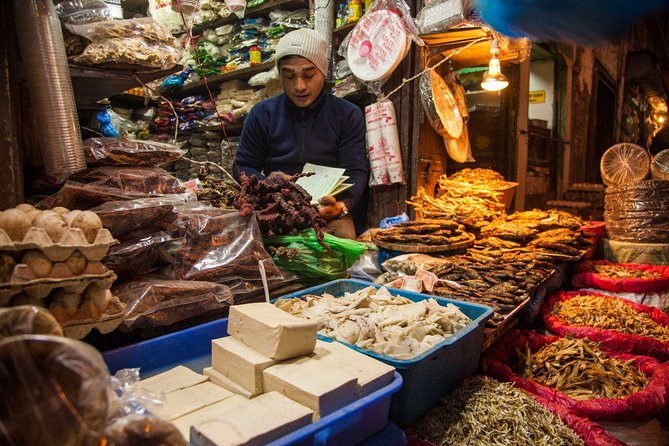
- Asan Bazaar brings old Kathmandu to life: Expect spices, produce, brass, bronze, copper, textiles, and narrow lanes full of local activity.
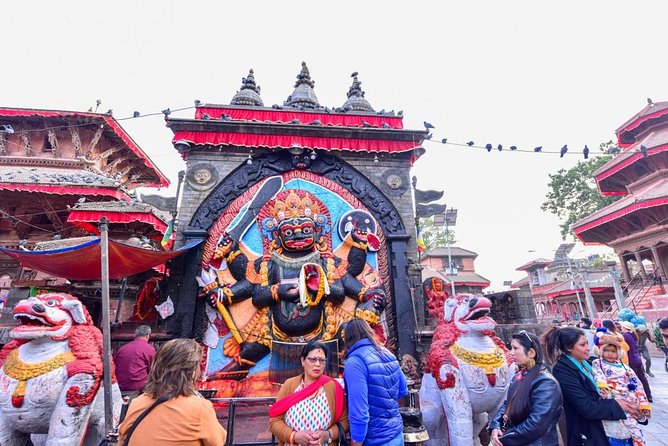
- Indra Chowk adds temples and wedding goods: Look for beads, bangles, ornaments, Seto Machhendranath, and Aakash Bhairav.
- Kathmandu Durbar Square adds royal architecture: The tour includes the UNESCO-listed square and Hanuman Dhoka, the former royal palace.
- A private guide changes the pace: You can ask questions, stop for pictures, and spend time shopping without keeping up with a larger group.
- Lunch needs a budget check: Traditional Nepali food is part of the plan, but the meal is not included in the listed price.
- Hotel transport is included within the ring road: Pickup outside Kathmandu’s city ring road may cost extra.
Why Kathmandu’s old markets are worth your morning
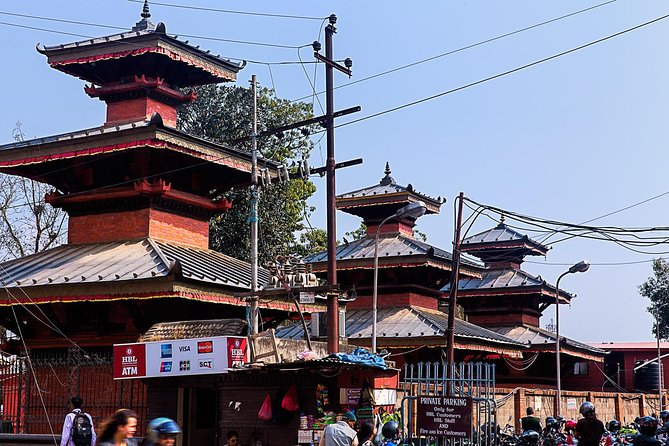
Kathmandu can feel confusing at street level. A lane that looks like a simple shopping street may lead to a temple courtyard, a shrine, a residential passage, or a centuries-old market connection. This walking tour gives you a local guide to those layers instead of asking you to find meaning in them on your own.
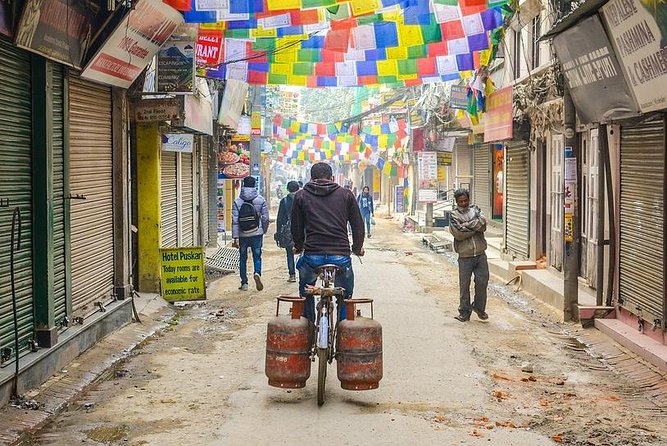
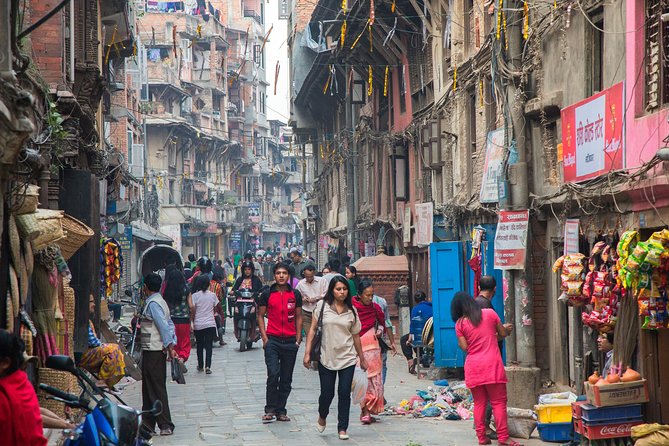
Asan and Indra Chowk are not staged attractions. They are working market areas. People shop for food, household items, religious goods, clothing, and traditional ornaments while daily traffic squeezes through the same streets. You may see modern life pressed against old buildings, with vendors and artisans working in spaces that have served the city for generations.
That is the appeal. You are not just checking off a monument. You are watching Kathmandu function.
The tour lasts about three and a half hours, though the walking portions described for Asan and Indra Chowk total about two hours. The remaining time allows for hotel transfers, moving between areas, and the food stop. Exact pacing can vary because this is a private activity.
More Walking Tours in Kathmandu
- Kathmandu Food and Drink Walking Tour
★ 5.0 · 266 reviews - Kathmandu: Food and Drink Walking Tour
★ 4.9 · 119 reviews - Walking Street Food Tour in Kathmandu
★ 5.0 · 111 reviews
Starting in Asan Bazaar
After pickup from your hotel, you travel by air-conditioned vehicle with your guide and driver to the old Asan and Indra Chowk area. The included vehicle is useful here because central Kathmandu can be crowded and difficult to navigate on your own, especially if you are staying away from the historic core.
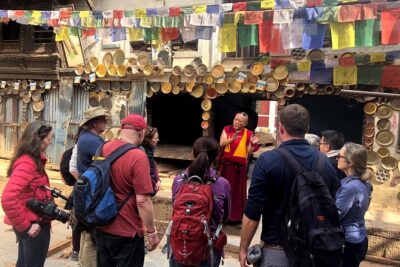
Asan is the first major walking section. The streets are narrow, and the experience depends on looking around rather than simply moving from one landmark to the next. Your guide explains the area as you pass market stalls and old architecture, helping you understand how the neighborhood works.
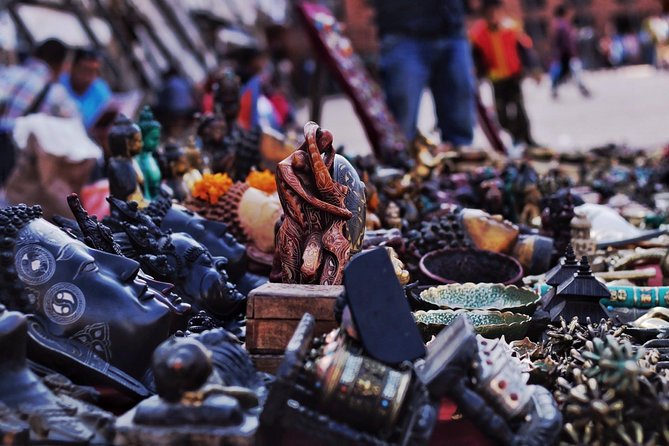
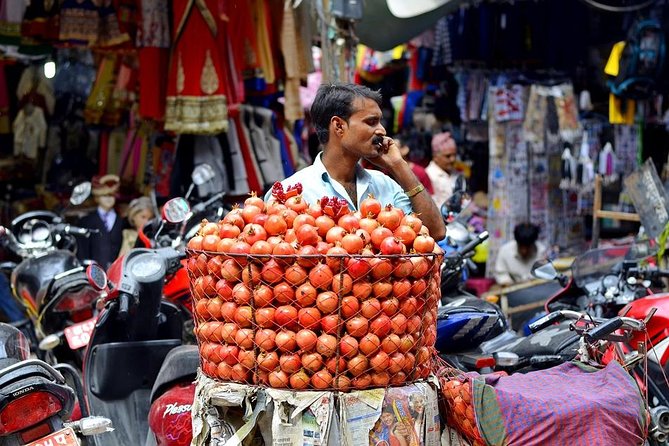
Expect to see fruit, vegetables, spices, and metal goods. Brass, bronze, and copper wares are an especially useful reminder that the market is not only for quick food purchases. It also serves people looking for household objects, religious items, and traditional craftwork.
I would keep your camera ready, but avoid treating the market as a photo set. The lanes are active commercial spaces, and the best approach is to step aside when possible, ask before photographing people, and let your guide point out what matters. The private format helps because you do not have to rush every time you pause.
Asan is also a good place to begin asking questions. If you are curious about spices, metalwork, local foods, or the age of a building, you can ask at once. A larger group often makes those small questions harder to manage.
Following the lanes toward Indra Chowk
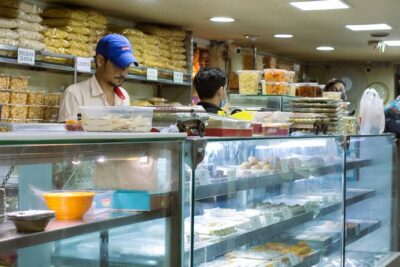
The walk continues into Indra Chowk, also referred to in the route as New Road Indra Chowk. This is another old market district, but the focus broadens. Along with produce and spices, you find textiles, beads, bangles, and ornaments used for traditional Nepali weddings.
Those wedding goods are one of the more distinctive details of the walk. A market devoted partly to ceremonial accessories gives you a useful view of how commerce connects with family and religious life. Even if you are not shopping, the colors, materials, and careful arrangements make this section worth your attention.
Indra Chowk also gives you more chances to see temples tucked among shops and residential areas. Seto Machhendranath is noted for its detailed wood carving, while Aakash Bhairav is guarded by lion statues. These sites can be easy to miss when you are focused on storefronts, which is exactly where a guide earns the fee.
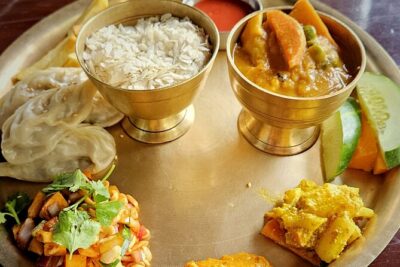
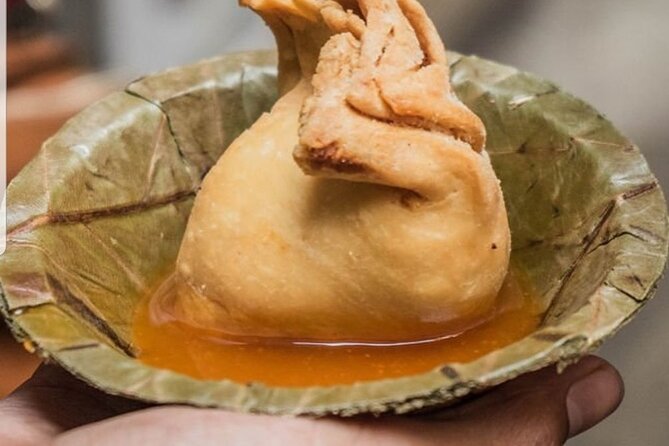
You may also encounter fried momo dumplings at street food stands. The tour includes a traditional Nepali lunch stop, but you should confirm what is being provided and keep extra money available because lunch is listed as an additional expense. Alcoholic drinks are also not included, though they may be purchased.
The walking is not technically described as difficult, but the streets are narrow and the market environment is active. Comfortable shoes matter. Bring at least one liter of drinking water per person, along with sunglasses and sunscreen. Kathmandu’s streets can be dusty and exposed in places, and a three-hour walk feels longer if you arrive without water.
Kathmandu Durbar Square and Hanuman Dhoka
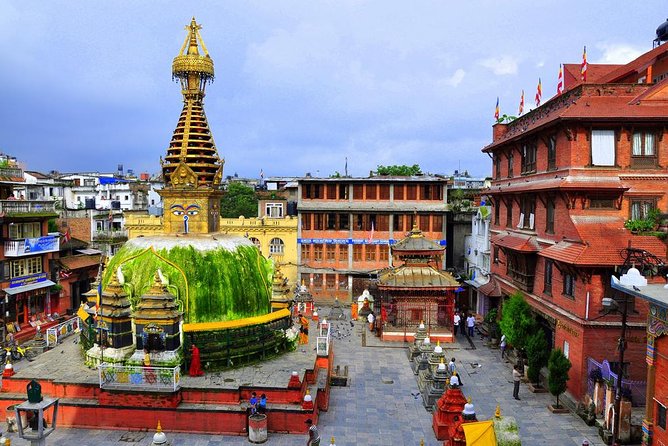
The tour also includes Kathmandu Durbar Square, a UNESCO World Heritage site in the old city. The square gives the market walk a stronger architectural and royal setting.
Here you can see the former royal palace complex, known as Hanuman Dhoka. After the close, everyday movement of Asan and Indra Chowk, the palace area helps place Kathmandu’s markets within the city’s political and religious center.
The supplied route does not specify exact entrance arrangements or which palace buildings are entered. Entrance fees, if required, are not included, so carry a little extra money and ask your guide what applies on the day. Much of the surrounding area may not require a separate fee, but you should not assume every site is free.
I like the contrast between the square and the markets. In Asan, the story is told through stalls, goods, and working streets. At Hanuman Dhoka, it is told through palace architecture and public space. Seeing both in one outing gives you more context than visiting either area alone.
Keep your expectations practical. This is not a long archaeological tour with hours inside every monument. It is a short walking experience that combines the square with the markets. If you want a full study of Kathmandu Durbar Square, you would need more time than this tour provides.
More Market Tours in Kathmandu:
- Kathmandu Secret Food Crawl & Local Market Tour
★ 4.7 · 54 reviews - Kathmandu Food Crawl & Market Tour
★ 5.0 · 26 reviews - Best Nepali Cooking Class in Thamel with Local Market Trip
★ 5.0 · 26 reviews - Oldest Local Market Walking Tour with Living Goddess Kumari
★ 5.0 · 8 reviews
What a private guide adds
The strongest reason to choose this experience is the private format. Your group participates on its own, so the guide can adjust the pace and respond to your interests. That matters in a market, where the best moments are often small and easy to miss.
You can ask about a shop, a temple carving, a food item, or a wedding ornament as soon as you see it. You can stop for photos or shopping without making a whole group wait. Feedback about the tour specifically praises a guide named Bharat for his clear explanations and patient approach, so requesting him may be worth asking about when booking, though availability is not guaranteed.
The guide also helps you manage the practical side of the walk. Narrow streets, crowded stalls, and unfamiliar foods can be easier when someone explains what you are seeing. That personal attention is the main value beyond the basic route.
Still, a private tour is not automatically the best deal for every budget. At $100 per person, the price is high if you mainly want transportation to the markets and a quick look around. It is easier to justify if you are traveling with family or friends, want a flexible pace, and would otherwise need to arrange a vehicle, driver, and guide separately.
Group discounts are offered, but the exact amount is not provided. If you are traveling with several people, check the final price before booking. A shared cost across a small private group may make the experience more appealing.
Lunch, shopping, and the small print
Food is part of the experience, but lunch is not included. That distinction matters. The tour description presents a stop for traditional Nepali cuisine, while the inclusions list places lunch outside the price. Plan to pay for your meal and any drinks yourself.
The same applies to souvenirs and personal purchases. Asan and Indra Chowk are practical shopping areas, not just places to browse. You may find brass, bronze, copper, textiles, beads, bangles, ornaments, spices, and other local goods. Your guide can help you understand what you are seeing, but the tour price does not cover anything you buy.
Souvenir photos are also extra, and alcoholic drinks are available to purchase but not included. Tips for the guide and driver are not included either. Insurance is not included, so make sure your own travel coverage is in place if that matters to you.
Pickup and return are included for hotels inside Kathmandu’s city ring road. Hotels outside the ring road may incur an additional charge. Provide your hotel name when booking, and do not assume that a property on the edge of the city qualifies for free transport.
Confirmation is provided when you book, and free cancellation is available up to 24 hours before the start time. Changes or cancellations made within 24 hours are not accepted for a refund.
Who will enjoy this walk most
I would recommend this tour to first-time visitors who want a guided introduction to central Kathmandu without joining a large group. It is also a good match for shoppers, photographers, food-curious visitors, and anyone who prefers local streets to a list of isolated monuments.
The experience suits people who appreciate explanation. If you already know Asan, Indra Chowk, and Kathmandu Durbar Square well, the route may feel brief. In that case, the private guide is most useful if you want a slower look at market goods or more personal discussion.
It is less suitable for anyone who dislikes crowded streets, narrow lanes, or walking on uneven urban surfaces. The activity is not recommended for participants age 75 and older. Comfortable walking shoes are strongly advised, and carrying water is not optional advice in my view.
Families and small groups may find the private setup easier than a fixed group excursion. You can pause for children, photos, or shopping without worrying about losing the rest of the party. The activity is also useful early in a Kathmandu visit because it helps you learn the shape and character of the old city.
Is the $100 price fair?
The answer depends on what you want from the outing. You are paying for a private guide, private vehicle, driver, hotel transfers, and a focused walk through two major markets and Kathmandu Durbar Square. You are not paying for lunch, drinks, souvenirs, tips, insurance, or possible entrance fees.
For one person, $100 is a serious expense for three and a half hours. The value improves for a small group sharing the private experience, especially if your hotel is inside the ring road and you would otherwise need to arrange separate transport.
I would not book this simply for a ride to Asan. I would book it for the guide’s interpretation and the freedom to stop, ask questions, and shop at your own pace. The tour’s strongest praise centers on those features: clear explanation, patience during photo stops, and a useful introduction to Kathmandu.
Should you book this Kathmandu market tour?
Book it if you want a private introduction to the old city, care about local markets, and prefer having transport handled for you. It is especially worthwhile at the start of a Nepal trip, when Asan, Indra Chowk, and the palace square may otherwise seem like a maze of unrelated streets.
Before paying, confirm the lunch arrangement, possible entrance fees, hotel pickup area, and whether Bharat is available. Bring water, sun protection, comfortable shoes, and money for food and purchases.
Skip it if your main goal is a long palace tour, a low-cost group walk, or a completely independent shopping morning. For everyone else, this is a focused and practical way to meet Kathmandu through its markets, temples, food, and working streets.
FAQ
How long does the Local Bazaar Walking Tour in Kathmandu last?
The experience lasts approximately three hours and 30 minutes.
Which markets does the tour visit?
The walking tour visits Asan Bazaar and Indra Chowk Bazaar in the historic part of Kathmandu.
Does the tour include Kathmandu Durbar Square?
Yes. The experience includes a visit to UNESCO-listed Kathmandu Durbar Square and the Hanuman Dhoka royal palace area.
Is this a private tour?
Yes. Only your group participates in the private activity.
Is hotel pickup included?
Hotel pickup and drop-off are included for hotels inside Kathmandu’s city ring road.
Is there an extra charge for hotels outside the ring road?
Yes. Pickup from hotels outside the city ring road incurs an additional charge.
Is lunch included in the $100 price?
No. Lunch is not included, although the tour includes a stop for traditional Nepali cuisine.
Are entrance fees included?
No. Entrance fees are not included if any are required. Much of the local area may not require an entry fee.
Who operates the tour?
The experience is operated by Liberty Holidays.
Can I cancel for a full refund?
Yes. You can cancel at least 24 hours before the local start time for a full refund. Cancellations or changes made less than 24 hours before the start time are not accepted for a refund.
Just added around Kathmandu
- Manthali Airport (Ramechhap) To Kathmandu – Transport Service★ 4.5 · 11 reviews
- Women Empowerment Project(Nepali cooking class & jewelry workshop★ 5.0 · 15 reviews
- Amazing 1 Day Trekking Experience in Kathmandu Nepal★ 5.0 · 24 reviews
- Walking tour of Kathmandu with awesome local guides★ 5.0 · 4 reviews
- Walking tour of real Kathmandu through back streets.★ 5.0 · 3 reviews
- Private Manaslu Circuit Trek at Himalayas★ 5.0 · 3 reviews
- Walking Street Food Tour in Kathmandu★ 5.0 · 111 reviews
- Kathmandu Street Food Walking Tour – Eat Like a Local★ 5.0 · 3 reviews
Walking Tours, compared.
Walking Food Tour in Hidden Local Eateries of Kathmandu
Read our review →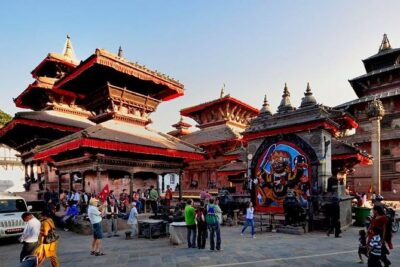
Old Kathmandu Walking Tour, Historic World Heritage Durbar Square
Read our review →
Browse the lists this tour appears in