
Reviewed · MANASLU TREKS
Manaslu Trekking
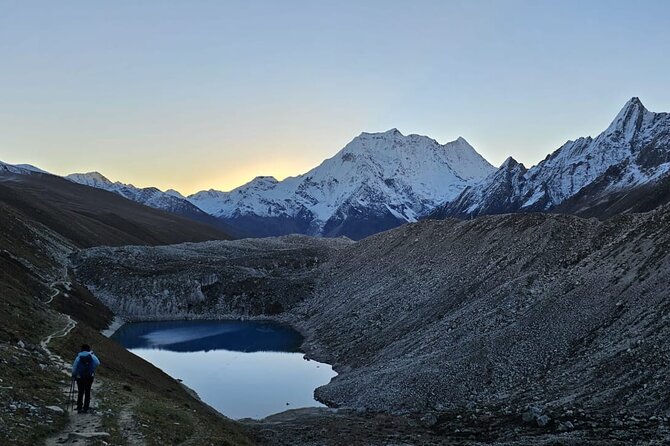
The Manaslu Circuit gives you Nepal at its most rewarding and demanding: a remote route around Mount Manaslu, the world’s eighth-highest mountain. You move from river gorges and rice fields to high, cold valleys, then cross Larkya Pass before dropping toward the road network near Besisahar.
I like the quieter feel compared with the Annapurna and Everest regions, and I like that the price includes the permits, full-board trekking meals, guide, porter support, and Kathmandu sightseeing. The main caution is simple: this is a serious high-altitude trek, not a gentle walking holiday, and the published day-by-day plan has a few rough or overlapping descriptions that you should clarify before departure.
Key points to know
- The route crosses Larkya Pass, the trek’s major high point, with tundra, juniper, and broad mountain views.
- Samagaon gets a proper acclimatization day, giving you time to explore the village and monastery.
- The trail changes dramatically, from tropical forest, waterfalls, and river crossings to high alpine terrain.
- A porter is provided for every two people, with porter insurance and basic equipment included.
- Kathmandu sightseeing is built in, including Pashupatinath, Boudhanath, and Swayambhunath.
- The $1,900 price covers many essentials, but drinks, tips, personal spending, and travel insurance remain yours to pay.
Why the Manaslu Circuit feels different
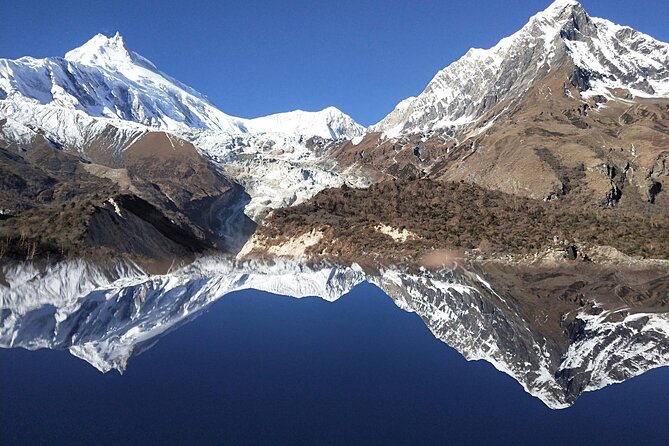
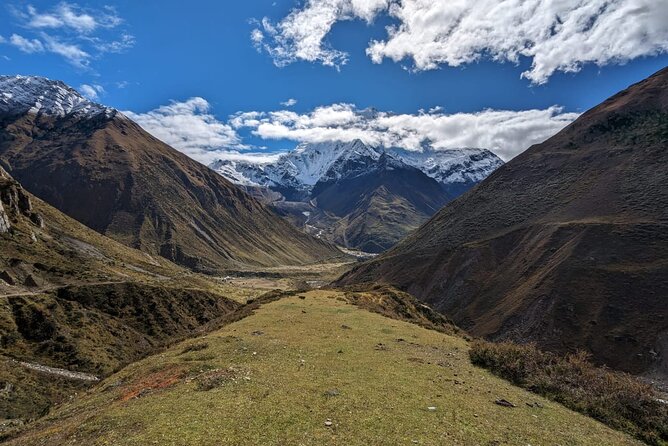
Manaslu is a good choice if you want a quieter Himalayan route with a strong sense of place. The trail follows the Budhi Gandaki River for much of the first half, passing through Gurung villages, bamboo forests, suspension bridges, waterfalls, and steep river gorges.
As you climb, the scenery changes in clear stages. Warm lower valleys give way to Buddhist villages, rhododendron and bamboo forests, open high country, and finally the stark terrain around Larkya Pass. That variety is one of the trek’s best features. You are not simply walking toward a mountain. You are watching an entire region change around you.
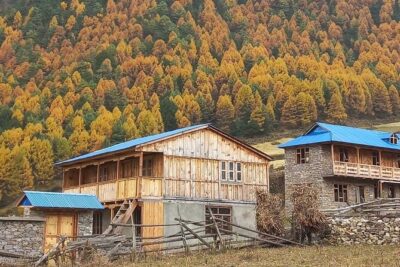
The route is less commercialized than Nepal’s best-known trekking areas. That usually means fewer facilities and a more basic feel, but also a stronger connection to village life and mountain travel. You should expect tea houses or mountain lodges rather than resort comforts.
This is listed as a private activity for your group, with a guide and porters arranged by World Himalaya Treks & Expeditions. The supplied information does not name the guide, so ask for that detail before booking if a personal introduction matters to you.
More Manaslu Circuit treks:
- Manaslu Circuit Trek (15 Days)
★ 5.0 · 50 reviews - 16 Day Private Manaslu Circuit Trek from Kathmandu
★ 5.0 · 42 reviews - 10 Days Manaslu Circuit Trek in Larke La Pass
★ 5.0 · 30 reviews
Kathmandu begins with temples and practical preparation
Your first day starts with airport pickup in Kathmandu, hotel transfer, a welcome dinner, and a trip briefing. That is useful after a long flight because you get both a meal and a clear introduction to the trek before leaving the city.
Day two is set aside for Kathmandu’s major religious sites. Pashupatinath gives you a look at one of the city’s most important Hindu temple areas. Boudhanath, one of Nepal’s largest stupas and a UNESCO World Heritage Site, offers a calmer Buddhist setting. Swayambhunath, commonly called the Monkey Temple, sits on a hill and is known for its white stupa, painted eyes, and resident monkeys.
You also meet the trekking staff and prepare for the route. The schedule gives you time to get organized rather than rushing straight from the airport into the mountains. Your Kathmandu stay includes three-star deluxe twin-share accommodation and breakfast.
Days 3 and 4 follow the Budhi Gandaki through rough country
The trek begins with a long day toward Machha Khola. The trail passes through Sal forest, climbs above rapids, and squeezes along steep rocky sections beside the river. You pass waterfalls and rice terraces before reaching Labubesi, a Gurung village, then continue over ridges, gravel bars, and suspension bridges.
This first walking day takes about six hours. The terrain is varied but demanding, with repeated climbs and descents. You should not judge the trek by distance alone. The narrow trail, uneven stone, river crossings, and heat in the lower valleys can make these early days tiring.
The next day leads toward Jagat, again in about six hours. You pass Khorlabesi and Tatopani, where a small hot spring offers a welcome pause. After that, the route becomes a mix of suspension bridges, stone stairways, landslide sections, ridges, and riverbank walking.
Jagat is an important point in the route because the valley begins to feel more restricted and mountainous. The trail is still far from the high pass, but the physical work has already started. Good boots and steady pacing matter here.
Days 5 and 6 bring villages, bamboo, and Buddhist country
From Jagat, the route climbs over a rocky ridge to Salleri and descends to Sirdibas. The valley widens slightly as you pass Ghatta Khola and reach Philim, a larger Gurung village with millet fields.
After Philim, the trail enters a steeper, less settled gorge. You cross the Budhi Gandaki several times and pass through bamboo forest before reaching Deng. This five-hour section is shorter on paper, but the repeated river crossings and changes in elevation still require attention.
The next stage moves into an area with stronger Buddhist influence and reaches Ghap. The supplied schedule describes this section in a slightly confusing way, listing Namrung as the stop while also referring to Ghap and Gamp. That is not unusual in a route outline covering several small villages, but you should ask the operator to confirm the exact overnight village and walking time.
The route is becoming more remote now. Facilities are simpler, and the day’s comfort depends more on the lodge, weather, and pace than on the hotel-style standards you had in Kathmandu.
More trekking days out of Kathmandu:
- Nagarkot Sunrise View and Day Hiking from Kathmandu
★ 5.0 · 471 reviews - Kathmandu: Nagarkot Sunrise View & Morning Hike with Lunch
★ 4.9 · 188 reviews - Kathmandu: Nagarkot Sunrise and Hike Tour to Changu Narayan
★ 4.7 · 151 reviews - Langtang Valley Trek
★ 5.0 · 140 reviews
Days 7 and 8 bring the first big mountain views
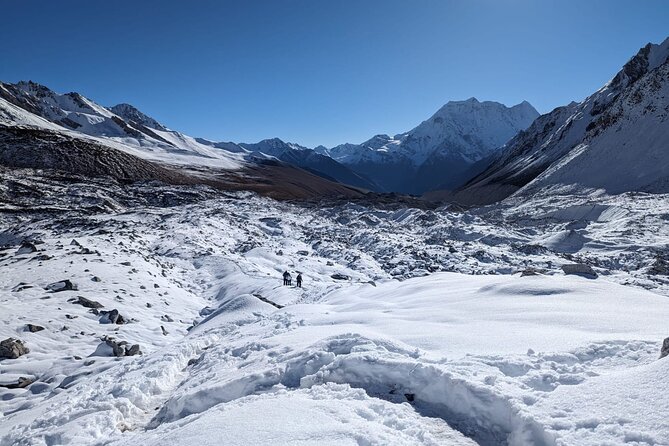
The itinerary describes climbing through bamboo and rhododendron forest toward Namrung and the Nupri region. It then refers to Manaslu Base Camp before continuing toward Samagaon. The labels and descriptions do not line up perfectly, so confirm whether the plan includes a visit to the actual base camp or uses the name as a general route marker.
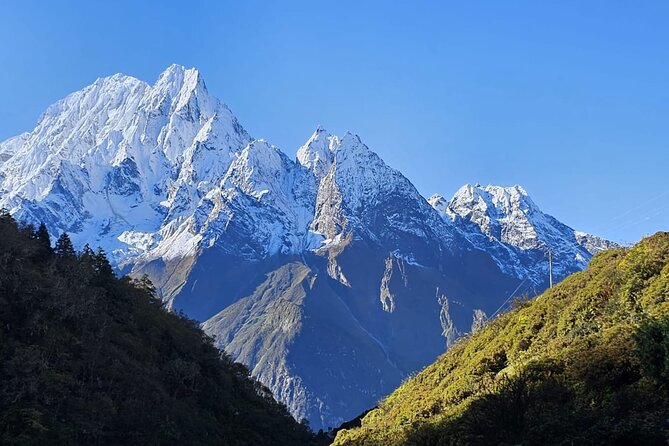
What is clear is that this is the point where Manaslu becomes the visual focus. The trail follows the river with views toward Peak 29 before reaching Samagaon, where Mount Manaslu comes into view.
Samagaon is one of the trek’s most important stops. It is a high village with Buddhist character and broad mountain surroundings. The route includes a full day here, which is a major advantage. You can explore the village and monastery without packing and moving on immediately.
That rest day is not wasted time. It gives your body a chance to adjust before the route climbs higher. You should still follow your guide’s instructions and keep the day moderate. The itinerary promises good views, but it does not specify a particular acclimatization hike, so ask what activity is planned for your group.
Days 10 and 11 lead toward the high pass
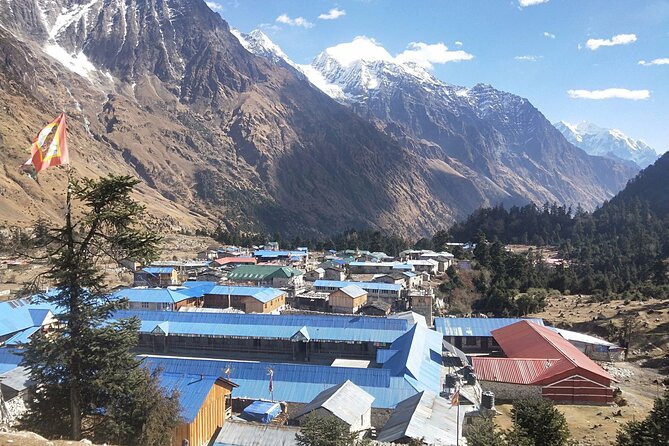
After Samagaon, the trail follows the Budhi Gandaki toward Samdo. The six-hour walk takes you farther into the high country, where the river corridor opens and vegetation becomes less dominant.
Samdo is a key staging point before the pass. The next day begins the ascent toward Larkya Bhanjyang, with tundra and juniper replacing the lower forest. You should expect thinner air, colder conditions, and a slower pace.
This is where preparation becomes important. The package provides trekking equipment for porters, including trekking boots and a jacket as required for trekking, but you should confirm exactly what equipment is available for you and what you need to bring yourself. The supplied inclusions do not state that personal cold-weather clothing is provided.
The six-hour estimate is only a guide. High-altitude walking can take longer, especially when weather changes or the trail is covered in snow. Your guide’s judgment and your own willingness to walk slowly will matter more than the printed clock.
Day 12 crosses Larkya Pass before the descent to Bimthang
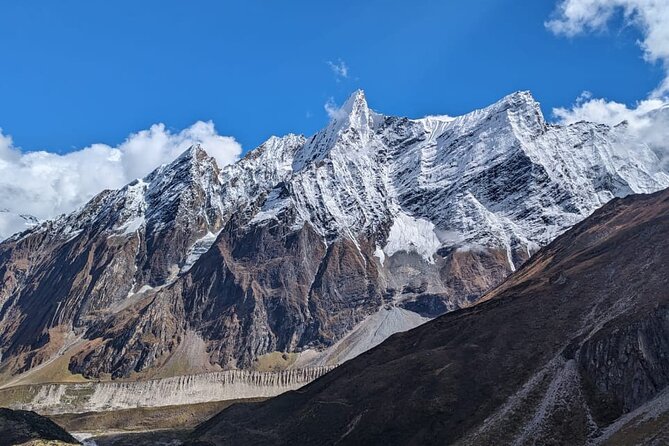
The crossing of Larkya Pass is the defining day of the Manaslu Circuit. You reach the summit of the pass, take in wide mountain views, and descend to Bimthang.
The schedule again gives about six hours, but this is likely to feel like one of the trek’s hardest days because it combines altitude, ascent, a high point, and a long descent. Keep water accessible, carry warm layers, and avoid racing to the top.
Reaching the pass is a major reward, but the descent deserves equal respect. Tired legs can make uneven ground more difficult, and the route still has a long way to go. Bimthang provides the next overnight stop and a chance to recover.
This is also the moment when the trip’s sense of achievement becomes clear. You have moved from hot river valleys to high mountain terrain and crossed one of Nepal’s great trekking passes on foot.
Days 13 and 14 descend through forest toward the road
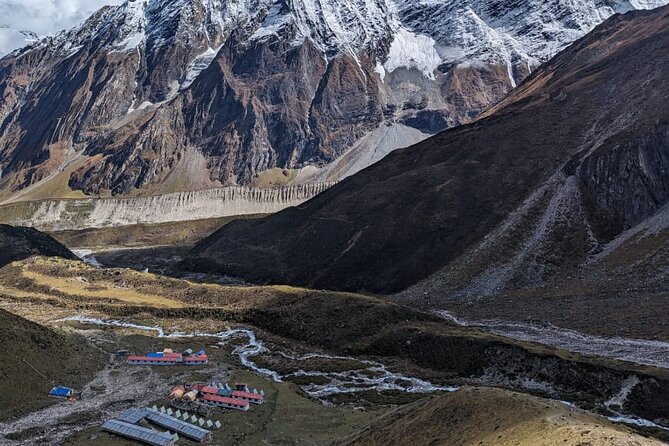
The route continues through forest toward Tilje, with a stop at a viewpoint over Bhimtang Lake. This five-hour day should feel different from the pass crossing. You are losing altitude, vegetation returns, and the trail becomes less stark.
The schedule contains a repeated phrase in its description of this day, but the intended route is clear: descend through forest and reach Tilje. A viewpoint stop is included, though the details of the lake viewpoint are not specified.
The next day follows scrub forest to Chamje in about six hours. By now, the route is moving back toward settled areas and road access. The scenery remains attractive, but the mood changes from high-altitude achievement to the practical end of the circuit.
The trek officially ends with the drive back toward Kathmandu on day 15. The description says the drive takes about five hours, though mountain road times can be variable. Because the route finishes near the Besisahar area before the return drive, confirm the exact vehicle route and departure point with the operator.
Days 15 to 17 return you to Kathmandu
After the drive, you have a hotel night in Kathmandu and a full day at leisure. You can rest, explore Thamel, or handle shopping without squeezing everything into the final morning.
The last day includes free time and airport transfer. Airport pickup and drop-off are included, which removes one common worry after a long trek.
The full program is about 17 days, but the mountain walking portion is roughly two weeks. That extra Kathmandu time is useful because it gives you a gentler start and a buffer at the end. The itinerary does not list a separate weather contingency day in the mountains, so ask how schedule changes are handled if conditions delay the route.
What the $1,900 price really covers
At $1,900 per person, this is not a bare-bones trek. The package includes:
- Airport pickup and drop-off
- Kathmandu hotel accommodation with breakfast
- Kathmandu sightseeing with a professional city guide
- Tea house or mountain lodge accommodation during the trek
- Breakfast, lunch, and dinner during the trekking days
- Trekking permits, national park entry fees, and TIMS card
- An experienced guide and one porter for every two people
- Porter expenses and insurance
- Duffel bag, T-shirt, and a medical kit
- Government and local taxes
That list gives the price real value. Permits, food, staff, transport, and lodging can become a long chain of separate costs on a Himalayan trip. Having them bundled makes budgeting easier.
The gaps are also clear. Drinks, personal expenses, tips, and travel insurance are not included. You should budget for beverages at mountain lodges, gratuities for the guide and porters, and a suitable insurance policy. Travel insurance is especially important for a high-altitude trek, though the package does not provide it.
The offer of group discounts may improve the price for larger parties. Since this is a private activity, ask how the discount works and whether it changes the porter arrangement or room setup.
Comfort, group size, and practical limits
The package promises neat, clean accommodation in mountain lodges, but you should not expect the same level of comfort as the Kathmandu hotel. Tea house rooms are functional, and facilities become more basic as you climb.
Meals are included throughout the trek, which is convenient and valuable. Beverages are not included, so carry some local currency for drinks and small personal purchases. The itinerary also includes 16 breakfasts, 16 dinners, and 15 lunches, matching the long multi-day format.
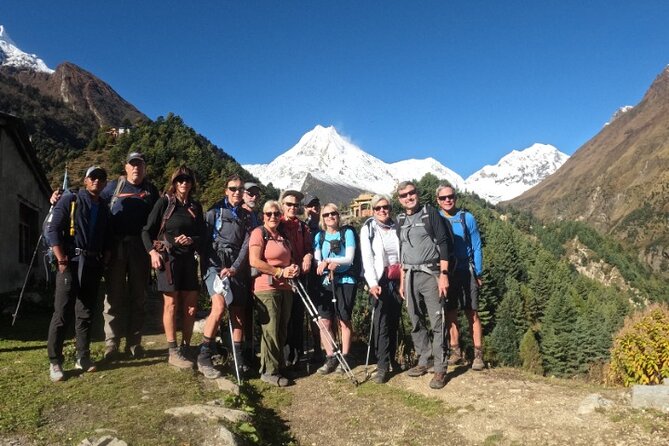
The activity is private, so only your group participates. That gives you more control over pace and daily rhythm than a large fixed group. It also means the quality of your experience depends heavily on communication with your guide.
The listed meeting point is World Himalaya Treks & Expeditions at Saat Ghumti Marg in Kathmandu. Public transportation is nearby, and booking confirmation is issued at the time of reservation. The stated operating period runs from February 15, 2024, through May 28, 2026, with Monday hours listed as 9:15 AM to 7:15 PM. Confirm your actual meeting time because the schedule information shown is limited.
Who should book this trek?
You should consider this trip if you have a moderate fitness level, enjoy long walking days, and want a less crowded Himalayan route. It suits people who value scenery, village life, Buddhist culture, and the challenge of crossing a high mountain pass.
You should think twice if you want easy transport, short walks, private bathrooms, or a relaxed holiday. Six-hour trekking days are common, and the rough early trail, high altitude, and Larkya Pass make this a demanding program.
The 4.8 rating from five submitted ratings is encouraging, especially alongside the strong package of guides, porters, meals, permits, and airport transfers. Still, five ratings are not enough to answer every question. Before paying, ask for the exact route schedule, the guide’s name, the base camp plan, equipment details, and the response plan for altitude or bad weather.
Should you book the Manaslu Circuit?
Book it if you want a serious Nepal trek with strong value built into the price. The route offers a rare combination: quiet villages, major mountain views, cultural stops in Kathmandu and the high valleys, a rest day in Samagaon, and the challenge of Larkya Pass.
I would not choose it for a first casual mountain holiday or if you dislike basic lodging and long days. But if you are prepared for the effort, the Manaslu Circuit gives you a more remote alternative to Nepal’s busiest routes, with practical support already arranged.
FAQ
How long is the Manaslu Trekking experience?
The full program lasts approximately 17 days, including arrival and departure time in Kathmandu, sightseeing, trekking, the return drive, and leisure days.
What is the price per person?
The listed price is $1,900 per person.
Is airport pickup included?
Yes. Airport pickup and drop-off are included.
What accommodation is provided?
You receive three-star deluxe twin-share accommodation in Kathmandu with breakfast. During the trek, accommodation is provided in tea houses or mountain lodges.
Are meals included during the trek?
Yes. Breakfast, lunch, and dinner are included during the trekking portion. Beverages are not included.
Are permits and entry fees included?
Yes. The package includes necessary trekking permits, national park entry fees, and the TIMS card.
Is a guide and porter included?
Yes. An experienced guide and porters are included, with one porter assigned for every two people. Their listed expenses and insurance are included.
Do I need travel insurance?
Yes. Travel insurance is not included in the package, so you must arrange it yourself.
Just added around Kathmandu
- Traditional Momo Making Class★ 5.0 · 10 reviews
- Women Empowerment Project(Nepali cooking class & jewelry workshop★ 5.0 · 15 reviews
- Manthali Airport (Ramechhap) To Kathmandu – Transport Service★ 4.5 · 11 reviews
- Amazing 1 Day Trekking Experience in Kathmandu Nepal★ 5.0 · 24 reviews
- Walking tour of Kathmandu with awesome local guides★ 5.0 · 4 reviews
- Walking tour of real Kathmandu through back streets.★ 5.0 · 3 reviews
- Private Manaslu Circuit Trek at Himalayas★ 5.0 · 3 reviews
- Walking Street Food Tour in Kathmandu★ 5.0 · 111 reviews
Manaslu Treks, compared.
16 Day Private Manaslu Circuit Trek from Kathmandu
Read our review →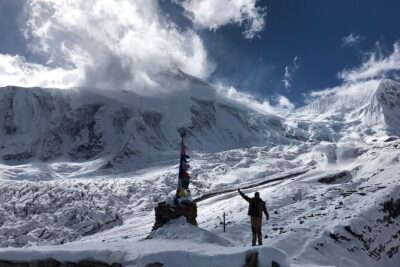
10 Days Manaslu Circuit Trek in Larke La Pass
Read our review →
Manaslu Circuit Trek 8th Highest in the World
Read our review →
Manaslu Circuit Trek to the Beauty of 8th Highest Mountain
Read our review →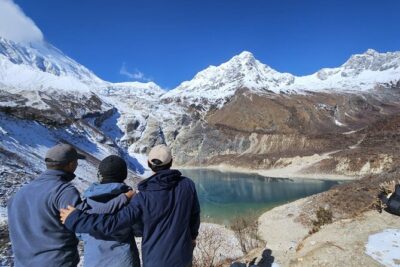
Manaslu Circuit Trek – 14 days of Himalayan Adventure
Read our review →Browse the lists this tour appears in