
Reviewed · MARDI HIMAL TREKS
Mardi Himal Base Camp Trek (5 Days)
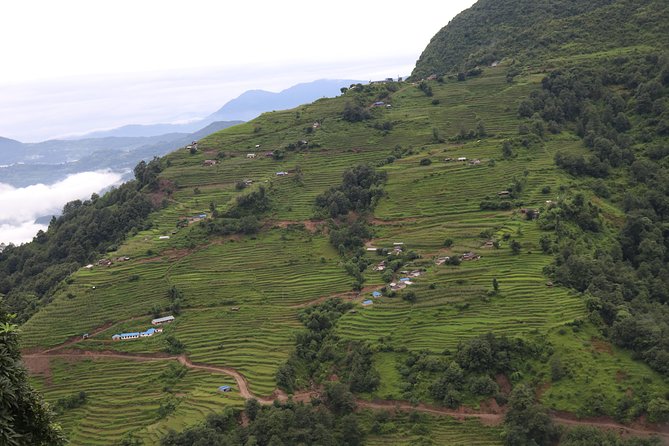
Mardi Himal gives you a compact Himalayan trek with a fine payoff: quiet forest paths, open mountain views, and a sunrise start toward Mardi Himal Base Camp. From Pokhara, you climb through the Annapurna Conservation Area, sleep in local tea houses, and finish with a long descent and drive back.
I like the private format, since your guide can adjust the pace and route to your group. I also like the quieter feel compared with Annapurna Base Camp, plus the practical package: permits, meals, tea-house lodging, and private transport are included.
The main catch is the effort. This is not a casual walk, and Day 5 takes about eight hours. The very early start on Day 4, often around 4:00 or 4:30 AM, can be tough, especially if fog blocks the sunrise views.
Key Points To Know Before You Go
- Five days from Pokhara: The route begins at Lakeside and returns there after a drive from Sidhing.
- Four nights of meals and lodging included: Breakfast, lunch, dinner, and tea-house accommodation are covered during the trek.
- Forest to high mountain views: You walk through wooded sections before reaching Badal Dhanda and High Camp.
- Sunrise attempt at base camp: If timing or conditions make base camp impractical, the group heads to a nearby viewpoint instead.
- Private, adjustable trekking: The guide can work around your group’s pace and interests.
- Moderate fitness required: Expect several long walking days, including roughly six hours on the first two days and eight hours on the final day.
Why Mardi Himal Works as a Five-Day Trek
Mardi Himal is a good choice if you want a Himalayan trek but cannot spare the time required for a longer route. Five days is short enough to fit into a wider Nepal trip, yet long enough to move from Pokhara’s lakeside streets into forest, high pasture, and open mountain country.
The route also offers a useful balance between scenery and solitude. This is a popular trek, but it is described as less crowded than Annapurna Base Camp. You should not expect an empty trail, but you can expect stretches where the quiet is part of the experience.
I especially like the way the route builds gradually. The first day is mainly about reaching the trail and walking into the forest. The second day keeps you among trees and silence. By Day 3, the views open as you approach High Camp. Day 4 then delivers the dramatic early morning push toward base camp or the viewpoint.
At $480 per person, the price is easiest to judge as a package rather than as a simple guided walk. It includes private transport, TIMS and Annapurna Conservation Area Project permits, four breakfasts, four lunches, four dinners, and accommodation during the trek. You still need to budget for trekking equipment, porter services, and personal expenses.
That package removes several costs and decisions that can add up in Nepal. You are not arranging permits, hunting for meals on the trail, or figuring out your return transport from Sidhing. The value is strongest for people who want a private arrangement and clear logistics, rather than those who prefer to organize every part independently.
More Mardi Himal treks:
- Pokhara: 4-Day Mardi Himal Trek
★ 4.9 · 59 reviews - Private Mardi Himal Trek
★ 5.0 · 42 reviews - Mardi Himal Trek
★ 5.0 · 41 reviews
Day 1: Pokhara Lakeside to Forest Camp
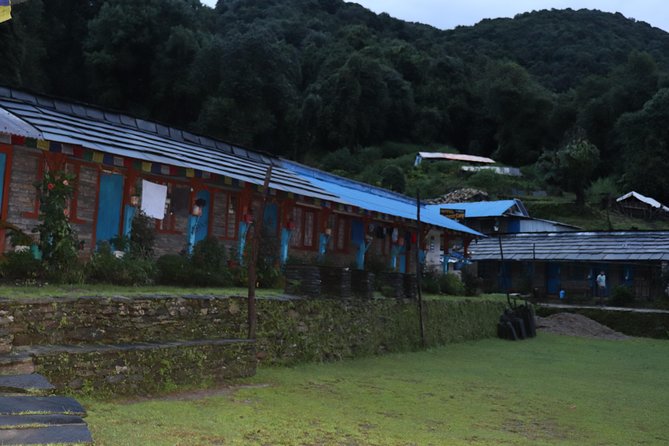
The trek begins early from Pokhara Lakeside. Private transportation takes you to Khande, where you start walking toward Forest Camp. The day involves about six hours of trekking, with the night spent at a local tea house.
This is a useful first day because it gets you out of the city without making the opening stage too punishing. You begin among trees and gradually settle into the rhythm of walking, stopping, eating, and resting. For many people, that change of pace is one of the pleasures of a trek from Pokhara.
The tea-house stay is part of the appeal, but you should keep expectations practical. This is mountain accommodation, not a city hotel. The included meals and lodging make the day simple, but personal spending may still be useful for extras.
Your guide may be listed as Madhav, with the name also appearing as Madu or Madhu in the provider’s information. The important practical point is that this is a private trek, so your group does not have to match the pace of strangers.
Day 2: Forest Walking Toward Badal Dhanda
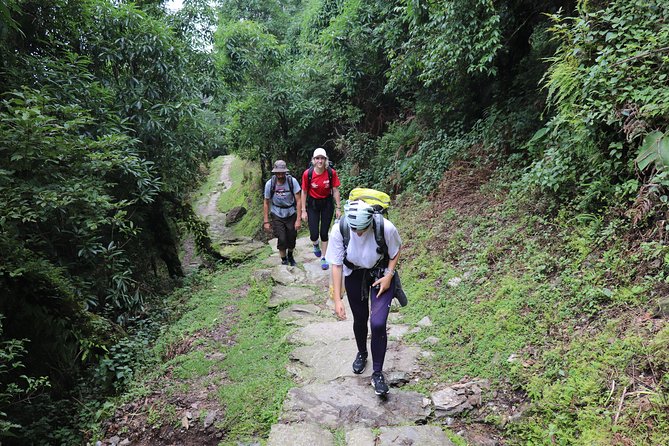
After breakfast, you continue toward Badal Dhanda. The walk takes about six hours and passes through the forests of the Annapurna Conservation Area.
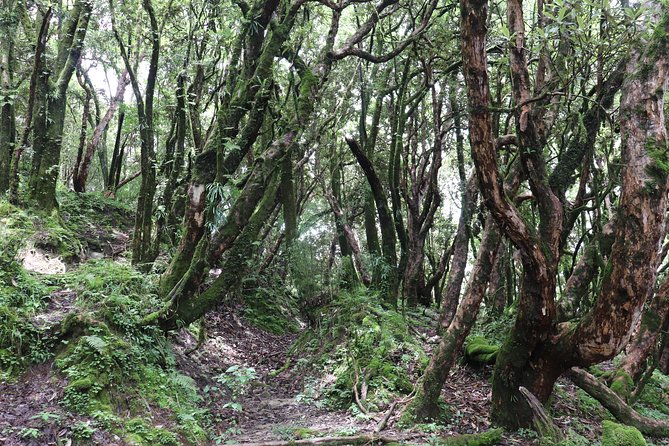
This is the quieter part of the route, and it may be the day you appreciate most if you prefer nature to busy trail stops. The description of the route emphasizes trees, possible wildlife, and long stretches of silence. Do not expect constant mountain views here. The forest is the attraction, and the enclosed trail gives the trek a different mood from the wide panoramas higher up.
The second day also tests your legs. Six hours of walking is manageable for someone with moderate fitness, but it is not a small outing. A steady pace matters more than speed. Your private guide can adjust the day to your group, which is particularly useful if one person walks more slowly or needs extra breaks.
The ability to customize is a real benefit. The provider says the five-day plan can be adapted to the needs of your party. That does not remove the physical work, but it gives you more flexibility than a fixed group departure.
Day 3: High Camp and the First Big Views
Day 3 is shorter, at about four to five hours, as you continue to High Camp. The route begins to open, bringing wider views across the Annapurna Conservation Area and toward the Himalayan peaks.
This is the point where the trek changes character. After the forest-heavy first two days, the open views make the climb feel more rewarding. You can see why the route is chosen for its mountain scenery, even though the walk is shorter than many famous Himalayan treks.
High Camp is also an important staging point for the next morning. The plan is to rise very early and walk toward Mardi Himal Base Camp for sunrise. That means Day 3 is not only about scenery. It is also about reaching the place where you can eat, rest, and prepare for a pre-dawn start.
Fog is worth keeping in mind. One group completed the trek despite fog early in the route and later found clear views at High Camp. Mountain weather can change quickly, so you should treat the sunrise as an opportunity rather than a promise.
A few more Annapurna Region days to weigh up
- Annapurna base camp trek 5 Days
★ 5.0 · 252 reviews - Kathmandu to Annapurna Base Camp (ABC) 5-Day Trek
★ 5.0 · 102 reviews - Kathmandu/Pokhara: 5-Day Annapurna Base Camp (ABC) Trek
★ 4.9 · 72 reviews - From Pokhara: 5-Day Annapurna Basecamp Trek with Hot Springs
★ 4.9 · 26 reviews
Day 4: Pre-Dawn Walk to Mardi Himal Base Camp
The day begins around 4:00 or 4:30 AM. You walk toward Mardi Himal Base Camp to see the sunrise, with the viewpoint used as an alternative if you cannot reach base camp in time.
This is the highlight for many people, but it is also the hardest morning. You will be walking in the dark after a full day of trekking on Day 3. Bring a headlamp or confirm with the provider what equipment is supplied, since trekking equipment is not included in the price.
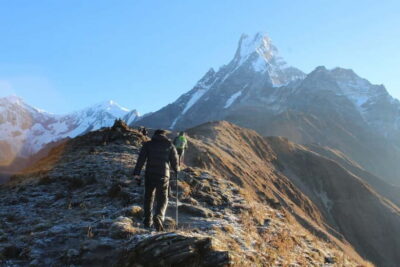
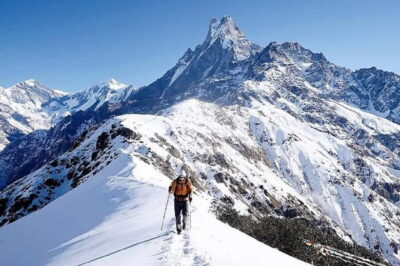
The reward is the possibility of seeing the Himalayan peaks catch the first light. The route is described as offering 360-degree views as you approach High Camp and the upper sections. Those views are the reason to accept the early alarm and the cold, tiring start.
Still, keep the plan flexible. Poor weather or fog may limit the view, and the itinerary specifically allows the guide to use the viewpoint instead of base camp. That is a sensible choice. The point is to find the best available view safely, not to force a particular destination at any cost.
After this early outing, you continue the day according to the route and conditions. Exact afternoon details are not provided, so you should ask the operator how much walking remains after the sunrise section. That answer matters if your group includes anyone who finds long trekking days difficult.
Day 5: Sidhing Descent and the Return to Pokhara
The final day starts early and takes about eight hours. You trek down toward Sidhing, where private transportation takes you back to Pokhara Lakeside.
This is the longest listed day, even though much of it is downhill. Descending can be hard on knees and legs, especially after the early start and several days on the trail. Trekking poles can help, but equipment is not included, so bring your own or arrange rentals before departure.
The return to Pokhara gives the trip a clear ending. You leave the mountain trail at Sidhing rather than retracing the full route to Khande. The private vehicle is valuable here because it avoids the uncertainty of arranging your own ride after a demanding day.
Plan to arrive back tired, not ready for a full evening of sightseeing. If you have a flight or another fixed booking, leave plenty of time between the expected return and your next commitment. The itinerary gives an approximate duration, and mountain roads and weather can affect the schedule.
What The $480 Price Really Covers
The $480 cost includes more than a guide and a walk. You receive private transportation, TIMS and ACAP permits, four nights of meals, and tea-house accommodation on the trek. Four breakfasts, four lunches, and four dinners are listed as included.
That makes the price reasonable for someone who values convenience and a private group. You are paying for the guide’s support, the route arrangements, the permits, and the basic needs of the trek. The provider also offers pickup, which makes the start easier if you are staying around Pokhara Lakeside.
The omissions are just as important. Trekking equipment, porter services, and personal expenses are not included. If you want a porter, that is an extra cost. You also need to account for personal drinks, snacks, equipment rental or purchase, and any other items not covered by the meal plan.
Because no detailed equipment list is provided, ask what you should bring before leaving Pokhara. At a minimum, plan for a moderate physical effort, changing mountain conditions, and the pre-dawn walk on Day 4.
The Private Guide Makes A Difference
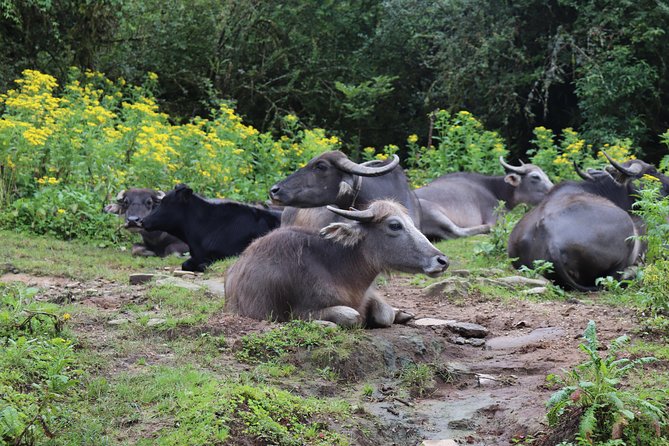
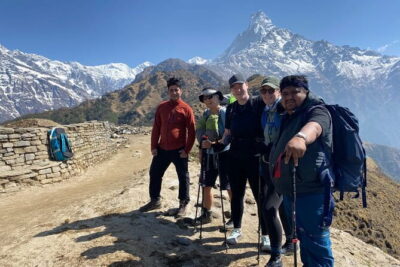
A private trek gives you more control than a fixed group tour. You can ask for a slower pace, take breaks when needed, and discuss adjustments with the guide. The provider’s past guests also describe Madhav, sometimes called Madu, as someone who explains Nepalese culture and the natural surroundings during the walk.
That cultural side matters. A guide is not only useful for finding the route and organizing tea-house stops. The walk becomes more meaningful when you understand the places and people around you. One account also describes the guide adapting the route to personal interests and helping with wider travel arrangements, including flights, buses, and lodges. Those extra services may be worth asking about if you need help beyond the five-day trek.
A porter named Gopal is also associated with the five-day trip information. Porter services are not included, so confirm availability and cost before booking if you do not want to carry your own main bag.
The provider’s strongest pattern is personal attention. Several accounts describe guides keeping pace with the group, sharing information about Nepal, and making the trek feel friendly. That is useful, but you should still discuss your fitness, preferred pace, and expectations in advance.
Who Should Book This Trek?
I would recommend this trek to you if you have moderate fitness, want mountain views without committing to a much longer itinerary, and prefer a private group. It suits people who like a blend of forest walking, basic tea-house stays, and high mountain scenery.
It is also a good fit if you want the main logistics handled for you. The permits, meals, accommodation, and return transport are included, while the guide can adapt the experience to your party.
I would think twice if you dislike early mornings, basic lodging, or long walking days. The four-hour High Camp day may sound easy, but it is followed by a pre-dawn start and then a demanding final day. This is a trek, not a sightseeing excursion with a short mountain stroll.
The route is also less suitable for anyone who expects guaranteed clear views. Fog is possible, and the sunrise plan includes a viewpoint alternative for that reason. You are going for the chance to see the mountains, not a guaranteed photograph.
Booking Details And Cancellation
Confirmation is provided at booking, and the activity is private for your group. Pickup is offered, and the meeting information lists Pokhara Lakeside as the starting point.
Free cancellation is available if you cancel at least 24 hours before the local start time. Changes or cancellations made inside that period are not refunded. If bad weather cancels the trek, you are offered another date or a full refund. The same applies if the minimum number of participants is not met.
The experience is listed for Monday operating hours from 7:45 AM to 4:15 PM, though the trek itself starts early on the walking days. Confirm the exact pickup time and meeting point before departure.
Should You Book Mardi Himal Base Camp?
Book it if you want a shorter Himalayan trek with a private guide, included trail meals, tea-house lodging, permits, and transport from Pokhara. The best reasons to choose it are the quieter forest route, the wide views near High Camp, and the chance to tailor the pace to your group.
Skip it if you want a soft adventure or a guaranteed sunrise. The 4:00 to 4:30 AM start, moderate fitness requirement, basic accommodation, and eight-hour final day demand real effort.
For the right walker, $480 is a fair price for a tightly arranged five-day trip. Ask about equipment, porter costs, the exact Day 4 schedule, and the guide’s current availability. If those details suit you, Mardi Himal offers a strong mountain experience without requiring a long stay away from Pokhara.
FAQ
How long is the Mardi Himal Base Camp Trek?
The trek takes approximately five days, beginning and ending in Pokhara.
Where does the trek start?
The trip starts from Pokhara Lakeside, with transportation to Khande on Day 1. You begin walking from Khande toward Forest Camp.
Where do you stay during the trek?
Accommodation is provided in local tea houses during the trek.
Are meals included?
Yes. Four breakfasts, four lunches, and four dinners are included.
Are permits included in the price?
Yes. TIMS and Annapurna Conservation Area Project permits are included.
Is private transportation included?
Yes. Private transportation is included, including the return from Sidhing to Pokhara on Day 5.
Is a porter included?
No. Porter services are not included, though a porter named Gopal is associated with the five-day trip information. Confirm availability and cost before booking.
How fit do I need to be?
You should have a moderate physical fitness level. The itinerary includes about six hours of walking on Days 1 and 2, four to five hours on Day 3, an early walk toward base camp on Day 4, and about eight hours on Day 5.
Just added around Annapurna Region
- 7-Day Trek to Annapurna Base Camp from Pokhara★ 5.0 · 12 reviews
- Private 4 Day Poon Hill Trek from Pokhara★ 5.0 · 16 reviews
- 4 Day Mardi Himal Base Camp Trek from Pokhara★ 5.0 · 18 reviews
- Annapurna Base Camp Trek from Pokhara and Kathmandu★ 5.0 · 7 reviews
- 6 days Annapurna Basecamp Trek★ 5.0 · 16 reviews
- “Exclusive Round-Trip Transfer: Pokhara to Jomsom & Muktinath”★ 5.0 · 11 reviews
- Poon Hill Ghandruk Circuit Trek from Pokhara 4 Days★ 5.0 · 10 reviews
- Pokhara: Poon Hill Ghorepani Short Trek★ 5.0 · 6 reviews
Mardi Himal Treks, compared.

Browse the lists this tour appears in