
Reviewed · ANNAPURNA BASE CAMP TREKS
Pkr/Kathmandu: 5-Day Annapurna Base Camp & Hot spring Trek
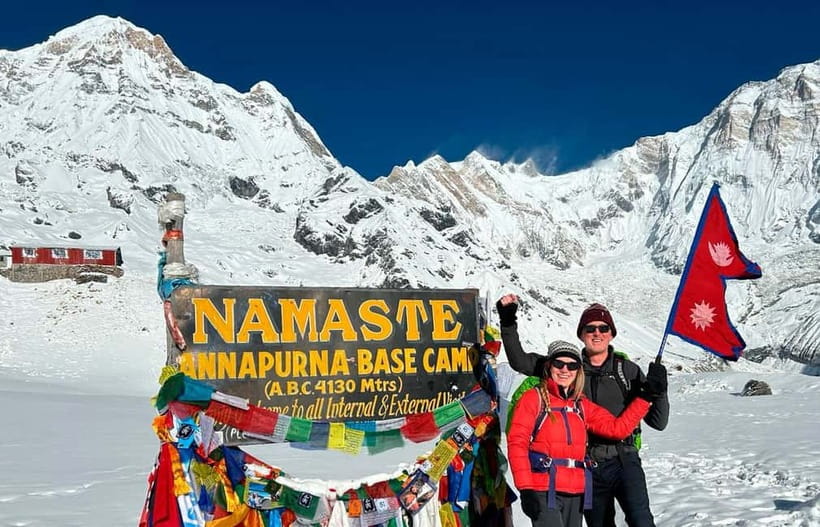
The big draw here is simple: you reach Annapurna Base Camp at 4,130 meters in only five days. The route packs forests, waterfalls, mountain villages, and huge views of Annapurna I, Machhapuchare, and Hiunchuli into a short Himalayan trip.
I like the private guide setup and the overnight stay at base camp, which lets you see both sunset and the next morning’s sunrise. I also like the return through Jhinu Danda, where a hot spring can soothe tired legs. The catch is the pace: this is a moderate-to-challenging trek with long uphill days and little spare time for slow acclimatization.
Key points to know before booking
- Reach ABC quickly: The route gets you from Simrung to Annapurna Base Camp in three walking days.
- Sleep high: The night at 4,130 meters gives you a proper dawn view, but altitude can make sleep and walking harder.
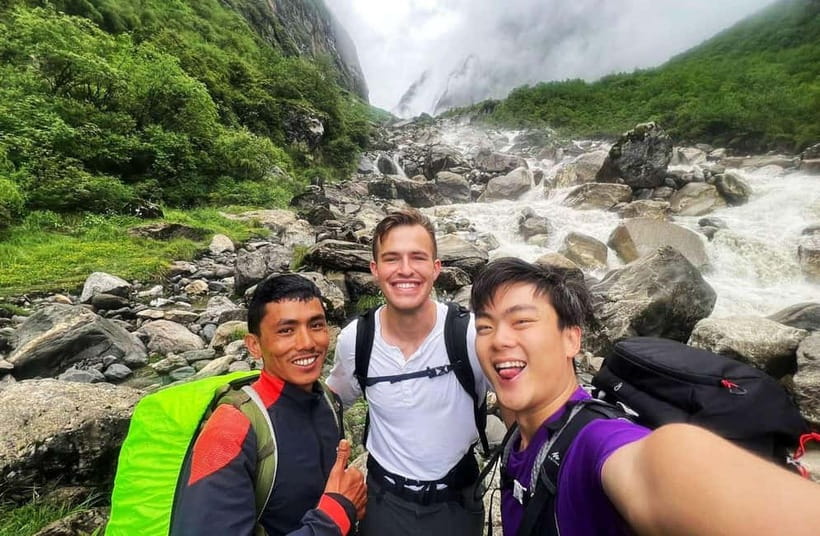
- Private guiding matters: Guides including Sagar, Raj, Shiva, and Anarayan, also called Nareen, have been praised for pacing, care, and organization.
- The trail has variety: Expect dense forest, waterfalls, rivers, tea houses, Gurung villages, and open mountain views.
- Jhinu is a useful reward: The optional hot spring stop comes on the final trekking day.
- Check your package: Meals and porter service depend on the option you choose, and the $60 headline price may not cover every version of the trip.
Why this five-day ABC trek is appealing
The Annapurna Base Camp route takes you into the Annapurna Sanctuary, a mountain bowl surrounded by some of Nepal’s best-known peaks. Annapurna I rises to 8,091 meters, while Machhapuchare, often called Fishtail, gives the route its sharp, unmistakable profile.
You are not simply riding to a viewpoint. You walk through changing countryside, from lower villages and warm valleys into fir and rhododendron forest, then into a high, open basin near base camp. The scenery changes often enough to keep the long walking days interesting.
This five-day version is designed for people who want the ABC experience but have limited time. It is efficient, but efficiency has a price. You spend several hours walking each day, gain altitude quickly, and have no rest day built into the schedule.
I would choose this trip if you are already fit, comfortable with mountain walking, and willing to start early. I would not choose it as a first-ever hike if you rarely exercise or have concerns about altitude, breathing, or your heart.
More Spa & Hot Spring Days in the Annapurna Region
- From Pokhara: 5-Day Annapurna Basecamp Trek with Hot Springs
★ 4.9 · 26 reviews - Pokhara: 7-Day Annapurna Base Camp Trek & Natural Hot Spring
★ 5.0 · 11 reviews - Pokhara: 7-Day Annapurna Base Camp Via PoonHill & Hot Spring
★ 5.0 · 6 reviews
Day 1: Kathmandu or Pokhara to Simrung and Sinuwa
The trip begins with hotel pickup. If you start in Kathmandu and select that option, you take a roughly 30-minute flight to Pokhara before continuing by road. From Pokhara, the drive to Simrung through Nayapul takes about two to three hours in a shared jeep.
The road transfer is part of the adventure, but it also makes this a full day. Once you reach Simrung, you begin walking toward Sinuwa. The trek takes about four to five hours and reaches a maximum altitude of 2,340 meters.
This first walking section introduces the rhythm of the route: steps, forest, river sounds, and occasional village views. Sinuwa is your overnight stop in a mountain guest house. Expect basic accommodation rather than hotel comfort.
The practical point is to keep your first day controlled. You have already dealt with pickup and a road journey, so do not treat the opening trail as a race. Your guide should help set a pace that leaves you with energy for the higher sections.
Day 2: Sinuwa to Deurali through forest and waterfalls
Day two takes you from Sinuwa to Deurali in about five to six hours. The route passes through Himalaya, a small settlement with tea houses, and continues through dense forest.
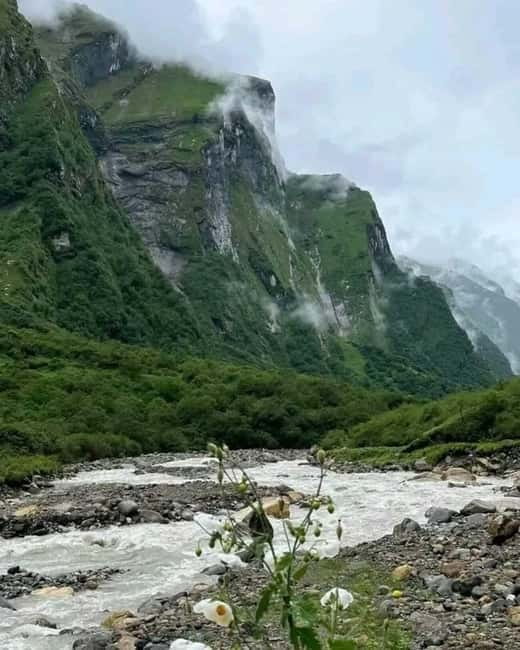
This is one of the more atmospheric sections of the trek. You will pass waterfalls and hear rushing water along parts of the trail. The forest offers shade, but wet ground can make the path slippery, especially in rainy or snowy conditions.
Deurali sits at about 3,230 meters, so this day also matters for altitude. You gain roughly 890 meters from Sinuwa. That is a serious climb, even if the distance does not sound extreme.
Your overnight stay is in a guest house at Deurali. Tea-house lodging is a major part of the ABC experience, but facilities are simple. You should bring warm clothing, a good sleeping setup, and enough personal items for changing weather.
This is also the stage where fitness begins to show. One group described rain, cold, and snow making conditions harder than expected, while their guide helped keep the trip manageable. That is useful advice: do not pack only for sunny photographs.
Day 3: Deurali to Machhapuchare Base Camp and ABC
Day three is the main push. You walk from Deurali to Annapurna Base Camp in about five to six hours, passing through Machhapuchare Base Camp, commonly called MBC.
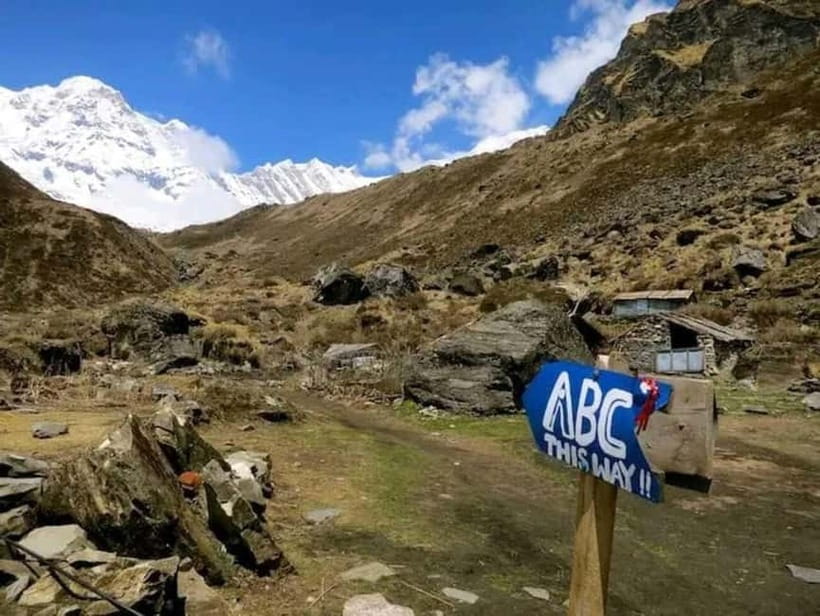
The route enters the high valley of the Annapurna Sanctuary. The trees thin out, the air feels colder, and the mountain walls become the focus. You should expect the walking to feel slower here, not because the trail is necessarily long, but because altitude affects breathing and energy.
Machhapuchare Base Camp is an important stop on the way to ABC. It gives you a chance to pause before the final section and take in the enclosed mountain setting. From there, you continue to Annapurna Base Camp at 4,130 meters.
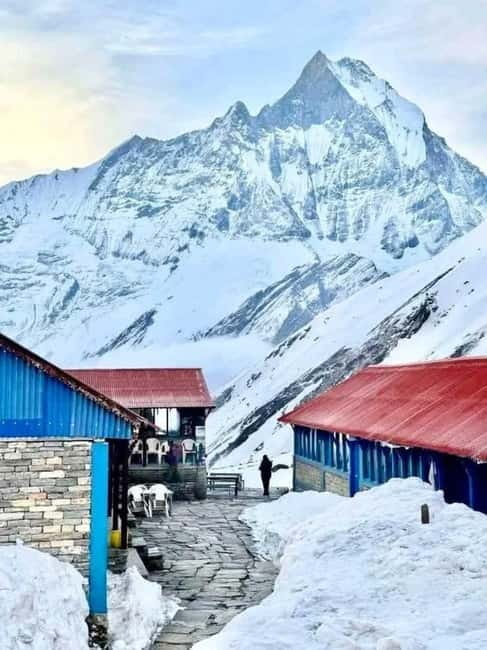
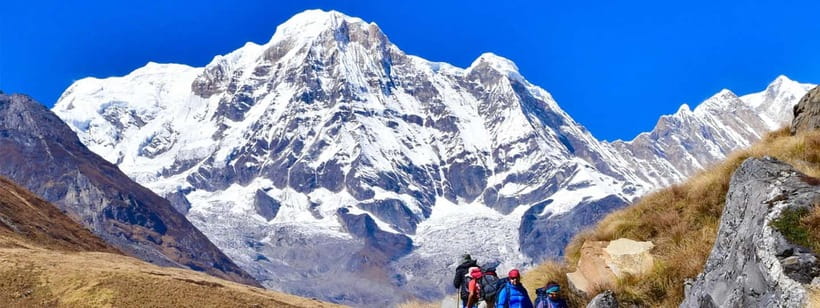
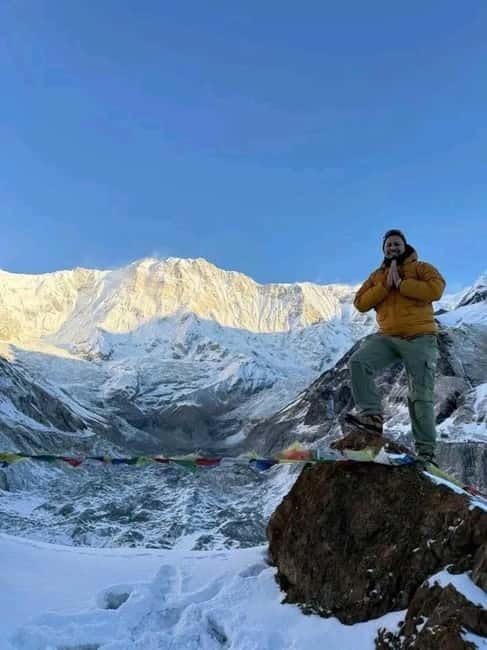
The reward is the mountain panorama. Annapurna I, Machhapuchare, and Hiunchuli surround the area, and the views can feel much larger than the modest tea houses suggest. The program includes an overnight stay at ABC, which I consider one of its strongest features.
Many short mountain trips reach a viewpoint and immediately turn around. Here, you have time to see the western sunset if conditions allow and then wake for sunrise. The sunrise at Machhapuchare Base Camp is highlighted as a major moment, though the exact view depends on clouds and weather.
Altitude is the main concern on this day. The trip information specifically warns that acclimatization matters and that the route is moderate to challenging. If you develop symptoms of altitude sickness, tell your guide promptly rather than trying to prove your toughness.
More Annapurna Base Camp treks:
- Annapurna base camp trek 5 Days
★ 5.0 · 252 reviews - Annapurna Base Camp Trek
★ 5.0 · 111 reviews - Kathmandu to Annapurna Base Camp (ABC) 5-Day Trek
★ 5.0 · 102 reviews - Annapurna Base Camp Trek 12 Days
★ 5.0 · 85 reviews
Day 4: Sunrise, descent through Deurali, and Bamboo or Sinuwa
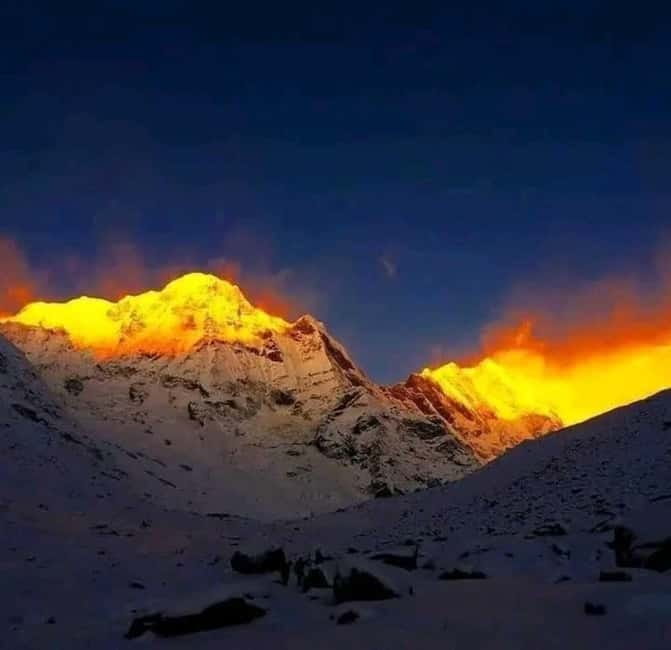
The fourth day begins early so you can see the morning light around the high valley. Then you retrace the route through Deurali, Himalaya, and Dobhan before reaching Bamboo or Sinuwa.
The walking time is listed as six to seven hours. Do not underestimate the descent. Going downhill is often easier on your lungs, but it can be tiring on knees and feet, especially after the high-altitude night.
This day also gives you a second look at the forest and waterfalls from a different direction. Details you missed while climbing may become easier to notice on the way down, since you are no longer concentrating so hard on gaining height.
The overnight location can be Bamboo or Sinuwa. The exact stop is important because it affects the next day’s walking time, but both are part of the same return corridor. Ask your guide when the final overnight location will be confirmed.
Day 5: Jhinu Danda hot springs and the drive back to Pokhara
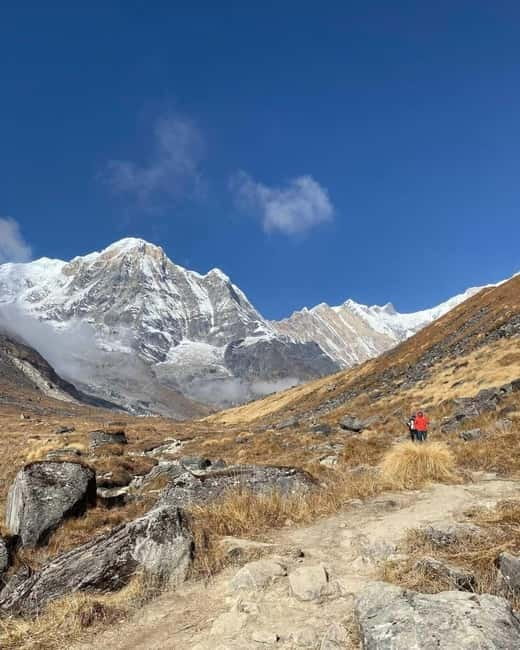
The final trekking day takes about three to four hours from Bamboo or Sinuwa to Simrung through Jhinu Danda. The route then continues by shared jeep to Pokhara, a drive of roughly two to three hours.
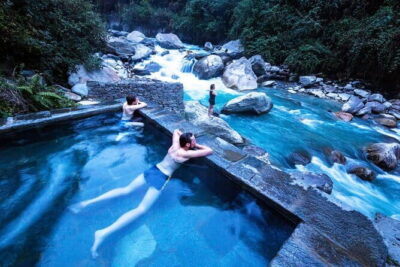
Jhinu Danda is the trip’s optional comfort stop. The natural hot spring gives you a chance to relax after the high trail, but you should confirm with your guide how much time is available and what the walking access involves. It is not the main purpose of the trip, yet it can be a welcome finish.
The plan is to return to your Pokhara hotel or drop-off point at about 5:00 PM. That timing is approximate, since mountain roads and trail conditions can affect the schedule. Do not book a tight evening connection based only on the stated arrival time.
The contrast on this day is striking. You move from a high Himalayan route to lower elevations and then back into Pokhara by road. It is a long finish, but the journey gives you a clean ending rather than another night in the mountains.
Guides, porters, and the human side of the trek
A private guide can make a big difference on a short, demanding route. You need someone who can judge pace, explain changes in weather, help with accommodation, and notice when altitude is becoming a problem.
The guides associated with this experience include Raj, Sagar, Shiva, and Anarayan, also known as Nareen. Sagar has been praised for managing pace, safety, meals, and accommodation. Raj was singled out for helping a last-minute booking succeed, while Shiva was described as handling an efficient itinerary during good weather.
Nareen received especially strong praise for caring for an inexperienced group through cold, rain, and snow. A porter named Visnu also helped that group, while porters Naron, Azis, and Bimal have been appreciated for practical support and good spirits.
Those names are useful when comparing the trip, but you should not assume you can request a particular person unless the provider confirms it. Guide assignments can change.
Porter service is included only with the all-inclusive option. If you choose the budget or Kathmandu option, it may be available as an add-on. That distinction matters because carrying your own pack for five days at altitude changes the physical demand considerably.
One useful warning came from a group that expected trekking poles but did not receive them. Their guide improvised poles from bamboo. I would confirm the equipment list before departure, especially if poles, a sleeping bag, or a duffle bag are important to you.
Accommodation, food, and what the price really means
The advertised price is $60 per person, which looks remarkably low for a five-day Himalayan trek. Before you compare it with other options, check which package that price applies to and what you will pay for separately.
The included items can cover hotel pickup and drop-off, shared jeep transfers, four nights in mountain guest houses, a trekking guide, permits, first aid, and borrowed equipment such as sleeping bags, duffle bags, and trekking poles. The Kathmandu flight option includes the Kathmandu to Pokhara flight.
Meals and porter service are included only with the all-inclusive option. With the budget or Kathmandu option, meals are not included unless added separately. Drinks are also extra, including hot, cold, and alcoholic drinks.
That means the headline price is not the full spending picture for everyone. Ask for the exact package total, confirm meal arrangements, and find out which equipment is actually available. A low upfront price is valuable only if you understand the add-ons.
The four nights are in mountain guest houses, not full-service hotels. You should expect basic rooms and simple mountain accommodation. Bring warm layers and be ready for cold conditions, especially at Deurali and ABC.
Weather, equipment, and physical demands
The preferred seasons are March to May and September to November. These periods are generally presented as the best times for the trek, but mountain weather can still change quickly.
You should pack warm clothing, hiking shoes, sunscreen, water, a camera, travel insurance, and suitable trekking gear. The route can include cold, rain, and snow, so a light urban jacket will not be enough.
The trek is not suitable for people with mobility impairments, heart problems, respiratory issues, altitude sickness, or a low level of fitness. That is not a minor disclaimer. The route climbs to 4,130 meters and includes days of five to seven hours on foot.
You also need to follow your guide’s advice on acclimatization. The schedule is short, so you do not have a built-in spare day. If you already know that you need extra time at altitude, consider a longer ABC program instead.
Alcohol and drugs are not allowed. Travel insurance is not included, and it is specifically listed among the items you should bring or arrange yourself.
Is this good value for you?
I see strong value if you want a private, tightly scheduled route and already have the fitness for it. Transport from Pokhara, permits, guide support, guest-house nights, and borrowed equipment can make the trip easier to organize than arranging each part yourself.
The value is less clear if you expect every meal, a porter, and all transport to be part of the $60 price. Those services depend on the selected option. The Kathmandu version may also involve a separate return flight add-on, so check the complete cost before paying.
The six available ratings are all five stars, with repeated praise for guide care, pacing, safety, and practical help. The one clear weakness in the feedback is communication before departure, especially around departure times, packing advice, weather, and trekking poles.
That gives you a sensible booking test: the on-trail support looks strong, but you should ask detailed questions in advance. Get written confirmation of the guide, porter, meals, equipment, flight, pickup time, and final price.
Should you book the five-day ABC trek?
Book it if you want the fastest practical route to Annapurna Base Camp, enjoy long mountain days, and can handle a demanding climb to 4,130 meters. The private format, overnight at base camp, sunrise views, and Jhinu hot spring option give the trip a lot of variety for five days.
Think twice if you are new to hiking, unsure about altitude, or want relaxed mornings and generous recovery time. A longer route would be kinder to your body.
For a fit visitor based in Pokhara, this is an appealing short Himalayan program. Just treat the $60 price as a starting point, confirm what your chosen package includes, and prepare for real mountain conditions rather than a casual sightseeing walk.
FAQ
How long is the Annapurna Base Camp trek?
The experience lasts five days, including road transfers between Pokhara and Simrung and the trek to Annapurna Base Camp.
What is the highest altitude reached?
The highest point is Annapurna Base Camp at 4,130 meters.
Can I start the trip in Kathmandu?
Yes. If you select the Kathmandu flight option, you take a flight of about 30 minutes from Kathmandu to Pokhara before joining the road transfer and trek.
Is hotel pickup included?
Hotel pickup and drop-off in Pokhara are included. Kathmandu pickup and drop-off are included when the flight option is selected.
Are meals included?
Meals are included with the all-inclusive option. They are not included with the budget or Kathmandu option unless you add them separately.
Is a porter included?
A porter is included with the all-inclusive option. Porter service can be added with the budget or Kathmandu option.
Is the Jhinu Danda hot spring included?
The route passes through Jhinu Danda, where you can visit the natural hot spring as an optional stop.
What languages can the guide speak?
Guides are available in English, French, Japanese, and Chinese.
Can I cancel the booking?
You can cancel up to 24 hours in advance for a full refund. The activity also allows you to reserve now and pay later.
More 5-Day Experiences in Annapurna Region
- Kathmandu/Pokhara: 5-Day Annapurna Base Camp (ABC) Trek
★ 4.9 · 72 reviews - 5 Day Private Guided Trekking in Annapurna Base Camp
★ 5.0 · 25 reviews - Ghorepani Poonhill Trek 5 Days from Pokhara
★ 5.0 · 14 reviews - 5 Days Adventures Lower Mustang Trip by 4WD Jeep
★ 5.0 · 12 reviews
Just added around Annapurna Region
- 4 Day Mardi Himal Base Camp Trek from Pokhara★ 5.0 · 18 reviews
- 7-Day Trek to Annapurna Base Camp from Pokhara★ 5.0 · 12 reviews
- Private 4 Day Poon Hill Trek from Pokhara★ 5.0 · 16 reviews
- Annapurna Base Camp Trek from Pokhara and Kathmandu★ 5.0 · 7 reviews
- 6 days Annapurna Basecamp Trek★ 5.0 · 16 reviews
- “Exclusive Round-Trip Transfer: Pokhara to Jomsom & Muktinath”★ 5.0 · 11 reviews
- Poon Hill Ghandruk Circuit Trek from Pokhara 4 Days★ 5.0 · 10 reviews
- Pokhara: Poon Hill Ghorepani Short Trek★ 5.0 · 6 reviews
Annapurna Base Camp Treks, compared.
Kathmandu to Annapurna Base Camp (ABC) 5-Day Trek
Read our review →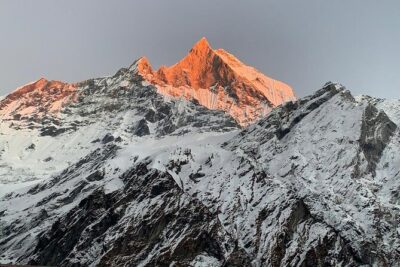
Kathmandu/Pokhara: 5-Day Annapurna Base Camp (ABC) Trek
Read our review →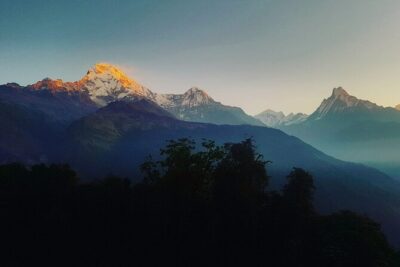
11-Day Hike Tour to Annapurna Base Camp Bliss in Kathmandu
Read our review →Browse the lists this tour appears in