
Reviewed · EVEREST BASE CAMP TREKS
Short Everest Base Camp Trek 10 Days
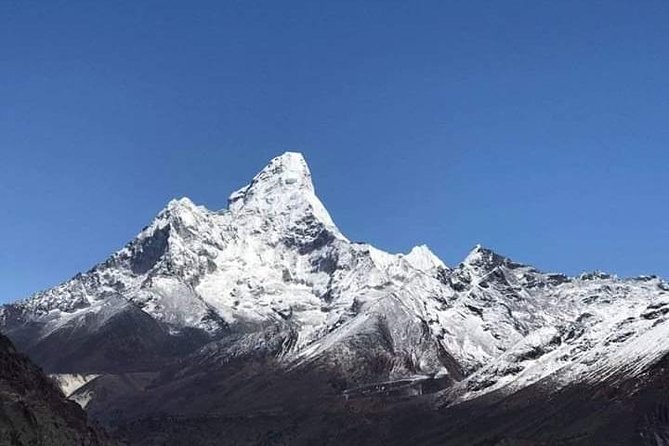
The great pull here is simple: in 10 days, you can stand at Everest Base Camp, see Mount Everest and other peaks above 8,000 meters, and walk through Sherpa country. The flight from Kathmandu to Lukla adds a real jolt of adventure, while Namche Bazaar, Tengboche Monastery, and the Khumbu Glacier give the trek more substance than a single mountain viewpoint.
I like that the price includes both Lukla flights, teahouse lodging, three daily meals, and useful gear such as a sleeping bag, down jacket, and duffel bag. I also like the private format, which gives your group a dedicated guide rather than placing you in a large mixed party. The main consideration is the pace: this is a short Everest Base Camp trek, so you need moderate physical fitness, sensible preparation, and some tolerance for changing weather and basic mountain accommodation.
Key points at a glance
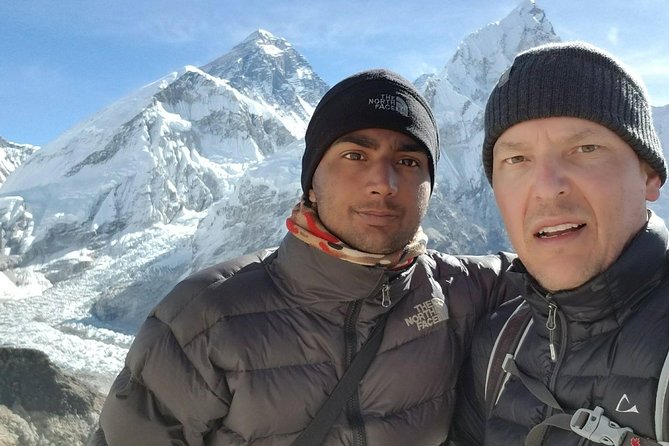
- Everest Base Camp in 10 days: A compressed route for people with limited holiday time.
- Lukla flights included: The famous mountain flight is covered in the stated price, including the return journey.
- Sherpa life beyond the summit views: Time in Namche Bazaar and visits to Tengboche Monastery add cultural interest.
- Private group format: Only your own party takes part, with guides such as Pradeep, BK, Dhruba, or Susil among the named staff connected with past trips.
- Useful equipment supplied: A sleeping bag, down jacket, and duffel bag are provided for use during the trek and returned afterward.
- Weather matters: Poor conditions can cancel the experience, with another date or a full refund offered.
What a 10-day Everest Base Camp trek really gives you
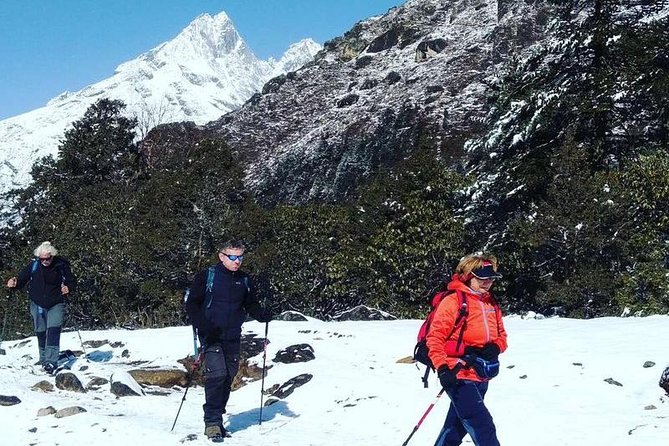
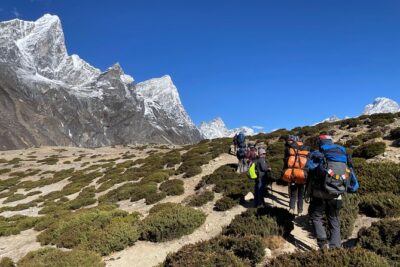
This is not a gentle sightseeing holiday. You will walk for much of the trip, sleep in teahouses, and gain altitude as you follow the Dudh Koshi River valley toward Everest. The reward is access to one of the world’s famous high mountain routes without committing to a two-week or longer schedule.
The short duration is both the appeal and the warning. You save holiday days, but the itinerary leaves less room for delays, rest, or weather problems. The tour listing gives the total duration and route highlights, but not a detailed day-by-day breakdown, daily walking hours, or maximum group size beyond the fact that it is private. I would ask for those details before paying, especially if you are comparing it with a longer Everest route.
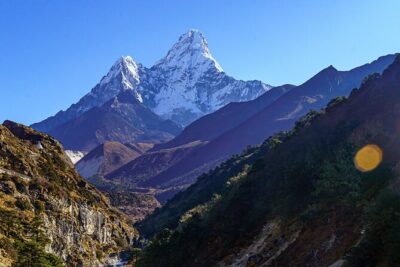
You will see more than Everest itself. The route includes Namche Bazaar, often called the Sherpa capital, the old monastery at Tengboche, the Khumbu Glacier, and the Khumbu Icefall area near Everest. These stops help turn the trek into a journey through a living mountain region rather than a simple march to a famous sign.
More Everest Base Camp treks:
- Everest Base Camp Trek – 14 Days
★ 5.0 · 1,499 reviews - Everest Base Camp Trekking
★ 5.0 · 485 reviews - Everest Base Camp Trekking – 13 Day
★ 5.0 · 365 reviews
Kathmandu to Lukla: the trip begins with a jolt
The meeting point is Tribhuvan International Airport in Kathmandu, where pickup is offered. The included return flight to Lukla removes one of the biggest extra costs from your planning and gets you directly to the trailhead.
The flight is described as an exciting part of the trip, and that is fair. Lukla is the gateway for the Everest route, and the approach brings you quickly from Nepal’s capital into the mountain region. You should also treat the flight as weather-dependent. The cancellation policy specifically says that poor weather can force a change of date or a full refund.
Once you reach Lukla, the character of the trip changes. You are no longer moving through city streets or tourist transport routes. The route follows the Dudh Koshi River valley, with villages, mountain paths, and views that make the first trekking days feel like a proper transition into the Khumbu.
The included air-conditioned vehicle is listed among the inclusions, but the information does not specify exactly when it is used. It likely relates to airport transfers or ground transport in Kathmandu, so confirm the transfer arrangements when booking.
Namche Bazaar and the Sherpa heart of the route
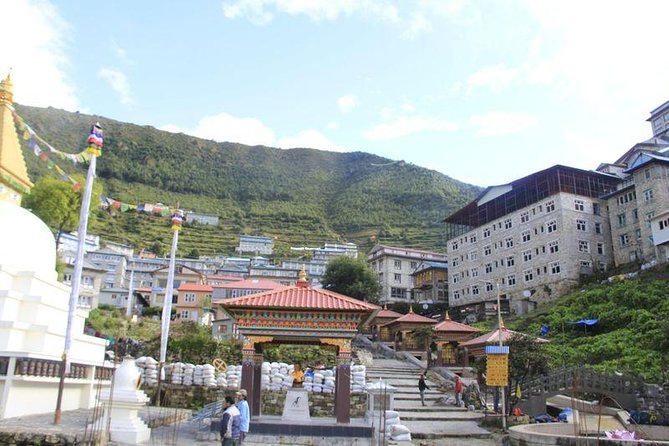
Namche Bazaar is one of the most useful stops on the trek. It is more than a scenic village. The town is a major stopping point for people heading farther into the Khumbu, and it gives you a chance to see how Sherpa communities support life and travel in a demanding high-altitude region.
I like that the itinerary gives Namche a clear place in the experience. Many mountain trips focus so tightly on the final objective that local life becomes background scenery. Here, you have time to notice the Sherpa way of life, the trading role of the town, and the practical side of a place built around mountain travel.
The exact number of nights in Namche is not provided, so ask how the operator handles acclimatization. That question matters on a short trek. A carefully planned pause can help your body adjust to increasing altitude, while a rushed schedule can make the route much harder than the distance alone suggests.
The private setup may also help here. If you are struggling with the pace, you can speak directly with your own guide rather than trying to keep up with a large group. Past trips have praised guides named Pradeep, BK, Dhruba Dharel, and Susil for being attentive, helpful, and careful with arrangements. Your guide may be someone else, but these names suggest the company has experienced staff available.
Tengboche Monastery and the cultural side of the walk
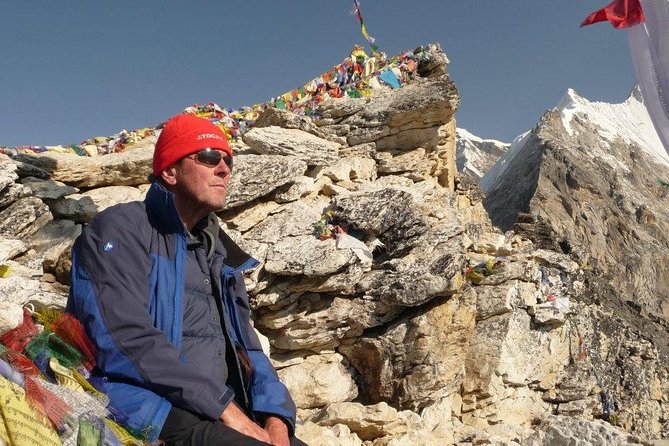
Tengboche Monastery is one of the route’s major attractions. The old monastery gives the trek a spiritual and cultural center, and its setting makes it one of the most memorable stops before the route heads toward Everest Base Camp.
The value of Tengboche is that it slows the trip down. Mountain walks can become a sequence of distances and elevations. A monastery visit gives you a different way to understand the Khumbu, with local religious life placed alongside the famous peaks.
The supplied information does not specify whether a formal monastery tour, a guided visit, or a particular ceremony is included. I would treat it as a planned stop and ask your guide what access looks like on your departure date. Respectful clothing and quiet behavior are sensible at any religious site, even though no specific dress code is provided here.
More trekking days out of Everest Region:
- Everest Base Camp Trek -14 Days
★ 5.0 · 321 reviews - Everest Base Camp Trekking – 2025/2026
★ 5.0 · 199 reviews - Everest Base Camp Trek
★ 5.0 · 193 reviews - Everest Base Camp Trek with Helicopter Return from Gorakshep to Lukla
★ 5.0 · 161 reviews
Khumbu Glacier, Icefall, and the final approach
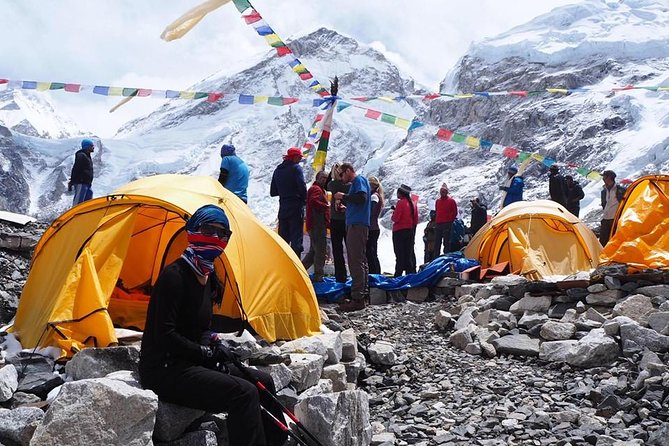
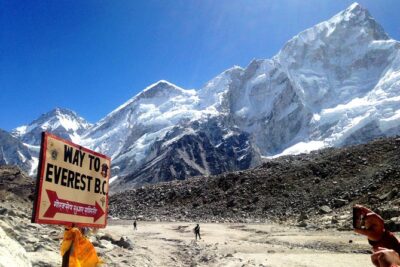
The route leads toward Everest Base Camp at the foot of Mount Everest. Along the way, you will see the Khumbu Glacier and the Khumbu Icefall area, along with other high peaks near Everest. These are not minor extras. The glacier and icefall are among the features that make this route visually and physically distinctive.
The final approach is likely to feel much more demanding than the lower sections. The information confirms the destination and major sights, but it does not give the daily distances, trail conditions, or time spent at Base Camp. Ask for a day-by-day plan before departure so you know how the company balances walking time, altitude, and rest.
A useful point of expectation: reaching Everest Base Camp does not mean climbing Everest or reaching the summit. It means arriving at the base area used by expeditions. The achievement is completing the trek through the Khumbu and standing beneath the world’s highest mountain, not ascending the peak itself.
Views can also depend heavily on weather. On clear days, the high peaks and glacier should provide the dramatic scenery you came for. Cloud, wind, or poor visibility may limit what you see. That uncertainty is part of mountain travel, and it is also why the operator keeps a weather-related cancellation option.
Teahouse lodging and meals along the trail
Teahouse accommodation is included during the trek. This is practical rather than luxurious. You should expect basic mountain lodging, shared facilities in some locations, and a simple atmosphere shaped by the route and altitude. The supplied information does not specify room types, bathroom arrangements, heating, or internet access, so ask those questions if comfort is important to you.
Breakfast, lunch, and dinner are included. That is a useful benefit at this price because buying every meal separately can make budgeting less clear. Coffee and tea are specifically excluded, as are bottled water, soda, and alcoholic drinks. Personal expenses are also your responsibility.
The meal plan works best if you think of it as fuel for the walk, not a restaurant experience. Bring money for drinks and small personal purchases, and confirm which payment methods are practical along the route. The tour does not include bottled water, so you will need to budget for hydration or ask the operator about safe refill arrangements.
What the $1,690 price covers
At $1,690 per person, the trip offers a useful package for a short Everest route. The value comes from the items that can otherwise create surprise costs: return Kathmandu to Lukla flights, teahouse accommodation, three meals each day, taxes and fees, and basic trekking equipment.
The sleeping bag, down jacket, and duffel bag are supplied for the trek and returned after you finish. That can save you from buying or renting bulky equipment, especially if you do not often trek in cold conditions. You should still ask about the temperature rating and sizes before departure, since the listing does not provide those details.
Porter service is not included. This is an important cost and comfort point. If you do not want to carry your own main bag, you will need to arrange and pay for a porter separately. Travel insurance is also excluded, and that should be treated as essential for a high-altitude trek and weather-dependent flight itinerary.
A hotel in Kathmandu is not included either. The package starts with pickup at Tribhuvan International Airport, but you should arrange your own city accommodation unless the company offers it as an extra. Personal expenses, drinks, and travel insurance add to the headline price.
Guides, private groups, and the human side of the trip
The private format is one of the strongest features here. Only your group participates, so the trip is not built around the needs of strangers with different walking speeds or goals. That can make a short schedule easier to manage.
Several staff members receive particularly warm praise in the material provided. Pradeep is described as helpful, while BK is praised for local understanding, attention to detail, and care for safety. Dhruba Dharel is associated with organizing trips from start to finish, and Susil is described as an experienced and helpful guide.
Those names are useful when you speak with Eco Holidays Nepal, but they do not guarantee who will lead your trek. Ask for the guide’s name, experience on the Everest route, language ability, and plan for altitude concerns. Clear answers are more useful than simply assuming a well-known staff member will be assigned.
The trip is recommended by 98 percent of the supplied ratings and has a 4.9 rating from 40 reviews. That is a strong signal, especially because the positive comments repeatedly focus on organization, helpful guides, safety, and making the experience easier from beginning to end. Still, no rating can remove the physical demands or weather risks of the route.
Who should book this trek
I would point this trip toward a fit adult with limited holiday time who wants the classic Everest Base Camp route and prefers a private arrangement. It also suits someone who values having flights, meals, lodging, and basic gear arranged in one package.
You should be comfortable with mountain walking and basic accommodation. The operator asks for a moderate fitness level, but the phrase does not tell you the daily mileage, elevation gain, or acclimatization plan. Get those details before booking, and be honest about your health and previous walking experience.
This is less suitable if you want a slow-paced trek with generous spare days, high-end lodging, or complete control over your own schedule. The 10-day format is efficient, but efficiency in the Himalayas can leave less room for unexpected delays.
Cancellation is free up to 24 hours before the start time for a full refund. Changes or cancellations inside that window are not accepted, and the local time cutoff applies. If poor weather cancels the trip, you are offered another date or a full refund.
Should you book the Short Everest Base Camp Trek?
Book it if you want the main Everest Base Camp experience in a compact 10-day package and value a private group, included Lukla flights, teahouse lodging, meals, and loaned trekking gear. The strong points are practical: clear cost coverage, local guides, and access to Namche Bazaar, Tengboche Monastery, the Khumbu Glacier, and Base Camp.
Before paying, ask for the exact daily schedule, acclimatization stops, walking hours, guide assignment, porter rates, Kathmandu transfer details, and gear specifications. If the answers are clear and you are prepared for basic lodging, weather delays, and a demanding pace, this is a sensible way to reach Everest Base Camp without arranging every piece yourself.
FAQ
How long is the Everest Base Camp trek?
The experience lasts approximately 10 days.
Where does the experience start?
It starts at Tribhuvan International Airport in Kathmandu, Nepal.
Are flights to Lukla included?
Yes. Both the Kathmandu to Lukla and Lukla to Kathmandu flights are included.
Is airport pickup offered?
Yes. Pickup is listed as an available feature, with the meeting point at Tribhuvan International Airport.
Is accommodation included?
Yes. Teahouse accommodation during the trek is included. A hotel in Kathmandu is not included.
Are meals included?
Yes. Breakfast, lunch, and dinner are included during the trek.
Is a porter included?
No. Porter service is not included, but you may arrange one if needed.
What trekking equipment is provided?
A sleeping bag, down jacket, and duffel bag are provided for use during the trek and returned after you complete it. A route map is also included.
Is travel insurance included?
No. Travel insurance is not included, so you need to arrange it separately.
Can I cancel for a full refund?
Yes, if you cancel at least 24 hours before the experience start time. Cancellations made less than 24 hours before the start time are not refunded. If poor weather causes the operator to cancel, you are offered another date or a full refund.
Just added around Everest Region
- Day Tour to Everest Base Camp By Helicopter★ 5.0 · 16 reviews
- Kathmandu To Lukla By Helicopter Flight★ 5.0 · 6 reviews
- Luxury Everest Base Camp Trek – 11 Days★ 5.0 · 9 reviews
- Everest Base Camp Tour & View Point by Helicopter from Katmandu★ 5.0 · 3 reviews
- Everest base camp helicopter tour with Guarenteed Landing★ 4.0 · 7 reviews
- Everest base camp flight over by Helicopter from Kathmandu★ 5.0 · 10 reviews
- Everest Base Camp Helicopter Tour Stop at Hotel Everest View.★ 5.0 · 17 reviews
- Everest Base Camp Helicopter Tour★ 5.0 · 24 reviews
Everest Base Camp Treks, compared.
Everest Base Camp Trek with Helicopter Return from Gorakshep to Lukla
Read our review →Browse the lists this tour appears in