
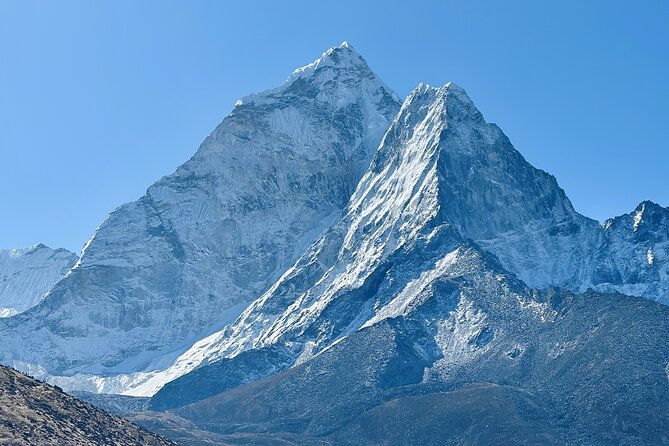
Reviewed · EVEREST BASE CAMP TREKS
Unforgettable Everest Base Camp Trek with Third Rock Adventures! 🌄 I recently completed an incredible journey to Everest Base Camp with Third Rock Adventures, and I can’t recommend them enough! From starRead more
Standing at Everest Base Camp is only part of the prize. The real reward is the slow approach through Sherpa villages, prayer flags, suspension bridges, monasteries, and high mountain valleys. Kala Patthar at 5,550 meters delivers the best payoff, especially at sunrise, when Everest, Lhotse, Nuptse, Pumori, and Ama Dablam catch the first light.
I like the strong acclimatization plan, with rest and height-gain days in Namche and Dingboche. I also like that the $1,799 price includes meals, tea house lodging, flights, a guide, porter support, permits, a sleeping bag, and a down jacket. The main caution is altitude and logistics: weather can disrupt flights, the walking is demanding, and the optional shared helicopter alternative costs $1,200 per person.
Key points to know before you book
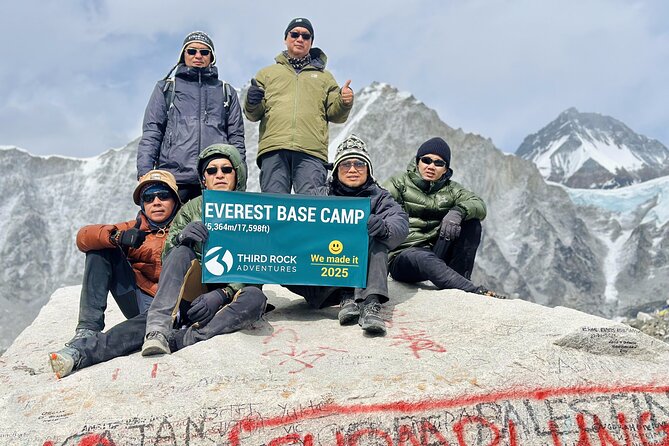
- Kala Patthar is the visual high point: The 5,550-meter climb gives you the broadest views of Everest and the Khumbu peaks.
- Namche and Dingboche build in acclimatization: These pauses matter more than squeezing extra sights into each day.
- The package covers a lot: Meals, tea house rooms, domestic flights, permits, porter help, gear loans, and airport transfers are included.
- Lukla flights are weather-sensitive: The package also uses ground transport between Kathmandu and Manthali, so your route may involve that airport connection.
- You carry a daypack, not all your luggage: One porter serves two trekkers and carries the main bags.
- The group is capped at 12 people: That is small enough for a more personal pace without paying for a private trek.
Why this 14-day Everest route works
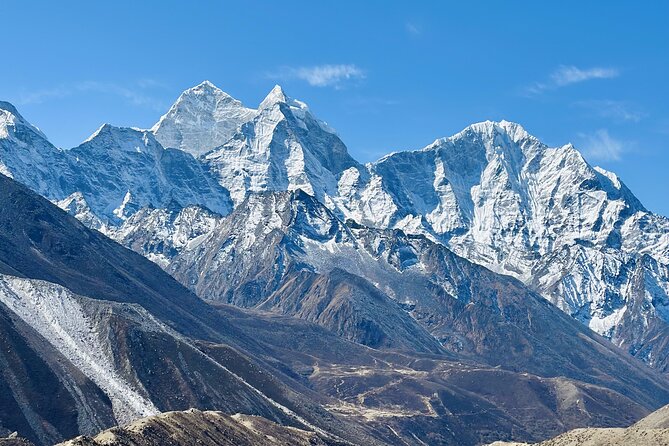
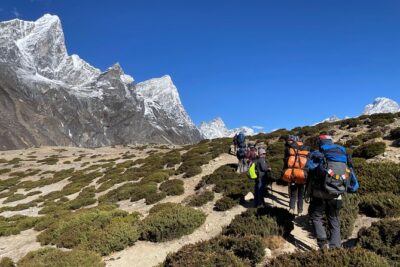
The Everest Base Camp trek is famous for the final viewpoint, but I think the route works because it gives you time to adjust. You begin in Kathmandu, climb gradually through the Khumbu Valley, spend two nights each in key high-altitude areas, and return by foot to Lukla before flying back.
This is not a casual mountain walk. The route is graded moderate to difficult, and the highest days take you above 5,000 meters. You need a reasonable fitness level, patience, and a willingness to walk uphill and sleep in simple tea houses.
The experience is run by Third Rock Adventures, with an English-speaking, government-licensed guide trained in first aid. Guide quality matters here. Names praised on previous departures include Dawa, Deepak, Gnawang, and Somdey, with particular credit given to careful support, clear answers, humor, and sensible changes when altitude sickness appeared. Your own guide may be different, but the inclusion of an experienced leader is one of the package’s most important features.
More Everest Base Camp treks:
- Everest Base Camp Trek – 14 Days
★ 5.0 · 1,499 reviews - Everest Base Camp Trekking
★ 5.0 · 485 reviews - Everest Base Camp Trekking – 13 Day
★ 5.0 · 365 reviews
Kathmandu arrival, gear check, and the road to Lukla
Day 1 is intentionally light. A representative meets you at the airport, takes you to your three-star deluxe hotel, and helps you meet the trek leader and crew. Use this time to check your equipment, buy missing items, and explore Thamel if your energy allows.
The gear check is not filler. A good sleeping bag, warm layers, sturdy footwear, and protection from sun and cold become more important with every day of the trek. The package lends you a down jacket and sleeping bag, and supplies a duffel bag, T-shirt, and trekking map, but personal trekking gear remains your responsibility.
Day 2 begins with the flight toward Lukla, followed by the first walk through Chauri Kharka and along the Dudh Koshi River to Phakding. This first section is a gentle introduction compared with what comes later. You get your first taste of Sherpa villages, river crossings, and mountain trails without starting at extreme altitude.
Pay attention to the flight details before departure. The included transport refers to flights between Ramechhap or Kathmandu and Lukla, plus shared ground transport between Kathmandu and Manthali. Weather may affect the airport plan. A poor-weather delay can alter the schedule, so keep some flexibility in your larger Nepal plans.
Phakding to Namche Bazaar, your first serious climb
Day 3 brings the route’s first major effort. You cross suspension bridges over the Dudh Koshi, including the famous Hillary Bridge, then enter Sagarmatha National Park. After lunch at Jorsale, the trail climbs steadily toward Namche Bazaar.
Namche is more than a stopover. It is the main Sherpa trading center in the valley, with bakeries, shops, and a Saturday Market. The village sits in a bowl of hills, and reaching it feels like crossing a threshold. The easy river walking is over. From here, the air is thinner and the mountains feel much closer.
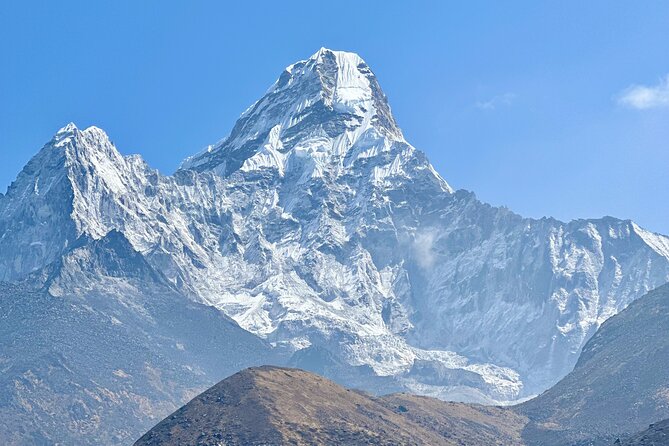
Day 4 is an acclimatization day in Namche. You do not simply sit around waiting for your body to catch up. The plan includes a sunrise walk toward Sagarmatha National Park, where you can see Everest, Ama Dablam, and Lhotse. The visit gives you a useful first look at the giants ahead without committing to a full trekking day.
I like this pause because it reduces the temptation to race upward. You can also explore Namche’s bakeries and shops, though personal purchases, internet, laundry, hot showers, snacks, and battery charging cost extra. The package includes meals during the trek, but not your Kathmandu lunches and dinners.
Tengboche and Dingboche, monasteries and thinner air
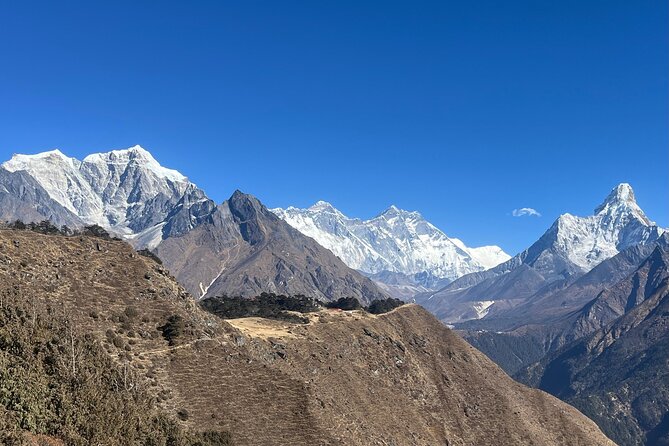
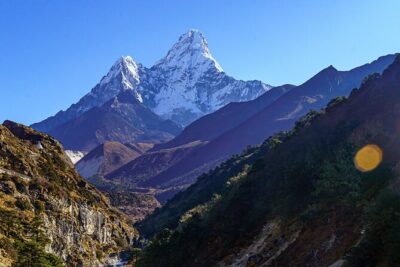
On Day 5, the trail passes through rhododendron and juniper forest, with views of Everest, Lhotse, Nuptse, and Ama Dablam. Tengboche is the cultural highlight of the middle section. Its monastery is the largest in the region, and the close view of Ama Dablam is especially striking.
You should allow yourself time to notice the setting here. The monastery gives the route a human and spiritual dimension that a simple peak-counting trek would miss. The trail is still demanding, but the forests and village life keep the day from feeling like a pure endurance test.
Day 6 crosses the Imja Khola and passes through Pangboche, described as the highest permanent Sherpa settlement. You continue to Dingboche with views of Island Peak and Ama Dablam. Dingboche is a good place to slow down, because the altitude begins to shape every decision.
Day 7 is another acclimatization day. The hike to Nagarjun Hill reaches about 5,100 meters and provides views of Makalu, Lhotse, Ama Dablam, and Island Peak, along with a close look at the Imja Glacier. You then return to Dingboche for a quieter afternoon.
This is one of the itinerary’s strongest design choices. The walk is high enough to help your body adjust, but you return to the same tea house rather than gaining more sleeping altitude that night. You will still feel the effort, but you have time to rest or explore Dingboche before the route turns more serious.
More trekking days out of Everest Region:
- Everest Base Camp Trek -14 Days
★ 5.0 · 321 reviews - Everest Base Camp Trekking – 2025/2026
★ 5.0 · 199 reviews - Everest Base Camp Trek
★ 5.0 · 193 reviews - Everest Base Camp Trek with Helicopter Return from Gorakshep to Lukla
★ 5.0 · 161 reviews
Lobuche and the memorials at Thukla Pass
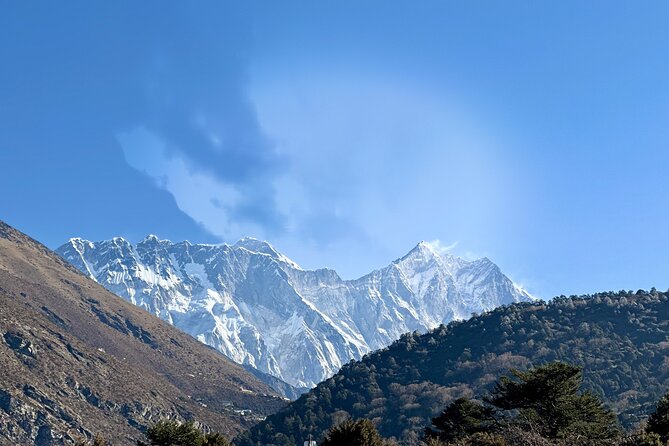
Day 8 covers about 8 kilometers over rugged high-altitude ground to Lobuche. The views open toward Lobuche, Pumori, and Nuptse, while the trail passes through a more exposed mountain setting than the earlier forested sections.
Thukla Pass is the emotional stop of the day. Memorial stupas honor climbers who died on Everest and other Himalayan peaks. It is a quiet place to pause and consider the cost of the mountains you have been admiring. The route then continues toward Lobuche, where accommodation is simpler and the cold feels more noticeable.
The itinerary describes the route as continuing toward the Nepal and Tibet border, but your main destination remains Everest Base Camp in Nepal. Do not expect a border crossing. The value of this day is the combination of high mountain views and the memorial area, not extra sightseeing.
Everest Base Camp from Lobuche
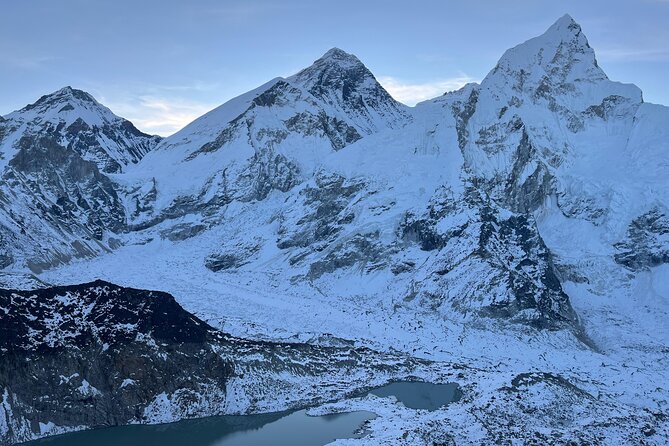
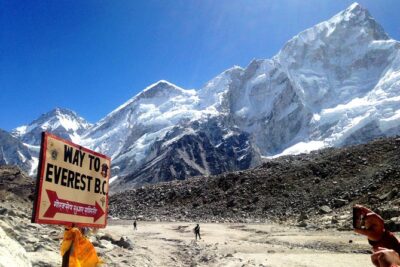
Day 9 is the day many people have been imagining for months. You trek from Lobuche to Gorak Shep, then continue beside the Khumbu Glacier toward Everest Base Camp.
Base Camp itself is not a summit viewpoint. Everest may not dominate the scene from the camp, but the Khumbu Icefall and the surrounding peaks make the location unmistakable. The glacier, ice towers, rocky trail, and expedition history give the stop its force.
You return to Gorak Shep for the night. This is a demanding day at high altitude, so the schedule gives you the achievement without adding a long descent afterward. Tea house conditions at this elevation are basic, and personal expenses such as hot showers, bottled or boiled water, snacks, and charging are extra.
Kala Patthar at sunrise
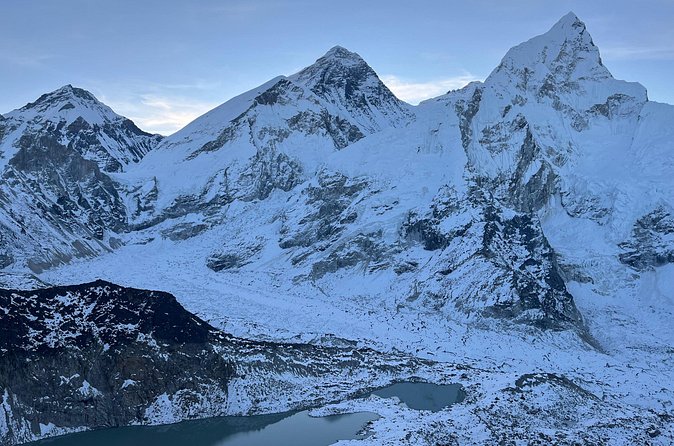
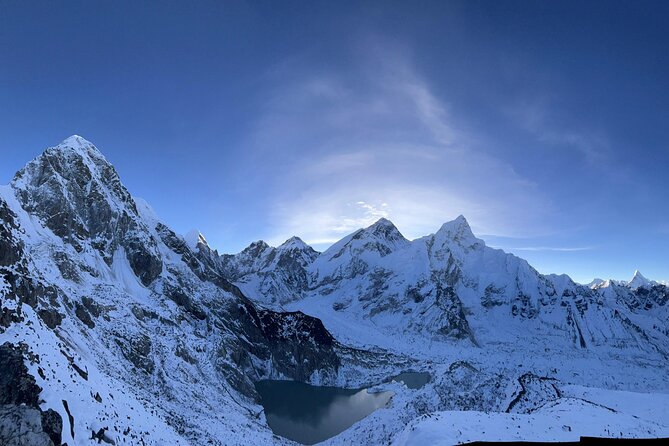
Day 10 brings the trek’s highest point, Kala Patthar at approximately 5,550 meters. The early start is worth the cold and the uphill effort. From the top, you get a 360-degree view toward Everest, Lhotse, Nuptse, Pumori, and the broader Khumbu region.
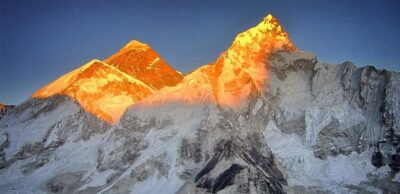
This is usually the finest place on the route for seeing Everest clearly. Sunrise turns the summit and nearby ridges from gray to gold, and the low angle of light gives the peaks a shape you do not get later in the day.
The return to Gorak Shep is followed by a descent, with the itinerary continuing toward the lower valley. The descent is welcome, but do not assume it is easy. Tired legs, loose trail, and the need to keep moving can make this day feel long even though you are losing altitude.
Returning through Pheriche, Namche, and Lukla
The return section passes through Pheriche and Tengboche before reaching Namche Bazaar on Day 11. You may feel more comfortable with the altitude by now, and the return offers a different view of familiar ground. The village atmosphere in Namche is a pleasant contrast to the sparse high-altitude stops above Lobuche.
Day 12 continues downhill through local villages and across the Hillary Suspension Bridge before reaching Lukla. This is the point to celebrate. You have completed the walking section, though the trip is not finished until you are back in Kathmandu.
Day 13 is scheduled for the flight to Kathmandu, followed by hotel time and shopping. Ason Market is suggested for spices, tea, and decorative goods, while Thamel and nearby shops offer handicrafts and souvenirs. A farewell meal is also planned.
The flight from Lukla remains the weak point in any tightly timed itinerary. Mountain weather can delay departures, and one poor-weather departure was enough to force a schedule change on a previous trip. Build flexibility into your international travel plans if possible, and make sure your travel insurance covers trekking and medical evacuation.
What the $1,799 price really covers
At $1,799 per person, this is not a bare-bones trek. The price includes airport transfers, two Kathmandu hotel nights with breakfast, tea house lodging, all trek meals, tea or coffee with those meals, domestic flights, park and community fees, a guide, porter service, staff costs, taxes, a duffel bag, a map, a down jacket, and a sleeping bag.
The porter arrangement is one porter for two trekkers. You should still expect to carry your daily essentials in a daypack, while the main luggage travels separately. Pack within the stated 15-kilogram baggage allowance, because excess baggage costs about $1 per kilogram.
You will need extra money for a Nepal visa, international flights, Kathmandu meals, insurance, personal gear, drinks, internet, laundry, charging, hot showers, souvenirs, and tips. Tipping the guide, porters, and driver is expected, though the amount is not stated.
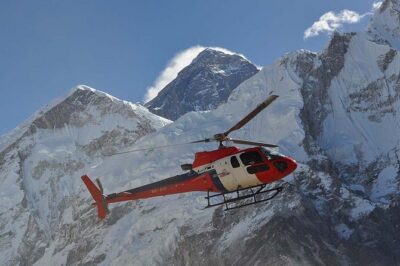
The $1,200 shared helicopter flight option is also not included. That is a major extra cost, not a minor upgrade. Treat it as a backup or special preference, not as part of the standard value calculation.
Who should book this trek?
You should consider it if you want the classic Everest route with a structured support team and most major trekking costs bundled together. It suits people who value a guide, porter help, planned acclimatization, and simple logistics over independent route planning.
You should also be comfortable with basic tea house accommodation, changing weather, steep trails, and limited personal comforts. A moderate fitness level is required, but fitness alone does not solve altitude. Pace, hydration, rest, and honest communication with your guide matter just as much.
The maximum group size is 12. That gives you company and may help keep the cost down, while remaining small enough for the guide to monitor the group more easily than on a large departure.
Should you book the Everest Base Camp trek?
I would book this trip if you want a well-supported first Everest Base Camp experience and like the idea of reaching both Base Camp and Kala Patthar in 14 days. The included flights, meals, permits, porter service, borrowed cold-weather gear, and hotel nights give the $1,799 price solid value.
I would pause if your schedule cannot tolerate flight delays, if you dislike shared tea house rooms and basic facilities, or if you are hoping for an easy sightseeing holiday. The strongest reasons to choose this trek are the thoughtful acclimatization days, the cultural stops at Namche and Tengboche, and the chance to see the Khumbu from Kala Patthar at sunrise.
FAQ
How long is the Everest Base Camp trek?
The experience lasts approximately 14 days, including arrival and departure days in Nepal.
What is the highest point on the trek?
Kala Patthar is the highest point, at approximately 5,550 meters.
Is airport pickup included?
Yes. Airport pickup and drop-off in a private vehicle are included.
Are meals included during the trek?
Yes. Breakfast, lunch, dinner, and one cup of tea or coffee with meals are included during the trekking portion.
Is Kathmandu accommodation included?
Yes. Two nights in a three-star deluxe hotel in Kathmandu with breakfast are included.
Is porter service included?
Yes. One porter is provided for every two trekkers to carry the main luggage.
What is the group size?
The tour can have a maximum of 12 people.
Can I cancel for a full refund?
Yes, if you cancel at least 24 hours before the experience start time. Cancellations made less than 24 hours before the start time are not refunded.
Just added around Everest Region
- Day Tour to Everest Base Camp By Helicopter★ 5.0 · 16 reviews
- Kathmandu To Lukla By Helicopter Flight★ 5.0 · 6 reviews
- Luxury Everest Base Camp Trek – 11 Days★ 5.0 · 9 reviews
- Everest Base Camp Tour & View Point by Helicopter from Katmandu★ 5.0 · 3 reviews
- Everest base camp helicopter tour with Guarenteed Landing★ 4.0 · 7 reviews
- Everest base camp flight over by Helicopter from Kathmandu★ 5.0 · 10 reviews
- Everest Base Camp Helicopter Tour Stop at Hotel Everest View.★ 5.0 · 17 reviews
- Everest Base Camp Helicopter Tour★ 5.0 · 24 reviews
Everest Base Camp Treks, compared.
Everest Base Camp Trek with Helicopter Return from Gorakshep to Lukla
Read our review →Browse the lists this tour appears in