
Reviewed · LANGTANG TREKS
Journey to Dhunche A Scenic Bus Ride to the Gateway of Langtang
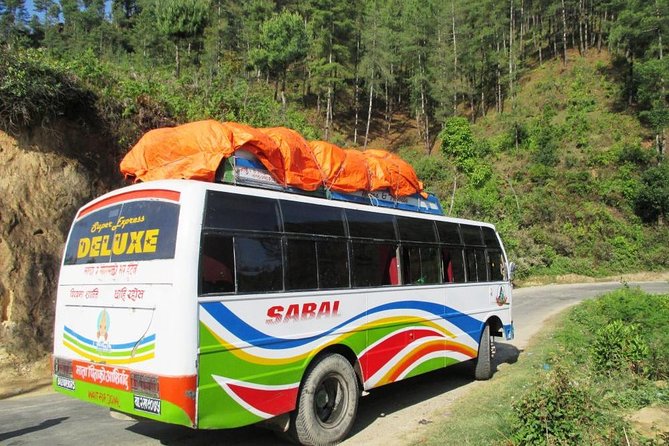
The best part of this $17 bus journey is the changing scenery. You leave Kathmandu behind, follow the Trishuli River, climb through steep hills, and finish near the mountain gateway of Langtang. I like the river views and the chance to stop for simple tea or local food along the way.
I also like that the ride costs less than many organized mountain transfers and has a maximum of 20 passengers. The main drawback is the road itself: expect a long, winding, sometimes bumpy ride, with the final arrival time depending on traffic and hill conditions. Check the destination carefully, since the trip is described as going to Dhunche but the end point is also listed as Syapru Besi.
Key points to know before booking
- Eight to nine hours on mountain roads: The trip takes most of a day, and traffic can make it longer.
- Trishuli River views: The early part of the route follows the river and gives you plenty to watch from the bus window.
- Himalayan scenery near Dhunche: Snow-capped peaks come into view as you approach the Langtang area.
- Roadside stops: The bus is expected to pause so you can stretch, drink tea, and buy a traditional Nepalese meal.
- Small passenger limit: The stated maximum is 20 people, a more manageable size than a large coach.
- Destination needs confirmation: The description names Dhunche, while the listed end point is Syapru Besi.
From Kathmandu’s Machha Pokhari to the open road
Your day begins at 7:15 am at Machha Pokhari on Ring Road in Kathmandu. This is the stated departure point, so give yourself enough time to find the correct bus and settle in before the morning departure. After booking, you receive the bus number, seat number, reporting time, departure time, and other final details.
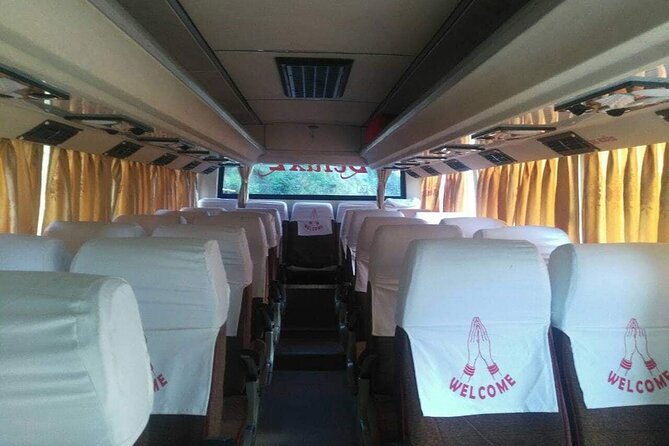
The included service is a deluxe bus ticket. That phrase tells you what you are buying: transport, not a guided sightseeing day. There is no guide named for the journey, and no meals, drinks, entrance fees, hotel pickup, or other extras are included.
Once the bus leaves Kathmandu, the trip quickly becomes less urban. The road begins to wind through hills, and the view from your window becomes the main entertainment. I would choose a window seat if you can, especially if you enjoy watching the road, river, small settlements, and changing mountain scenery.
The ride is not built around scheduled sightseeing stops. It is a point-to-point mountain transfer with scenic value along the way. That distinction matters. You are not getting out at a long list of viewpoints with a guide explaining each one. Instead, you see Nepal from the bus and stop briefly for practical breaks.
More Langtang and Gosaikunda treks:
- Langtang Valley Trek
★ 5.0 · 140 reviews - Langtang Valley Trek
★ 5.0 · 50 reviews - Private 8 – Day Langtang Trekking
★ 5.0 · 29 reviews
Following the Trishuli River
The Trishuli River is one of the defining features of this route. The bus follows its banks for sections of the journey, giving you views of moving water, rocky edges, and hills rising around the road. The river helps break up the long ride and gives you a clear sense of how the route works through the surrounding country.
This is the kind of scenery best enjoyed with modest expectations. You may get a fine view from one side of the bus, then lose it as the road bends or the bus climbs. The route is not a continuous panorama. It is a changing sequence of river glimpses, hills, roadside life, and mountain roads.
You should also expect motion. The road is winding, and the route includes steep climbs and descents. A previous account of the Dhunche ride described the bus as bumpy but enjoyable, with especially good views. That is a fair way to frame the experience. The roughness is part of the journey, not an unusual interruption.
If you are prone to motion sickness, plan carefully. The supplied information does not specify whether motion-sickness supplies are available, so bring anything you normally use. A light breakfast may also be easier than a heavy meal before departure.
Roadside tea and local food stops
The bus makes a few stops so you can stretch your legs and buy something to eat or drink. The experience specifically points to roadside tea stalls and traditional Nepalese meals. These breaks give the day a human scale. After hours in a seat, even a short walk and a hot cup of tea can feel like a small event.
Do not treat these stops as a formal food tour. The exact locations, timing, and menu are not specified. You might find tea, a simple Nepalese meal, or other local food, but the ticket does not include any of it. Carry enough Nepalese rupees for purchases, since the details do not state which payment methods roadside stalls accept.
The stops also help you adjust to the pace of the journey. This is not a rush from city to city. The bus pauses, the road climbs, and the day unfolds slowly. You get a glimpse of ordinary roadside life rather than a polished attraction designed only for sightseeing.
Use each stop wisely. Stretch your legs, use the facilities if available, and return to the bus promptly. Since the journey has assigned seats and a stated departure schedule, you should not assume the bus will wait beyond the planned break.
Climbing toward Dhunche and Langtang
As the bus continues, the scenery changes from river corridors to higher mountain country. The route leads toward Dhunche, described as the gateway to Langtang and the entrance to Langtang National Park. Near the end of the journey, the views open toward snow-capped Himalayan peaks.
That final section is the reward for your patience. The ride may already have lasted most of the day, but the mountain setting gives the arrival a real sense of purpose. Dhunche is not just another roadside stop in this description. It is presented as the threshold to a larger Langtang journey.
The bus ride itself does not include a Langtang National Park visit, trek, or guided walk. It brings you to the area. If your plan is to continue into Langtang, this transfer can serve as the first practical step, but you will need separate arrangements for anything beyond the bus ticket.
The mountain views are also weather dependent. The description promises the chance to see snow-capped peaks, but clear visibility is never guaranteed by a road transfer. Even on a cloudy day, the river and hill scenery still give the journey interest, but the Himalayan views may be limited.
More Sightseeing Bus Tours in Kathmandu:
- Kathmandu City Sightseeing Bus tour (5 Sights)
★ 4.2 · 15 reviews - “Explore Kathmandu Rich Heritage: City Highlights Bus Tour”
★ 3.7 · 9 reviews - Kathmandu Sightseeing By Bus Day Trip
★ 4.7 · 5 reviews - Pokhara: Full-Day Sharing Bus Tour on 7 Iconic Destination
★ 4.1 · 179 reviews
Dhunche or Syapru Besi: confirm before you pay
There is one important detail you should settle before booking. The experience is titled and described as a journey to Dhunche, but the meeting information gives the end point as Syapru Besi, postal code 45000.
Those places are both linked with the Langtang region, but they are not the same stated destination. The discrepancy may reflect a route description, a bus destination, or a booking detail that needs clarification. Do not guess, especially if you have a trek, hotel, or onward transfer waiting at one specific place.
After purchase, the operator provides the bus number, seat number, reporting time, departure time, and departure location. Use that message to verify the exact arrival point. If your plans depend on reaching Dhunche rather than Syapru Besi, ask for confirmation before committing to the ticket.
This is the single biggest practical issue with the experience. The views and price are appealing, but a low-cost bus ride is not good value if it leaves you at the wrong place for your next plan.
What the $17 price really covers
At $17 per person, the fare is attractive for a full-day transfer through the mountains. You get a reserved bus ticket, a stated deluxe bus service, and a route with scenery that would be difficult to appreciate from a faster private transfer.
The value depends on your priorities. If you want the cheapest practical way to reach the Langtang area and you enjoy seeing the countryside from a bus window, the fare is sensible. You are paying for transport with scenic interest, not a luxury coach experience or a private tour.
The ticket does not include anything except the bus ticket. You should budget separately for tea, meals, drinks, and any other purchases during the day. The information does not state whether snacks or water are provided, so bring your own supplies if you prefer not to rely on roadside stops.
A private vehicle might give you more control over stops and timing, but it would likely cost more. This bus makes the most sense for someone who values a modest price and is willing to accept a fixed schedule, a long ride, and less control over the route.
Who will enjoy this bus ride
I would recommend this experience to you if you want a scenic transfer rather than a sightseeing package. It suits independent visitors heading toward Langtang who do not need a guide on the road and are comfortable spending eight or nine hours in a bus.
It also suits people who like watching daily life pass by. The Trishuli River, roadside tea stalls, mountain settlements, and changing views provide more interest than a direct highway transfer. The route gives you a gradual shift from Kathmandu’s urban setting to the Himalayan foothills.
You should think twice if you need a fast, smooth, tightly timed journey. The road is winding, the trip can be bumpy, and traffic conditions affect the duration. The bus may also feel tiring if you are not used to long mountain rides.
The stated maximum of 20 passengers is helpful. It is still a shared ride, but the group size is smaller than a large public coach. That may make boarding and seat arrangements easier, although the exact bus layout is not provided.
Practical details that matter on the day
Your confirmation arrives at the time of booking and should include the operational details you need. Keep that information available on your phone, especially the bus number, seat number, reporting time, departure time, and meeting point.
The listed start point is Machha Pokhari, Ring Road, Kathmandu 00977, Nepal. The start time is 7:15 am. The stated journey time is eight to nine hours, depending on traffic, so do not schedule an immediate evening connection without a generous buffer.
The ride is open to most people, and the activity has a maximum of 20 passengers. No special participation restriction is provided. Still, the steep, winding road and long sitting time are worth considering for anyone who has difficulty with rough roads or extended bus journeys.
The cancellation terms are strict. The ticket is non-refundable and cannot be changed for any reason. If your plans are uncertain, confirm the destination and timing before booking, because changing your mind later will not produce a refund.
My take: a scenic bargain with one important check
I like this trip for its directness. You pay $17, take a morning bus, watch the Trishuli River and Himalayan foothills pass by, and reach the Langtang area by road. The lovely views, low price, and local roadside stops give it more character than a simple city transfer.
The ride is also a test of patience. Expect eight to nine hours, bends, steep hills, possible bumps, and a schedule shaped by traffic. The bus is not a substitute for a private car if comfort and control matter most.
I would book it if you are heading toward Langtang, have a flexible day, and are happy to treat the journey itself as part of the experience. Before paying, confirm whether your ticket ends in Dhunche or Syapru Besi. With that point settled, this is a practical and scenic way to reach Nepal’s mountain gateway without spending heavily.
FAQ
How much does the Kathmandu to Dhunche bus ride cost?
The price is $17 per person.
How long does the bus journey take?
The journey takes approximately eight to nine hours. Traffic conditions can affect the travel time.
What time does the bus leave?
The stated start time is 7:15 am.
Where does the bus depart from?
The departure point is Machha Pokhari on Ring Road in Kathmandu, Nepal.
Where does the bus arrive?
The experience is described as ending in Dhunche, but the listed end point is Syapru Besi. Confirm the exact destination after booking.
What is included in the price?
The price includes a deluxe bus ticket.
Are meals and drinks included?
No. Anything other than the ticket is excluded. The bus may stop at roadside tea stalls and food places, but you pay for those purchases separately.
How many people can join the bus ride?
The stated maximum is 20 passengers.
Can I cancel or change the ticket?
No. The ticket is non-refundable and cannot be changed for any reason.
Just added around Kathmandu
- Traditional Momo Making Class★ 5.0 · 10 reviews
- Women Empowerment Project(Nepali cooking class & jewelry workshop★ 5.0 · 15 reviews
- Manthali Airport (Ramechhap) To Kathmandu – Transport Service★ 4.5 · 11 reviews
- Amazing 1 Day Trekking Experience in Kathmandu Nepal★ 5.0 · 24 reviews
- Walking tour of Kathmandu with awesome local guides★ 5.0 · 4 reviews
- Walking tour of real Kathmandu through back streets.★ 5.0 · 3 reviews
- Private Manaslu Circuit Trek at Himalayas★ 5.0 · 3 reviews
- Walking Street Food Tour in Kathmandu★ 5.0 · 111 reviews
Langtang Treks, compared.
Browse the lists this tour appears in