
Reviewed · CITY TOURS
Kathmandu at Sunset: Explore the City on Rickshaw
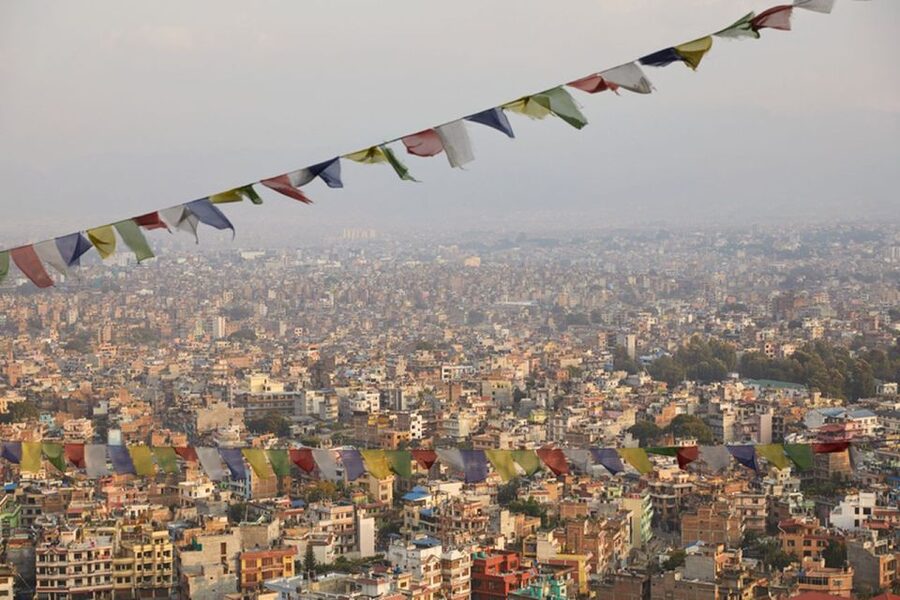
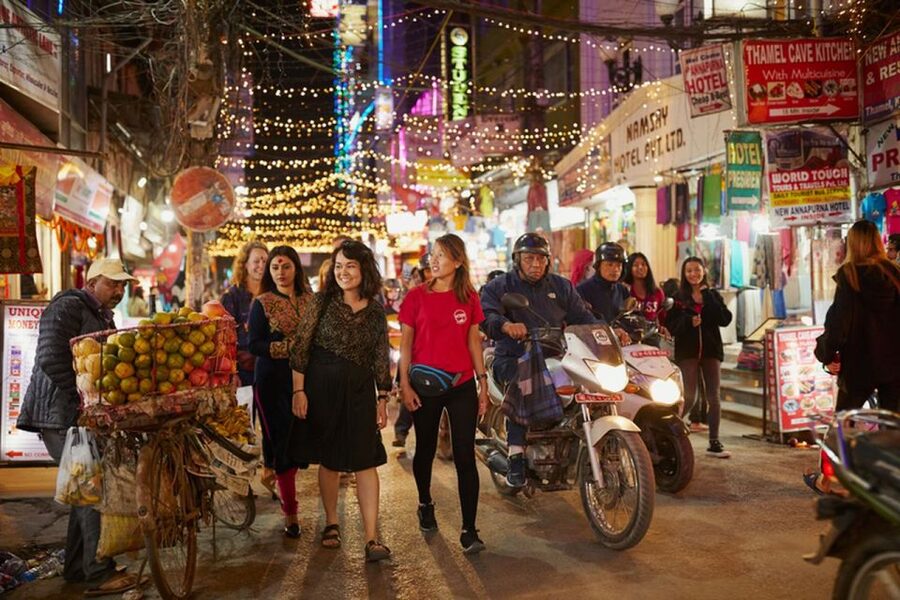
Kathmandu changes character as daylight fades. This tour puts you close to that change, rolling from Thamel’s narrow lanes to Asan’s spice stalls and finally into the temple squares of Kathmandu Durbar Square. You get the city at street level, with the sound of bells, chai cups, market talk, and rickshaw wheels all around you.
I like the rickshaw ride, since it gives your feet a break while taking you through lanes that feel far removed from Kathmandu’s main roads. I also like the stop at Asan Market, where vegetables, spices, shrines, and daily shopping meet in one lively knot of streets.
The main caution is timing. The planned experience lasts 2.5 to 3 hours, but one booking lasted only 1.5 hours and another about two hours. If you want a full visit to Durbar Square, confirm the start time and expected length before setting other plans.
Key points to know before booking
- The route begins in Thamel: Meet at Hotel Marshyangdi and start among the city’s best-known tourist streets.
- The rickshaw is part of the cultural experience: Modern cars and motorbikes have largely replaced these vehicles in Kathmandu, so hiring one supports local drivers.
- Asan is more than a market stop: Its vegetable and spice stalls sit near Annapurna Temple, giving you a close look at everyday Kathmandu.
- Sigal offers a quiet pause: Step into an alley for a Buddhist shrine away from the noise of the main streets.
- Durbar Square is the main payoff: Your entrance fee is included, and you have time to sit in a temple square and watch local life.
- The guide makes the difference: English-speaking guides explain the temples and market, with small groups of up to 12 and private options available.
Starting in Thamel as the sun drops
Your meeting point is Hotel Marshyangdi on Chaksibari Marg in Thamel. This is a practical place to begin, since Thamel is Kathmandu’s main tourist district and a natural base for many visitors staying in the city.
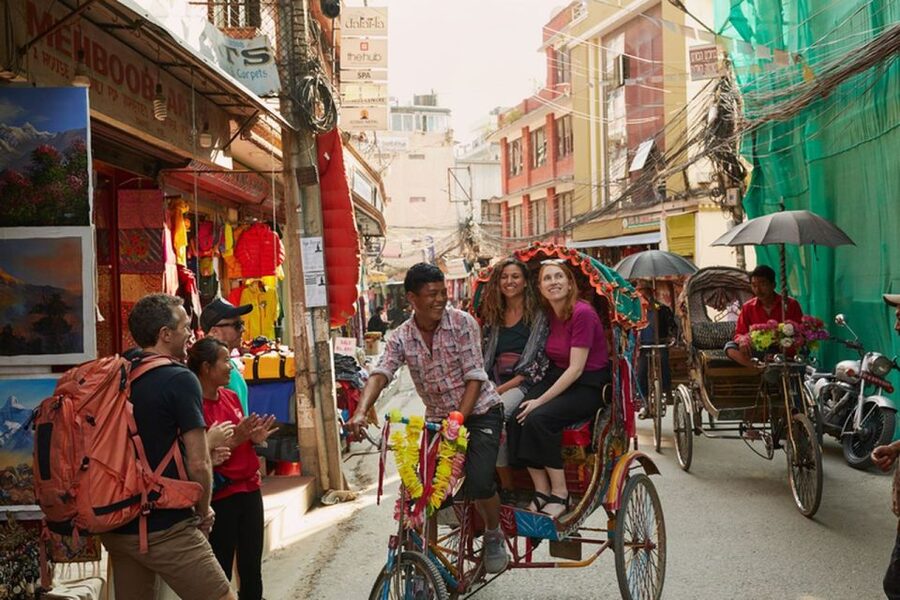
The opening ride takes you through Thamel’s backstreets rather than keeping to the broadest roads. That matters. The central streets can feel busy and commercial, but a rickshaw lets you see the smaller lanes, tucked-away courtyards, shops, shrines, and passing street life at a slower pace.
You will not be sealed away in a bus or car. The point is to watch the city at close range. You may find yourself noticing small details that are easy to miss on foot, such as a shrine at the edge of a lane, a shopkeeper finishing the day, or a family pausing for tea.
The rickshaw segment is planned for about an hour, though the total time can vary. One useful detail comes from the available booking feedback: one guest had a ride lasting two hours overall, while another reported only 1.5 hours. That difference is large enough to matter, especially if you have dinner plans or an evening flight connection.
More City Tours in Kathmandu
- Kathmandu: Private City Guided Tour
★ 4.9 · 174 reviews - Kathmandu Valley City Day Tour
★ 5.0 · 40 reviews - 4 UNESCO City Sightseeing in Kathmandu
★ 5.0 · 36 reviews
A quiet stop at the Sigal Buddhist shrine
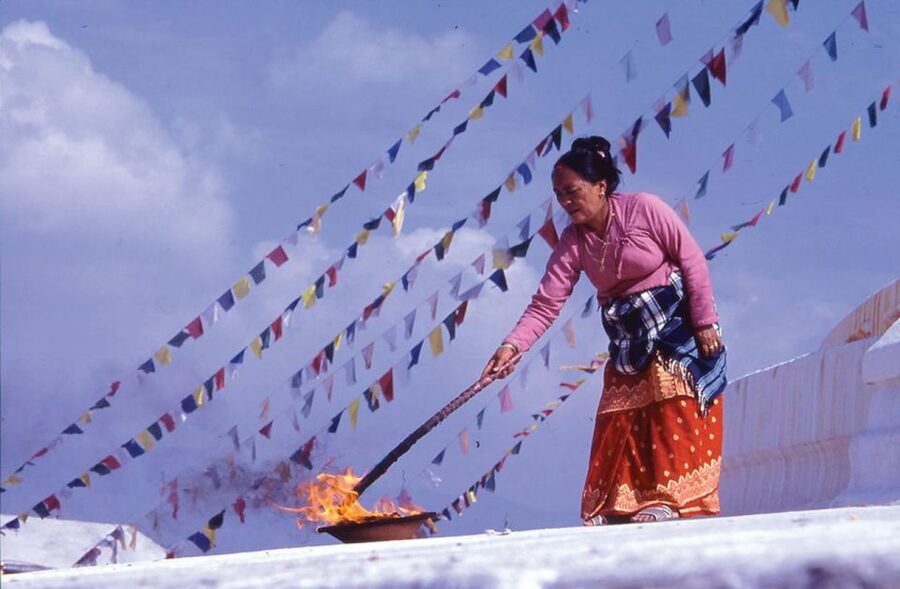
The first planned stop is Sigal, described as a peaceful Buddhist shrine just inside an alley. This is a welcome change from the movement of Thamel. You leave the rickshaw briefly and step into a smaller religious space where the mood is more still.
I like this stop because it shows how Kathmandu’s sacred places often sit beside ordinary urban life. You do not need a long drive to reach a temple or shrine. A narrow turn can take you from shops and traffic into a place of worship.
The information provided does not give the shrine’s full history or architectural details, so I would treat this as a short atmosphere stop rather than a major monument visit. The English-speaking Nepali guide is there to explain what you are seeing, and one of the strongest points in the available feedback was the guide’s ability to discuss temples and the market.
The guide is not named in the tour details. One past guest specifically praised a female guide for being kind and making the tour interesting. That tells you something useful about the style of the experience, but you should not expect to request that particular guide by name unless the operator confirms she is available.
Asan Market and the scents of Kathmandu
From Thamel, the route continues toward Asan. This is one of the most useful parts of the experience for anyone who wants to see Kathmandu as a working city, not only as a collection of monuments.
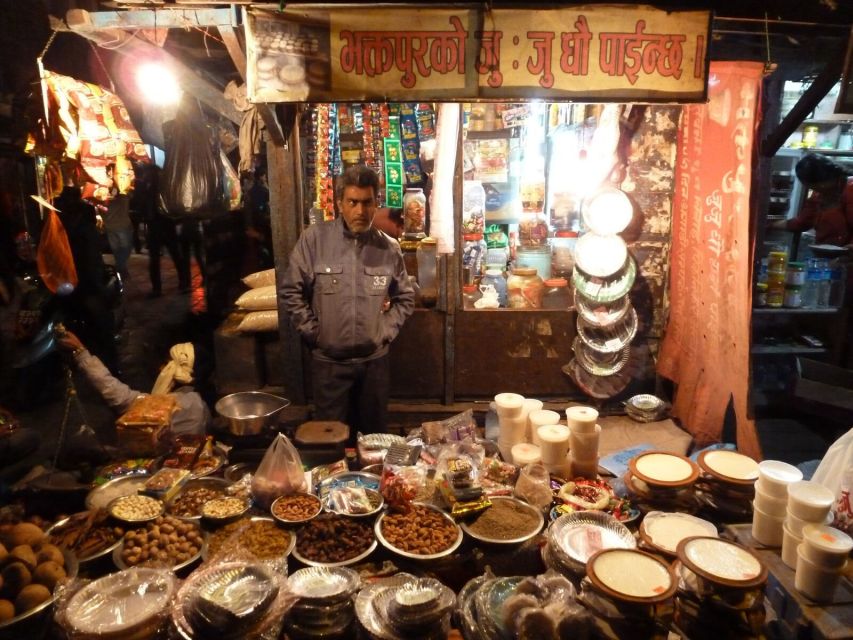
Asan is known for its vegetable and spice market, with Annapurna Temple overlooking the area. The setting brings together shopping, worship, food, color, and movement. You might see people buying ingredients, carrying goods, stopping at a shrine, or making their way through the market on an ordinary evening.
I would allow yourself time to look rather than rushing from one stall to the next. Spices are often the first thing you notice, but the real appeal is the mixture of uses packed into the same space. A market can be a place to shop, pray, meet, work, and pass through, all at once.
The scheduled stop here is about an hour, which gives the guide time to explain what you are seeing. Food and drinks are not included, so do not book this expecting a tasting tour or a hosted meal. You can enjoy the smells and activity of the market, but any snacks or drinks you buy are your own expense.
Asan can also be the least relaxed part of the route. Markets are active places, and narrow lanes may feel crowded. If you prefer quiet streets and slow temple visits, this stop may test your patience. If you like seeing how a city functions, it is one of the strongest sections of the tour.
Watching Kathmandu settle into evening at Durbar Square
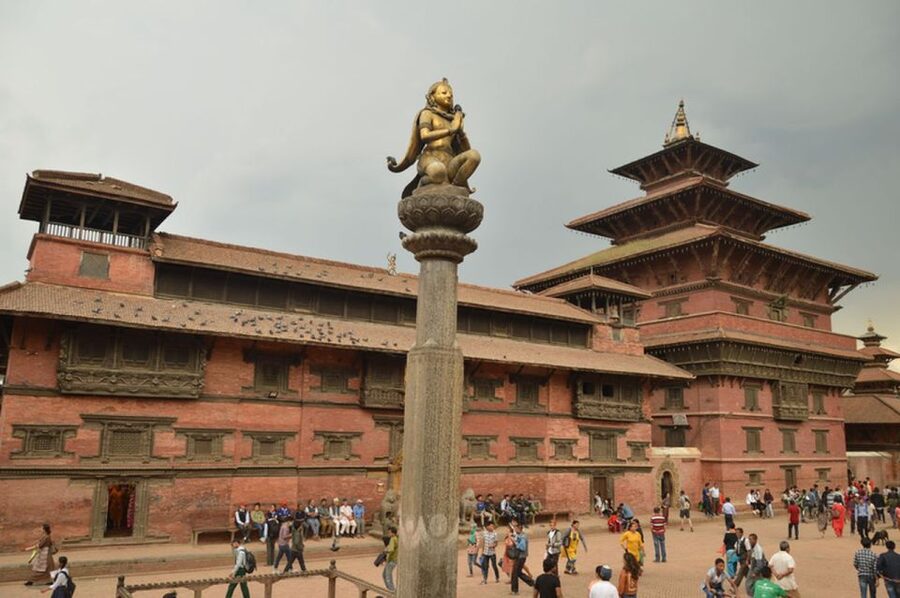
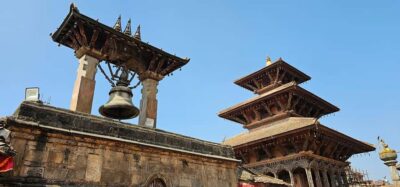
The final major stop is Kathmandu Durbar Square, with about 1.5 hours planned there. The entrance fee is included, which makes the price easier to judge and avoids the hassle of arranging payment at the monument.
This is where the ride gives way to lingering. Instead of simply passing the temples, you can sit in one of the squares and watch the city go about its evening routines. The tour description points to hot chai, people at prayer, pigeons, and local chores. Those small scenes are central to the experience.
I like this approach. A historic square is not only a place to identify buildings and take photographs. It is also a public gathering place. Sitting down helps you notice the difference between a monument seen quickly and a place understood through its daily use.
The square is part of Kathmandu’s UNESCO World Heritage heritage area, and the entrance fee supports preservation of the cultural site. That gives the admission charge a practical purpose beyond access to the monument itself.
The exact temples, palaces, and shrines visited are not listed in detail, so I would not book this expecting a fixed architectural lecture covering every major building. Instead, expect a guide-led introduction to the square, with time to observe and ask questions.
The longer scheduled stop also makes the tour more than a simple rickshaw circuit. If your experience follows the full plan, Durbar Square gives you the chance to slow down after the market and take in Kathmandu’s evening rhythm.
More Evening Tours in Kathmandu
- Kathmandu Sunset Tour by Rickshaw Including Durbar Square Visit
★ 5.0 · 73 reviews - Kathmandu: Pashupatinath Temple Evening Aarati Tour
★ 5.0 · 36 reviews - Kathmandu: Pashupatinath Temple Aarti Night Tour
★ 4.8 · 29 reviews - Pashupatinath Evening Aarati: Few Divinely Hours in Kathmandu
★ 4.5 · 23 reviews
What the rickshaw adds to the experience
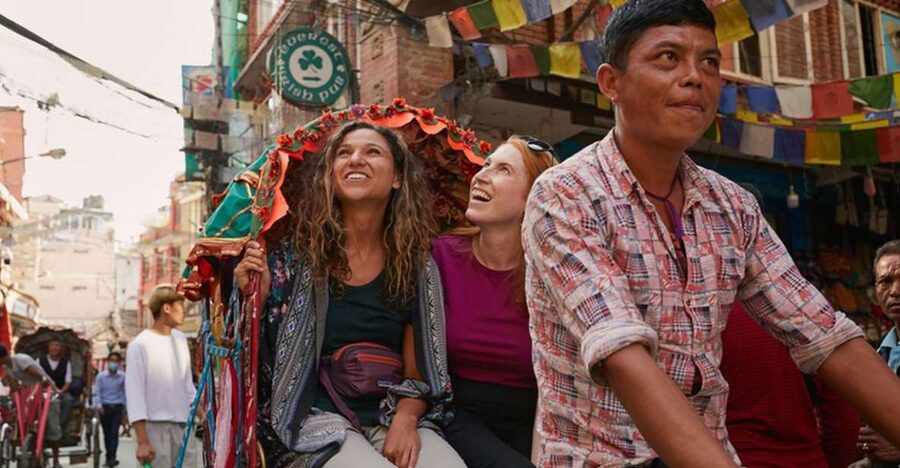
Rickshaws are not the main way to move around Kathmandu today. Modern motorbikes and cars have largely taken their place. That makes this ride more than basic transport.
The vehicles are hired directly from local drivers, giving them business and financial support. This is a useful detail if you care about where your tour money goes. The experience is designed to keep a traditional form of urban transport in use, at least for cultural tours such as this one.
A rickshaw also changes what you see. Walking gives you the best control over where you stop, but a ride allows you to cover more ground without spending the entire evening on your feet. You can look to both sides as the city moves past, then step off when a shrine, market, or square deserves more time.
There are tradeoffs. You have less control over the pace than you would on a self-guided walk, and the route depends on the driver and guide. The ride is also the part most affected by traffic and local conditions. For that reason, I would think of the rickshaw as the connecting thread between the stops, not the whole point of the tour.
Guide quality and group size
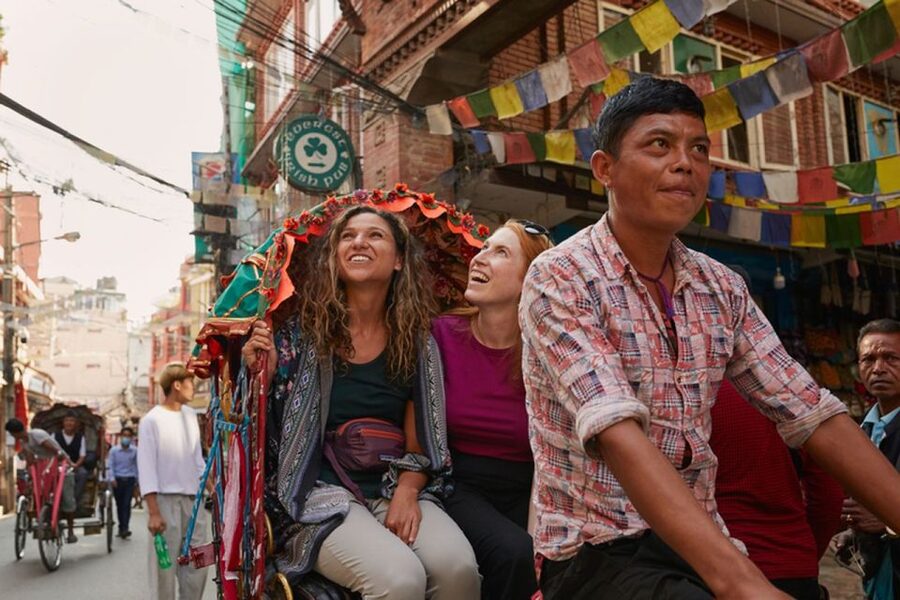
The tour includes an English-speaking Nepali guide. That matters most at the religious sites, where a short explanation can help you understand what you are seeing and how to behave respectfully.
One available account praised the guide for explaining temples and the market, while another described a female guide as kind and interesting. The available rating is five stars from five reviews, though the individual comments also show that the length can fall short of the advertised schedule.
The group size is limited to 12 people, which is a reasonable compromise between personal attention and price. You should be able to hear the guide more easily than on a large coach excursion, and the group can manage narrow lanes better.
A private group is also available. I would consider that option if you are traveling with family or friends and want more control over where you pause. It may also suit people who prefer to ask many questions about temples, markets, or local customs.
Is $49 a fair price?
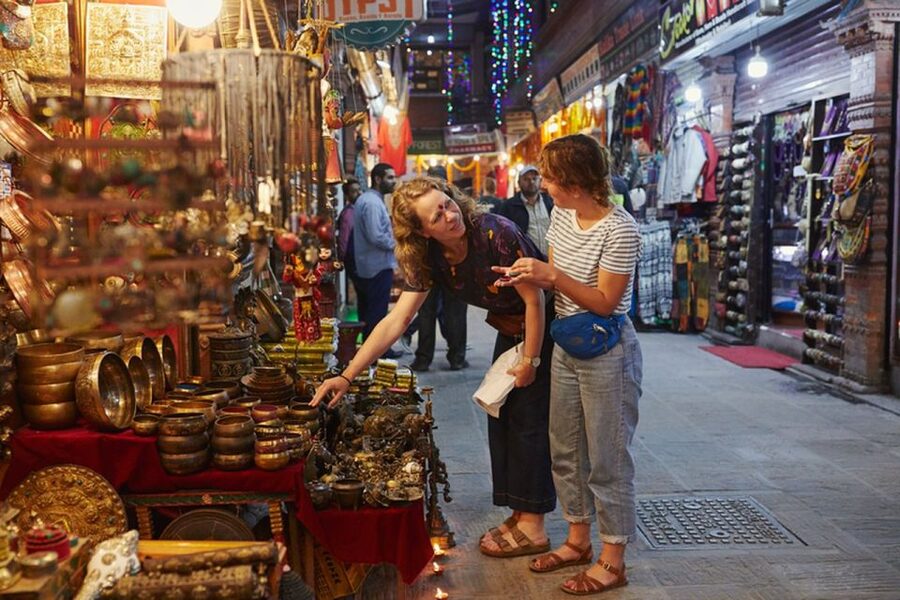
At $49 per person, the cost is not simply paying for a vehicle. It covers the rickshaw hire, an English-speaking Nepali guide, and entrance to Kathmandu Durbar Square.
The value depends on how closely the actual tour follows the planned 2.5 to 3-hour schedule. If you receive the full route, the price is reasonable for an evening experience that combines transport, guiding, a shrine visit, a major heritage site, and a market stop.
The included entrance fee helps. So does the small group size, particularly if the guide gives clear explanations rather than simply escorting you from place to place.
The price is less appealing if the tour ends after only 1.5 hours. That is the key issue to address before booking. Ask for the expected start and finish time, and make sure you understand whether the stated duration includes all stops or only the ride and walking portions.
You should also budget separately for food and drinks. Nothing is included for refreshments, so bring money if you want chai or a market snack.
Who will enjoy this evening ride?
I would recommend this tour to a first-time visitor who wants a quick introduction to Kathmandu’s old center without arranging several separate visits. It works particularly well early in your stay, when you are still learning how the city’s streets, shrines, and market districts fit together.
It also suits anyone who enjoys watching ordinary city life. The best moments are not limited to formal sights. They come from the change in light, the market activity, people stopping to pray, and the chance to sit in a temple square as evening arrives.
The tour may be less suitable if you want a long, detailed historical walk or a carefully timed photographic outing. The route is designed around atmosphere and local movement, and the reported variation in duration means you should leave some flexibility in your evening.
Families should check the age information carefully. The supplied details say children aged 6 to 11 are included in the child category and also state that children below 6 are permitted. Since those points do not fully explain the age policy, confirm the rules before booking with young children.
The experience is carbon neutral and operated by a B Corp certified company. It also directs entrance fees toward cultural heritage preservation and hires rickshaw drivers directly, so the tour has a clear local-support element.
Small practical tips for a smoother evening
Meet at Hotel Marshyangdi on Chaksibari Marg rather than assuming the guide will collect you from another hotel. The tour starts and ends there.
Wear shoes suited to walking through market lanes and temple areas. The ride is only one part of the experience, and the route includes visits to Thamel, Asan, Sigal, and Durbar Square.
Keep your evening open. The stated duration is 2.5 to 3 hours, but past bookings finished sooner. I would avoid scheduling a fixed dinner reservation immediately afterward.
Bring some local money for drinks or food, since those costs are not included. You may not buy anything, but Asan is the sort of place where a cup of chai can fit naturally into the evening.
You can cancel up to 24 hours before the tour for a full refund, and the reserve-now, pay-later option keeps your plans flexible. Starting times vary, so check availability when booking.
Should you book the Kathmandu sunset rickshaw tour?
Book it if you want an easy, guided introduction to Kathmandu’s evening streets, with a mix of transport, markets, shrines, and heritage architecture. The strongest reasons are the rickshaw ride through backstreets, the Asan Market stop, the included Durbar Square admission, and the guide’s role in explaining what you see.
I would be more cautious if your main goal is a full three-hour tour with exact timing. The shorter experiences reported in the available feedback are the main weakness. Confirm the duration before you pay, then book with realistic expectations.
For most first-time visitors, $49 is fair if the full route is delivered. You will see more than you would on a short monument visit, and you will get a practical first look at how Kathmandu’s sacred places and daily markets share the same streets.
FAQ
Where does the tour start and finish?
The tour starts and ends at Hotel Marshyangdi on Chaksibari Marg in Thamel, Kathmandu.
How long does the experience last?
The stated duration is 2.5 to 3 hours. Available booking feedback records one tour lasting about two hours and another lasting 1.5 hours, so confirm the expected timing before booking.
What language is the tour conducted in?
The live tour guide speaks English.
Is Kathmandu Durbar Square admission included?
Yes. The entrance fee to Kathmandu Durbar Square is included in the tour price.
Are food and drinks included?
No. Food and drinks are not included, so you pay separately for anything you buy during the tour.
Can I book a private group?
Yes. A private group option is available, in addition to the small group format of up to 12 people.
Just added around Kathmandu
- Traditional Momo Making Class★ 5.0 · 10 reviews
- Women Empowerment Project(Nepali cooking class & jewelry workshop★ 5.0 · 15 reviews
- Manthali Airport (Ramechhap) To Kathmandu – Transport Service★ 4.5 · 11 reviews
- Amazing 1 Day Trekking Experience in Kathmandu Nepal★ 5.0 · 24 reviews
- Walking tour of Kathmandu with awesome local guides★ 5.0 · 4 reviews
- Walking tour of real Kathmandu through back streets.★ 5.0 · 3 reviews
- Private Manaslu Circuit Trek at Himalayas★ 5.0 · 3 reviews
- Walking Street Food Tour in Kathmandu★ 5.0 · 111 reviews
City Tours, compared.
Sarangkot Sunrise with Half or Full-Day City Tour
Read our review →
Full Day Kathmandu City Sightseeing Tour of UNESCO Heritage Sites
Read our review →
Browse the lists this tour appears in