
Reviewed · ANNAPURNA BASE CAMP TREKS
Pokhara: 5-Day Annapurna Base Camp Trek with Hot Spring
Reaching Annapurna Base Camp at 4,130 meters in only five days is the main attraction here. You move from Pokhara’s green hills through forests and mountain villages to a high basin ringed by peaks and glaciers, then finish with a soak at Jhinu Dada’s hot springs.
I like the private group format, which gives you a guide focused on your party, and I like that permits, paperwork, trekking gear, transport, and staff costs are folded into the package. The trade-off is a demanding schedule, especially the long descent on Day 4. If snow, ice, or long hiking days worry you, seven days would be a wiser choice.
Key points to know before booking
- 4,130-meter finish: You sleep at Annapurna Base Camp after the hardest high-altitude day.
- Jhinu Dada hot springs: The final day gives tired legs a pleasant reward before returning to Pokhara.
- Five days means a fast pace: The route includes up to eight hours of trekking in one day.
- Private guiding: English, Hindi, and Nepali-speaking guides are available, with Kaji and Jeet specifically praised for attentive support.
- Meals depend on the package: The all-inclusive option covers breakfast, lunch, and dinner, while the standard option lets you buy meals along the way.
- Porters cost extra: Your package includes a duffle bag and other gear, but porter service is not included.
The real appeal: a high Himalayan goal in five days
This trek gives you a clear target and a strong sense of progress. You start near Pokhara, where the Seti River, rice fields, and green foothills set a gentle scene, then climb through forest and village country toward the stark mountain bowl of Annapurna Base Camp.
The route is not just about getting a photograph at a famous sign. You pass through changing plant life, rhododendron forest, local settlements, and increasingly open mountain country. That change is what makes the trek satisfying. Each day feels different.
Still, the five-day plan is compact. You spend much of the trip walking, with little spare time for slow mornings or extra stops. One review described the trek as amazing, scary, and tiring, and that is a fair warning. The mountains reward effort, but they do not adjust their timetable for your sore knees.
More Spa & Hot Spring Days in the Annapurna Region
- From Pokhara: 5-Day Annapurna Basecamp Trek with Hot Springs
★ 4.9 · 26 reviews - Pokhara: 7-Day Annapurna Base Camp Trek & Natural Hot Spring
★ 5.0 · 11 reviews - Pkr/Kathmandu: 5-Day Annapurna Base Camp & Hot spring Trek
★ 5.0 · 6 reviews
Day 1: Pokhara to Sinuwa through the Seti River country
Your pickup begins at your Lakeside Pokhara hotel. The drive goes first to Samrung, followed by roughly four hours of hiking to Sinuwa. The listed travel time is about three hours by Jeep and four hours on foot.
The road section gives you a useful introduction to western Nepal. You pass views of the Seti River, mountain slopes, and green paddy fields. This is not dead time before the trek begins. It shows you the settled, working side of the region, where farming and mountain travel are part of daily life.
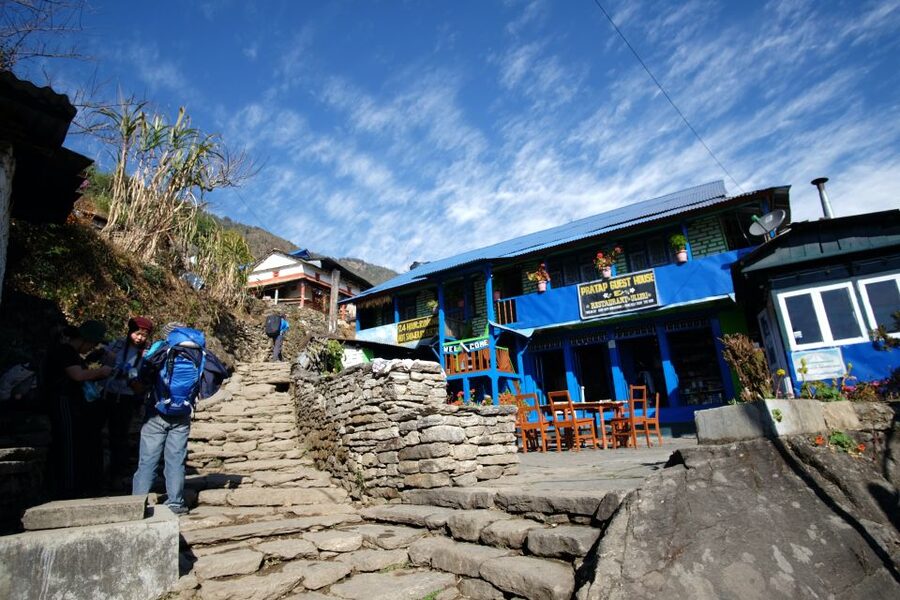
From Samrung, the trail leads into greener country and toward Sinuwa at about 2,200 meters. The walking time is moderate compared with later days, but you should still treat it as a proper trekking day. You are gaining height, and the early start means you will want comfortable shoes, water, and a light daypack ready before pickup.
You spend the night in Sinuwa in private accommodation. The package includes lodging during the trek, but personal costs such as showers, bottled or boiled water, battery charging, laundry, and bar bills are extra. Bring cash for these items.
Day 2: Sinuwa to Deurali through rhododendron forest
Day 2 is a seven-hour trek to Deurali at about 3,200 meters. This is when the trip begins to feel like a serious mountain route rather than a scenic walk from Pokhara.
The trail passes through forests and rhododendron country. When the flowers are in season, they add color to the route, but the forest itself is the main pleasure. It gives shade, quiet, and a close view of how the terrain changes as you climb.
You should keep your pace steady here. The goal is not to prove how fast you can walk, but to arrive with enough energy for the next morning. Your guide can help with the rhythm of the day and rest stops. Jeet was praised for being funny, respectful, attentive, and careful about proper rest, while Kaji was credited with helping throughout difficult snow and avalanche conditions. Those details matter more than a polished speech when you are tired.
Deurali is a practical overnight point. The elevation is high enough that you should pay attention to how you feel, but the itinerary gives you only one night before the push to base camp. Tell your guide promptly if you feel unwell. Do not treat altitude symptoms as a challenge to defeat.
Day 3: Deurali to Annapurna Base Camp at 4,130 meters
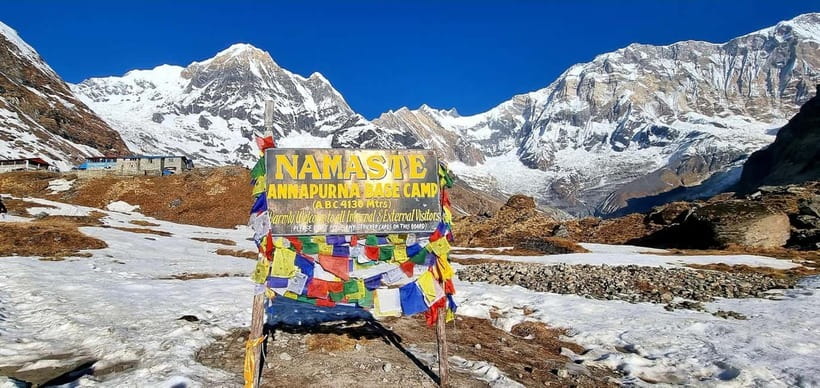
Day 3 is the emotional center of the trek. You walk about five hours from Deurali to Annapurna Base Camp, climbing into the high mountain basin.
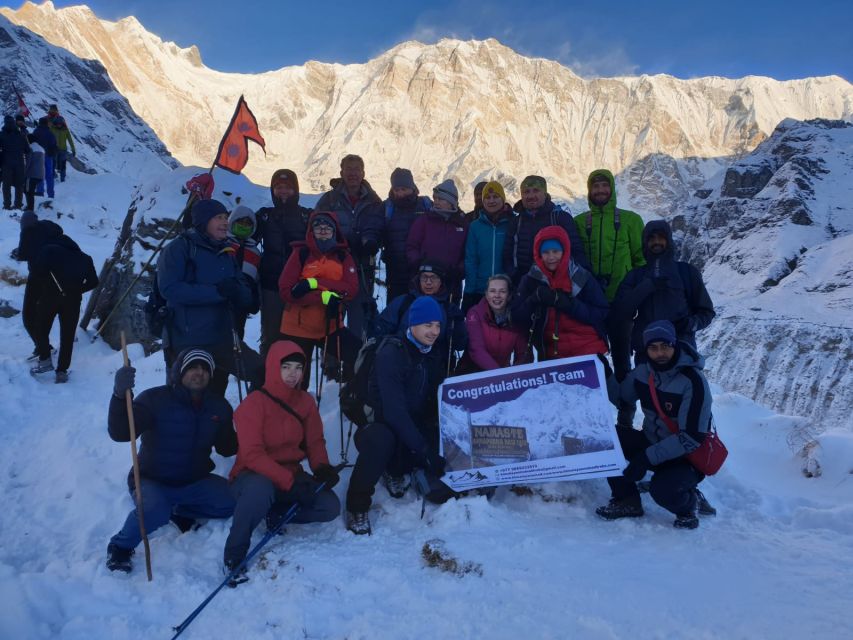
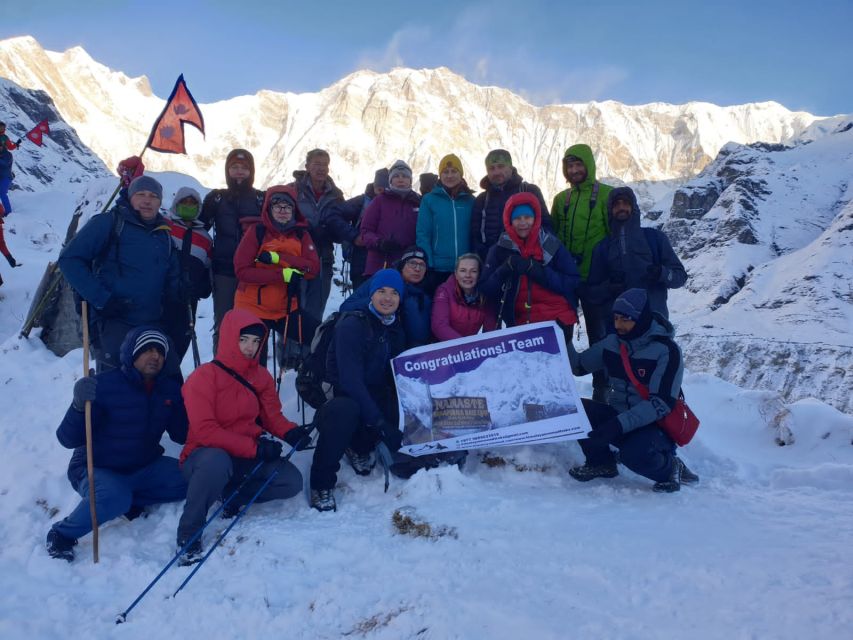
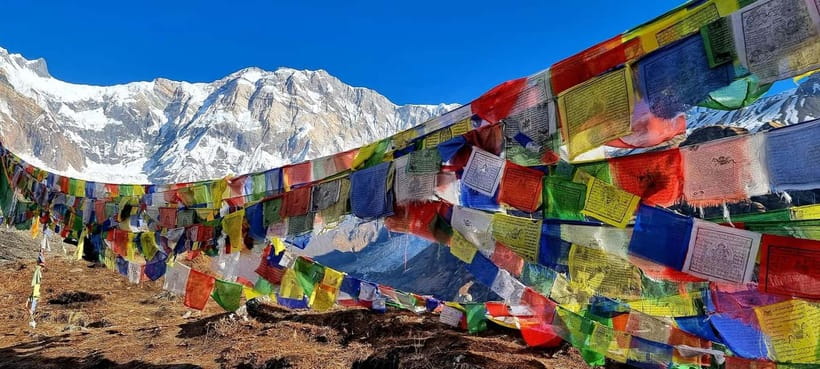
The scenery becomes more open and dramatic as you leave much of the forest behind. The route leads toward towering peaks and glaciers, ending in the natural amphitheater around Annapurna Base Camp. This is the place where the trek’s gradual effort pays off: you can look back at the green valleys and understand how far you have climbed.
At 4,130 meters, the base camp is not a casual sightseeing stop. You sleep there, so cold conditions and thin air are part of the deal. Pack warm layers, a hat, gloves, and dry socks where you can reach them quickly. The supplied gear includes a sleeping bag, trekking poles, and a duffle bag, but you should confirm exactly what is provided before departure and bring personal clothing suited to the conditions.
The itinerary allows time to see the mountain setting and spend the night, but not a long extra stay. If your priority is photography, quiet time, or a slower adjustment to altitude, a longer trek would give you more breathing room. The five-day version is aimed at reaching the goal efficiently.
More Annapurna Base Camp treks:
- Annapurna base camp trek 5 Days
★ 5.0 · 252 reviews - Annapurna Base Camp Trek
★ 5.0 · 111 reviews - Kathmandu to Annapurna Base Camp (ABC) 5-Day Trek
★ 5.0 · 102 reviews - Annapurna Base Camp Trek 12 Days
★ 5.0 · 85 reviews
Sunrise at base camp and the long return to Lower Sinuwa
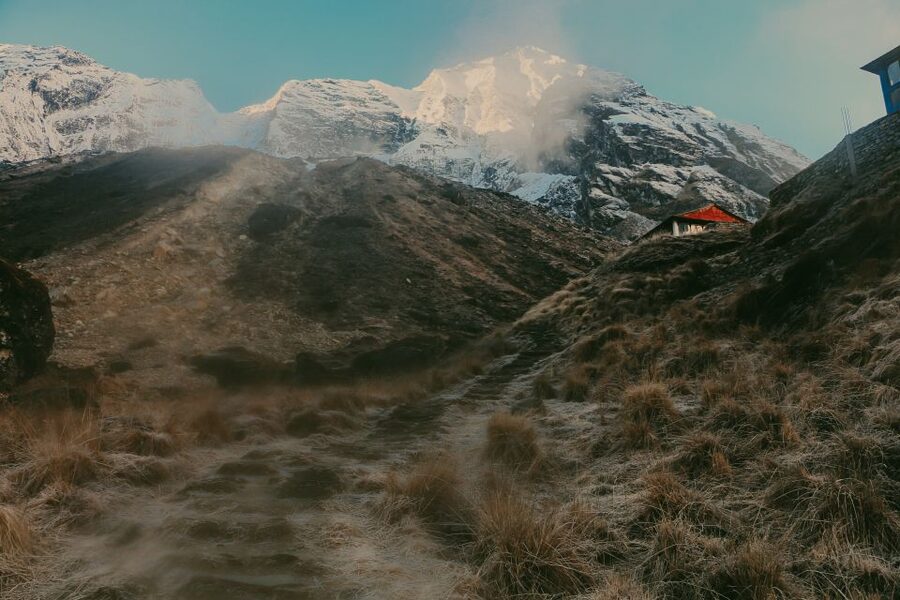
Day 4 starts with the chance to see sunrise over the surrounding peaks before you descend. The route returns to Lower Sinuwa, at about 2,200 meters, in roughly eight hours.
This is the longest trekking day listed, and the downhill section can be harder than expected. Descending over uneven ground tests knees and feet, especially after the high-altitude night. Trekking poles are useful here, and they are included in the supplied equipment.
You retrace much of the route through forests and mountain scenery. That may sound repetitive, but the same trail looks different on the way down. You notice the drop in elevation, warmer air, and thicker vegetation. The descent also gives you a chance to think about the scale of the journey without the pressure of climbing toward a fixed target.
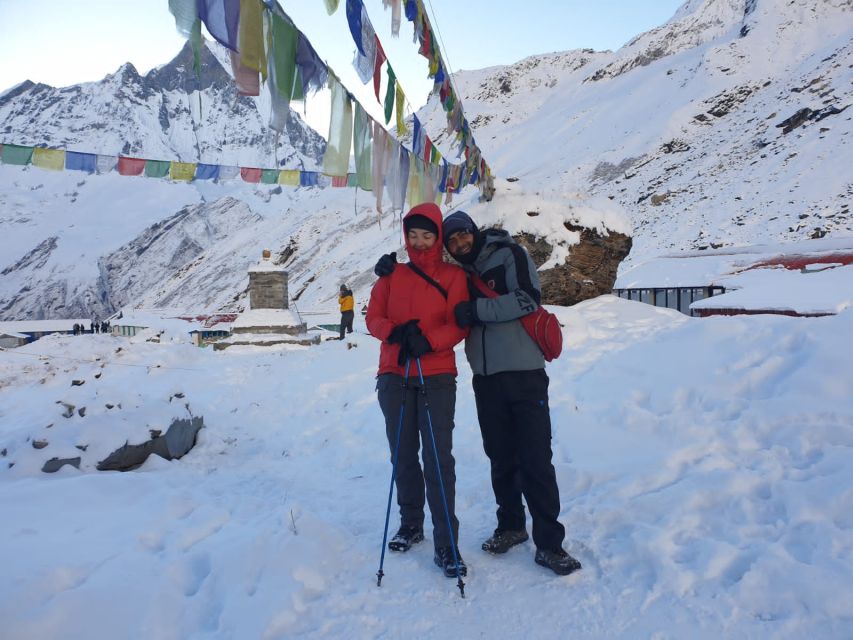
Weather can change the difficulty sharply. A February departure involved snow, ice, and crossing four avalanches on the way down. That is a serious seasonal warning, not a minor footnote. Conditions on mountain trails can affect safety, walking time, and whether the intended route is practical. If you are not comfortable with snow or ice, consider going during a better season or choosing a longer plan.
You spend the night in Lower Sinuwa. That overnight stop is important because it breaks up the return rather than forcing you to go all the way back to Pokhara after the base camp descent.
Day 5: Jhinu Dada hot springs and the ride to Pokhara
The final day combines four hours of trekking with about three hours by Jeep. You descend from Lower Sinuwa to Jhinu Dada, where the natural hot springs provide the trip’s most welcome pause.
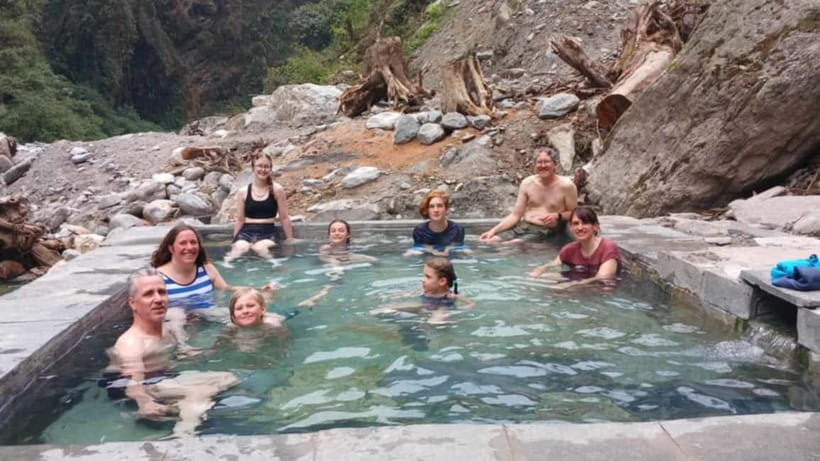
The hot spring stop is more than a decorative extra. After several long walking days, a warm soak gives you a chance to rest before the final transfer. Pack swimwear and a small towel if you plan to use the springs, and keep anything you do not want wet in a protected bag.
After Jhinu Dada, the Jeep takes you back toward Lakeside Pokhara. The journey closes the loop neatly, moving you from high mountain trails back to the city’s hotels, restaurants, and lakeside streets.
The return time can vary with trail and road conditions, so do not schedule an important flight too tightly around the stated arrival. The tour notes also warn that you may need an extra Pokhara hotel night if you arrive early, leave late, or return from the mountain outside the planned schedule.
What the $150 price really covers
At $150 per person, this is an appealing price for a private five-day trek, but you need to read the inclusions carefully. The package covers hotel pickup and drop-off, a licensed English-speaking guide, trekking permits, required paperwork, the Trekkers’ Information Management System fee, government taxes, private accommodation during the trek, and transport according to the group size.
It also includes trekking poles, a sleeping bag, and a duffle bag. Staff expenses such as meals, lodging, salaries, equipment, insurance, and transport are covered by the operator.
The key price question is meals. The standard option lets you purchase food along the route. The all-inclusive full package includes breakfast, lunch, and dinner during the trek. Before paying, confirm which option you are selecting, because the low headline price may not include meals.
Porters are not included. You can arrange one for an added fee, which may be a sensible choice if you want to carry only a light daypack. Personal expenses remain yours, including drinks, water, showers, charging, laundry, phone calls, and extra porter service.
Travel and rescue insurance is also excluded. For a trek reaching 4,130 meters, I would treat rescue insurance as essential rather than optional. International flights and any Nepal visa costs are not part of this activity.
How the private guide changes the trip
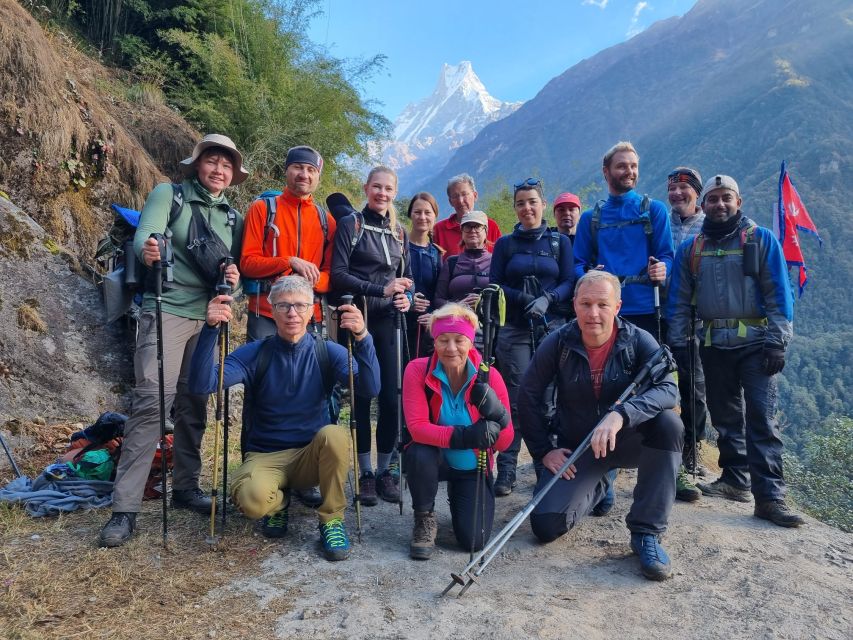
A private group means the guide works with your party rather than a large mixed group. That can make a real difference on a fast itinerary. You can discuss walking speed, rest, and how you are feeling without trying to keep up with strangers.
The available guiding languages are English, Hindi, and Nepali. Jeet received especially strong praise for humor, attention, respectful behavior, explanations, and making sure the group rested properly. Kaji was praised for helping during difficult snow and avalanche conditions.
You should still ask questions before setting out. Confirm what equipment is included, whether meals are covered in your selected package, and how porter arrangements work. A good guide improves the trip, but no guide can remove the physical demands or guarantee clear weather.
Who should choose this five-day version?
I would recommend it to fit hikers who have limited time in Nepal and want the classic base camp goal with transport from Pokhara and permits handled. It also suits people who value a private guide and want the hot springs included rather than added as a separate plan.
You should think twice if you prefer slow walking, long photography stops, or extra time to adjust to altitude. The eight-hour return day and the rapid climb to base camp make this a compact program.
A seven-day plan would be better for hikers who are uneasy with long days, snow, or ice. That is especially true outside the more settled trekking season. The five-day route can work, but it asks you to accept a tight schedule and less flexibility.
What to pack for the route
The supplied list is sensible. Bring your passport or ID, hiking shoes, a daypack, warm layers, a jacket, comfortable clothing, spare clothes, socks, a hat, sunglasses, sunscreen, and cash.
You should also bring a camera, though protect it from cold and wet conditions. A sleeping bag is listed among the supplied trekking items, but it appears on the personal packing list too, so confirm whether you need to bring your own or simply use the operator’s.
Pack light but keep essentials accessible. Your daypack should hold water, sunscreen, a jacket, snacks if you buy them, personal medication, and anything needed during the day. A duffle bag is supplied, but that does not mean every personal item will be carried for you, since porters cost extra.
Should you book this Annapurna Base Camp trek?
Book it if you want a private, tightly planned route from Pokhara to Annapurna Base Camp, with permits, transport, guide services, trekking gear, and a hot spring stop included. The price can be strong value, especially if you choose the meal package that fits your budget and do not need a porter.
Do not book it simply because five days sounds easy. It is an intense schedule, and winter conditions can make it much harder. Choose a longer version if you want more time, carry more luggage, dislike long descents, or are unsure about snow and ice.
For a strong hiker with limited time, this is a practical way to reach one of Nepal’s best-known mountain destinations. Go prepared, buy rescue insurance, carry cash, and confirm the meal and porter details before departure.
FAQ
How long is the Annapurna Base Camp trek?
The activity lasts five days, including the drive from Pokhara, the trek to Annapurna Base Camp, the return walk, the hot spring stop, and the Jeep ride back to Lakeside Pokhara.
How high is Annapurna Base Camp?
Annapurna Base Camp is listed at 4,130 meters.
Are meals included?
Meals are included only with the all-inclusive full package. The standard option allows you to purchase meals along the route.
Is a porter included?
No. A porter can be arranged for an additional charge.
What languages can the guide speak?
Guiding is available in English, Hindi, and Nepali.
Does the tour include trekking permits?
Yes. The package includes trekking permits, required paperwork, and the Trekkers’ Information Management System fees.
Can I cancel the booking?
You can cancel up to 24 hours in advance for a full refund. The activity also offers reserve now and pay later.
More 5-Day Experiences in Annapurna Region
- Kathmandu/Pokhara: 5-Day Annapurna Base Camp (ABC) Trek
★ 4.9 · 72 reviews - 5 Day Private Guided Trekking in Annapurna Base Camp
★ 5.0 · 25 reviews - Ghorepani Poonhill Trek 5 Days from Pokhara
★ 5.0 · 14 reviews - 5 Days Adventures Lower Mustang Trip by 4WD Jeep
★ 5.0 · 12 reviews
Just added around Annapurna Region
- 4 Day Mardi Himal Base Camp Trek from Pokhara★ 5.0 · 18 reviews
- 7-Day Trek to Annapurna Base Camp from Pokhara★ 5.0 · 12 reviews
- Private 4 Day Poon Hill Trek from Pokhara★ 5.0 · 16 reviews
- Annapurna Base Camp Trek from Pokhara and Kathmandu★ 5.0 · 7 reviews
- 6 days Annapurna Basecamp Trek★ 5.0 · 16 reviews
- “Exclusive Round-Trip Transfer: Pokhara to Jomsom & Muktinath”★ 5.0 · 11 reviews
- Poon Hill Ghandruk Circuit Trek from Pokhara 4 Days★ 5.0 · 10 reviews
- Pokhara: Poon Hill Ghorepani Short Trek★ 5.0 · 6 reviews
Annapurna Base Camp Treks, compared.
Kathmandu to Annapurna Base Camp (ABC) 5-Day Trek
Read our review →
Kathmandu/Pokhara: 5-Day Annapurna Base Camp (ABC) Trek
Read our review →
11-Day Hike Tour to Annapurna Base Camp Bliss in Kathmandu
Read our review →Browse the lists this tour appears in