
Reviewed · HIKING & TREKKING
3 Days Chisapani Nagarkot Trek
The best part of this private Chisapani to Nagarkot trek is how quickly it trades Kathmandu’s traffic for pine forest, bird calls, hill villages, and Himalayan views. In three days, you get a proper walk, a night in Chisapani, a night in Nagarkot, and a cultural finish at Changunarayan and Bhaktapur.
I like the practical setup: meals, lodging, transport, guide, porter, and the national park permit are bundled into the price. I also like the small-group format, which lets you set a sensible pace. The main drawback is the walking itself. Day two lasts about six to seven hours, and day one includes a long uphill climb, so this is not a sightseeing trip with a little stroll attached.
Key points to know before booking
- Chisapani begins with a forest climb: The route from Sundarijal passes through pine and oak woodland in Shivapuri National Park.
- Day two is the hardest day: You walk roughly six to seven hours from Chisapani to Nagarkot, with hills, roads, villages, and terraced fields.
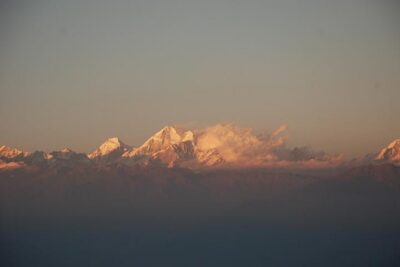
- Nagarkot supplies the big views: Sunrise and sunset can reveal a long Himalayan range, from Annapurna and Dhaulagiri toward Everest and Kanchenjunga.
- A porter carries shared luggage: One porter is provided for every two trekkers, making the long walking days easier.
- The final day mixes nature and culture: The walk to Changunarayan is followed by Bhaktapur Durbar Square before the return to Kathmandu.
- The $320 price covers a lot: Private transport, food during the trek, accommodation, guide service, porter support, and permits are included, but sightseeing entrance fees are extra.
Leaving Kathmandu for Sundarijal and Chisapani
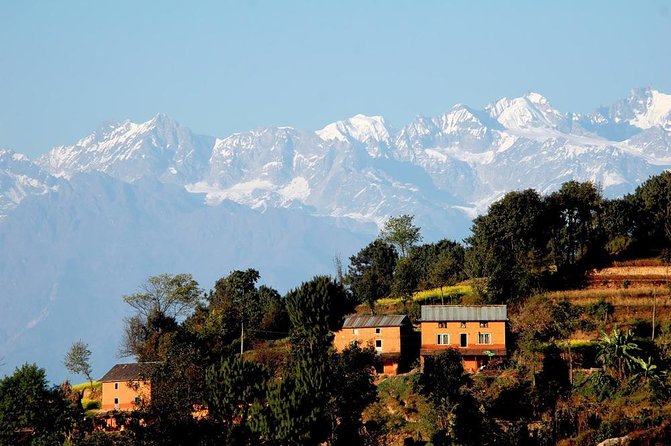
Your pickup begins at about 7:45 a.m., after breakfast at your Kathmandu hotel. The drive to Sundarijal takes roughly one to two hours, depending on road conditions and traffic. Sundarijal is the trailhead, so the day changes character quickly once you leave the vehicle.
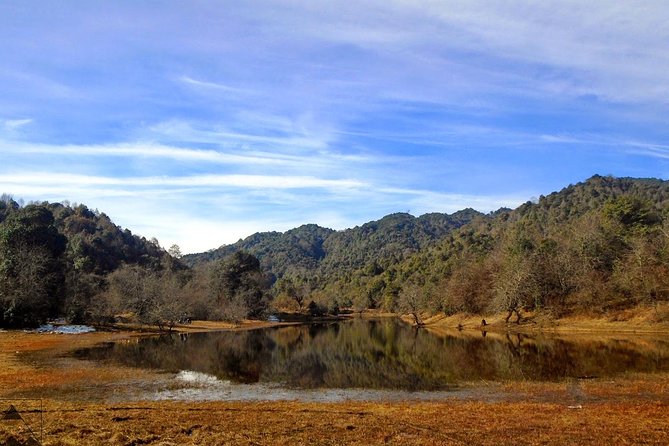
The path rises through Shivapuri National Park, with pine and oak forest along the route. This is a good section for bird watching, and you might spot other wildlife, though the appeal is mainly the fresh air and the quiet after Kathmandu. The walk is described as four to five hours in one place and five to six hours elsewhere, so I would plan for the longer estimate.
The first day is not technically described as difficult, but it is uphill for much of the way. If you are used to city walking but not to sustained climbs, your legs will notice it. Take the morning slowly, drink regularly, and let your guide set a steady pace rather than trying to rush the first section.
Lunch and dinner are included on day one, and you sleep at a lodge in Chisapani. That matters because you do not need to organize food after arriving tired. It also keeps the trip simple: walk, eat, rest, and prepare for the next morning.
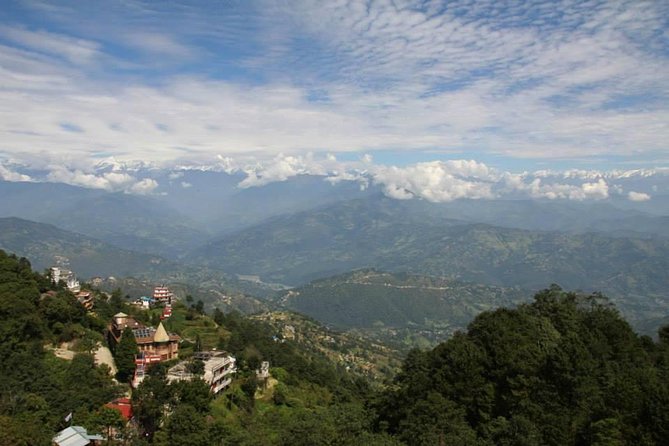
Chisapani sits at about 2,115 meters. The village is known for its Himalayan outlook and its connection with Sherpa culture. Views depend on clouds and season, but the setting gives you your first real mountain reward after the forest climb.
More Nagarkot sunrise trips:
- Nagarkot Sunrise View and Day Hiking from Kathmandu
★ 5.0 · 471 reviews - Private Bhaktapur and Nagarkot Day Tour From Kathmandu
★ 5.0 · 305 reviews - Kathmandu: Nagarkot Sunrise View & Morning Hike with Lunch
★ 4.9 · 188 reviews
What the Chisapani night is really like
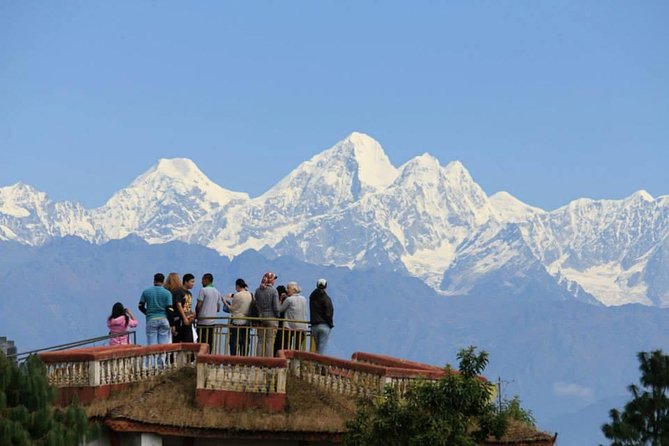
Chisapani is a stopping point rather than a resort town. The appeal is the hill setting, open views, and the sense that you have left Kathmandu behind. Accommodation is in a lodge, and the tour includes the guide’s accommodation and meals as well as your own.
Do not book this expecting high-end hotel facilities. The information provided confirms a lodge stay, but not the exact property or room standard. You should be comfortable with straightforward mountain accommodation and with the idea that the views and location matter more than luxury.
The private format helps here. If you need a short rest, want to photograph the hills, or prefer a slower walk into the village, your guide can work with your group rather than a large fixed schedule. Ganesh is one guide associated with this company who has been especially praised for encouraging a solo hiker to take her time. You can ask at booking if he is available, but the guide is not guaranteed by the tour description.
Chisapani to Nagarkot, the long middle day
After breakfast, you set out for Nagarkot. The route takes about six to seven hours, with the first two to three hours following an unsealed road through forest. The walking is not one continuous climb. You pass through woodland, descend toward Jhule and Chauki Bhanjyang, then continue through villages and terraced fields.
Chauki Bhanjyang is the planned lunch stop after roughly three hours. This gives the day a useful rhythm, with a clear break before the second half. Lunch is included, as are breakfast and dinner on day two, so you are not left searching for food along the route.
The village sections are one of the strongest parts of the trek. You see terraced farming, homes, local roads, and everyday life in the hills. This is less polished than a formal sightseeing stop, which is exactly why it feels worthwhile. You are walking through places where people live and work, not just moving between viewpoints.
From Kattike Bhanjyang, the path rises toward Nagarkot. The second half can feel tiring after the earlier descent and walking time, so keep some energy in reserve. A porter carries luggage at a rate of one porter for every two trekkers, but you still need a daypack with water, rain protection, warm layers, and personal items.
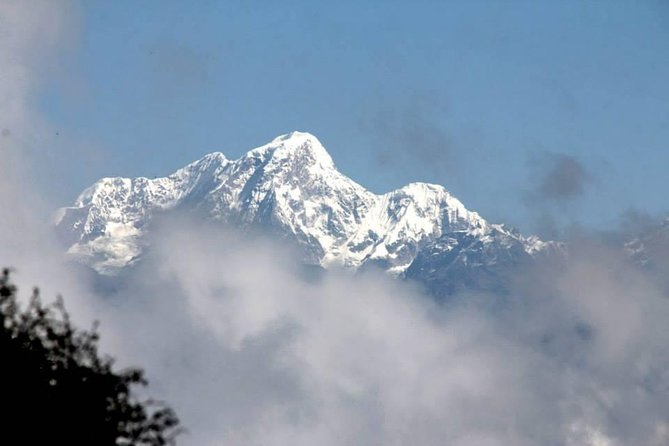
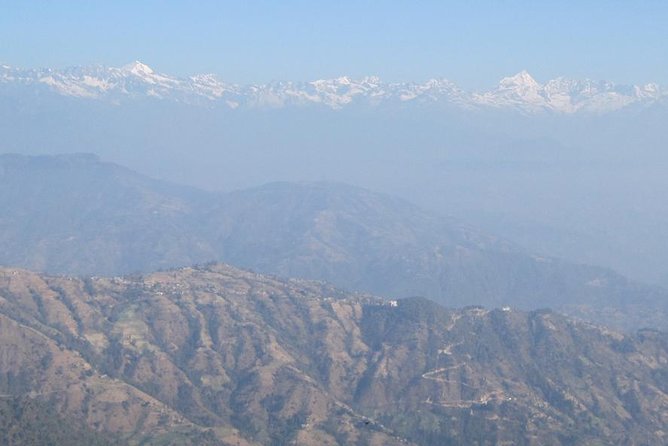
Nagarkot is at about 2,195 meters, slightly higher than Chisapani. It is known for broad views across Nepal’s Himalayan range. On a clear day, the route description identifies views stretching from Dhaulagiri and Annapurna in the west toward Everest and Kanchenjunga in the east. That is an ambitious viewing claim, and clouds can easily block much of it, but the high viewpoint gives you a strong chance of seeing wide mountain horizons.
Sunset is a major reason to spend the night in Nagarkot. Sunrise is another. You need clear weather for the full effect, so treat the views as a bonus rather than a guarantee. The hotel stay is included, along with dinner, and gives you a comfortable end to the longest walking day.
Sunrise, Changunarayan, and Bhaktapur
The third morning begins with a chance to watch sunrise from Nagarkot. Since the town sits on a hilltop, it offers a broad view through the Himalayan river valleys. Bring a warm layer for this early start, since the tour information does not specify heated rooms or any special sunrise transport.
After breakfast, you walk downhill toward Telkot, then climb a smaller hill to reach Changunarayan Temple. This section takes a couple of hours and is gentler in length than the previous day, though downhill walking can still be hard on knees and ankles.
Changunarayan is described as one of Nepal’s oldest and most artistic temples and is listed as a UNESCO World Heritage site. It gives the final walking day a cultural purpose instead of ending at a road or hotel. The transition from forest paths and village trails to a historic temple makes the route feel varied.
After visiting Changunarayan, a car takes you to Bhaktapur Durbar Square before returning you to Kathmandu. Bhaktapur is an important addition because it turns the trek into more than a mountain-view outing. You get time to see one of the Kathmandu Valley’s major historic squares on the way back.
Breakfast and lunch are included on day three. Entrance fees for sightseeing are not included, so budget separately for Bhaktapur and any applicable temple or monument charges. The itinerary says sightseeing takes place in Bhaktapur on the return journey, but it does not give a precise duration. If Bhaktapur matters greatly to you, ask how much time is planned before booking.
A few more Kathmandu days to weigh up
- Kathmandu Shivapuri National Park and Nagarkot Hiking – 3 Days
★ 5.0 · 21 reviews - Chisapani – Nagarkot Trek Nepal – 3 Days
★ 5.0 · 16 reviews - 3 Days Kalinchowk Trekking from Kathmandu
★ 5.0 · 13 reviews - Kathmandu: 2 Nights 3 Days Chisapani Nagarkot Trek
★ 5.0 · 13 reviews
What the $320 price covers
At $320 per person, this is not the cheapest way to walk near Kathmandu, but the price includes more than a basic guide-and-hotel package. You receive private transportation from Kathmandu to Sundarijal, transport from the ending point back to Kathmandu, accommodation during the trek, meals while hiking, an English-speaking trekking guide, porter support, and the national park permit.
The private arrangement is especially useful for couples, families, and solo hikers who do not want to match the pace of a large group. It also gives you one point of contact for transport, meals, and trail decisions. The food is cooked for you during the hike, which reduces the hassle of arranging meals in small settlements.
The main extra costs are easy to identify:
- Meals in Kathmandu
- Entrance fees for sightseeing
- Nepal travel insurance
- Nepal entry visa
- Alcohol, cold drinks, laundry, and tips
- Costs caused by unavoidable events such as road damage or flight delays
The porter arrangement deserves a close look. One porter is supplied for every two trekkers to carry luggage. If you are traveling alone, confirm how the porter arrangement works and how much luggage can be carried. Keep your daily essentials with you rather than packing everything into the main bag.
How demanding is this three-day trek?
Most people can participate according to the supplied tour information, but that does not mean the route is effortless. Day one involves a sustained uphill walk. Day two is six to seven hours and includes forest roads, descents, village paths, terraced fields, and another ascent into Nagarkot.
You do not need technical climbing skills. The challenge is basic endurance, uneven walking, and the repeated up-and-down movement common in Nepal’s middle hills. If you exercise regularly and can manage a full day of walking, this should be a realistic choice. If your fitness is uncertain, ask the operator about shortening a section or adjusting the pace.
The private setup can make a big difference. A guide can stop when you need a break, and the porter keeps your main luggage off your shoulders. Past solo clients have particularly valued the care and encouragement from the guide team, including Ganesh. That kind of personal support is useful for older hikers and anyone visiting Nepal alone for the first time.
Still, you should not treat the trek as a soft introduction with no preparation. Wear broken-in walking shoes, carry water, use sun protection, and bring a light rain layer. The supplied information does not promise luggage transfer between every overnight stop beyond the porter service, so ask exactly what you need to carry each day.
The guide, porter, and private format
The English-speaking guide is central to the experience. You are not only following a path. Your guide handles navigation, helps set the pace, explains local sights, and keeps the day moving between transport, meals, and accommodation.
The porter makes the route more comfortable, especially on day two. This is also a reminder to pack responsibly. A porter is there to reduce the load, not to carry an oversized suitcase. Confirm the luggage limit before departure.
Because this is a private tour, only your group participates. That is a real advantage if your party includes different walking speeds or if you want time for photographs. It can also mean less social interaction with other hikers, so choose it for flexibility rather than for a group trekking atmosphere.
Who should book this route?
I would recommend it to you if you want mountain views without committing to a week-long Himalayan trek. It works particularly well for visitors based in Kathmandu who want forest walking, village life, a sunrise viewpoint, and historic sites in one short trip.
It also suits a solo hiker who wants support without joining a large group. The combination of guide, porter, private transport, and included meals removes many of the practical worries that can make a first Nepal trek feel complicated.
It is less suitable if you dislike long walking days, want guaranteed mountain visibility, or expect upscale accommodation. The itinerary includes lodge and hotel stays, but it does not promise specific room standards. Weather can also hide the Himalayan views, especially around sunrise and sunset.
The best time to book is when you can remain flexible about the scenery. The route itself still offers forest, villages, farmland, temples, and valley views even if clouds cover the mountains.
Cancellation and planning details
You receive confirmation when booking, and pickup is offered at the stated 7:45 a.m. start time. Free cancellation is available if you cancel at least 24 hours before the local start time. Cancellations or changes made within 24 hours are not accepted for a refund.
Travel insurance is not included, so arrange it separately. The tour also does not include your Nepal entry visa. You may obtain that visa on arrival at Tribhuwan International Airport in Kathmandu, according to the supplied information.
Should you book the Chisapani Nagarkot trek?
Book this trek if you want a well-supported, private escape from Kathmandu with real walking rather than a string of roadside viewpoints. The strongest reasons are the forest route through Shivapuri National Park, the village trail between Chisapani and Nagarkot, the chance of mountain sunrise and sunset, and the cultural finish at Changunarayan and Bhaktapur.
At $320, the package is good value when you count the guide, porter, food, accommodation, transport, and permit. I would book it with realistic expectations: day two is long, weather controls the views, and the lodging is practical rather than luxurious. If that sounds right for you, this is a compact and well-rounded way to see the hills around Kathmandu.
FAQ
How long is the Chisapani Nagarkot trek?
The trek lasts three days and includes two nights, with overnight stays in Chisapani and Nagarkot.
What time does the tour start?
The stated start time is 7:45 a.m., with pickup offered in Kathmandu.
Where does the hiking begin?
The drive from Kathmandu takes you to Sundarijal, where the first hike begins.
How many hours do you walk each day?
Day one takes about four to five hours, though another description gives five to six hours. Day two takes about six to seven hours. Day three involves a couple of hours walking from Nagarkot toward Changunarayan.
Are meals included?
Yes. Meals are provided while you are hiking. The schedule includes lunch and dinner on day one, breakfast, lunch, and dinner on day two, and breakfast and lunch on day three. Meals in Kathmandu are not included.
Is a guide and porter included?
Yes. An English-speaking trekking guide is included, along with one porter for every two trekkers to carry luggage.
Are sightseeing entrance fees included?
No. Entrance fees for sightseeing, including the cultural stops on the return route, are not included.
Just added around Kathmandu
- Traditional Momo Making Class★ 5.0 · 10 reviews
- Women Empowerment Project(Nepali cooking class & jewelry workshop★ 5.0 · 15 reviews
- Manthali Airport (Ramechhap) To Kathmandu – Transport Service★ 4.5 · 11 reviews
- Amazing 1 Day Trekking Experience in Kathmandu Nepal★ 5.0 · 24 reviews
- Walking tour of Kathmandu with awesome local guides★ 5.0 · 4 reviews
- Walking tour of real Kathmandu through back streets.★ 5.0 · 3 reviews
- Private Manaslu Circuit Trek at Himalayas★ 5.0 · 3 reviews
- Walking Street Food Tour in Kathmandu★ 5.0 · 111 reviews
Hiking & Trekking, compared.
Nagarkot Sunrise View and Day Hiking from Kathmandu
Read our review →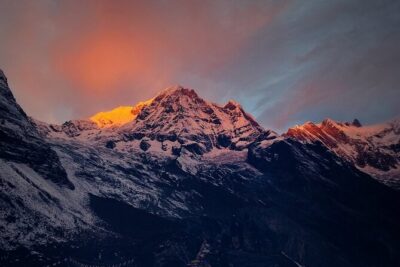
Browse the lists this tour appears in