
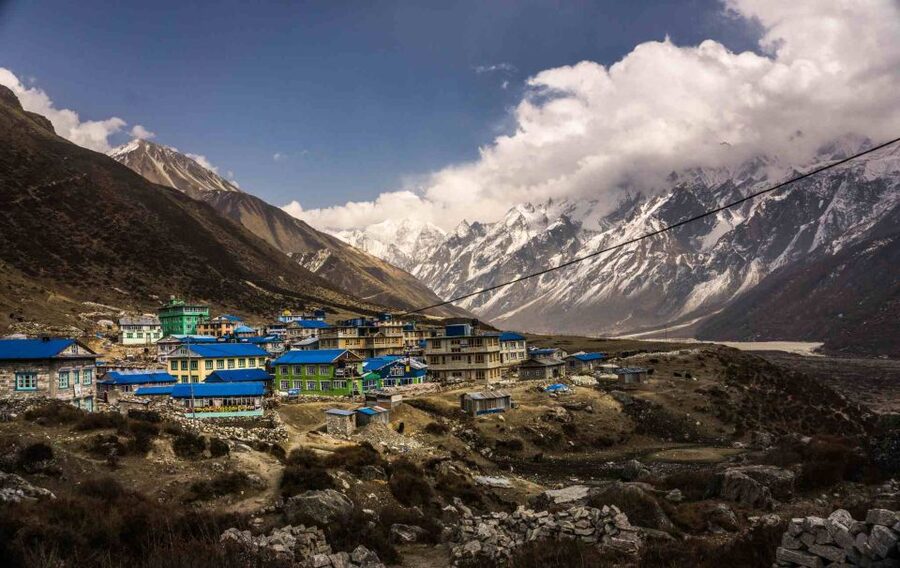
Reviewed · LANGTANG TREKS
Kathmandu: 7 Day Langtang Valley Trek
Langtang gives you a close look at Himalayan life without the long approach needed for some of Nepal’s bigger treks. In seven days, you move from Kathmandu’s traffic to snow peaks, Buddhist villages, suspension bridges, and high yak pastures, finishing at Kyanjin Gompa beneath Langtang Lirung.
I like the private guide arrangement, since you can set a pace that fits your legs, and I like the sensible acclimatization day at Kyanjin Gompa. The main concern is hard walking: one account describes days of roughly 15 kilometers, up to eight hours, and as much as 1,200 meters of climbing. You should also confirm the exact lodging and return schedule before paying.
Key points at a glance
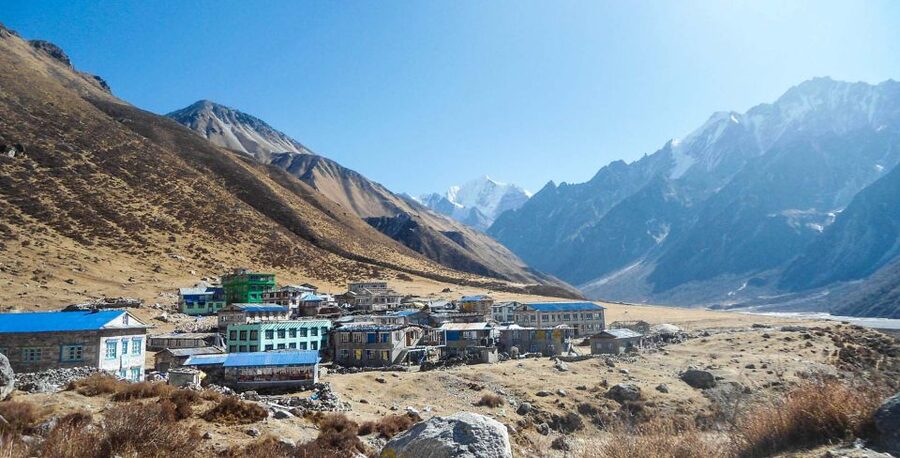
- Kyanjin Gompa at 3,870 meters: The trek’s high point, with a monastery, mountain views, and optional walks toward Kyanjin Ri or Tserko Ri.
- Private English-speaking guide: You trek with your own guide rather than a mixed group, which can make a big difference when walking speeds vary.
- Seven days from Kathmandu and back: Road transfers take up the first and last days, leaving four main ascent days and one acclimatization day.
- Tamang and Sherpa culture: Villages and teahouses give you a direct look at local mountain life.
- Meals cost extra: Budget about NPR 2,500 per person per day, in addition to the $450 tour price.
- A demanding mountain route: Expect steep sections, hundreds of steps, long walking days, and high-altitude conditions.
Why Langtang works well in seven days
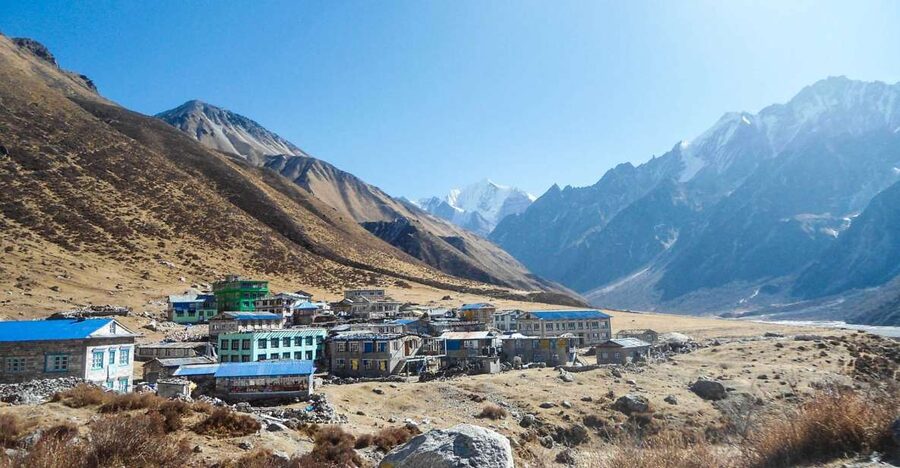
The Langtang Valley is a good choice if you want a proper Himalayan trek but have limited time. You do not spend the whole week walking to and from a distant trailhead. Instead, a road takes you from Kathmandu to Syabrubesi, and the walking begins close to the valley itself.
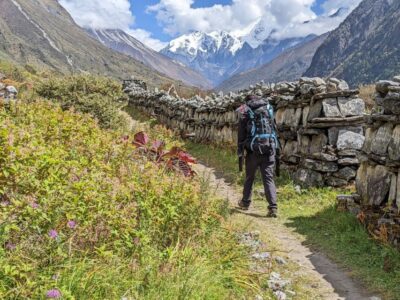
The setting changes quickly. Lower sections pass through forests and river valleys. Higher up, the trees thin out, villages take on a more Tibetan character, and snow-covered peaks appear at the head of the valley. The route is not just a mountain-view exercise. You also pass through Tamang communities, Buddhist sites, yak pasture, and small teahouse settlements.
The $450 price includes the basic framework that makes this trek practical: transport, permits, a guide, teahouse accommodation, a first aid kit, and hotel pickup and drop-off. It may also include one or two nights in Kathmandu before and after the trek, though you should confirm how many nights are actually covered.
That price is harder to judge without knowing the exact standard of lodging and guide service. Meals are separate at around NPR 2,500 per person per day. Porter hire is described as an option, so ask if it costs extra and how much luggage the porter will carry. At this price, clear answers about hotels, meals, transport, and porter service matter.
More Langtang and Gosaikunda treks:
- Langtang Valley Trek
★ 5.0 · 140 reviews - Langtang Valley Trek
★ 5.0 · 50 reviews - Private 8 – Day Langtang Trekking
★ 5.0 · 29 reviews
Day 1: Kathmandu to Syabrubesi by road
Your first day is a road journey rather than a trekking day. The drive leaves Kathmandu and heads through villages and hill country toward Syabrubesi, at about 1,550 meters.
This transfer is useful because it places you at the entrance to the Langtang route without requiring several extra walking days. It also gives you an early look at rural Nepal, with changing views as the road climbs and bends through the hills.
Road travel in the region can be tiring, and the supplied information does not give a fixed driving time or vehicle type. Ask about the planned departure time, expected arrival, and what happens if road conditions delay the group. At Syabrubesi, you rest overnight before beginning the main trek.
Day 2: Forests and river crossings to Lama Hotel
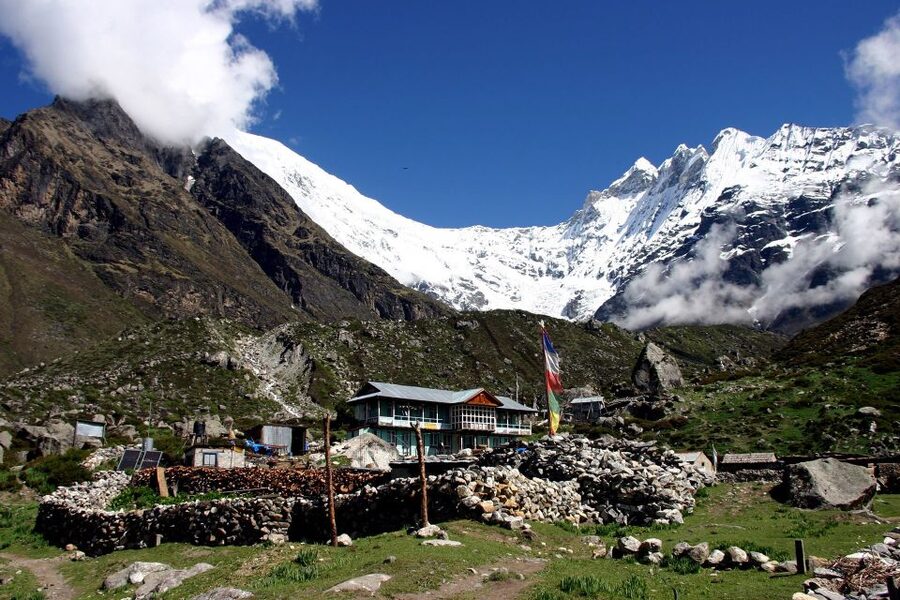
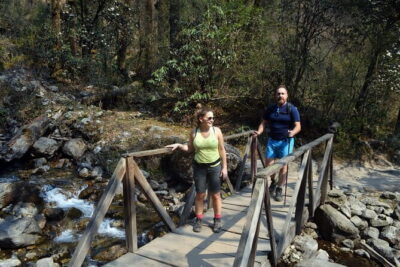
From Syabrubesi, the trail follows the Langtang River and enters thick woodland. You cross suspension bridges and walk among rhododendron and oak trees on the way to Lama Hotel, at roughly 2,380 meters.
This is a pleasing first walking day because the route offers movement and variety. You get the sound of the river, shaded sections under trees, and the small thrill of crossing high bridges. The forest also gives you a softer start than an immediate march through exposed high country.
Do not mistake the greenery for an easy day. The route climbs, and the combination of uneven ground, steps, and altitude begins to test your legs. You spend the night at Lama Hotel, a simple stop surrounded by trees. Teahouse accommodation is part of the package, but standards can vary, so pack with basic rooms and shared facilities in mind.
Day 3: Climbing through forest to Langtang Village
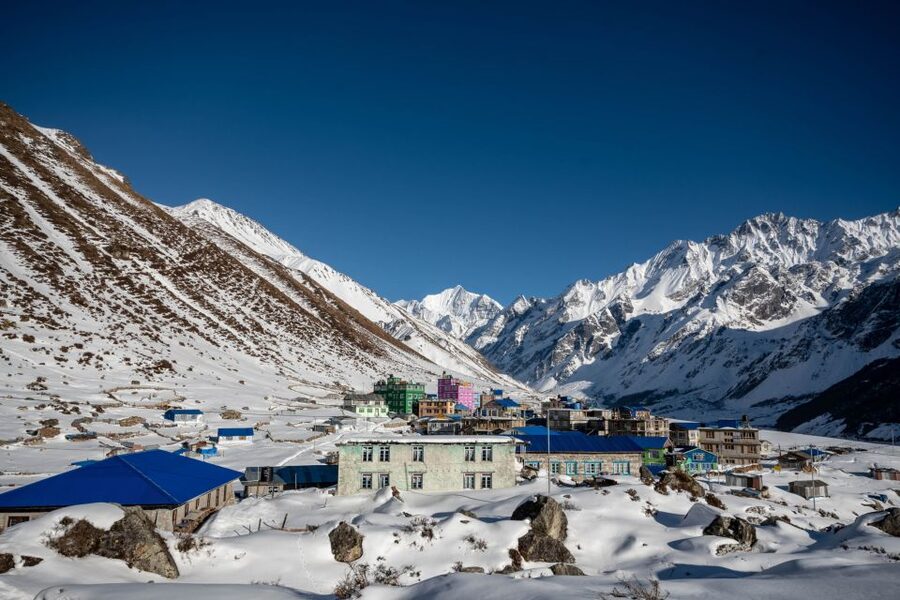
The trail continues uphill from Lama Hotel toward Langtang Village, at about 3,430 meters. You pass through more rhododendron and oak forest, with mountain views opening as you gain height.
The altitude gain is significant. You move from 2,380 to 3,430 meters in one day, so this is one of the days when a slow pace matters more than speed. Your guide should help you manage breaks and watch for signs that you are not adapting well.
Langtang Village is important for both scenery and culture. It is a Tamang community, and the route gives you a chance to see how mountain settlements fit into the valley. The experience is not polished or staged. You are walking through a working community where teahouses, local homes, and trail life are closely linked.
The high point of the day is the view toward the peaks. You may arrive tired, especially if the walking pace has been brisk, but the growing sense of entering the high Himalayas makes this a memorable stop.
A few more Kathmandu days to weigh up
- 7 days Nepal Motorcycle tour
★ 5.0 · 12 reviews - Kathmandu to Langtang Valley 7-Day Trek
★ 5.0 · 11 reviews - Langtang Trek from Kathmandu 7 Days
★ 5.0 · 5 reviews - 7 Days Langtang Valley Trek from Kathmandu
★ 5.0 · 3 reviews
Day 4: Langtang Village to Kyanjin Gompa
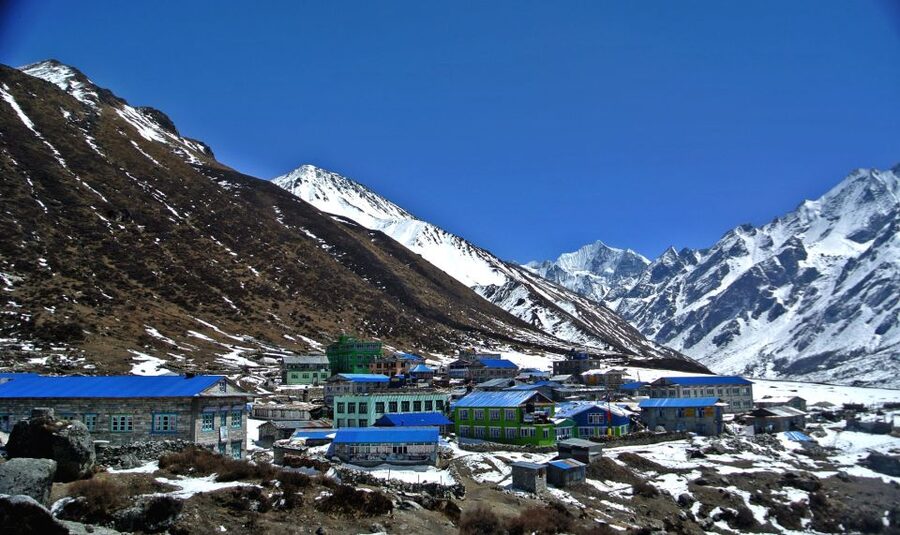
The fourth day takes you from Langtang Village to Kyanjin Gompa, at approximately 3,870 meters. The trail passes yak pastures and glacial streams, with the valley becoming more open and mountainous.
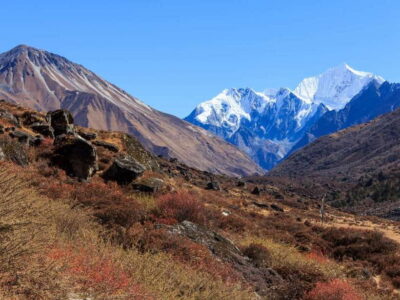
Kyanjin Gompa is the main destination of the trek. The area has a Buddhist monastery and broad views toward Langtang Lirung and other snow-covered peaks. This is where the route delivers its strongest mountain setting, with the white summits appearing close above the valley.
The distance may not look extreme on paper, but altitude changes the effort. You should expect a slower pace, more frequent rests, and colder conditions than at lower stops. A private guide is particularly useful here because the group does not have to follow the needs of strangers. One highly positive account described the guide as handling the practical details throughout the week and becoming a supportive companion. That is the best version of this arrangement, though service can vary.
Day 5: Acclimatization around Kyanjin Gompa
The extra day at Kyanjin Gompa is one of the strongest features of the plan. Rather than reaching nearly 3,900 meters and immediately turning around, you stay put and give your body time to adjust.
You can take a shorter walk around the area or attempt Kyanjin Ri or Tserko Ri for wider mountain views. The supplied plan does not specify the length, difficulty, or included guiding arrangements for those hikes, so ask your guide what is realistic for your fitness and the day’s conditions.
You can also visit the local cheese factory. That gives the day a cultural and practical angle, rather than making it only about climbing another hill. The best choice depends on how you feel. If your head is clear and your legs are strong, a higher walk can bring the trek’s finest views. If you have altitude symptoms, rest is the sensible option.
Remember that acclimatization does not remove the effects of altitude. It only gives you a better chance of adapting. Drink enough water, walk slowly, and tell your guide if you feel unwell.
Day 6: Descending from Kyanjin Gompa to Lama Hotel
You retrace the route from Kyanjin Gompa to Lama Hotel. The return gives you a different view of the valley, even along familiar ground. You now walk downhill through the high pasture and forest zones, with the river and bridges appearing again farther below.
Descending is usually easier for breathing, but it can be tough on knees and thighs. The trail includes steps and uneven sections, and the supplied information warns that you will climb hundreds of steps during the trek. Trekking poles can be useful, though they are not listed among the included equipment.
Lama Hotel provides a welcome rest after the high point. The return night also keeps the final day manageable, rather than forcing you to make the entire descent and road transfer in one punishing stretch.
Day 7: Lama Hotel to Kathmandu
The final walking section takes you from Lama Hotel back to Syabrubesi. From there, you board a vehicle for the return journey to Kathmandu.
This is a full day, combining a morning on the trail with a road transfer. Confirm the expected arrival time in Kathmandu, especially if you have an onward flight. One negative account describes the trek being shortened by a day because of flight timing, along with dissatisfaction about accommodation and communication. That does not prove every departure will have the same problem, but it is a clear reason to give yourself a buffer before a flight.
A private trip gives you more control than a large group, but it does not make the road journey predictable. Build extra time into your Nepal plans and ask the organizer to explain the return schedule before departure.
What the $450 price really covers
At first glance, $450 for seven days can look reasonable for a private Himalayan trek. You are paying not just for walking, but also for permits, transport, a guide, teahouse rooms, pickup and drop-off, and basic first aid support.
The value depends on execution. A strong guide can make the trip far easier by handling route decisions, accommodation arrangements, and communication. A poor standard of lodging or unclear planning can quickly make the price feel high.
The package includes:
- Hotel pickup and drop-off
- Langtang National Park permits
- A TIMS card
- Teahouse accommodation during the trek
- An experienced licensed guide
- Transportation between Kathmandu and Syabrubesi
- A basic first aid kit
- Usually one or two Kathmandu hotel nights, subject to confirmation
Meals are not included. The stated food budget is about NPR 2,500 per person per day. You should also clarify the cost of a porter, since porter hire is presented as an option rather than a clearly included service.
Before booking, ask for the names or standards of the teahouses, the exact Kathmandu hotel arrangement, the vehicle details, the guide’s experience on this route, and the plan if road delays affect your return.
The guide and private group setup
This is a private group experience with an English-speaking live guide. That setup suits people who do not want to match their pace to a large group.
The benefit is personal attention. If you walk quickly, you do not have to wait for a slow group. If altitude affects you, the day can potentially be adjusted more easily. A private guide can also help with permits, route decisions, teahouse check-in, and local communication.
The drawback is that your experience depends heavily on the individual guide. One account describes excellent care and close companionship. Another found the guide distant and unhelpful. I would treat the guide as a key part of the purchase, not a minor detail. Ask who will lead your trek and how the company handles guide changes.
Fitness, altitude, and what to pack
You need a solid level of fitness for this trek. The route includes steep climbs, hundreds of steps, uneven trail, and long days. A particularly demanding day could involve around 15 kilometers of walking, eight hours on foot, and substantial elevation gain, though daily conditions will vary.
This trek is not suitable for pregnant women, wheelchair users, people with mobility impairments, or people with back problems. The high altitude also makes honest self-assessment important. You should be comfortable walking for several hours and climbing repeatedly before booking.
Bring your passport or ID card, with a copy accepted, plus a passport-sized photo. The supplied information does not provide a full equipment list, so ask the operator about sleeping bags, luggage limits, and recommended clothing. Oversize luggage and drones are not allowed.
Pack light enough for mountain transfers and consider using the optional porter service. Keep essentials in your day bag, including documents, water, warm layers, and any personal medication.
Cancellation and booking flexibility
You can cancel up to 24 hours in advance for a full refund. The reserve-now, pay-later option lets you hold a place without paying immediately, which is useful while you check flights and fitness plans.
Still, flexible booking does not replace careful questions. Confirm the exact seven-day schedule, especially if you have an international flight after the trek. The most serious practical complaint connected with this experience concerns inaccurate preparation information and a shortened schedule, so get important details in writing.
Who should book this Langtang trek?
I would recommend it to a fit first-time Himalayan trekker who wants a private guide, a defined seven-day plan, and a strong mountain finish without committing to a much longer expedition.
It is also a good match if you value local contact. The route passes through Tamang communities, Buddhist sites, teahouses, yak pasture, and working mountain villages rather than only scenic viewpoints.
I would be cautious if you need polished hotels, fixed road timings, luxury comfort, or highly predictable service. Teahouse trekking is basic, and the mixed feedback about communication, lodging, and guiding means you should verify the details before booking.
Should you book it?
Book this trek if the appeal is a serious but compact Himalayan walk, and if you are prepared for long uphill days, basic teahouses, extra meal costs, and a private-guide experience that depends on the person assigned.
Before committing, confirm the guide, lodging, porter fee, Kathmandu hotel nights, meal budget, and return timing. If those answers are clear, the route offers an impressive payoff: forests and river crossings below, Tamang villages in the middle, and Kyanjin Gompa with snow peaks above. If you need comfort or a guaranteed polished operation, choose only after the provider answers those questions plainly.
FAQ
How long is the Langtang Valley trek?
The experience lasts seven days, including road transport from Kathmandu to Syabrubesi and the return journey to Kathmandu.
Is the trek private?
Yes. It is organized as a private group with an English-speaking live guide.
What altitude does the trek reach?
Kyanjin Gompa is listed at approximately 3,870 meters. The itinerary also includes an acclimatization day there.
Are meals included?
No. Meals are available to purchase, with an estimated cost of about NPR 2,500 per person per day.
Is accommodation included?
Yes. Teahouse lodging during the trek is included. One or two nights in Kathmandu are usually included, but you should confirm the exact arrangement.
Are permits included?
Yes. The package includes the Langtang National Park permit and a TIMS card.
What documents should I bring?
Bring a passport-sized photo and your passport or ID card. A copy of the passport or ID card is accepted.
Can I cancel the booking?
You can cancel up to 24 hours before the experience for a full refund. The reserve-now, pay-later option is also available.
Just added around Kathmandu
- Traditional Momo Making Class★ 5.0 · 10 reviews
- Women Empowerment Project(Nepali cooking class & jewelry workshop★ 5.0 · 15 reviews
- Manthali Airport (Ramechhap) To Kathmandu – Transport Service★ 4.5 · 11 reviews
- Amazing 1 Day Trekking Experience in Kathmandu Nepal★ 5.0 · 24 reviews
- Walking tour of Kathmandu with awesome local guides★ 5.0 · 4 reviews
- Walking tour of real Kathmandu through back streets.★ 5.0 · 3 reviews
- Private Manaslu Circuit Trek at Himalayas★ 5.0 · 3 reviews
- Walking Street Food Tour in Kathmandu★ 5.0 · 111 reviews
Langtang Treks, compared.
Browse the lists this tour appears in