
Reviewed · WORKSHOPS
Kathmandu: Wood Carving Workshop with Local Artisan (Thamel)
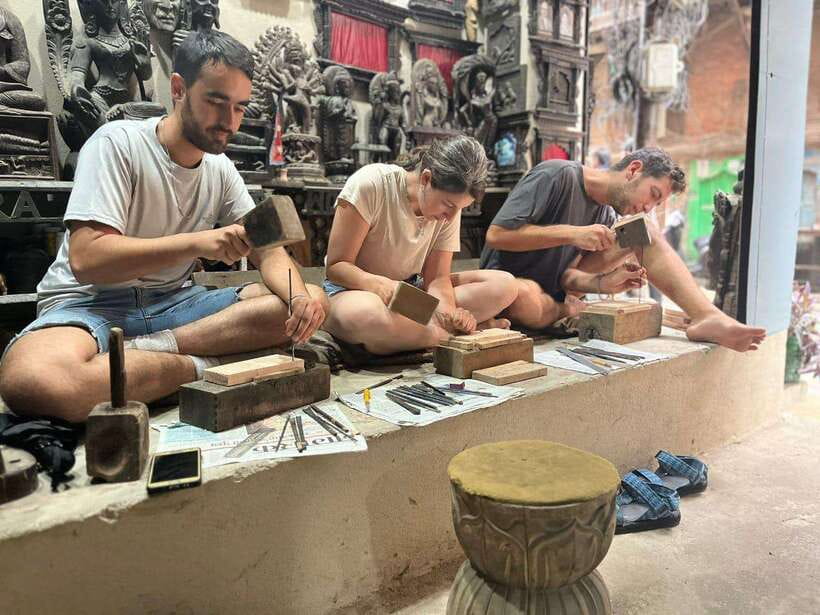
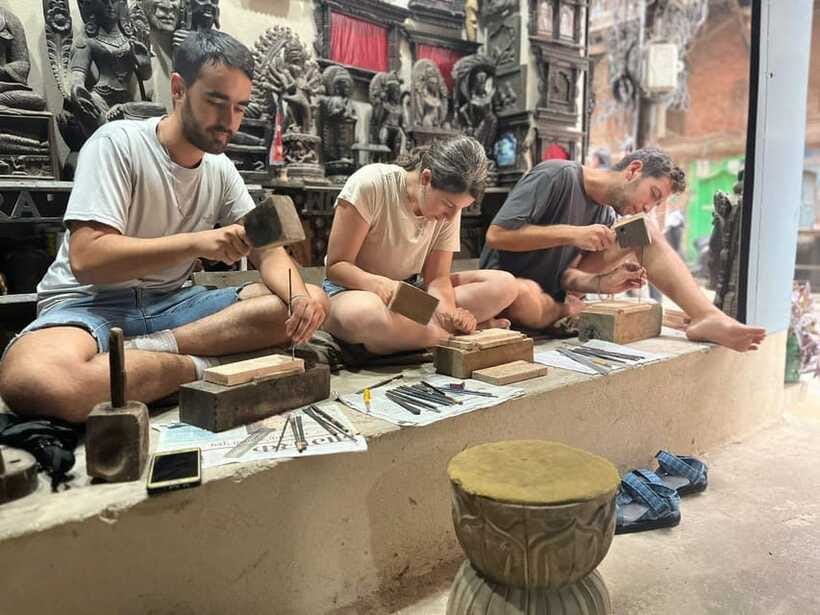
Nepali wood carving is not just decoration. It is part of the Kathmandu Valley’s temple doors, palace windows, and religious buildings. In this small workshop of up to four people, you get to handle the tools and make a piece yourself, rather than simply admire carvings behind glass.
I like two things here: you take home a personal souvenir, and the close instruction lets a beginner try real techniques without being left to guess. The main consideration is that the practical work may outweigh the history lesson. One participant enjoyed the class but wanted more background on the craft and its cultural setting.
Key points
- Small-group instruction: A maximum of four participants means you should receive plenty of individual help.
- A handmade souvenir: You carve your own wooden piece instead of buying a finished item.
- Traditional methods: Practice outlining, chiseling, and detailing on a pre-cut block.
- Cultural context: Learn about Newar craftsmanship, Hindu and Buddhist motifs, and the role of carving in Nepali architecture.
- Family-friendly pace: A ten-year-old successfully joined one session with patient guidance.
- Flexible booking: The three-hour class costs $42 per person, with free cancellation up to 24 hours before the start.
Why a three-hour carving class belongs in your Kathmandu plans
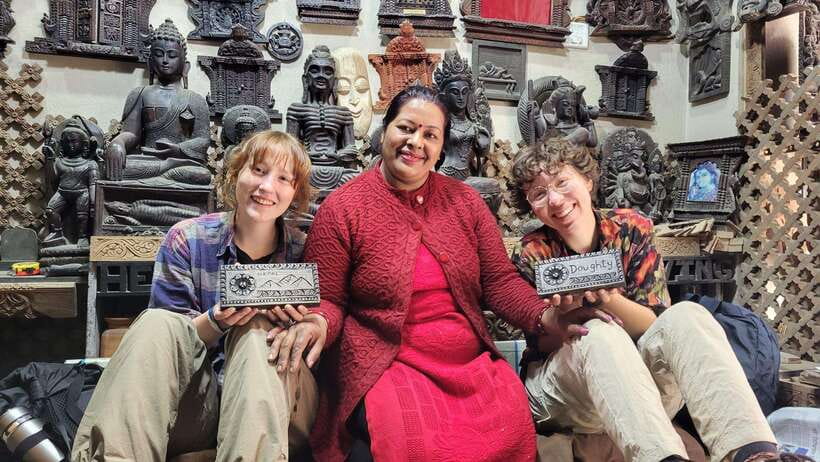
Kathmandu gives you plenty of chances to look at carved wood. You see it around temples, shrines, courtyards, palace buildings, and old neighborhoods. This class gives you a chance to understand the marks behind those finished works.
You begin with a wooden block, tools, and a design. The artisan shows you how to transfer or follow a pattern, cut the outline, remove small areas of wood, and sharpen the details. It is a modest project, but that is the point. You can learn the basic movements in one sitting without pretending you will become a master carver by lunchtime.
I find this kind of activity especially useful after visiting historic sites. Once you know how a chisel creates a border, flower, or figure, the carved panels around the valley become easier to read. You start noticing the planning, repeated patterns, and careful depth rather than seeing only a wall of ornament.
The class takes place in a workshop setting in or around Thamel. The exact meeting point is not specified, so confirm the location before you go. Thamel is a practical base for this activity, but its narrow streets and busy lanes make a clear meeting instruction important.
More classes and workshops in Kathmandu:
- Half day cooking class in Thamel kathmandu
★ 5.0 · 607 reviews - Kathmandu: Local Women-Led Nepali Cooking & Momo Class
★ 4.9 · 360 reviews - Kathmandu: Local Lead Nepali Cooking & Momo-Making Class
★ 5.0 · 212 reviews
Meeting the artisan and seeing the tools
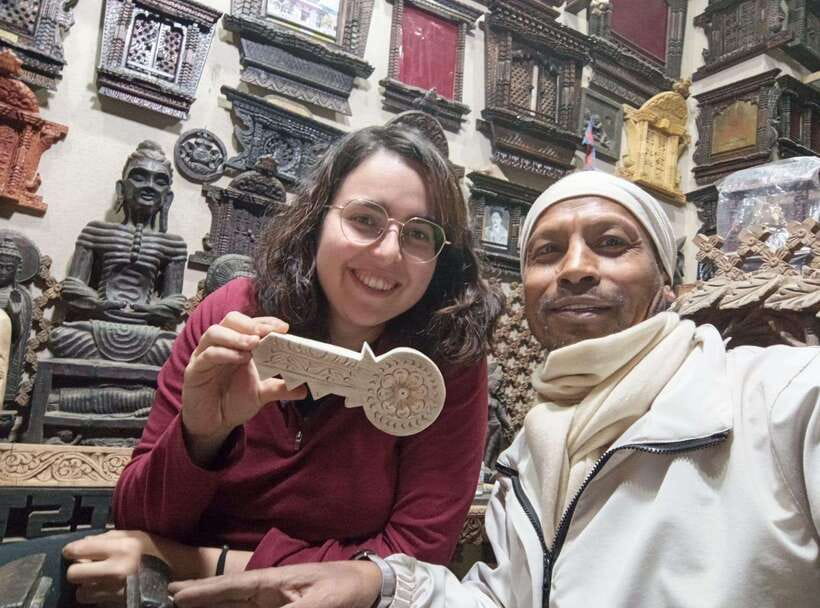
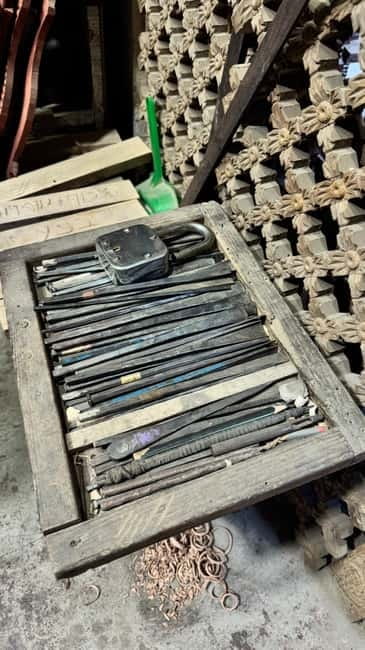
The opening part of the class introduces the tools and materials. You learn about traditional chisels, hammers, and the kinds of wood used in Nepali carving, including sal and teak.
This is a useful start because the tools are not simply craft supplies. The shape of a chisel affects the line you can make, while the force of the hammer controls how much wood comes away. Beginners often want to press hard and finish quickly. The better approach is slower and more controlled, and the artisan can correct your grip and pressure as you work.
Instruction is in English. The group limit of four matters here. If you are one of only a few people at the bench, you can ask questions and show your work without waiting through a long line. In the off-season, the class may even become a one-on-one session, as happened for one participant.
Hera is named in the feedback as an instructor, and his wife is also described as warm, kind, and funny. The experience may not always be led by the same person, so check the booking details if meeting a particular artisan matters to you. The important point is the close, personal format rather than a large demonstration.
Learning the symbols behind the patterns
Before you start cutting, the artisan explains some of the patterns found in Nepali woodwork. Common examples include lotus flowers, mandalas, deities, mythical creatures, and other Hindu or Buddhist symbols.
The lotus is widely used in South Asian religious art and can suggest purity or spiritual growth. Mandalas use ordered shapes and symmetry. Figures and creatures may serve religious, protective, or decorative roles. The class gives you an introduction to these ideas so that your design has a connection to Nepali art instead of being a random mark on a block.
The historical setting adds weight to the lesson. Wood carving in Nepal reaches back to the Licchavi period, from the fourth to the ninth century. It grew during the Malla dynasty, from the twelfth to the eighteenth century, when artisans produced many of the carved architectural works associated with the Kathmandu Valley.
The Newar community of the valley has preserved and developed this craft. You can see examples in the Kasthamandap, also known as the House of Wood, the 55-Window Palace in Bhaktapur, and the famous Peacock Window.
Keep your expectations sensible. The available information promises cultural insight, but the amount of historical explanation may depend on the instructor and the pace of your group. If the cultural side matters most to you, ask questions as you go. One person specifically wanted more history and context, so this is better viewed as a practical art class with cultural background, not a formal museum lecture.
Making the first cuts on a wooden block
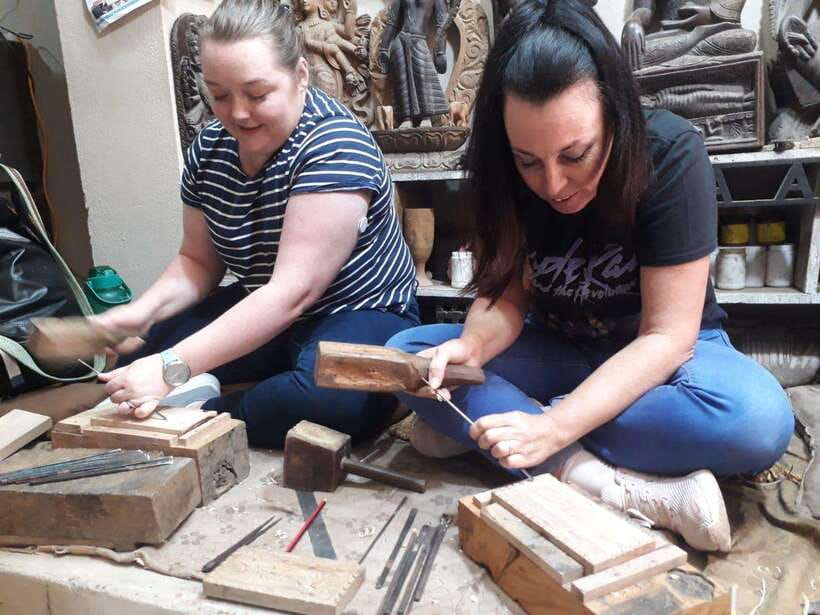
The hands-on section begins with a design on a pre-cut wooden block. You practice the outline first. This gives you a controlled way to learn how the tool moves before you attempt fine details.
Outlining sounds simple, but it is where patience becomes useful. A crooked first line can affect everything that follows. The artisan can show you how to hold the chisel, where to place your other hand, and how to make small cuts rather than forcing the blade through the wood.
Next comes chiseling. You remove small sections around the design, building shape and depth. The goal is not speed. It is learning to judge pressure, direction, and the grain of the wood. Your result may have uneven lines or a few rough edges, and that is normal for a first attempt.
The final stage is detailing. Here you refine borders, marks, and small decorative areas. A lotus, mandala, figurine, or panel motif can look very different once a few lines gain depth. The artisan offers corrections while you work, which is one of the strongest reasons to choose this class instead of trying to copy a pattern alone.
You should have time to practice rather than rush through a quick demonstration. Still, the finished object will be a beginner’s work. That is part of its value. It records your hand, your choices, and your time in Nepal more clearly than a mass-produced souvenir.
More days out in Kathmandu:
- Private Kathmandu Sightseeing Tour | UNESCO World Heritage sites
★ 5.0 · 756 reviews - Nagarkot Sunrise View and Day Hiking from Kathmandu
★ 5.0 · 471 reviews - Kathmandu: Full Day 7 UNESCO Tour with Lunch – Private/Group
★ 5.0 · 415 reviews - Private Bhaktapur and Nagarkot Day Tour From Kathmandu
★ 5.0 · 305 reviews
What you take home at the end
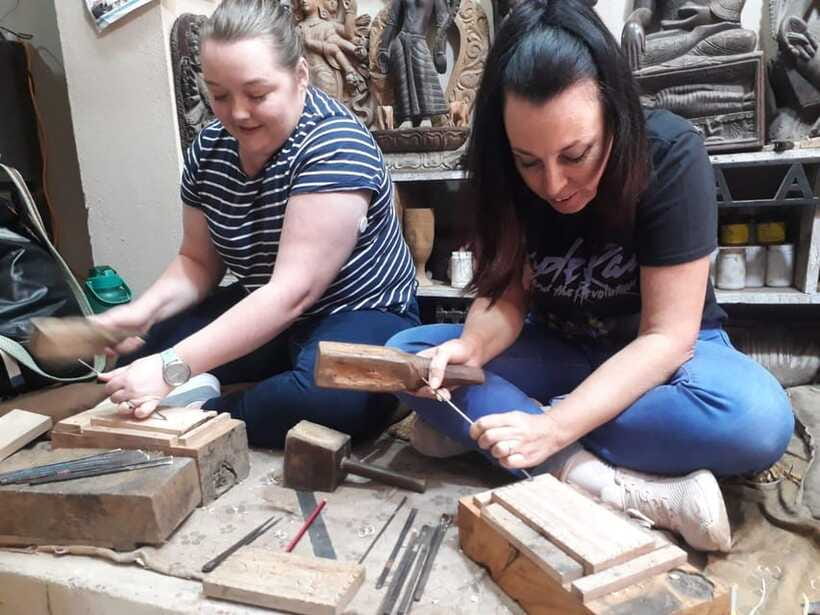
The exact form of the project can vary. You might create a decorative panel, a small figurine, or a symbolic motif. The common feature is that you make it yourself and take it home.
I like this better than a standard shopping stop because the object carries a story. You can remember where you made it, which cuts gave you trouble, and how the pattern changed as you worked. It may not be perfectly symmetrical, but it will be personal.
The finished piece also gives you a useful way to explain Nepali carving to someone at home. You can point out the outline and the deeper cuts instead of merely saying that you bought a wooden souvenir in Kathmandu.
Pack with care afterward. The activity information does not specify packaging or luggage arrangements, so ask the artisan how best to protect your piece before you leave. Bring comfortable clothing, since you will be working with tools for several hours. Smoking is not allowed.
How the price compares with a Kathmandu souvenir hunt
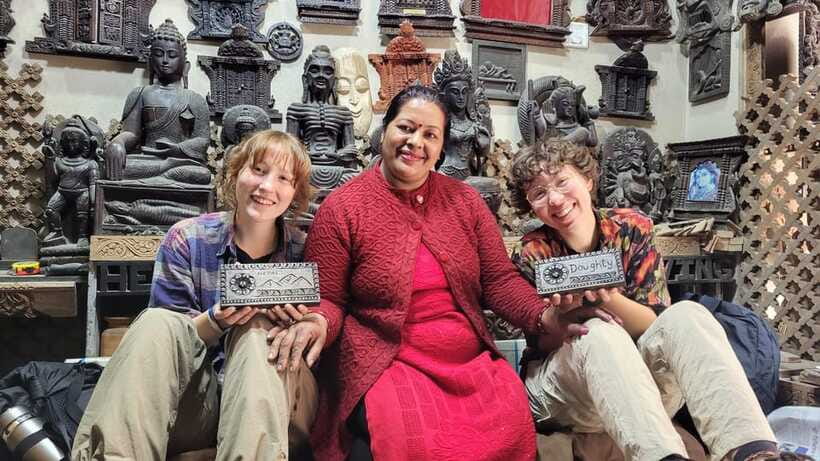
At $42 per person, this is not the cheapest way to spend three hours in Kathmandu. You can look at carved objects in shops for far less time and perhaps spend less money. But the price includes instruction from a local artisan, all tools and materials, your finished wooden piece, and government taxes and VAT.
The small group improves the value. With no more than four participants, your fee is paying for actual teaching rather than a large public demonstration. The class also provides a structured activity on a day when you want more than sightseeing but less than a full-day excursion.
The value is strongest if you care about the process. If you only want a polished wooden object, buying one may be more practical. If you want to understand how the object is made and leave with something shaped by your own hands, the fee is easier to justify.
The experience has a 4.9 rating from 17 bookings, with praise focused on the friendly instruction, authentic workshop setting, and attractive keepsake. Those points match what the activity is designed to offer. Just remember that a high rating does not turn a three-hour beginner class into professional training.
Who will enjoy this class most
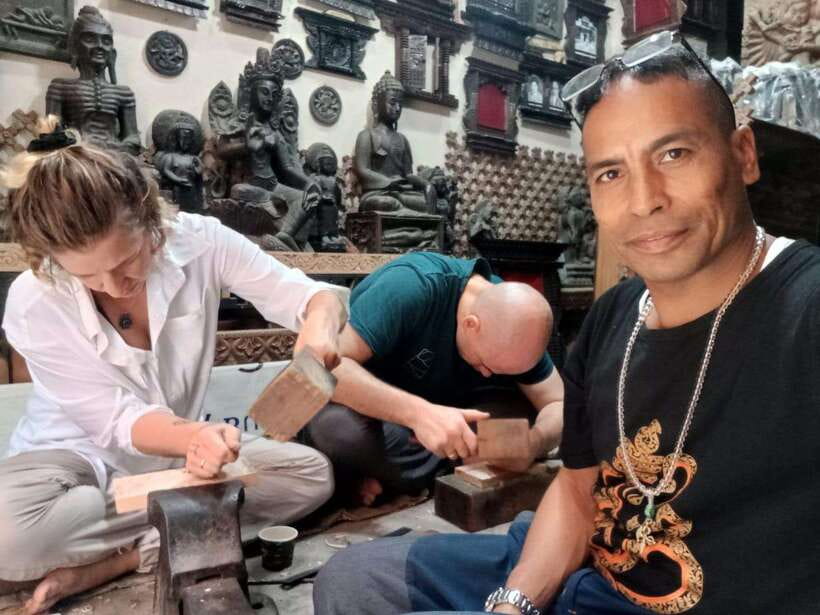
This is a good fit for you if you like making things, enjoy small workshops, or want a quieter break from Kathmandu’s streets. You do not need previous carving experience. The class is designed for beginners and includes step-by-step help.
It can also work well for families. A ten-year-old joined one session with help from a patient and encouraging instructor. Children should be comfortable following safety directions and using hand tools carefully, but the class does not require advanced artistic skill.
Art students and craft enthusiasts will appreciate the chance to study real tools and techniques. You may want to treat the class as an introduction rather than a full course, since the session covers only the basics.
The workshop also suits solo visitors. A small group means you are less likely to feel lost among large numbers, and an off-season booking might give you individual instruction. Couples and friends can work side by side while still receiving personal corrections.
Who may want a different Kathmandu activity
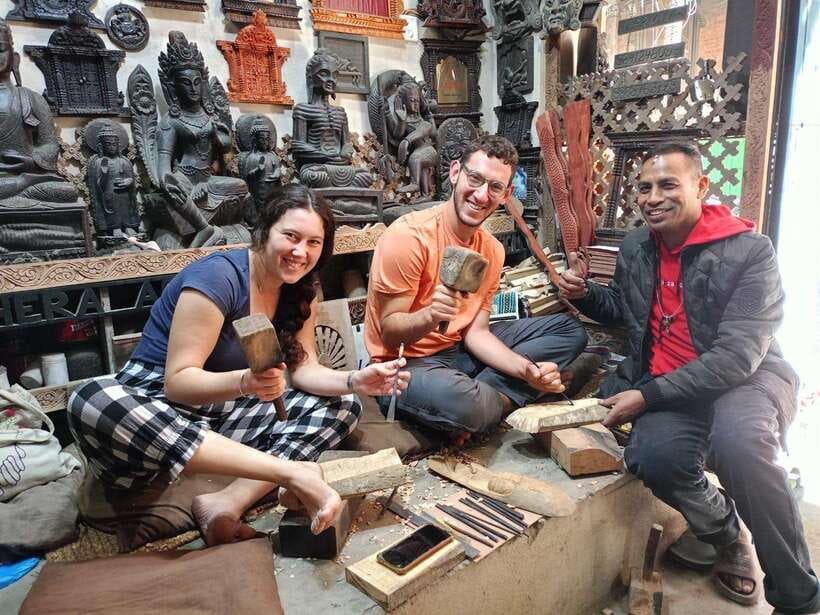
I would think twice if your schedule is packed with major sights and you dislike sitting with one project for several hours. Wood carving requires patience. The work can be repetitive, and progress may feel slow during the first stage.
This may also disappoint you if you want a detailed lecture on Nepali art. The session includes history and cultural meaning, but the main focus is learning to carve. A museum visit, heritage walk, or guided tour of historic squares may suit you better if background information is your top priority.
The class is not presented as a visit to major landmarks. You will learn about places such as the Kasthamandap and Bhaktapur’s 55-Window Palace, but you will not be touring those sites as part of the three hours. Plan separate sightseeing time if you want to see the architectural examples in person.
Simple planning advice before you book
Allow the full three hours. The class has several stages, and rushing away before the detailing is finished would reduce the value of the session.
Wear comfortable clothes that let you sit and work without fuss. The supplied information does not specify an apron, protective clothing, or a particular dress code, so avoid anything you would be upset to mark or dirty.
Confirm the meeting point in advance. The instructions only say to meet at the arranged location, and no precise address is provided here. This is especially important in Thamel, where nearby lanes and shopfronts can look similar.
The class is taught in English. If you need instruction in another language, this may not be the right choice. The group is limited to four, and you can reserve now and pay later. Cancellation is free up to 24 hours before the activity for a full refund, which helps if your Kathmandu schedule is still shifting.
Should you book the Kathmandu wood carving workshop?
I would book it if you want a hands-on connection to Nepali culture, a small group, and a souvenir that you actually made. The patient, personal instruction is the heart of the experience, and the class can suit complete beginners, solo visitors, and families with older children.
I would skip it if you want a major sightseeing stop, a polished professional carving, or a long academic talk about Newar art. Go in expecting a three-hour introduction, some careful work, and a handmade object with beginner-level imperfections. For $42, that is a fair exchange for a personal look at one of Nepal’s oldest crafts.
FAQ
How long does the wood carving workshop last?
The class lasts three hours.
How much does the workshop cost?
The price is $42 per person.
Where does the workshop take place?
It takes place in Kathmandu, in the Thamel area. The exact meeting point is not provided, so confirm the arranged location before attending.
How many people can join the class?
The group is limited to four participants.
Is the class taught in English?
Yes. The listed instruction language is English.
Do I need previous wood carving experience?
No. The class is suitable for beginners and all skill levels.
What techniques will I practice?
You will practice outlining, chiseling, and detailing on a pre-cut wooden block.
Are tools and materials included?
Yes. All necessary tools and materials are provided.
Can I take my finished carving home?
Yes. You create your own wooden piece and take it home as a souvenir.
Just added around Kathmandu
- Traditional Momo Making Class★ 5.0 · 10 reviews
- Manthali Airport (Ramechhap) To Kathmandu – Transport Service★ 4.5 · 11 reviews
- Women Empowerment Project(Nepali cooking class & jewelry workshop★ 5.0 · 15 reviews
- Amazing 1 Day Trekking Experience in Kathmandu Nepal★ 5.0 · 24 reviews
- Walking tour of Kathmandu with awesome local guides★ 5.0 · 4 reviews
- Walking tour of real Kathmandu through back streets.★ 5.0 · 3 reviews
- Private Manaslu Circuit Trek at Himalayas★ 5.0 · 3 reviews
- Walking Street Food Tour in Kathmandu★ 5.0 · 111 reviews
Workshops, compared.
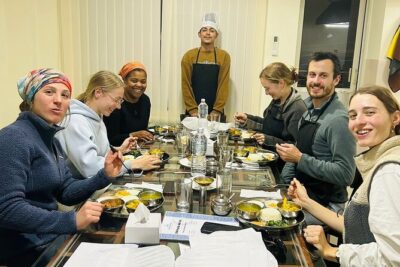
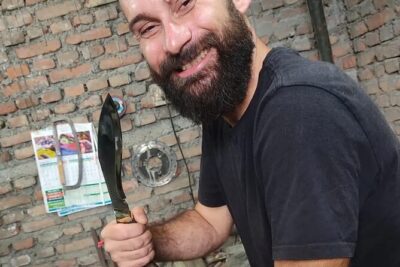
Knife (Khukuri) Making Workshop- Forge of the Gurkhas
Read our review →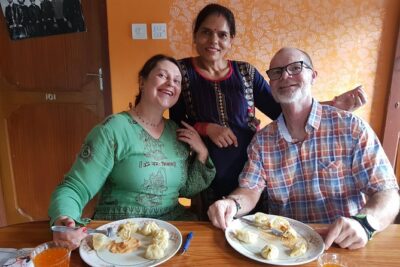
Nepalese Momos or Dal Bhat Cooking Class (Cook with Delight)
Read our review →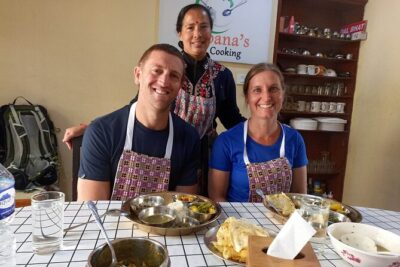
The best Private Nepali Cooking Class in Kathmandu
Read our review →
Nepalese Kitchen in Pokhara: Momos or Dal Bhat Cooking Class
Read our review →
Browse the lists this tour appears in