
Reviewed · COOKING CLASSES
The best Private Nepali Cooking Class in Kathmandu
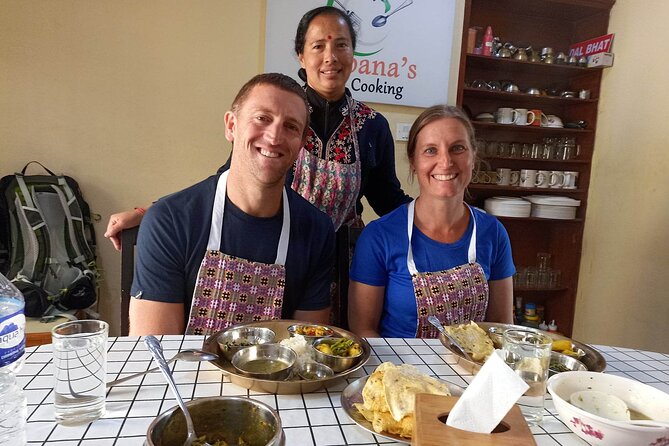
Kathmandu’s best cooking lesson may begin where the city noise fades: in a family home with a garden. Kalpana and her family put you to work choosing seasonal vegetables, grinding spices, and preparing the Nepali food you later eat for lunch. This feels less like a demonstration and more like being welcomed into someone’s daily kitchen.
I especially like the private format, since your group gets direct help rather than watching from the back of a crowded room. The garden visit is another strong point. You see the ingredients before they reach the cooking board, which gives dal bhat and vegetable dishes a useful connection to the land and the family’s routine.
The main thing to consider is the pace. Traditional Nepali cooking can be labor-intensive, with plenty of chopping, pounding, grinding, and folding. You will be well fed, so eat only a light breakfast, and allow the full four and a half hours rather than trying to squeeze this between other plans.
Key points to know before booking
- Kalpana leads a hands-on class: You prepare the food yourself, with help from Kalpana and family members.
- The garden is part of the lesson: Select seasonal vegetables and see how fresh ingredients shape a Nepali home meal.
- Lunch is the reward: The menu includes rice, dal, vegetables, spinach, chicken, pickle, and fried papad, with other dishes such as momos and sel roti included in the class program.
- Hotel transport is included: Pickup and drop-off are provided in a private vehicle.
- The setting is outside central Kathmandu: You trade some city convenience for a quieter home and garden setting.
- Special diets can be accommodated: Request vegetarian or other dietary needs when booking.
A family kitchen beyond central Kathmandu
The class begins with pickup from your hotel or homestay. That matters in Kathmandu, where getting across town can take patience. Instead of arranging a taxi and trying to find a private home yourself, you are collected and transported by private vehicle.
The destination is a family home away from the intensity of central Kathmandu. The setting has been described as peaceful, with a garden and a more rural feel. You should not expect a polished cooking studio with rows of identical workstations. The appeal is the home itself, along with the chance to see how food is prepared in a real family setting.
Kalpana is the central host, and her daughter and son may also take part. The family atmosphere is one of the strongest reasons to choose this class. You are not simply handed a recipe and sent to a counter. You can ask questions, take photographs and videos, and talk about food and Nepali customs as you work.
The welcome begins with homemade masala tea or coffee. It is a small detail, but a useful one after pickup. The drink gives you time to settle in before the chopping begins.
More Cooking Classes in Kathmandu
- Half day cooking class in Thamel kathmandu
★ 5.0 · 607 reviews - Kathmandu: Local Women-Led Nepali Cooking & Momo Class
★ 4.9 · 360 reviews - Kathmandu: Local Lead Nepali Cooking & Momo-Making Class
★ 5.0 · 212 reviews
Choosing vegetables from the garden
The first practical lesson is ingredient selection. You choose crisp, seasonal vegetables from the family garden, rather than beginning with ingredients already measured into bowls.
This is valuable because Nepali cooking depends heavily on what is fresh and available. You get a clearer sense of how a daily home meal comes together: rice, lentils, greens, vegetables, spices, and small accompaniments working as a complete plate rather than as separate restaurant dishes.
The garden also adds something a standard city cooking class cannot. You see the source of some of the food and learn how vegetables fit into the household. It is not a long farm tour, and the main focus remains cooking, but this short step gives the meal a sense of place.
The class description also mentions visiting a local market and a private organic farm to choose ingredients. The exact order can vary, so ask about the day’s plan when you book. The consistent point is that ingredient selection is part of the experience, not just a decorative extra.
Grinding spices the old-fashioned way
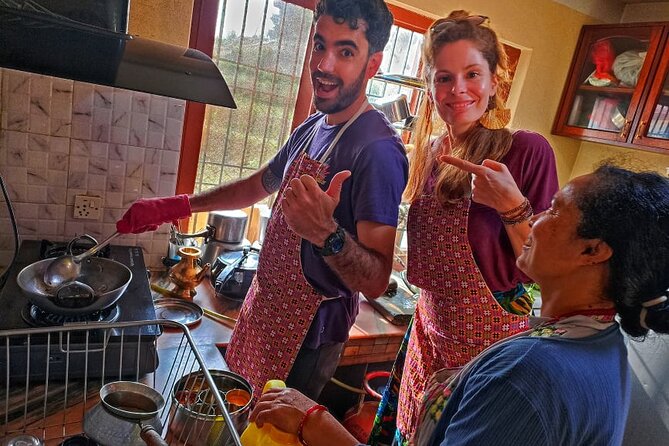
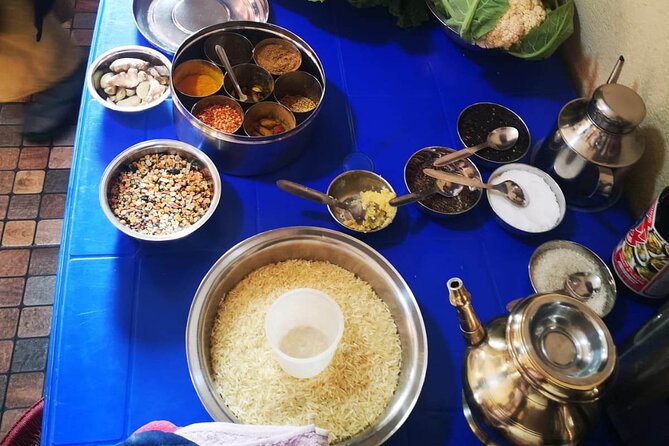
Once the ingredients are chosen, you begin preparing the meal. Expect chopping, making masala, and grinding whole spices. Fresh ginger and garlic are pounded by hand, and the work takes time.
That effort is part of the lesson. You learn why Nepali food can taste so layered even when the ingredient list is familiar. The class shows how whole spices, ginger, garlic, vegetables, lentils, and herbs are prepared before they reach the pot.
This is also where the class becomes properly hands-on. Kalpana demonstrates a task, then has you do it. You are not merely standing nearby while someone else cooks lunch.
The work can be tiring, especially if you have recently returned from trekking or have packed several activities into the same morning. The payoff is that you understand the process well enough to repeat parts of it at home. One particularly useful lesson is the amount of preparation behind a dish many people think of as simple.
Preparing a Nepali home meal
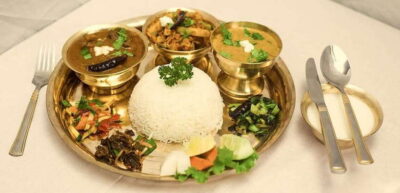
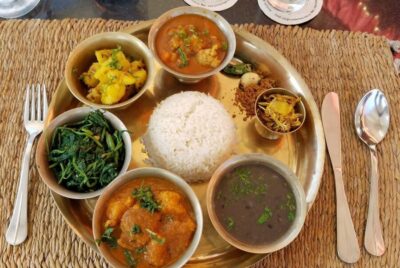
The main set meal includes plain rice, dal soup, seasonal vegetables, spinach, chicken, pickle, and fried papad. Together, these dishes show how a familiar Nepali meal is built from several modest parts.
Dal bhat is the central lesson for many people. Lentils and rice are everyday staples in Nepal, and the dish is far more than plain rice beside a bowl of dal. The accompaniments add texture, heat, salt, freshness, and variety.
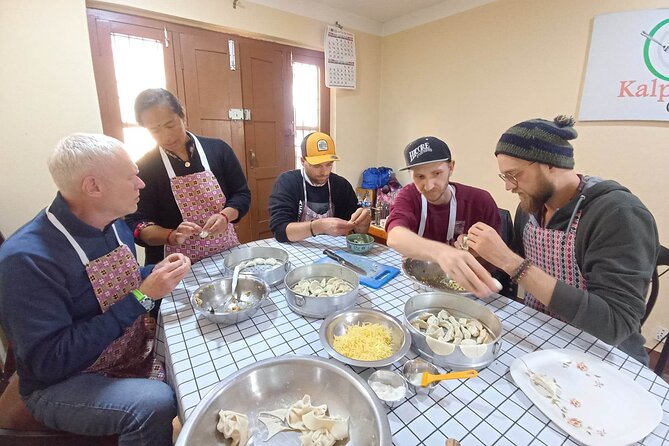
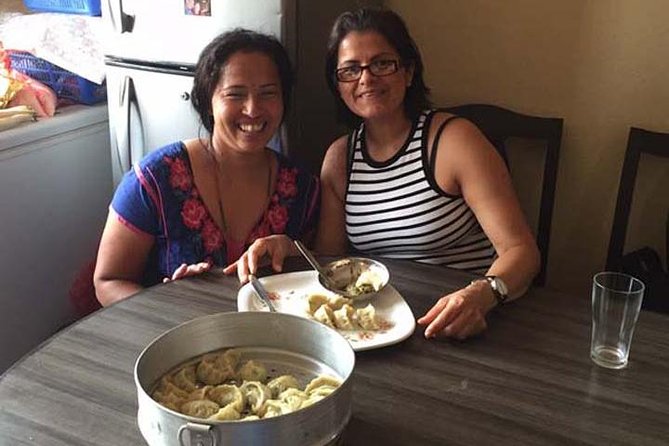
You may also prepare momos, Nepal’s famous steamed dumplings, and sel roti, a sweet fried rice bread. These dishes add variety to the class, but the exact menu may depend on the session and your dietary needs. Ask ahead if a specific dish is the main reason you are booking.
Momos are especially practical because they involve several stages: preparing the filling, shaping the dough, and steaming the dumplings. The folding can take practice, which is part of the fun. Sel roti offers a different lesson, with sweet batter shaped for frying.
Past participants have also made two types of momos and curries. That suggests the class can be adjusted within the available time, rather than following one rigid menu every day. Still, do not assume every listed dish will appear in every session. Confirm your preferred menu before arrival.
A completely different kind of day, same corner of Nepal:
- Private Kathmandu Sightseeing Tour | UNESCO World Heritage sites
★ 5.0 · 756 reviews - Nagarkot Sunrise View and Day Hiking from Kathmandu
★ 5.0 · 471 reviews - Kathmandu: Full Day 7 UNESCO Tour with Lunch – Private/Group
★ 5.0 · 415 reviews - Private Bhaktapur and Nagarkot Day Tour From Kathmandu
★ 5.0 · 305 reviews
Eating what you prepared
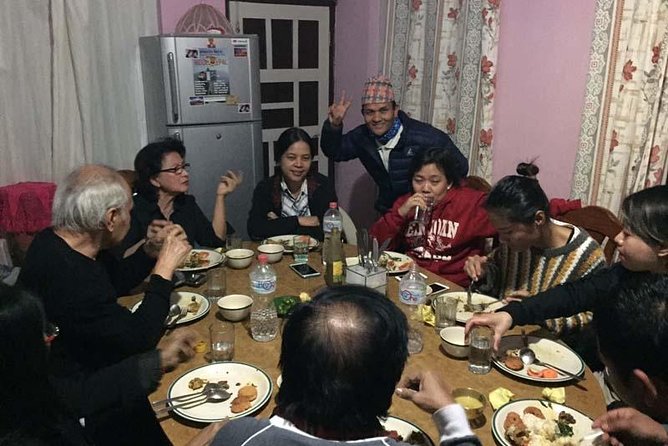
The class ends with lunch, and you eat the food you helped make. This is the point when the long preparation makes sense. The plate is not a tasting menu. It is a generous home-style meal built from the morning’s work.
Plan accordingly. One useful tip is to avoid a large breakfast. The food served throughout the experience can be substantial, and lunch arrives after several hours of preparation. You might think of the class as breakfast tea, cooking workshop, and lunch in one.
The meal is also a natural time to ask about how the food is served at home. You can discuss spice levels, meal routines, and substitutions while everything is still fresh in your mind. Kalpana has helped participants understand what to order elsewhere in Nepal, including which dishes may suit their tastes or dietary needs.
The setting matters here. Eating in the same home where you prepared the food gives the class a personal finish. You are not simply sampling a restaurant version of Nepali cuisine. You are sharing the results with the people who taught you.
What the private format adds
This is a private activity, so only your own group participates. That is important for a cooking class. You can ask for a slower explanation, repeat a technique, or request help with shaping momos without holding up a larger group.
Private also means the day can feel more personal. The family has room to adapt the menu for vegetarian diners and specific dietary requirements. Tell the provider about these needs when booking, not after the cooking has started.
The private format does not mean the class is effortless. You still need to participate. If you want to sit back and watch a chef prepare a polished meal, this is not the best match. The class works better for people who like to chop, mix, grind, taste, ask questions, and accept that homemade food is not always tidy.
The family connection is a major part of the value. Kalpana’s son and daughter may join the class, and the time can extend beyond cooking into everyday conversation about Nepal. This is where the experience gives you something a restaurant cannot.
How much value do you get for $24?
At $24 per person, the price is low for a four-and-a-half-hour private activity that includes hotel pickup and drop-off, private transport, tea or coffee, ingredients, lunch, and recipes in PDF form.
The important comparison is not simply the price of a meal in Kathmandu. You are also paying for transport, instruction, a garden visit, hands-on preparation, and time with a local family. If you only want to eat dal bhat or momos, a restaurant will be cheaper and faster. If you want to understand how the dishes are made, this is a stronger value.
The price is especially good for a small group, since the private format keeps the activity focused. Group discounts are available, though the exact reduction is not specified. Ask for the current group price before booking.
The recipe PDF adds lasting value. You can try the dishes at home instead of leaving Nepal with only photographs and a full stomach. Expect the recipes to make more sense after you have seen and performed the techniques in person.
Timing, effort, and the right kind of day
The experience lasts about four hours and 30 minutes. Hotel pickup and drop-off are included, but the total time away from your accommodation can be longer depending on the drive.
I would schedule this on a relatively open morning or afternoon. Do not place it immediately before a major sightseeing appointment, airport transfer, or long-distance departure. Kathmandu traffic can be unpredictable, and the class itself deserves time without a clock hanging over you.
The physical effort is moderate, but the food preparation is active. You may spend a good deal of time chopping vegetables, grinding spices, preparing dough, and folding dumplings. The class is suitable for people who can take part in ordinary kitchen work, though the provided information does not specify accessibility arrangements.
Weather can affect the experience because part of the activity includes garden or outdoor elements. If poor weather causes cancellation, you are offered another date or a full refund.
Dietary needs and menu changes
Vegetarian food is available, and you can request other dietary adjustments. This is one of the more useful features for a private class, since the menu can be discussed before the visit.
One session included a menu change to suit dietary preferences. That does not guarantee every substitution, but it shows why early notice matters. Send clear information when booking, including foods you avoid and whether you eat meat, dairy, eggs, or particular spices.
The standard set meal includes chicken, so vegetarians should not assume the regular menu will automatically be meat-free. Request the vegetarian option in advance.
If momos or sel roti are your priority, mention that too. The experience includes these dishes among its teaching options, but the detailed set menu also lists rice, dal, vegetables, spinach, chicken, pickle, and papad. Asking early helps set realistic expectations.
Who will enjoy this most?
I would recommend this class to you if you want contact with everyday Nepali culture, not just temples and major sights. It suits curious eaters, families, couples, small groups, and anyone who likes to learn by doing.
It is also a good first full-day activity in Nepal. The class can help you understand local food and offer practical guidance for later meals. You may leave with a better idea of what dal bhat is, how momos are prepared, and which flavors you want to seek out during the rest of your visit.
Families may find the warm home setting especially appealing. The class has worked well for parents and children, provided everyone is ready to participate in kitchen work.
I would be more cautious if you dislike group interaction, prefer a slick professional studio, or want a short demonstration with minimal effort. This experience is praised for its hospitality, but hospitality here means conversation, participation, and time. It is not a quick tourist stop.
The experience has a 5 out of 5 rating from 83 reviews, with 99 percent recommending it. Those figures fit the strongest features: Kalpana’s warmth, the family setting, the garden, and the amount of actual cooking.
Booking and cancellation basics
Confirmation is provided when you book, and mobile tickets are accepted. You can cancel for a full refund up to 24 hours before the start time. Cancellations or changes made within 24 hours are not refunded or accepted.
Because the activity depends partly on good weather, a weather cancellation brings the choice of another date or a full refund. Give your hotel or homestay details and dietary requests when booking so the pickup and menu can be arranged properly.
Should you book Kalpana’s cooking class?
Book it if you want a personal, practical introduction to Nepali food and have half a day to spare. The combination of a private vehicle, family home, garden ingredients, hands-on cooking, lunch, and take-home recipes is unusually good value at $24.
Go in hungry, but not after a heavy breakfast. Wear something comfortable, expect real kitchen work, and tell Kalpana about dietary needs before the day begins. If you want to see Kathmandu beyond its temples and tourist streets, this is a rewarding way to spend time with a local family and learn food you can make again at home.
FAQ
How long does the cooking class last?
The experience lasts approximately four hours and 30 minutes.
Is hotel pickup included?
Yes. Pickup and drop-off from your hotel or homestay are included, with transportation provided by private vehicle.
Is this a private activity?
Yes. Only your own group participates in the activity.
What food will I learn to cook?
The set meal includes plain rice, dal soup, seasonal vegetables, spinach, chicken, pickle, and fried papad. The class also includes dishes such as dal bhat, momos, and sel roti, depending on the session and menu.
Is a vegetarian option available?
Yes. A vegetarian option is available, but you must advise the provider when booking.
Can special dietary requirements be accommodated?
Yes. The class can cater to specific dietary requirements when you provide the details at the time of booking.
Is food included?
Yes. All food is included, including the lunch you prepare and eat during the experience.
Are drinks included?
Morning tea or coffee is included.
What is the cancellation policy?
You can cancel at least 24 hours before the start time for a full refund. Cancellations or changes made less than 24 hours before the experience are not accepted and are not refunded.
More Workshops in Kathmandu
- Knife (Khukuri) Making Workshop- Forge of the Gurkhas
★ 5.0 · 143 reviews - Kathmandu: Traditional Momo Making Class & Pickup
★ 4.8 · 60 reviews - Traditional Nepali Momo Making Classes
★ 5.0 · 53 reviews - Kathmandu: Local Women-Lead Nepali Cooking & Momo Class
★ 4.9 · 45 reviews
Just added around Kathmandu
- Traditional Momo Making Class★ 5.0 · 10 reviews
- Women Empowerment Project(Nepali cooking class & jewelry workshop★ 5.0 · 15 reviews
- Manthali Airport (Ramechhap) To Kathmandu – Transport Service★ 4.5 · 11 reviews
- Amazing 1 Day Trekking Experience in Kathmandu Nepal★ 5.0 · 24 reviews
- Walking tour of Kathmandu with awesome local guides★ 5.0 · 4 reviews
- Walking tour of real Kathmandu through back streets.★ 5.0 · 3 reviews
- Private Manaslu Circuit Trek at Himalayas★ 5.0 · 3 reviews
- Walking Street Food Tour in Kathmandu★ 5.0 · 111 reviews
Cooking Classes, compared.
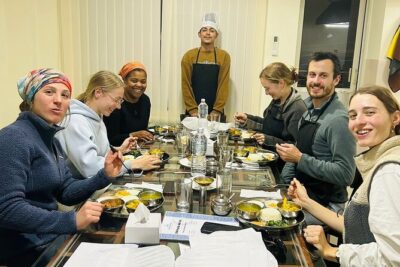
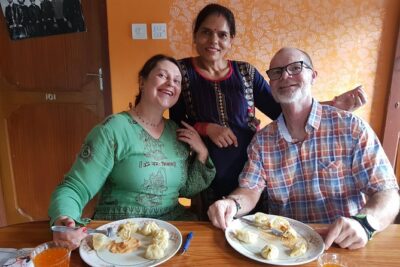
Nepalese Momos or Dal Bhat Cooking Class (Cook with Delight)
Read our review →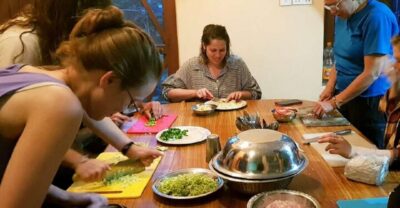
Nepalese Kitchen in Pokhara: Momos or Dal Bhat Cooking Class
Read our review →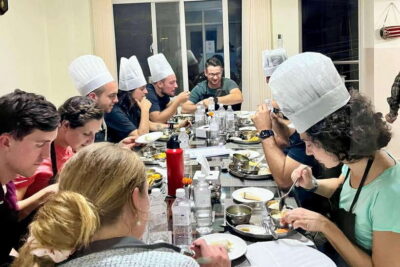
MoMo or Dal Bhat Cooking Class at Aama Kitchen in Pokhara
Read our review →Browse the lists this tour appears in