
Reviewed · MOMO MAKING CLASSES
Nepalese Kitchen in Pokhara: Momos or Dal Bhat Cooking Class
The best part of this Pokhara cooking class is its setting: you cook in Sarita’s real family kitchen, not in a polished restaurant classroom. You chop, season, shape, steam, and eat alongside a local host. I especially like the warm personal contact and the useful recipes, which turn a pleasant afternoon into a skill you can use after Nepal.
I also like the choice between momos and dal bhat. Momos are playful and hands-on, while dal bhat gives you a fuller lesson in the everyday Nepali meal. The main consideration is that transport is arranged for you, but one pickup involved a taxi driver trying to sell extra services, so confirm the ride details before setting off.
Key points at a glance
- Sarita’s home kitchen: Expect a small, personal lesson rather than a crowded cooking school.
- Choose momos or dal bhat: Momos involve dough, filling, folding, and steaming; dal bhat covers several dishes and more cooking steps.
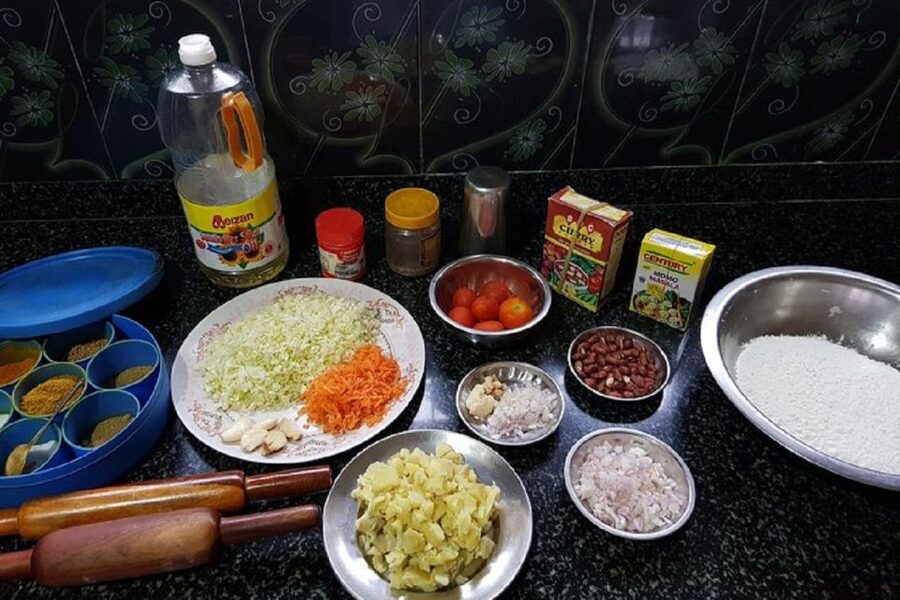
- Fresh local ingredients: Vegetables, spices, and homemade items are prepared for the lesson.
- A serious amount of food: Momo sessions can produce 70 or more dumplings, so arrive hungry.
- Pickup from Lakeside: Round-trip transport from the Lakeside Road area is included.
- Recipe for later: You receive a printed or digital recipe, with some past participants also receiving it in their preferred language.
Why this Pokhara class feels personal
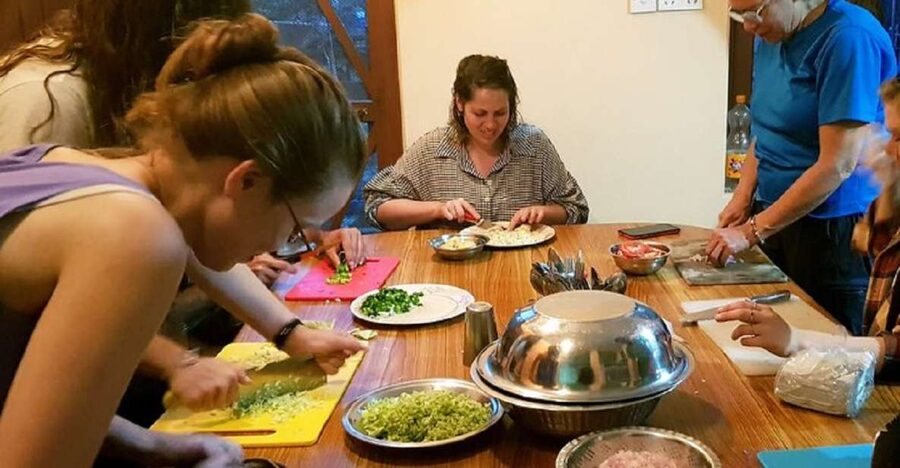
Many cooking lessons take place in a purpose-built kitchen where the local setting is mostly decoration. Here, the kitchen is part of the experience. You enter a Nepalese home, meet Sarita and possibly members of her family, and learn how food is prepared in an ordinary household setting.
That makes the class especially useful if you want more than a restaurant meal. Sarita explains the ingredients, spices, preparation methods, and reasons behind each step. Her English is described as excellent by several participants, and she also teaches in Hindi and Nepali. If English is not your first language, she is used to explaining slowly and simply.
The mood is friendly and relaxed. You are not expected to arrive with cooking experience, and the pace allows time to ask questions. Beginners have managed the class comfortably, including people who had never shaped a momo before. The first few dumplings may look a little uneven, but that is part of the fun.
The private format matters. It can be a lesson for one person, a couple, or a small private group. You get direct help instead of waiting for a turn behind a large table. If you want a quiet cultural activity between hikes and sightseeing, this is a good change of pace.
More Momo Making Classes in Pokhara:
- Nepalese Momos or Dal Bhat Cooking Class (Cook with Delight)
★ 5.0 · 99 reviews - MoMo or Dal Bhat Cooking Class at Aama Kitchen in Pokhara
★ 4.9 · 28 reviews - Pokhara: 3 Hour MoMo cooking class
★ 4.5 · 10 reviews
Choosing between momos and dal bhat
Your choice changes the character of the afternoon.
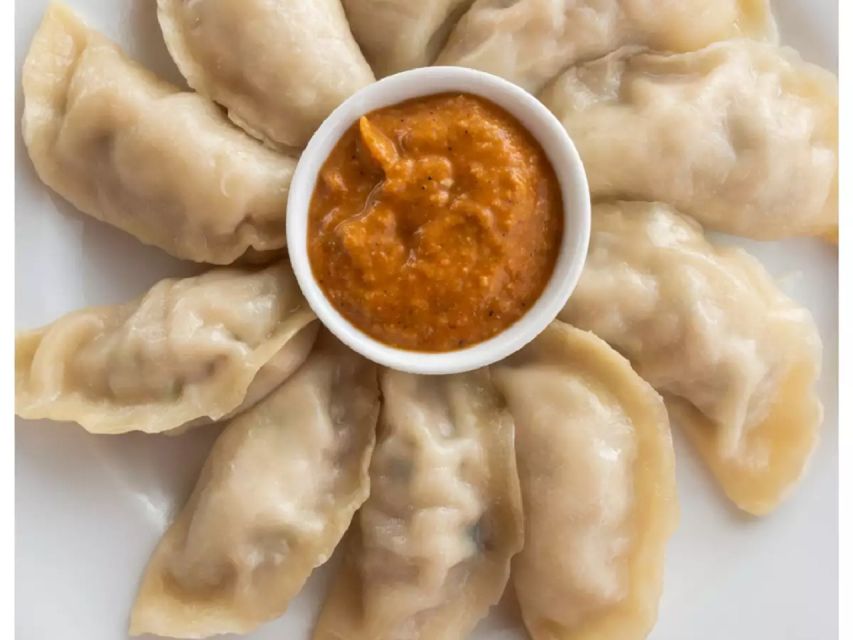
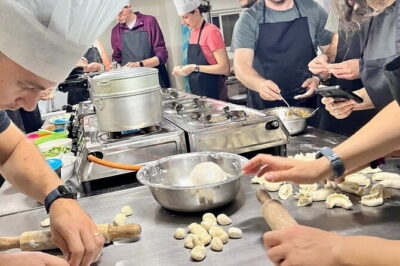
Momos are Nepal’s beloved filled dumplings. You learn to prepare the dough, mix the filling, season it, roll out wrappers, fold the dumplings, and cook them. The folding takes practice, and Sarita’s patience is useful here. The finished momos come with a dipping sauce, and the meal can be surprisingly large.
A session may produce dozens of momos. One participant made more than 70, while another found the quantity so generous that bringing a takeaway container would have been sensible. You should arrive with an empty stomach. This is not a tiny tasting plate followed by a quick demonstration.
The momo lesson also gives you a skill that travels well. Once you understand the basic dough, filling, and folding method, you can adapt it to other dumpling styles at home. The class can include vegetable, cheese, chicken, or buff preparations depending on the arrangement, but you should confirm the exact filling before booking if that choice matters to you.
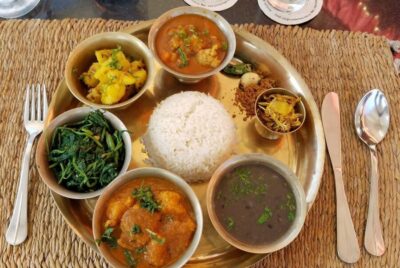
Dal bhat is the better choice if you want to understand a central part of daily Nepali food. It is not just one pot of lentils. The meal can involve dal, rice, vegetables, seasoning, and accompanying dishes, so you handle more stages and learn how the flavors work together.
The dal bhat lesson takes longer to explain than its simple name suggests. You chop, mix, season, and cook several parts of the meal under Sarita’s direction. The reward is a generous plate that feels like a proper home meal, not simply a cooking sample.
Choose momos for a tactile, social session with plenty of shaping and repetition. Choose dal bhat if you want a broader look at Nepali home cooking and the structure of a familiar everyday meal.
What happens during the three hours
The experience begins with pickup from the Lakeside Road area in Pokhara. The listed pickup and drop-off point is Lakeside-6, and round-trip transport is included. A taxi or other arranged vehicle takes you to the kitchen and returns you afterward.
The transport is convenient, especially if you do not know the neighborhood. Still, I would clarify the pickup point, driver, and included ride before leaving your hotel. One person found that the taxi driver tried to press for additional services. That appears to be a transport issue rather than a problem with the cooking lesson, but it is a useful reason to keep the arrangement clear.
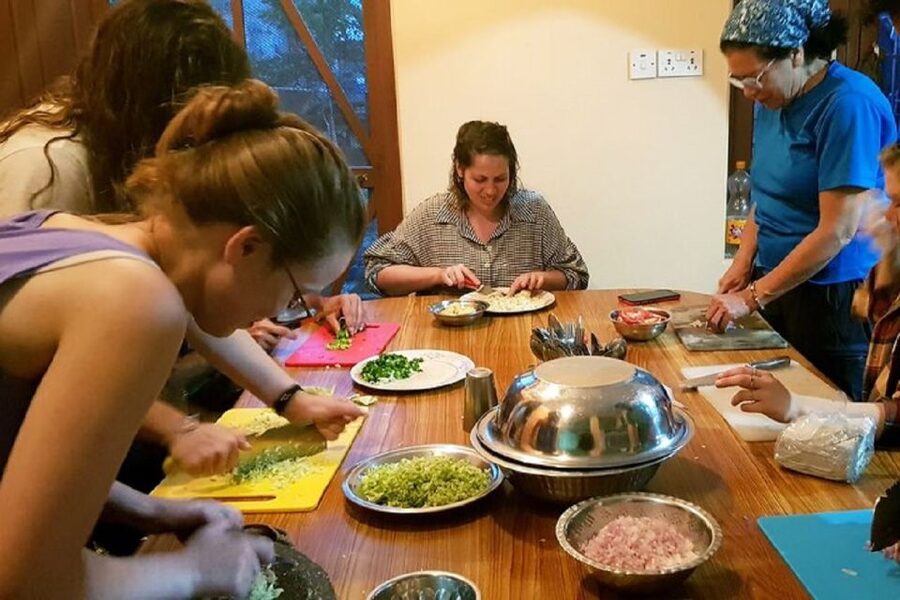
After arrival, you receive an introduction to the ingredients and cooking method. Fresh vegetables and spices are laid out, and the lesson moves into preparation. Sarita does not simply cook in front of you while you watch. You take part in chopping, mixing, seasoning, shaping, and cooking.
That hands-on approach is where the $28 price earns its keep. You are paying for instruction, ingredients, a prepared meal, transport, and access to a home setting. The class is also private, so you receive more attention than you would in a standard group demonstration.
The final part is the meal itself. You sit down and eat what you prepared, with water included and conversation about Nepalese food and family traditions. Tea or snacks have also been offered in some sessions, but they are not listed as a guaranteed inclusion, so do not book this expecting a separate refreshment service.
The activity is scheduled for three hours. In practice, the food you choose affects the pace. Momos involve repetitive folding, and one session took four hours because the participant wanted to work through the process carefully. Allow some flexibility if you are booking another activity immediately afterward.
Sarita’s teaching style and the family setting
Sarita is the central part of the experience. The strongest pattern in the feedback is her patience, warmth, and clear instruction. She welcomes you at the door, explains each stage, and lets you do much of the work yourself.
That last point is important. A cooking class has limited value if the instructor takes over whenever your technique is slow. Here, you can make your own wrappers and dumplings, even when the first ones look like small culinary experiments. Sarita corrects the method without making the lesson feel like an exam.
Her family may be present, which adds to the sense that you are visiting a home rather than attending a commercial demonstration. Past participants appreciated meeting family members and seeing how a Nepalese household lives and cooks. If you prefer a highly polished culinary studio, this setting may feel informal. If you want ordinary local contact, the informality is the appeal.
You can also ask about the role of spices, ingredient swaps, and preparation methods. The lesson is not limited to a fixed recipe. Sarita has explained how different ingredients and methods can produce other Nepalese dishes, giving you a better idea of how to adapt the food outside Nepal.
More Cooking Classes in Pokhara:
- Pokhara: Nepali Cooking Class and Momo Making Workshop
★ 5.0 · 6 reviews - Half day cooking class in Thamel kathmandu
★ 5.0 · 607 reviews - Kathmandu: Local Women-Led Nepali Cooking & Momo Class
★ 4.9 · 360 reviews - Kathmandu: Local Lead Nepali Cooking & Momo-Making Class
★ 5.0 · 212 reviews
Fresh ingredients, spices, and practical cooking lessons
The ingredients are prepared for you, but the cooking remains active. You learn how vegetables are cut, how fillings are seasoned, and how spices are balanced. The point is not to overwhelm you with rare ingredients. It is to show how familiar produce and local seasoning become recognizable Nepali food.
For dal bhat, the main lesson is coordination. Several components need attention, and the meal only comes together when the seasoning and timing work. This makes it a useful class for someone who has eaten dal bhat across Nepal and wants to understand what goes into the plate.
For momos, the main challenge is technique. The dough needs the right texture, the filling must not be too wet, and the wrapper needs to be folded tightly enough to hold together. You will likely make better shapes as the class continues. The printed or digital recipe helps, but the visual lesson is just as valuable.
One small improvement would make the class easier for some people: having the recipe sheet from the beginning. A participant found it helpful but wished it had been available while cooking, since dal bhat has many preparations to track. If you like to follow written steps, ask for the recipe at the start.
The meal you eat at the end
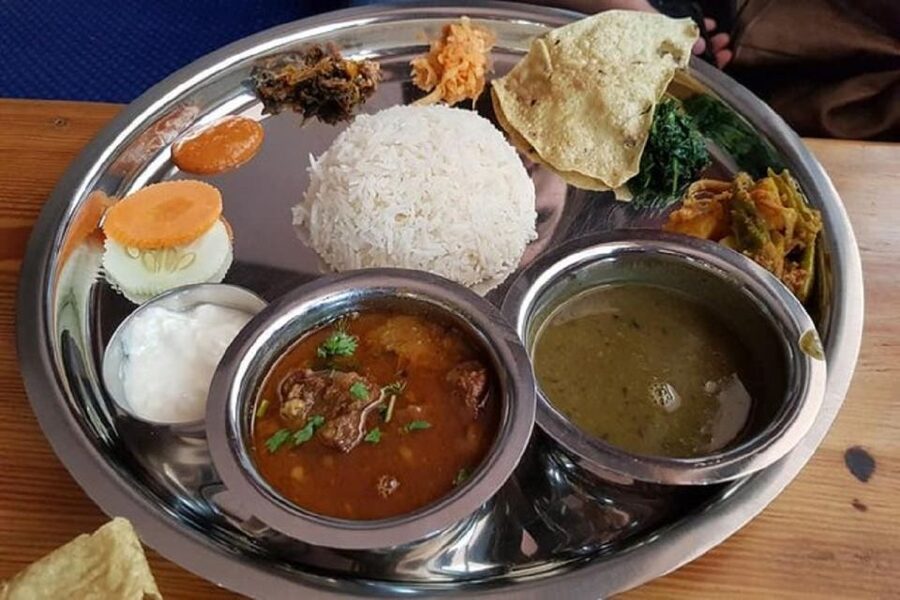
The meal is not an afterthought. You eat the food you prepared, which gives the lesson a clear payoff. Momos arrive in a large quantity, and dal bhat can include several dishes, so you should not plan a heavy dinner immediately afterward.
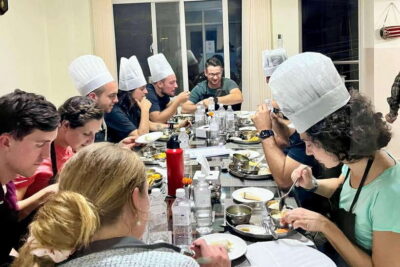
I like this format because you taste the result while the method is still fresh in your mind. You can compare the finished food with what you have eaten in restaurants and ask questions about seasoning or texture. The conversation around the table also makes the cooking lesson feel social rather than purely instructional.
Water is included. Extra food and drinks outside the class are not. The experience is best viewed as a generous meal combined with a lesson, not as an open-ended food tour.
Is $28 good value?
At $28 per person, the class offers solid value for a three-hour private experience. The fee covers round-trip transfer from Lakeside, the instructor, fresh ingredients, spices, the cooking session, the meal, drinking water, and a take-home recipe.
Compare that with paying for a restaurant meal and a separate taxi ride. You would eat the food, but you would not learn how to make the dough, season the dal, fold the momos, or recreate the meal. The recipe and practical instruction give the experience value beyond the afternoon itself.
The price is particularly fair for couples or small groups who want personal attention. A large group could reduce the amount of direct instruction, but the activity is designed as a private group, so you avoid the crowded class problem.
The value is less clear if you only want to sample momos quickly. This is a work session, not a short tasting. You spend time preparing the food before eating it. That is exactly the point for a cooking enthusiast, but less useful for someone with no interest in cooking.
Who should book this experience?
I would recommend it to first-time visitors who want a friendly introduction to Nepalese culture through food. It is also a strong choice after a trek or an active day in Pokhara, when a calm home meal sounds better than another organized sightseeing stop.
It suits solo participants, couples, families, and small private groups. The instructor’s patient style helps beginners, and the English, Hindi, and Nepali language options make communication easier for many people.
Momo fans should choose the momo lesson if they want to master folding and take home a recipe they can repeat. People curious about ordinary Nepali meals should choose dal bhat, especially if they want to learn how several dishes fit together.
You may want to skip it if you dislike hands-on work, have strict food restrictions that have not been confirmed, or need to finish precisely at a fixed time. The activity includes real preparation, and the amount of food can be substantial.
The provider is Snow Peak Tours and Travels Pvt. Ltd. Cancellation is free up to 24 hours before the start time, and you can reserve without paying immediately. Bring a passport or identification card, with a copy accepted.
Should you book the Pokhara cooking class?
Book it if you want a personal encounter with Nepali food and do not mind earning your meal by chopping, mixing, and folding. Sarita’s home setting, patient teaching, fresh ingredients, and generous portions make this more useful than a standard demonstration.
Choose dal bhat for a broad lesson in home cooking. Choose momos for a lively session with plenty of repetition and a recipe you can practice at home. Confirm your transport details, allow a little time beyond the stated three hours, and arrive hungry. For $28, this is one of Pokhara’s more practical cultural activities.
FAQ
Where does the cooking class take place?
The class takes place in a Nepalese home kitchen in Pokhara. Pickup and return transport are provided from the Lakeside Road area, including Lakeside-6.
How long does the experience last?
The scheduled duration is three hours. Momo preparation may take longer if you work through a large batch slowly, so allow extra flexibility before your next activity.
Can I choose between momos and dal bhat?
Yes. The experience offers a choice between a momo cooking lesson and a dal bhat cooking lesson. Confirm your preferred option when booking.
Is transportation included?
Yes. Round-trip transfer from the Pokhara Lakeside area is included. Clarify the pickup details and included transport with the provider before departure.
What languages does the instructor speak?
The live guide service is available in English, Hindi, and Nepali. Sarita has guided English-speaking participants through each cooking step.
What should I bring?
Bring a passport or identification card. A copy is accepted. You should also arrive ready to cook and eat a substantial meal, especially for the momo option.
More Workshops in Pokhara
- Knife (Khukuri) Making Workshop- Forge of the Gurkhas
★ 5.0 · 143 reviews - The best Private Nepali Cooking Class in Kathmandu
★ 5.0 · 83 reviews - Kathmandu: Traditional Momo Making Class & Pickup
★ 4.8 · 60 reviews - Traditional Nepali Momo Making Classes
★ 5.0 · 53 reviews
Just added around Pokhara
- Pokhara: Pokhara Highlights Tour by Bus★ 3.6 · 10 reviews
- Discover Pokhara in Style: Private Vehicle Service with Driver★ 5.0 · 5 reviews
- Pokhara in 5 Hours: Lake, Museum, Cave, Falls & Pagoda Hill★ 4.5 · 16 reviews
- Beautiful Sarankot Sunrise with Full Day Sightseeing in Pokhara★ 4.5 · 3 reviews
- Sarangkot Sunrise Tour in Private Car★ 5.0 · 3 reviews
- Pokhara: Group Joining Sarangkot Sunrise Himalayas Tour★ 4.5 · 23 reviews
- Sarangkot Sunrise Tour from Pokhara★ 4.5 · 9 reviews
- Pokhara: Full-Day Sightseeing & Viewpoints Tour – Private/Group★ 5.0 · 4 reviews
Momo Making Classes, compared.
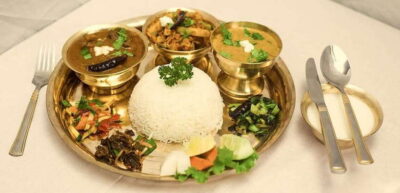
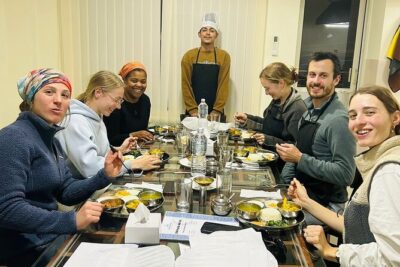
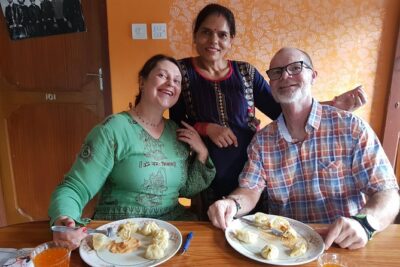
Nepalese Momos or Dal Bhat Cooking Class (Cook with Delight)
Read our review →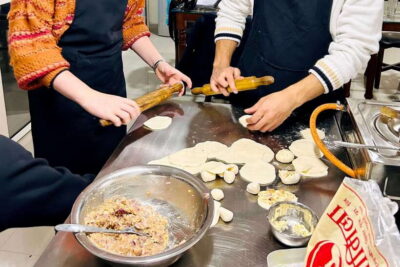
MoMo or Dal Bhat Cooking Class at Aama Kitchen in Pokhara
Read our review →Browse the lists this tour appears in