Reviewed · HIKING & TREKKING
Makalu Base Camp Trek
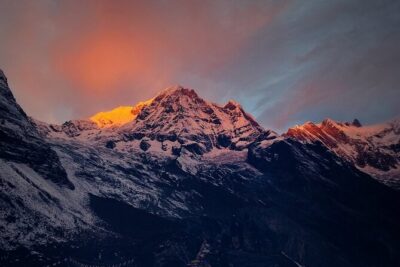
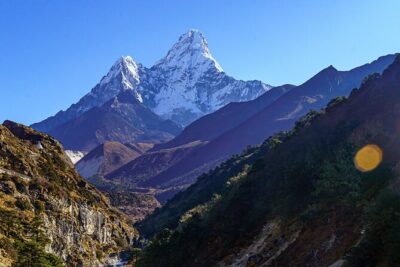
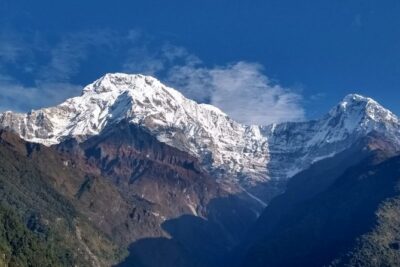
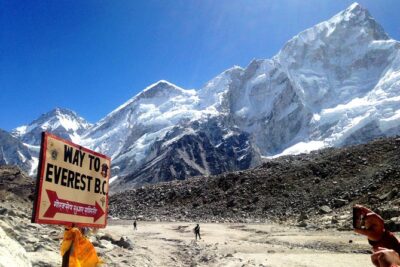
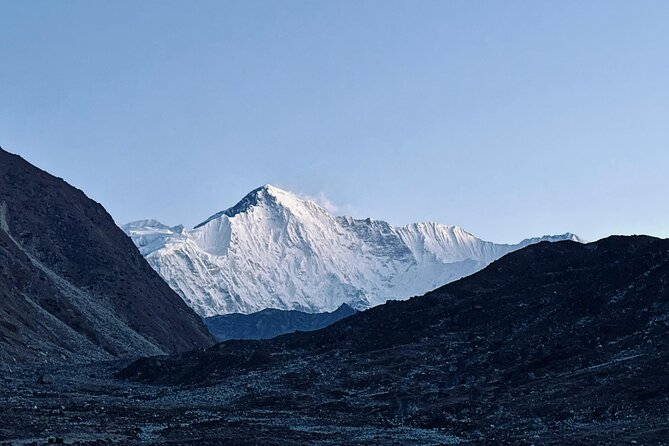
Makalu Base Camp is Nepal at its most remote and raw. The trail moves from warm forests and farm country to high passes, glacier valleys, and views of Makalu, Everest, Lhotse, and Baruntse. I like the quiet trails and the chance to see local Rai, Sherpa, and Bhotiya communities without the crowds found on Nepal’s better-known routes.
I also like that the $1,750 price includes flights, meals, guide and porter support, permits and taxes, maps, first-aid supplies, and lodging. The main concern is the basic infrastructure: some days are long, the road is rough, tea houses are simple, and weather can affect the flight schedule.
Key points to know before booking
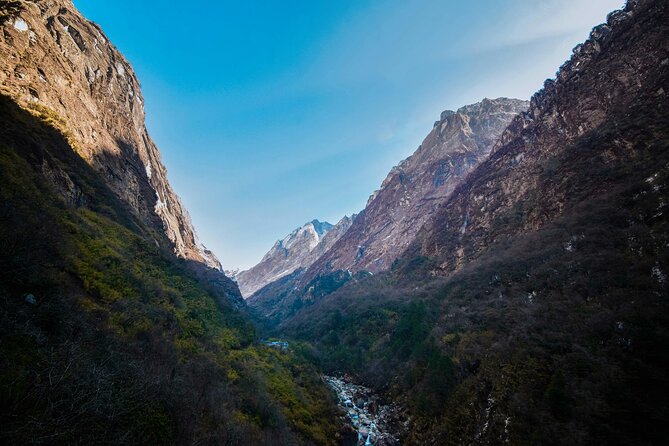
- Makalu-Barun National Park: The route passes through forests, waterfalls, river valleys, alpine meadows, and glacier country.
- Two high passes in one day: Shipton La reaches 4,170 meters and Keke La reaches 4,150 meters.
- A genuinely quiet route: You get a more solitary Himalayan experience than on the Everest or Annapurna trails.
- A full package: Flights, meals, guide, porters, taxes, maps, and basic trekking equipment are included.
- Pujan and David as guide contacts: These guides have been specifically praised for their support and professionalism.
- A demanding 15-day schedule: You need moderate fitness and comfort with steep climbs, long walking days, and basic lodging.
Why Makalu Base Camp feels different
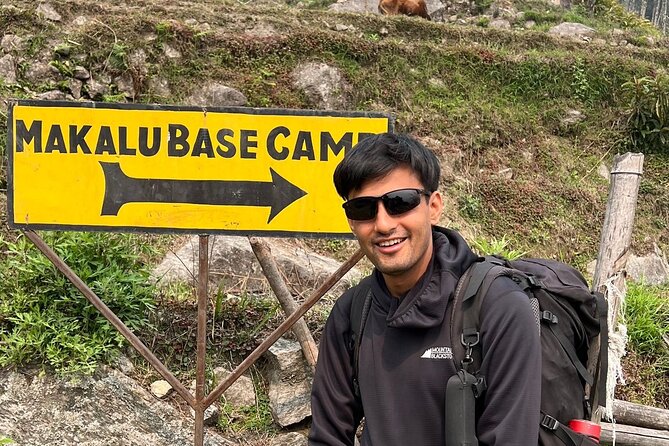
The Makalu Base Camp Trek is not a quick mountain-view walk. It is a long journey into eastern Nepal, where the trail changes character almost every day. You begin among green hills and farms, cross the Arun River, climb through forests, and eventually reach a high valley framed by some of the world’s great peaks.
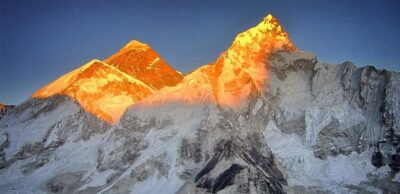
Makalu is the main prize. At 8,485 meters, it is the fifth-highest mountain in the world. From this route, you see it from a less familiar angle, along with Everest, Lhotse, and Baruntse. The setting is not only about big peaks. Makalu-Barun National Park is known for rhododendron forests, medicinal plants, colorful birds, Himalayan thars, and the possibility of seeing a red panda.
That wildlife should be treated as a possibility, not a promise. The real reward is the range of habitats. You move from humid forest to high alpine country on foot, rather than arriving by road at one fixed mountain viewpoint.
The route also passes through communities connected with Rai, Sherpa, and Bhotiya traditions. The villages and tea houses give the walk a human side. You are not simply marching toward a base camp. You are crossing a remote part of Nepal where daily life remains closely tied to the trail, farms, weather, and mountain terrain.
More trekking days out of Kathmandu:
- Nagarkot Sunrise View and Day Hiking from Kathmandu
★ 5.0 · 471 reviews - Kathmandu: Nagarkot Sunrise View & Morning Hike with Lunch
★ 4.9 · 188 reviews - Kathmandu: Nagarkot Sunrise and Hike Tour to Changu Narayan
★ 4.7 · 151 reviews
From Kathmandu to the Arun River
The trek begins with a flight from Kathmandu to Tumlingtar, listed as roughly 45 minutes. From there, you continue by local transport on a four to five-hour off-road journey. This first transfer tells you what kind of trip you have chosen. There is no easy road straight to the trailhead, and the final approach takes time.
The package includes round-trip public flights between Kathmandu and Tumlingtar. That is important value, since air connections in remote Nepal can add a large amount to a trekking budget. The return flight may operate on the final day if timing works, or you may fly the next morning, so you should keep some flexibility in your wider Nepal plans.
The first night is in a tea house within or near Makalu-Barun National Park. The schedule lists a meeting time of 12:15 am at Tribhuvan Airport, an unusually early hour. Confirm this pickup detail before departure, along with the precise flight time and transport arrangements.
On the second day, the trail drops steeply toward the Arun River and then climbs steeply to Seduwa. This is a tough introduction. The listed walking time is five to six hours, but the bigger issue is the repeated descent and climb. Your legs begin working before the high mountains appear.
Seduwa and the first forest days
From Seduwa, the route becomes more gradual for a time. Day three passes farms and forests, with four to five hours of walking. This is a useful change after the steep opening, and it lets you settle into the rhythm of a multi-day trek.
The scenery begins to show why the Makalu route is valued. Instead of one long stretch of similar mountain trail, you get a mix of cultivated slopes, forest, and river country. Rhododendrons and medicinal plants are part of the park’s plant life, and the forest provides shade before the route rises into more open ground.
Day four brings a long uphill through forest and meadows, lasting six to seven hours. The lodging is described as a basic lodge or tea house. That wording matters. You should expect practical shelter rather than comfort-focused accommodation, and you should be ready for a night where facilities are limited.
Day five is set aside for short hikes to nearby ridges. This is an acclimatization day, but do not think of it as a complete day off. Walking higher and returning lower helps your body adjust before the route reaches the passes. It also gives you a chance to see the surrounding hills without carrying out a full day of progress.
Crossing Shipton La and Keke La
Day six is the hardest-looking section of the itinerary. You cross Shipton La at 4,170 meters and Keke La at 4,150 meters, with six to seven hours of walking. It is a demanding day, but it also offers some of the best views on the route.
The passes are valuable because they show the full range of the trek. You have already moved through farms and forests. Now the trail reaches colder, higher country, with broad views over valleys and ridges. The change is dramatic, but the elevation means you need to take the guide’s pace seriously.
A moderate fitness level is listed as necessary. In practical terms, you should be comfortable with steep uphill and downhill walking for several hours, not just with walking on level paths. Hiking poles can help, and poles are available on request as part of the provided equipment.
The package also says sleeping bags and crampons can be provided on request. Ask about these before leaving Kathmandu. Do not assume that gear will be waiting automatically unless it has been confirmed.
More days out in Kathmandu:
- Private Kathmandu Sightseeing Tour | UNESCO World Heritage sites
★ 5.0 · 756 reviews - Half day cooking class in Thamel kathmandu
★ 5.0 · 607 reviews - Kathmandu: Full Day 7 UNESCO Tour with Lunch – Private/Group
★ 5.0 · 415 reviews - Kathmandu: Local Women-Led Nepali Cooking & Momo Class
★ 4.9 · 360 reviews
River valleys, forests, and the approach to base camp
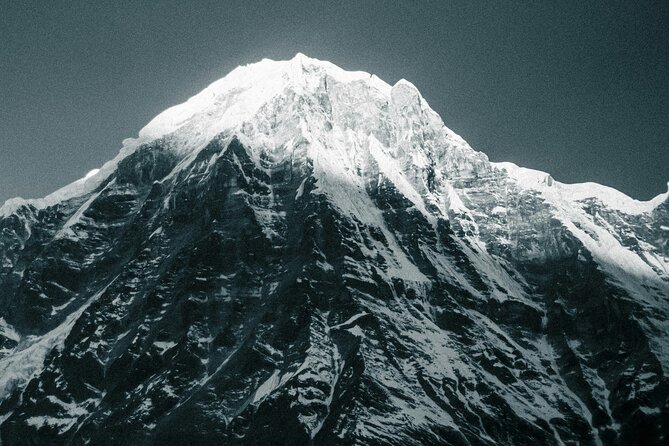
After the passes, the trail runs through rhododendron forests and river valleys on day seven. The walking time drops to five or six hours, giving you a more manageable day after the high crossing.
Day eight continues with a gradual ascent and wide valley views. The pace is still five to six hours, but the steady gain in height matters. This is where the route begins to feel more alpine. The vegetation thins, the valleys open up, and the large mountain views become more central to the day.
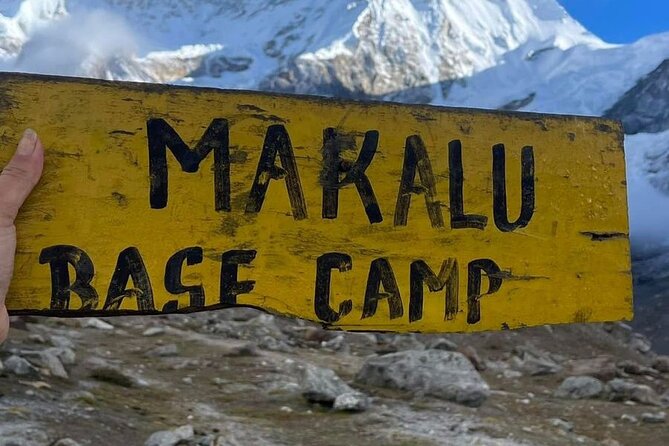
On day nine, you climb to Makalu Base Camp over six to seven hours. This is the main goal, but the approach is not a short viewpoint stop. You reach it after more than a week of walking, so the arrival has weight. The scenery includes views toward Makalu and the surrounding Himalayan peaks, with a stronger sense of rock, snow, and glacier country.
The overnight accommodation is listed as a basic lodge or tented stay. Be ready for the most simple facilities of the trek here. A tented night can be part of the experience, but it also means less comfort and less certainty than a tea house.
Barun Glacier and the high valley
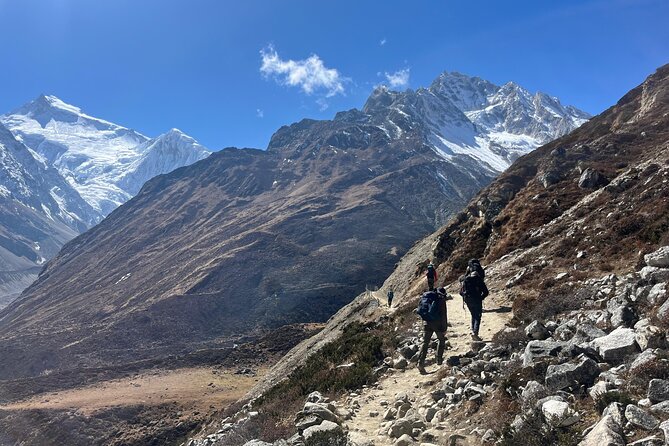
Day ten allows optional side hikes toward Barun Glacier. This is one of the best parts of the schedule because it gives you room to see more than the main route. You can use the day for a side trip if conditions and energy allow, or take a quieter day around camp.
The word optional is important. You should not treat the glacier walk as a required part of the package or assume it will happen in all weather. Your guide will be the right person to advise on conditions, timing, and how much walking makes sense after reaching base camp.
The overnight stay may again be in a tea house or tented camp. At this point, the appeal is the setting rather than comfort. The upper valley offers a more remote feeling than the early forest sections, and the chance to walk toward Barun Glacier adds a worthwhile extra layer to the trip.
The long return through Makalu-Barun
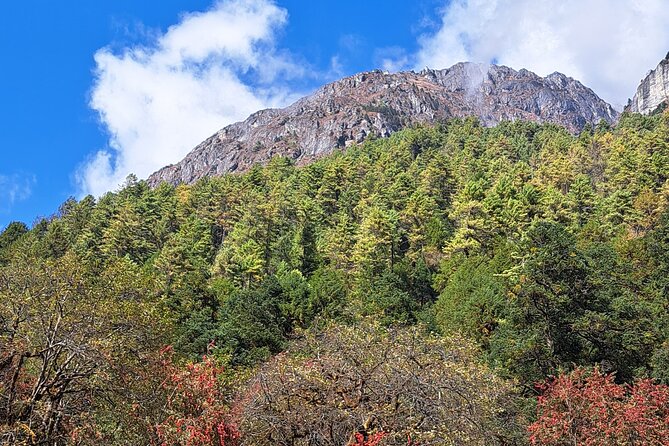
The return begins on day 11, with around seven hours of walking as you retrace your steps. Day 12 takes another six to seven hours, followed by five to six hours on day 13. Day 14 includes a long descent of six to seven hours.
This is where the itinerary’s physical demands become clear. Descending is not automatically easy. Long downhill stretches can be hard on knees and ankles, especially after high-altitude days. Trekking poles are worth requesting, and you should keep your daypack light.
The return route is not empty time. You see the same valleys from another direction, and the lower elevation brings back different forest and farm views. Still, the itinerary does not include a separate rest day during the descent, so you should be ready for a sustained effort all the way back to the road.
Day 15 includes about four hours of walking and four to five hours of driving. If flight timing works, you may fly from Tumlingtar to Kathmandu that day or the following morning. Build a buffer into your plans. The trip depends on local transport and mountain weather, and the final flight is not guaranteed to line up perfectly with the walking schedule.
What the $1,750 price covers
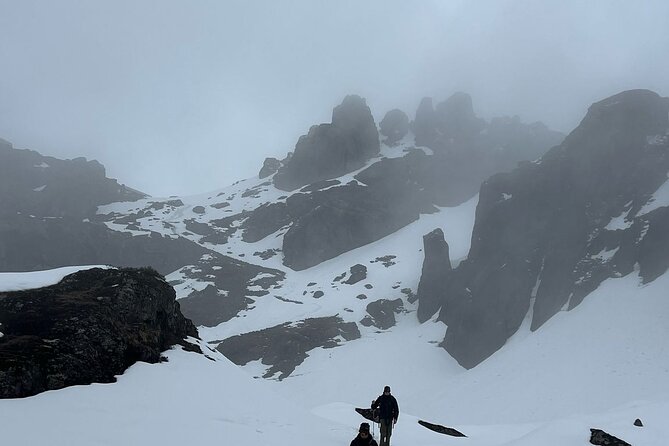
At $1,750 per person, the package offers solid value if you want a guided, supported trek rather than arranging every part yourself. The price includes the Kathmandu to Tumlingtar flights, meals, taxes, fees, an English-speaking guide, porters, guide and porter insurance, daily allowances, maps, first-aid kits, and tea house accommodation.
Breakfast, lunch, and dinner are included throughout the trek. The menu structure is listed as one item from the available menu for each meal. That is useful for budgeting, but it does not mean every drink or extra dish is covered.
Tea and coffee cost extra. Bottled water is also excluded, so carry a refillable bottle and refill at tea houses where possible. Alcohol is not included, and personal travel insurance, visa costs, and extra baggage are your responsibility.
Private transport is not included. The standard arrangement uses local transport, with a private vehicle available for an added charge. Extra porter help can also be arranged at an additional daily cost, with each porter carrying about 20 to 25 kilograms.
For this kind of remote route, included guide and porter support matters more than a fancy room. The package gives you a team, meals, transport connections, and basic equipment without requiring you to build the trek piece by piece. The tradeoff is that the accommodation and transport remain simple.
Guides, support, and the feel of the trip
The experience is private, so only your group participates. That can make a real difference on a quiet route. You are not being fitted into a large walking group with a fixed pace, although the itinerary still has set distances and high passes.
Pujan and David are named as guides connected with especially positive feedback about the trip. Raj is also thanked for helping make the wider Nepal stay run well. You should confirm which guide will lead your particular departure, but these names provide useful points of reference when you communicate with the company.
The strongest praise focuses on the team’s support, the quiet route, and the feeling of entering a largely untouched part of Nepal. That matches the structure of the trek. This is not designed around busy tea house centers or easy access. It depends on a guide and porter team that can keep the group moving through remote terrain.
Your own role still matters. Bring patience, listen to the guide, and tell the team early if you feel unwell. The itinerary reaches high passes and a base camp at altitude, so steady pacing is more useful than trying to prove how fast you can walk.
Who should book this trek?
I would choose this trek if you want solitude, major Himalayan views, and a route that changes from low forest to glacier country. It suits someone who sees the trail itself as part of the reward, not just a way to reach a famous base camp.
You should be comfortable with six to seven-hour walking days, steep climbs, steep descents, basic tea houses, and possible tented accommodation. A moderate fitness level is required, and the high passes make this a poor fit if you want a relaxed sightseeing holiday.
It is also a good match if you prefer a private departure. You can travel with your own group and have direct support from an English-speaking guide rather than joining a large crowd.
The trek may not suit you if you need private transport, hotel-style rooms, included drinks, or a fixed return flight with no weather risk. The route is remote, and the weather can affect flights. Poor conditions may lead to a different date or a full refund, while ordinary cancellations receive a full refund only when made at least 24 hours before the start time.
Should you book the Makalu Base Camp Trek?
Book it if you want Nepal’s quieter side and are prepared to work for it. The combination of Makalu views, high passes, forests, glacier country, and local communities gives you a far more varied journey than a simple mountain lookout walk.
The price is reasonable for a 15-day guided trek with flights, meals, porters, taxes, and basic equipment included. Before paying, confirm the airport pickup time, the exact guide, the return flight plan, and whether you need a sleeping bag or crampons.
If you value silence and remote scenery more than comfort, this is a strong choice. If you want easy roads, polished lodging, and predictable schedules, choose a shorter and more developed trekking route instead.
FAQ
How long is the Makalu Base Camp Trek?
The trek lasts approximately 15 days. The final return flight from Tumlingtar to Kathmandu may take place on day 15 or the following morning, depending on timing.
Where does the trek start?
The experience begins at Tribhuvan Airport in Kathmandu, with a flight to Tumlingtar. The listed meeting time is 12:15 am, so confirm the exact pickup details before departure.
Are flights from Kathmandu included?
Yes. Round-trip public flights between Kathmandu and Tumlingtar are included in the package price.
Are meals included?
Breakfast, lunch, and dinner are included during the trek. Each meal is listed as one item from the available menu.
Is bottled water included?
No. You can buy bottled water along the trail or refill at tea houses. A refillable bottle is recommended.
Is tea or coffee included?
No. Tea and coffee can be purchased separately at tea houses.
What accommodation is provided?
Most nights are in tea houses. Some nights are listed as basic lodge or tented accommodation, especially near Makalu Base Camp and Barun Glacier.
Is a guide included?
Yes. An English-speaking guide is included, along with porters, guide and porter insurance, daily allowances, maps, and first-aid kits. Pujan and David are named guides associated with the trek.
What happens if bad weather cancels the experience?
Because the trek requires suitable weather, a cancellation caused by poor conditions offers you a different date or a full refund. For a personal cancellation, you must cancel at least 24 hours before the start time for a full refund.
Just added around Kathmandu
- Women Empowerment Project(Nepali cooking class & jewelry workshop★ 5.0 · 15 reviews
- Manthali Airport (Ramechhap) To Kathmandu – Transport Service★ 4.5 · 11 reviews
- Amazing 1 Day Trekking Experience in Kathmandu Nepal★ 5.0 · 24 reviews
- Walking tour of Kathmandu with awesome local guides★ 5.0 · 4 reviews
- Walking tour of real Kathmandu through back streets.★ 5.0 · 3 reviews
- Kathmandu Street Food Walking Tour – Eat Like a Local★ 5.0 · 3 reviews
- Private Manaslu Circuit Trek at Himalayas★ 5.0 · 3 reviews
- Walking Street Food Tour in Kathmandu★ 5.0 · 111 reviews
Hiking & Trekking, compared.
Nagarkot Sunrise View and Day Hiking from Kathmandu
Read our review →