
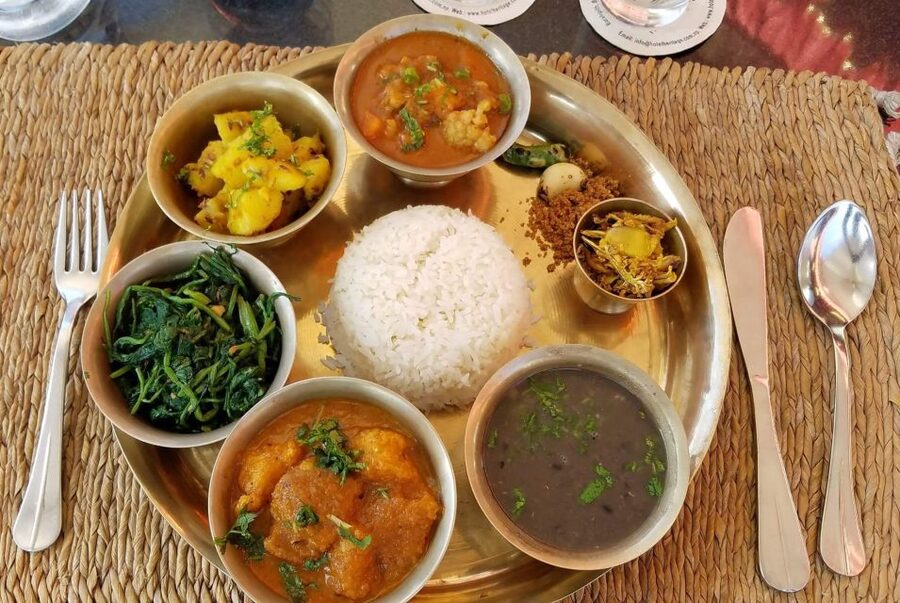
Reviewed · MOMO MAKING CLASSES
MoMo or Dal Bhat Cooking Class at Aama Kitchen in Pokhara
The best part of this Pokhara cooking class is the setting: you leave the tourist strip and cook in a real family apartment with Aama, the household cook. You choose between momos and dal bhat, then prepare the meal yourself instead of simply watching a demonstration.
I like the personal instruction and the chance to ask questions about spices, vegetables, and Nepalese food traditions. I also like the practical hotel pickup, return transfer, and recipe you can take home. The main consideration is that this is an active cooking session in a family kitchen, not a polished restaurant school, and people with food allergies should not book.
Key Points
- Choose your Nepali dish: Select momos or dal bhat when booking.
- Cook in a family home: The class takes place in Aama’s apartment, about 25 minutes from Lakeside.
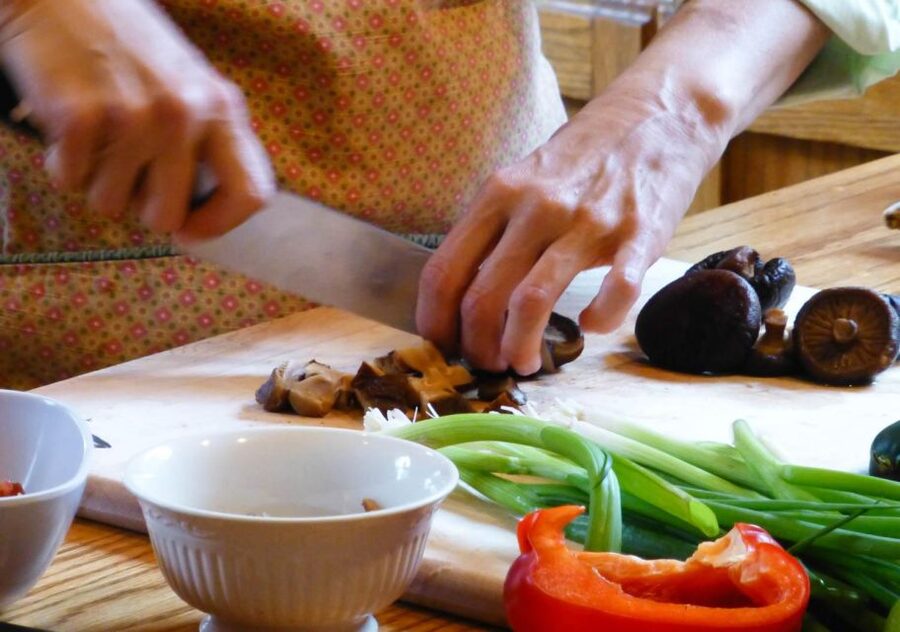
- Learn by doing: You help prepare, shape, cook, and eat the food rather than just observing.
- Meet local hosts: Sessions may involve Aama and family members such as Sadaha or Shanta.
- Good value at $28: Ingredients, equipment, private instruction, and Lakeside transfers are included.
- Allow three hours: Bring comfortable clothes and shoes, but leave luggage and large bags at your hotel.
Cooking Momos or Dal Bhat in Aama’s Home
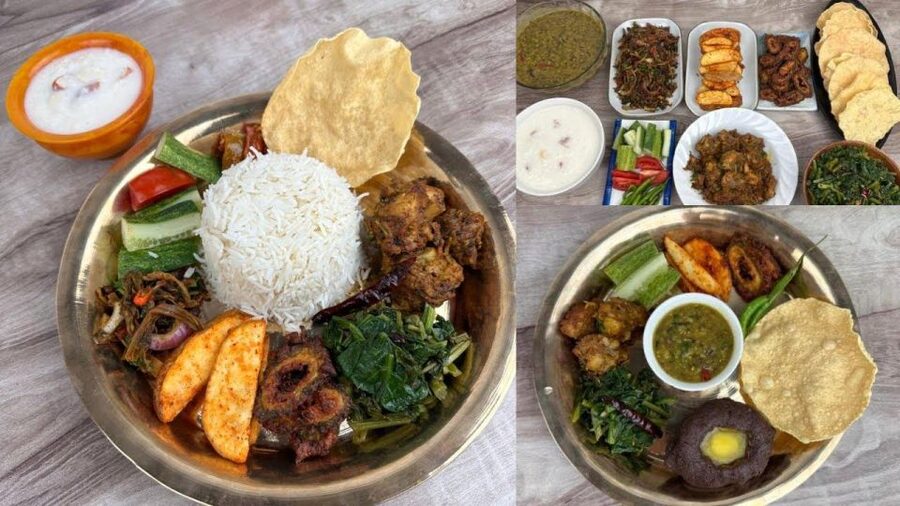
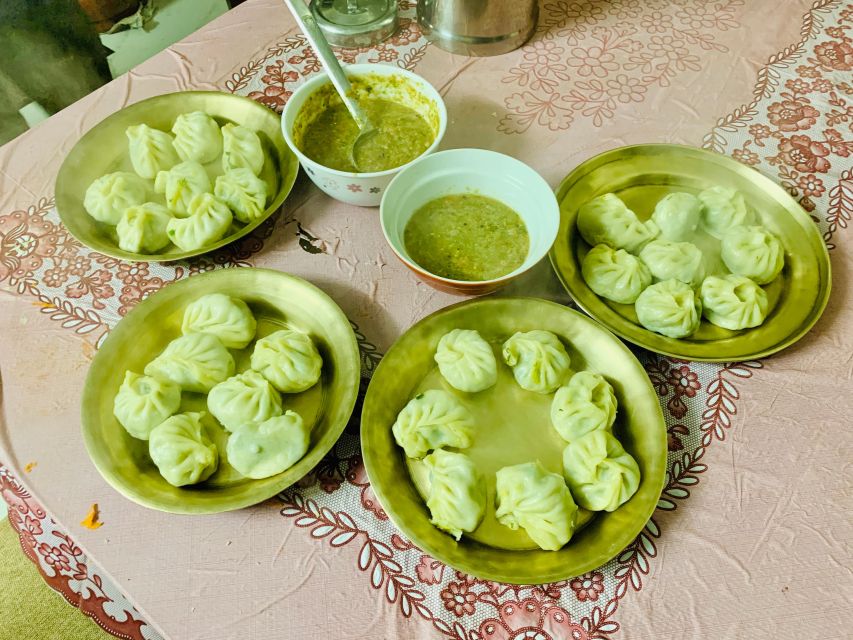
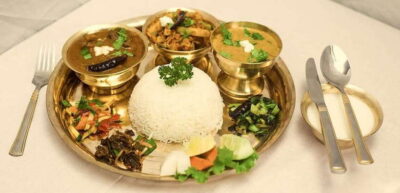
This experience gives you two very different ways into Nepalese cooking. Momos are the familiar choice: stuffed dumplings that require mixing a filling, preparing wrappers, shaping each piece, and cooking them. Dal bhat is the larger traditional meal, with lentils, rice, vegetables, spices, and accompanying curries or sides.
You choose your dish when you book. Put your preference in the booking comment so the host can prepare the right ingredients and plan the session around your choice. If you want both dishes, this is not advertised as a two-dish class, so you should ask before booking rather than assume.
The class begins with pickup from your hotel in Pokhara’s Lakeside area. The drive to the family home takes about 25 minutes, followed by the cooking session and a return drive to your hotel. The full activity lasts around three hours, making it easy to fit around a morning walk, a boat ride on Phewa Lake, or an afternoon in town.
I like this format because the transfer removes the guesswork of finding a private home outside the main tourist zone. You do not need to arrange a taxi for the outbound and return journeys, and the ride gives you a little distance from the familiar Lakeside streets.
More Momo Making Classes in Pokhara:
- Nepalese Momos or Dal Bhat Cooking Class (Cook with Delight)
★ 5.0 · 99 reviews - Nepalese Kitchen in Pokhara: Momos or Dal Bhat Cooking Class
★ 5.0 · 67 reviews - Pokhara: 3 Hour MoMo cooking class
★ 4.5 · 10 reviews
The 25-Minute Ride Beyond Lakeside
Pickup is available from hotels within Lakeside, and you should wait in the lobby about 10 minutes before your scheduled time. This is a private group experience, so you are not being folded into a large class with strangers.
That private format matters in a kitchen setting. You can ask questions as you work, take your time with unfamiliar steps, and receive direct help with folding momos or balancing spices. Solo participants can also book, and the family setting is intended to keep the class personal rather than formal.
The transport has a strong record, with 93 percent of ratings giving it a perfect score. Still, keep the schedule practical. The 25-minute drive is an approximate time, and Pokhara traffic can affect the exact pickup and return. Do not book the class too close to a flight, bus departure, or another fixed appointment.
Wheelchair access is listed, but the activity takes place in a family apartment rather than a purpose-built cooking school. If you use a wheelchair or have specific access needs, confirm the entrance, bathroom, and kitchen layout before paying.
Meeting Aama and the Family Cooks
Aama means mother in Nepali, and the title fits the tone of this class. You are welcomed into a home kitchen and taught by the family head, who has years of practical experience cooking Nepalese food.
The names Sadaha and Shanta are connected with individual class sessions, so your host may be one of them or another member of the family. The important point is that instruction comes from a Nepalese home cook, not from a detached demonstration guide. English and Hindi are offered for communication.
This setting changes the feel of the lesson. You can ask why a particular spice is used, how vegetables fit into the meal, or what makes a dish taste traditionally Nepalese. One session included discussion of spice and vegetable origins, harvest times, and festival customs. Another included a tika and a small ceremony during a festival period.
Those details are valuable because the food is not treated as a list of steps. You get a look at how cooking connects to family life, seasonal produce, celebrations, and everyday meals in Nepal. The cultural element is informal, which is exactly why some people will prefer it.
Do not expect a scripted lecture or a restaurant-style classroom. You are in a family apartment, working alongside the hosts. That can mean a more genuine encounter, but it also means the space is homely rather than designed for large groups or showy presentations.
What You Actually Do During the Three Hours
The class is hands-on from the start. The host supplies ingredients and equipment, then guides you through the chosen recipe step by step.
For momos, you should expect to help with the preparation of the filling and the shaping of the dumplings. Folding takes practice. One participant described needing several attempts, while the host remained patient and encouraging. That is useful to know before you book: neat pleats are not required, and imperfect momos still make a very good lunch.
You then cook the momos and eat what you have made. The appeal is practical. After the session, you know more than the basic flavor of a dumpling from a Pokhara café. You have a method you can try again at home, including the part that often causes trouble: getting the shape right.
Dal bhat covers more elements. You learn how to prepare the lentils, rice, vegetables, spices, and related dishes that make the meal feel complete. It is a better choice if you want to understand Nepal’s everyday food culture rather than focus on one snack.
The class has also been used to explain the origins and seasonal timing of ingredients. You can ask questions as the meal comes together, then sit down and taste the finished food. The meal is not an extra add-on. It is the reward for doing the work.
More Cooking Classes in Pokhara:
- Pokhara: Nepali Cooking Class and Momo Making Workshop
★ 5.0 · 6 reviews - Half day cooking class in Thamel kathmandu
★ 5.0 · 607 reviews - Kathmandu: Local Women-Led Nepali Cooking & Momo Class
★ 4.9 · 360 reviews - Kathmandu: Local Lead Nepali Cooking & Momo-Making Class
★ 5.0 · 212 reviews
Why the Family Kitchen Matters
A restaurant cooking school can offer more space, more equipment, and a carefully timed lesson. Aama Kitchen offers something else: a direct look at how food is prepared in a Nepalese home.
I value that difference. You are not only learning how to make momos or dal bhat. You are also seeing the social side of cooking, where conversation and food preparation happen together. Solo participants may find the setting especially welcoming, since the activity is built around participation rather than simply watching a group demonstration.
Families can also get a lot from it. Children and adults can divide up simple tasks, and everyone gets a meal at the end. One family described meeting Aama and her two sons as one of the memorable parts of their Nepal trip. That kind of encounter is hard to reproduce in a standard restaurant.
The tradeoff is space and comfort. A family apartment may feel cozy, but it will not have the room or polished workstations of a commercial cooking studio. Wear clothes you can cook in and comfortable shoes. Large bags and luggage are not allowed, so leave them at your hotel.
Choosing Between Momos and Dal Bhat
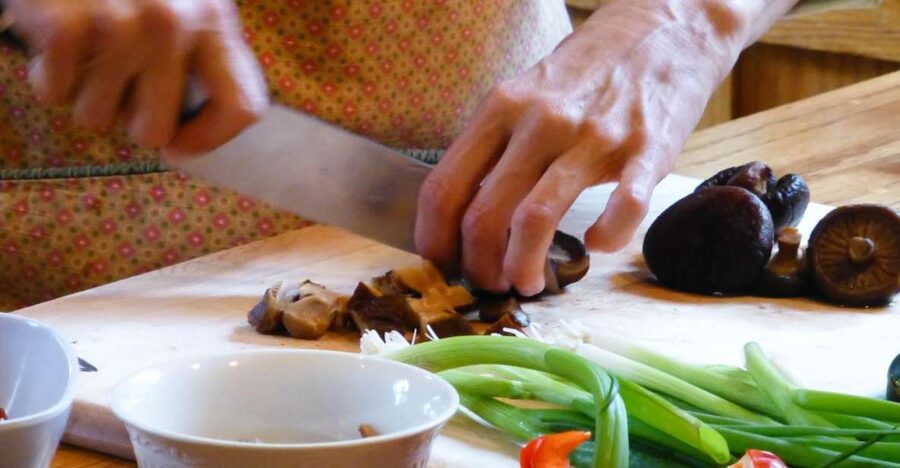
Choose momos if you want a focused, social activity with a clear final product. You will work on shaping the dumplings, and the class gives you a skill you can repeat at home. This is also a good pick if momos are already one of your favorite foods in Nepal and you want to understand how they are made.
Choose dal bhat if you want a broader introduction to Nepalese home cooking. The meal involves more components and offers more room to discuss spices, vegetables, preparation methods, and cultural customs. It is the stronger option for someone curious about the food Nepalese families eat as part of daily life.
Momos may be easier to follow if you have limited cooking experience, but shaping them can be fiddly. Dal bhat may feel more substantial and culturally revealing, though it includes several dishes and steps. Neither option is simply a tasting session. You should be ready to chop, mix, shape, stir, and clean up as part of the cooking process.
Food allergies are an important exception. The experience is not suitable for people with food allergies. Ingredients are provided for the class, and the supplied information does not promise allergy-free substitutions or a separate preparation area.
Is $28 a Fair Price?
At $28 per person, the price includes the three-hour class, all ingredients, cooking equipment, English or Hindi instruction, and round-trip hotel transfer within Lakeside. That makes it a stronger value than the headline price might suggest.
You are paying for more than a plate of food. The transfer alone saves you from arranging transport to a private home, while the small private-group format gives you direct access to the host. You also leave with a recipe and the ability to repeat the dish later.
The value is highest if you care about personal contact and practical learning. If you only want to eat momos or dal bhat, a local restaurant will cost less and take less time. If you want to understand how the food comes together and share a meal with a Nepalese family, the class earns its price.
The activity allows cancellation up to 24 hours before the start for a full refund, and you can reserve now and pay later. Those options help if your Pokhara schedule depends on weather, trekking plans, or transport.
Who Will Enjoy This Most?
I would recommend the class to people who enjoy cooking, food culture, and relaxed conversation. It suits solo visitors, couples, families, and private groups who would rather take part than sit through a formal demonstration.
It is also a good choice for anyone who has already eaten momos or dal bhat around Nepal and wants to know what goes into the dish. The lesson turns a familiar meal into something more memorable and gives you a recipe to share at home.
Families with children may enjoy the hands-on tasks, though the information does not give a minimum age. Ask the provider if you are booking for young children or need a particular arrangement.
People looking for luxury facilities, a highly structured professional kitchen, or a quick meal should choose something else. The charm here comes from the home setting, and that setting requires a little flexibility.
Booking and Preparation Tips
Book the dish you want clearly: momos or dal bhat. Put your choice in the comment when making the reservation, and contact the provider ahead of time if you have dietary concerns.
Wear comfortable clothes and shoes. Cooking can be messy, and you will be moving around the kitchen rather than sitting for the full three hours.
Wait in your hotel lobby 10 minutes before pickup. The included transfer applies to hotels within Lakeside, so confirm your address if you are staying elsewhere in Pokhara.
Leave suitcases and large bags behind. The activity takes place in a home kitchen, where extra luggage would get in the way.
Allow some breathing room after the class. The return drive is included, but the exact timing can shift. I would not pair it with a tightly timed departure.
Should You Book Aama Kitchen?
Book it if you want a warm, personal introduction to Nepalese cooking and do not mind getting involved. The strongest reasons are the family apartment, patient instruction, private format, and chance to prepare food you can recreate at home.
Choose momos for a focused dumpling lesson. Choose dal bhat for a broader look at Nepalese home cooking, spices, vegetables, and festival customs. At $28, the transfer and ingredients make the experience good value for anyone who wants more than a restaurant meal.
Skip it if you have food allergies, dislike hands-on cooking, need a large professional kitchen, or are carrying luggage. For everyone else, this is the kind of Pokhara activity that connects a meal with the people and home behind it.
FAQ
What can I cook at Aama Kitchen?
You can choose between a Nepalese momo cooking class and an authentic dal bhat cooking class.
How long does the cooking class last?
The activity lasts three hours, including the cooking experience and transport arrangements.
Is hotel pickup included?
Yes. Round-trip pickup and return are included for hotels within the Lakeside area of Pokhara.
How far is Aama’s home from Lakeside?
The drive to the home takes approximately 25 minutes.
Which languages are available?
Instruction is available in English and Hindi.
Is the class private?
Yes. The activity is offered as a private group experience.
What should I bring?
Bring comfortable shoes and comfortable clothing. Do not bring luggage or large bags.
Can I cancel for a refund?
You can cancel up to 24 hours before the activity for a full refund.
Is the class suitable for people with food allergies?
No. The experience is listed as unsuitable for people with food allergies.
More Workshops in Pokhara
- Knife (Khukuri) Making Workshop- Forge of the Gurkhas
★ 5.0 · 143 reviews - The best Private Nepali Cooking Class in Kathmandu
★ 5.0 · 83 reviews - Kathmandu: Traditional Momo Making Class & Pickup
★ 4.8 · 60 reviews - Traditional Nepali Momo Making Classes
★ 5.0 · 53 reviews
Just added around Pokhara
- Pokhara: Pokhara Highlights Tour by Bus★ 3.6 · 10 reviews
- Discover Pokhara in Style: Private Vehicle Service with Driver★ 5.0 · 5 reviews
- Pokhara in 5 Hours: Lake, Museum, Cave, Falls & Pagoda Hill★ 4.5 · 16 reviews
- Beautiful Sarankot Sunrise with Full Day Sightseeing in Pokhara★ 4.5 · 3 reviews
- Sarangkot Sunrise Tour in Private Car★ 5.0 · 3 reviews
- Pokhara: Group Joining Sarangkot Sunrise Himalayas Tour★ 4.5 · 23 reviews
- Sarangkot Sunrise Tour from Pokhara★ 4.5 · 9 reviews
- Pokhara: Full-Day Sightseeing & Viewpoints Tour – Private/Group★ 5.0 · 4 reviews
Momo Making Classes, compared.
Nepalese Momos or Dal Bhat Cooking Class (Cook with Delight)
Read our review →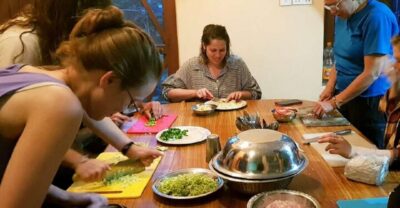
Nepalese Kitchen in Pokhara: Momos or Dal Bhat Cooking Class
Read our review →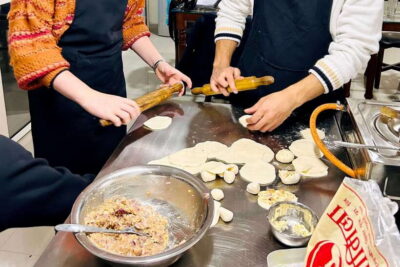
Browse the lists this tour appears in