
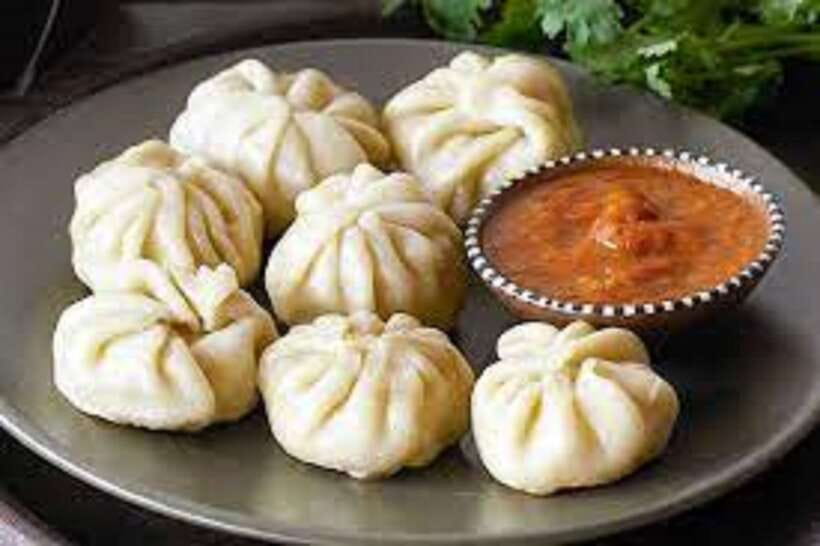
Reviewed · MOMO MAKING CLASSES
Pokhara: 3 Hour MoMo cooking class
The best part of this Pokhara cooking class is that you do not simply watch someone make momos. You prepare the filling, knead the dough, roll the wrappers, learn several folding styles, and cook the finished dumplings yourself. By the end, you have a useful food skill and a proper meal.
I like the hands-on format and the choice of vegetarian, chicken, or meat filling. I also like the small-group feel: one recent class had only two participants, which allowed plenty of direct help. The main drawback is that the folding takes practice, and the class may feel less comfortable if you have limited mobility or dislike working with flour and food by hand.
Key points at a glance
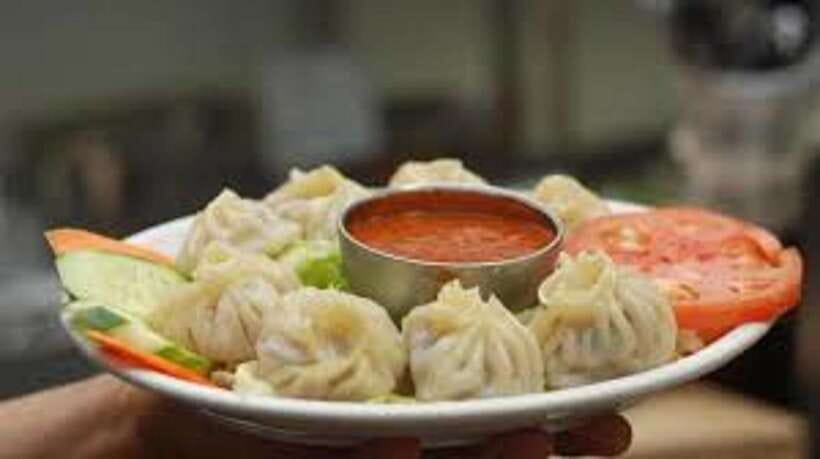
- Three momo shapes: Learn traditional pleats, crescent-style folds, and other shaping methods.
- A full cooking process: Make the filling, dough, wrappers, sauces, and steamed momos from scratch.
- Choice of filling: Select a vegetarian, chicken, or meat preparation.
- Local café setting: The class takes place at a Pokhara café, with pickup and drop-off from the Lakeside area.
- Private group format: The class is arranged for a private group rather than a large public crowd.
- Useful value at $29: The price includes transport within Lakeside, ingredients, cooking materials, and a cold drink.
Why momos make a good Pokhara cooking class
Momos are one of Nepal’s most familiar foods, but the charm is in the details. They look simple: a wrapper, a filling, and a steamer. The work comes in getting the dough thin enough, keeping the filling balanced, and folding each dumpling so it stays closed during cooking.
The opening ten minutes give you a short introduction to momos and their place in local food culture. You also get an explanation of the ingredients and equipment before handling anything. That small briefing matters because the class is not only a recipe demonstration. It shows you how the separate parts fit together.
I find momos especially well suited to a short cooking class because you can see progress quickly. You begin with basic ingredients and finish with food you can eat immediately. The class also gives you a better sense of why handmade momos vary in shape. The uneven ones are not failures. They are usually the ones that teach you the most.
More Momo Making Classes in Pokhara:
- Nepalese Momos or Dal Bhat Cooking Class (Cook with Delight)
★ 5.0 · 99 reviews - Nepalese Kitchen in Pokhara: Momos or Dal Bhat Cooking Class
★ 5.0 · 67 reviews - MoMo or Dal Bhat Cooking Class at Aama Kitchen in Pokhara
★ 4.9 · 28 reviews
Pickup from Lakeside and the café setting
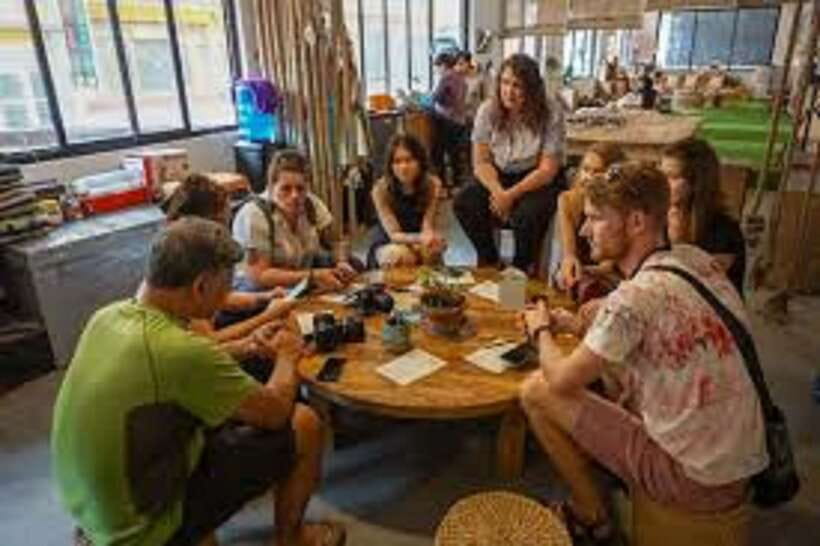
Your pickup and return are included if you are staying within the Lakeside area of Pokhara. The activity begins with collection in Pokhara, followed by a visit to the local café where the cooking takes place. The exact start time depends on availability, so check the schedule before booking.
This arrangement is convenient if you do not want to find an unfamiliar café on your own. It also keeps the experience compact. You are not spending a large part of the afternoon crossing town, then rushing through the cooking.
The class takes place at Café Nirvana, according to the experience details provided by recent participants. One account describes being picked up on time and then walking to the café with the organizer. That suggests the transport portion may be brief when you are staying nearby, but you should still confirm your pickup point within Lakeside.
The private group setup is worth noting. A class with only two people can feel almost like a personal lesson, with more chances to ask questions and get help with difficult folds. A larger private group may be less quiet, but you still avoid the feel of a crowded demonstration kitchen.
Choosing the filling and preparing it
After the introduction, roughly 40 minutes are devoted to the filling. You choose from vegetarian, chicken, or meat options, then watch the instructor explain how the selected ingredients are prepared and combined.
This is one of the useful parts of the class because filling affects the entire momo. Too much filling can split the wrapper. Too little leaves a dumpling that looks attractive but tastes flat. The instructor helps you learn the right balance while you prepare your own mixture.
The vegetarian option has been a popular choice in the classes described, and it is a sensible pick if you want to focus on seasoning and texture without worrying about meat preparation. Chicken or meat gives you another traditional direction, but the supplied information does not specify exactly which cuts, spices, or vegetables are used. Ask about the available choice when you arrive.
You should also expect the class to be practical rather than polished. You will be chopping, mixing, and handling ingredients yourself. That is the point, but it means you should not treat this as a passive food tasting. Wear something comfortable and avoid bringing a large bag into the cooking area.
Kneading dough for the wrappers
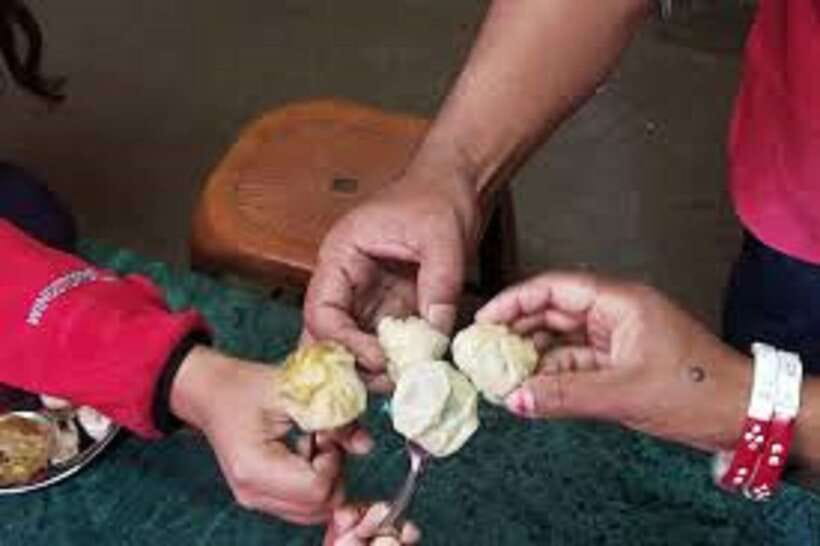
The dough section takes about 30 minutes. You learn which ingredients are used, why they matter, and how to knead the mixture before leaving it to rest for a short time.
The dough is where many first-time momo makers discover that simple food can require patience. It needs enough work to become workable, but the wrappers must still be rolled thin enough to fold. A short rest helps make the dough easier to shape.
I like that you make your own dough rather than receiving ready-made wrappers. It adds time, but it gives you a skill you can repeat at home. The class also connects the dough to the final result. If the wrapper is too thick, the momo can feel heavy. If it is too thin, the filling may escape.
Do not expect every wrapper to look identical. The purpose is to learn the feel of the dough and the basic method. The instructor demonstrates each step, then lets you try it while help is available.
More Cooking Classes in Pokhara:
- Pokhara: Nepali Cooking Class and Momo Making Workshop
★ 5.0 · 6 reviews - Half day cooking class in Thamel kathmandu
★ 5.0 · 607 reviews - Kathmandu: Local Women-Led Nepali Cooking & Momo Class
★ 4.9 · 360 reviews - Kathmandu: Local Lead Nepali Cooking & Momo-Making Class
★ 5.0 · 212 reviews
Rolling and folding three momo styles
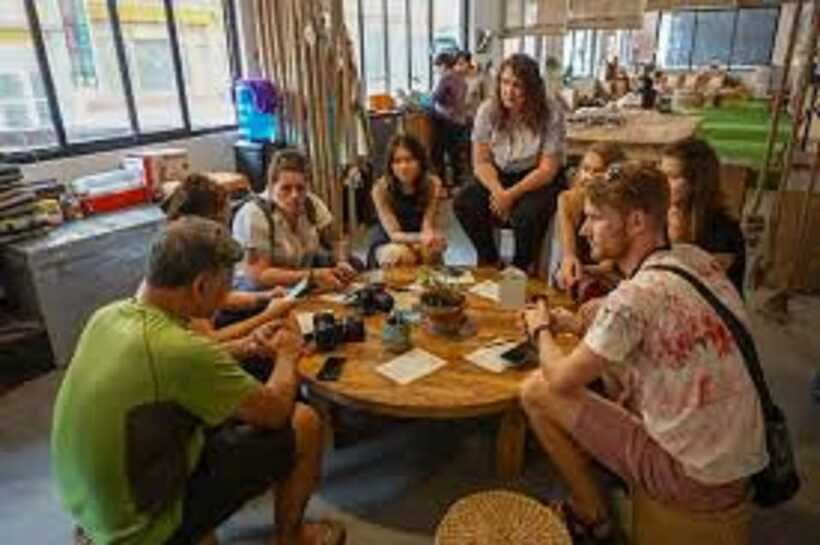
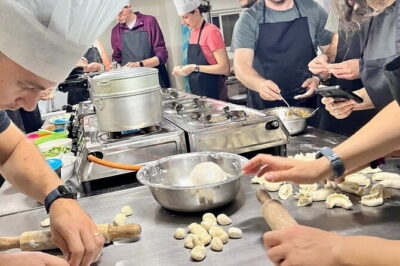
The rolling and shaping section lasts around 40 minutes, and this is likely to be the most playful part of the class. You roll the dough into wrappers and practice different shapes, including traditional pleats and a crescent moon style.
The folding technique makes a big difference to the finished dumpling. You need to place enough filling in the center, leave a clean edge, and pinch the wrapper closed without tearing it. The first few attempts may look more like small parcels than restaurant momos. That is normal.
The class teaches three folding techniques, giving you more than one way to shape the dough. This is a useful detail for home cooks because some folds feel easier depending on the size and thickness of the wrapper.
One recent participant found that the folding worked better on some momos than others, but the final dumplings still looked good and tasted delicious. That is a realistic expectation. You are learning a technique, not entering a dumpling competition.
Take your time here. A neat fold helps the momo stay closed, but flavor does not depend on perfect symmetry. If you are cooking with children or friends, this stage also gives the activity its social side without requiring advanced kitchen skills.
Steaming, and perhaps frying, the finished dumplings
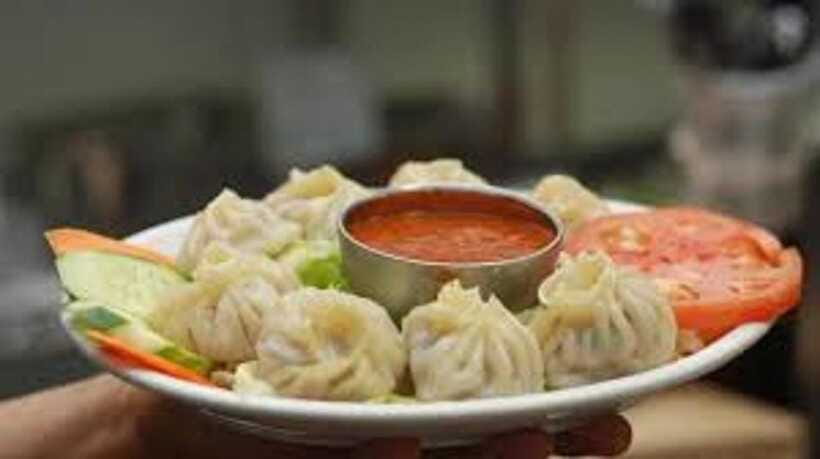
The steaming section takes about 20 minutes. You learn how to set up the steamer, why steam cooks the momos gently, and how to tell when the dumplings are tender and ready.
Steaming is central to the planned class, and it lets you see whether your folds have held. The dumplings should cook without breaking open. If one does split, you have a useful lesson in wrapper thickness, filling quantity, or sealing pressure.
One class also prepared some momos by frying them as well as steaming them. The core activity focuses on steaming, so frying should not be treated as guaranteed for every session. Still, it is worth asking the instructor if you want to compare the softer steamed version with a crispier preparation.
The cooking time is short enough that you do not spend much of the class waiting. While the momos cook, you move on to the sauces, so the three hours are used efficiently.
Making the dipping sauces
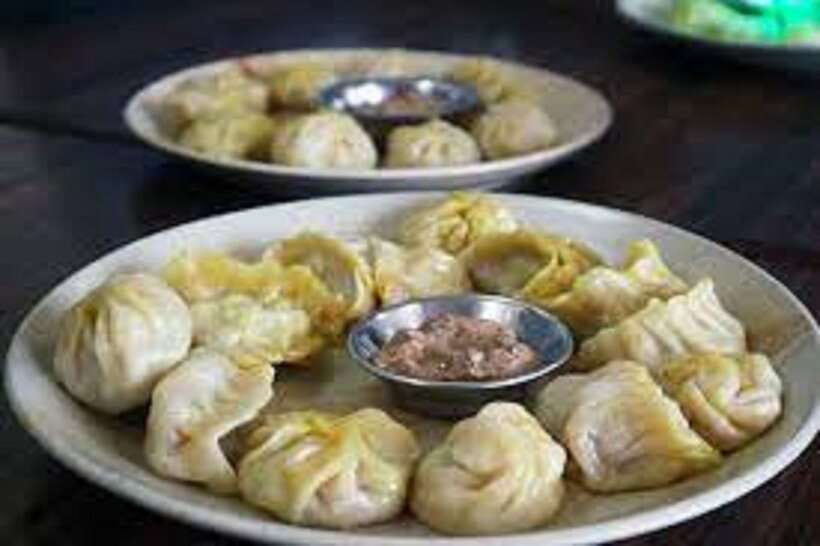
The sauce section lasts about 15 minutes. You are introduced to several styles, including spicy, mild, and soy-based sauces, then prepare your own accompaniments.
This is a small part of the schedule, but it adds variety to the meal. A sauce can change the same momo from mild and savory to hot and sharp. It also gives you another recipe to take home, even if you do not make dumplings immediately.
The class includes two sauces in the preparation described by one participant. The exact selection may vary, so consider the listed choices a guide rather than a fixed menu. If you prefer mild food, say so early. If you enjoy heat, ask which sauce is the spiciest before adding it to your plate.
I appreciate that the sauces are made by participants rather than simply placed on the table. They complete the meal and give you a better idea of how momos are served in Nepal.
Sitting down to taste what you made
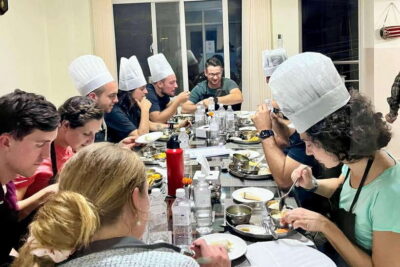
The tasting period lasts about 15 minutes. Once the dumplings and sauces are ready, everyone sits together to eat, and the instructor answers questions and comments on the finished work.
This is not a separate restaurant meal with an elaborate menu. It is the reward for the work you have just done. You know what went into the filling, how the wrapper was formed, and which sauce you made. That makes the tasting feel more personal than ordering a plate of momos elsewhere.
The instructor also provides feedback, which is useful if you want to repeat the recipe at home. You can ask about shaping, steaming, filling choices, or the sauce preparation while the steps are still fresh.
A cold drink is included for each participant. Additional food and drinks are available for purchase, but the information does not state that a larger meal beyond your prepared momos is included. If you arrive hungry, the dumplings should form the main food portion of the experience.
What the $29 price really covers
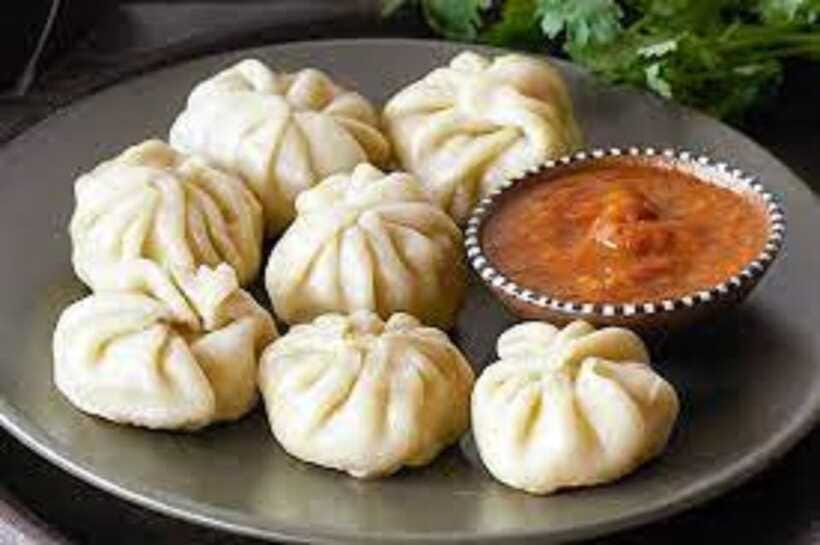
At $29 per person, this is not the cheapest way to eat momos in Pokhara. A café plate would cost less, and you would not need to spend three hours making it. The value comes from the instruction, ingredients, cooking materials, private format, cold drink, and pickup and drop-off within Lakeside.
I see the price as reasonable if you want an activity as well as lunch or dinner. You are paying for guided practice and a meal you help create, not only for the final plate. The private group arrangement adds value for couples, families, or friends who prefer personal attention.
The value is weaker if your only goal is to sample Nepalese food quickly. In that case, order momos at a local café and spend the saved time elsewhere in Pokhara.
Food and drinks beyond the included cold drink are available to buy. Confirm any additional costs if you want items beyond the momos and sauces you prepare.
Who will enjoy this class most
I would recommend this class to anyone who likes practical food experiences and wants a break from sightseeing. It works particularly well for couples and small private groups because the cooking is collaborative and the instructor can help with individual folding problems.
It also suits people who want to recreate momos at home. You learn the basic dough, filling, shaping, steaming, and sauce process in one sitting. The English and Hindi instruction makes the class accessible to speakers of either language.
The activity is less suitable if you have mobility impairments, as stated in the booking information. The class also may not be ideal if you dislike hands-on food preparation or want a formal demonstration without participating.
Bring a passport or ID card. Leave large luggage and oversized bags behind, since they are not allowed. The class runs rain or shine, so it can be a useful plan on a wet Pokhara afternoon.
Timing, cancellation, and practical planning
The full experience takes three hours, including the introduction, preparation, cooking, tasting, and final questions. The listed schedule adds up to the full session, so you should not plan another tightly timed activity immediately afterward.
Pickup is included within the Lakeside area, but you should provide a clear hotel location when booking. Starting times vary, and availability needs to be checked for your chosen date.
You can cancel up to 24 hours in advance for a full refund. The reserve-now, pay-later option also lets you hold a place without paying at the time of booking, which is useful when your Pokhara plans may change.
The activity runs in all weather. If heavy rain affects your wider plans, the cooking class can still go ahead, provided you can reach the pickup point.
Should you book the Pokhara momo class?
Book it if you want to do more than taste momos. The strongest reasons are the hands-on cooking, the choice of fillings, three shaping methods, homemade sauces, and private group format. The included Lakeside pickup makes the logistics easy, and the three-hour length gives you enough time to learn without turning the activity into a full-day commitment.
Skip it if you have limited mobility, dislike kitchen work, or only want a quick inexpensive meal. For everyone else, $29 is a fair price for a useful cooking lesson, a cold drink, and the chance to eat dumplings shaped by your own hands. Expect a few crooked pleats, ask questions, and judge success by flavor rather than perfect form.
FAQ
How long does the momo cooking class last?
The class lasts three hours, including the introduction, filling preparation, dough making, shaping, steaming, sauces, tasting, and questions.
Where does the class take place?
The cooking takes place at a local café in Pokhara. The experience details identify Café Nirvana as the café used for the class.
Is hotel pickup included?
Yes. Hotel pickup and drop-off are included within the Lakeside area of Pokhara.
Which languages does the instructor speak?
The instructor provides the class in English and Hindi.
What types of momo filling can I choose?
You can choose a vegetarian, chicken, or meat filling.
Do I make the dough myself?
Yes. You receive instructions on the dough ingredients, kneading, resting, rolling, and shaping, then make your own dough.
What cooking methods are used?
Steaming is included, and a class may also prepare some momos by frying. Steaming is the main cooking method described for the activity.
Is a drink included?
One cold drink is included for each participant. Other food and drinks are available for purchase.
What should I bring to the class?
Bring a passport or ID card. Large bags and luggage are not allowed, and the activity is not suitable for people with mobility impairments.
More 3-Hour Experiences in Pokhara
- Pick 2-Wonders of Kathmandu: A 3-Hour Heritage Hop
★ 5.0 · 22 reviews - Everest Base Camp: 3 Hour Helicopter Sightseeing Tour
★ 4.4 · 17 reviews - 3 Hours Night Pashupatinath Aarati Tour
★ 4.5 · 4 reviews - Private 3-Hour Nagarkot Sunset Tour from Kathmandu
★ 3.5 · 3 reviews
More Workshops in Pokhara
- Knife (Khukuri) Making Workshop- Forge of the Gurkhas
★ 5.0 · 143 reviews - The best Private Nepali Cooking Class in Kathmandu
★ 5.0 · 83 reviews - Kathmandu: Traditional Momo Making Class & Pickup
★ 4.8 · 60 reviews - Traditional Nepali Momo Making Classes
★ 5.0 · 53 reviews
Just added around Pokhara
- Pokhara: Pokhara Highlights Tour by Bus★ 3.6 · 10 reviews
- Discover Pokhara in Style: Private Vehicle Service with Driver★ 5.0 · 5 reviews
- Pokhara in 5 Hours: Lake, Museum, Cave, Falls & Pagoda Hill★ 4.5 · 16 reviews
- Beautiful Sarankot Sunrise with Full Day Sightseeing in Pokhara★ 4.5 · 3 reviews
- Sarangkot Sunrise Tour in Private Car★ 5.0 · 3 reviews
- Pokhara: Group Joining Sarangkot Sunrise Himalayas Tour★ 4.5 · 23 reviews
- Sarangkot Sunrise Tour from Pokhara★ 4.5 · 9 reviews
- Private Full-Day Hike in the Annapurna Foothills in Pokhara★ 5.0 · 6 reviews
Momo Making Classes, compared.
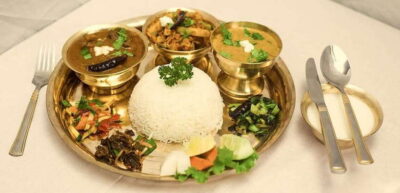
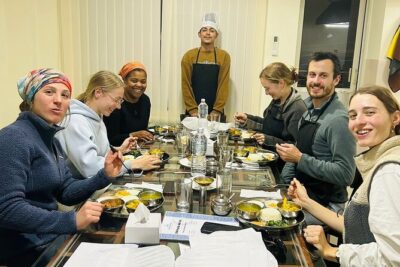
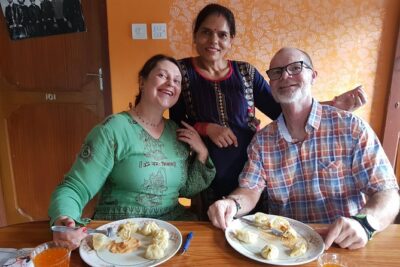
Nepalese Momos or Dal Bhat Cooking Class (Cook with Delight)
Read our review →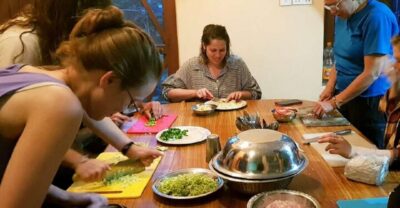
Nepalese Kitchen in Pokhara: Momos or Dal Bhat Cooking Class
Read our review →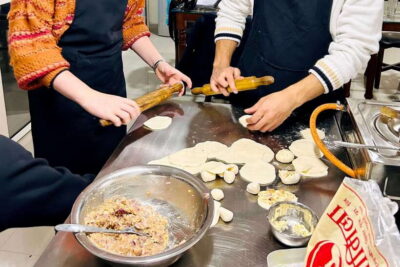
Browse the lists this tour appears in