
Reviewed · MOMO MAKING CLASSES
Traditional Nepali Momo Making Classes
Kathmandu’s most useful cooking lesson may be the one centered on its favorite dumpling. At Namaste Cooking School, you make momos from dough and filling rather than simply ordering a plate, then sit down to eat what you prepared. The class runs in the heart of Thamel, making it an easy break from sightseeing.
I like the hands-on format and the school’s use of ingredients sourced from local farmers. I also like the warm start with masala chai, plus the patient teaching style associated with Sushila and Sabita. The main consideration is time: 90 minutes gives you a focused momo lesson, not a full survey of Nepali cuisine, and a group of up to 16 may mean less one-to-one help.
- Masala chai begins the class, with ginger and lemon tea available for guests who do not drink chai.
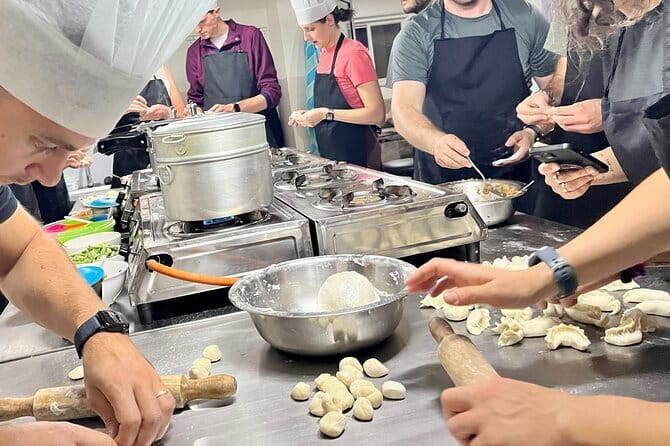
- You make the dough and filling yourself, then learn several ways to fold and shape momos.
- Regional Nepali spices receive their own introduction, so you understand the flavor beyond the finished dumpling.
- Lunch is included, and your freshly cooked momos provide the meal.
- Sushila and Sabita lead with patience and humor, with singing and dancing occasionally part of the welcome.
- A recipe book goes home with you, giving the class value after your Nepal trip.
Why Momo Making Fits a Kathmandu Afternoon
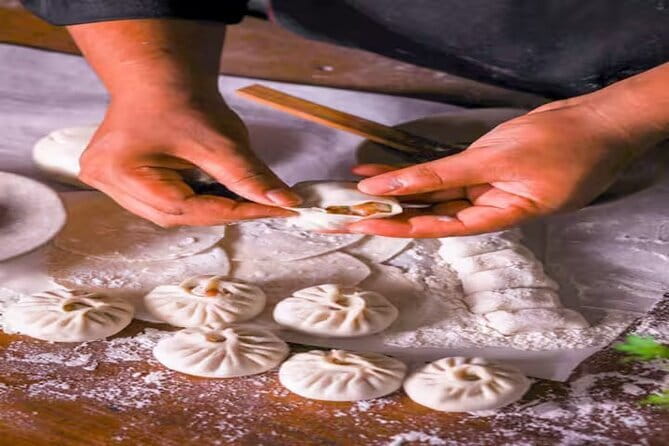
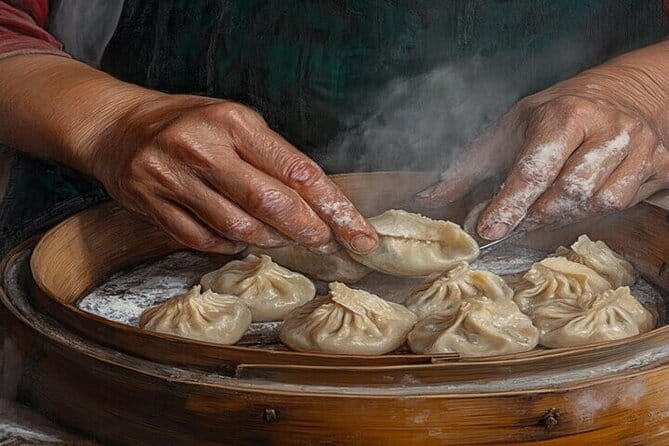
Momos are one of the easiest Nepali foods to love. They are familiar enough for first-time visitors, yet the process of making them reveals details you miss when a steaming basket simply arrives at a restaurant.
The basic task sounds simple: prepare dough, make a filling, wrap it, and cook it. In practice, the dough needs the right texture, the filling must hold together without becoming wet, and the folds take a little practice. That is exactly why a short class works well. You learn the parts that restaurants hide.
The school’s wider purpose adds meaning to the meal. It is run by women and focuses on indigenous Nepali culinary traditions, with ingredients sourced through local farmers. You are not only copying a recipe. You are also getting an introduction to the local ingredients and spice choices that shape the dish.
This is not a long market tour or a formal food history lecture. It is a compact, practical class that fits neatly into a Kathmandu schedule. You arrive at 12:30 pm, cook, eat lunch, and finish back at the same meeting point after roughly an hour and a half.
Starting in Thamel With Chai and a Choice of Menu
The school is on Bhagwati Marg in Thamel, Kathmandu’s main visitor district. That central setting matters. You do not need to spend half a day reaching a remote kitchen, and the meeting point is near public transportation.
The welcome begins with a traditional cup of masala chai. It is a small detail, but it sets the tone better than a rushed introduction at a counter. Chai gives you a first taste of the spice profile you will encounter during the class, while the greeting reflects the Nepali custom of offering hospitality through food and drink.
If you do not drink masala chai, the class can provide ginger and lemon tea instead. That is useful for anyone who avoids dairy, does not like black tea, or simply wants a different warm drink before cooking.
Next comes the menu selection. The school asks about dietary restrictions and allergies at this stage, so you should mention them clearly when you arrive. The available information does not specify every menu option or every substitution, so do not assume that all dietary needs can be handled without advance discussion. Still, the fact that restrictions are checked before cooking is a good sign for vegetarians and other diners with food concerns.
More Momo Making Classes in Kathmandu
- Kathmandu: Local Women-Led Nepali Cooking & Momo Class
★ 4.9 · 360 reviews - Kathmandu: Local Lead Nepali Cooking & Momo-Making Class
★ 5.0 · 212 reviews - Kathmandu: Traditional Momo Making Class & Pickup
★ 4.8 · 60 reviews
Learning the Spice Base Before You Cook
A short spice introduction gives the momo class more substance than a folding demonstration alone. Nepali cooking does not depend on one universal seasoning blend. Flavor changes by region, ingredient, and household, and the school uses the spice session to show you what contributes to its momo preparations.
Pay attention here, especially if you plan to recreate the dish at home. The best cooking lessons are not only about quantities. They teach you how a dish should smell and taste before it reaches the steamer or pan.
The school’s connection with local farmers also matters at this point. Ingredients that are grown and sourced locally give you a closer look at how Nepali cooks build flavor with available produce and spices. You may not receive a full explanation of every farm or supply route, but the approach keeps the food tied to local practice rather than presenting a generic international dumpling.
The class is offered in English, which makes the spice discussion accessible to English-speaking visitors. If you want detailed notes, bring a phone or small notebook, although the recipe book at the end gives you something more lasting.
Making Dough, Filling, and Folds by Hand
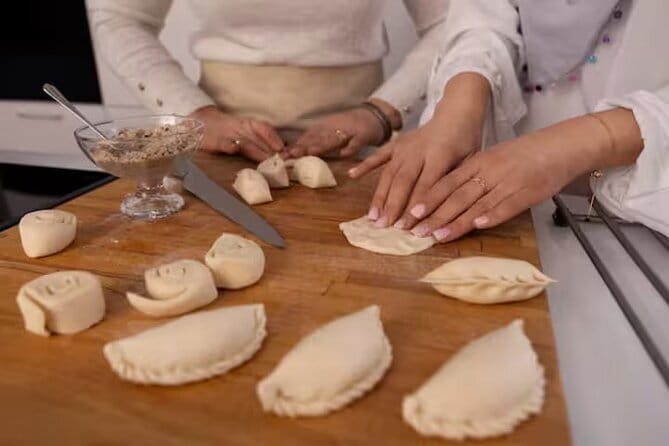
The heart of the experience is the hands-on cooking. You are guided through the preparation instead of watching a teacher do everything while you stand back.
The process includes making the dough and filling, then learning how to shape the dumplings. A useful part of the lesson is the chance to try different momo folds. The shape is not just decoration. It affects how much filling fits inside and how neatly the dumpling seals.
Expect a little trial and error. Your first momo may not look like the neat examples made by the teachers, and that is part of the point. The instructors, especially Sushila and Sabita, are described as patient and encouraging, which helps if you have never worked with dumpling dough.
The class suits children as well as adults. One family found that an eight-year-old who initially did not want to participate ended up enjoying the session. That does not mean every child will be happy for 90 minutes, but the practical work gives young cooks something to do with their hands.
You might also find the group atmosphere more lively than a quiet culinary school. Sushila and Sabita have been described as talented teachers who also sing and dance. Those touches can make the lesson feel social rather than strict, though anyone seeking a very formal cooking course may prefer a smaller or more technical setting.
Cooking and Eating Your Own Lunch
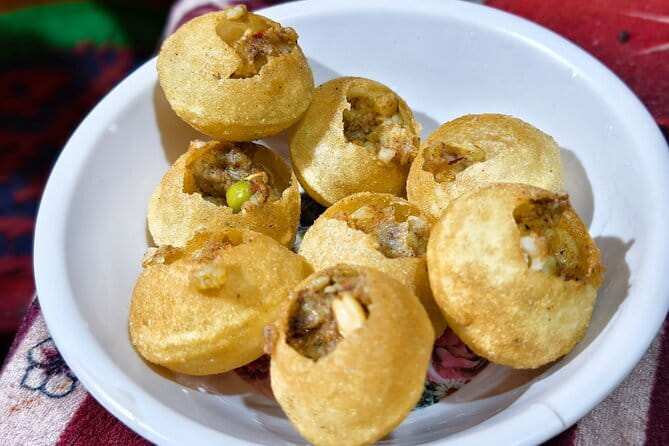
Once the momos are shaped, they are cooked and served as lunch. This is one of the strongest reasons to choose the class over simply booking a restaurant meal. You get food, instruction, and a small cultural activity for the same $18 price.
The meal is substantial enough to leave you full, according to the available descriptions, but the precise menu and portion size can vary with your selected option. The school provides lunch as part of the experience, so you do not need to arrange a separate midday meal.
I would book this for the middle of a sightseeing day. The 12:30 pm start naturally replaces lunch, and the 90-minute length leaves time afterward for Thamel, a museum, or another Kathmandu activity. It is also a good first-day experience if you want an easy introduction to Nepali food without committing to a full-day excursion.
The cooking itself makes you notice the work behind each plate. At a restaurant, it is easy to eat several momos without thinking about the dough, the folds, or the balance of filling. After making them yourself, you understand why handmade dumplings take time and why small differences in technique matter.
A completely different kind of day, same corner of Nepal:
- Private Kathmandu Sightseeing Tour | UNESCO World Heritage sites
★ 5.0 · 756 reviews - Half day cooking class in Thamel kathmandu
★ 5.0 · 607 reviews - Nagarkot Sunrise View and Day Hiking from Kathmandu
★ 5.0 · 471 reviews - Kathmandu: Full Day 7 UNESCO Tour with Lunch – Private/Group
★ 5.0 · 415 reviews
The Recipe Book Adds Value After Nepal
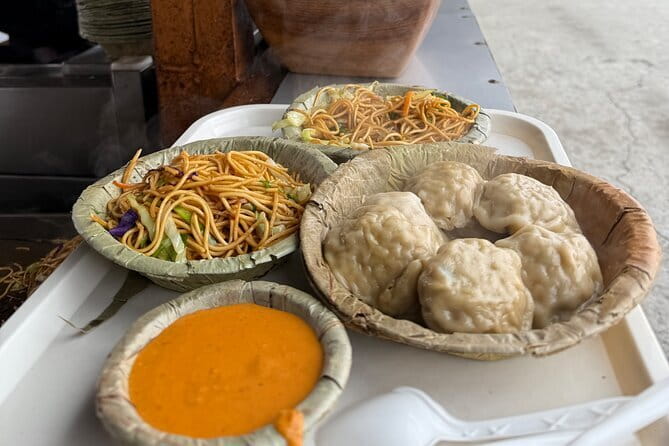
At the end of the class, you receive a Namaste Cooking School recipe book. This is more useful than a quick verbal farewell, since it gives you a reference for making the dish at home.
That take-home material also helps justify the price. For $18, you receive a warm drink, instruction, ingredients, a cooked lunch, and a recipe resource. You will not leave with advanced professional skills, but you should have enough practical knowledge to try the process again.
Momos are well suited to home cooking because the work can become a group activity. You can prepare the dough and filling with friends or family, then compare different folding styles. The class gives you a method to start from, rather than asking you to remember every step from a single demonstration.
If you are buying the class mainly for a souvenir, the book is a better keepsake than another decorative item. If you are buying it for culinary training, keep your expectations modest. This is an affordable introduction, not a long professional course.
Group Size, Timing, and the Feel of the Class
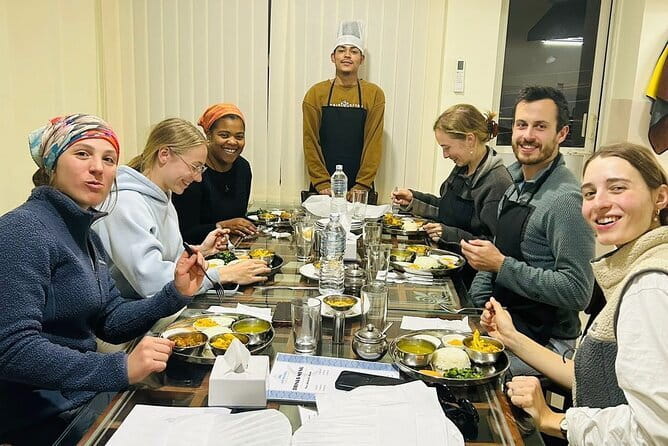
The maximum group size is 16 people. That is small enough for a shared activity, but it is not a private lesson unless you book a private session. One couple experienced a private class, while the general capacity allows a larger mixed group.
A group of 16 can bring energy to the room, especially during the shaping stage, but it may also limit how much individual correction you receive. If you care about mastering precise folds, stand where you can see the demonstration and ask for help early. The teachers are known for patience, but they still need to divide their attention.
The class lasts about an hour and a half. That makes it accessible for families, first-time cooks, and people with full sightseeing plans. The trade-off is that there is no clear indication of extended time for a market visit, a long cultural talk, or multiple separate dishes.
The experience requires good weather, and it may also be canceled if the minimum number of participants is not reached. If that happens, you are offered another date or experience, or a full refund. This is worth keeping in mind when you plan a tightly timed final day in Kathmandu.
Confirmation arrives at booking, and the ticket is mobile, so you can show it from your phone. The meeting point is Bhagwati Marg, and the activity ends there. You should allow a little extra time to find the exact entrance in Thamel, where streets and side lanes can take concentration, although no special transfer is included.
Who Will Get the Most From This Class
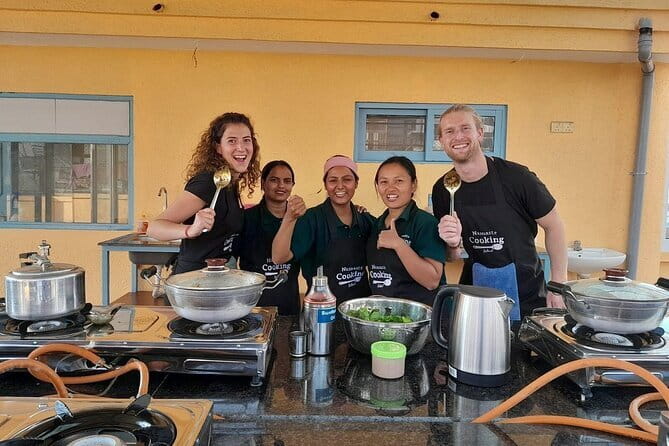
This class suits you if you want to eat lunch while learning a useful skill. It is especially practical for people staying in Thamel, families, couples, and solo visitors who enjoy a social activity.
It also works well for:
- First-time visitors who want a gentle introduction to Nepali food
- Vegetarians, provided you confirm suitable options and ingredients
- Families with children who enjoy making and shaping food
- Budget-conscious visitors looking for an affordable midday activity
- Cooks who want a recipe they can use after returning home
- Anyone who would rather participate than watch a food demonstration
You may want something else if your main goal is a long market visit, advanced culinary instruction, or a broad tour of many Nepali dishes. The class centers on momos, with spices and tea adding context. That narrow focus is a strength if you love dumplings, but a limitation if you want a complete food tour.
The mobile ticket and central location make the booking simple. Free cancellation is available up to 24 hours before the start time, with a full refund. Changes or cancellations inside that 24-hour window are not accepted for a refund.
Is $18 a Fair Price in Kathmandu?
At $18 per person, I consider this a strong value for a 90-minute activity. You receive instruction, ingredients, a welcome drink, lunch, and a recipe book. You also save the cost of buying a separate restaurant meal, although the class should not be judged only by the number of momos on the plate.
The real value is participation. A restaurant can serve you momos for less than the full cost of the experience, but it cannot give you the same lesson, teacher interaction, or recipe resource. The school’s local sourcing and women-run approach add cultural value, though the class does not promise a detailed presentation about farming or Nepal’s food regions.
The 100 percent recommendation rate and five-star score point to consistently strong satisfaction, with the highest praise focused on hospitable teachers, good food, patience, clean cooking space, and a fun atmosphere. One description also notes a rooftop setting with panoramic Kathmandu views. Since the location details do not guarantee a rooftop session for every booking, treat that as a possible bonus rather than a reason to reserve.
The experience provider is Classic Nepal, while the cooking school is Namaste Cooking School. That distinction is useful when you check your confirmation and search for the meeting point.
Should You Book the Momo Class?
Book it if you want a friendly, affordable Kathmandu activity that replaces lunch with something more memorable than a restaurant stop. The combination of masala chai, local ingredients, hands-on dough work, patient instruction from Sushila and Sabita, and a recipe book gives the 90 minutes real substance.
I would be less certain if you dislike group activities or want a broad study of Nepali cuisine. A group of up to 16 can feel less personal, and the short format keeps the focus firmly on momos.
For most visitors staying near Thamel, this is an easy yes. Choose the 12:30 pm slot, mention allergies or dietary needs at the start, and leave enough room in your schedule for the class to be an enjoyable lunch rather than another rushed appointment.
FAQ
Where does the momo making class take place?
The class begins and ends at Bhagwati Marg, Kathmandu 44600, Nepal, in the heart of Thamel.
What time does the class start?
The scheduled start time is 12:30 pm.
How long does the cooking experience last?
The experience lasts approximately 1 hour and 30 minutes.
What is included in the price?
The price includes the cooking experience, lunch, and a Namaste Cooking School recipe book. A traditional cup of masala chai is also served at the welcome.
Is the class offered in English?
Yes. English is one of the languages offered.
Can I tell the school about allergies or dietary restrictions?
Yes. The school asks about allergies and dietary restrictions during the menu selection stage.
How many people can join the class?
The activity has a maximum capacity of 16 participants.
Can I cancel for a full refund?
Yes. You can cancel at least 24 hours before the local start time for a full refund. Cancellations or changes made less than 24 hours before the start time are not refunded.
More Workshops in Kathmandu
- Knife (Khukuri) Making Workshop- Forge of the Gurkhas
★ 5.0 · 143 reviews - The best Private Nepali Cooking Class in Kathmandu
★ 5.0 · 83 reviews - Kathmandu: Local Women-Lead Nepali Cooking & Momo Class
★ 4.9 · 45 reviews - Kathmandu: Local Lead Nepali Cooking & Momo Making Class
★ 4.9 · 40 reviews
Just added around Kathmandu
- Traditional Momo Making Class★ 5.0 · 10 reviews
- Women Empowerment Project(Nepali cooking class & jewelry workshop★ 5.0 · 15 reviews
- Manthali Airport (Ramechhap) To Kathmandu – Transport Service★ 4.5 · 11 reviews
- Amazing 1 Day Trekking Experience in Kathmandu Nepal★ 5.0 · 24 reviews
- Walking tour of Kathmandu with awesome local guides★ 5.0 · 4 reviews
- Walking tour of real Kathmandu through back streets.★ 5.0 · 3 reviews
- Private Manaslu Circuit Trek at Himalayas★ 5.0 · 3 reviews
- Walking Street Food Tour in Kathmandu★ 5.0 · 111 reviews
Momo Making Classes, compared.
Nepalese Momos or Dal Bhat Cooking Class (Cook with Delight)
Read our review →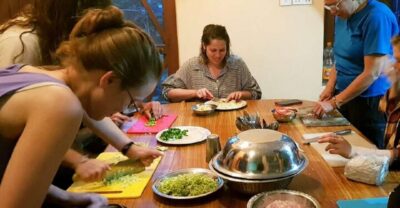
Nepalese Kitchen in Pokhara: Momos or Dal Bhat Cooking Class
Read our review →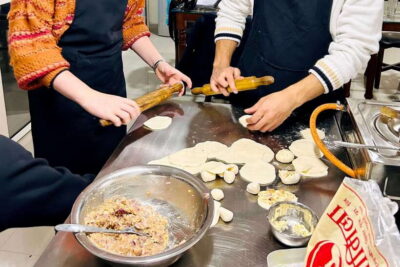
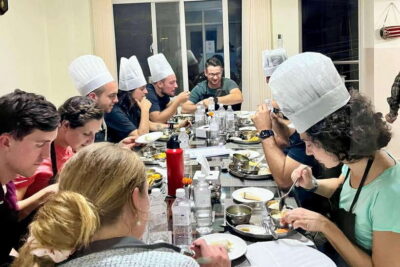
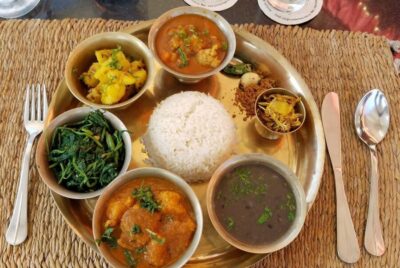
MoMo or Dal Bhat Cooking Class at Aama Kitchen in Pokhara
Read our review →Browse the lists this tour appears in