Reviewed · HIKING & TREKKING
Pikey Peak Trek
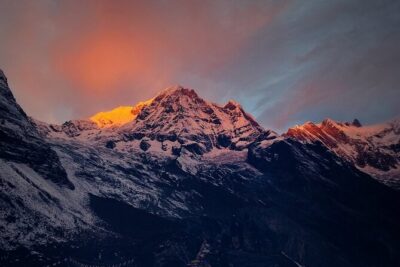
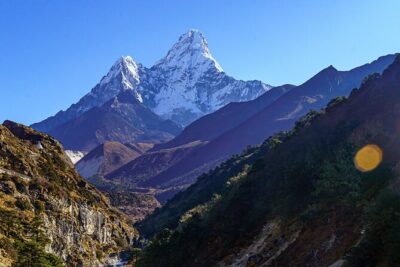
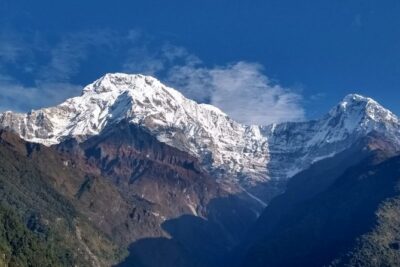
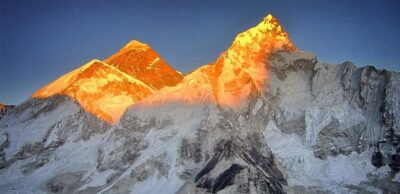
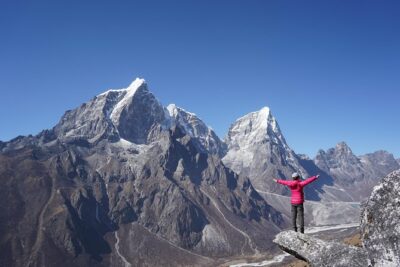
Pikey Peak gives you a rare Nepal trekking mix: big Everest views without the Lukla flight. The route climbs to about 4,066 meters, yet the pace is suited to beginners, families, and many older walkers. The sunrise from the summit is the main prize, with seven major Himalayan peaks spread before you.
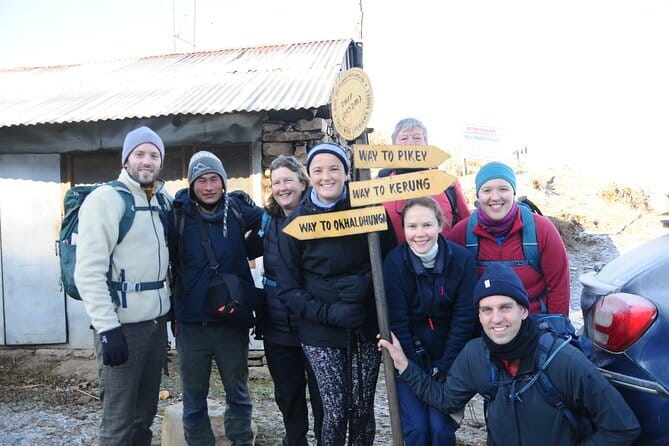
I like the quiet trail and the local feel. You pass through rhododendron forest, small mountain settlements, tea houses, and the historic Hillary Trail rather than joining the packed Everest Base Camp path. I also like the finish at Tupten Choling Monastery, a large nuns’ monastery near Phaplu.
The main drawback is the long return drive to Kathmandu, listed at about 10 hours. Road conditions and traffic can make that final day tiring, and the price of $899 does not include a fuel surcharge.
Key points to know before booking
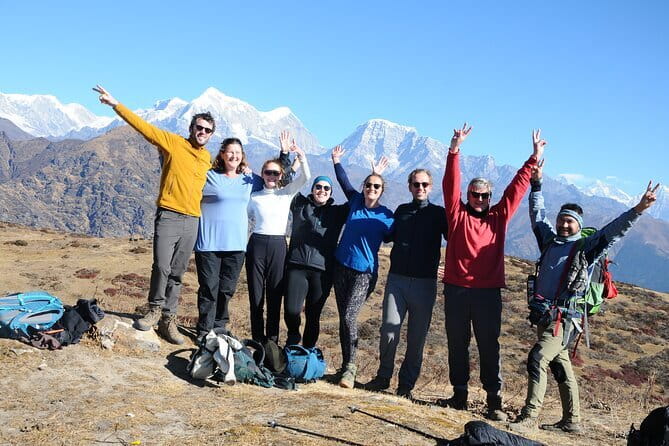
- Sunrise at 4,066 meters: Leave early for Pikey Peak and watch the Himalayas brighten around you.
- No Lukla flight: The trek begins with a road journey from Kathmandu, which simplifies the start of the trip.
- Seven-day mountain route: You get a short, focused trek rather than a two-week expedition.
- Quiet trails: The route is known for seeing few other visitors, especially compared with Everest Base Camp.
- Cultural stops: Walk part of the Hillary Trail and visit Tupten Choling Monastery near Phaplu.
- Small group format: The maximum group size is 20, with meals, dinners, breakfasts, and onboard WiFi included.
Why Pikey Peak feels different from the Everest route
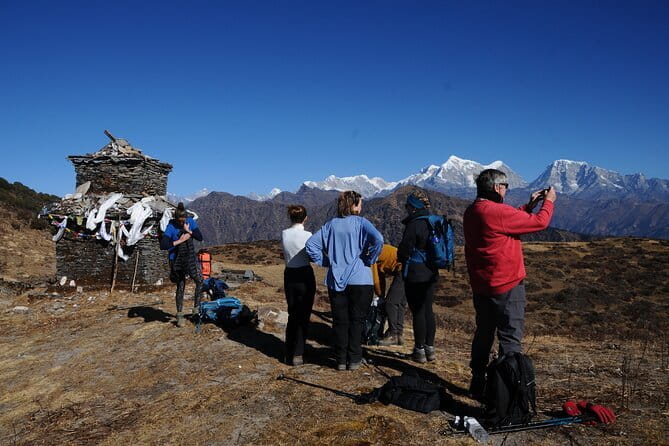
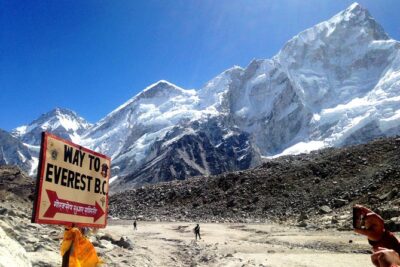
Pikey Peak is for you if the thought of Everest appeals, but the famous base camp route does not. You still get mountain panoramas, Sherpa-area villages, high passes, and tea-house nights, but you avoid the usual flight to Lukla and the heavy foot traffic found on the main Everest trail.
The route also has a calmer rhythm. The supplied schedule includes walks of roughly five to six hours on most trekking days. That is enough to feel like a real Himalayan trek, but not so much that every day becomes a test of endurance.
The setting changes as you go. The first road section leads toward Dhap. From there, the route passes through high ridges, open viewpoints, and blooming rhododendron forest. The views are not limited to Mount Everest. At the right point, you can see seven of the world’s highest mountains from Pikey Peak.
The experience is not completely effortless. You will spend several days walking uphill and sleeping in basic mountain accommodation. At around 4,066 meters, the summit is high enough that you should take the pace seriously, even though the route is considered suitable for beginners and older walkers.
More trekking days out of Kathmandu:
- Nagarkot Sunrise View and Day Hiking from Kathmandu
★ 5.0 · 471 reviews - Kathmandu: Nagarkot Sunrise View & Morning Hike with Lunch
★ 4.9 · 188 reviews - Kathmandu: Nagarkot Sunrise and Hike Tour to Changu Narayan
★ 4.7 · 151 reviews
Day 1: Kathmandu to Dhap by way of the Sunkoshi River
Your day begins at 6:15 am from Breeze Adventure in Thamel, Kathmandu. The first major section is a scenic drive toward Dhap, taking about five hours.
This drive is part of the trip, not merely a transfer to forget. You see Himalayan views, rural villages, and daily life along the road. The itinerary names the Sunkoshi River as a stop, giving the journey a clear natural marker before the trail begins in earnest.
I would treat this as a patience day. You are not yet walking through the high mountains, and road travel in Nepal can take longer than the clock suggests. Still, starting by road is one of the route’s selling points. You do not have to arrange or board a small aircraft to Lukla, and you reach a quieter trekking area from the start.
The package includes lunch and dinner on this first day. WiFi is also listed onboard, which may help during the long transfer, though you should not expect a city-style connection throughout a mountain journey.
Day 2: Dhap to Jhapre and the first mountain sunrise
Day two begins with an early mountain view and breakfast before walking toward Jhapre. The trekking time is about five hours, and much of the route follows a newly built road.
That road makes this a gentler introduction than a rough high-altitude trail. It is useful if you are new to trekking, traveling with family, or simply want to settle into the pace before the steeper sections. It also gives you time to watch village life and the surrounding mountains without rushing.
The tradeoff is obvious: road walking is not as scenic underfoot as a narrow forest path. If you want nonstop wilderness, this may feel less rewarding than later days. The mountain views, however, help make the road section worthwhile.
Jhapre is an important early stop because it gives you your first real sense of the route’s scale. The morning starts with Himalayan light, and the day ends in a small mountain settlement rather than a large trekking center. Breakfast, lunch, and dinner are included.
Day 3: The uphill route to Pikey Peak Base Camp
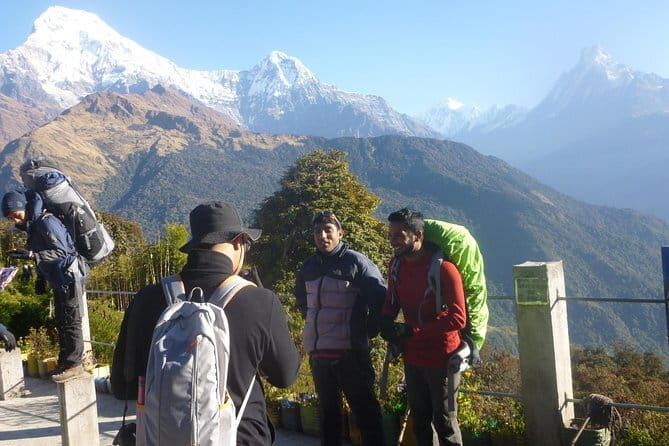
The third day brings the more serious walking. After breakfast, you follow a mostly uphill trail toward Pikey Peak Base Camp. The walking time is listed at about six hours.
This is where the route begins to feel properly mountainous. You gain height steadily, and the views open as you leave the easier lower sections behind. There are also some downhill portions, so the day is not one continuous climb, but you should expect a sustained effort.
The calm nature of the route matters here. There are fewer distractions and fewer crowds than on the Everest Base Camp path. You can focus on your walking, the changing vegetation, and the broad mountain views.
Tea-house accommodation keeps the trip practical. The rooms are described as similar to those used on other Nepal trekking routes. Do not book this expecting hotel comforts. You are paying for a safe place to sleep, meals, and access to a high mountain route, not for luxury.
The included meals are a real part of the value. Across the trip, you receive seven breakfasts, seven lunches, and six dinners. That reduces the need to carry food and makes budgeting easier.
More days out in Kathmandu:
- Private Kathmandu Sightseeing Tour | UNESCO World Heritage sites
★ 5.0 · 756 reviews - Half day cooking class in Thamel kathmandu
★ 5.0 · 607 reviews - Kathmandu: Full Day 7 UNESCO Tour with Lunch – Private/Group
★ 5.0 · 415 reviews - Kathmandu: Local Women-Led Nepali Cooking & Momo Class
★ 4.9 · 360 reviews
Day 4: Pikey Peak sunrise at 4,066 meters
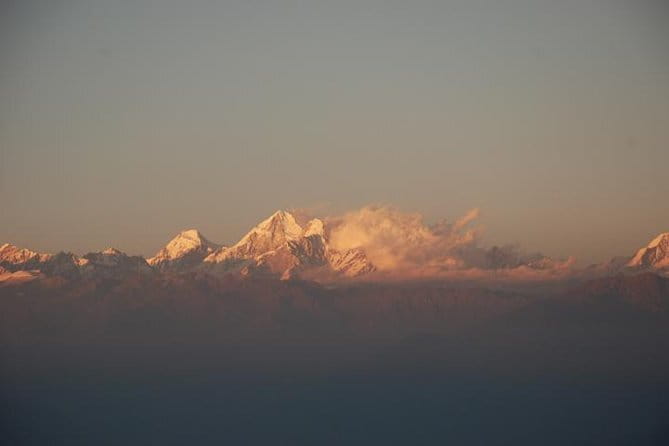
This is the day that justifies the trek. You wake early and walk for about an hour to Pikey Peak for sunrise.
The final climb is short compared with the previous day, but the altitude and darkness can make it feel demanding. You should use the early start to move steadily rather than quickly. The reward is a wide Himalayan panorama, including Mount Everest and six other major peaks.
Sunrise changes the experience. Instead of arriving at a viewpoint after the day has warmed up, you watch the first light move across the ridges. That quiet pause is one of the strongest reasons to choose Pikey Peak over a standard sightseeing trip in Nepal.
After the viewpoint, the day continues for about six hours in total. The summit is not the end of the walking, so save energy for the descent and the remaining trail. The itinerary calls Pikey Peak the central highlight, and it is easy to see why: you get a major mountain view without committing to the length and altitude of Everest Base Camp.
Day 5: Junbesi, Taktor, and a quieter mountain valley
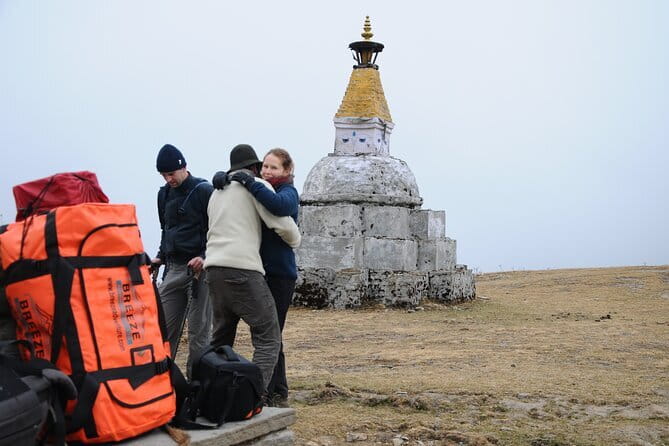
After breakfast, you head toward Junbesi. The day takes about five hours, with the precise route depending on where you stayed the previous night.
If you slept at Jasmane Bhanjyang, the plan is to walk for about three and a half hours to Taktor before continuing. This flexibility suggests that the exact overnight arrangement can change with the route plan and local conditions.
Junbesi is more than a place to stop for the night. It gives the trek a strong sense of arrival in a lived-in mountain community after the high ridge walking. The route remains peaceful, with rhododendron forest and broad views along the way.
Blooming rhododendrons are one of the memorable seasonal details of this trek. If your timing matches the flowering period, the forest adds color to what might otherwise be a stark high-altitude walk. The season will affect exactly what you see, so do not assume flowers are guaranteed year-round.
This is also a good day to appreciate the staff. Guides listed for this experience include Sabin, Raj, and others, depending on the departure. Specific feedback highlights Sabin’s energy and practical help, while Raj is noted for speaking English well and paying close attention to walking condition. The exact guide is not promised, but the company uses named trekking staff rather than leaving you to manage the route alone.
Day 6: Tupten Choling Monastery and the road to Phaplu
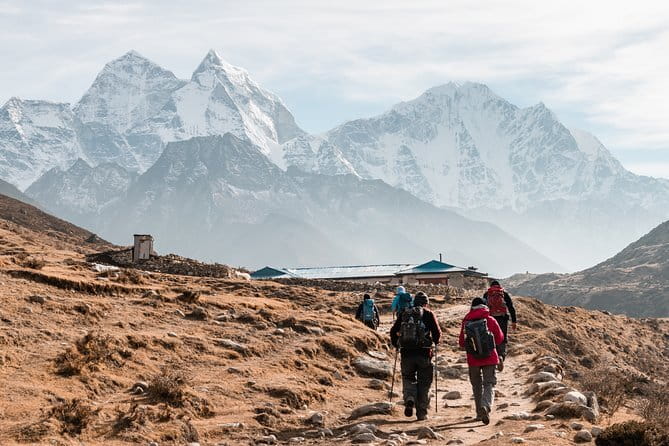
Day six combines culture with transport. After breakfast, you visit Tupten Choling Monastery, one of the largest nunneries in the area, located at the foot of a mountain. Around 20 nuns are associated with the monastery according to the tour information.
This stop gives the trek a welcome change of pace. Mountain viewpoints can blur together after several days, but a working religious site offers a different kind of insight into the region. You get a chance to see a place connected to local Buddhist life rather than passing only through scenery.
The day is listed at about six hours and includes the move toward Phaplu Airport. The name can be misleading if you expect a flight as part of this package. The itinerary uses Phaplu as the final mountain-area point before the road journey back to Kathmandu.
The monastery is also valuable because it keeps the trip from becoming only a physical challenge. Pikey Peak gives you the high point, while Tupten Choling adds a cultural reason to continue beyond the summit.
Day 7: The long return from Phaplu to Kathmandu
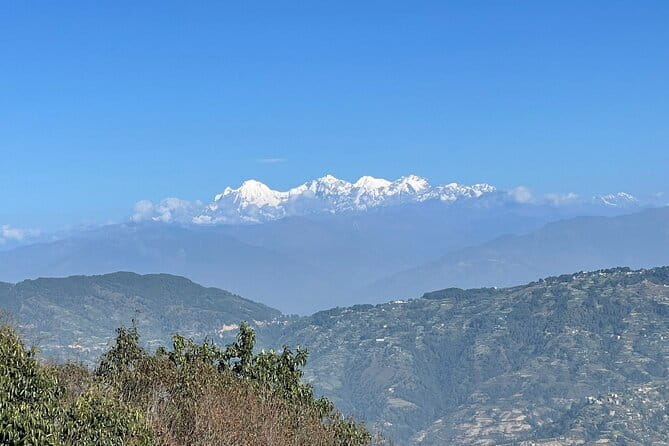
The final day begins early. The drive from Phaplu to Kathmandu is listed at about 10 hours, with a breakfast stop at Dhap Thade after roughly two hours.
Dhap Thade offers a mountain view during the journey, which breaks up the long ride. Even so, this is a full transport day. You should not schedule an important flight or tight connection immediately after the expected return, since road delays are possible and the advertised time is already long.
The return ends at the original meeting point in Thamel. That is convenient if you are staying in central Kathmandu and want a simple finish without arranging another transfer.
The long drive is the clearest compromise of this trek. You save the cost and uncertainty of flying to Lukla, but you replace it with road hours. For some people, that is a good bargain. For others, the shorter flight-based start of a classic trek may be preferable.
What the $899 price includes
At $899 per person, the trip sits in the range of a supported, organized Nepal trek rather than a bare route-and-room package. The value comes from having transport, a guide, meals, mountain accommodation, and trip coordination handled together.
Included food is generous on paper:
- Seven breakfasts
- Seven lunches
- Six dinners
- WiFi onboard
- Transport connected to the itinerary
- Guide and trekking support arranged by Breeze Adventure
The information does not list every service behind the price, so you should confirm any specific expectations before booking. A fuel surcharge is not included, and that extra cost should be part of your budget.
The maximum group size is 20. That is not a private trek, but it is still more manageable than a large coach-style outing. A smaller actual departure would allow more direct contact with your guide, while a full group could make walking and meal arrangements feel less personal.
The accommodation is tea-house style. You should value it for location and practicality, not for privacy or luxury. The exceptional local hospitality repeatedly highlighted in the supplied material is a meaningful part of the experience, especially on a route where simple meals and a warm welcome matter after a day on foot.
Who should choose this trek
I would recommend Pikey Peak to you if you want:
- A short Nepal trek of about one week
- A quieter alternative to Everest Base Camp
- A chance to see Everest without flying to Lukla
- Tea-house accommodation and included meals
- A route suitable for many beginners, families, and older walkers
- A strong sunrise viewpoint
- A mix of nature, mountain villages, and Buddhist culture
You should think carefully before booking if you dislike long road journeys, basic tea-house lodging, or early starts. The summit morning begins before sunrise, and the final drive to Kathmandu may take most of the day.
Fitness requirements are described as manageable for most participants, and the experience allows service animals and is near public transportation at its Kathmandu meeting point. Still, high altitude affects people differently. You should be honest about your condition and discuss concerns with the operator before departure.
Practical booking details
The meeting point is Breeze Adventure Pvt. Ltd on Thamel Marg in Kathmandu. The scheduled start is 6:15 am, so plan to arrive ready for an early departure.
Confirmation is received at booking. Free cancellation is available if you cancel at least 24 hours before the local start time. Changes or cancellations inside that window are not accepted for a refund.
The activity ends back at the meeting point. That makes the trip easy to fit into a Kathmandu stay, but the 10-hour return day means you should leave room in your plans.
Should you book the Pikey Peak Trek?
Book it if you want high Himalayan views in a compact, quieter package and you like the idea of traveling by road instead of taking the Lukla flight. The sunrise at Pikey Peak, blooming rhododendron forest, friendly tea houses, the Hillary Trail, and Tupten Choling Monastery give the week more variety than a simple summit walk.
Skip it if your main goal is Everest Base Camp itself, luxury accommodation, or a fast return to Kathmandu. The road days are long, the lodging is basic, and the fuel surcharge is extra.
For many people, this is a smart first Nepal trek. You get real mountain walking, strong support, included meals, and a remarkable viewpoint without signing up for a much longer expedition.
FAQ
How long is the Pikey Peak Trek?
The experience lasts approximately seven days, including the drives from Kathmandu to Dhap and from Phaplu back to Kathmandu.
What time does the trek start?
The scheduled start time is 6:15 am from Breeze Adventure Pvt. Ltd on Thamel Marg in Kathmandu.
Is Mount Everest visible on this trek?
Yes. Pikey Peak provides views of Mount Everest along with six other major Himalayan peaks.
How high is Pikey Peak?
The peak is listed at approximately 4,066 meters.
Is the trek suitable for beginners or older participants?
The trek is described as suitable for people of all ages, including families, beginners, and senior citizens. Most participants can take part, although individual fitness and altitude tolerance vary.
Are meals included?
Yes. The package includes seven breakfasts, seven lunches, and six dinners.
What is not included in the price?
A fuel surcharge is not included. The listed price is $899 per person, and you should confirm any other personal expenses with Breeze Adventure before departure.
Just added around Kathmandu
- Women Empowerment Project(Nepali cooking class & jewelry workshop★ 5.0 · 15 reviews
- Manthali Airport (Ramechhap) To Kathmandu – Transport Service★ 4.5 · 11 reviews
- Amazing 1 Day Trekking Experience in Kathmandu Nepal★ 5.0 · 24 reviews
- Walking tour of Kathmandu with awesome local guides★ 5.0 · 4 reviews
- Walking tour of real Kathmandu through back streets.★ 5.0 · 3 reviews
- Private Manaslu Circuit Trek at Himalayas★ 5.0 · 3 reviews
- Walking Street Food Tour in Kathmandu★ 5.0 · 111 reviews
- Kathmandu Street Food Walking Tour – Eat Like a Local★ 5.0 · 3 reviews
Hiking & Trekking, compared.
Nagarkot Sunrise View and Day Hiking from Kathmandu
Read our review →