
Reviewed · WORKSHOPS
Thangka Painting Workshop
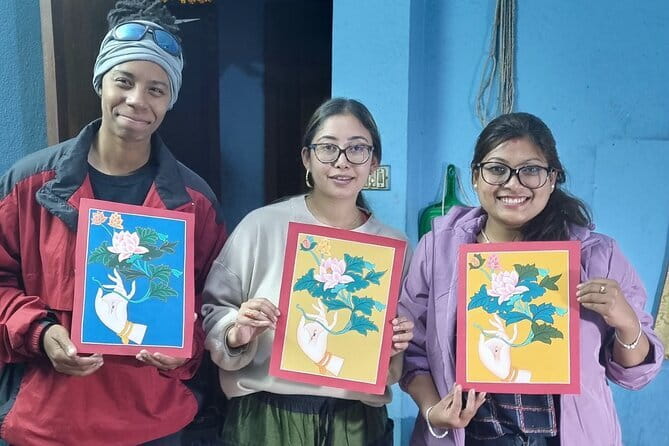
Painting your own traditional thangka gives you something a shop-bought souvenir cannot: a direct look at how the artwork is made, plus a piece you helped create. In this Kathmandu workshop, artists with about three decades of experience guide you through the process in their working studio.
I like two things right away. You choose one design from three options, and an English-speaking guide stays with you to answer questions. The session is private, includes pickup in an air-conditioned vehicle, and lasts about four to five hours. The main caution is that you are likely learning the coloring and painting process, not producing a highly detailed masterwork in a single afternoon.
Key points to know before booking
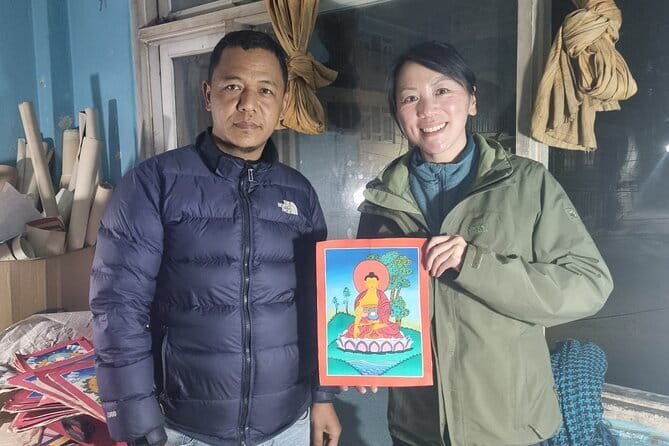
- Choose from three designs: You are not handed a random project. You select the design you want to work on.
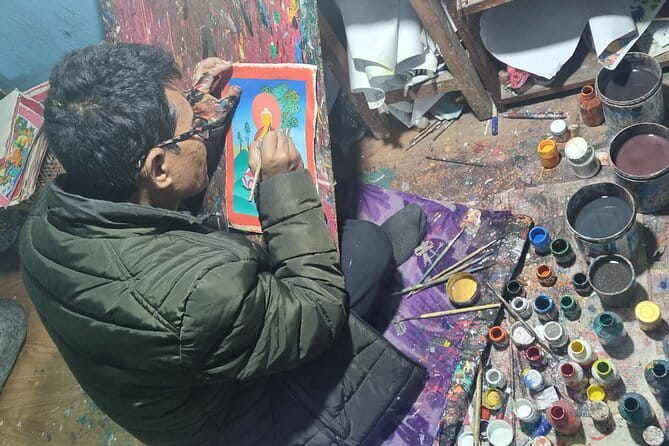
- Paint inside a working artist studio: Several master artists and apprentices may be working around you, giving the session a real workshop setting.
- Plan on four to five hours: This is a patient, seated activity rather than a quick craft stop.
- Take home your own artwork: The finished souvenir is part of the experience, not an extra purchase.
- Private format: Only your own group participates, which makes it easier to ask questions and work at your pace.
- Bring patience, not just enthusiasm: A simple coloring session can fit within the scheduled time, but fine details take longer.
What makes a Kathmandu thangka workshop different
A thangka is not just a colorful Nepalese wall hanging. It is a traditional religious painting, and the work demands care, repeated patterns, and steady hands. The workshop gives you a chance to see that process close up instead of guessing about quality in a souvenir shop.
That matters in Kathmandu, where handmade and machine-produced goods can sit side by side. When you buy a finished painting from an unfamiliar shop, it may be hard to tell how much of the work was done by hand. Here, you watch the artists at work and take part in the making.
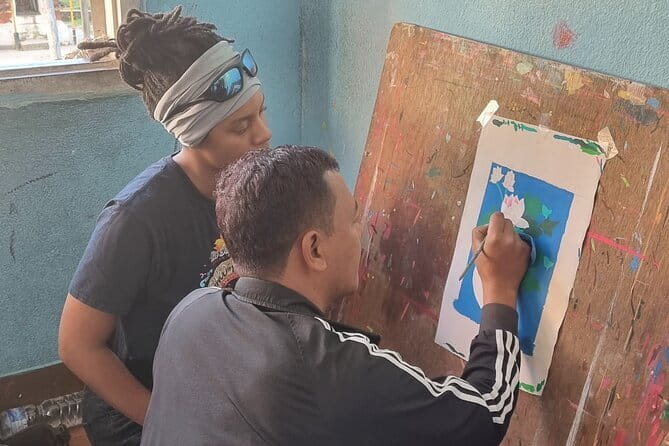
The setting is a real artist workshop with master artists and apprentices painting thangkas. That gives the session more substance than a generic craft class held in a hotel room. You can ask questions about the art form, the materials, and the steps involved as you work.
Still, keep your expectations sensible. You will not become a master thangka painter in five hours. The experience is best understood as a guided introduction, a hands-on souvenir project, and a chance to spend time around working artists.
More classes and workshops in Kathmandu:
- Half day cooking class in Thamel kathmandu
★ 5.0 · 607 reviews - Kathmandu: Local Women-Led Nepali Cooking & Momo Class
★ 4.9 · 360 reviews - Kathmandu: Local Lead Nepali Cooking & Momo-Making Class
★ 5.0 · 212 reviews
Beginning with pickup and a design choice
The listed start time is 12:45 pm, and pickup is offered. The exact pickup point is flexible, which helps if you are staying in a different part of Kathmandu or want to arrange a location that suits your day.
Your transport is an air-conditioned vehicle, and the private format means only your group takes part. That is useful for a hands-on activity. You do not need to keep pace with a large class, and you can ask for help without feeling that you are holding up a room full of other people.
Once you arrive, you choose one design from three options. This is a small but important detail. A thangka design can carry a lot of visual detail, so having a limited set of choices keeps the project manageable while still giving you some control.
You should think about the kind of souvenir you want before choosing. If your priority is to finish within the scheduled session, ask which design is simplest. If you care more about detail, ask how much work remains after the class. The available information does not identify the three designs, so the guide will be your best source for judging the time and difficulty of each one.
Learning beside master artists and apprentices
The workshop is presented as a chance to learn from artists with roughly 30 years of experience. You are not simply given paints and left alone. An English-speaking guide helps throughout, and the artist working with you can explain the process and correct mistakes.
That personal help is one of the strongest reasons to book this rather than attempt a similar project from a shop-bought kit. A patient teacher can show you where to place color, how to handle a small section, and how to recover when your brush goes astray.
The instruction also gives you room to ask questions. You can clear up doubts about the art form as they come to mind, rather than trying to understand everything from a printed description.
The working environment adds another useful layer. You may see master artists and apprentices painting their own thangkas nearby. That does not turn you into an observer of a formal demonstration, but it helps you understand the difference between your beginner project and the professional work around you.
What you actually do during the four to five hours
The class lasts about four to five hours. Based on the way the activity is described, you spend that time painting a prepared design with help from the artists rather than drawing an entire thangka from a blank sheet.
This distinction is important. One detailed account of the activity points out that a painter may spend more than two hours on the work if aiming for fine details, while the basic session can feel more like coloring. That is not necessarily a flaw. It simply tells you what kind of class this is.
If you already paint, you may find the basic stage easy. You might want to ask for extra guidance on detail, shading, or the meaning of the design. If you are new to painting, the simpler format may be welcome. You can focus on careful brushwork without first learning how to compose a full religious painting.
The artist stays with you through the process and helps correct mistakes. That takes pressure off your hands. A misplaced line or uneven patch of color does not automatically ruin the piece.
You should still allow the full afternoon. The session is not a quick stop that you can squeeze between two fixed sightseeing appointments. Painting takes concentration, and the time can pass slowly if you want a neat result.
More days out in Kathmandu:
- Private Kathmandu Sightseeing Tour | UNESCO World Heritage sites
★ 5.0 · 756 reviews - Nagarkot Sunrise View and Day Hiking from Kathmandu
★ 5.0 · 471 reviews - Kathmandu: Full Day 7 UNESCO Tour with Lunch – Private/Group
★ 5.0 · 415 reviews - Private Bhaktapur and Nagarkot Day Tour From Kathmandu
★ 5.0 · 305 reviews
Why the hands-on format is worth $72
At $72 per person, this is more expensive than buying a small souvenir from a street stall. The fair comparison, though, is not a finished object alone. Your price includes instruction, the private workshop, the painting you make, pickup in an air-conditioned vehicle, and all fees and taxes.
The value is strongest if you care about the process. You get to see where the art is made, ask questions, and work with artists rather than simply bargaining for an item in a shop. You also avoid some uncertainty about how the souvenir was produced.
The value is weaker if you only want the cheapest finished thangka. A shop purchase will probably take less time and require no sitting or concentration. You may also prefer a professionally completed piece with very fine detail.
For me, the price makes the most sense for couples, families, and small groups who want a cultural activity with a physical souvenir at the end. The private setup also means the cost buys a more personal session, not just admission to a crowded class.
The tour is booked an average of 115 days ahead, which suggests that planning early is sensible, especially if you have a fixed Kathmandu schedule. That is not a guarantee of availability, but it is a useful reason not to leave the booking until the last few days.
The finished souvenir and the question of quality
Taking home your own painting is the clear payoff. It has a personal story attached to it, and you can explain that you painted it in a Kathmandu workshop with local artists. That makes it more meaningful than a generic decoration bought without context.
Do not expect your finished work to match the pieces being painted by professionals in the studio. The point is participation, not museum-level execution. The artist’s help can fix mistakes, but your painting will still show the marks of a beginner.
That is part of the appeal. You are not pretending to be a master. You are bringing home a small record of your time in Nepal, made with your own hands.
If you are concerned about quality, ask questions before you begin. Find out which design can be completed most comfortably in the available time, and ask whether you can spend longer on details. The workshop is described as flexible about pickup, design, and timing, so it is worth stating your preferences early.
Who will enjoy this most
This experience suits you if you like slow, creative activities and want more than a photo stop. It also works well if you are curious about traditional art but do not have the training to take on a full painting independently.
It is a good fit for:
- First-time visitors who want a cultural activity with direct artist contact
- Couples or families who prefer a private class
- People looking for a handmade souvenir rather than a shop purchase
- Amateur painters who want to understand the basic process
- Anyone who enjoys patient work and does not need constant sightseeing action
It may be less suitable if you dislike sitting for several hours, want a fast activity, or expect to complete a highly detailed thangka in one afternoon. The physical requirement is listed as moderate, so you should be comfortable spending the session in a seated, hands-on setting.
Snacks are not included. Since the workshop runs through much of the afternoon and lasts four to five hours, plan your food around the 12:45 pm start.
Practical details that affect your day
Confirmation is provided when you book, and the activity is near public transportation. Pickup is offered, so you can choose the option that works best for your plans.
The private format is a real advantage. If you are shy about asking questions, you can raise them freely. If one member of your group paints faster than another, the session does not need to feel like a race.
Free cancellation is available if you cancel at least 24 hours before the local start time. Cancellations or changes made less than 24 hours before the start are not accepted for a refund, so keep that deadline in mind if your Kathmandu plans are still moving around.
The experience is operated by Queermandu, also known as Gay Tours Nepal. The activity itself is focused on thangka painting and includes an English-speaking guide, so you should know what your afternoon is built around before booking.
Should you book the thangka painting workshop?
Book it if you want a hands-on Kathmandu experience and would rather make a souvenir than choose one from a shelf. The private format, artist guidance, three-design choice, and take-home painting give the $72 price a reasonable basis.
Go in expecting an introduction to coloring and painting, not a complete course in thangka artistry. If you want fine detail, ask for extra time and choose your design carefully. If you prefer a quick, polished purchase, visit a shop instead.
For a relaxed half-day with real artists, personal instruction, and a souvenir you helped create, this is a thoughtful choice. Just bring patience, accept that your work will look like a beginner’s work, and leave room in your schedule for the full four to five hours.
FAQ
How long does the thangka painting workshop last?
The workshop lasts approximately four to five hours.
What time does the activity start?
The listed start time is 12:45 pm.
Is pickup available?
Yes. Pickup is offered, and the experience includes transportation in an air-conditioned vehicle.
Is the workshop private?
Yes. This is a private activity, so only your own group participates.
Can I choose the thangka design?
Yes. You can choose one design from three available options.
Is an English-speaking guide included?
Yes. One English-speaking guide helps you throughout the workshop.
What does the price include, and can I cancel?
The $72 price includes the air-conditioned vehicle and all fees and taxes. Snacks are not included. You can cancel for a full refund up to 24 hours before the local start time.
Just added around Kathmandu
- Traditional Momo Making Class★ 5.0 · 10 reviews
- Women Empowerment Project(Nepali cooking class & jewelry workshop★ 5.0 · 15 reviews
- Manthali Airport (Ramechhap) To Kathmandu – Transport Service★ 4.5 · 11 reviews
- Amazing 1 Day Trekking Experience in Kathmandu Nepal★ 5.0 · 24 reviews
- Walking tour of Kathmandu with awesome local guides★ 5.0 · 4 reviews
- Walking tour of real Kathmandu through back streets.★ 5.0 · 3 reviews
- Private Manaslu Circuit Trek at Himalayas★ 5.0 · 3 reviews
- Walking Street Food Tour in Kathmandu★ 5.0 · 111 reviews
Workshops, compared.
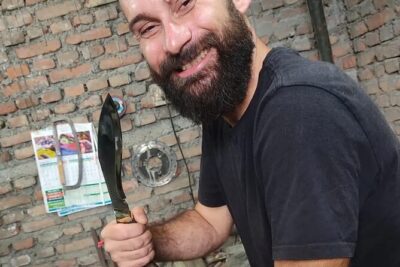
Knife (Khukuri) Making Workshop- Forge of the Gurkhas
Read our review →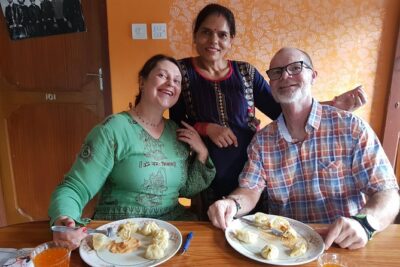
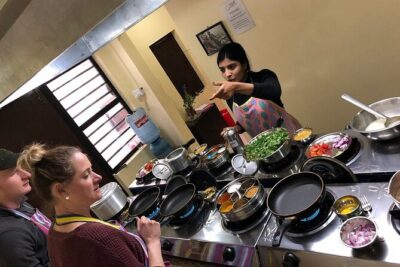
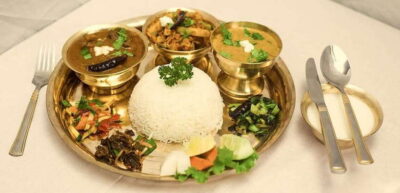
Nepalese Momos or Dal Bhat Cooking Class (Cook with Delight)
Read our review →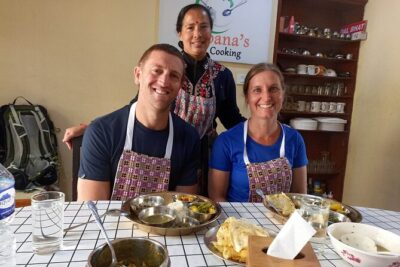
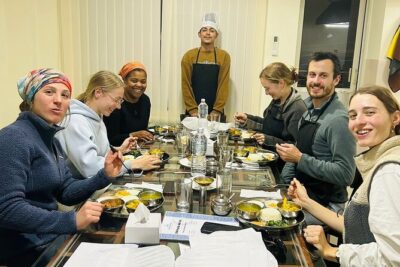
The best Private Nepali Cooking Class in Kathmandu
Read our review →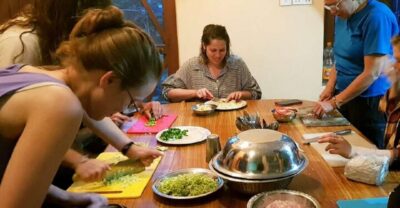
Nepalese Kitchen in Pokhara: Momos or Dal Bhat Cooking Class
Read our review →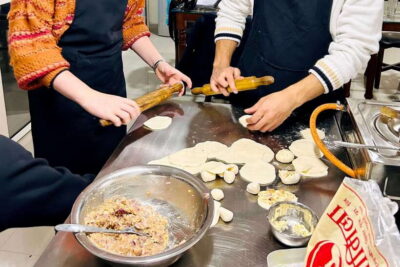
Browse the lists this tour appears in