
Reviewed · HIKING & TREKKING
4 Days Pikey Peak Trek : The Best View of Mt Everest
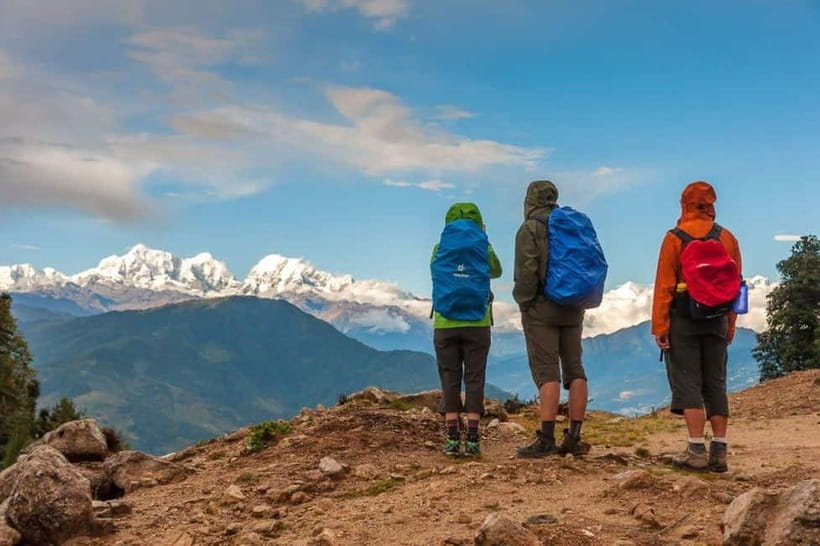
Pikey Peak gives you one of Nepal’s finest Himalayan viewpoints without the crowds and long schedule of the classic Everest Base Camp route. The prize is a sunrise ridge above 4,000 meters, with views stretching from Dhaulagiri to Everest and Kanchenjunga.
I like the quiet Sherpa villages and the chance to walk past monasteries, stone walls, stupas, and rhododendron woods rather than simply follow a busy trekking highway. I also like the small group size, capped at eight, and the fact that the $350 price includes a private vehicle, guide, permits, lodging, and breakfast.
The trade-off is the road. You spend roughly seven to nine hours driving each way between Kathmandu and Dhap, so this is a short trek with a long approach. Summit day also packs a lot into one outing, with about seven hours of hiking and a return to Jhapre.
Key points to know before booking
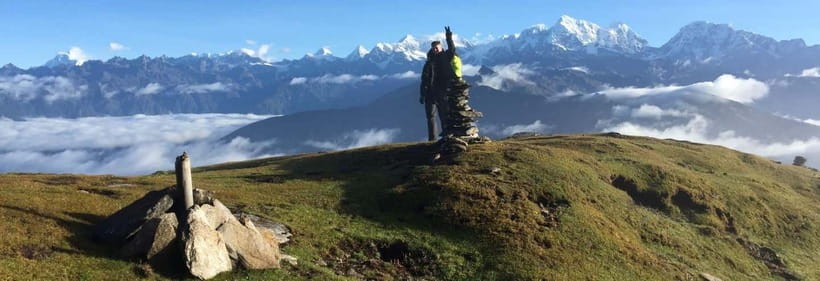
- Sunrise at 4,065 meters: The summit is the main event, with views toward Everest, Dhaulagiri, and Kanchenjunga.
- A quieter Lower Khumbu route: You pass through Sherpa villages, Buddhist monasteries, alpine meadows, and rhododendron forests.
- Four days, but not an easy stroll: The summit day includes an ascent to Pikey Peak and a long descent toward Jhapre.
- Private transport included: A jeep or van carries you from Kathmandu to Dhap and back, saving you from arranging road transport yourself.
- Basic teahouse lodging: Expect twin-sharing rooms, blankets, simple meals for purchase, and hot showers only at some lodges for an extra fee.
- Best for limited time: You get a real Himalayan trek close to Kathmandu, but you must accept long road transfers and a brisk schedule.
Why Pikey Peak works for a short Himalayan trip
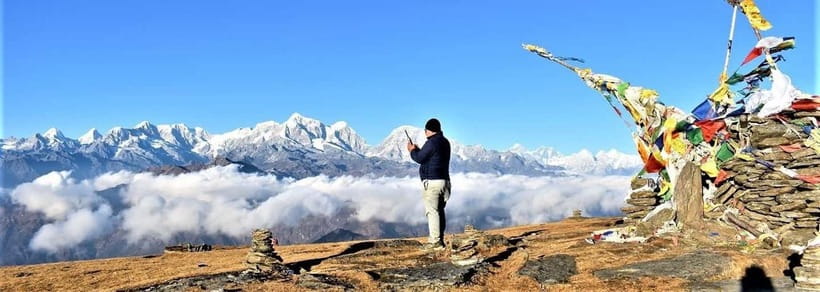
Pikey Peak is in Nepal’s Lower Khumbu region, in the Koshi Zone. It offers a taste of the Everest area without requiring the two-week commitment normally associated with major Himalayan treks.
You begin in Kathmandu and reach the trail by road. Once you leave Dhap, the pace changes. The route passes through small settlements, forests, open high meadows, and ridgelines where the views open in several directions. The cultural side matters here. You are not just walking toward a summit. You are passing through communities shaped by Sherpa traditions and Tibetan-influenced Buddhism.
I would describe the trip as moderate for a fit person, but not effortless. Pikey Peak reaches 4,065 meters, high enough for headache, nausea, or fatigue. You should walk slowly, drink plenty of water, avoid alcohol, and pay attention to how you feel.
The four-day schedule is efficient. It is also tight. You do not get a spare acclimatization day, and the summit day includes a long return walk. If you want a slower mountain holiday, choose a longer itinerary. If you want a compact route with serious views, this one makes sense.
A few more Kathmandu days to weigh up
- 3 night 4 Day Yoga & Ayurveda Retreat to Detox the Body & Mind, Nepal
★ 5.0 · 37 reviews - Bhutan Tour- 4 DAYS 3 NIGHTS
★ 5.0 · 6 reviews - Bhutan 4-Day Private Tour from Kathmandu
★ 5.0 · 5 reviews
Day 1: Kathmandu to Dhap and onward to Jhapre
The first morning begins with pickup in Thamel. The drive to Dhap takes about eight hours, though the practical guidance allows seven to nine hours depending on road conditions and the exact transport used.
That is a major part of the day, so set your expectations early. You will be in a private jeep or van rather than walking from the start. The route follows the Sunkoshi River and passes terraced rice fields, forest, and rural settlements. This gives you a useful look at Nepal beyond Kathmandu, though the road time can feel long.
At Dhap Bazaar, you take a short break before walking toward Jhapre. The hike lasts about two hours. The village of Kerung, with its Tibetan influence, adds cultural interest, and the route includes Buddhist monasteries and areas known for wild orchids.
Jhapre sits at about 2,820 meters. You spend the night in a local lodge, usually in a twin-sharing room with blankets. This first walking section is not especially long, but after a full day on the road, you may be ready for a quiet dinner and an early night.
Breakfast is included in the package. Other meals and drinks are not, so carry Nepali rupees and expect to pay for food as you go.
Day 2: Six hours through forests to Pikey Base Camp
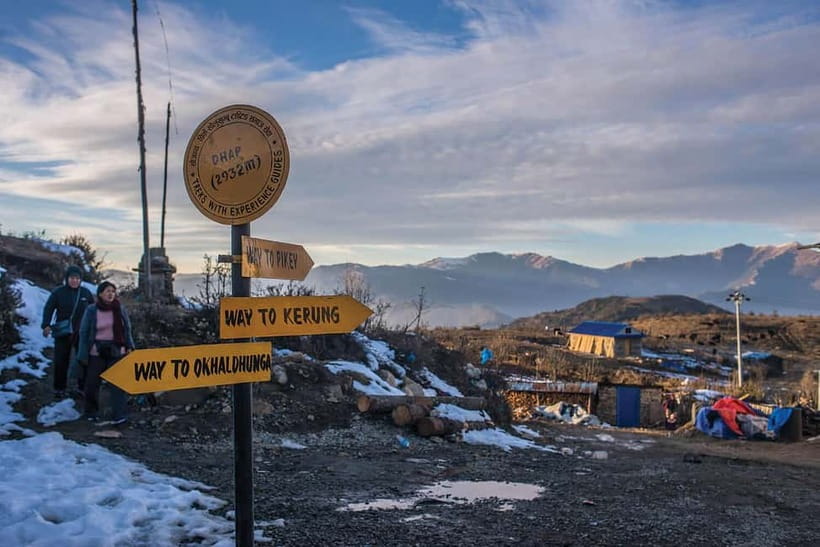
Day two takes you from Jhapre to Pikey Base Camp at 3,640 meters. Allow about six hours for the hike, with the exact pace depending on the group and trail conditions.
This is where the trek begins to feel like a proper mountain route. You pass stone walls, old stupas, and Buddhist monasteries. The trail moves through rhododendron forest and open alpine areas, with changing views as you gain height.
In spring, rhododendrons add color to the walk. In autumn, the clearer air often gives you the best chance of seeing distant peaks. Winter can also bring clear skies, but temperatures will be cold, especially at night.
Pikey Base Camp is the second-highest sleeping point on the route. It is a useful stop before the summit because you are already high when you wake for the next morning’s climb. The accommodation remains basic, and electricity may come from solar power or a limited supply. Charge your phone or camera whenever power is available.
Food in the lodges is simple and practical. Dal bhat, noodles, soup, eggs, potatoes, Tibetan bread, tea, and coffee are listed options. Do not expect a restaurant menu or dependable power for cooking and charging. The appeal is the setting and the trail, not comfort.
Day 3: Sunrise at Pikey Peak and the long return to Jhapre
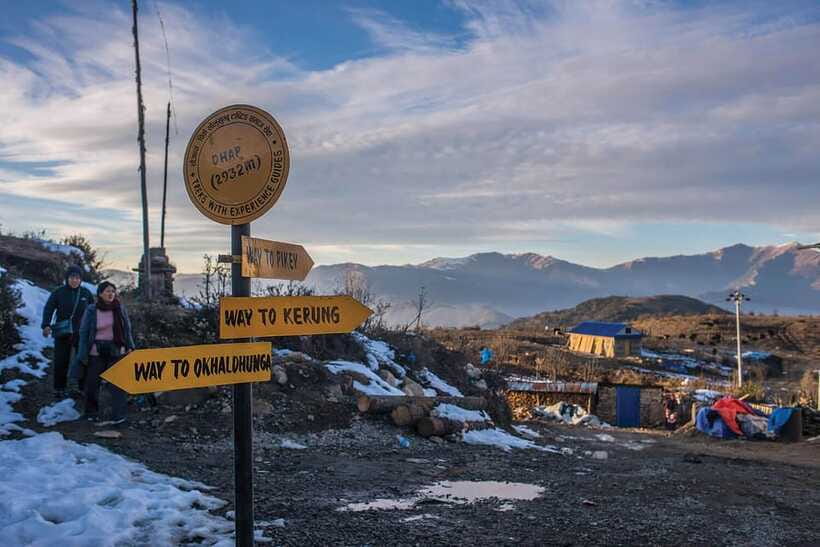
Day three is the heart of the trip. You climb from base camp to Pikey Peak, which rises to 4,065 meters. The ascent to the summit takes about one and a half hours, but the full day includes the descent to base camp and the continued walk to Jhapre.
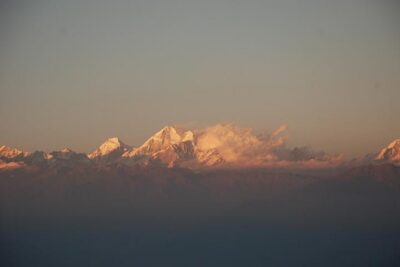
A pre-dawn start is the sensible choice if sunrise is your goal. The ridge is known for wide Himalayan views, including Mt. Everest, Dhaulagiri, and Kanchenjunga. The view reaches from the west toward Dhaulagiri to the east toward Kanchenjunga, with Everest among the major peaks in between.
This is also where good weather matters most. Clear skies can turn the summit into the trip’s defining moment. Clouds can hide the peaks, even when the hike itself remains worthwhile. Spring and autumn offer the strongest overall odds for clear views, while winter can be cold but bright.
Take time at the summit, but keep an eye on the clock. After returning to Pikey Base Camp, you continue toward Jhapre. The full hiking time is about six to seven hours, making this the most demanding day despite the relatively short summit climb.
The descent can be hard on tired knees. Trekking poles are useful, and sturdy broken-in boots matter more than expensive technical clothing. Drink regularly, eat small snacks, and do not race downhill.
The altitude is moderate by Himalayan standards, but it still deserves respect. A headache or unusual fatigue may be mild altitude sickness. Tell your guide promptly if symptoms appear. Walking slowly helps, and the itinerary brings you down to a lower sleeping point after the summit.
Recent departures have been led by guides including Pemba, Sukbir Tamang, and Ngima Chhechi Sherpa. The guide’s role matters on a compact trek like this because the day has little spare time. An English-speaking guide also helps with pacing, lodge arrangements, and village interaction.
More trekking days out of Kathmandu:
- Nagarkot Sunrise View and Day Hiking from Kathmandu
★ 5.0 · 471 reviews - Kathmandu: Nagarkot Sunrise View & Morning Hike with Lunch
★ 4.9 · 188 reviews - Kathmandu: Nagarkot Sunrise and Hike Tour to Changu Narayan
★ 4.7 · 151 reviews - Langtang Valley Trek
★ 5.0 · 140 reviews
Day 4: Walk back to Dhap and return to Kathmandu
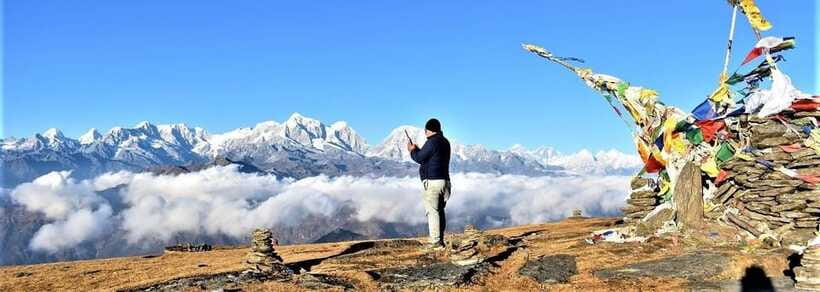
After breakfast, you hike from Jhapre to Dhap. The walking section takes about two hours, followed by the long drive back to Kathmandu.
This final morning is short compared with the previous day, but it does not mean you will arrive in the capital early. Plan for another full road transfer. You are dropped at your hotel in Kathmandu after arrival.
The return journey is the least glamorous part of the trip, yet it is part of the value calculation. A private jeep or van gives your group more control than relying on public transport, and that transport is included in the $350 price. Still, you should not book this trek if long mountain roads make you miserable.
What the $350 price really covers
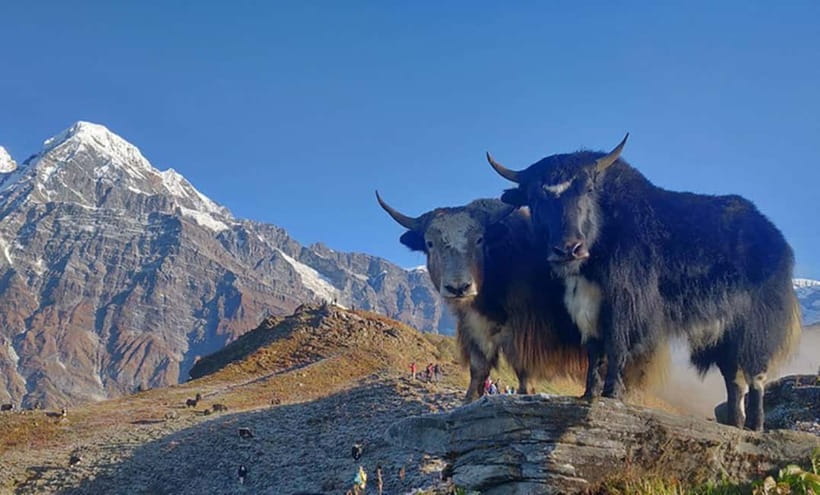
At $350 per person, the package offers fair value for a four-day trek if you use the included services. The price covers an English-speaking trekking guide, permits, government taxes, private transport from Kathmandu to Dhap and back, hotel pickup and drop-off, lodge accommodation, and breakfast.
That leaves several costs in your hands. Lunch, dinner, snacks, tea, coffee, and other drinks are not included. A porter is also excluded, as are personal expenses. Bring enough Nepali cash because there are no ATMs along the trail.
You also need to budget for optional hot showers where available. They cost extra and may not be offered at every lodge. Electricity is limited, so a power bank is a sensible item rather than a luxury.
The price is strongest for people who want a small-group trip with transport and permits arranged. It is less attractive if you already have a guide, transport, and trekking permits organized separately. The group limit of eight keeps the walk fairly personal without making it a private trip.
Free cancellation up to 24 hours before departure and reserve-now, pay-later booking add flexibility. Check the available starting times before you commit, since the schedule is fixed around the four-day road and hiking plan.
Lodges, meals, and daily comfort
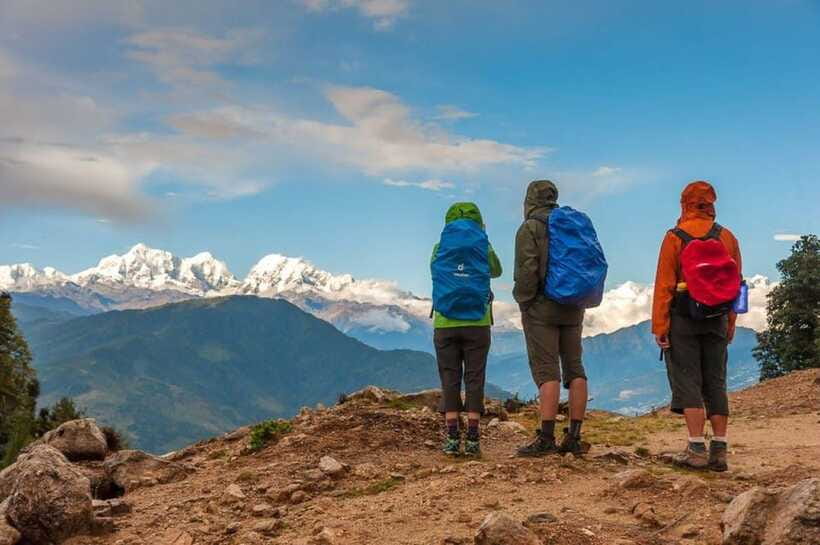
Accommodation is in basic teahouses or lodges. Rooms are generally twin sharing, with blankets supplied. You can bring your own sleeping bag if you prefer extra warmth or familiar bedding.
The food is simple but suited to walking days. Dal bhat is the dependable Nepali staple, while noodles, soup, eggs, potatoes, Tibetan bread, tea, and coffee give you other choices. Since meals are not included, ask your guide about typical prices and keep small cash available.
Pack toilet items because lodge supplies are limited. Hot showers are available in some places for an additional charge, but you should not count on a full hotel-style wash each day.
Connectivity from NTC and Ncell works in most villages, though the signal is patchy. Tell people at home that contact may be intermittent. Use the chance to put your phone away and pay attention to the trail, especially in the quieter sections.
What to pack for the 4,065-meter summit
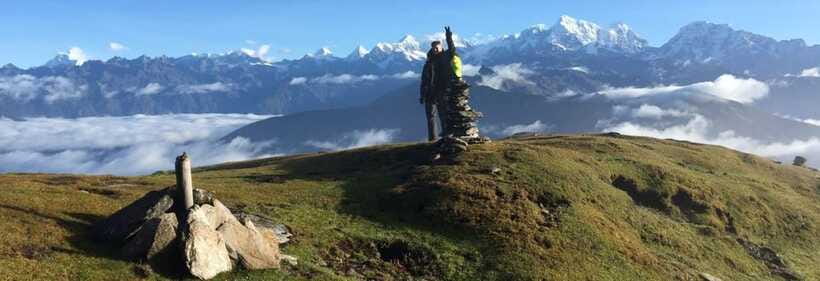
Keep your bag light, but prepare for quick changes in temperature and weather. The most useful clothing system includes a base layer, fleece, down jacket, and waterproof shell.
Bring:
- Broken-in trekking boots
- Warm gloves, hat, and buff or scarf
- Sunglasses and sunscreen
- Headlamp for the early summit start
- Water purification tablets or a filter
- Energy bars or nuts
- Small first-aid kit
- Personal altitude and stomach medicine
- Sleeping bag if you prefer your own
- Power bank
- Camera
- Passport or other identification
- Toiletries
A headlamp is particularly important for the sunrise climb. Do not assume your phone flashlight will be enough on uneven trail. Sunscreen and sunglasses also matter at altitude, even on cold days.
The experience is not suitable for pregnant women. Anyone with health concerns should consider the altitude and long hiking day carefully before booking.
Who should choose this trek?
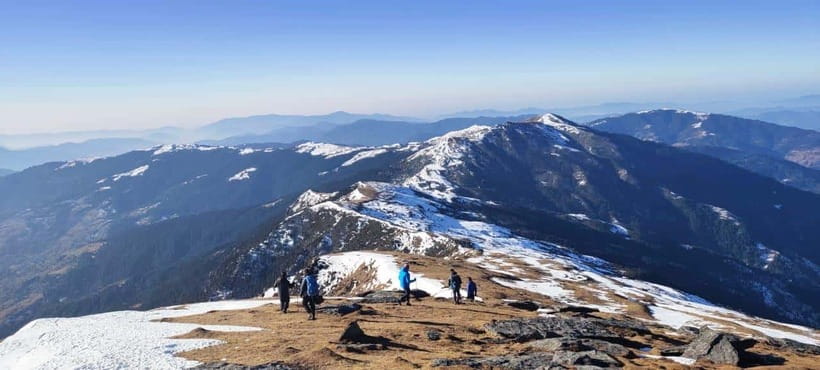
I would recommend Pikey Peak to a fit beginner, a family with older children who are used to walking, a photographer, a bird watcher, or anyone with only four days available. It offers culture, forest, open ridges, and major Himalayan views in one compact trip.
It is also a good choice if you want a quieter route than the main Everest trekking corridor. The villages and monasteries give the walk a sense of place, while the summit provides a clear goal.
I would not choose it for a traveler who wants a relaxed holiday, a soft bed, or a slow acclimatization schedule. The road transfers are long, the lodge comfort is basic, and summit day is demanding. You should also think twice if you dislike carrying personal gear, since porter service is not included.
Should you book Pikey Peak?
Book this trek if your priority is a short, well-organized mountain trip with a real summit, strong Himalayan views, and a small group. The sunrise above Pikey Peak, quiet Sherpa villages, and views toward Everest make the effort worthwhile when the weather cooperates.
Skip it if you want generous rest days or cannot handle long drives. The smart way to approach this trip is to treat it as a compact trek, not an easy sightseeing tour. Pack for cold weather, carry cash, walk slowly, and save your energy for day three. If that sounds like a fair exchange for a close view of the high Himalayas, the $350 package is a practical choice.
FAQ
How long does the Pikey Peak trek take?
The trip lasts four days, including transport from Kathmandu to Dhap and back. Walking days range from about two to seven hours, with the summit day being the longest.
How high is Pikey Peak?
Pikey Peak reaches 4,065 meters. Pikey Base Camp is at about 3,640 meters, and Jhapre is at approximately 2,820 meters.
Is transport from Kathmandu included?
Yes. The package includes a private jeep or van from Kathmandu to Dhap and back, plus pickup and drop-off at your Kathmandu hotel.
Are meals included in the price?
Breakfast is included during the trek. Lunch, dinner, snacks, and beverages are not included and must be paid for separately.
What type of accommodation is provided?
You stay in basic teahouses or lodges, normally in twin-sharing rooms with blankets. Hot showers are available at some lodges for an extra cost.
Can I cancel the booking?
You can cancel up to 24 hours in advance for a full refund. The activity also offers reserve-now, pay-later booking.
Just added around Kathmandu
- Traditional Momo Making Class★ 5.0 · 10 reviews
- Women Empowerment Project(Nepali cooking class & jewelry workshop★ 5.0 · 15 reviews
- Manthali Airport (Ramechhap) To Kathmandu – Transport Service★ 4.5 · 11 reviews
- Amazing 1 Day Trekking Experience in Kathmandu Nepal★ 5.0 · 24 reviews
- Walking tour of Kathmandu with awesome local guides★ 5.0 · 4 reviews
- Walking tour of real Kathmandu through back streets.★ 5.0 · 3 reviews
- Private Manaslu Circuit Trek at Himalayas★ 5.0 · 3 reviews
- Walking Street Food Tour in Kathmandu★ 5.0 · 111 reviews
Hiking & Trekking, compared.
Nagarkot Sunrise View and Day Hiking from Kathmandu
Read our review →
Browse the lists this tour appears in