Reviewed · HIKING & TREKKING
Mohare Danda Trek
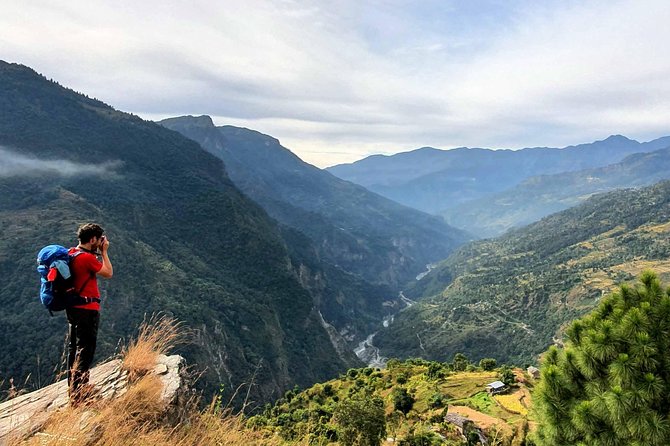
The most appealing part of the Mohare Danda Trek is its community focus. You walk through Poon Magar villages, sleep in community lodges, and support education, local jobs, women’s empowerment, and rural development as you go. I like the direct connection between your spending and village welfare, and I like that the route reaches 3,313 meters without the scale and traffic of Nepal’s better-known trekking circuits.
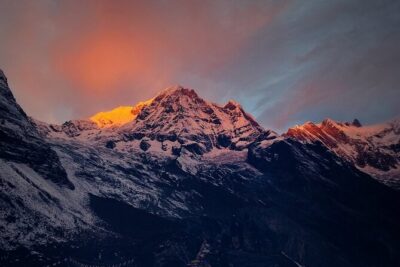
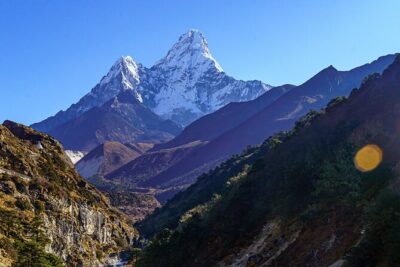
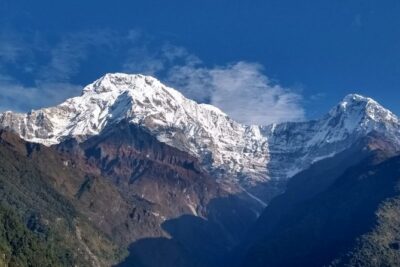
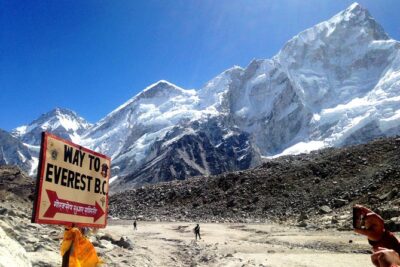
I also like the huge mountain views, with up to 42 peaks possible in clear weather, including Annapurna, Dhaulagiri, and Manaslu. The main drawback is the long amount of road travel: the 10-day plan includes extended drives between Kathmandu, Pokhara, Beni, and the trek’s finishing points. You should also be ready for steep stone steps and a high-altitude night at Mohare Danda.
Key points to know before booking
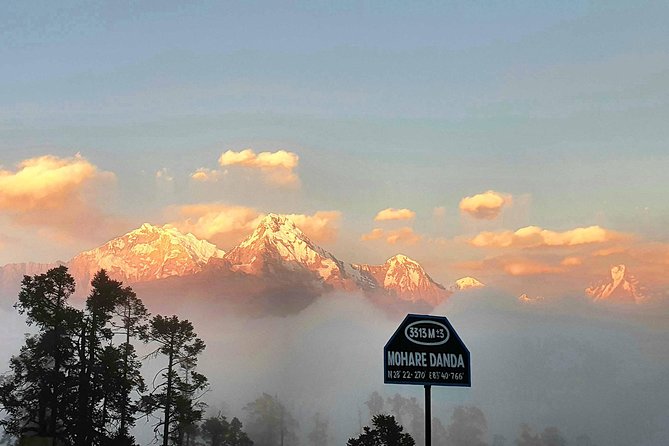
- Mohare Danda reaches 3,313 meters: The highest night comes at Mohare Community Lodge, with sunrise views toward major Himalayan peaks.
- The route supports village communities: Your payment helps local education, women’s empowerment, employment, and rural development.
- The trek passes through Magar settlements: Nagi and Tikot offer a closer look at village life, food, customs, and hospitality.
- Transport takes up a large part of the trip: The road from Kathmandu to Pokhara takes about six to seven hours, and the return takes about seven hours.
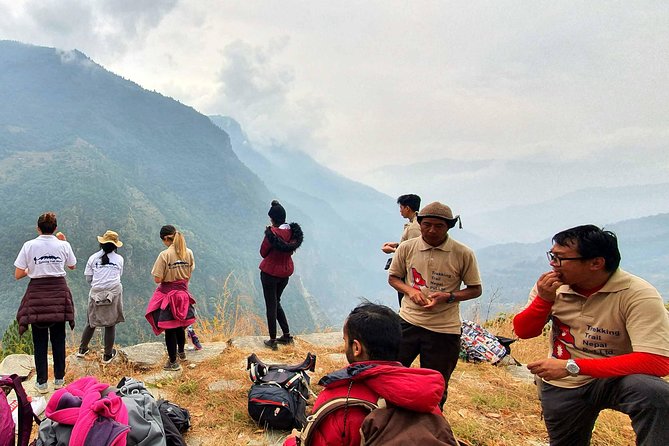
- The group is limited to 11 people: That gives the guide a better chance to keep track of everyone on the trail.
- The $799 price covers useful essentials: Guides, porters, permits, ground transport, meals on trekking days, a sleeping bag, down jacket, first-aid kit, and an oxygen monitor are included.
Why Mohare Danda feels different from a standard Nepal trek
Mohare Danda was created as a newer, quieter trekking route built around community lodges. The point is not only to reach a viewpoint. You also spend time in villages where local families and community groups provide accommodation, meals, and support services.
That matters because trekking money can easily flow toward large operators and busy tourist centers. Here, the stated aim is to direct spending toward village education, household income, women’s participation, and basic rural development. You still get the classic rewards of Nepal trekking, but your overnight stays have a clear local purpose.
The route is described as short and comparatively easy, though I would treat easy with care. You will still walk for several hours on mountain trails, climb and descend stone steps, and spend a night above 3,000 meters. If downhill walking is hard on your joints, tell the operator before departure. A more manageable route can be arranged.
More trekking days out of Kathmandu:
- Nagarkot Sunrise View and Day Hiking from Kathmandu
★ 5.0 · 471 reviews - Kathmandu: Nagarkot Sunrise View & Morning Hike with Lunch
★ 4.9 · 188 reviews - Kathmandu: Nagarkot Sunrise and Hike Tour to Changu Narayan
★ 4.7 · 151 reviews
Day 1: Kathmandu arrival and Thamel
Your first day begins at Tribhuvan International Airport. A representative meets you after immigration and baggage collection, then takes you to your hotel in Thamel.
Thamel is a practical starting point for a Nepal trek. It gives you time to settle in, organize personal items, and prepare for the road journey ahead. The day is listed at about three hours, but most of that time is related to arrival, transfer, and getting settled rather than walking.
Your guide and porter team are part of the package. Their wages, insurance, and gear are included, which makes the price easier to understand. Tips are not included, so plan to give gratuities separately if you feel the service deserves it.
Day 2: The long road to Pokhara
After breakfast, you travel west along the Prithvi Highway toward Pokhara. The distance is about 200 kilometers, but mountain roads make this a six to seven-hour journey.
This is not a sightseeing day in the usual sense. It is a necessary transfer day, and the slow pace of road travel can be tiring. Still, it moves you from Kathmandu’s urban setting to Pokhara, the gateway for many treks in the Annapurna area.
You stay in Pokhara, near Phewa Tal. Lunch and dinner in Kathmandu and Pokhara are not included, so you choose and pay for those meals yourself. That gives you freedom, but you should allow for extra spending beyond the advertised price.
Day 3: Beni Bazaar and the first walking section
The trek begins after another road transfer. From Pokhara, you drive for about four hours to Beni Bazaar, where the walking section starts.
This arrangement is useful because it places you closer to the trailhead, but it also means the first trekking day includes substantial time in a vehicle. You should not expect a full day of walking through the mountains from the moment you leave Pokhara.
The route begins to shift from transport corridors to village paths and mountain scenery. From here, the community character of the trek becomes more visible. The day’s exact overnight stop is not clearly specified, so confirm the final walking distance and lodging location before you leave Kathmandu.
More days out in Kathmandu:
- Private Kathmandu Sightseeing Tour | UNESCO World Heritage sites
★ 5.0 · 756 reviews - Half day cooking class in Thamel kathmandu
★ 5.0 · 607 reviews - Kathmandu: Full Day 7 UNESCO Tour with Lunch – Private/Group
★ 5.0 · 415 reviews - Kathmandu: Local Women-Led Nepali Cooking & Momo Class
★ 4.9 · 360 reviews
Day 4: Walking toward Nagi Village
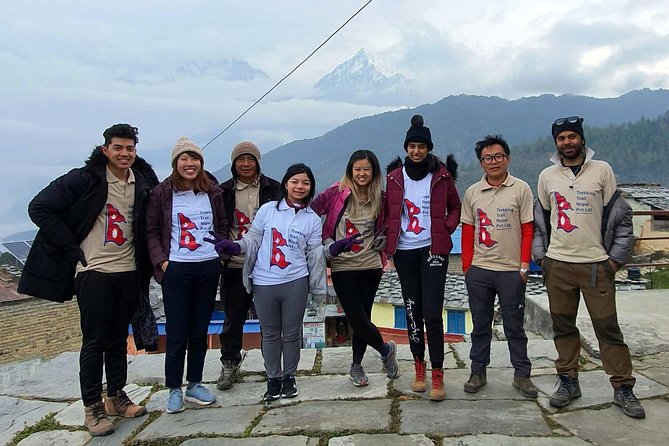
Day four takes you toward Nagi Village, with a stated walking time of about three hours. This is one of the shorter walking days, giving you a gentler introduction to the trail.
The appeal of Nagi is the chance to see daily life in a Poon Magar community rather than simply passing through a large trekking center. The route is intended to bring you closer to local customs, village routines, and community-run accommodation.
A shorter day does not mean no effort. Mountain trails often rise and fall repeatedly, and uneven steps can be harder than a flat road. Take your time, drink regularly, and use trekking poles if downhill movement troubles your knees.
Day 5: The climb toward Mohare Danda
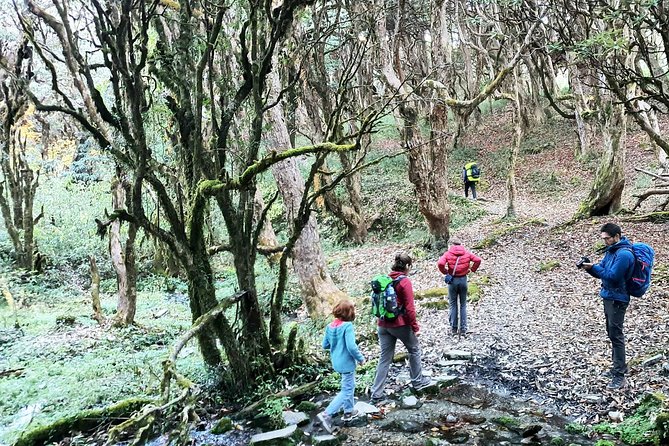
After breakfast in Nagi, you walk toward Mohare Danda. The stated walking time is four to six hours, so this is one of the more important physical days of the trek.
Your reward is the approach to the route’s main viewpoint and highest overnight area. The exact feel of the day depends on weather, trail condition, and how your group handles the climb. A four-hour day can feel quite different from a six-hour day at altitude.
The route is promoted as peaceful and less touched than Nepal’s busiest trekking corridors. That does not mean you should expect a wilderness expedition. You will still use community lodges and established paths, but the route’s smaller scale is a major part of its appeal.
Day 6: Sunrise at Mohare Community Lodge
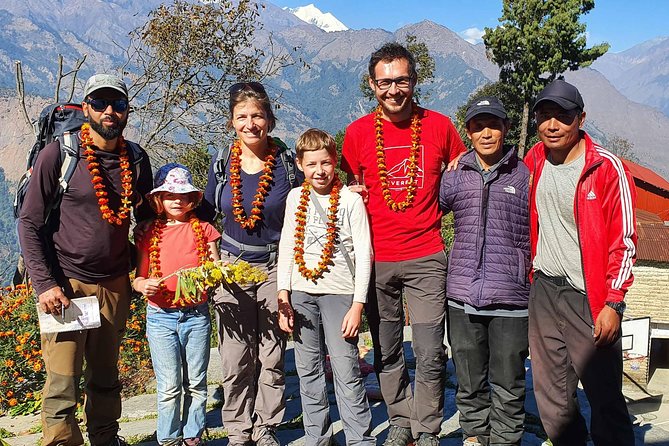
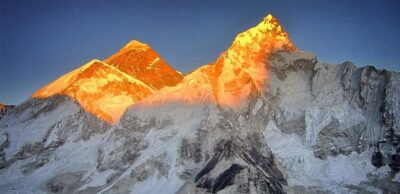
Mohare Danda reaches 3,313 meters, making this the highest point of the trip. The community lodge is the setting for one of the trek’s best moments: an early sunrise over the Himalayan peaks.
On clear mornings, you may see an impressive sweep of mountains, with up to 42 peaks visible. The three major 8,000-meter peaks named for the route are Annapurna, Dhaulagiri, and Manaslu. Mountain weather changes quickly, so the views are never guaranteed, but the viewpoint gives you a strong chance when conditions cooperate.
The schedule lists about 15 hours at Mohare Community Lodge. That likely reflects an overnight stay and time around the sunrise rather than 15 hours of walking. Check the detailed daily schedule with the operator, since the wording is not fully clear.
You receive a sleeping bag and down jacket as part of the package. That is useful at a high community lodge, especially for anyone who does not want to bring bulky cold-weather equipment from home. A first-aid kit and oxygen monitor are also provided, though these are safety tools, not substitutes for sensible pacing or medical advice.
Day 7: From the high route to Tikot Village
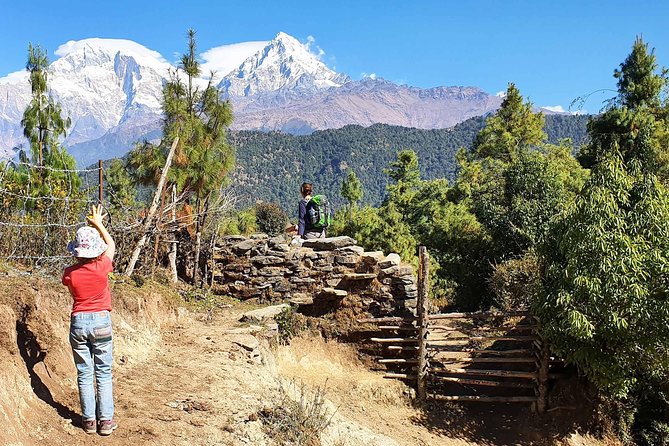
The trail continues toward Histan Tikot, a Magar settlement. The day is listed at about 10 hours, so it is likely one of the most demanding parts of the trip.
You pass viewpoints including Thula Kharka and Sikha Danda. The route now shifts from the high ridge toward village country, with long hours on foot and substantial downhill movement. This is where good footwear and patience matter most.
Tikot is valuable for the human side of the trek. You have a chance to see an ethnic Magar village and experience the warmth of local hospitality. The local food is also one of the strong points of the route, especially if you enjoy simple meals prepared for a small trekking group rather than standardized hotel dining.
Day 8: The final mountain walk to Basari
The last mountain walking day leads to Basari, also spelled Baseri in the schedule. It marks the end of the trail section and prepares you for the return journey.
The final day can feel satisfying, but it is not automatically easy. Descending on stone steps can put more stress on your knees than climbing, and the operator specifically asks people with joint problems to speak up. If you have concerns, share them early rather than waiting until the last descent.
The route’s short length is a good fit if you want mountain scenery and village contact without committing to a much longer Himalayan circuit. It is less suitable if you want a trek made up almost entirely of remote high-altitude walking, since road transfers take up several days.
Day 9: Back to Kathmandu by road
After the walking portion, you return toward Kathmandu. The road journey from Pokhara is listed at about seven hours, making this another long transfer day.
That timing is worth taking seriously. The trek may be physically moderate compared with longer Nepal routes, but the overall trip still includes considerable time sitting in vehicles. If you dislike long road journeys, ask how the exact transport plan is arranged before booking.
You spend the remaining time in Kathmandu at leisure. Lunch and dinner are not included in Kathmandu, so keep money aside for meals and personal expenses.
Day 10: Airport transfer and departure
The final day is set aside for airport transfer at Tribhuvan International Airport. The listed duration is about three hours, although your actual transfer time will depend on your flight schedule and traffic.
You can also extend your stay or arrange additional activities, but those are outside the stated trek package. The airport transfer itself is included in the ground transportation arrangements.
What the $799 price really covers
At $799 per person, the package offers solid value if you need a guided, supported trek rather than a bare-bones walking route. Included are your trekking guide, porters, their wages, insurance and gear, required permits, ground transportation, and a complimentary trekking map and duffle bag.
Meals are included as follows:
- Nine breakfasts
- Six lunches
- Five dinners
The meal count reflects the fact that some meals in Kathmandu and Pokhara are your responsibility. Drinking water, snacks, soft drinks, bar bills, and personal purchases are also extra.
A short visit to Baglung High Bridge and the entry fee are included. You also receive a completion certificate, sleeping bag, down jacket, first-aid kit, and oxygen monitor. Those inclusions reduce the need to rent or buy several trekking items, though you should still confirm sizes and availability before departure.
The package does not include tips. Nepal trekking staff work hard, and you should budget separately for gratuities rather than treating them as part of the $799 price.
How the trip handles safety and comfort
The maximum group size is 11 people. That is small enough for the guide to keep an eye on the group, while still allowing the operator to spread transport and staff costs across several people.
Most people can participate, but you should be honest about joint problems and difficulty walking down stone stairs. The operator says it can assist with a better and easier route. This is useful, but it is still important to ask exactly what changes are possible before you pay.
The included oxygen monitor and first-aid kit offer basic support. They do not remove the need to walk slowly, communicate symptoms, and follow the guide’s advice at Mohare Danda. The highest point is 3,313 meters, so altitude awareness remains sensible even on a shorter trek.
Service animals are allowed. If this matters to you, confirm the practical arrangements for transport and community lodge accommodation before departure.
Who should book the Mohare Danda Trek?
I would choose this trek if you want three things at once: Himalayan views, contact with village communities, and a shorter route than the major high-altitude circuits. It is especially well suited to people who value local benefit and want their accommodation and meals to support village economies.
It also works well for a small group of friends. A group of five has previously completed a shorter four-day, three-night version with the operator, showing that the route can be adapted from the full 10-day plan. Do not assume every shortened version includes the same meals, transport, or stops, so confirm the exact package.
I would hesitate if you want nonstop trail time, luxury lodging, or a route with no long road transfers. The drives are a real part of the experience, and the 10-day schedule includes more than one extended vehicle journey.
The operator has received strong praise for careful organization, safety advice, flexible support, and personal attention from guides. One guide named Apar has been associated with a Mohare Danda and Poon Hill trip, while other trips mention guides such as Lokendra. Staff assignments can change, so ask who will lead your departure.
Cancellation is free up to 24 hours before the start time. Inside 24 hours, the payment is not refunded, and changes are not accepted. If bad weather forces cancellation, you are offered another date or a full refund.
Should you book it?
Book the Mohare Danda Trek if you want a quieter Himalayan route where village communities are central to the experience, not just scenery along the way. The sunrise at 3,313 meters, Magar hospitality, broad mountain views, and included trekking equipment make the $799 price reasonable.
Skip it if long road journeys frustrate you or if steep downhill steps are a serious problem. For everyone else, this is a thoughtful way to see Nepal’s mountains while directing your money toward education, local income, women’s empowerment, and rural development.
FAQ
How long is the Mohare Danda Trek?
The full experience lasts about 10 days, including arrival and departure in Kathmandu, road travel to and from Pokhara, and the mountain walking section.
What is the highest point of the trek?
The highest point is Mohare Danda at 3,313 meters above sea level.
Which mountains can I see from Mohare Danda?
In clear conditions, you may see up to 42 peaks, including Annapurna, Dhaulagiri, and Manaslu, all named as 8,000-meter peaks in the tour information.
Is transportation included?
Yes. Ground transportation is included, including transfers connected with Kathmandu, Pokhara, Beni Bazaar, and the return journey.
Are meals included?
Breakfast is included nine times, lunch six times, and dinner five times. Lunch and dinner in Kathmandu and Pokhara are not included.
Are guides and porters included?
Yes. The package includes trekking guides and porters, along with their wages, insurance, and gear.
Is a sleeping bag provided?
Yes. A sleeping bag and down jacket are included for the Mohare Danda Trek.
How large is the group?
The maximum group size is 11 people.
Can people with joint problems take this trek?
The operator asks people with joint problems or difficulty walking down stone stairs to provide advance notice. It says assistance with a better and easier route may be possible.
What is the cancellation policy?
You can cancel at least 24 hours before the start time for a full refund. Cancellations or changes made within 24 hours are not accepted and are not refunded. If poor weather cancels the experience, you are offered a different date or a full refund.
Just added around Kathmandu
- Traditional Momo Making Class★ 5.0 · 10 reviews
- Women Empowerment Project(Nepali cooking class & jewelry workshop★ 5.0 · 15 reviews
- Manthali Airport (Ramechhap) To Kathmandu – Transport Service★ 4.5 · 11 reviews
- Amazing 1 Day Trekking Experience in Kathmandu Nepal★ 5.0 · 24 reviews
- Walking tour of Kathmandu with awesome local guides★ 5.0 · 4 reviews
- Walking tour of real Kathmandu through back streets.★ 5.0 · 3 reviews
- Private Manaslu Circuit Trek at Himalayas★ 5.0 · 3 reviews
- Walking Street Food Tour in Kathmandu★ 5.0 · 111 reviews
Hiking & Trekking, compared.
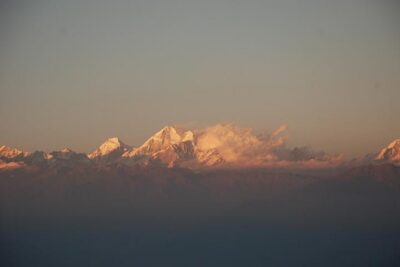
Nagarkot Sunrise View and Day Hiking from Kathmandu
Read our review →