
Reviewed · MOMO MAKING CLASSES
Kathmandu: Women-Led Cooking Class & Momo Making-Local Taste
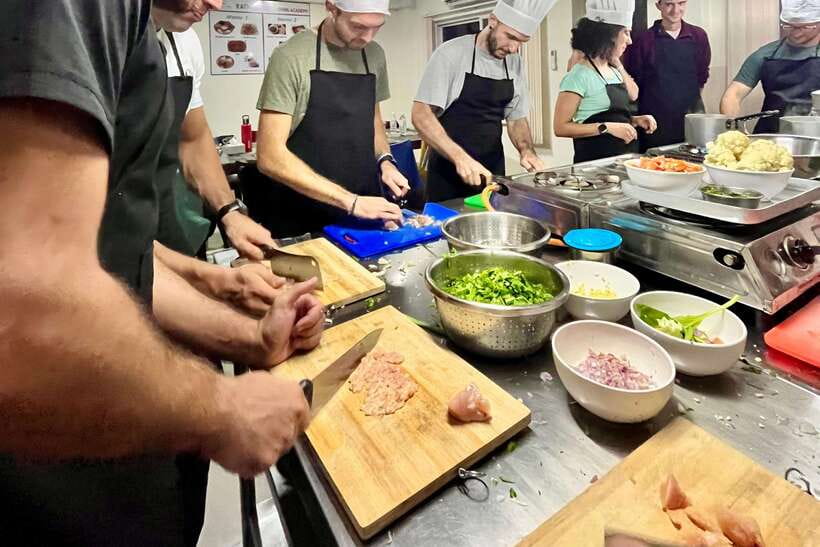
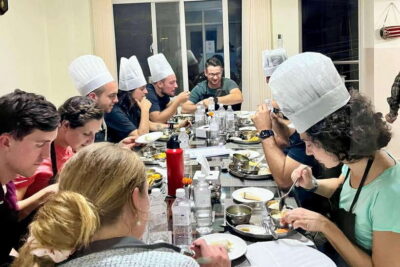
Kathmandu’s food culture makes the most sense when you work with your hands. This women-led cooking class takes you from a local market to a modern Nepali kitchen, where you help choose ingredients, prepare traditional dishes, and sit down to eat your own meal.
I like the market visit because it gives the class a clear local setting, not just a recipe demonstration. I also like the small group of no more than eight people, which should give you a better chance to ask questions and get help with tricky jobs such as folding momo.
The main consideration is that the class depends on your patience and the instructor’s teaching style. One participant found the momo-folding lesson stressful, so ask for another demonstration if the technique is not clicking right away.
Key points at a glance
- Market shopping comes first: Help select vegetables, spices, and meat before cooking.
- Three menus are available: Choose among dishes such as bara and dal bhat, chatamari and momo, or aloo chop and thukpa.
- Momo takes practice: Folding dumplings is hands-on and can be difficult at first.
- You eat what you prepare: The class ends with a proper tasting session, not just a small sample.
- Masala tea is included: Sip spiced Nepali tea during the lesson.
- Good value at $11: The price covers instruction, ingredients, equipment, the market visit, and your meal.
From Kathmandu market to cooking table
The class begins with a short market or shop visit to buy the ingredients needed for the day. This part matters because Nepali cooking is built around fresh produce, lentils, spices, rice, flour, and carefully seasoned fillings.
You will help select vegetables, spices, and, depending on the menu, meat. The information provided does not name a specific market, so do not expect a full guided food tour of Kathmandu. Think of this as a useful shopping lesson attached to the cooking class.
I like this format. You see ingredients before they have been chopped and mixed, then learn how they change in the pan, pot, steamer, or frying oil. It also gives the chef a natural chance to explain why certain spices belong in a particular dish.
The class location is easy to reach from Thamel and other parts of the Kathmandu Valley. Exact meeting instructions and starting times depend on availability, so check those details before booking. The activity lasts about two to three hours, a sensible length for cooking several dishes without taking up your entire afternoon.
More Cooking Classes in Kathmandu
- Half day cooking class in Thamel kathmandu
★ 5.0 · 607 reviews - Kathmandu: Local Women-Led Nepali Cooking & Momo Class
★ 4.9 · 360 reviews - Kathmandu: Local Lead Nepali Cooking & Momo-Making Class
★ 5.0 · 212 reviews
Choosing between three Nepali menus
You receive a choice of three menu sets. The available options cover snacks, main dishes, dumplings, noodles, rice, and sweets.
Menu 1 includes bara, dal bhat, and yomari. This is the best choice if you want a traditional Newari snack, Nepal’s most familiar staple meal, and a sweet rice-flour dumpling.
Bara is made from ground black gram, also called urad dal. The batter is seasoned and fried into a lentil pancake. It may be served plain, or prepared with egg, minced meat, or vegetables, depending on the class plan.
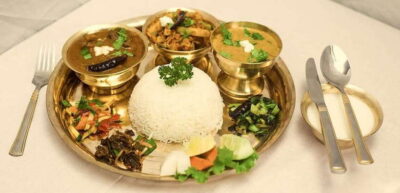
Dal bhat combines steamed rice with lentil soup. It may also come with vegetables, pickles, and curry. This is not a single fixed recipe across Nepal, so the class gives you a practical look at the everyday meal rather than a restaurant-style version designed only for tourists.
Yomari is made from rice-flour dough and filled with chaku, a molasses-like sweetener, and sesame seeds. Coconut may also be used. The dumpling is especially associated with Kathmandu Valley Newari food traditions.
Menu 2 includes chatamari, momo, and kheer. This is likely the strongest choice for first-time visitors who want the dishes most closely associated with Kathmandu food experiences.
Chatamari is a thin rice-flour crepe often called Nepali pizza. It can be topped with egg, minced meat, vegetables, and spices. It is a good lesson in how a simple base can carry several different flavors.
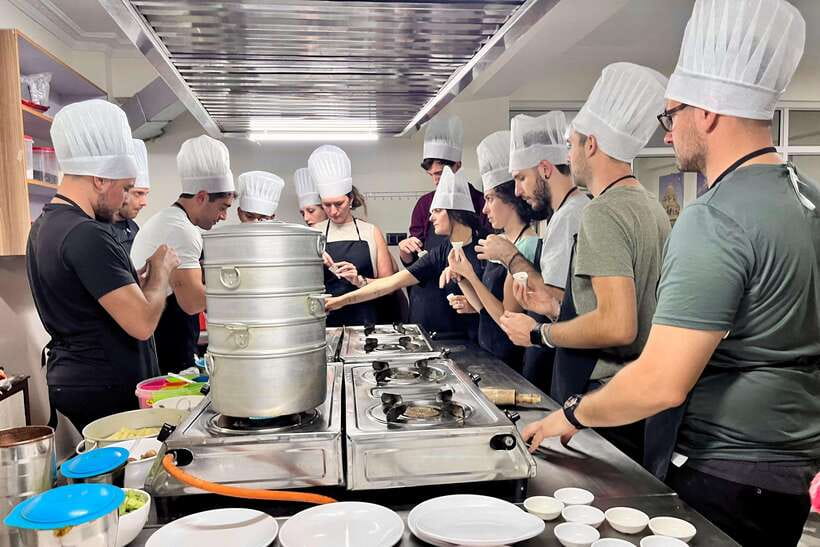
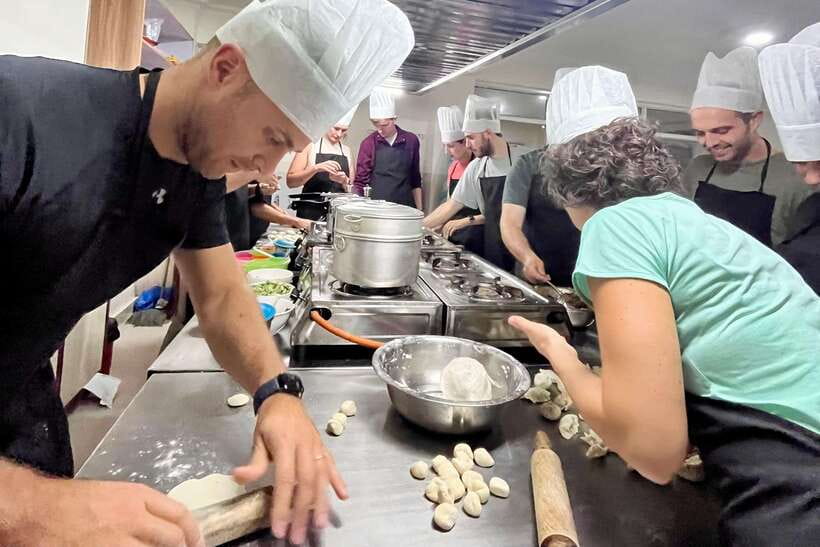
Momo are thin dough dumplings filled with minced meat or vegetables. Chicken, buff, pork, or vegetable fillings may be used, with seasoning adjusted to the class. You will learn to roll the dough, add filling, and fold each dumpling before cooking.
Kheer is a creamy rice pudding made with milk, sugar, and cardamom. Nuts and raisins may be added at the end. It gives the class a gentle, sweet finish after the stronger flavors of momo and chatamari.
Menu 3 includes aloo chop, thukpa, and carrot halwa. Choose this set if you prefer fried snacks, soup, and dessert rather than rice and dumplings.
Aloo chop is made with mashed boiled potatoes mixed with spices, shaped, and deep-fried. Thukpa is a Tibetan-Nepali noodle soup made with wheat or hand-pulled noodles, broth, vegetables, meat, and aromatic spices.
Carrot halwa is prepared by slowly cooking grated carrots with milk, sugar, ghee, and cardamom. Nuts and raisins may be used as a garnish. It is a useful reminder that Nepali cooking is not limited to savory dishes.
The booking information also highlights dal bhat and momo as core class subjects. Since the detailed menu is arranged into three sets, confirm your preferred menu when reserving if a particular dish is important to you.
What the hands-on lesson is really like
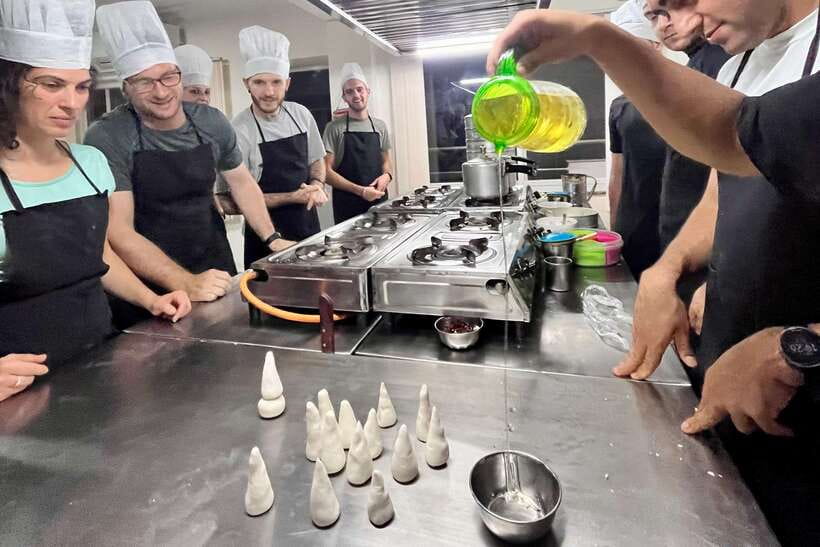
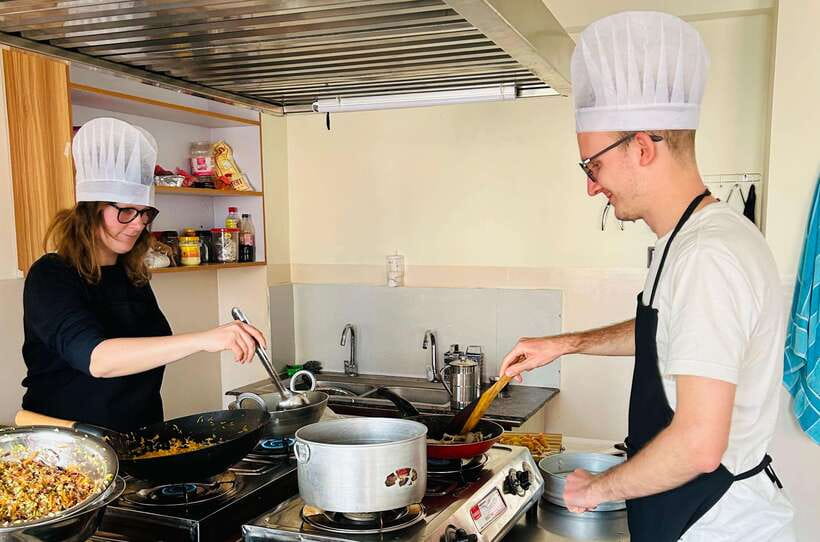
This is not a demonstration where you sit back and watch a chef do all the work. The format includes step-by-step instruction, shared equipment, and hands-on preparation.
You can expect to help wash, cut, mix, season, shape, and cook ingredients. The exact order will depend on your menu. Dumplings and filled dough require more manual work, while dal bhat and thukpa teach you more about building flavor in a pot.
The English-speaking chef is there to explain methods and answer questions about ingredients and spices. The class is suitable for beginners, and children over eight can take part if they are interested in learning new dishes.
The small group limit of eight is important. Cooking classes can become awkward when one person handles the dough and everyone else watches. A smaller group gives you a better chance to work directly with the ingredients, though the experience still depends on how actively the instructor rotates tasks.
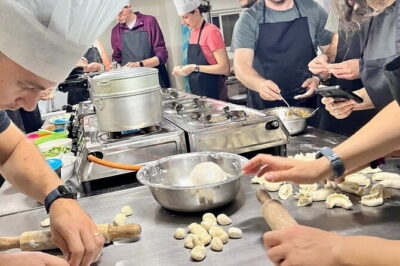
Momo folding deserves special attention. It looks easy when an experienced cook does it, but the folds can be fiddly for a first attempt. If your dumpling does not look neat, it should still cook and taste fine. Ask the chef to slow down or show the fold again rather than rushing to keep up.
One participant found the chef a little irritated when the folding method was hard to grasp. I would treat that as a practical warning: this is a skills class, not only a social meal. Come ready to try the technique, but speak up if you need clearer guidance.
Spices, tea, and the cultural side of the meal
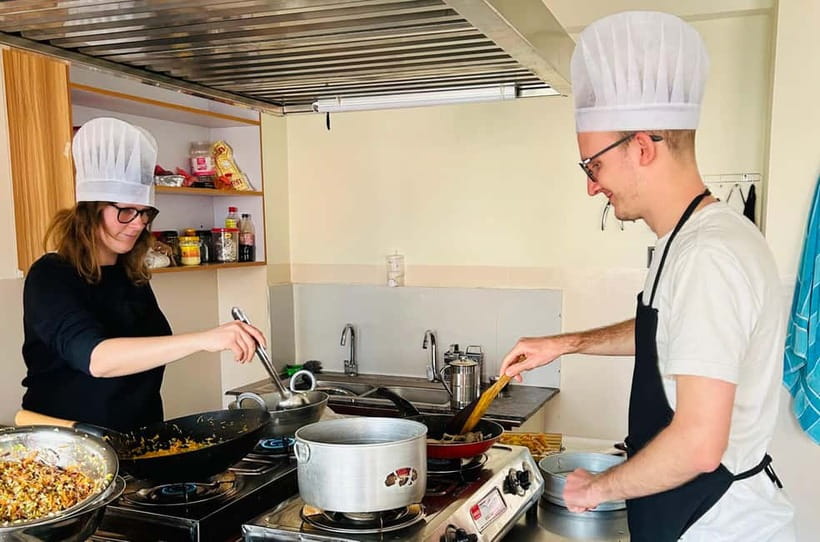
The value of the class goes beyond learning a few recipes. You also get context about Nepali food customs, cooking methods, and the place of certain dishes in local life.
Masala tea is included during the lesson. This style of tea combines black tea with aromatic spices and offers a warm pause while food is being prepared. It is a small detail, but it helps make the class feel like a complete food encounter rather than a timed kitchen exercise.
The chef also explains the ingredients used in the dishes. You may learn how lentils form the base of bara and dal, how rice flour behaves in chatamari and yomari, or how spices shape a momo filling.
The menu also shows Kathmandu’s links with Newari and Tibetan food traditions. Bara, yomari, and chatamari connect strongly with Newari cuisine, while thukpa reflects Tibetan influence. Momo now feels firmly at home in Nepal, but its broader Himalayan connections are part of the story.
I like this combination because it gives you several ways to understand Nepalese food. One dish may show an everyday meal, another a festival or regional tradition, and another a popular street-food style.
More Momo Making Classes in Kathmandu
- Kathmandu: Traditional Momo Making Class & Pickup
★ 4.8 · 60 reviews - Traditional Nepali Momo Making Classes
★ 5.0 · 53 reviews - Kathmandu: Local Women-Lead Nepali Cooking & Momo Class
★ 4.9 · 45 reviews - Kathmandu: Local Lead Nepali Cooking & Momo Making Class
★ 4.9 · 40 reviews
Eating the meal you prepared
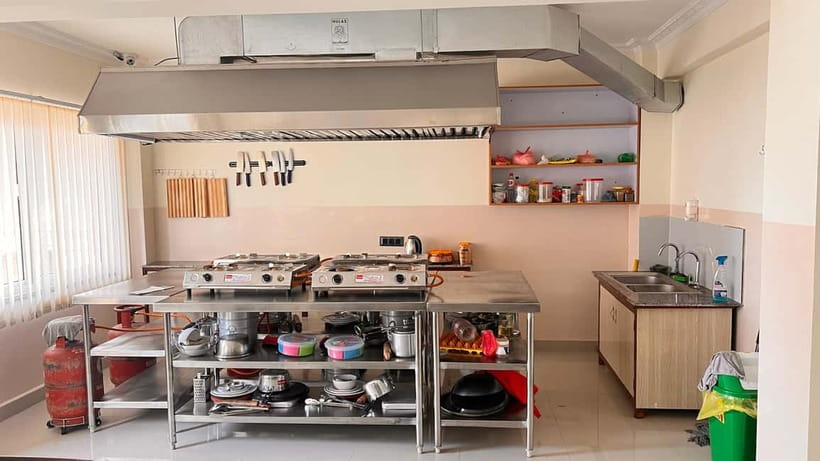
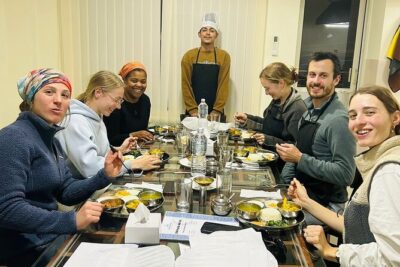
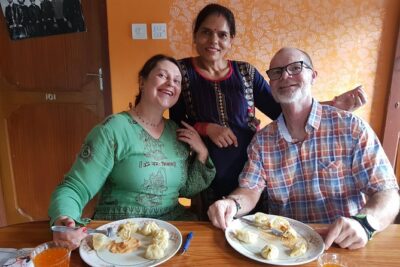
At the end, you sit down for a tasting session featuring the food made during the class. This is one of the strongest parts of the experience because you can connect each finished dish with the work behind it.
You will not simply taste a chef’s pre-prepared plate. The meal reflects the choices and techniques practiced during the lesson. A slightly uneven momo or rustic bara becomes part of the fun.
The class offers vegetarian and meat options. Meat choices mentioned in the menu information include chicken, buff, pork, and mutton, though the exact option depends on the selected dishes. If you have a dietary restriction, confirm what can be changed before booking.
The meal should be filling enough to count as lunch or dinner, especially with dishes such as dal bhat, momo, or thukpa. The exact portion is not specified, so I would not book this as a guaranteed large feast for a group with very big appetites.
For many people, the meal is also the moment when the techniques make sense. You taste the balance of lentils, rice, spice, filling, broth, or sweetness and can decide which recipes you want to try again at home.
Price, group size, and practical value
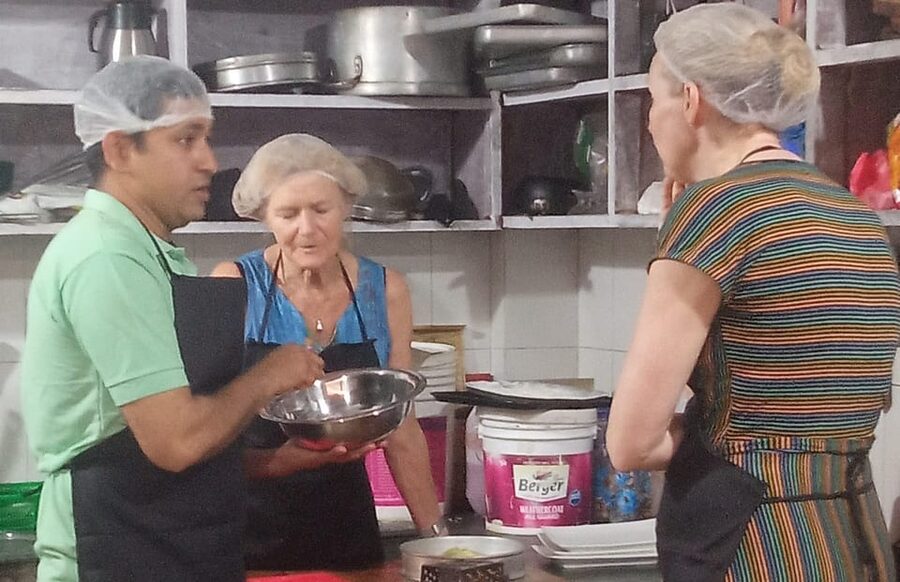
At $11 per person, this is an inexpensive activity for Kathmandu. The fee includes the chef and instructor, the market or shop visit, cooking equipment, ingredients used in the class, hands-on preparation, the final tasting, and masala tea.
That makes the value better than the price alone suggests. You are receiving both a meal and a short cultural lesson, plus enough instruction to repeat at least some of the dishes later.
The class lasts two to three hours. That is long enough to feel substantial, but short enough to fit around sightseeing in Kathmandu. I would place it on a day when you are not already committed to a long excursion outside the city.
The group is limited to eight participants, and the instruction is in English. The activity provider is Relax Getaways Pvt. Ltd. Professional photography and video are not included, though those services may be available for an additional fee.
You can cancel up to 24 hours before the activity for a full refund, and the reserve-now, pay-later option keeps your plans flexible. Starting times vary, so check availability rather than assuming a fixed schedule.
Who should book this Kathmandu cooking class
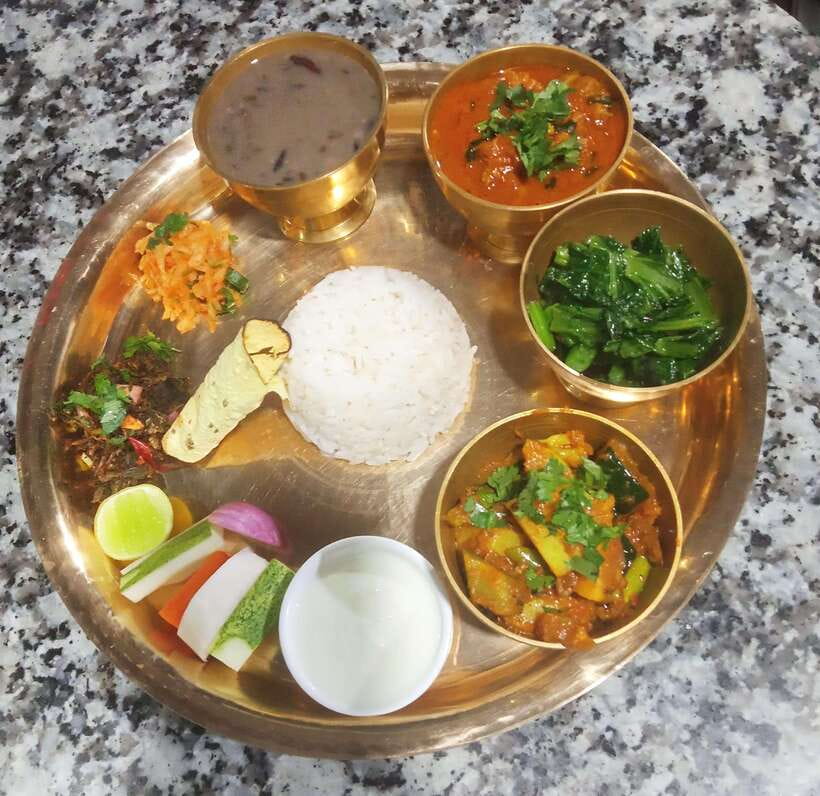
I would recommend this class to first-time visitors who want an activity connected to daily Nepali life. It is also a good fit for food-focused visitors who prefer making a meal over sitting in a restaurant.
Families can consider it for children older than eight, especially those who enjoy shaping dough or assembling food. The class may also suit solo visitors because the small group creates a natural setting for shared work.
Pick Menu 1 if dal bhat, Newari snacks, and a traditional sweet interest you most. Pick Menu 2 for chatamari, momo, and kheer. Pick Menu 3 for aloo chop, noodle soup, and carrot halwa.
I would be more cautious if you want a polished professional cooking school with a relaxed pace guaranteed throughout. The momo-folding lesson may require persistence, and the class is practical rather than luxurious.
Should you book it?
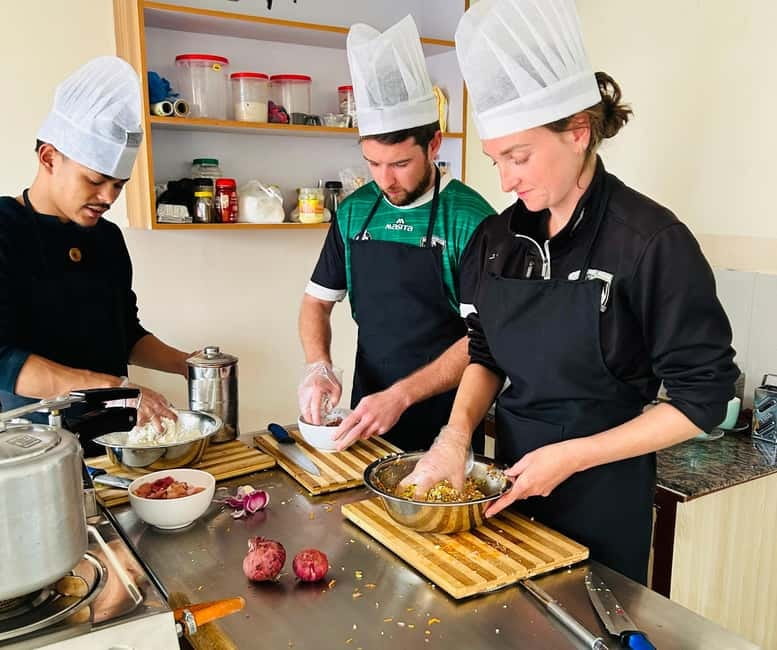
Book this class if you want to shop for ingredients, cook with a local chef, and eat a Nepali meal you helped prepare. The low price, small group, three menu choices, and included market visit make it a strong value in Kathmandu.
Before paying, confirm the menu you want and mention dietary needs. Bring patience for the momo folds, ask questions in English, and expect a working kitchen rather than a passive food tasting. For an affordable two to three hours of cooking, culture, and lunch or dinner, this is an easy activity to add to a Kathmandu stay.
FAQ
How long does the Kathmandu cooking class last?
The class lasts approximately two to three hours, including the market or shop visit, cooking lesson, and tasting session.
What dishes can I learn to cook?
The three menu sets include bara, dal bhat, yomari, chatamari, momo, kheer, aloo chop, thukpa, and carrot halwa. The class description also highlights Nepali lunch and dinner dishes, including dal bhat and momo.
Are vegetarian and meat options available?
Yes. The activity offers vegetarian and meat options. Possible meat ingredients mentioned include chicken, buff, pork, and mutton, depending on the selected menu.
Is the class suitable for children?
Yes. The workshop is suitable for people over eight years old who are interested in learning to cook new dishes.
Is the market visit included in the price?
Yes. The class includes a market or shop tour to buy important ingredients such as vegetables, spices, and meat.
What does the $11 price include?
The price includes the cooking class, English-speaking local chef and instructor, market visit, cooking equipment, hands-on preparation, tasting of the food you make, and Nepali masala tea. Specialty and alcoholic drinks, along with professional photos and video, are not included.
More Workshops in Kathmandu
- Knife (Khukuri) Making Workshop- Forge of the Gurkhas
★ 5.0 · 143 reviews - The best Private Nepali Cooking Class in Kathmandu
★ 5.0 · 83 reviews - Knife Khukuri Making Workshop
★ 4.9 · 38 reviews - Best Nepali Cooking Class in Thamel with Local Market Trip
★ 5.0 · 26 reviews
Just added around Kathmandu
- Traditional Momo Making Class★ 5.0 · 10 reviews
- Women Empowerment Project(Nepali cooking class & jewelry workshop★ 5.0 · 15 reviews
- Manthali Airport (Ramechhap) To Kathmandu – Transport Service★ 4.5 · 11 reviews
- Amazing 1 Day Trekking Experience in Kathmandu Nepal★ 5.0 · 24 reviews
- Walking tour of Kathmandu with awesome local guides★ 5.0 · 4 reviews
- Walking tour of real Kathmandu through back streets.★ 5.0 · 3 reviews
- Kathmandu Street Food Walking Tour – Eat Like a Local★ 5.0 · 3 reviews
- Private Manaslu Circuit Trek at Himalayas★ 5.0 · 3 reviews
Momo Making Classes, compared.
Nepalese Momos or Dal Bhat Cooking Class (Cook with Delight)
Read our review →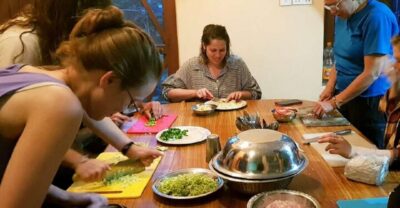
Nepalese Kitchen in Pokhara: Momos or Dal Bhat Cooking Class
Read our review →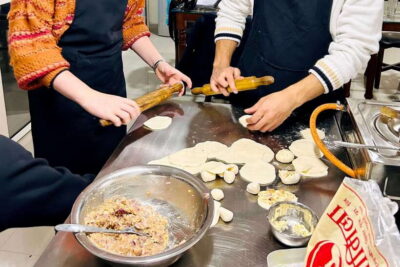
Browse the lists this tour appears in